
Japan Travel Tips 2026–27: 30 Things to Know First
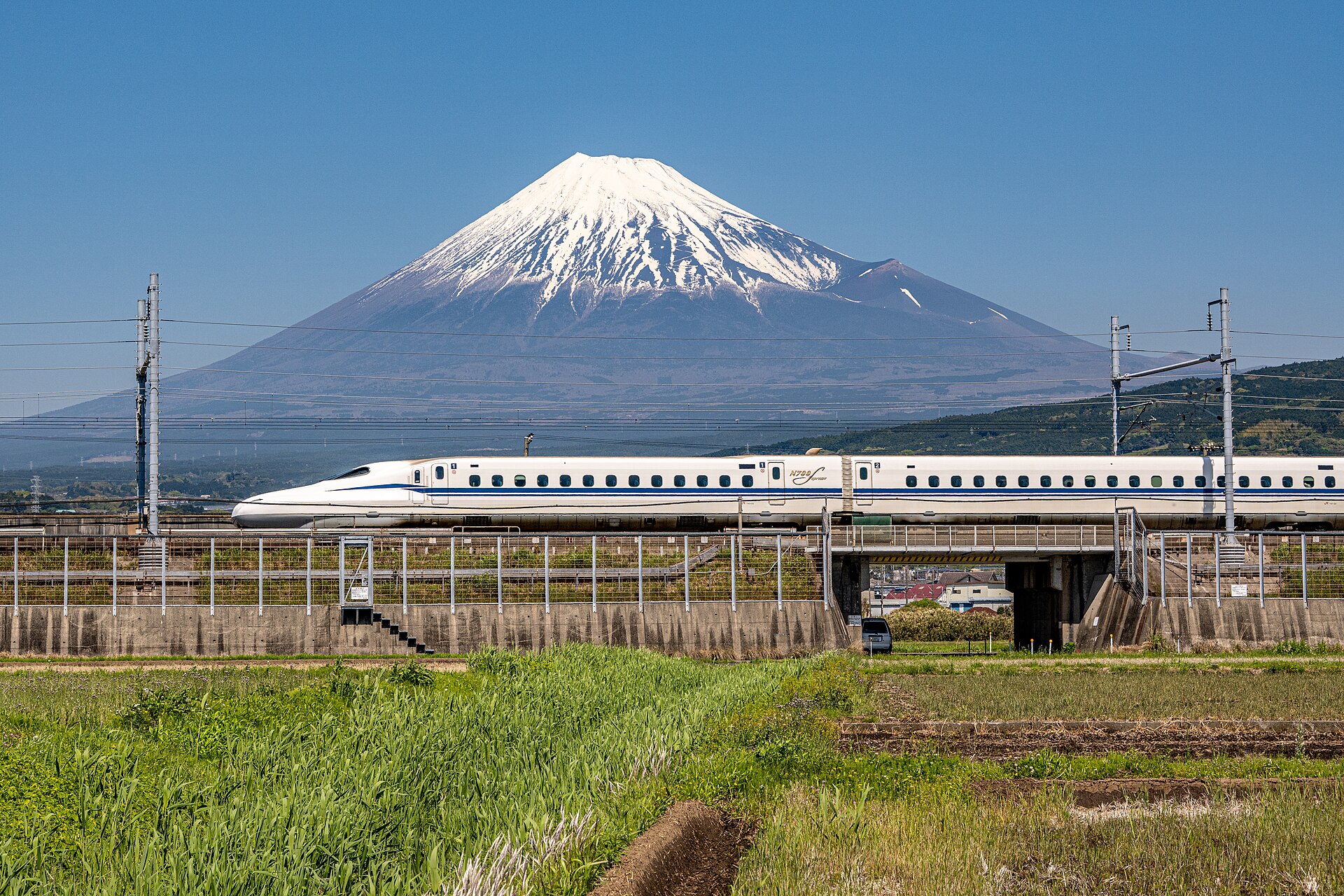
สรุปสั้น ๆ: The Japan travel tips that matter most for a first trip in 2026–27 are these eight. Check the rules and taxes below, because several changed this year.
- Entry: most visitors from the 74 visa-exempt countries and regions get up to 90 days; fill in Visit Japan Web before you fly.
- Tax-free shopping is now a refund: since 1 November 2026 you pay tax-inclusive prices and get the tax back after a customs check at departure, done before you check your bags.
- Departure tax is ¥3,000 per exit since 1 July 2026, and it is already in your air fare.
- Hotel taxes vary by city: Kyoto charges ¥200–¥10,000 per person per night, and Tokyo switches to 3% on 1 April 2027.
- Get an IC card: Welcome Suica or Tourist PASMO at Narita and Haneda, or Suica, PASMO or ICOCA on an iPhone.
- Skip the JR Pass for Tokyo–Kyoto–Osaka: a 7-day pass is ¥50,000 online, while a Tokyo–Shin-Osaka Nozomi return is ¥29,440.
- Carry some cash: 7-Eleven (Seven Bank) and Japan Post ATMs take foreign cards.
- No tipping, quiet trains, shoes off indoors, and save 110, 119 and the 24-hour JNTO hotline, 050-3816-2787.
Last checked: 27 November 2026, against the official sources linked in each section.
These Japan travel tips are for a first trip to the whole country, not just the capital: entry, money, trains, taxes, etiquette and timing, with every rule checked against the official source. For Tokyo’s neighbourhoods, our first time in Tokyo guide picks up where this one stops.
Japan is easy to travel, but 2026 moved a lot of furniture. Tax-free shopping, the departure tax, Kyoto’s hotel tax and JR Pass prices all changed, and the shinkansen fare rise is now dated for 2027.
¥3,000
Departure tax, each time you leave
90 days
Visa-free stay for most visitors
1 Nov 2026
Tax-free became a refund
050-3816-2787
JNTO visitor hotline, 24/7
What changed for Japan travel in 2026?
What changed in 2026, and what is coming in 2027:
- 1 March 2026: Kyoto City raised its hotel tax, with a top rate of ¥10,000 per person per night for rooms of ¥100,000 or more (Kyoto City).
- May 2026: PASMO launched the TOURIST PASMO visitor card, sold at Haneda and Narita (PASMO).
- 1 July 2026: the International Tourist Tax rose from ¥1,000 to ¥3,000 per departure (Japan Tourism Agency).
- 1 October 2026: JR Pass prices rose for passes bought through overseas agents, to ¥53,000 for 7 days; the official website still sells it for ¥50,000 (JAPAN RAIL PASS).
- 1 November 2026: tax-free shopping became a refund system (Japan Tourism Agency).
- 2027: Tokyo’s hotel tax becomes 3% on 1 April, and Nozomi and Mizuho reserved fares rise for tickets bought from 1 July (JR West); see our shinkansen fare increase 2027 guide.
Japan is also busier than ever. JNTO estimated 3,912,500 visitors in October 2026, a record for a single month, as reported by Travel Voice. Book the things that sell out early.
Japan travel tips checklist: before you fly, on arrival, while travelling
Here is the whole trip on one screen. The numbered Japan travel tips below explain each line.
| When | Do this | ทำไม |
|---|---|---|
| Before you fly | Check the visa-exempt list and your passport | Most stays up to 90 days need no visa |
| Before you fly | Register on Visit Japan Web | QR codes for immigration and customs |
| Before you fly | Buy an eSIM and book restaurants, tours and ชิบุยะ Sky | Popular slots sell out weeks ahead |
| On arrival | Get an IC card and some yen | Trains, buses, konbini and small shops |
| On arrival | Save 110, 119 and 050-3816-2787 | Police, fire and ambulance, and JNTO’s 24-hour hotline |
| While travelling | Forward big bags, reserve the oversized-baggage seat | Shinkansen rule for bags over 160 cm |
| While travelling | Keep tax-free goods unused and in your carry-on | Customs may check them before check-in |
| Leaving | Do the customs tax-free scan, then check in | Refund needs it within 90 days of purchase |
Japan travel tips before you fly: entry, data and bookings
1. Check whether you need a visa
Japan exempts 74 countries and regions from short-stay visas, and most get up to 90 days, per the Ministry of Foreign Affairs list. Indonesia and Thailand get 15 days, and Brunei and Qatar 30. Paid work is not allowed on a visa-free entry.
2. Fill in Visit Japan Web before you land
Visit Japan Web, run by the Digital Agency, gives you QR codes for immigration and customs, and it also covers tax-free shopping. The government recommends it rather than requiring it, and ANA notes the paper customs form can still be used. Register each traveller, including children.
3. Know that JESTA is coming, but not yet
Japan plans an online pre-travel authorisation, JESTA, for visa-exempt visitors. The cabinet approved the bill on 10 March 2026, and it should start by March 2029 at the latest, according to Travel Voice. For 2026–27 trips there is nothing to apply for.
4. Sort out data before you leave home
An eSIM is the easiest option for most phones: install it at home and it works when you land. Our Japan eSIM guide compares prices and pocket Wi-Fi. You will use maps, train apps and translation all day.
5. Book the things that really sell out
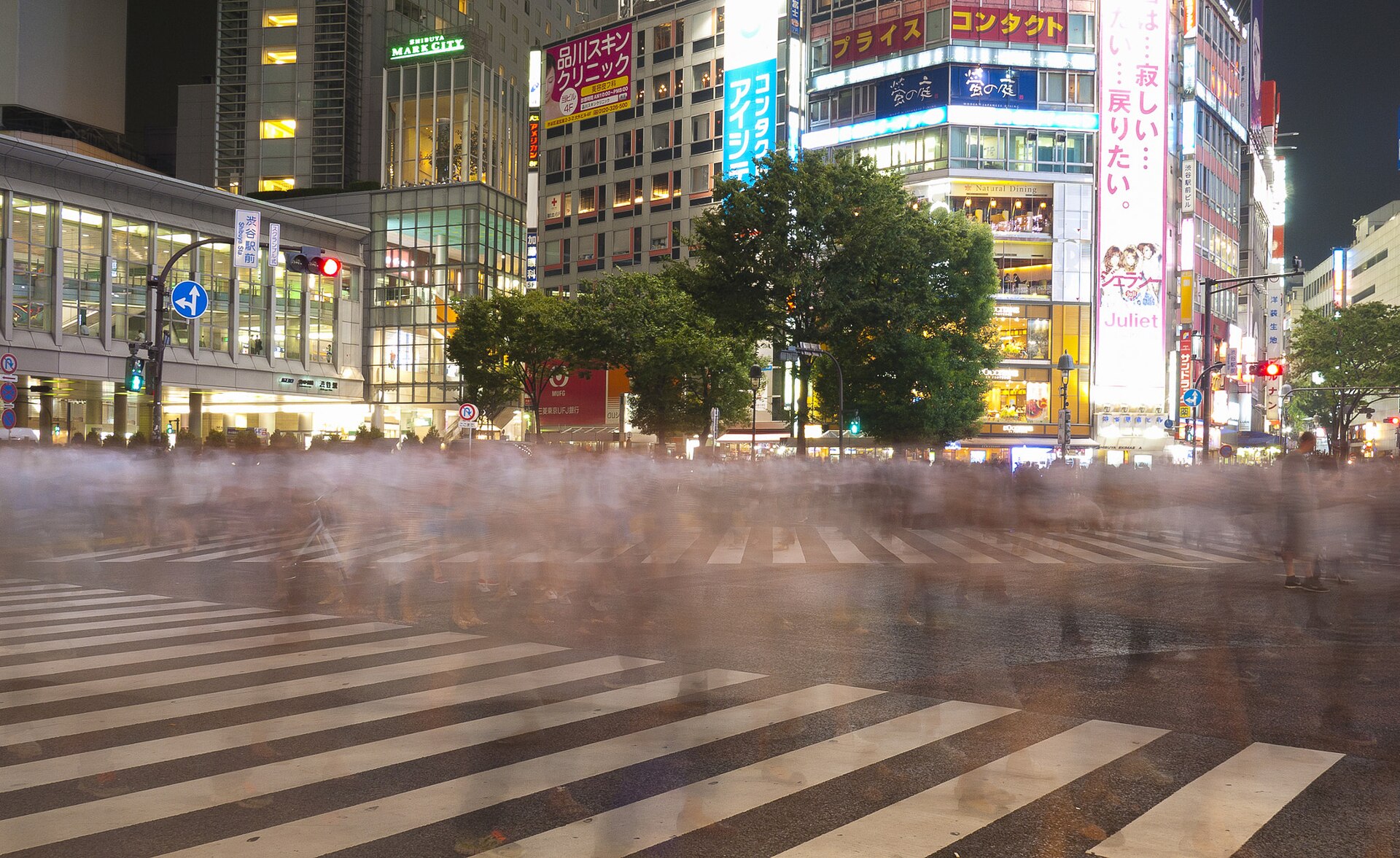
Temples rarely need booking; hosts and time slots do. Sushi counters, Kyoto tea ceremonies, food tours and sunset slots at Shibuya Sky are the usual pinch points. Hotels for cherry blossom season and New Year go early too.
6. Pick your season with open eyes
Winter brings clear skies in Tokyo and snow in the north; our ฤดูหนาวในญี่ปุ่น guide covers it. No official 2027 cherry blossom forecast exists yet, so watch our cherry blossom forecast 2027 page. Late March to early April and the New Year week are the most crowded times.
7. Pack light, and plan for your suitcase
Hotel rooms are small, stations have stairs, and shinkansen luggage rules are strict (see tip 17). One medium case per person and a day bag is the sweet spot.
8. Get travel insurance
Japan’s hospitals are excellent, but visitors pay the full cost. Take a policy that covers medical treatment and cancellations before you fly.
On arrival: IC cards, cash, ATMs and tax-free shopping
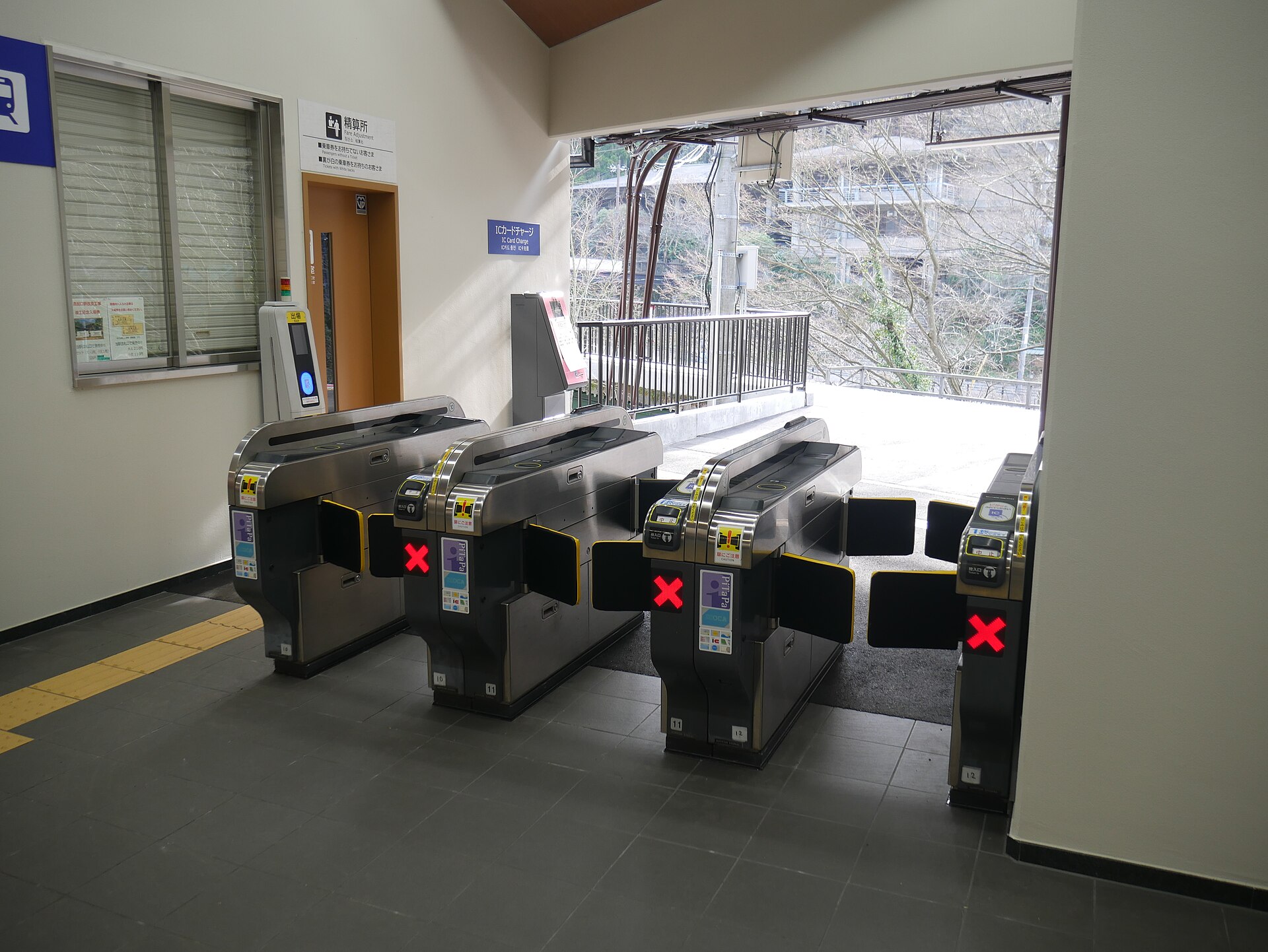
9. Buy an IC card at the airport, or use your phone
Welcome Suica costs ¥1,000–¥10,000, all of it stored value, with no deposit, and lasts 28 days. It is sold at Narita, Haneda Terminal 3 and major JR East stations, one card per person, and the balance is not refundable.
The new TOURIST PASMO works the same way: ¥2,000 at Narita, ¥1,000–¥10,000 at Haneda, 28 days, no refunds (PASMO). Regular unregistered Suica and PASMO cards went back on sale on 1 March 2025 (JR East and PASMO), so the card shortage is over. Our IC card Japan guide covers iPhone wallets and Kansai’s ICOCA.
10. Use cards, but carry cash
International credit and debit cards are generally accepted, and you can pay shinkansen fares by card, per JNTO. Small restaurants, temples, rural buses and market stalls can still be cash only. Keep ¥10,000–¥20,000 on you and a coin purse for change.
11. Withdraw yen at 7-Eleven or the post office
Seven Bank has over 28,000 ATMs in 7-Eleven stores that take foreign cards, with menus in 12 languages. Japan Post Bank ATMs work too, but may charge ¥220 per withdrawal on top of your bank’s fee. When the screen offers to settle in your home currency, choose yen; the conversion rate is usually worse.
12. Understand the new tax-free refund
Since 1 November 2026 you pay the full price, tax included, and the shop refunds the 10% (8% on food) after customs confirms you are taking the goods out. The minimum is still ¥5,000 before tax, and the customs check must happen within 90 days of purchase (Japan Tourism Agency).
Do the customs scan in the departure lobby before you check your bags, because checked bags cannot be retrieved (Japan Tourism Agency). Anything you eat, drink or use in Japan loses its refund. Our Japan tax refund guide covers airports, payout methods and fees.
13. Save the emergency numbers
Dial 110 for police and 119 for fire or ambulance. JNTO’s Japan Visitor Hotline answers 24 hours a day, 365 days a year, in English, Chinese and Korean, on 050-3816-2787 (+81-50-3816-2787 from abroad).
14. Download the right apps
A map app with transit directions, a translation app with camera mode and your airline’s app cover most needs. Screenshot hotel addresses in Japanese for taxi drivers.
Japan travel tips for trains: JR Pass, Shinkansen and luggage
15. Do the JR Pass maths first
A 7-day ordinary JR Pass costs ¥50,000 on the official website, ¥53,000 from overseas agents since 1 October 2026 (JNTO). A Tokyo–Shin-Osaka Nozomi reserved seat is ¥14,720 each way, so the classic return is ¥29,440 (JR West).
The pass pays off only when you add long legs such as Hiroshima, Kanazawa or Fukuoka in the same week. Our is the JR Pass worth it guide runs seven real routes, and how to book Shinkansen tickets explains single tickets.
16. Remember Nozomi costs extra on the pass
JR Pass holders need a special Nozomi/Mizuho ticket for each ride: ¥4,960 Tokyo–Kyoto or Shin-Osaka, ¥6,500 Tokyo–Hiroshima (JAPAN RAIL PASS). Hikari trains need no supplement; they stop a little more often.
17. Reserve the oversized-baggage seat
On the Tokaido, Sanyo and Kyushu Shinkansen, bags with total dimensions of 161–250 cm need a seat with an oversized baggage area, reserved when you buy the ticket at no extra charge (JR Central). Board without one and you pay a ¥1,000 fee. Bags over 250 cm are not allowed.
18. Forward your luggage instead
Hotels and convenience stores can send a suitcase to your next hotel, usually arriving the next day. Our luggage forwarding Japan guide has 2026 fares and how to fill in the slip. Send bags to the airport two days before your flight.
19. Know when shinkansen fares go up
Nozomi and Mizuho reserved seats rise for tickets bought from 1 July 2027, and Green Car fees for journeys from 15 December 2027 (JR Central and JR West). Tokyo–Shin-Osaka goes from ¥14,720 to ¥15,420; unreserved seats do not change.
20. Mind rush hour and the last train
Avoid city trains around 8:00–9:30 on weekdays if you have luggage. Last trains leave around midnight, so check the exact time in your app before a late dinner. For a full route, see our 2-week Japan itinerary.
Japan travel tips on etiquette: what do first-timers get wrong?
21. Shoes off where you see a step or slippers
Temples, ryokan, some restaurants and fitting rooms ask you to remove shoes, usually where the floor rises or slippers wait (JNTO). Wear socks without holes and shoes you can slip off.
22. Keep trains quiet
People keep their voices down on public transport and avoid phone calls; use headphones for music and video, per JNTO. Give priority seats to people who need them.
23. Eat where you buy, not while walking
Eating while walking along busy streets is widely frowned upon, and some shopping streets put up signs asking you not to. Stand by the stall or the konbini to finish your snack.
24. Carry your rubbish
Public bins are rare, so take trash with you if there is no bin, as JNTO asks. Konbini and station bins are sorted by type; read the labels.
25. Learn onsen rules before your first bath
Wash at the shower stations first, bathe naked and keep your towel out of the water. Japan has no national tattoo ban; each bath sets its own rule, and private baths avoid the question. Our onsen etiquette and tattoos guide walks you through it.
26. Queue, and ask before photos
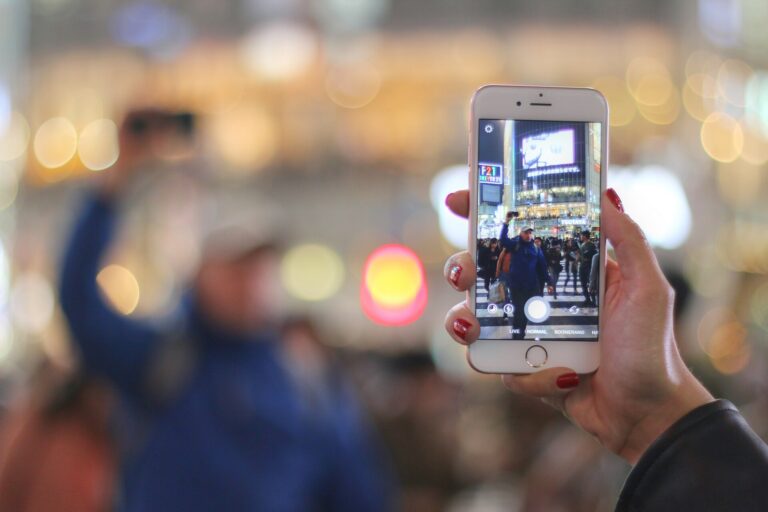
People line up for trains, shops and restaurants, and nobody cuts in. Ask before photographing people, and respect no-photo signs at temples and shops.
Do you tip in Japan, and how do restaurant bookings work?
27. Don’t tip
Tipping is not common in restaurants, bars, taxis or hotels, says JNTO. A private guide may accept one, given discreetly in an envelope. Expect a service charge at some upscale places and an otoshi seat charge at many izakaya instead.
28. Book with a card, and respect cancellation fees
Popular sushi and kaiseki counters book out weeks ahead, often through English platforms that ask for a card. Same-day cancellations and no-shows can cost the full price. Our how to book restaurants in Japan guide compares the platforms and fees.
Japan travel costs at a glance: taxes, passes and fees
Money is where Japan travel tips go out of date fastest, so these fixed costs were checked on 27 November 2026. Prices are per adult.
| Item | Cost | Source |
|---|---|---|
| Departure tax | ¥3,000 per departure, inside your air fare; under-2s exempt | National Tax Agency |
| Tokyo hotel tax | ¥0 / ¥100 / ¥200 per night to 31 Mar 2027; 3% above ¥13,000 from 1 Apr 2027 | Tokyo Bureau of Taxation |
| Kyoto hotel tax | ¥200–¥10,000 per person per night, by room price | Kyoto City |
| JR Pass, 7 days | ¥50,000 online; ¥53,000 via overseas agents | JAPAN RAIL PASS |
| Tokyo–Shin-Osaka Nozomi | ¥14,720 reserved, one way (¥15,420 if bought from 1 Jul 2027) | JR West |
| Welcome Suica | ¥1,000–¥10,000, all stored value, 28 days | JR East |
| Oversized bag, no reservation | ¥1,000 on the Tokaido, Sanyo and Kyushu Shinkansen | JR Central |
| Japan Post ATM | Up to ¥220 per withdrawal, plus your bank’s fee | Japan Post Bank |
| Tips | ¥0 | JNTO |
29. Check the hotel tax line before you book
Hotel taxes are local, charged per person per night on the room-only price, and booking sites do not always include them. Kyoto taxes every price band, so even a hostel bed pays ¥200. Our Japan departure tax and hotel tax guide lists Osaka, Fukuoka, Hokkaido and more.
30. Budget by the day
ของเรา Japan travel cost guide puts 2027 budgets at about ¥9,000–¥12,000 a day for backpackers and ¥20,000–¥32,000 mid-range, before flights. Add the shinkansen, hotel taxes and one or two bookable experiences. For a return trip, read second time in Japan next.
ควรรู้ก่อนไป
Scan before check-in
Do the tax-free customs scan in the departure lobby, then check your bags.
Card plus cash
Carry ¥10,000–¥20,000 in cash for small shops, temples and rural buses.
Hikari on the pass
With a JR Pass, Hikari needs no supplement; Nozomi costs ¥4,960 extra Tokyo–Kyoto.
Big bag, book a seat
Bags of 161–250 cm need an oversized-baggage seat on the Tokaido Shinkansen.
Save one number
JNTO’s hotline, 050-3816-2787, helps in English 24 hours a day.
Japan travel tips FAQ
What should I know before going to Japan for the first time?
Check your visa-free stay (90 days for most visitors), register on Visit Japan Web, get an eSIM and an IC card, carry some cash, and know that tax-free shopping became a refund on 1 November 2026.
Do I need Visit Japan Web?
It is recommended rather than required. It gives you QR codes for immigration and customs, and paper customs forms can still be used.
Is the JR Pass worth it in 2026?
Not for Tokyo, Kyoto and Osaka alone. The 7-day pass costs ¥50,000 online, while a Tokyo–Shin-Osaka Nozomi return is ¥29,440.
How much is the Japan departure tax?
¥3,000 per departure since 1 July 2026, collected in your air or ferry fare. Children under 2 and transit passengers leaving within 24 hours are exempt.
Can I still buy a Suica card?
Yes. Welcome Suica is sold at Narita, Haneda Terminal 3 and major JR East stations, and regular unregistered Suica and PASMO cards have been back on sale since 1 March 2025.
Should I tip in Japan?
No. Tipping is not common in restaurants, bars, taxis or hotels. A private guide may accept a tip in an envelope.
What is the emergency number in Japan?
Dial 110 for police and 119 for fire or ambulance. JNTO’s visitor hotline, 050-3816-2787, helps 24 hours a day in English, Chinese and Korean.
แหล่งข้อมูลและวิธีตรวจสอบ
We checked every rule and price on 27 November 2026 against the official sources: entry from the Ministry of Foreign Affairs และ Digital Agency, tax-free shopping from the Japan Tourism Agency, the departure tax from the National Tax Agency, and hotel taxes from โตเกียว และ Kyoto City. Rail facts come from JAPAN RAIL PASS, JR West, JR Central, JR East และ PASMO; money, etiquette and the hotline from JNTO, Seven Bank และ Japan Post Bank.
The JESTA timeline and October 2026 arrivals are as reported by Travel Voice, and daily budgets come from our own linked cost guide. This is general travel information, not legal or tax advice. Last checked: 27 November 2026.
Plan your first Japan trip
Find tea ceremonies, food tours, attraction tickets and local hosts across Japan that you can book in English with Japan Pro.
 English
 Japanese
 Chinese (Taiwan)
 Chinese (China)
 Korean
 French
 Italian
 Thai