The cherry blossom forecast 2027 will not be official until the forecasters publish it this winter, but the pattern is predictable: Tokyo and Kyoto should open around 22–25 March 2027 and reach full bloom around 30 March to 3 April. Okinawa starts in mid-January, Hokkaido finishes in early May, and everything else falls in between.
This guide covers 43 sakura spots in every region, January to May 2027. Because no 2027 forecast exists yet, each date is an expected window that we built from the Japan Meteorological Agency’s 1991–2020 normals and the actual 2025 and 2026 bloom dates (JMA first-bloom data, JMA full-bloom data). Every card is labelled ‘Expected dates’, and we will replace them with the real forecasts when they are published. Last checked 18 October 2026.
22 Mar
Expected first bloom, Tokyo
43
Spots on the calendar
Jan – May
Season, Okinawa to Hokkaido
8 Jan
Weathernews' first forecast came out in 2026
Cherry blossom calendar 2027: expected bloom by spot
Open a month for its spots. Each window runs from the expected first bloom to about a week after expected full bloom, based on JMA normals and the 2025–2026 bloom dates. These are expected dates, and we will update them when the official forecasts come out.
Japan's season starts in Okinawa, where deep-pink kanhizakura flower in late January. The Nago Sakura Festival is already confirmed for 30–31 January 2027.
Nago Castle Park (Nago Sakura Festival)
Expected dates
Japan's first big hanami of the year happens in January, under deep-pink kanhizakura (Taiwan cherry) rather than pale somei-yoshino. Nago Castle Park on the hill above town is the main viewing area, and the Nago Tourism Association says the trees peak from late January to mid-February. The 64th Nago Sakura Festival is already confirmed for Saturday 30 and Sunday 31 January 2027, with parades through central Nago and a pedestrian zone from 11:00 to 20:30. Viewing is free.
No railway in northern Okinawa: drive or take a bus from Naha to central Nago
Seat from
Free to watch
Biggest attractions nearby
Churaumi Aquarium and Nakijin Castle are on the Motobu Peninsula, north-west of Nago.
Tips on beating the crowd
Festival weekend is the busiest time on the hill; go on a weekday in early February for the same blossoms with far fewer people.
Kawazu-zakura along the Kawazu River
Expected dates
Kawazu-zakura is an early, deep-pink hybrid that flowers a full month or more before somei-yoshino. The small Izu town has about 8,000 trees, about 850 of them along the river, according to Jorudan's 2026 listing. The 2026 Kawazu Sakura Matsuri ran from 7 February to 8 March, with the riverside lit from 18:00 to 21:00. Walking the river is free; parking costs from ¥1,000, and ¥2,000 at peak.
Kawazu (Izu Kyuko Line) · the trees start right by the station
Seat from
Free to watch
Biggest attractions nearby
Atami (another early-sakura town) and Shimoda are on the same Izu coast line.
Tips on beating the crowd
Weekends during the festival are packed and the coast road jams, so come by train on a weekday. The original tree (gen-boku) opens first: Jorudan's 2026 listing expected it from about 18 January.
Rikugien Garden
Expected dates
An Edo-period strolling garden whose weeping cherry, just inside the inner gate, flowers at the end of March, usually a few days ahead of Tokyo's somei-yoshino. Entry is ¥300 for adults and ¥150 for over-65s. Day tickets can be bought online, valid on the day of purchase.
Komagome (JR Yamanote / Tokyo Metro Namboku) · walk 7 min
Seat from
Free to watch
Biggest attractions nearby
Kyu-Furukawa Gardens, with its rose garden and Western-style mansion, is nearby.
Tips on beating the crowd
The weeping cherry is the whole show here, so come a few days before Tokyo's forecast full bloom. Morning visits avoid the queue at the gate.
Kochi Castle
Expected dates
Kochi Park around the castle has about 180 cherry trees, mostly somei-yoshino. Kochi is one of the first cities in Japan to flower each year: in 2026 the JMA sample tree opened on 16 March. The castle keep is lit at night. The park is free to walk.
Hirome Market, Kochi's food hall, is a short walk away.
Tips on beating the crowd
Because Kochi blooms early, it is a good way to start a western Japan trip before Kyoto peaks. Pair it with the Sunday Market on Otesuji, just outside the castle gate.
Chidorigafuchi
Expected dates
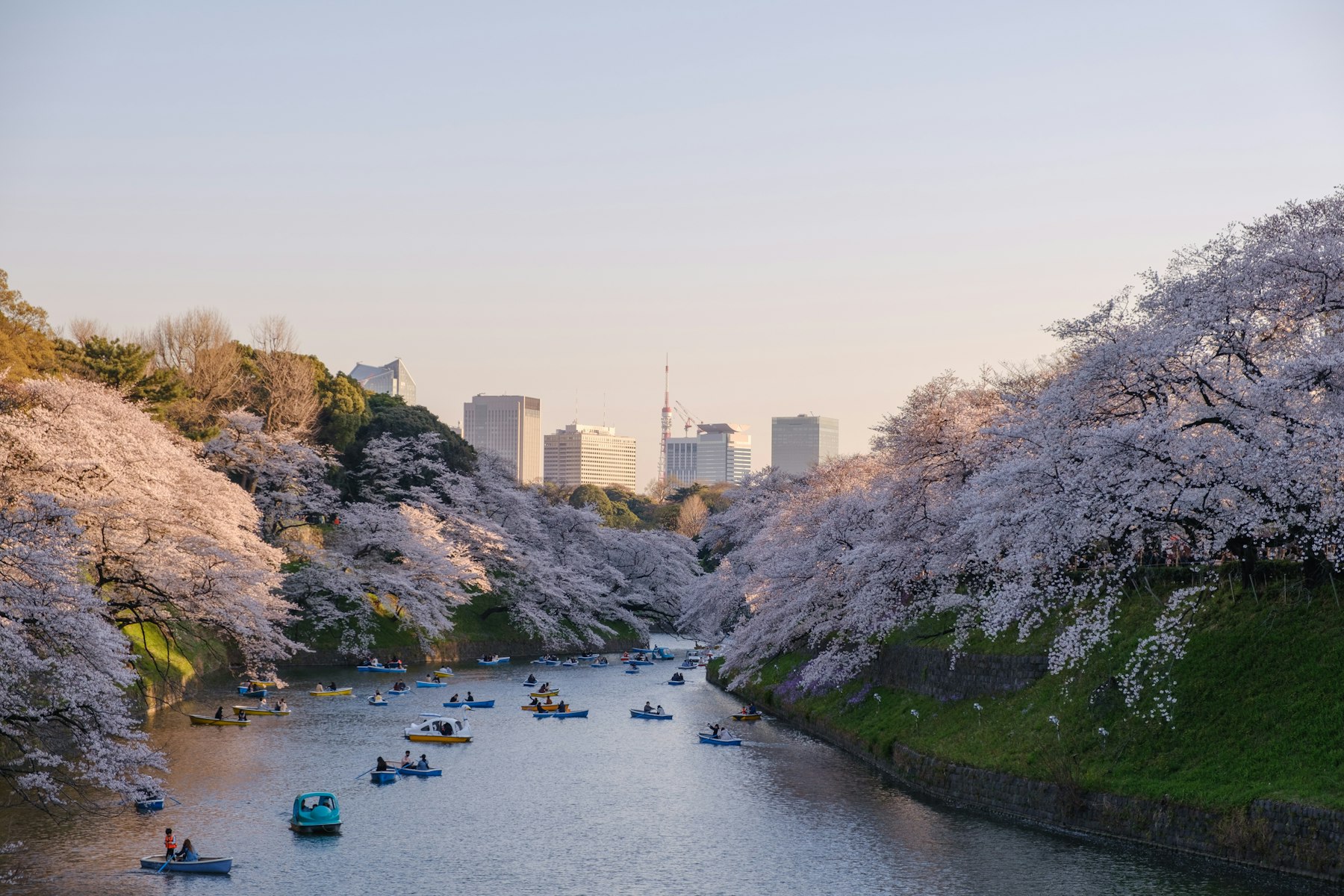
About 230 cherry trees, mostly somei-yoshino, lean over the Imperial Palace moat along the Chidorigafuchi greenway. The 2026 Chiyoda Sakura Festival ran from 5 March to 22 April, with the moat lit from 26 March to 6 April and boat hours extended into the evening. Rowing boats are booked through the 'smart ticket' system. Picnics (banquets) and smoking are banned on the greenway.
Yasukuni Shrine and Kitanomaru Park (Nippon Budokan) are next door.
Tips on beating the crowd
Boats are the best way to see it, and weekends are the busiest: use the smart ticket and go on a weekday. Come back after dark during the light-up.
Inokashira Park
Expected dates
About 400 cherry trees, about 200 of them around the pond, many hanging low over the water. Rowing and swan boats run from the boathouse, so you can see them from below. Entry is free. Parties must end by 22:00, open fires are banned and rubbish goes home with you.
Kichijoji (JR Chuo / Keio Inokashira) · walk 5 min; Inokashira-koen · walk 1 min
Seat from
Free to watch
Biggest attractions nearby
Ghibli Museum is on the park's west side.
Tips on beating the crowd
Boat queues are long at weekend lunchtimes; go at opening on a weekday. Kichijoji's Harmonica Yokocho is the place to eat afterwards.
Meguro River (Nakameguro)
Expected dates
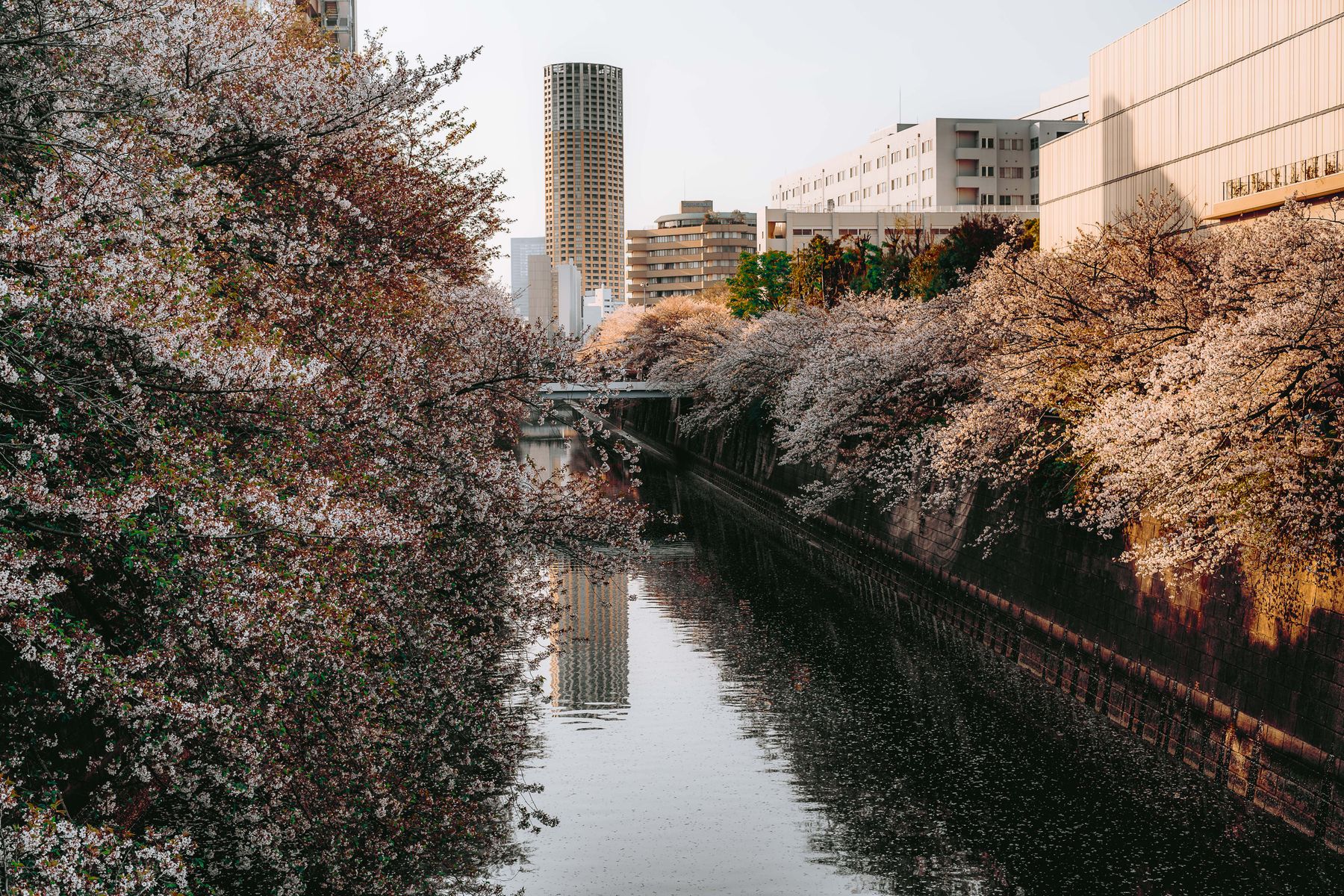
About 800 somei-yoshino arch over the Meguro River from Ohashi (Ikejiri-Ohashi) down to Shimo-Meguro, with the busiest stretch through Nakameguro. The 2026 Nakameguro Sakura Matsuri was on 28–29 March, and the trees were lit from 17:00 to 20:00. It is free, but there is nowhere to sit: this is a walk, not a picnic.
Naka-Meguro (Tokyu Toyoko / Tokyo Metro Hibiya) · walk 2 min; Ikejiri-Ohashi · walk 2 min
Seat from
Free to watch
Biggest attractions nearby
Daikanyama's shops are a 6-minute walk from the river.
Tips on beating the crowd
The Nakameguro stretch is the most crowded at the weekend festival. Walk downstream towards Meguro, where it thins out; there is no parking, and about 10 temporary toilets were planned along the river in 2026.
Shinjuku Gyoen National Garden
Expected dates
About 900 cherry trees of about 70 varieties, including about 300 somei-yoshino and about 170 late double cherries (ichiyo and kanzan), so something is in bloom from January to late April. Entry is ¥500 for adults, and the garden stays open on Mondays from 25 March to 24 April. Alcohol is banned. In 2026, timed advance booking was required from 10:00 to 16:00 on 28 and 29 March and 5 April.
Shinjuku-gyoemmae (Tokyo Metro Marunouchi) · walk 5 min; Shinjuku · walk 10 min
Seat from
Free to watch
Biggest attractions nearby
Shinjuku's department stores and Omoide Yokocho are a 10-minute walk.
Tips on beating the crowd
Watch the garden's site in early March for any booking days. Without a booking you can still enter from 9:00 to 10:00 or 16:00 to 17:30. Come back mid-April for the kanzan double cherries.
Sumida Park
Expected dates
About 400 cherry trees (somei-yoshino and sato-zakura) line the Taito side of the Sumida River, with Tokyo Skytree across the water. The trees are lit from sunset to 21:00. It is free, but picnic areas with food and drink are limited to set zones.
Senso-ji is 5 minutes' walk; river cruises leave from Asakusa pier.
Tips on beating the crowd
Cross Sakura-bashi, the X-shaped footbridge, for the view back to Skytree. A Sumida River cruise is a good way to see both banks.
Ueno Park
Expected dates
Tokyo's most famous party park has about 800 cherry trees of about 50 varieties, most of them along Sakura-dori, the central avenue. The 77th Ueno Sakura Matsuri ran from 14 March to 5 April 2026, and about 800 paper lanterns were lit from 20 March to 19 April, from dusk to about 20:00. Entry is free. The park closes to visitors from 23:00 to 5:00 and open fires are banned.
Ueno (JR / Tokyo Metro) · walk 2 min; Keisei Ueno · walk 1 min
Seat from
Free to watch
Biggest attractions nearby
Tokyo National Museum, Ueno Zoo and Ameyoko market are all at the park.
Tips on beating the crowd
Sakura-dori is a slow shuffle by midday at weekends. Go before 8:00, or see the lanterns on a weekday night. Shinobazu Pond's south side is less crowded.
Yamazaki River (Nagoya)
Expected dates
About 550 trees, mostly somei-yoshino, arch over about 2.5 km of the Yamazaki River through a quiet residential area. A 120 m stretch by Kanae Bridge is lit in bloom season. It is free.
Mizuho Kuyakusho (Nagoya subway Sakura-dori Line) · walk 13 min
Seat from
Free to watch
Biggest attractions nearby
Nagoya Castle and Tsuruma Park are Nagoya's other big sakura spots.
Tips on beating the crowd
There are no toilets or parking along the river, and it runs through a residential area, so keep noise down. Nagoya often blooms early: in 2026 it opened on 17 March.
Kintaikyo Bridge and Kikko Park
Expected dates
About 1,500 somei-yoshino line the Nishiki River and Kikko Park around the five-arched wooden Kintaikyo Bridge. Lanterns and lights run from sunset to 22:00 while the trees are in bloom. Crossing the bridge costs ¥500 return for adults (official toll); you can pay at the night box outside staffed hours.
Iwakuni (JR Sanyo Line) · Iwakuni bus 20 min to Kintaikyo
Seat from
Free to watch
Biggest attractions nearby
Iwakuni Castle sits above the park, reached by ropeway.
Tips on beating the crowd
The best view of bridge and blossoms together is from the riverbank downstream. Combine with Miyajima, which is on the same JR line.
Kumamoto Castle
Expected dates
About 550 cherry trees of around 16 varieties, including somei-yoshino, yamazakura and chihara-zakura, ring the rebuilt keep and the massive stone walls. Admission to the castle grounds is ¥800 for adults and ¥300 for children.
Kumamotojo-Shiyakusho-mae (Kumamoto City Tram) · walk 10 min
Seat from
Free to watch
Biggest attractions nearby
Sakura-no-baba Josaien food court sits at the foot of the castle.
Tips on beating the crowd
Tickets can be bought online in advance from the castle website, which saves the queue at the gate on spring weekends. Morning light on the main keep is best from the Ninomaru side.
Peace Memorial Park, Hiroshima
Expected dates
About 300 cherry trees, mostly somei-yoshino, line the riverbanks of the Peace Memorial Park and the area opposite the Atomic Bomb Dome. Entry is free. Open fires are banned and you must take your rubbish home.
Genbaku Dome-mae (Hiroden tram) · walk 5 min; 16 min by tram from Hiroshima Station
Seat from
Free to watch
Biggest attractions nearby
Hiroshima Peace Memorial Museum and Shukkeien garden are both within walking distance.
Tips on beating the crowd
The riverbank opposite the Atomic Bomb Dome fills with picnic groups at weekends. Remember this is a memorial site, so keep noise down.
Maizuru Park (Fukuoka Castle ruins)
Expected dates
The stone walls of Fukuoka Castle are wrapped in about 1,000 cherry trees of some 20 varieties, mostly somei-yoshino and weeping cherries. The Fukuoka Castle Sakura Matsuri ran from late March to early April in 2026, with the walls and trees lit from 18:00 to 22:00. Entry to the park is free; a few areas are paid during the festival.
Akasaka or Ohori-koen (Fukuoka subway Kuko Line) · walk 8 min
Seat from
Free to watch
Biggest attractions nearby
Ohori Park's lake is next door, and Tenjin is two subway stops away.
Tips on beating the crowd
The paid night zones are the most photogenic but queue after dark at weekends. Go at 18:00 when the lights come on, then walk to Ohori Park for quieter views.
Matsuyama Castle (Shiroyama Park)
Expected dates
About 200 cherry trees, mostly somei-yoshino, cover the hilltop around one of Japan's 12 original castle keeps. The cherries are lit from sunset to 20:50 in bloom season, and the Matsuyama Haru Matsuri (castle festival) was held on the Honmaru plaza in early April 2026. The hilltop plaza is free; the keep costs ¥520 for adults, and the ropeway or chairlift is ¥520 return.
Minami-Horibata (Iyotetsu tram, 6 min from JR Matsuyama) · walk 5 min
Seat from
Free to watch
Biggest attractions nearby
Dogo Onsen is a short tram ride away.
Tips on beating the crowd
Ride the open chairlift up for blossoms at eye level. The ropeway runs 8:30–17:30 and the lift 8:30–17:00, so walk up for the evening light-up.
Saitobaru Burial Mounds
Expected dates
About 2,000 cherry trees (yamazakura, somei-yoshino and yaezakura) line the paths between ancient burial mounds, with about 300,000 rapeseed plants flowering on an 8 ha field below. The rapeseed usually peaks from mid-March to early April, so both are often out together. The Saito Hana Matsuri was planned for late March to early April 2026. Entry is free.
Miyazaki (JR) · Miyakotsu bus about 50 min to Saito Bus Center, then taxi 5 min
Seat from
Free to watch
Biggest attractions nearby
Saitobaru Archaeological Museum is on the same plateau.
Tips on beating the crowd
Public transport is thin; rent a car in Miyazaki if you can. Weekday mornings have the clearest views of yellow and pink without crowds.
Arashiyama
Expected dates
About 1,500 trees (somei-yoshino, yamazakura, yaezakura and weeping cherries) cover the hills and riverbanks around Togetsukyo Bridge, with famous individual trees at Tenryu-ji and Nison-in. Arashiyama Park and the riverbanks are free. A light-up on Nagatsuji-dori by the bridge was planned for 2026.
Tenryu-ji, the bamboo grove and the Sagano Scenic Railway are all within 15 minutes' walk.
Tips on beating the crowd
Rowing boats for hire on the river by Togetsukyo give you the blossoms without the crowd. Leave by Hankyu rather than JR Saga-Arashiyama, which is a 15-minute walk.
Daigo-ji Temple
Expected dates
Toyotomi Hideyoshi held his famous cherry-viewing party here in spring 1598 after planting 700 trees. Today about 700 trees (weeping cherries, somei-yoshino, yamazakura, yaezakura and early kawazu-zakura) flower in turn across the World Heritage temple. The spring season runs from 20 March to the third Sunday of April, when a ticket for Sanbo-in, the Garan and the Reihokan costs ¥1,800 for adults. The Hotaiko Hanami Gyoretsu costume parade is normally held on the second Sunday of April but was cancelled in 2026.
Kami-Daigo, the mountain part of the temple, is a steep hike above the Garan.
Tips on beating the crowd
The big weeping cherries at the Reihokan open before the somei-yoshino, so Daigo-ji is worth visiting a few days before Kyoto's forecast full bloom. Hours change in spring: check the temple site.
Maruyama Park
Expected dates
Kyoto's main party park has about 680 cherry trees, including weeping cherries, somei-yoshino, yamazakura and double weeping cherries. Its centrepiece is the Gion shidarezakura, the giant weeping cherry that is lit up at night in bloom season. Entry is free.
Gion bus stop (Kyoto City Bus 206 from Kyoto Station, 20 min) · walk 3 min
Seat from
Free to watch
Biggest attractions nearby
Yasaka Shrine is at the park entrance; Kodai-ji and Ninenzaka are a short walk south.
Tips on beating the crowd
The lawns fill with tarps by the afternoon. For the weeping cherry without the party, go before 8:00 or after 21:00.
Omura Park
Expected dates
Omura Park, on the old Kushima Castle site, has about 2,000 cherry trees: about 1,500 somei-yoshino, about 200 yaezakura and about 300 Omura-zakura. Omura-zakura is a national natural monument with double flowers of 60 to 200 petals, and it blooms after the somei-yoshino. The trees are lit from sunset to 22:00. Entry is free.
Omura (JR Omura Line) · bus 10 min to Koen-iriguchi
Seat from
Free to watch
Biggest attractions nearby
Nagasaki Airport is in Omura too, which makes this an easy first or last stop.
Tips on beating the crowd
The Omura-zakura open after the somei-yoshino, so a visit in early to mid-April catches the national-monument trees that most visitors miss.
Philosopher’s Path
Expected dates
A canal-side path of about 2 km from Nyakuoji Bridge to Jodoji Bridge, lined with about 400 cherry trees, mostly somei-yoshino. When the petals fall they cover the canal in pink rafts (hanaikada). There is no fee and no official light-up.
Ginkakuji-mae bus stop (Kyoto City Bus 100 from Kyoto Station, about 37 min)
Seat from
Free to watch
Biggest attractions nearby
Ginkaku-ji is at the north end; Nanzen-ji and Eikan-do are near the south end.
Tips on beating the crowd
Walk it north to south starting at Ginkaku-ji at 7:00 and you will have it almost to yourself. There is no parking.
Kumagaya Sakura-zutsumi
Expected dates
About 500 somei-yoshino line about 2 km of the Arakawa River embankment. The Kumagaya Sakura Matsuri runs from late March to early April, when the trees are lit from 18:00 to 21:00. It is free.
Kumagaya (JR Takasaki Line / Joetsu Shinkansen) · walk 5 min
Seat from
Free to watch
Biggest attractions nearby
Menuma Shodenzan, a richly carved temple, is a short bus ride away.
Tips on beating the crowd
Five minutes from a Shinkansen station, this is the easiest big-tunnel sakura day trip from Tokyo. Weekday mornings are calm; take your rubbish home.
Mount Shiude (Shiudeyama)
Expected dates
About 1,000 cherry trees, mostly somei-yoshino, cover this hill on the Shonai Peninsula, with the islands of the Seto Inland Sea spread out below. It has become one of Shikoku's most photographed sakura views. There is no entry fee. Traffic controls apply on the mountain road in sakura season.
No direct rail access: about 20 km by car from Sanuki-Toyonaka IC; traffic controls in sakura season
Seat from
Free to watch
Biggest attractions nearby
Chichibugahama, Mitoyo's 'mirror' beach, is on the same coast.
Tips on beating the crowd
Go early on a weekday: the access road is narrow and controlled in season. Check the Mitoyo tourism site for the shuttle and parking arrangements before you set off.
Himeji Castle
Expected dates
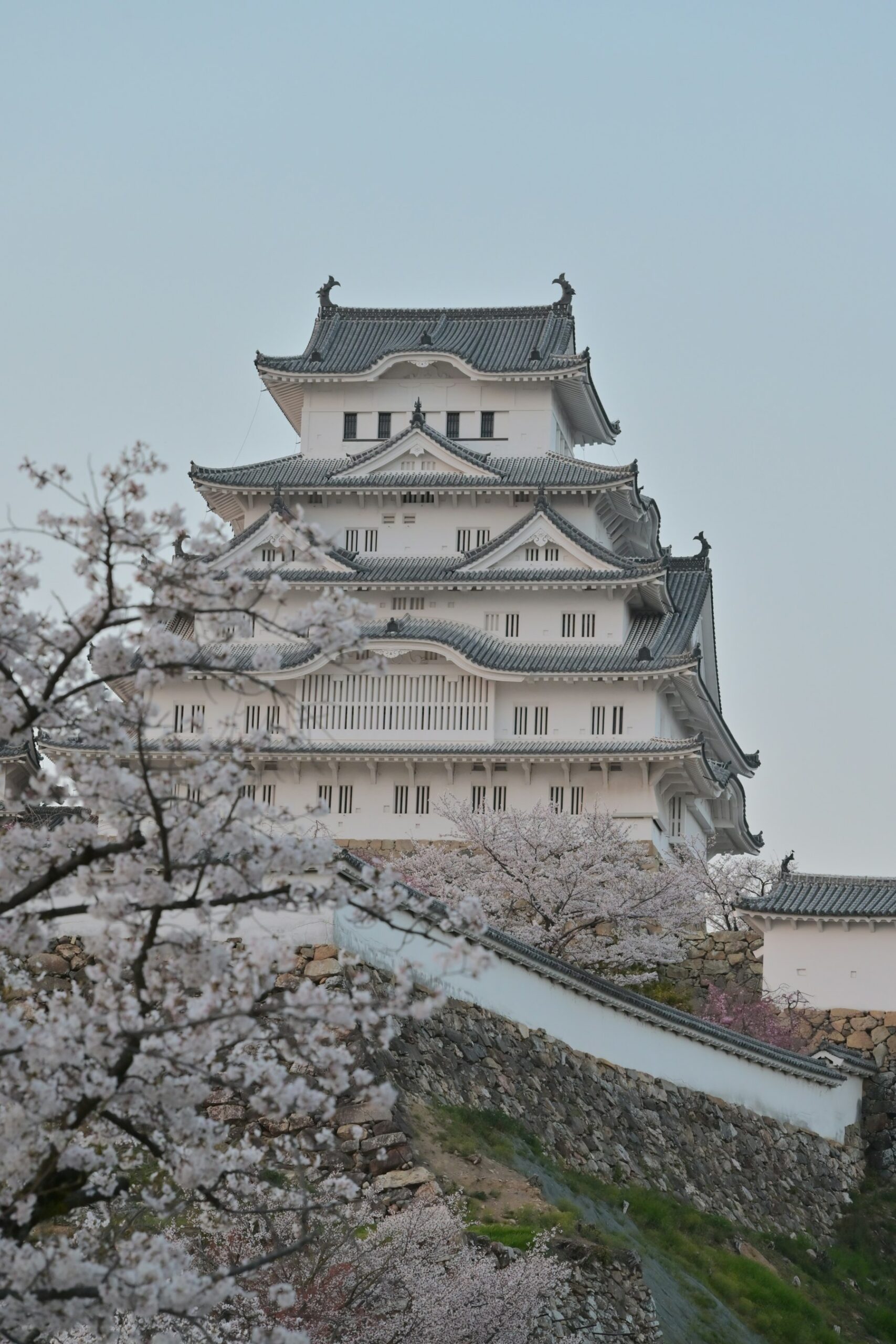
About 1,000 cherry trees (somei-yoshino, yamazakura, weeping and double cherries) surround Japan's best-preserved original castle. A night viewing (Yozakura-kai) was planned from late March to early April 2026, from sunset to 21:00. The castle now costs ¥2,500 for adult non-residents (¥1,000 for Himeji residents; under-18s free), while the Sannomaru plaza with most of the trees is free.
Koko-en garden is next to the castle; Mount Shosha's Engyo-ji is a bus and ropeway ride away.
Tips on beating the crowd
Sannomaru plaza is free and has the classic view of the keep over the blossoms, so you can skip the paid area if you are on a budget. Eating and drinking are banned inside the paid zone.
Nara Park
Expected dates
About 1,500 cherry trees spread across the deer park, Todai-ji and Kofuku-ji, including somei-yoshino and two local double varieties, Nara-no-yaezakura and Nara-kokonoe-zakura. Thanks to those late varieties the season runs from late March to early May. The park is free.
Todai-ji, Kasuga Taisha and Kofuku-ji are all inside the park.
Tips on beating the crowd
Come back in the last week of April for Nara-no-yaezakura, Nara's prefectural flower, when the Kyoto crowds have moved on. Do not feed the deer anything but the official deer crackers.
Osaka Castle Park
Expected dates
About 3,000 cherry trees fill Osaka Castle Park, including about 300 somei-yoshino in the paid Nishinomaru Garden below the keep. The Nishinomaru Garden night viewing ran from late March to early April in 2026, open 9:00–21:00 (last entry 20:30). The rest of the park is free. Open fires are banned and holding picnic spots is restricted.
Osakajokoen (JR Osaka Loop Line) · short walk; Tanimachi 4-chome (subway) · walk 10 min
Seat from
Free to watch
Biggest attractions nearby
The castle keep museum and the Osaka Castle Hall area are inside the park.
Tips on beating the crowd
Nishinomaru Garden is the best view of the keep with blossoms; go on a weekday evening. Holding spots overnight is restricted, so do not expect to tape down a tarp at dawn.
Matsue Castle
Expected dates
About 180 trees (somei-yoshino, yaezakura, weeping and mountain cherries) surround one of Japan's 12 original castle keeps. The 2026 Oshiro Matsuri ran from 25 March to 8 April, with the castle and trees lit from sunset to 21:00 and a samurai procession on 4 April. The castle hill park is free.
Matsue (JR) · Lake Line bus 10 min to Matsue-jo (Otemae), walk 7 min
Seat from
Free to watch
Biggest attractions nearby
Horikawa moat boats circle the castle; Lake Shinji is a short walk south.
Tips on beating the crowd
Take a Horikawa moat boat during bloom: you pass under blossoms at water level. The lit castle is quietest on weekdays after 19:00.
Kenrokuen Garden
Expected dates
About 400 cherry trees of about 40 varieties grow in one of Japan's three great gardens. Normal entry is ¥320, but for about a week from the fifth day after Kanazawa's bloom is declared, entry is free and the garden stays open and lit until 21:30. Drinking parties are not allowed.
Kanazawa (JR / Hokuriku Shinkansen) · Hokutetsu bus 20 min to Kenrokuen-shita
Seat from
Free to watch
Biggest attractions nearby
Kanazawa Castle Park is across the bridge, with more blossoms along its moat.
Tips on beating the crowd
The free nights are busy; go at opening time (7:00) for the morning light instead. Check the official site for the free-entry dates once Kanazawa's bloom is declared.
Kaizu Osaki (Lake Biwa)
Expected dates
About 800 somei-yoshino line about 4 km of lakeshore road on the north tip of Lake Biwa. Cruise boats run from the shore in bloom season (booking needed). There is no light-up and no entry fee.
Makino (JR Kosei Line) · community bus 6 min to Kaizu 1-ku
Seat from
Free to watch
Biggest attractions nearby
Makino's metasequoia avenue is nearby in the same town.
Tips on beating the crowd
There is no parking and the road jams badly, so come by train and bus. Book a sakura cruise early: seeing the tunnel from the water is the point.
Chureito Pagoda (Arakurayama Sengen Park)
Expected dates
The classic Japan postcard: a five-storey pagoda, cherry blossoms and Mount Fuji in one frame. You climb 398 steps from Arakurayama Sengen Shrine to the viewing deck. The park and deck are free; parking costs ¥1,000–¥1,500 for 6 hours.
Shimo-Yoshida (Fujikyu Line) · walk about 25 min including the climb
Seat from
Free to watch
Biggest attractions nearby
Lake Kawaguchi and Fujiyoshida's Honcho-dori street (with its Fuji view) are close by.
Tips on beating the crowd
Fuji often clouds over later in the day, so be on the deck early in the morning. Do not drive to the pagoda plaza, and do not park or stop at Shimo-Yoshida Station: the city asks visitors not to.
Takada Castle Ruins Park
Expected dates
About 4,000 cherry trees and about 3,000 paper lanterns make this one of Japan's three great night-sakura spots. The 102nd Takada Castle Ruins Park Cherry Blossom Festival is confirmed for 2 to 18 April 2027. In 2026 the lights ran from 18:00 to 21:00, and to 22:00 at peak. Entry is free.
Takada (Echigo Tokimeki Railway) · walk 15 min; Joetsumyoko (Hokuriku Shinkansen) is the nearest bullet-train stop
Seat from
Free to watch
Biggest attractions nearby
The rebuilt three-storey turret stands on the moat; Joetsu's old Takada town has long covered arcades.
Tips on beating the crowd
Walk the 'sakura road' along the moat after dark and catch the lit turret reflected in the water. The organiser may start early or extend if the bloom shifts.
Miharu Takizakura
Expected dates
A single beni-shidarezakura (red weeping cherry) said to be over 1,000 years old, with branches spreading about 25 m by 20 m. It is a national natural monument and one of Japan's three great cherry trees. Viewing costs ¥500 (free for junior high students and under), and the tree is lit from 18:00 to 21:00 in bloom season.
Miharu (JR Ban-etsu East Line) · seasonal 'Takizakura-go' bus or taxi 15 min
Seat from
Free to watch
Biggest attractions nearby
Miharu town has many 'daughter' weeping cherries grown from Takizakura's seeds.
Tips on beating the crowd
Traffic controls apply in bloom season and car parks fill by mid-morning. Take the seasonal bus from Miharu Station, and arrive at opening for the tree without the crowd.
Mount Yoshino (Yoshinoyama)
Expected dates
Japan's most famous cherry mountain has about 30,000 trees, mostly shiroyamazakura (wild white mountain cherry). The bloom climbs the mountain from early to late April in four zones: Shimo-Senbon, Naka-Senbon, Kami-Senbon and Oku-Senbon. There is no entry fee, but in season parking adds a 'cooperation fee' of ¥1,500–¥2,000, and traffic controls apply.
Yoshino (Kintetsu Yoshino Line) · Yoshinoyama Ropeway 3 min to Shimo-Senbon, or seasonal bus 20 min to Naka-Senbon
Seat from
Free to watch
Biggest attractions nearby
Kinpusen-ji, Yoshimizu Shrine and the Hitome-Senbon viewpoint are all on the main ridge road.
Tips on beating the crowd
Do not drive: take the train and ropeway, then a seasonal bus up to Naka-Senbon and walk down. Start early, because the ridge road is single-file by late morning at weekends.
Hitome Senbonzakura (Shiroishi River)
Expected dates
The 'thousand cherry trees at a glance': about 1,200 trees (somei-yoshino, yaezakura and others) line 8 km of the Shiroishi River, with the snow-capped Zao mountains behind. The Ogawara Sakura Matsuri runs in early to mid-April, with lights from 18:00 to 22:00 during the festival. Entry is free; car parks charge during the festival.
Funaoka Castle Ruins Park, another big sakura hill, is at the Funaoka end of the river.
Tips on beating the crowd
JR trains run right alongside the river between Ogawara and Funaoka: sit on the river side. Use the train, as the town asks festival visitors not to drive.
Japan Mint ‘Sakura no Torinuke’
Expected dates
For one week a year the Japan Mint opens a 560 m riverside lane lined with about 340 trees of about 140 late, mostly double-flowered varieties such as kanzan. It is free, but in 2025 entry needed a free advance booking, first come first served. Food, drink and pets are not allowed, and you walk one way, south to north. In 2025 it was open 10:00–19:30 (from 9:00 at weekends) and lit after dark.
Osaka Castle Park is a 15-minute walk across the river.
Tips on beating the crowd
Watch the Mint website from mid-March: the dates and booking method are announced then, and booking is first come, first served. Evening slots are the most popular.
Matsumoto Castle
Expected dates
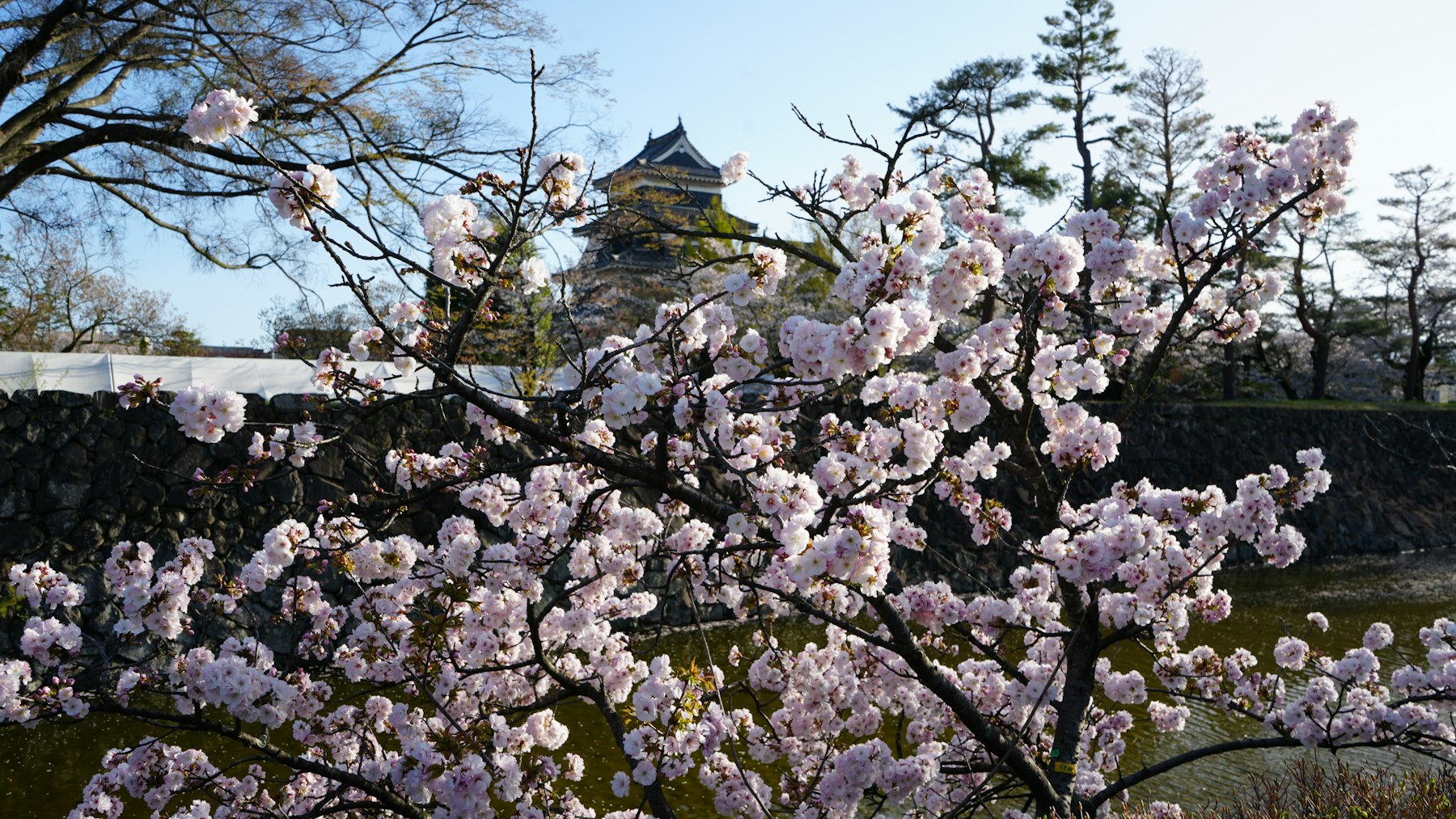
About 300 cherry trees, somei-yoshino and weeping cherries, line the moats of this black original castle. The night 'Yozakura-kai' starts three days after Matsumoto's bloom is declared and runs for eight days, with the inner Honmaru garden planned to be free from 17:30 to 21:00 (the keep itself is closed). Daytime entry is ¥1,300 for adults (¥1,200 by e-ticket).
Nakamachi street and Nawate-dori are a short walk away.
Tips on beating the crowd
The free evening entry makes the Yozakura-kai the best-value visit. Buy daytime tickets as e-tickets to skip the queue.
Takato Castle Ruins Park
Expected dates
About 1,500 Takato kohigan-zakura, a small, deep-pink variety found almost only here, cover the old castle grounds. They stay pink at full bloom instead of fading to white. Entry is ¥600 for adults and ¥300 for children from the day after the bloom is declared until the petals fall, and the trees are lit from sunset to 22:00 (entry until 21:00).
Ina-Kita (JR Iida Line) or Ina Bus Terminal · JR bus 25 min to Takato, walk 20 min
Seat from
Free to watch
Biggest attractions nearby
Takato's old town and the Shinshu Takato Art Museum are next to the park.
Tips on beating the crowd
Weekends bring heavy traffic on the only road in; park at the temporary car parks and use the shuttle, or come on a weekday. The light-up after 19:00 is calmer than the day.
Kitakami Tenshochi
Expected dates
About 10,000 trees of about 150 varieties fill a 293 ha park, including a 2 km avenue of somei-yoshino over 100 years old along the Kitakami River. It is one of Tohoku's three great sakura spots. Entry is free (car park ¥500), and the trees are lit from about 18:00 to 21:00 in bloom season.
Michinoku Folk Village, a collection of old farmhouses, is inside the park.
Tips on beating the crowd
Climb Jingaoka hill for the view down the whole avenue. Combine with Hiraizumi's Chuson-ji, south of Kitakami on the same line.
Kakunodate Samurai District
Expected dates
About 400 weeping cherries, some descended from trees brought from Kyoto about 400 years ago and 162 designated a national natural monument, hang over the black fences of the samurai street. Along the Hinokinai River, about 400 somei-yoshino form a 2 km tunnel. The 2026 Kakunodate Cherry Blossom Festival was planned for 15 April to 5 May, with lights from 17:30 to 22:00. Walking the streets is free.
Lake Tazawa, Japan's deepest lake, is one stop away on the Akita Shinkansen.
Tips on beating the crowd
The weeping cherries open a few days before the riverside somei-yoshino, so one trip can catch both. Smoking on the street and drones are banned.
Hirosaki Park
Expected dates
About 2,600 trees of 52 varieties, including somei-yoshino, weeping and double cherries, around a 1611 castle and its moats. When the petals fall, the outer moat turns into a pink carpet (hanaikada). The 2026 Hirosaki Sakura Matsuri ran from 10 April to 5 May, with the paid Honmaru open 9:00–21:00 (¥320 for adults) and the park lit until 22:00.
Hirosaki (JR Ou Line) · bus 15 min to Shiyakusho-mae Koen-iriguchi
Seat from
Free to watch
Biggest attractions nearby
Neputa Village and the Fujita Memorial Japanese Garden are next to the park.
Tips on beating the crowd
Stay a night: the moat at dawn is empty. For the petal carpet on the outer moat, come about a week after full bloom.
Goryokaku Park
Expected dates
About 1,500 cherry trees, mostly somei-yoshino, fill and ring a star-shaped Western-style fort from 1864. From Goryokaku Tower next door the blossoms trace the star. The trees are lit from 19:00 to 21:00, and rowing boats run on the moat. Entry to the park is free.
Goryokaku-koen-mae (Hakodate City Tram) · walk 15 min
Seat from
Free to watch
Biggest attractions nearby
Hakodate Magistrate's Office is inside the fort; the morning market and Mount Hakodate are a tram ride away.
Tips on beating the crowd
Go up Goryokaku Tower in the morning for the star view, then walk the moat. The inner fort is closed at night.
Matsumae Park
Expected dates
Hokkaido's best sakura town has about 10,000 trees of about 250 varieties around Japan's northernmost castle, and about 80% are late double-flowered types. That stretches the season to about a month. The Matsumae Sakura Matsuri was planned for 25 April to 10 May 2026, with lights from sunset to 21:00.
When will cherry blossoms bloom in 2027? Expected dates by city
The table compares the JMA normal, last year and the year before for each region’s official sample tree, then gives our expected 2027 dates. ‘First bloom’ (kaika) is the day the sample tree has five or six open flowers. ‘Full bloom’ (mankai) is when about 80% of its buds are open (definitions as summarised by LIVE JAPAN).
City
Normal (1991–2020)
2025 actual
2026 actual
Expected 2027
Naha (Okinawa)
16 Jan / 4 Feb
5 Jan / –
18 Jan / 3 Feb
13 Jan / 4 Feb
Fukuoka
22 Mar / 31 Mar
25 Mar / 28 Mar
24 Mar / 3 Apr
24 Mar / 31 Mar
Kagoshima
26 Mar / 5 Apr
24 Mar / 7 Apr
27 Mar / 5 Apr
26 Mar / 6 Apr
Kochi
22 Mar / 30 Mar
23 Mar / 28 Mar
16 Mar / 31 Mar
20 Mar / 30 Mar
ฮิโรชิมา
25 Mar / 3 Apr
26 Mar / 2 Apr
19 Mar / 30 Mar
23 Mar / 1 Apr
โอซากา
27 Mar / 4 Apr
27 Mar / 4 Apr
26 Mar / 3 Apr
27 Mar / 4 Apr
เกียวโต
26 Mar / 4 Apr
27 Mar / 5 Apr
23 Mar / 30 Mar
25 Mar / 3 Apr
Nara
28 Mar / 4 Apr
28 Mar / 4 Apr
24 Mar / 31 Mar
27 Mar / 3 Apr
Nagoya
24 Mar / 2 Apr
26 Mar / 4 Apr
17 Mar / 30 Mar
22 Mar / 2 Apr
โตเกียว
24 Mar / 31 Mar
24 Mar / 30 Mar
19 Mar / 28 Mar
22 Mar / 30 Mar
Yokohama
25 Mar / 1 Apr
25 Mar / 4 Apr
22 Mar / 1 Apr
24 Mar / 2 Apr
Kanazawa
3 Apr / 8 Apr
29 Mar / 6 Apr
29 Mar / 3 Apr
31 Mar / 6 Apr
Nagano
11 Apr / 16 Apr
8 Apr / 13 Apr
31 Mar / 6 Apr
6 Apr / 12 Apr
Niigata
8 Apr / 13 Apr
6 Apr / 9 Apr
31 Mar / 3 Apr
5 Apr / 8 Apr
Sendai
8 Apr / 13 Apr
4 Apr / 10 Apr
31 Mar / 4 Apr
4 Apr / 9 Apr
Akita
17 Apr / 22 Apr
15 Apr / 18 Apr
6 Apr / 9 Apr
13 Apr / 16 Apr
Morioka
18 Apr / 24 Apr
16 Apr / 19 Apr
7 Apr / 12 Apr
14 Apr / 18 Apr
Aomori
22 Apr / 26 Apr
17 Apr / 22 Apr
13 Apr / 16 Apr
17 Apr / 21 Apr
Hakodate
28 Apr / 2 May
23 Apr / 28 Apr
18 Apr / 20 Apr
23 Apr / 27 Apr
Sapporo
1 May / 6 May
23 Apr / 27 Apr
18 Apr / 24 Apr
24 Apr / 29 Apr
All dates are first bloom / full bloom for somei-yoshino, except Naha (kanhizakura). ‘Expected 2027’ is the simple average of the normal, 2025 and 2026, and Naha had no full-bloom record in 2025. Source: JMA sakura first-bloom table และ full-bloom table, read 18 October 2026.
Two things stand out. First, recent springs have run early: in 2026 Tokyo opened on 19 March, five days ahead of normal, according to tenki.jp, and Kochi, Gifu and Kofu all opened on 16 March. Second, the gap between first and full bloom is short in the south and very short in the north: Aomori went from first flowers to full bloom in three days in 2026.
How the cherry blossom forecast 2027 works, and when it comes out
The Japan Meteorological Agency (JMA) does not publish a sakura forecast any more. It only declares the bloom when its staff see five or six flowers on each city’s sample tree. The forecasts come from three private companies, and they each start at a different time.
The first forecasts are rough because they depend on February and March temperatures. The cherry blossom forecast 2027 will only firm up in early March, which is two to three weeks before Tokyo blooms. In 2026, Weathernews’ first forecast put Tokyo’s opening on 21 March, and it actually opened on 19 March.
The practical lesson: book your flights and hotels on the expected dates now, keep one or two flexible days, and choose a base such as Osaka or Tokyo from where you can reach spots that bloom on different dates.
Best cherry blossom spots in Japan for 2027, region by region
These are the spots on our calendar, with each one’s expected window based on our cherry blossom forecast 2027 method. Open the calendar above for access, fees and the 2026 light-up and festival dates on every card.
Okinawa and Izu: January and February
Okinawa’s kanhizakura bloom in deep pink in late January, and the Nago Sakura Festival is the big event. On the mainland, Kawazu’s riverside is the first major spot in February.
Nago Castle Park (Nago Sakura Festival): 13 Jan–11 Feb
Kawazu-zakura along the Kawazu River: 1 Feb–7 Mar
คิวชู
Kyushu blooms at about the same time as Tokyo, not much earlier. Saitobaru is the one to plan around if you want pink cherries over a yellow rapeseed field.
Maizuru Park (Fukuoka Castle ruins): 24 Mar–7 Apr
Kumamoto Castle: 23 Mar–7 Apr
Omura Park: 25 Mar–9 Apr
Saitobaru Burial Mounds: 24 Mar–9 Apr
Shikoku
Kochi is usually among the first cities on the main islands to flower. Shiudeyama’s hilltop view over the Inland Sea is the island’s must-see, but you will need a car.
Kochi Castle: 20 Mar–6 Apr
Matsuyama Castle (Shiroyama Park): 24 Mar–9 Apr
Mount Shiude (Shiudeyama): 26 Mar–10 Apr
Chugoku
Hiroshima and Iwakuni are an easy pair on the Sanyo line. Matsue is a quieter castle town on the Japan Sea side.
Peace Memorial Park, Hiroshima: 23 Mar–8 Apr
Kintaikyo Bridge and Kikko Park: 23 Mar–8 Apr
Matsue Castle: 28 Mar–9 Apr
Kansai
Kyoto and Osaka peak together, so a Kansai base gives you the most spots per day. Yoshino and the Mint come later, which gives you a reason to stay a second week. Hikone Castle on Lake Biwa is another strong pick.
Maruyama Park: 25 Mar–10 Apr
Philosopher’s Path: 25 Mar–10 Apr
Daigo-ji Temple: 25 Mar–10 Apr
Arashiyama: 25 Mar–10 Apr
Nara Park: 27 Mar–10 Apr
Osaka Castle Park: 27 Mar–11 Apr
Himeji Castle: 27 Mar–12 Apr
Kaizu Osaki (Lake Biwa): 1 Apr–13 Apr
Mount Yoshino (Yoshinoyama): 3 Apr–25 Apr
Japan Mint ‘Sakura no Torinuke’: 5 Apr–18 Apr
Himeji Castle, Hyogo, at dusk in cherry blossom season. Photo: Gavin Li / Unsplash, Unsplash License
Chubu: Nagoya, Fuji and the Alps
Nagoya flowers with Tokyo. The mountain and Japan Sea spots run a week or two later, which makes them good back-ups if you arrive after Tokyo’s peak.
Yamazaki River (Nagoya): 22 Mar–9 Apr
Kenrokuen Garden: 31 Mar–13 Apr
Chureito Pagoda (Arakurayama Sengen Park): 2 Apr–18 Apr
Early and late sakura: kawazu-zakura in February, yaezakura into May
Somei-yoshino gives you about a week of full bloom in each city. Other varieties stretch the season at both ends, and they are the best back-up if you arrive early or late.
Kanhizakura (Okinawa, late January to mid-February): deep pink, bell-shaped flowers. Nago’s festival is on 30–31 January 2027 (Nago Tourism Association).
Kawazu-zakura (Izu, February to early March): about 8,000 trees in Kawazu. The 2026 festival ran from 7 February to 8 March (official site).
Early cherries in Tokyo: Shinjuku Gyoen has about 20 early trees, such as kanzakura, that flower from January to early March (Shinjuku Gyoen).
Weeping cherries (shidarezakura), a few days ahead of somei-yoshino: Rikugien, Maruyama Park, Daigo-ji, Kakunodate and Miharu Takizakura.
Yaezakura (double cherries), two to three weeks after somei-yoshino: Shinjuku Gyoen’s ichiyo (early to mid-April) and kanzan (mid to late April), the Japan Mint’s 140 varieties in Osaka, Nara-no-yaezakura in Nara Park and Omura-zakura in Nagasaki.
Mountain cherries: Yoshino’s 30,000 shiroyamazakura climb the mountain through April, and about 80% of Matsumae’s trees are late double varieties, which carry Hokkaido into mid-May.
Hanami rules in 2027: alcohol, tarps and the 2026 restrictions
Rules depend on who runs the park, and they change from year to year. Here is what each operator or listing published for 2026 (a dash means nothing was published). Expect similar rules in 2027, and always follow the signs on the day.
สปอต
Alcohol
Picnics and tarps
Other rules (2026)
Shinjuku Gyoen
Banned (official rules)
Tents and parasols banned
¥500 entry; timed booking needed 10:00–16:00 on 28–29 Mar and 5 Apr 2026
Chidorigafuchi
Banquets banned
No picnics on the greenway
No smoking
Ueno Park
Picnic parties allowed (Walkerplus 2026)
Allowed; no open fires
Park closed 23:00–5:00; unattended sheets may be removed
Yoyogi Park
Not banned (japan-guide 2026 report)
Tarps in use (japan-guide 2026 report)
Open 24 hours; groups must call the service centre 3 days ahead
Inokashira Park
Parties allowed until 22:00
–
Parties must end by 22:00; no karaoke, no fire
Kenrokuen
Drinking parties banned
–
Free entry and night opening for about a week in bloom
Two 2026 changes are worth knowing. Shinjuku Gyoen required timed advance booking on peak weekends again, after doing the same in 2025, and its rules page warns it may do so again. In Kyoto, Daigo-ji cancelled its Hotaiko Hanami Gyoretsu costume parade in 2026.
Know before you go
Book rooms now
Kyoto and Tokyo hotels for late March fill early. Book refundable rooms on our expected dates and adjust when the forecasts arrive.
Go at 7:00
Philosopher's Path, Maruyama Park and Chureito are quiet at dawn. By 10:00 at weekends, they are not.
Weekdays, not weekends
Festival weekends are the busiest days everywhere. Nakameguro's 2026 festival fell on 28–29 March, at full bloom.
Watch for booking pages
Shinjuku Gyoen's peak-day slots and the Japan Mint's one-week opening both need advance booking. Both announce details in early to mid-March.
Use the trains
Yoshino has traffic controls, Kaizu Osaki has no parking, Ogawara asks festival visitors to use the train and Chureito bans cars at the pagoda plaza.
Have a plan B
If rain or an early bloom ends Tokyo's season, go north or uphill: Kanazawa, Takada, Matsumoto and Tohoku are one to three weeks behind.
Month by month: Japan cherry blossom season 2027
Here is the whole cherry blossom forecast 2027 in one list, from Okinawa to Hokkaido.
January: Okinawa’s kanhizakura; Nago Sakura Festival on 30–31 January.
February: Okinawa until mid-month; Kawazu-zakura in Izu from early February; early cherries at Shinjuku Gyoen.
Early to mid-March: Kawazu winds down. In a warm year the first cities open by mid-month: in 2026 Kochi, Gifu and Kofu opened on 16 March and Tokyo on 19 March.
Late March: first bloom from Kochi and Kyushu to Tokyo, Nagoya, Kyoto and Osaka (expected 20–27 March).
Early April: full bloom in Tokyo, Kyoto, Osaka and Hiroshima in the first days; Kanazawa, Himeji, Kaizu Osaki, Takada and Sendai follow.
Mid-April: Takato, Matsumoto, Yoshino’s upper slopes, the Japan Mint and Shinjuku Gyoen’s double cherries; Kakunodate and Kitakami open.
Late April: Hirosaki, Hakodate and Matsumae; Nara-no-yaezakura in Nara Park.
Early May: Sapporo and Matsumae’s late varieties, overlapping with Golden Week (3–5 May 2027 are holidays).
When is the cherry blossom forecast 2027 released?
The Japan Meteorological Corporation usually publishes first, in mid-December (its first 2026 forecast came out around 18–19 December 2025). Weathernews followed on 8 January 2026 and tenki.jp on 29 January 2026, so expect the same order for 2027. Forecasts are then updated every week or two until the bloom.
When will cherry blossoms bloom in Tokyo in 2027?
Based on the JMA normal (24 March) and the 2025 and 2026 dates, Tokyo is expected to open around 22 March 2027 and reach full bloom around 30 March. Treat the week from 27 March to 3 April as the most likely peak until the forecasts come out.
When is the best time to see cherry blossoms in Kyoto in 2027?
Kyoto’s expected first bloom is around 25 March and full bloom around 3 April 2027. The normal is 26 March and 4 April, but 2026 was earlier, at 23 and 30 March.
How long does cherry blossom season last?
Each somei-yoshino tree is at its best for about a week after full bloom, and rain or wind can shorten that. Across Japan the season runs from January in Okinawa to mid-May in Hokkaido, so you can extend it by travelling north or uphill.
Can I drink alcohol at hanami in Japan?
At most city parks, yes, including Ueno, Yoyogi and Inokashira. Shinjuku Gyoen bans alcohol, Chidorigafuchi’s greenway bans picnics, and Kenrokuen bans drinking parties. Take your rubbish home, as bins are scarce.
Is it OK to reserve a hanami spot with a tarp?
At many city parks you can spread a tarp, but rules on holding spots vary. Osaka Castle Park restricts spot-holding, and at Ueno unattended sheets may be removed, so keep one person with the tarp. Never tie anything to the trees or climb into the roots.
Do I need tickets for cherry blossom spots?
Most spots are free. Paid ones include Shinjuku Gyoen (¥500), Himeji Castle (¥2,500 for adult non-residents), Daigo-ji (¥1,800 in spring), Takato (¥600) and Miharu Takizakura (¥500). The Japan Mint is free but needs advance booking.
Where can I see cherry blossoms after Tokyo’s peak?
Head north or up into the mountains. Kanazawa, Takada, Matsumoto and Takato peak about one to two weeks after Tokyo, Hirosaki and Kakunodate about three weeks after, and Hokkaido in late April to early May.
Sources and how we checked
Every date, fee and rule in this cherry blossom forecast 2027 guide was checked on 18 October 2026 against the linked sources: the JMA sakura data, the forecasters’ own 2026 releases, park and city operators’ official sites, and Jorudan’s Hanami 2026 listings (Mapple data) for tree counts and 2026 light-up times. Bloom windows are expected dates, not forecasts. We will update every card when the 2027 forecasts are published.

 English
 Japanese
 Chinese (Taiwan)
 Chinese (China)
 Korean
 French
 Italian
 Thai