
Second Time in Japan: 6 Routes for When You’ve Done Tokyo, Kyoto and Osaka (2026–27)
If you have already done Tokyo, Kyoto and Osaka, the best second time in Japan trip is a regional loop on a regional rail pass: Hokuriku and Takayama for craft towns, Tohoku for nature and festivals, Shikoku for gorges and pilgrim temples, Setouchi for art islands, Kyushu for volcanoes and hot springs, or Hokkaido in winter for snow. Most of these passes cost ¥12,000–¥35,000 for adults, less than the 7-day Japan Rail Pass, and children aged 6–11 pay half.
This guide is opinionated. It picks six routes, matches each to a type of traveller, and gives the pass, its 2026 price from the rail company, the time you need and the best season. It also makes the case for skipping a second Kyoto visit, or at least shrinking it to a night.
¥35,000
JR East Pass, 5 days (from 14 Mar 2026)
¥35,000
Hokuriku Arch Pass, 7 days
6–11
Ages that pay half on JR passes
¥10,000
Kyoto's top lodging tax per person per night
Where should you go on your second time in Japan?
Plan your second time in Japan around what you liked most on trip one. If it was the old streets of Kyoto, go to Hokuriku. If it was the food in Osaka, go to Kyushu. If you liked the bits between cities more than the cities, go to Shikoku or Tohoku.
| Traveller type | Route | Pass (adult, 2026) | เวลาที่ต้องการ | Best season |
|---|---|---|---|---|
| Craft and old-town lovers | Hokuriku + Takayama (Tokyo–Kanazawa–Takayama–Osaka) | Hokuriku Arch Pass ¥35,000 (7 days) or Takayama-Hokuriku pass ¥19,800 (5 days) | 5–7 days | Oct–Nov, or Jan–Feb for snow |
| Nature and festival people | Tohoku (Sendai, Hiraizumi, Aomori, Hirosaki) | JR East Pass ¥35,000 (5 days) | 5–7 days | Late Apr (blossoms), early Aug (festivals), Oct (leaves) |
| Hikers and slow travellers | Shikoku loop (Takamatsu, Iya, Kochi, Matsuyama) | All Shikoku Rail Pass ¥12,000 (3 days) to ¥20,000 (7 days) | 5–7 days | Apr–May, Oct–Nov |
| Art and island people | Setouchi + Hiroshima (Okayama, Naoshima, Miyajima) | Kansai-Hiroshima Area Pass ¥17,000 (5 days) | 4–5 days | Mar–May, Sep–Nov |
| Food and hot-spring fans | Kyushu (Fukuoka, Kumamoto, Kagoshima, Nagasaki) | All Kyushu Rail Pass ¥22,000–¥26,000 (3–7 days) | 5–7 days | Oct–Apr |
| Snow and ski people | Hokkaido in winter (Sapporo, Otaru, Asahikawa, Hakodate) | Hokkaido Rail Pass ¥22,000–¥37,000 (5–10 days) | 5–10 days | Late Jan–Feb |
Prices are adult prices from the rail operators’ own pages, checked on 23 October 2026. All six passes are for foreign visitors on temporary visitor status, and all run on consecutive days. If you are still deciding between these and the national pass, our Japan Rail Pass verdict does the maths.
1. Hokuriku and Takayama: the second time in Japan route for Kyoto lovers
This is the obvious upgrade on Kyoto. Kanazawa has a samurai district, two teahouse districts and one of Japan’s three great gardens, at a fraction of Kyoto’s crowds. Takayama adds an old merchant town and morning markets, and Shirakawa-go adds thatched farmhouses.
The route runs Tokyo to Kanazawa on the Hokuriku Shinkansen, then to Takayama and Shirakawa-go by bus, and down to Osaka. Our 3-day Kanazawa itinerary และ Takayama and Shirakawa-go weekend cover the ground in detail, so here is just the transport logic.
Which pass works for Hokuriku?
- Hokuriku Arch Pass: ¥35,000 adult, ¥17,500 child (6–11), 7 consecutive days. It covers the Hokuriku Shinkansen from Tokyo to Tsuruga in reserved seats and limited expresses such as the Thunderbird on to Osaka, plus HARUKA to Kansai Airport. It does not cover the Tokaido Shinkansen. Source: JR West. The price rose from ¥30,000 for passes sold from 14 March 2026, per JR East’s January 2026 notice.
- Takayama-Hokuriku Area Tourist Pass: ¥19,800 adult, ¥9,900 child, 5 days. It starts from Nagoya or the Kansai side, covers the Hida limited express to Takayama, the Hokuriku Shinkansen between Toyama and Tsuruga, and the Nohi and Hokutetsu buses to Shirakawa-go and Kanazawa. Source: official Tourist Pass site.
- Kansai-Hokuriku Area Pass: ¥19,000 adult, ¥9,500 child, 7 days, if you only need Osaka/Kyoto to Kanazawa and back with day trips. Source: JR West (prices shown as current from 1 August 2024).
Rule of thumb: arriving at Narita or Haneda and leaving from Kansai, take the Arch Pass. Doing a loop from Osaka or Nagoya, take the Takayama-Hokuriku pass, because it includes the Shirakawa-go buses. One date to note: from 25 December 2026 to 5 January 2027 every seat on the Hida limited express is reserved-only, so book your free seat before boarding.
Time needed: 5–7 days. Best season: late October to November for colour and the start of crab season, or January and February if you want Shirakawa-go under snow and can cope with cold. Why it beats a second Kyoto: the same craft-and-teahouse atmosphere, with gardens you can actually walk through at your own pace.
2. Tohoku: for nature, castles and big summer festivals
Tohoku is the six prefectures north of Tokyo, and most visitors never get there, which makes it ideal for a second trip to Japan. That is the point. You get castle towns, gorges, mountain onsen and some of Japan’s biggest summer festivals, with a fraction of the foreign crowd.
A good first loop: Tokyo to Sendai, Hiraizumi’s temples, then north to Aomori and Hirosaki, with a day at Oirase Gorge in autumn or the Nebuta festival in early August. Add Kakunodate on the Akita Shinkansen if you have a sixth day.
What does the new JR East Pass cost?
The big change for 2026: JR East merged its Tohoku and Nagano-Niigata passes into a single JR East Pass, usable from 14 March 2026. It costs ¥35,000 for 5 consecutive days and ¥50,000 for 10 (children ¥17,500 and ¥25,000), according to JR East’s press release of 28 January 2026.
The coverage now includes Tokyo, so the pass can start the day you leave the capital. It also stretches to Nagano and Niigata, which means you could fold in a snow-monkey or ski day. For a Tokyo-based taster, the JR Tokyo Wide Pass is now ¥16,000 for 3 days.
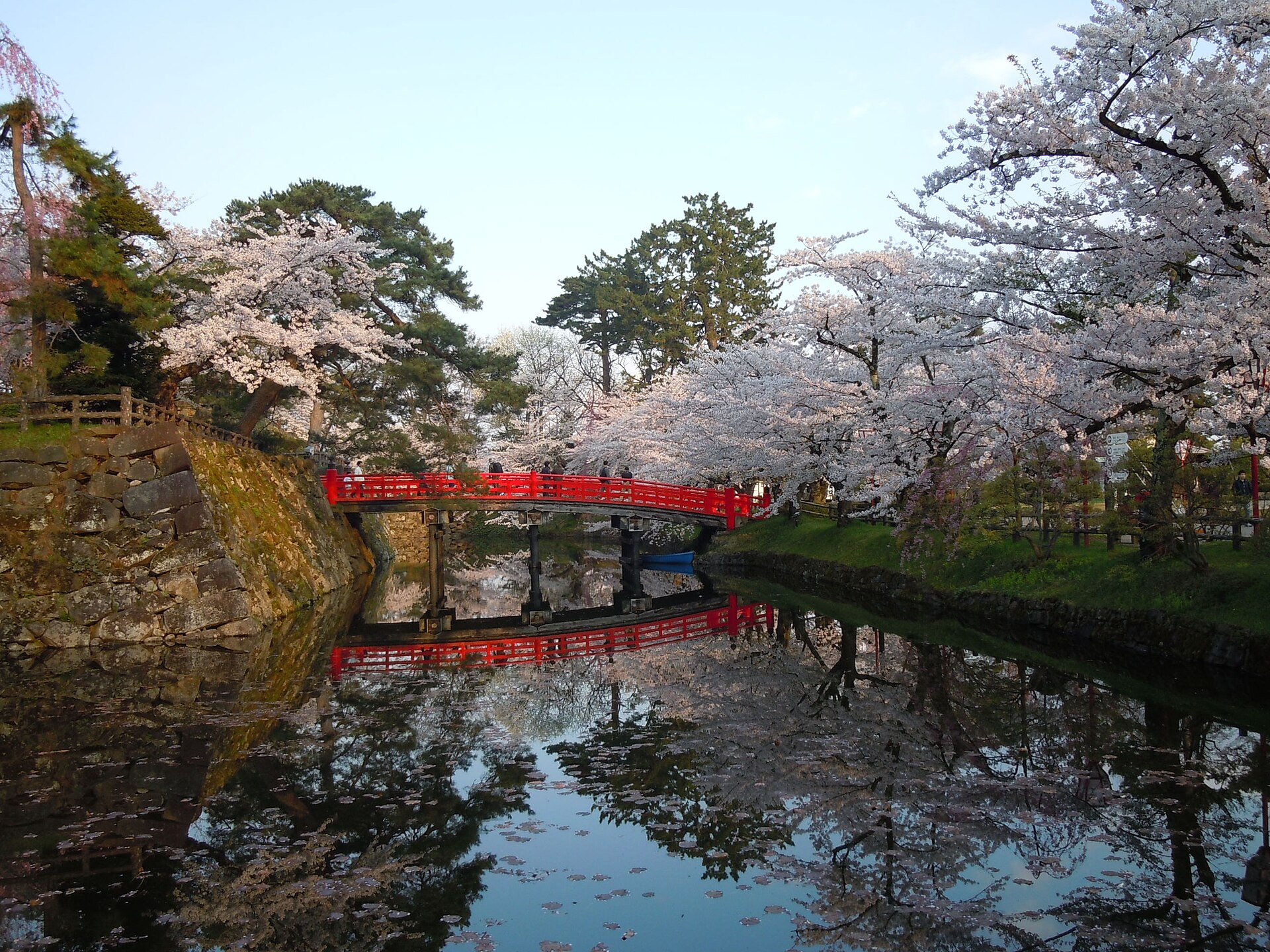
Time needed: 5–7 days. Best season: late April for Hirosaki’s cherry blossoms, early August for Aomori’s Nebuta and the other Tohoku summer festivals, and October for leaves. Winter is beautiful but slow, and some mountain roads close. Why it beats a second Kyoto: Hirosaki Castle in blossom is as photogenic as anything in Kyoto, and you won’t queue for it.
3. Shikoku: for hikers, onsen and slow travel
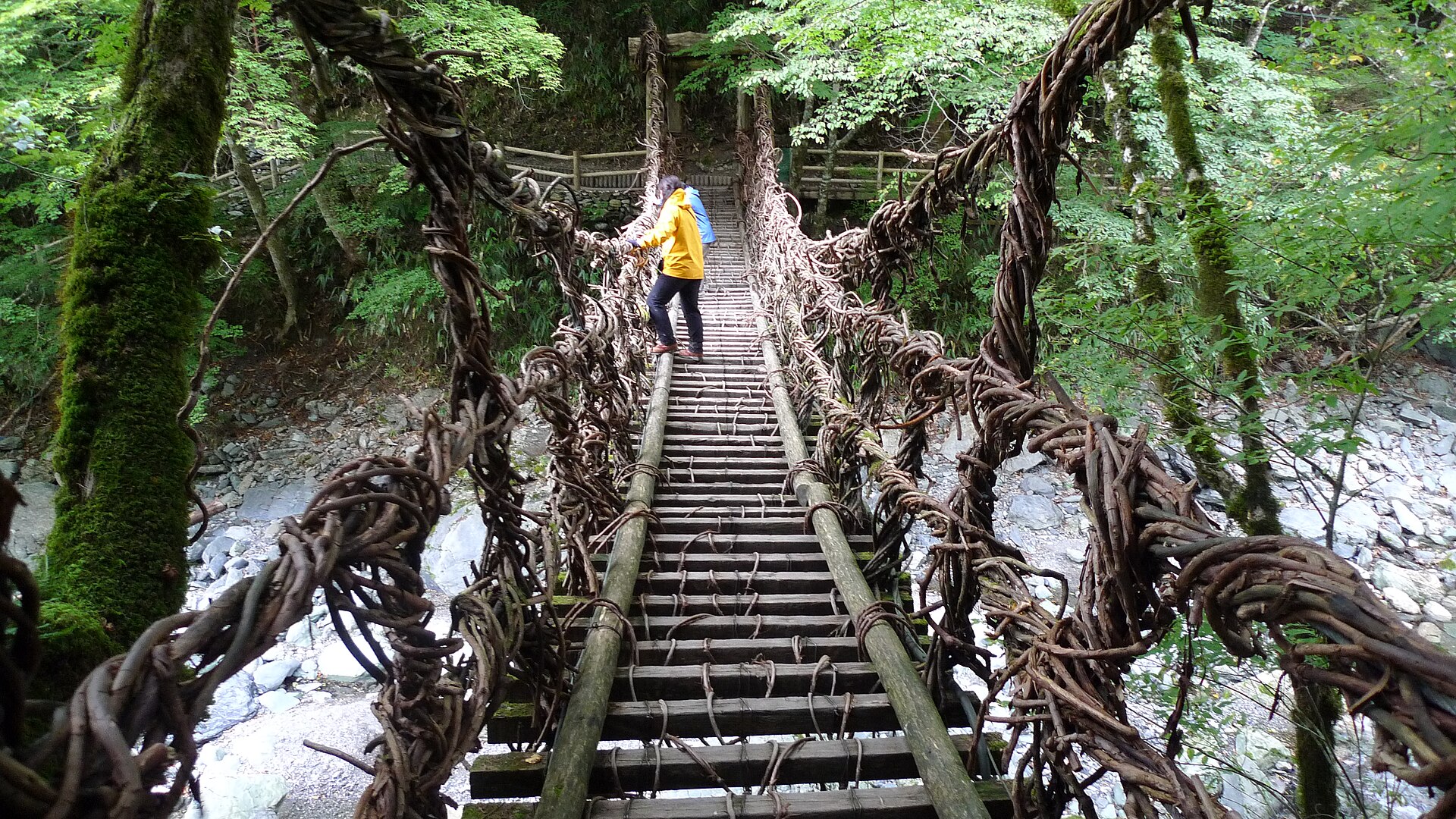
Shikoku is the smallest of the four main islands and the least visited. It has the 88-temple pilgrimage, the vine bridges of the Iya Valley, Kotohira’s shrine steps, Ritsurin Garden in Takamatsu and Dogo Onsen in Matsuyama.
The loop is simple: cross from Okayama to Takamatsu, head inland to Iya and Oboke, then Kochi on the Pacific side, and finish in Matsuyama. Trains are slow and infrequent in the mountains, which is part of the appeal and the main planning risk.
Is the All Shikoku Rail Pass worth it?
Usually yes. Japan Guide’s pass page (updated 1 October 2026) lists ¥12,000 for 3 days and ¥20,000 for 7 days, with children 6–11 half price. It covers JR Shikoku plus the Kotoden, Tosaden, Tosa Kuroshio and Asa Kaigan lines, and JR as far as Kojima on the Okayama side. Source: Japan Guide, as the official pass site could not be fetched when we checked.
One 2026 change catches people out: since March 2026 the pass no longer covers Iyotetsu, which runs Matsuyama’s trams, including the one to Dogo Onsen. Budget a few hundred yen a ride there. If your dates fall in mid-August, add Awa Odori in Tokushima, Shikoku’s famous dance festival.
Time needed: 5–7 days. Best season: April–May and October–November. Summer is hot and humid, and the mountain routes are best in dry weather. Why it beats a second Kyoto: temples you share with pilgrims rather than tour groups, and gorges you can actually hike.
4. Setouchi and Hiroshima: for art and island hopping
The Seto Inland Sea is where Japan does contemporary art best: Naoshima, Teshima and Inujima, reached by ferry from Okayama’s Uno port or Takamatsu. Add Kurashiki’s canal quarter, Hiroshima and Miyajima, and you have a compact, very varied 4–5 days.
The art islands run on a strict calendar, with museums closed on Mondays and some islands closed in winter. Read our Setouchi art islands off-season guide before booking anything between December and March.
Which pass covers Setouchi?
The Kansai-Hiroshima Area Pass costs ¥17,000 for adults and ¥8,500 for children. It covers the Sanyo Shinkansen between Shin-Osaka and Hiroshima in reserved seats and the JR Miyajima Ferry; Miyajima’s ¥100 visitor tax is extra. Source: JR West, prices shown as current from 1 August 2024. It runs for 5 consecutive days, per Japan Guide.
The island ferries are run by private companies and are paid separately. If you want to go further west, Iwami Ginzan on the San’in coast is a quiet World Heritage add-on.
Time needed: 4–5 days. Best season: March–May and September–November. Why it beats a second Kyoto: it is the one route where the main sights are modern, so it feels genuinely different from trip one.
5. Kyushu: for food, volcanoes and hot springs
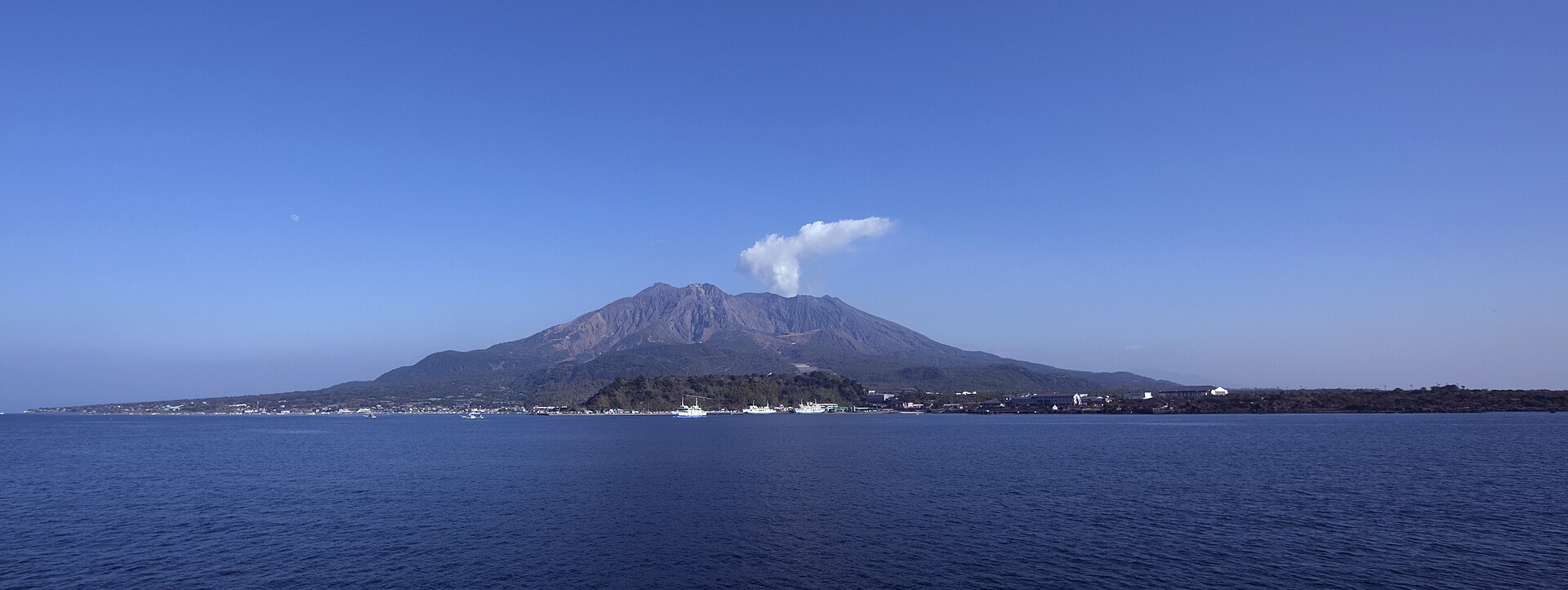
Kyushu suits people whose favourite part of trip one was eating. Fukuoka has yatai street stalls and tonkotsu ramen, Kumamoto has its castle and Mount Aso, Kagoshima has an active volcano across the bay, and Nagasaki has a history unlike anywhere else in Japan.
Start with our Kumamoto guide and the Ghibli-like shrines of Kyushu. If you are tempted by Nagasaki’s islands, see Gunkanjima and the Goto Islands, and check whether the Kagoshima free Shinkansen ticket offer is still running for your dates.
Which JR Kyushu Rail Pass should you buy?
| Pass | 3 days | 5 days | 7 days |
|---|---|---|---|
| All Kyushu | ¥22,000 | ¥24,000 | ¥26,000 |
| Northern Kyushu | ¥15,000 | ¥17,000 | — |
| Southern Kyushu | ¥12,000 | — | — |
Children 6–11 pay half. The All Kyushu pass covers the Kyushu Shinkansen from Hakata to Kagoshima-Chuo and the Nishi Kyushu Shinkansen from Takeo-Onsen to Nagasaki. No version covers the Sanyo Shinkansen between Hakata and Kokura, which belongs to JR West. Source: JR Kyushu.
Time needed: 5–7 days. Best season: October to April. Winters are milder than in northern Japan, and onsen towns like Beppu and Yufuin are at their best in cold weather. Summer brings heat and the typhoon season. Why it beats a second Kyoto: the food alone; plus some of Japan’s best onsen towns.
6. Hokkaido in winter: for snow, skiing and the Sapporo Snow Festival
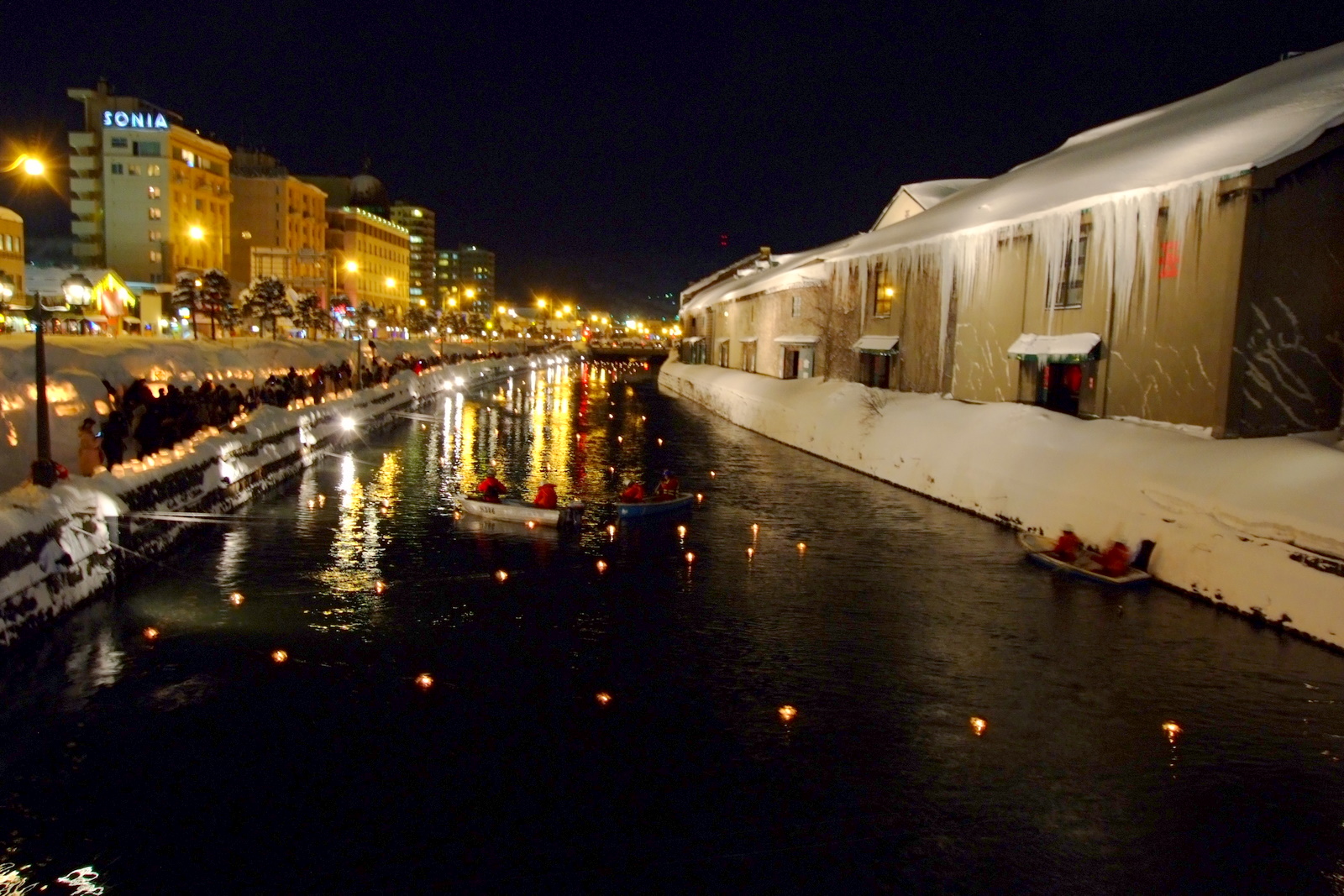
Hokkaido in winter is a different country from Kyoto in spring. Sapporo’s Snow Festival in February, Otaru’s canal, the powder snow around Niseko and Furano, and crab and miso ramen everywhere.
You will fly. Tokyo to New Chitose is the sensible way in, and the Hokkaido Shinkansen only reaches Shin-Hakodate-Hokuto. Then use the rail pass to move between Sapporo, Otaru, Asahikawa and Hakodate.
What does the Hokkaido Rail Pass cost?
| Validity | Bought before arrival (adult / child) | Bought at JR Hokkaido stations |
|---|---|---|
| 5 days | ¥22,000 / ¥11,000 | ¥23,000 / ¥11,500 |
| 7 days | ¥28,000 / ¥14,000 | ¥29,000 / ¥14,500 |
| 10 days | ¥37,000 / ¥18,500 | ¥38,000 / ¥19,000 |
It covers all JR Hokkaido lines except the Hokkaido Shinkansen, and some JR Hokkaido buses. It does not cover Sapporo’s subway or streetcar. Source: JR Hokkaido. For ski timing see our Japan ski season dates.
Time needed: 5–10 days. Best season: late January to February for snow and the festival; book February hotels in Sapporo early. Why it beats a second Kyoto: it is the most complete change of scene you can get without leaving Japan. Our winter in Japan guide covers what to pack.
Is a regional pass better than the Japan Rail Pass on a second trip?
Usually, yes. A second time in Japan tends to stay in one region, and every pass above costs less than the national pass while covering more local trains and, in some cases, buses and ferries. The national pass makes sense only if you are crossing several regions at speed.
Three rules that apply to all of them: they run on consecutive days, so start them on your first long-distance day, not your arrival day; they are for temporary visitors only; and the child price (6–11) is half. For what changes on regular tickets next year, see our Shinkansen fare increase 2027 explainer.
So should you skip Kyoto completely?
Not necessarily, but on a second time in Japan give it one night, not three. Since 1 March 2026 Kyoto charges one of the highest lodging taxes in Japan: ¥400 per person per night for rooms at ¥6,000–¥19,999, ¥1,000 at ¥20,000–¥49,999, ¥4,000 at ¥50,000–¥99,999 and ¥10,000 at ¥100,000 or more. Source: Kyoto City Official Travel Guide.
If you do go back, go where first-timers don’t: Uji for tea, Nishijin for weaving workshops, or the quiet temples of Nara instead of the main park. Or base yourself in Osaka and day-trip in.
Know before you go
Start the pass late
Activate a consecutive-day pass on your first long train day. Arrival and city days are cheaper on an IC card.
Reserve seats early
JR West online reservations open one month ahead at 10:00 JST. Book Shinkansen seats as soon as your dates are fixed.
Watch the gaps
No pass covers everything: Tokaido Shinkansen, Hakata–Kokura, Matsuyama trams and Sapporo's subway are all extra.
Pick one region
Two regions in a week means half your time on trains. One region done well beats a long list.
Check winter closures
Setouchi islands and some Tohoku mountain roads reduce service in winter. Check before you build the route.
Carry your passport
Regional passes are tied to temporary visitor status, and staff can ask to see it.
Second time in Japan FAQ
Where should I go on my second trip to Japan?
Pick one region that contrasts with Tokyo–Kyoto–Osaka: Hokuriku and Takayama for traditional towns, Tohoku for nature and festivals, Shikoku for slow travel, Setouchi for art islands, Kyushu for food and onsen, or Hokkaido in winter for snow.
Is the Japan Rail Pass worth it for a second trip?
Usually not. Second trips tend to stay in one region, and regional passes from ¥12,000 to ¥35,000 cover more local lines for less money than the national pass.
How much is the JR East Pass in 2026?
From 14 March 2026 the new JR East Pass costs ¥35,000 for 5 days and ¥50,000 for 10 days for adults, and half for children 6–11. It covers Tohoku, Nagano, Niigata and the Tokyo area.
Does the Hokuriku Arch Pass include Takayama?
No. It covers Tokyo to Kanazawa and on to Osaka. For Takayama and the Shirakawa-go buses, the Takayama-Hokuriku Area Tourist Pass (¥19,800, 5 days) is the better fit.
Which region is best in winter?
Hokkaido for snow and the Sapporo Snow Festival, and Kyushu if you want milder weather and hot springs. Shirakawa-go is also striking under snow.
How many days do I need for a regional trip?
Five to seven days for most routes. Hokkaido can take ten if you add skiing, while Setouchi and Hiroshima fit into four or five.
Do children pay full price on regional passes?
No. Children aged 6–11 pay half the adult price on all the JR passes in this guide. Under-6s ride free when they share a seat with a paying passenger, up to two per adult.
Sources and how we checked
Every price and rule in this second time in Japan guide was checked on 23 October 2026 against the linked rail operator pages: JR West, JR East, JR Kyushu, JR Hokkaido and the official Takayama-Hokuriku Tourist Pass site, plus Kyoto City’s official travel guide for the lodging tax. JR Shikoku’s pass site could not be fetched, so the All Shikoku Rail Pass prices come from Japan Guide’s page updated on 1 October 2026; confirm them before you buy. Pass prices can change; the price that applies is the one on your purchase date.
Plan your second trip to Japan
Tell us what you loved on your first trip and Japan Pro will help you book the trains, hotels and experiences for a regional route that suits you.
 English
 Japanese
 Chinese (Taiwan)
 Chinese (China)
 Korean
 French
 Italian
 Thai