
National Parks in Japan: All 35, Ranked by How Easy They Are to Reach (2026)
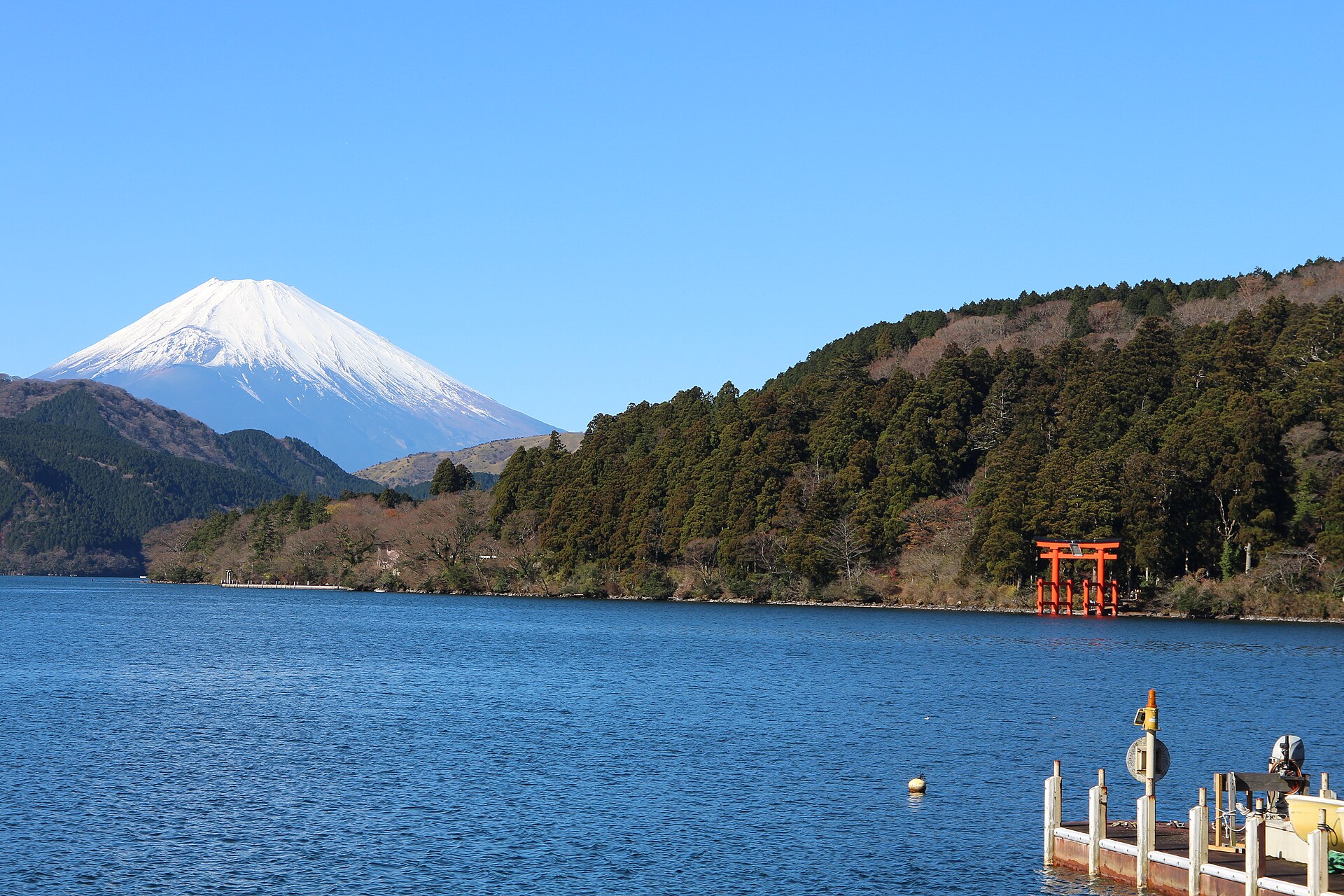
Japan has 35 national parks, not 34: Hidakasanmyaku-Erimo-Tokachi in Hokkaido became the 35th on 25 June 2024. The easiest national parks in Japan to reach are Fuji-Hakone-Izu, Nikko and Chichibu-Tama-Kai, all under two hours from central Tokyo by train, while Ogasawara is a 24-hour ferry ride away.
Below is every park on the Ministry of the Environment’s official list, ranked by how easy it is to reach by public transport, with the gateway city, the official travel time, the best time to go and one highlight. After the table come short guides to the eight easiest. Facts were checked on 23 October 2026.
35
National parks in Japan (2026)
25 June 2024
Newest park designated
¥0
Entrance fee
1 h 20 min
Shinjuku to Hakone-Yumoto by Romancecar
How many national parks are there in Japan?
Thirty-five. Many English guides still say 34 because they predate June 2024, when the Ministry of the Environment designated Hidakasanmyaku-Erimo-Tokachi National Park, the first new park since Amamigunto in March 2017 (ministry press release).
The new park runs about 140 km along the Hidaka Mountains to Cape Erimo, and the ministry calls it the largest national park in Japan by land area. The national parks site calls Setonaikai “Japan’s biggest”, because it takes in a large stretch of the Seto Inland Sea.
National parks in Japan are not fenced wilderness. The official FAQ says the land is a mix of private, prefectural and local-government land, often with towns inside, and there are “no entrance fees, opening hours or closing hours” (national parks FAQ).
How did we rank Japan’s national parks?
We ranked each park by how quickly a visitor without a car can get from the nearest big hub (Tokyo, Osaka, Sapporo, Hiroshima, Kagoshima or Naha) to a headline sight. We used the travel times on each park’s page on the official national parks site, run by JNTO with content from the Ministry of the Environment, and its “How to Get There” pages.
Times from Tokyo include flights where that’s the normal route, so they are the official ranges, not door-to-door promises. Parks that need a rental car or a long ferry drop down the list even when the flight is short. “Good time to go” is our suggestion.
All 35 national parks in Japan, ranked by ease of access
| Rank | Park | Region | Gateway | Typical travel time (official) | Good time to go | Highlight |
|---|---|---|---|---|---|---|
| 1 | Fuji-Hakone-Izu | Kanto, Tokai | Shinjuku (Hakone-Yumoto, Kawaguchiko), Atami | From Tokyo 2–5 h; Hakone-Yumoto 1 h 20 min | Year-round; autumn and winter for clear Fuji views | Mt Fuji, its lakes and the Izu coast |
| 2 | Nikko | Kanto, Tohoku | Nikko, Nasu-Shiobara | From Tokyo 1.5–2 h | May–November | Toshogu Shrine and Lake Chuzenji |
| 3 | Chichibu-Tama-Kai | Kanto | Mitake, Chichibu, Kofu | From Tokyo 2–3 h | April–November | Mountain gorges and hikes near Tokyo |
| 4 | Joshin’etsukogen | Chubu | Nagano, Karuizawa | Nagano 80–100 min by shinkansen | Summer hiking; winter snow | Jigokudani bathing monkeys |
| 5 | Setonaikai | Chugoku, Shikoku, Kansai, Kyushu | Hiroshima, Okayama, Onomichi | From Hiroshima 40 min–1 h | Spring and autumn | Miyajima and the Shimanami Kaido |
| 6 | Kirishima-Kinkowan | Kyushu | Kagoshima | From Kagoshima Station 0.5–2 h; from Tokyo 2–4 h | October–May | Sakurajima volcano |
| 7 | Shikotsu-Toya | Hokkaido | New Chitose Airport, Sapporo | From Sapporo 1–2 h; from Tokyo 2.5–4 h | June–October; winter onsen | Caldera lakes and Noboribetsu |
| 8 | Ise-Shima | Kansai, Tokai | Iseshi, Toba | From Osaka under 2 h; from Tokyo 3–4 h | Year-round | Ama divers and Ago Bay |
| 9 | Myoko-Togakushi renzan | Chubu | Nagano | From Nagano 1 h | Summer hiking; winter skiing | Togakushi and the Itoigawa Geopark |
| 10 | Bandai-Asahi | Tohoku | Fukushima, Koriyama, Yamagata | From Yamagata 1 h; from Tokyo 2–5 h | May–November | Goshikinuma ponds and Dewa Sanzan |
| 11 | Sanriku Fukko | Tohoku | Hachinohe, Morioka, Sendai | From Hachinohe under 1 h; from Tokyo 2–4 h | Summer | Coastal trails and tsunami recovery |
| 12 | Kushiroshitsugen | Hokkaido | Kushiro | Haneda–Kushiro flight about 1 h 30 min, then bus | Winter for cranes; summer for canoeing | Japan’s largest marshland |
| 13 | Aso-Kuju | Kyushu | Kumamoto, Beppu | From Beppu 1–3.5 h; from Tokyo 2.5–5 h | Spring to autumn | Aso Caldera |
| 14 | Unzen-Amakusa | Kyushu | Nagasaki | From Nagasaki 1.5–3 h; from Tokyo 3–4 h | Spring and autumn | Mt Unzen and the Amakusa islands |
| 15 | Saikai | Kyushu | Sasebo, Nagasaki | From Nagasaki 1–3 h; from Tokyo 3–5 h | Spring to autumn | 400-plus islands and old churches |
| 16 | Daisen-Oki | Chugoku | Yonago | From Osaka 1–6 h; from Tokyo 3–7 h | Summer and autumn | Mt Daisen and the Oki Islands |
| 17 | San’inkaigan | Kansai, Chugoku | Tottori, Kinosaki | From Osaka 3–4 h; from Tokyo 5–6 h | Spring to autumn | Tottori Sand Dunes |
| 18 | Chubusangaku | Chubu | Matsumoto, Toyama | From Tokyo 3–5 h | Late April–mid-November | 3,000 m peaks of the Northern Alps |
| 19 | Minami Alps | Chubu | Kofu | From Tokyo 3–4 h | July–September | Japan’s southernmost glacier landforms |
| 20 | Towada-Hachimantai | Tohoku | Aomori, Hachinohe, Morioka | From Tokyo 3–5 h | Summer and October | Lake Towada by canoe |
| 21 | Akan-Mashu | Hokkaido | Kushiro | From Tokyo 2 h (flight), then car or bus | Summer; winter for snow | Crater lakes and Ainu culture |
| 22 | Yoshino-Kumano | Kansai | Nara, Kii-Tanabe | From Nara 1.5–4 h; from Tokyo 4–6 h | Spring and autumn | Kumano Kodo pilgrimage |
| 23 | Keramashoto | Okinawa | Naha (Tomari Port) | From Tokyo 4–5.5 h | Spring to autumn; whales in winter | Reefs and white-sand beaches |
| 24 | Hakusan | Chubu | Kanazawa | From Tokyo or Osaka 4–5 h | July–October | Alpine flower fields |
| 25 | Oze | Kanto, Tohoku | Numata, Nikko | From Tokyo 4–5 h; from Nikko 1–3 h | Summer flowers; autumn leaves | Ozegahara Marsh |
| 26 | Daisetsuzan | Hokkaido | Asahikawa | From Asahikawa 1.5–2 h; from Tokyo 3 h | July–September | Mt Tomuraushi and alpine plants |
| 27 | Yakushima | Kyushu | Kagoshima | From Kagoshima 1–4 h; from Tokyo 3 h | March–November | Cedars over 1,000 years old |
| 28 | Ashizuri-Uwakai | Shikoku | Nakamura (Shimanto) | From Nakamura 1–1.5 h; from Tokyo 4.5–6 h | Spring to autumn | Leaf coral by glass-bottom boat |
| 29 | Hidakasanmyaku-Erimo-Tokachi | Hokkaido | Obihiro, Sapporo | From Sapporo 3–5 h; from Tokyo 2–6 h | Summer | Hidaka range and Cape Erimo |
| 30 | Shiretoko | Hokkaido | Utoro, Rausu | From Tokyo 3 h (flight); from Sapporo 4–8 h | June–September; drift ice in winter | Brown bears and orcas |
| 31 | Iriomote-Ishigaki | Okinawa | Ishigaki | From Tokyo or Osaka 3–4 h; from Naha 1 h | Year-round | Mangroves and the Iriomote cat |
| 32 | Amamigunto | Kyushu | Amami Oshima | From Kagoshima or Naha 1 h by plane | Year-round | Kinsakubaru forest |
| 33 | Yambaru | Okinawa | Naha, Nago | Naha Airport to Nago 1 h 45 min by bus, then 55 min to Hentona | Year-round | Subtropical forest and Hiji Falls |
| 34 | Rishiri-Rebun-Sarobetsu | Hokkaido | Wakkanai | From Tokyo about 4 h (flight, bus, ferry) | June–August | Island peaks and wildflowers |
| 35 | Ogasawara | Kanto (Tokyo) | Takeshiba, Tokyo | From Tokyo 24 h by ship | Year-round | Endemic species and whales |
Source: travel times from each park’s page on the official national parks site. For autumn colour in several of these parks, see our best fall foliage spots.
Do you need a permit or ticket for national parks in Japan?
No general permit or entry ticket is needed, though individual attractions inside parks, such as ropeways, boats and some climbing routes, charge their own fees. Wild camping is generally not allowed; use designated campgrounds, which in the north and at altitude mostly open only from May or June to October (Ministry of the Environment).
Bears live in many parks. Rangers advise making noise, not running, and backing away slowly if you meet one; our hiking near Tokyo guide has the full safety list and the trails.
1. Fuji-Hakone-Izu: the easiest national park in Japan
Japan’s most-visited national park covers Mt Fuji and its lakes, Hakone, the Izu Peninsula and the Izu Islands. Odakyu’s Romancecar runs from Shinjuku to Hakone-Yumoto in about 1 hour 20 minutes, and highway buses reach Kawaguchiko in about 2 hours 20 minutes (official access page).
For Izu, the Tokaido Shinkansen reaches Atami or Mishima in 50–60 minutes. Tokai Kisen ferries sail from Takeshiba in Tokyo to islands including Niijima and Shikinejima. Our one-night Hakone itinerary covers the classic loop.
2. Nikko National Park
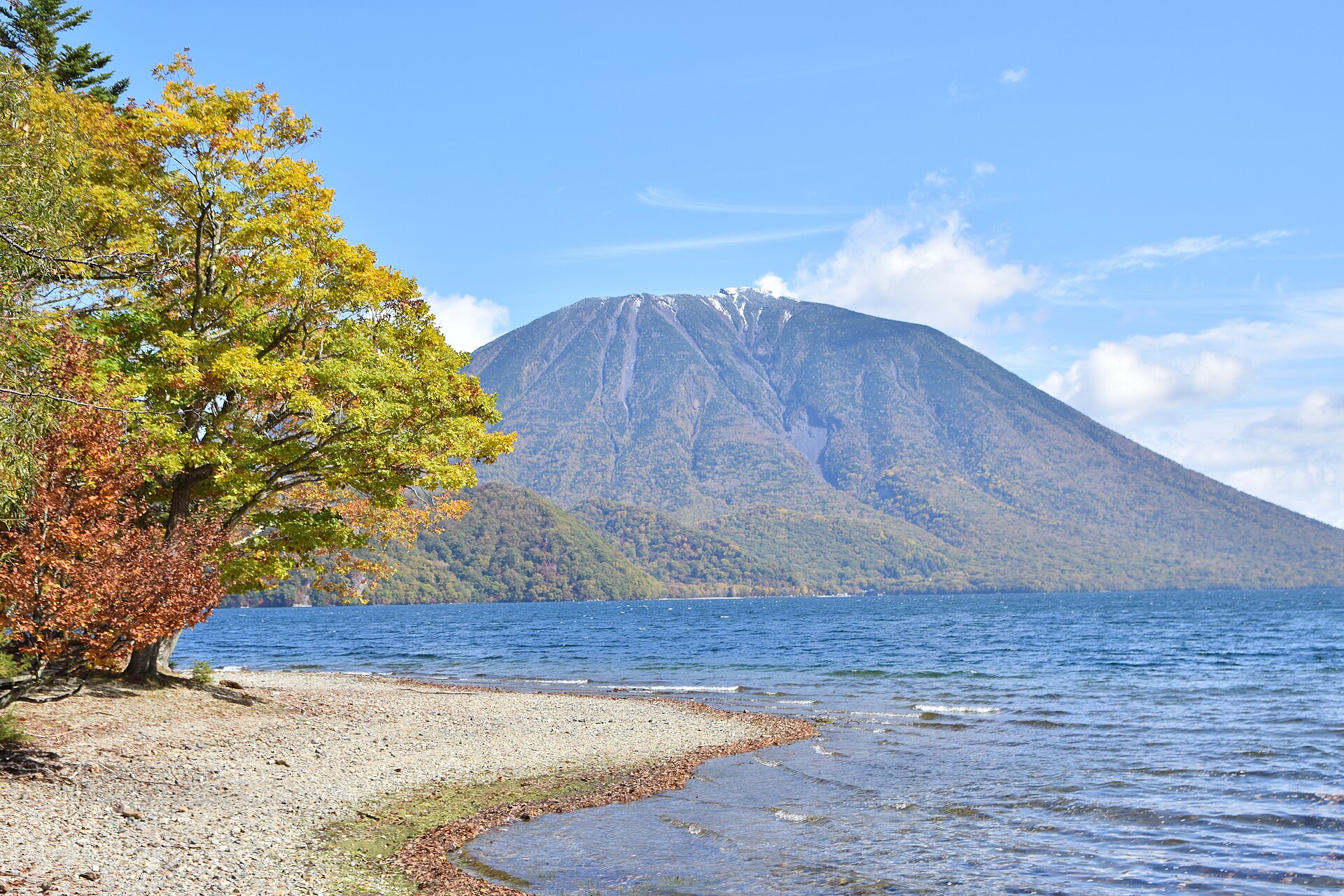
Nikko mixes the World Heritage shrines around Toshogu with Lake Chuzenji, Kegon Falls and the Senjogahara marsh, a Ramsar wetland (park page). From Tokyo Station, the Tohoku Shinkansen to Utsunomiya plus the JR Nikko Line takes about 1 hour 40 minutes.
Tobu’s SPACIA limited express from Asakusa takes about two hours and all seats are reserved; JR and Tobu also run through trains from Shinjuku. A bus climbs to Chuzenjiko Onsen in about 50 minutes (official access page). The Nasu side is 1 hour 15 minutes from Tokyo to Nasu-Shiobara by shinkansen. Timing a trip for the colours? See Nikko autumn leaves 2026.
3. Chichibu-Tama-Kai National Park
This is Tokyo’s back garden: forested ranges across Tokyo, Saitama, Yamanashi and Nagano. For Mt Mitake, take the JR Chuo Line from Shinjuku to Ome (about 75 minutes), the Ome Line to Mitake (about 20 minutes) and a 10-minute bus to the cable car (official access page).
Shosenkyo Gorge is about 90 minutes to Kofu on the Chuo Line, then a bus. Mitsumine Shrine is about 100 minutes from Ikebukuro to Seibu-Chichibu by limited express, then a 75-minute bus. Trail details are in our hiking guide, so we won’t repeat them here.
4. Joshin’etsukogen National Park
Volcanoes, highland marshes and ski slopes straddling Nagano, Niigata and Gunma. The Hokuriku Shinkansen reaches Nagano in 80–100 minutes and also stops at Karuizawa, which sits next to the park. From Nagano, about ten buses a day go to Jigokudani Monkey Park in about 40 minutes, and buses reach Shiga Kogen in about 70 minutes (official access page).
Kusatsu Onsen is about 2 hours 30 minutes from Ueno to Naganohara-Kusatsuguchi by limited express, then a JR bus.
5. Setonaikai National Park
The Seto Inland Sea park is spread across hundreds of islands and many prefectures, so you visit pieces of it. For Miyajima, take the JR Sanyo Line from Hiroshima to Miyajimaguchi (about 30 minutes) and a 10-minute ferry (official access page).
The Shimanami Kaido, a roughly 70 km cycling route over six bridges, starts at Onomichi, which has bike rental. Naoshima is about an hour from Okayama to Uno by train, then 20 minutes by ferry. Our Setouchi art islands guide covers the islands in winter.
6. Kirishima-Kinkowan National Park
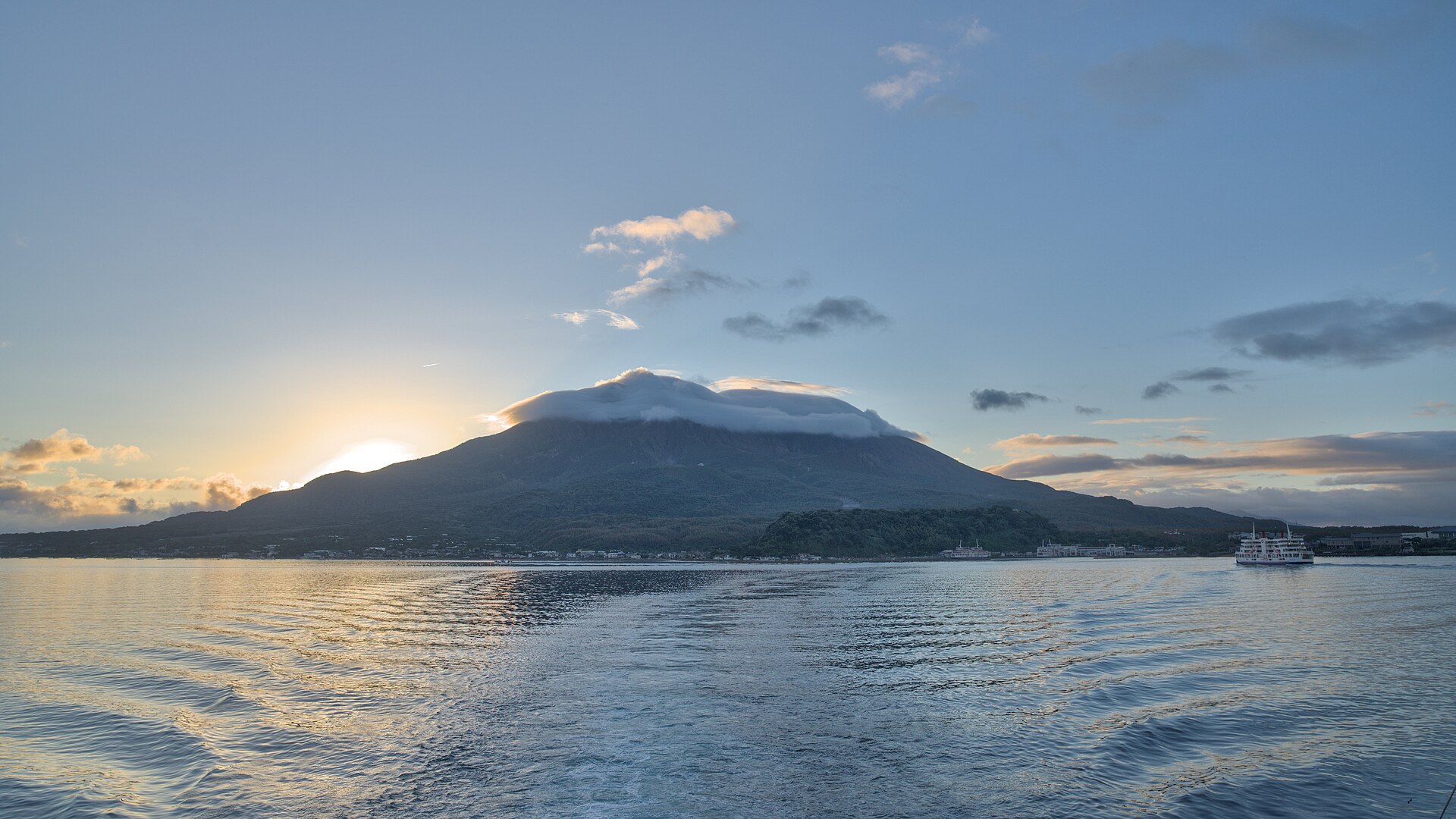
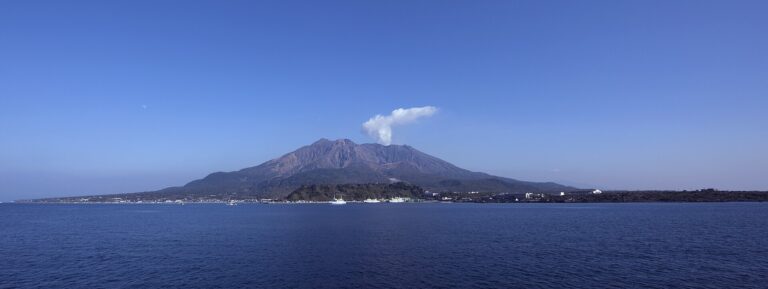
Two halves: the Kirishima volcano range, and Kinko Bay around Kagoshima with the active Sakurajima and the Ibusuki sand baths. Sakurajima is one of the easiest active volcanoes in Japan to reach: walk about 10 minutes from Kagoshima Station to the port and take the 15-minute ferry (official access page).
For Kirishima, a Kagoshima Kotsu bus runs from Kagoshima Airport to Kirishima Onsen in about 35 minutes. Buses within the park are infrequent, so the official page suggests renting a car.
7. Shikotsu-Toya National Park
Caldera lakes, active volcanoes and the onsen town of Noboribetsu, close to Sapporo. Lake Shikotsu is about 55 minutes from New Chitose Airport by Hokkaido Chuo Bus; there is no direct service from Sapporo Station (official access page).
The Hokuto limited express reaches Noboribetsu from Sapporo in about 1 hour 15 minutes, and trains stop at Toya Station, for Lake Toya, in about 1 hour 40 minutes. There is no public transport between Shikotsu and Toya, so use a car or a tour to see both.
8. Ise-Shima National Park
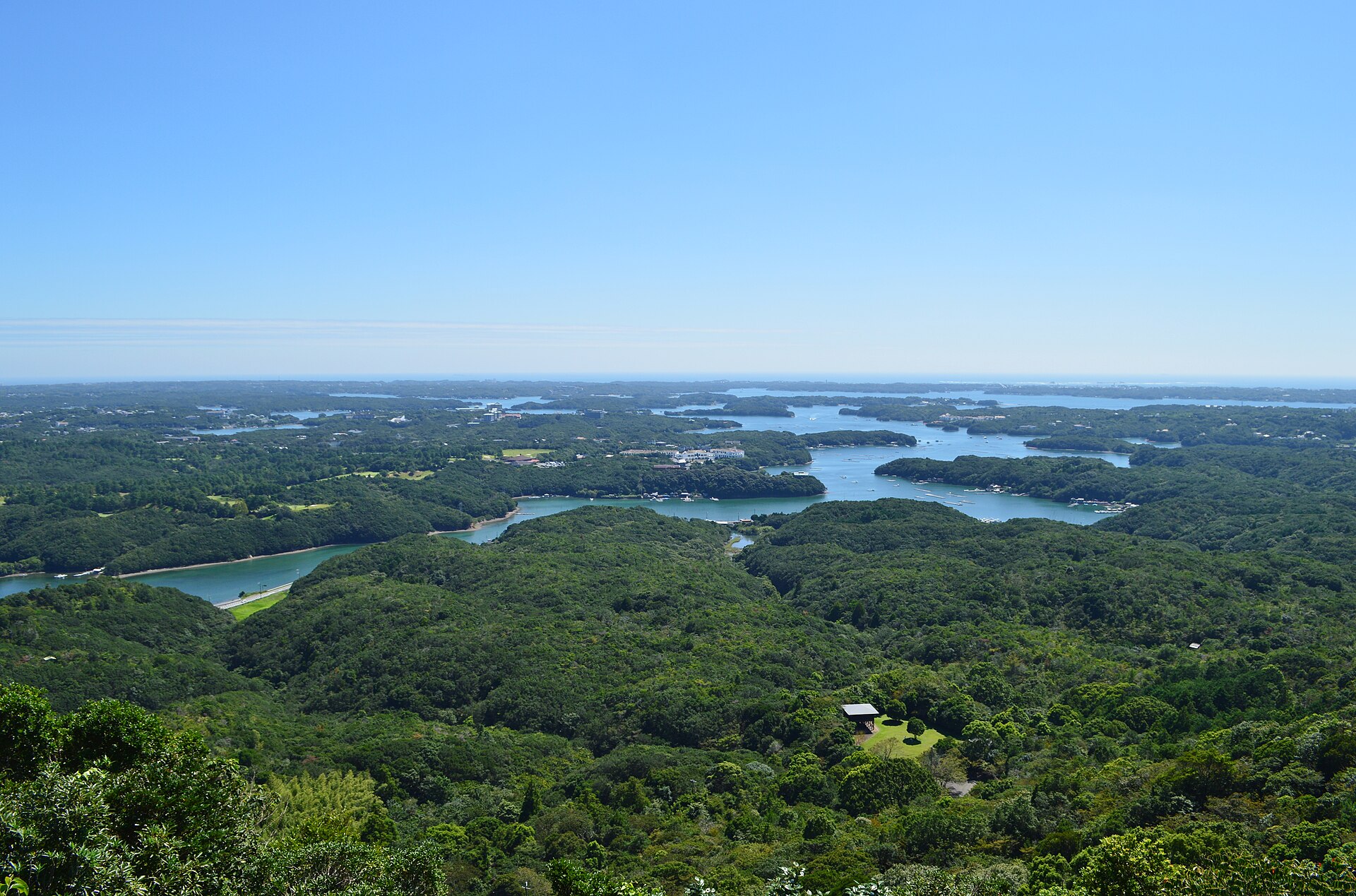
Ise-Shima wraps the Ise Grand Shrine area, Toba and the island-studded Ago Bay, where ama divers still work. Kintetsu limited expresses reach Iseshi from Osaka in under two hours. From Tokyo, take the Tokaido Shinkansen to Nagoya (about 100 minutes) and change to Kintetsu or JR (official access page).
From Iseshi it is about 10 minutes to Toba on the JR Sangu Line and 45 minutes to Kashikojima on the Kintetsu Shima Line. The park page highlights ama diver tours and sea kayaking among Ago Bay’s islands (park page).
Which remote national parks in Japan are worth the effort?
Yakushima, Shiretoko, Ogasawara and Iriomote-Ishigaki are hard to reach, but each has something no other park has. Yakushima has cedars over 1,000 years old; Shiretoko has brown bears, orcas and winter drift ice; Iriomote has mangroves and the endemic Iriomote cat.
Ogasawara is the extreme: the official site gives 24 hours from Tokyo, by ship, with whales year-round. Give these parks at least three nights. For Saikai’s islands and churches, see our Gunkanjima and Goto Islands guide.
Know before you go
No entry fee
National parks in Japan have no gates, tickets or opening hours; you pay only for transport and attractions.
Check the season
Mountain roads, buses and campsites in the north and the Alps mostly shut from November to spring.
Book trains early
Romancecar, SPACIA and Kintetsu limited expresses need seat reservations.
Use visitor centres
They post bear sightings, volcano alerts and trail closures.
Rent a car up north
Hokkaido and Kyushu parks have sparse buses; the official pages often recommend a car.
National parks in Japan FAQ
How many national parks does Japan have?
Thirty-five. Hidakasanmyaku-Erimo-Tokachi in Hokkaido was designated the 35th on 25 June 2024, so lists of 34 are out of date.
What is the easiest national park to visit from Tokyo?
Fuji-Hakone-Izu: Hakone-Yumoto is about 1 hour 20 minutes from Shinjuku by Romancecar. Nikko and Chichibu-Tama-Kai are also under two hours.
Do national parks in Japan charge an entrance fee?
No. The official FAQ says there are no entrance fees or opening hours, although ropeways, boats and some facilities charge.
What is the newest national park in Japan?
Hidakasanmyaku-Erimo-Tokachi National Park in Hokkaido, designated on 25 June 2024 and the largest by land area.
Which is the largest national park in Japan?
By land area, Hidakasanmyaku-Erimo-Tokachi. The national parks site calls Setonaikai the biggest overall, as it includes the Seto Inland Sea.
Can you camp in Japanese national parks?
Yes, at designated campgrounds. Wild camping is generally not allowed.
Which national park in Japan is hardest to reach?
Ogasawara, about 24 hours from Tokyo by ship.
Sources and how we checked
We checked the facts in this guide to national parks in Japan on 23 October 2026 against the Ministry of the Environment’s English park list and press release, and the official national parks site (content from the Ministry of the Environment, produced by JNTO), including each park’s page and its “How to Get There” page. Times are the official ranges; check timetables before you travel.
Plan a national park trip
Japan Pro can book the trains, tours and stays for a trip to any of Japan's national parks.
Read next
Kamakura Back Streets 2026: 4 Quiet Routes Around Komachi-dori, With Fees and Hours
Japan with Kids: What Works, What Doesn’t (2026 Family Guide)
Second Time in Japan: 6 Routes for When You’ve Done Tokyo, Kyoto and Osaka (2026–27)
 English
 Japanese
 Chinese (Taiwan)
 Chinese (China)
 Korean
 French
 Italian
 Thai