
Camping in Japan 2026–27: Campsites and Glamping by Region, Prices and Rules
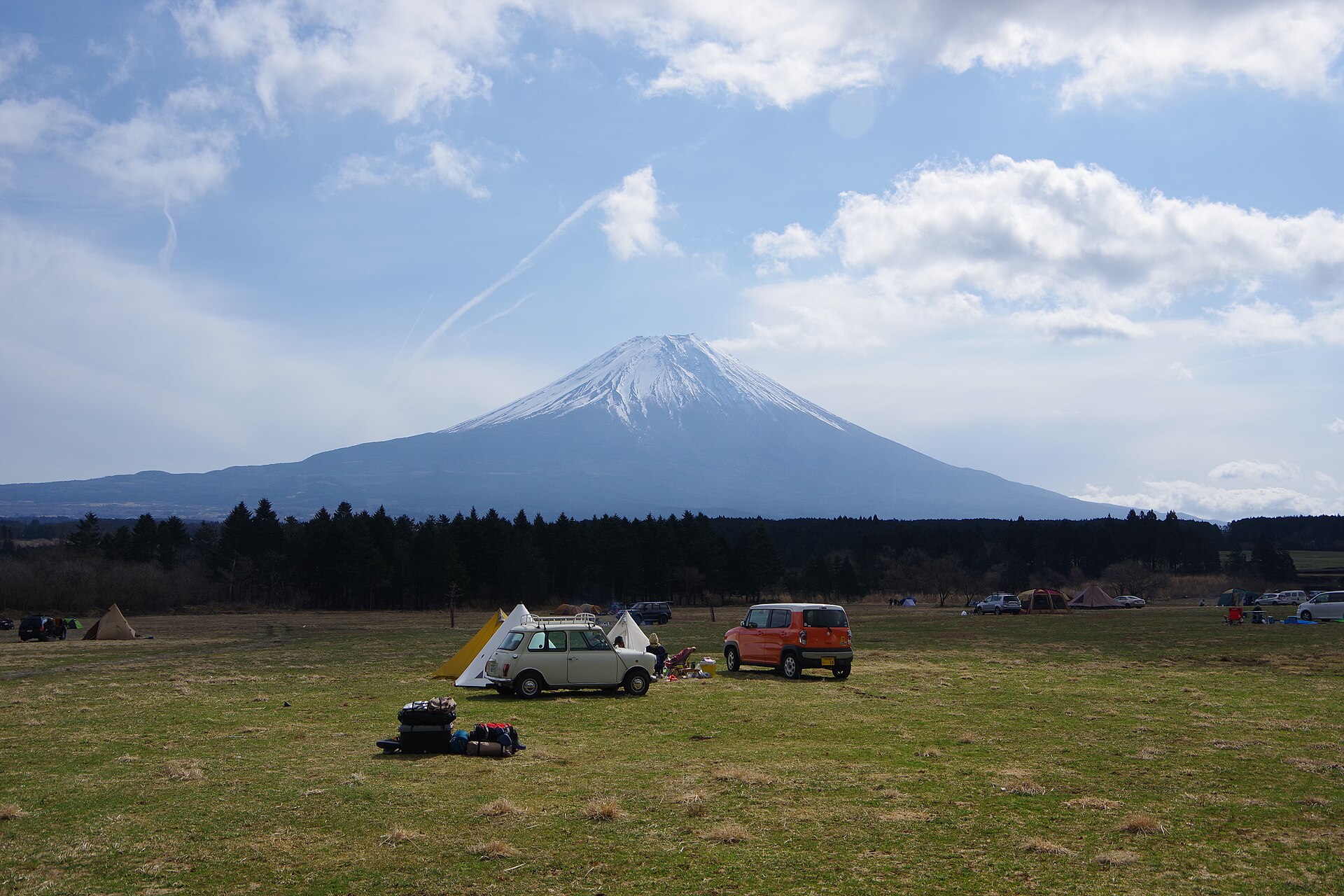
Camping in Japan means booking a designated campsite: wild camping is generally not allowed in the national parks, and most campgrounds in the north and the mountains close from late autumn until May or June. Further south, and at a handful of year-round sites near Mt Fuji, Lake Biwa, southern Kyushu and Okinawa, you can pitch a tent or rent a cabin through the winter.
This hub covers how camping in Japan works (booking, fire rules, closures and bears), then campsites and glamping by region, from Shiretoko to the Kerama Islands, with published prices and seasons. For trails and the two easiest campsites from Tokyo, Hikawa in Okutama and Fumotoppara under Mt Fuji, see our hiking near Tokyo guide. Everything below was checked on 23 October 2026.
~3,000
Campsites in Japan (JNTO)
¥400–5,000
Typical basic pitch (Ministry of the Environment)
¥700
Adult per night, Ama Campground, Zamami
15 Nov 2026
Kamikochi season ends
How does camping in Japan work?
You camp at a campground, not wherever you like. The Ministry of the Environment says that “wild camping” is “generally not allowed in Japan’s national parks”, and some places spell it out: Zamami village in Okinawa allows camping only at its one campground and bans it on uninhabited islands (Ministry of the Environment, Zamami village).
Japanese campsites come in two main layouts. A “free site” (フリーサイト) is an open field where you pitch anywhere. A “kukaku” or auto site (区画サイト, オートサイト) is a numbered plot, usually with your car parked beside the tent.
JNTO notes that most auto sites take only one tent per vehicle, so groups should book several plots and say clearly that they need an auto-camp site (JNTO camping guide). Many sites charge a site fee plus a per-person fee, and a car usually costs extra.
| Type of stay | Typical price (Ministry of the Environment) | What you get |
|---|---|---|
| Basic pitch, own tent | From ¥400–5,000 | Toilets, water, cooking sinks; showers often coin-operated |
| Pre-pitched tent | From ¥4,000 | Tent already up; bedding varies |
| Cabin or cottage | From ¥10,000 | Roof, beds, sometimes kitchen and bath |
| Tent rental | About ¥2,000 | Offered at many campgrounds |
Expect a check-in window in the afternoon, a morning check-out and quiet hours from around 21:00. Sites are rarely lit at night, so JNTO advises arriving before dark with a torch and spare batteries.
Do you need to book campsites in Japan?
Usually, yes. JNTO calls reservations “highly recommended”, especially from late July to August, in Golden Week (late April to early May) and on public holiday weekends. Rules vary a lot, though, so read each site’s booking page:
- Koan Campground at Lake Motosu is reservation-only, with booking calendars released month by month on its website (official).
- Utarube at Lake Towada takes online bookings up to three months ahead (booking site).
- Ama Campground on Zamami opens bookings two months ahead on the same date, takes no same-day bookings, and confirms by email (Zamami village).
- The national campsites in Shiretoko take reservations only for cabins; tent pitches are first come, first served (Ministry of the Environment).
- Konashidaira in Kamikochi doesn’t need a booking if you bring your own tent (Visit Matsumoto).
Systems change. When we checked, Sapporo’s Takino Suzuran Hillside Park campground had paused its online booking system and was handling enquiries by phone (Takino campground).
What are the fire rules at Japanese campsites?
Assume no open fire on the ground. Sites signal this with the word jikabi kinshi (直火禁止), “direct fire prohibited”. JNTO says campfires are usually banned but most sites let you use a raised fire pit, and the Ministry of the Environment advises bringing a stove or using the campground’s cooking area (Ministry of the Environment).
- Ama Campground, Zamami: open fires, bonfires and fireworks are banned on the site and the beach. Use the shared kitchen, a barbecue stand or a stove, and douse used charcoal before binning it as burnable rubbish.
- J-Hoppers Lake Biwa campground: fires only on the concrete zone, and a bonfire needs a fire-resistant spatter sheet (¥500 to rent).
- Everywhere: take your rubbish home if there are no bins. Sorting rules are strict and vary by town.
When are campsites in Japan closed?
In the north and the mountains, from late autumn to late spring. The Ministry of the Environment says campgrounds in central Honshu, north of Tokyo and at altitude generally open from May or June to October and close when the snow comes, while many southern ones stay open all year.
By late October 2026 that already bites. The Shiretoko national campsites closed on 30 September, Utarube’s season runs only to late October, and Kamikochi, home of Konashidaira, ends its season with the closing ceremony on 15 November 2026 (Kamikochi official). Koan’s tent village closes in late November, though its cabins stay open all winter.
How do you stay safe from bears when camping in Japan?
Bears matter in Hokkaido, Tohoku and the central mountains. Shiretoko is brown bear country, and the ministry asks campers there to “manage your foodstuff and garbage carefully” (Ministry of the Environment). Keep food sealed and out of the tent, and never leave rubbish out overnight.
Rangers’ basic advice: make noise so a bear isn’t surprised, don’t run, back away slowly without turning your back, and use bear spray only if a bear charges (national parks FAQ). Our hiking guide has the 2026 attack figures, the Tokyo bear map and the full list of what to do.
Campsites and glamping in Japan by region: comparison
Prices are as published by each operator or official body; most add extras for cars, showers or rentals.
| Site | Region | Type | Price (published) | Season | Without a car? |
|---|---|---|---|---|---|
| Shiretoko National Campsite (Utoro) | Hokkaido | Tent, cabins | ¥500 per adult; cabins ¥3,200–4,000 | Early June–30 Sep | Hard: about 5 min by car from the Utoro roadside station |
| Rausu Onsen Campsite | Hokkaido | Tent | ¥300 per person | 21 June–30 Sep (last night) | 7 min walk from Rausu Visitor Center |
| Utarube, Lake Towada | Tohoku | Tent, 7 cottages | Pitch from ¥210 plus per-person fees; car ¥520 | Late April–late October | Check locally |
| Koan, Lake Motosu | Mt Fuji lakes | Tent, cabins | Adult ¥800, car ¥1,200 (¥900 / ¥1,300 from 1 Jan 2027) | Tents early April–late Nov; cabins all year | Town bus on weekends and holidays only |
| Hoshinoya Fuji | Mt Fuji lakes | Glamping | Check operator | All year | Check operator |
| Konashidaira, Kamikochi | Chubu | Tent, fixed tents, cabins | Own tent ¥800; fixed tent ¥6,000; cabins from ¥5,000 | Kamikochi season (to 15 Nov 2026) | Yes: bus, then 15 min walk |
| J-Hoppers Lake Biwa | Kansai | Own tent only | ¥2,000–3,500 per person | All year | Yes: JR Omi-Maiko |
| Kabuku Resort, Shima | Ise-Shima | Glamping | Check operator | Check operator | Check operator |
| Hinamori Auto Campsite | Kyushu | Tent, cabins, camper vans | Free site ¥1,400 per adult; cabins ¥6,900–15,100 | All year | Car advised |
| Miike Camp Village | Kyushu | Cottages, pre-pitched tents, own tent | Ask | Daily Mar–Oct; closed Thursdays otherwise | Car advised |
| Ama Campground, Zamami | Okinawa | Tent, cottages | ¥700 per adult; cottage ¥28,000 | All year | Yes: ferry, then bus or 25 min walk |
Where to go camping in Hokkaido
Shiretoko is the classic. The National Shiretoko Campsite near Utoro charges ¥500 a night for anyone of high-school age and up, ¥300 for younger children, and ¥3,200 or ¥4,000 for two- or four-person cabins. It runs from early June to 30 September (Ministry of the Environment).
On the Rausu side, the Rausu Onsen Campsite charges ¥300 per person, takes no bookings and opens from 21 June, with 30 September the last night. It is a seven-minute walk from the Rausu Visitor Center, which makes it one of the few Shiretoko sites that works without a car.
Closer to New Chitose Airport, Lake Shikotsu is a 55-minute Hokkaido Chuo Bus ride from the airport (national parks site).
Where to go camping in Tohoku
Utarube Campground sits on the shore of Lake Towada, inside Towada-Hachimantai National Park. It opens from late April to late October, has seven cottages with a bath, kitchen and bedding, three cooking buildings, coin showers and coin laundry (national parks site).
Free-site pitches start at ¥210 per tent, with per-person fees on top (children ¥310) and ¥520 for a car; check-in for free sites is from 11:00 and check-out by 10:00 (booking site). Pair it with the canoeing on the lake and the walk along the Oirase Gorge. Black bears live throughout Tohoku, so the food rules above apply.
Where to go camping near Mt Fuji and Tokyo
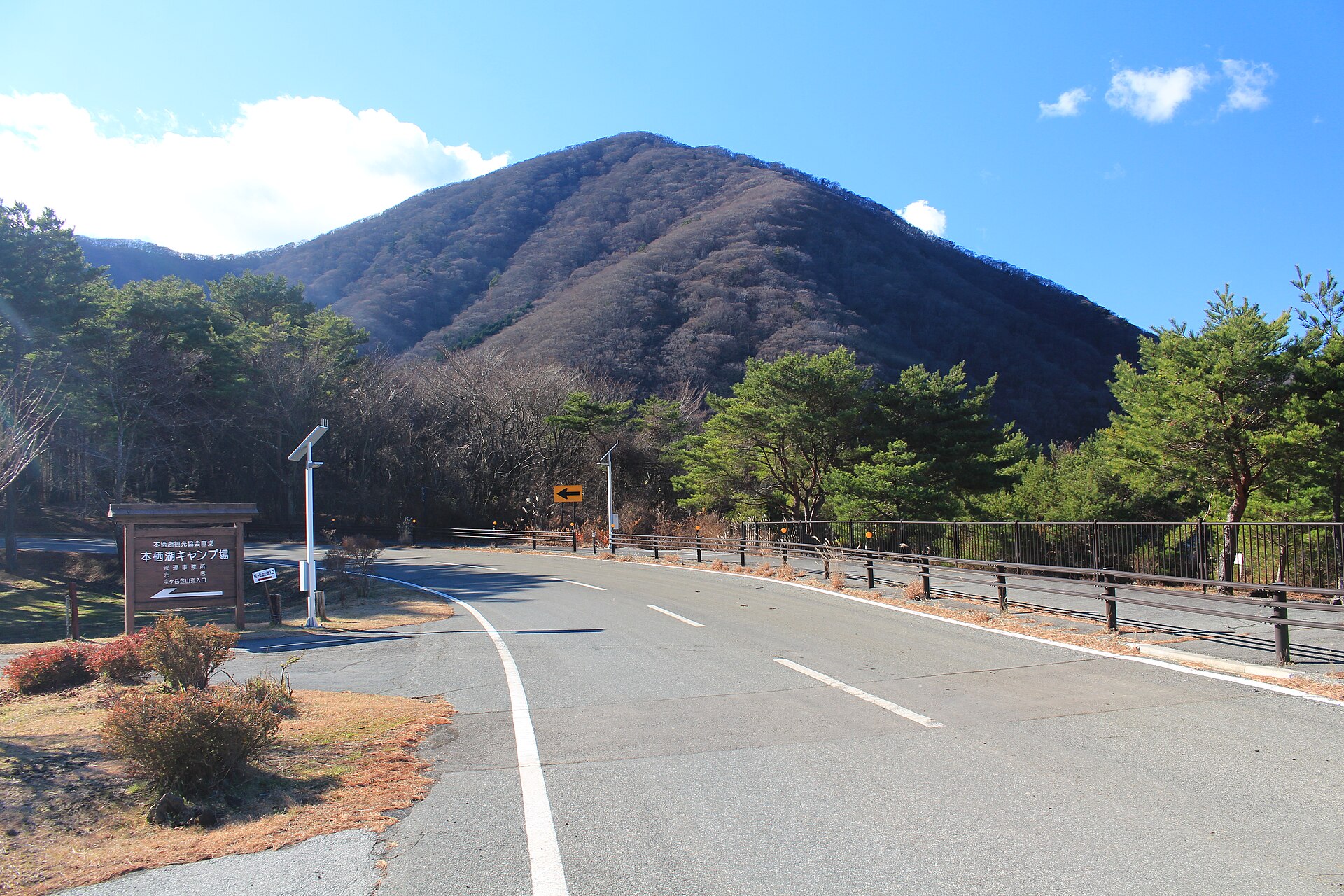
Koan Campground on Lake Motosu is the Fuji lakes site with the famous lake-and-mountain view. Its 2027 price sheet lists adults at ¥800 a night rising to ¥900, and parking at ¥1,200 rising to ¥1,300, with new rates from 1 January 2027 (price sheet).
The tent village opens in early April and closes in late November; the cabins have stayed open all year since April 2022. From December to mid-April the ground and access road can freeze, snow can fall into April, and the steep entrance needs winter tyres. The campground can close at short notice for heavy snow.
Without a car, the Minobu town bus links JR Minobu Line stations (Hadakajima, Shimobe-Onsen and Kai-Tokiwa) with the campground, but only on weekends and public holidays (Koan official).
For glamping, the national parks site lists Hoshinoya Fuji near Lake Kawaguchi as a glamping resort inside Fuji-Hakone-Izu National Park (Ministry of the Environment). Fumotoppara, at the foot of Fuji, and Hikawa in Okutama are covered in our hiking near Tokyo guide.
Where to go camping in the Japan Alps (Chubu)
Konashidaira is the easiest mountain campsite in Japan to reach by public transport, because private cars are banned from Kamikochi anyway. JNTO notes that entry is only by shuttle bus or taxi (JNTO).
Visit Matsumoto lists ¥800 for a pitch with your own tent, ¥6,000 for a fixed rental tent and cabins from ¥5,000, with cookware and tables to rent from ¥50 (Visit Matsumoto). Take the Matsumoto Electric Railway to Shin-Shimashima, the bus to Kamikochi Bus Terminal, then walk 15 minutes.
Kamikochi’s 2026 season ends on 15 November, and lodges in the valley close between 31 October and 14 November. Ask the campground for its own last night before you travel in November.
Where to go camping and glamping in Kansai
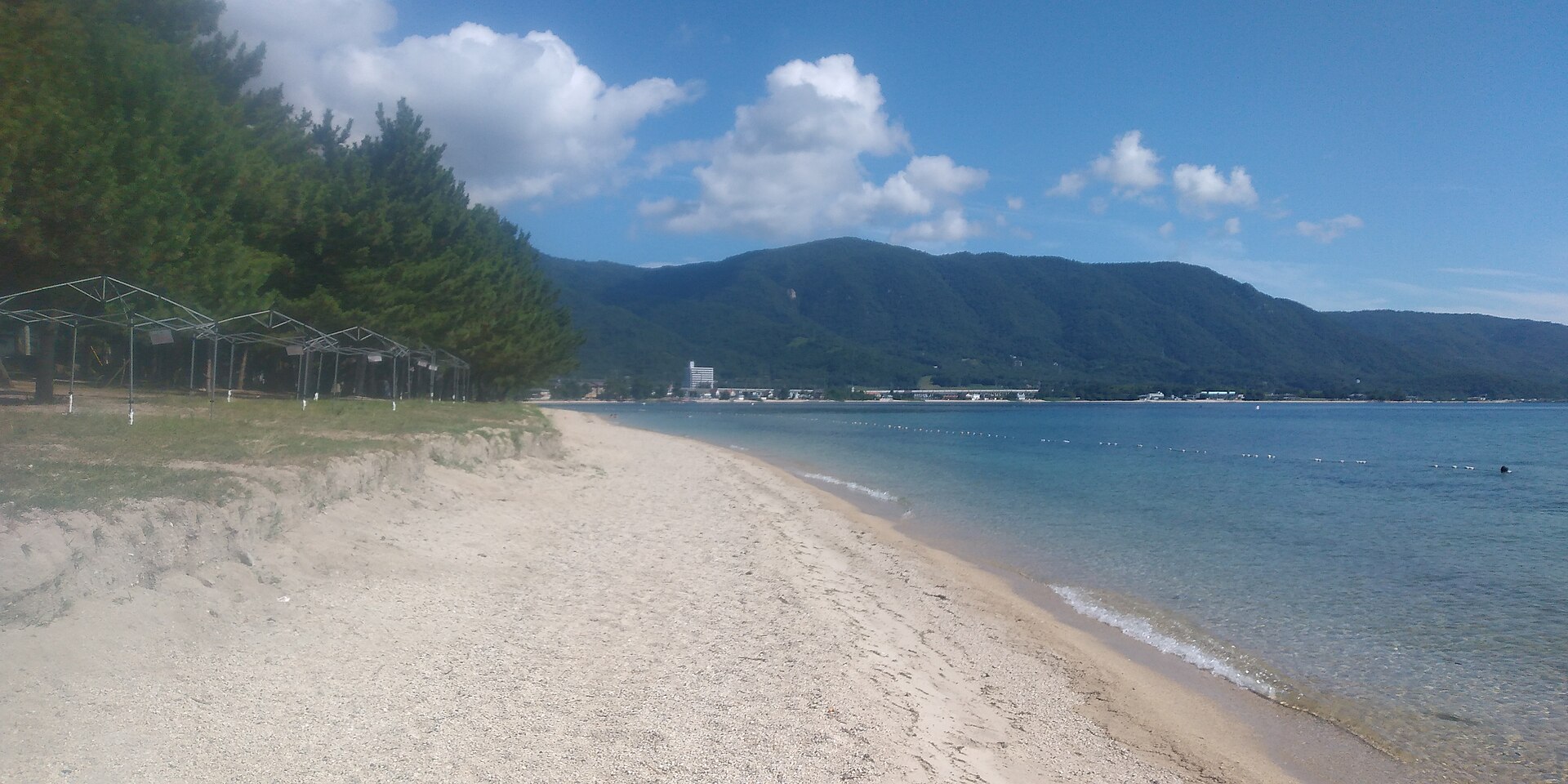
J-Hoppers Lake Biwa runs a small campground by Omimaiko Beach on the west shore of the lake, open all year. It charges ¥2,000 per person on weekdays, ¥3,000 at weekends and ¥3,500 on peak days, includes one car, and has no tents to rent (J-Hoppers Lake Biwa).
Check-in is from 13:00 to sunset, the maximum stay is two nights and lights go off at 21:00. Nakahama beach is a five-minute walk from JR Omi-Maiko Station (J-Hoppers beach page).
For glamping, Ise-Shima National Park has Kabuku Resort on Strawberry Beach, with pre-pitched tents, beds and fridges, and Shima Autocamp Ground, which runs guided group kayaking (Ministry of the Environment). Kintetsu limited expresses reach Iseshi from Osaka in under two hours (national parks site).
Where to go camping in Shikoku, the Inland Sea and Kyushu
The Seto Inland Sea has one of Japan’s more unusual glamping spots: Kujirajima, a private island in Setonaikai National Park listed by the Ministry of the Environment. Combine it with the art islands in our Setouchi off-season guide.
In Kyushu, Hinamori Auto Campsite in Kobayashi, Miyazaki, inside Kirishima-Kinkowan National Park, is open all year. The national parks site lists free-site pitches at ¥1,400 per adult, individual plots at ¥4,700, camper-van plots at ¥6,100 and cabins from ¥6,900 to ¥15,100, with English support (national parks site).
Nearby Miike Camp Village by Lake Miike has nine cottages, two stilted bungalows and 30 pre-pitched tents, and is open daily from March to October and closed on Thursdays in other months (national parks site). Both are much easier with a rental car.
Where to go camping in Okinawa
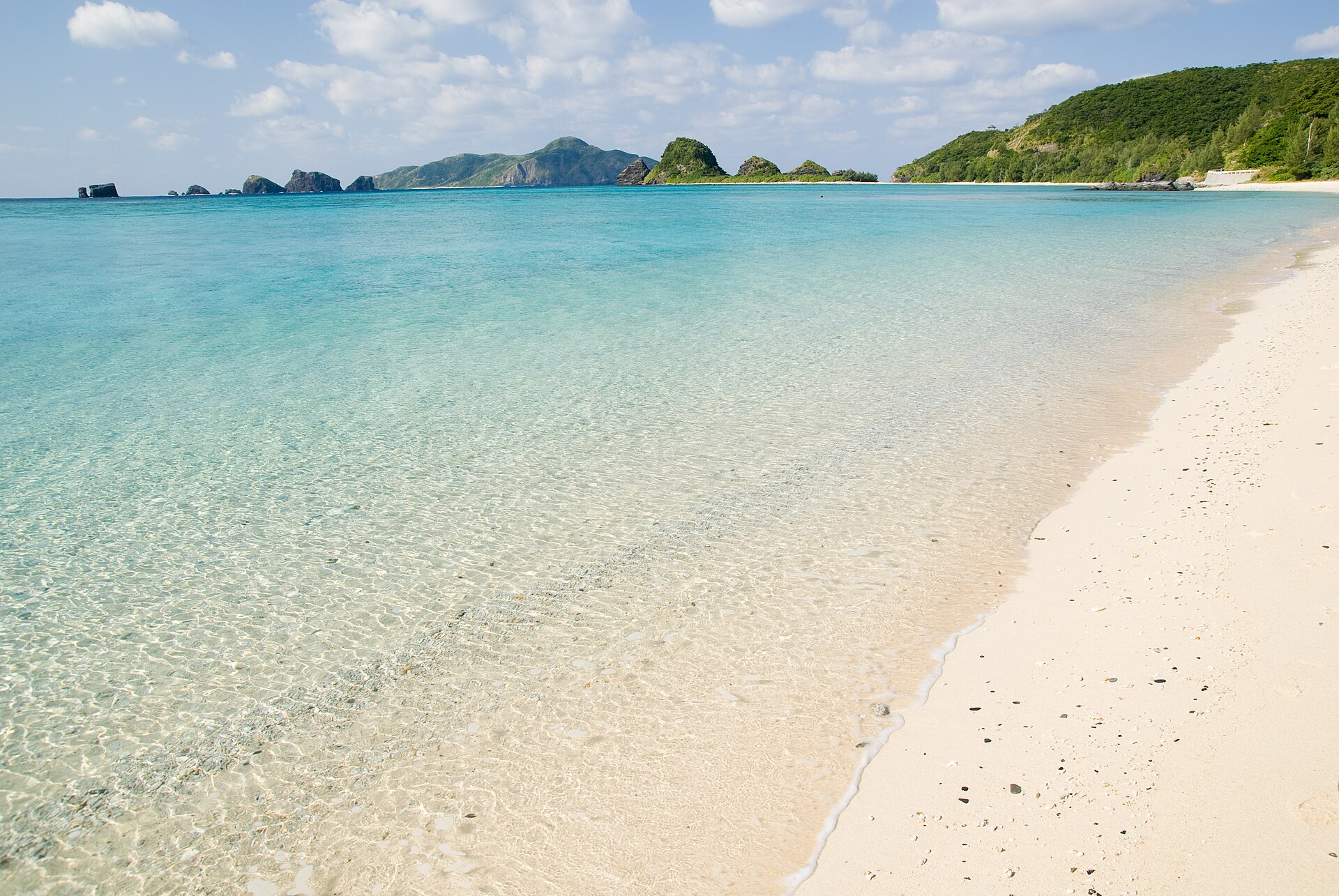
Ama Campground on Zamami, in the Kerama Islands, is the best car-free camping in Japan. Adults pay ¥700 a night, children ¥350, an auto site is ¥4,700, and six log cottages cost ¥28,000 a night for up to six people (Zamami village).
It is 1.6 km from Zamami Port: about 25 minutes on foot or five minutes on the village bus (¥300). Check-in is 15:00–17:00 and check-out by 10:00. If you arrive after 17:00 or on the last high-speed ferry, you must book even for a tent pitch.
It is open all year, and the showers run hot only in winter (¥300). Ferries leave from Tomari Port in Naha, so check the schedule before you book.
Can you rent camping gear in Japan?
Yes, at many campgrounds, and the Ministry of the Environment says shops near popular outdoor areas often rent sleeping bags and stoves. Ama Campground’s list shows what to expect (limited stock, so book; ¥1,000 refundable deposit):
| Item (Ama Campground) | Price per night |
|---|---|
| Large dome tent, up to 4 | ¥3,400 |
| Medium dome tent, 2 people | ¥2,700 |
| Small dome tent, 1 person | ¥1,350 |
| Sleeping bag | ¥700 |
| Sleeping mat | ¥400 |
| Large barbecue stand | ¥2,700 |
Ama doesn’t rent tarps, tables, chairs, lanterns, gas canisters or bug spray, so bring those. The Japanese phrase to search for is tebura camp (手ぶらキャンプ), “empty-handed camping”, where the site supplies everything.
For a package, Japan Camp Easy bundles gear rental, campground information and transport advice for foreign visitors. Its Konashidaira tent plan starts at ¥32,160 and its Koan plan at ¥32,800, each for one night for two people, with free cancellation up to a week before (Japan Camp Easy).
How do you get to campsites in Japan without a car?
Choose the site for its transport, not the other way round. JNTO warns that public transport to campgrounds is often limited. These work well by train, bus or ferry:
- Konashidaira, Kamikochi: train and bus from Matsumoto, then 15 minutes on foot.
- Ama Campground, Zamami: ferry from Naha, then the village bus.
- J-Hoppers Lake Biwa: JR Kosei Line to Omi-Maiko.
- Rausu Onsen Campsite: seven minutes on foot from the Rausu Visitor Center.
- Koan, Lake Motosu: weekend and holiday town bus from the JR Minobu Line.
- Hikawa, Okutama: five minutes from JR Okutama Station (see our hiking guide).
Buy food before the last connection: many sites have no shop nearby.
Can you go winter camping in Japan?
Yes, but choose carefully. For autumn or winter camping, the Ministry of the Environment recommends a four-season sleeping bag and preparation for fast-changing weather at altitude. Year-round options include Koan’s cabins at Lake Motosu, Hinamori in Miyazaki, J-Hoppers on Lake Biwa and Ama on Zamami.
At Lake Motosu the ground can freeze and snow can fall until mid-April, and you’ll need winter tyres to get in. Hokkaido and Tohoku campsites are shut. For snow without a tent, see our winter in Japan guide and best onsen towns.
Know before you go
Book the right plot
Ask for an auto site if you have a car; most allow only one tent per vehicle.
No ground fires
Look for 直火禁止 (jikabi kinshi). Bring a stove or use a raised fire pit where allowed.
Arrive before dark
Sites are rarely lit and check-in desks often close by 17:00.
Pack rubbish out
Sort it the local way, or take it home if there are no bins.
Check the season
Northern and mountain sites mostly close from October or November until May or June.
Bears up north
Seal food, keep it out of the tent and make noise on paths in Hokkaido and Tohoku.
Camping in Japan FAQ
Is wild camping legal in Japan?
The Ministry of the Environment says wild camping is generally not allowed in Japan’s national parks, and some towns ban it outright. Use designated campgrounds.
How much does camping in Japan cost?
A basic pitch costs from about ¥400 to ¥5,000, pre-pitched tents from ¥4,000 and cabins from ¥10,000, according to the Ministry of the Environment. Ama Campground on Zamami charges ¥700 per adult.
Can you have a campfire at Japanese campsites?
Usually not on the ground. Most sites ban direct fires (jikabi) but allow raised fire pits, barbecue stands or stoves; some, like Ama on Zamami, ban open fires completely.
Which campsites in Japan are open in winter?
Southern and lowland sites such as Ama Campground in Okinawa, Hinamori in Miyazaki and J-Hoppers on Lake Biwa are open all year, as are Koan’s cabins at Lake Motosu. Most Hokkaido, Tohoku and mountain sites close.
Can you go camping in Japan without a car?
Yes. Konashidaira in Kamikochi, Ama Campground on Zamami, J-Hoppers Lake Biwa and Hikawa in Okutama are all reachable by train, bus or ferry.
Where is the best glamping in Japan?
The Ministry of the Environment highlights Hoshinoya Fuji near Lake Kawaguchi, Kabuku Resort in Ise-Shima and Kujirajima Island in the Seto Inland Sea.
Do you need to book campsites in Japan?
For summer, Golden Week and holiday weekends, yes. Some sites, such as Koan, are reservation-only, while others, such as Shiretoko tent pitches, are first come, first served.
Sources and how we checked
We checked the facts in this camping in Japan guide on 23 October 2026 against the Ministry of the Environment and JNTO national parks pages, JNTO’s camping guide, Zamami village, the Kamikochi tourism association, Visit Matsumoto and each campground’s own website or booking page, all linked above. Prices and seasons change, and several operators note this, so check the linked page before you travel.
Plan your Japan camping trip
Japan Pro can help you plan the trains, ferries and bookings for a camping or glamping trip anywhere in Japan.
Read next
Kamakura Back Streets 2026: 4 Quiet Routes Around Komachi-dori, With Fees and Hours
Japan with Kids: What Works, What Doesn’t (2026 Family Guide)
Second Time in Japan: 6 Routes for When You’ve Done Tokyo, Kyoto and Osaka (2026–27)
 English
 Japanese
 Chinese (Taiwan)
 Chinese (China)
 Korean
 French
 Italian
 Thai