
Tokyo to Kyoto 2026: Shinkansen, Bus or Flight Compared
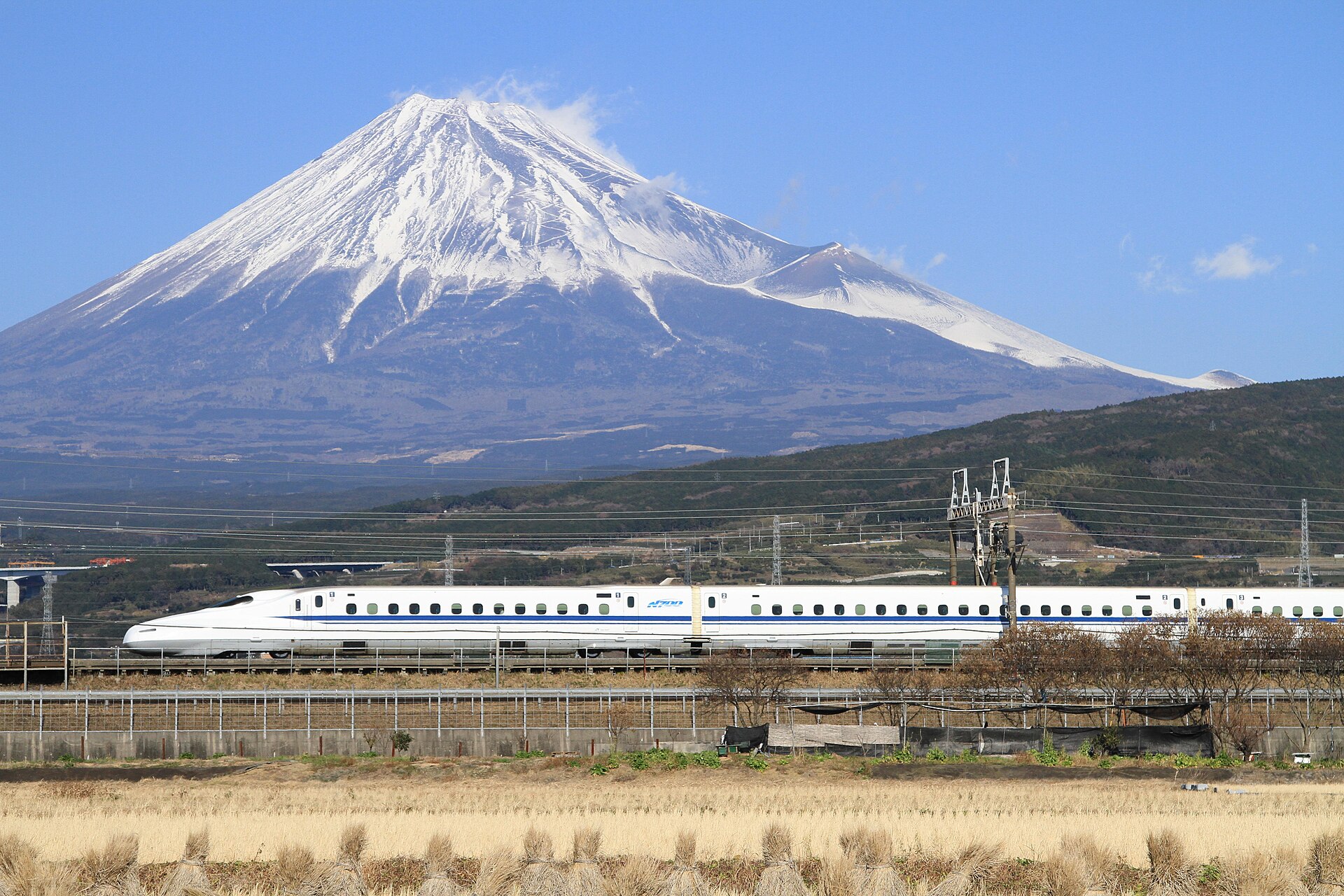
简答: The best way from Tokyo to Kyoto is the Nozomi shinkansen: about 2 hours 15 minutes and ¥14,170 for a reserved seat (¥13,970 on smartEX). The cheapest bullet train is Platt-KODAMA from ¥10,960 (3 h 40 min); the cheapest of all is a night bus from about ¥1,800.
The best way from Tokyo to Kyoto for most people is the Nozomi shinkansen: about 2 hours 15 minutes and ¥14,170 for a reserved seat in 2026. The cheapest is a night bus from about ¥1,800 on a quiet weekday, and the cheapest bullet train is the Platt-KODAMA package from ¥10,960, if you can spare 3 hours 40 minutes.
This guide puts every Tokyo to Kyoto option in one fare table: Nozomi, Hikari and Kodama, reserved and non-reserved, smartEX and the JR Pass. Then it covers what the route pages skip: the big-suitcase reservation rule that costs ¥1,000 if you ignore it, which seat letter faces Mt Fuji, Tokyo vs Shinagawa, and what happens when you step off at Kyoto Station in peak autumn season.
Last checked: 1 November 2026
简答: One-way trip, no pass? Book a Nozomi on smartEX. Want to save ¥3,000 and enjoy a slower ride? Platt-KODAMA. Already holding a 7-day JR Pass? Take the Hikari for free, or pay ¥4,960 for a Nozomi ticket. Tight budget and a decent sleeper? Night bus. Flying is rarely worth it.
2 h 15 min
Nozomi, Tokyo–Kyoto
14,170 日元
Nozomi reserved, regular season
¥10,960
Platt-KODAMA, from
¥1,780
Night bus, from (weekday)
Tokyo to Kyoto shinkansen price 2026: the full fare table
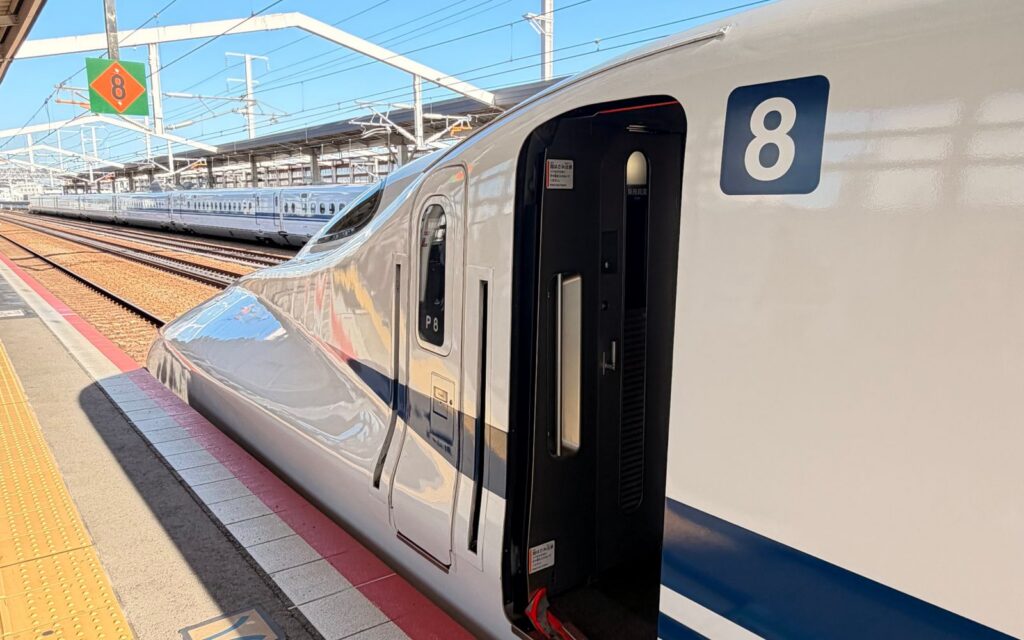
All fares below are adult, one way, Tokyo or Shinagawa to Kyoto, regular season, checked on 31 October 2026. Reserved seats cost ¥200 less in off-peak season, ¥200 more in peak season and ¥400 more in the busiest season, according to smartEX. Non-reserved seats don’t change with the season.
| 列车 | Non-reserved | 对号座 | Green Car | Time Tokyo–Kyoto | JR Pass? |
|---|---|---|---|---|---|
| Nozomi | 13,320 日元 | 14,170 日元 | ¥19,040 | About 2 h 15 min | Only with ¥4,960 Nozomi ticket |
| Hikari | 13,320 日元 | 13,850 日元 | ¥18,720 | About 2 h 40 min | Yes, covered |
| Kodama | 13,320 日元 | 13,850 日元 | ¥18,720 | About 3 h 40 min | Yes, covered |
| Platt-KODAMA (package) | — | From ¥10,960 (Mon–Thu, off-peak) | From ¥12,200 | About 3 h 40 min | 不需要 |
| EX Hayatoku 21 (smartEX) | — | About ¥12,430 (Nozomi, 21+ days ahead) | — | About 2 h 15 min | 不需要 |
Why does the Nozomi cost more? It carries a ¥320 surcharge over Hikari and Kodama on reserved seats; non-reserved is the same price on all three. Booking through smartEX takes about ¥200 off the reserved fare (¥13,650 on Hikari, for example). Fares come from JR Central’s pages, Tabiris’s Nozomi-vs-Hikari price table and JR-Shinkansen.net; the live price always shows in the app before you pay.
Note for 2027: JR Central is raising Nozomi reserved fares for tickets bought from 1 July 2027 (Tokyo–Shin-Osaka goes up ¥700) and the Green Car fee from 15 December 2027. Non-reserved seats and Hikari/Kodama reserved fares stay the same. Details are in our shinkansen fare increase 2027 guide.
Nozomi vs Hikari vs Kodama: which train should you take?
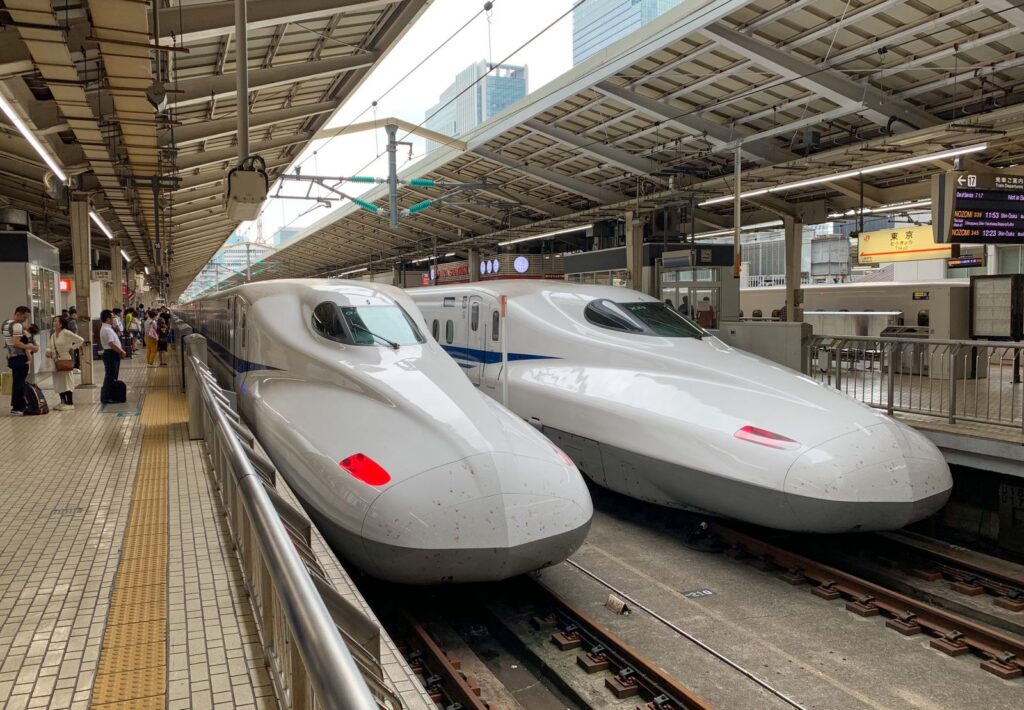
All three run on the same Tokaido Shinkansen line from Tokyo through Shinagawa and Shin-Yokohama to Kyoto. The difference is how many stations they stop at. Daytime trains leave roughly every 10 to 15 minutes, most of them Nozomi.
- 希望号: the fastest, about 2 hours 15 minutes, with only a handful of stops (Shinagawa, Shin-Yokohama, 名古屋). The default choice unless you have a JR Pass.
- Hikari: about 2 hours 40 minutes with a few extra stops. Fully covered by the JR Pass, which makes it the pass holder’s train.
- Kodama: stops at every station and takes about 3 hours 40 minutes. Normal fare is the same as Hikari, so only take it on the Platt-KODAMA discount or for a stop such as Shin-Fuji or Mishima.
One rule catches people out: in peak periods (New Year, Golden Week and Obon) every Nozomi is reserved-seat only, according to JR 东海. If you travel then, buy a reserved seat in advance. Non-reserved means standing in the corridor if it is full.
The oversized baggage rule: reserve or pay ¥1,000
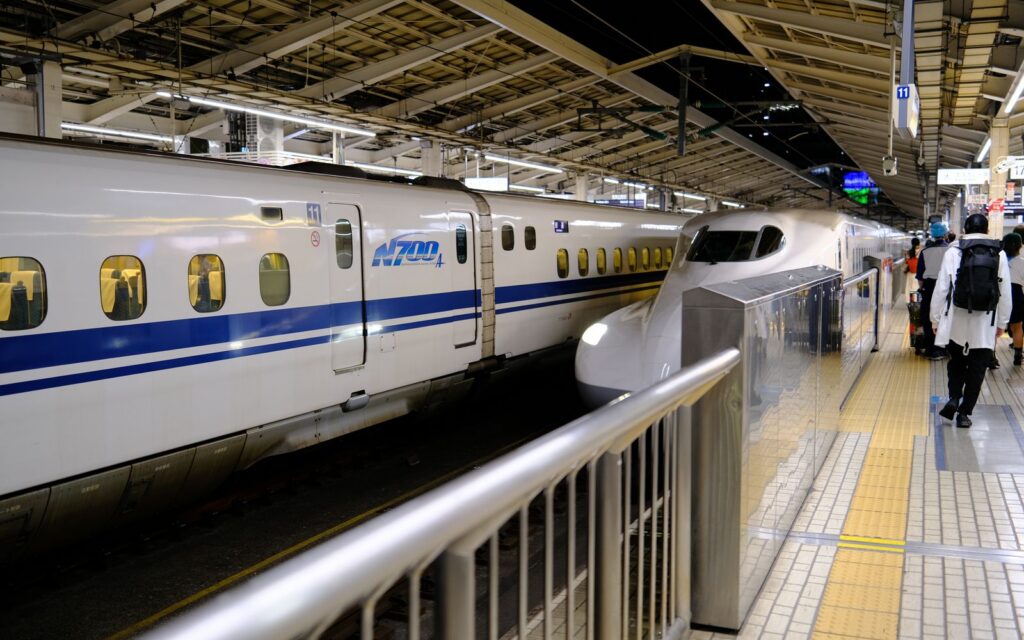
This is the rule most Tokyo to Kyoto route pages bury. On the Tokaido Shinkansen, any bag with height + width + depth between 160 cm and 250 cm needs a “seat with an oversized baggage area”, the last row of certain cars, where your bag goes behind your seat (JR 东海).
- Up to 160 cm total: no reservation. Use the overhead rack or the space at your feet.
- 160–250 cm total (most large checked-size suitcases): reserve the oversized baggage seat when you book. It costs nothing extra.
- No reservation with an oversized bag: a ¥1,000 fee on board, and the conductor decides where it goes.
- Over 250 cm total: not allowed on board at all. Forward it instead (see below).
Measure your case before you book: add height, width and depth, wheels and handles included. Many large checked-size suitcases land between 160 and 250 cm, and the oversized-baggage seats are limited per train, so book them early on busy days.
How to book the Tokyo to Kyoto bullet train
Option 1: smartEX (best for most visitors)
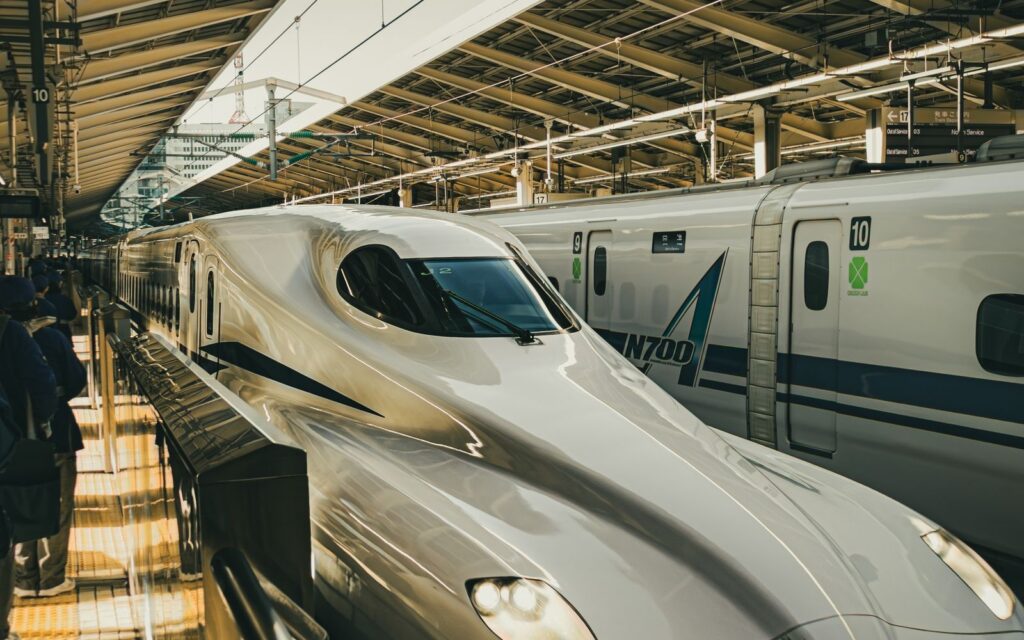
smartEX is JR Central’s own booking app and website, in English. Register with a credit card, pick your train and seat, and pay at the time of booking. You board with a QR ticket on your phone or by linking an IC card such as Suica, so there is no need to queue at a ticket office.
- Reservations open one month before travel at 10:00 Japan time.
- You can change the train for free before departure on a standard smartEX ticket. EX Hayatoku fares can’t be changed; you refund and rebook.
- EX Hayatoku 21 (about ¥12,430 Tokyo–Kyoto on a Nozomi in 2026; smartEX shows the exact fare) must be bought by 23:30, 21 days before travel, and excludes Golden Week, Obon and New Year (smartEX).
- smartEX only covers the shinkansen. Your local train to Tokyo or Shinagawa station is paid separately with an IC card.
Option 2: station ticket machines
The red-and-white or green reserved-seat machines at Tokyo and Shinagawa stations have an English button and take credit cards. Choose Tokyo (or Shinagawa) to Kyoto, the train, and “reserved” or “non-reserved”. You get either a single ticket or two (a basic fare ticket and a limited express ticket); insert both together at the gate.
Option 3: Platt-KODAMA (cheapest bullet train)
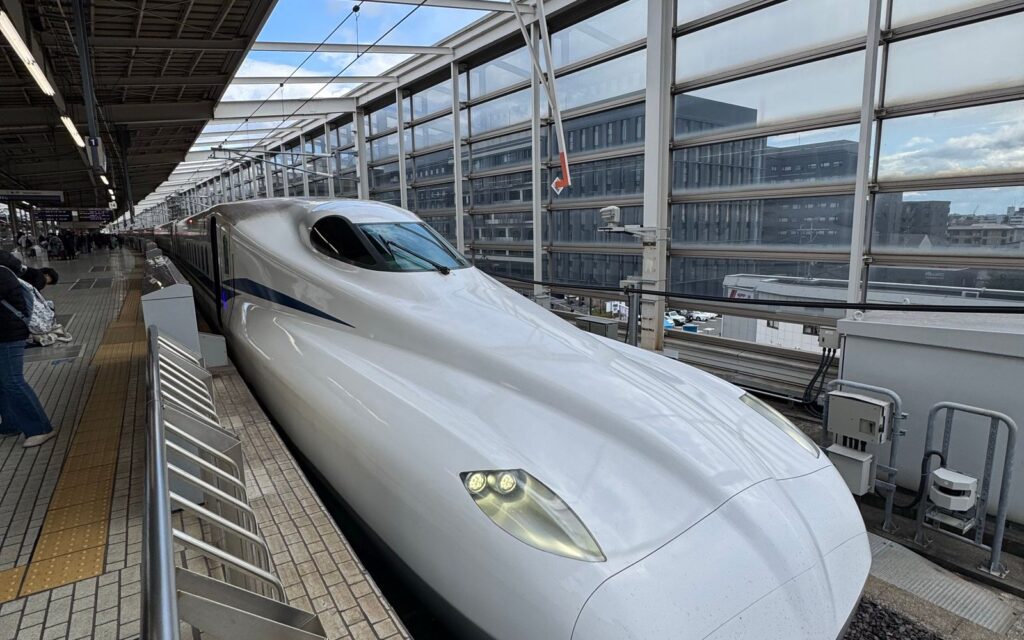
Platt-KODAMA is a travel package sold by JR Tokai Tours on JR Central’s English travel site. From ¥10,960 in an ordinary car or ¥12,200 in Green (Monday to Thursday, off-peak, as of 1 September 2026), with a one-drink e-voucher or a local coupon included. That is ¥2,890 less than a regular Kodama reserved seat.
- Booking opens 10:00 one month ahead and closes 23:30 the day before. Free membership needed.
- Kodama only, about 3 hours 40 minutes. Tokyo and Shinagawa are interchangeable.
- No changes except a seat on the same train. Miss it and the ticket is gone.
- New Year, Golden Week and Obon are excluded; the price rises on busy days.
Which seat sees Mt Fuji from the shinkansen?
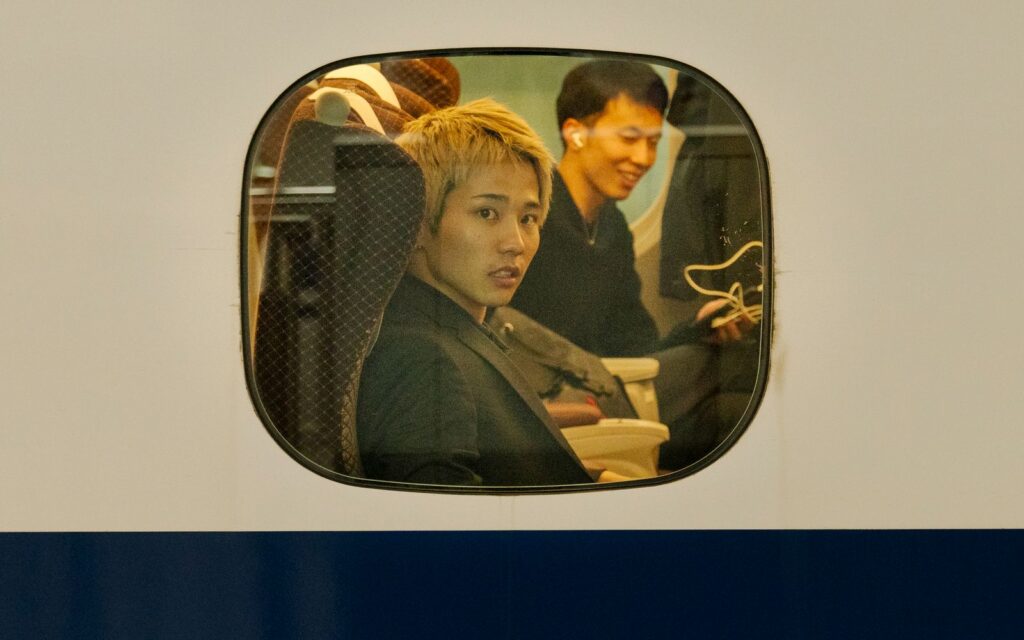
Going from Tokyo to Kyoto, sit on the right side: seat E in an ordinary car (the window seat of the three-seat row) or seat D in the Green Car. Fuji appears on the right after Mishima and is closest around Shin-Fuji station. Coming back from Kyoto, it’s seat A.
The view lasts a few minutes and needs a clear sky; on many days Fuji hides in cloud. Pick E when you book in smartEX or at the machine, as both let you choose the seat. All trains pass the same spot, including the Nozomi, which doesn’t stop there.
Tokyo Station or Shinagawa: where should you board?
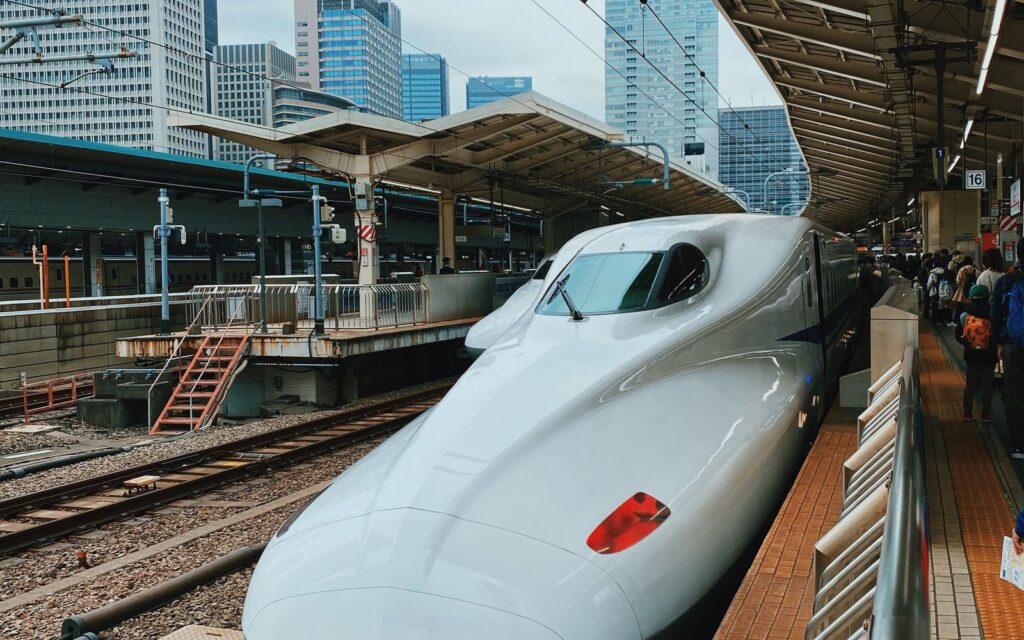
Every Nozomi, Hikari and Kodama to Kyoto starts at Tokyo Station and stops at Shinagawa a few minutes later. Pick by where you are staying, not by the timetable.
| Board at | Best if you stay in | 原因 |
|---|---|---|
| 东京站 | Ginza, Marunouchi, Nihonbashi, Ueno, 浅草 | The train starts here, so you can find your seat calmly. Big station: allow 15 minutes from the JR or Marunouchi Line gates to the Tokaido Shinkansen platforms. |
| 品川 | 涩谷, Ebisu, Roppongi, Haneda-area hotels | Smaller station, faster transfer from the Yamanote Line and the Keikyu line from Haneda Airport. |
| Shin-Yokohama | 横滨 | Same trains; skip central Tokyo entirely. |
Arriving at Kyoto Station: what to do next
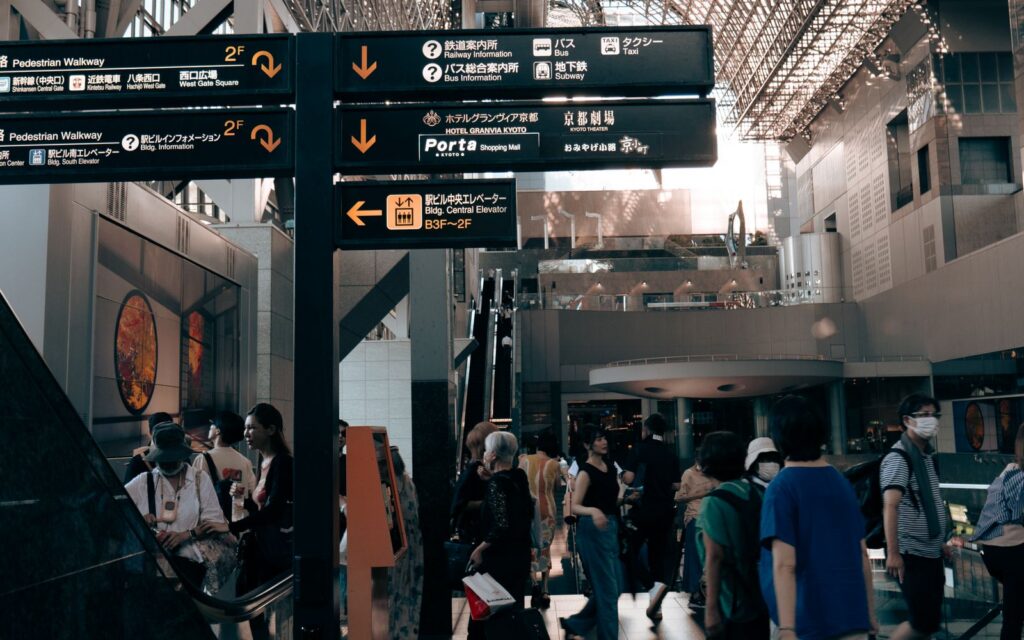
Shinkansen passengers come out on the south (Hachijo) side of Kyoto Station. The city bus terminal, the taxi rank to the north and the Karasuma subway line are on the north (Karasuma) side; cross through the station building, about 5 to 10 minutes on foot with luggage.
- Autumn 2026 warning: November is Kyoto’s busiest month. The bus queues at Kyoto Station can be long; see our Kyoto bus guide for autumn 2026 for the faster routes.
- Going to Gion, Higashiyama or Arashiyama? The subway or JR lines are often quicker than a crowded bus.
- Hotel check-in at 15:00? Drop bags at coin lockers or a luggage counter at the station, then head out.
- Planning your days: our things to do in Kyoto guide is organised by district.
Cheapest way from Tokyo to Kyoto: every alternative compared
The bullet train wins on speed and comfort, but it isn’t the only way. Here is how the alternatives really stack up for a Tokyo to Kyoto trip.
Night bus: cheapest, but you pay in sleep
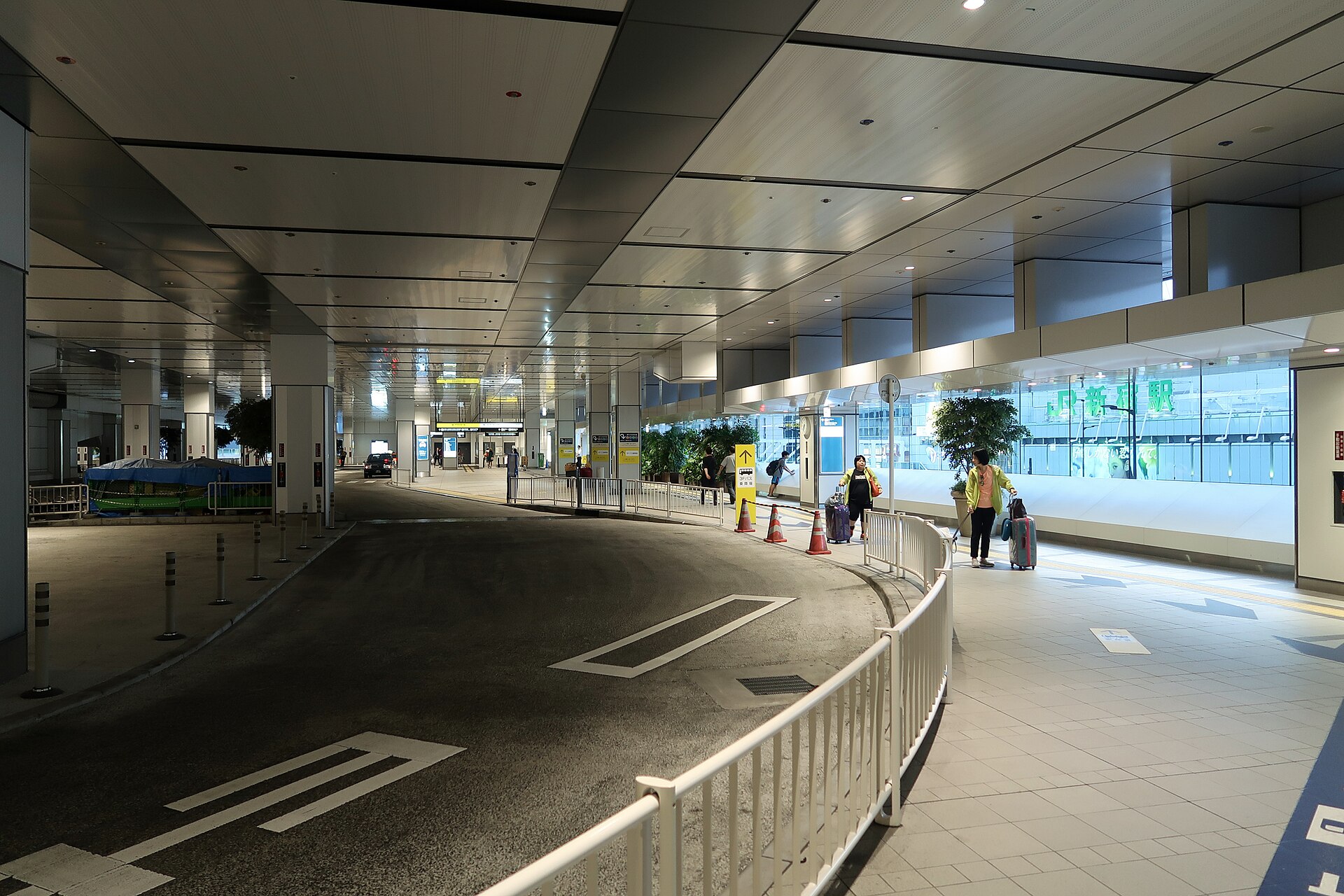
Night buses leave Shinjuku, Ikebukuro, Tokyo Station and other stops from about 21:00 and reach Kyoto Station between about 05:00 and 07:30. On a Tuesday in late October 2026, Kosokubus listed 4-across seats from ¥1,780 and 3-across seats with curtains at about ¥8,500–¥8,900. Fares climb on Fridays, weekends and holidays.
- Operators include WILLER and many smaller companies; compare on a booking site, since prices change daily.
- Book a 3-across or “relax” seat if you want to sleep: 4-across seats barely recline.
- You arrive before most cafés open and hotels let you in. Budget for a morning at a sento or a station café.
- Women-only cars and seating are offered on some services.
Flying: Haneda to Itami or Kansai
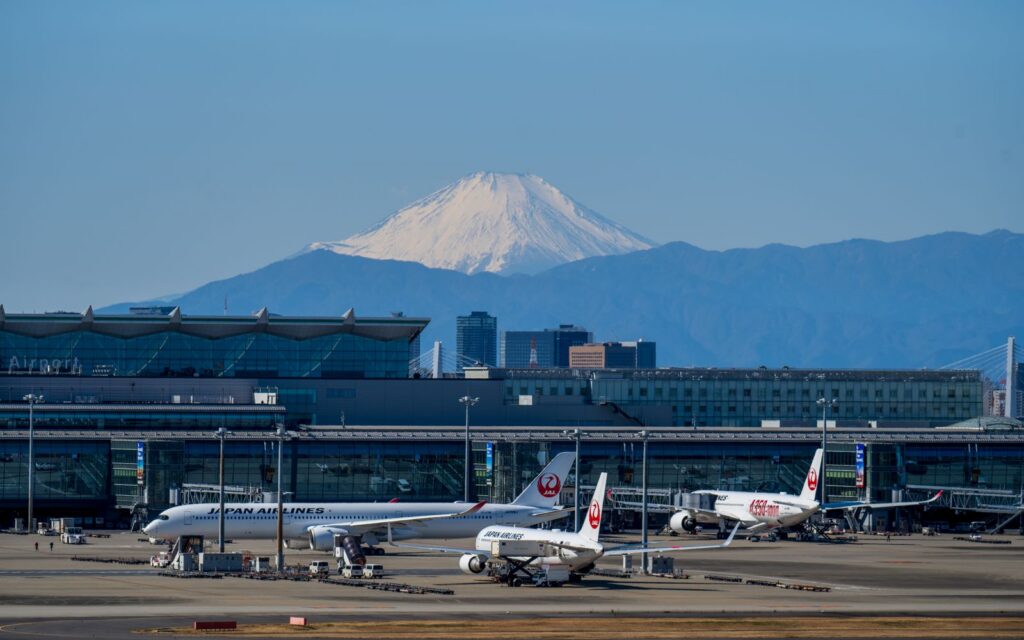
Flights from Haneda to Osaka Itami are short, but you add the trip to Haneda, check-in, security and baggage. From Itami, the airport limousine bus to Kyoto Station costs ¥1,500 and takes about 50 to 55 minutes, running roughly every 20 minutes in the day. Kansai Airport is further: the Haruka train to Kyoto takes 75 to 90 minutes (see our 关西机场到京都指南).
Door to door, a flight is rarely faster than the Nozomi’s 2 hours 15 minutes plus a short ride to Tokyo Station. It only makes sense if you find a very cheap fare, are using air miles, or are connecting from an international flight.
Luggage forwarding: travel light on the train
Yamato’s TA-Q-BIN takes suitcases up to 200 cm total (30 kg) from convenience stores, Yamato offices and many hotel front desks. Send the case the day before and ride with a day bag. Cases over 180 cm can’t be sent from some convenience stores, and it usually needs at least a day, so check the delivery estimate first.
It is the easiest fix if your case is over the 250 cm shinkansen limit, or if you would rather not book the oversized-baggage seat.
Tokyo to Kyoto decision table
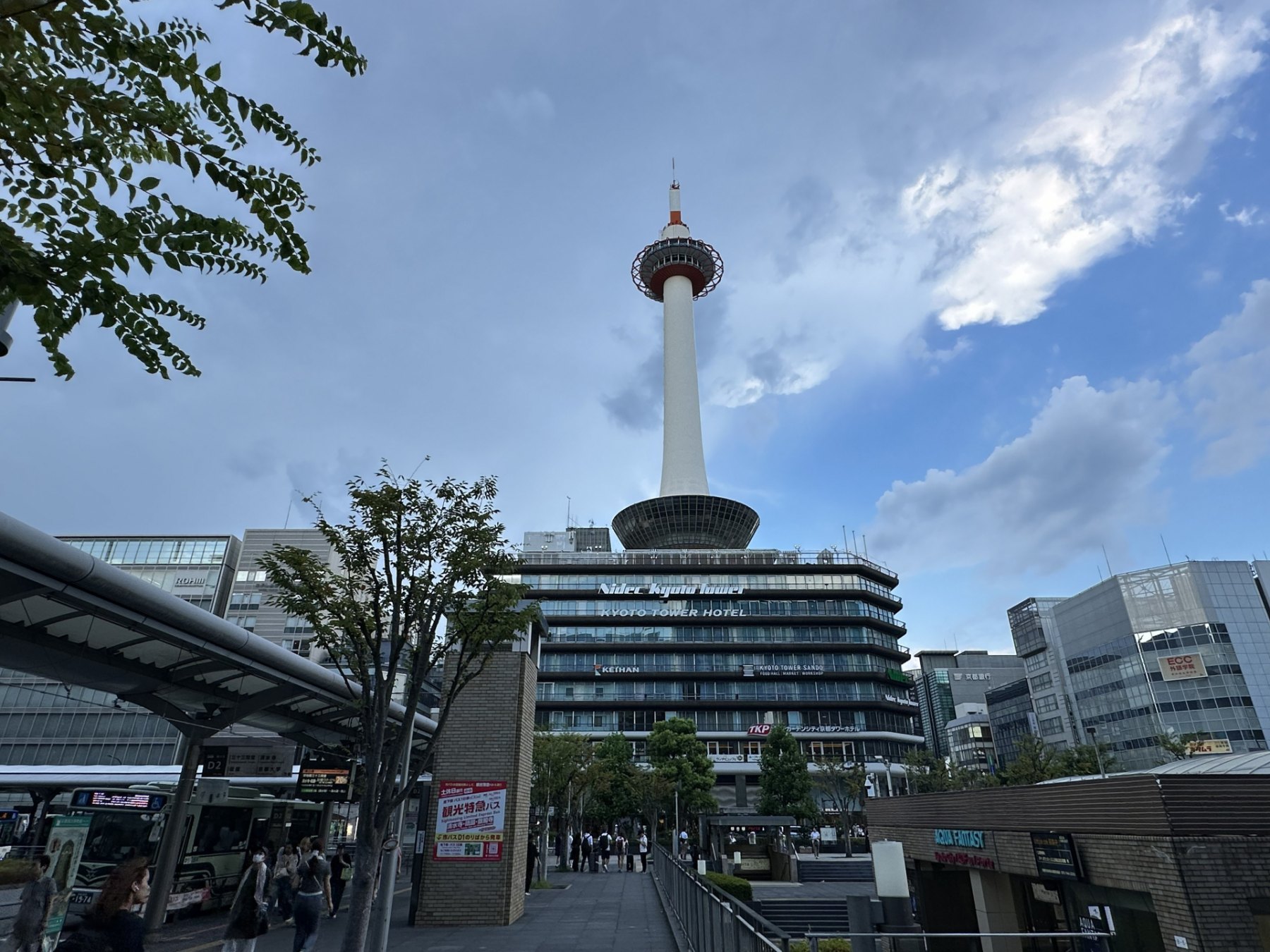
| You are… | Take | 费用(成人,单程) | 时间 |
|---|---|---|---|
| First-timer, no pass, want it easy | Nozomi, reserved, via smartEX | About ¥13,970 (smartEX) | About 2 h 15 min |
| Planning 3+ weeks ahead | EX Hayatoku 21 on smartEX | About ¥12,430 | About 2 h 15 min |
| Flexible, want the cheapest train | Platt-KODAMA | From ¥10,960 (with a drink) | About 3 h 40 min |
| Holding a 7-day JR Pass | Hikari (free) or Nozomi with the special ticket | ¥0 or ¥4,960 | About 2 h 40 min / 2 h 15 min |
| Backpacker on a tight budget | Night bus, 4-across | From about ¥1,800 on weekdays | About 7–9 h overnight |
| Travelling with a huge suitcase | Shinkansen + oversized baggage seat, or TA-Q-BIN | No extra charge (seat) / courier fee | Same as train |
| Connecting from an international flight into Osaka | Fly to Kansai, then Haruka | 依行程而异 | 75–90 min from KIX |
Is the JR Pass worth it for Tokyo to Kyoto?
Not for a simple round trip. A 7-day JR Pass costs ¥50,000 on the 官方网站 (¥53,000 through overseas agents), while two Nozomi reserved tickets come to ¥28,340. The pass only pays off if you add more long rides: Kyoto to Hiroshima, Kanazawa, or a big loop. Our JR Pass calculator guide does the maths. Carrying on west to Hiroshima or Hakata? Some Sanyo Kodama are still the bullet-nosed 500 series until 13 January 2027; our 500 series last run guide has the times.
If you do have one, the pass covers Hikari and Kodama. The Nozomi needs a separate “NOZOMI MIZUHO Ticket”, ¥4,960 each way for Tokyo–Kyoto, sold only at JR ticket machines and offices in Japan, not online before you arrive (JR 东海).
Japan Pro Tip: Tokyo to Kyoto without stress
Book the E seat
Right-hand window seat E (or D in Green) for Mt Fuji on the way to Kyoto.
Measure the suitcase
Over 160 cm total? Reserve the oversized baggage seat at no extra cost, or pay ¥1,000 on board.
Avoid peak days
At New Year, Golden Week and Obon all Nozomi are reserved-only and sell out.
Buy food before boarding
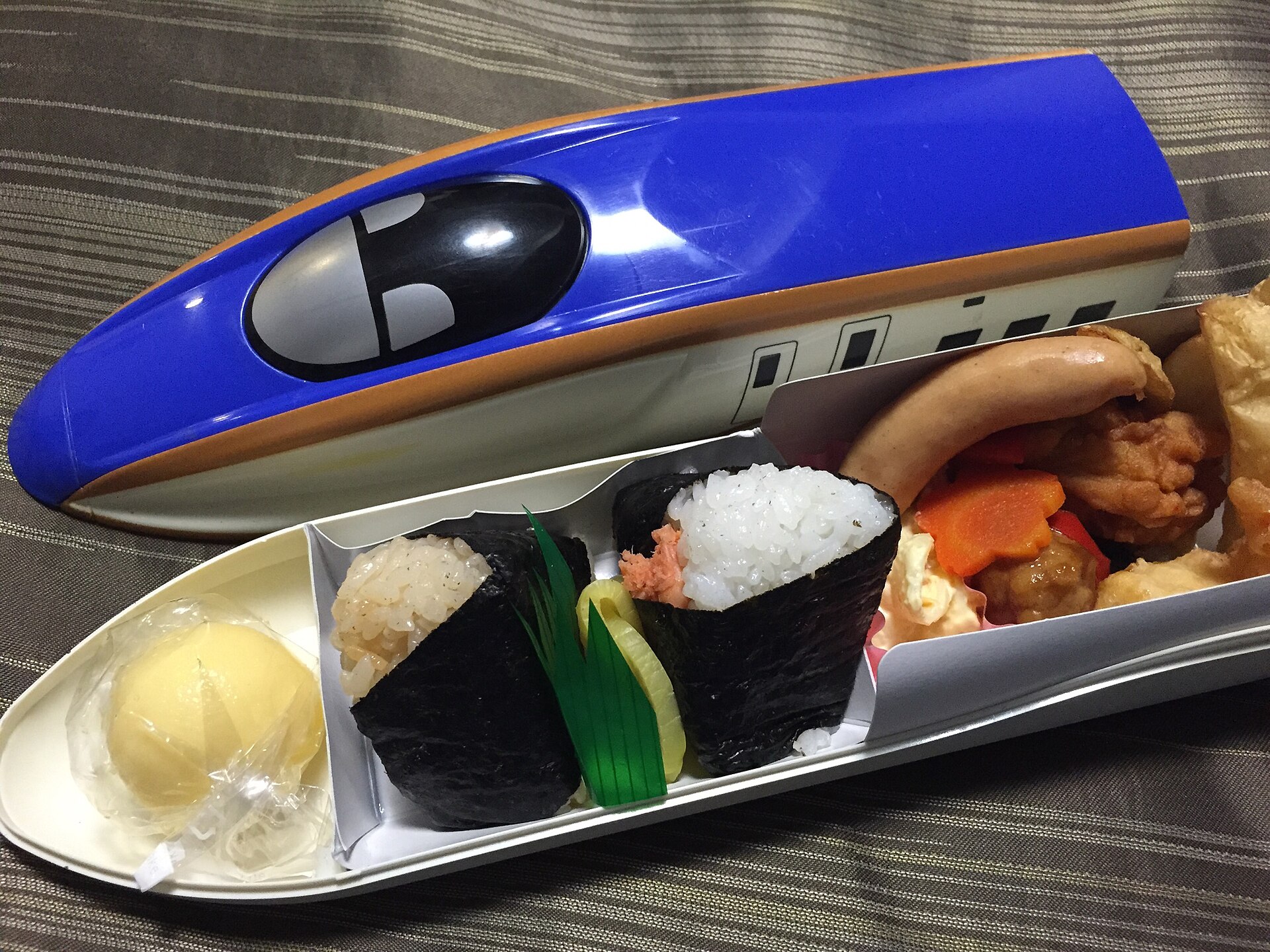
Pick up an ekiben (station bento) and drinks at Tokyo or Shinagawa before you board.
Shinagawa saves time
Staying in Shibuya or Roppongi? Board at Shinagawa instead of Tokyo.
Tokyo to Kyoto FAQ
How much is the shinkansen from Tokyo to Kyoto in 2026?
In regular season, a Nozomi reserved seat costs ¥14,170, Hikari or Kodama reserved ¥13,850 and any non-reserved seat ¥13,320. smartEX takes about ¥200 off reserved fares; Platt-KODAMA starts at ¥10,960.
How long is the bullet train from Tokyo to Kyoto?
About 2 hours 15 minutes on the Nozomi, about 2 hours 40 minutes on the Hikari and about 3 hours 40 minutes on the Kodama.
What is the cheapest way from Tokyo to Kyoto?
A 4-across night bus, from about ¥1,800 on a quiet weekday. The cheapest bullet train is Platt-KODAMA from ¥10,960, or EX Hayatoku 21 at about ¥12,430 for a Nozomi booked 21 days ahead.
Should I take the Nozomi or the Hikari?
Without a JR Pass, take the Nozomi: it is only ¥320 more than Hikari for a reserved seat and about 25 minutes faster. With a JR Pass, the Hikari is free, and the Nozomi needs a ¥4,960 ticket.
Which side of the shinkansen is Mt Fuji on?
On the right when going from Tokyo to Kyoto: seat E in ordinary cars, seat D in the Green Car. It is visible around Shin-Fuji station on clear days.
Do I need to reserve a seat for a big suitcase?
Yes, if the three sides add up to 160–250 cm. Book a seat with an oversized baggage area at no extra cost; otherwise you pay ¥1,000 on board. Over 250 cm is not allowed.
Can I buy shinkansen tickets on the day?
Yes. Outside peak periods, ticket machines and smartEX sell seats up to departure, and non-reserved cars need no booking. At New Year, Golden Week and Obon, book ahead.
资料来源与核查方式
Every fare, time and rule in this Tokyo to Kyoto guide was checked on 31 October 2026 against the linked sources: JR Central’s oversized-baggage and JR Pass Nozomi pages, smartEX’s fare and EX Hayatoku 21 pages, JR Tokai Tours’ Platt-KODAMA page, the official Japan Rail Pass price page, Yamato Transport’s TA-Q-BIN page and Kosokubus night-bus listings. Shinkansen fares were cross-checked on Tabiris, JR-Shinkansen.net and Ekitan (2026). Prices change by season and booking date; the app shows the final price. EX Hayatoku 21 corrected on 1 November 2026 to the 2026 fare listed by Tabiris. Last checked: 1 November 2026.
Plan it with Japan Pro
Japan Pro预订平台将于2026年11月上线:预订日本各地的导览、体验和餐厅。
 English
 Japanese
 Chinese (Taiwan)
 Chinese (China)
 Korean
 French
 Italian
 Thai