

Prices and hours verified September 2026
The first Japan autumn foliage forecast 2026 landed on 2 September, and the map has been everywhere since: Tokyo on 29 November, Kyoto on 11 December, Sapporo on 7 November. The numbers are real. They come from Japan Meteorological Corporation and they are accurate to the day the forecast was issued.
The problem is what they measure. Those dates describe single sample trees standing in eleven Japanese cities, not Arashiyama, not Nikko, not the temple you have already screenshotted. A rival forecaster published its own numbers a day later and put Kyoto’s most famous grove seventeen days earlier than the city figure. Both are correct. Here is how to read the forecast properly, and the seven places worth building a trip around.
What the Japan Autumn Foliage Forecast 2026 Actually Measures
Japan Meteorological Corporation issued its first 2026 forecast on 2 September, covering roughly 700 named viewing spots and around 3,000 mountains sorted by altitude. The headline city figures, the ones circulating on social media, follow the Japan Meteorological Agency’s observation standard: the date is the first day on which most of the leaves on a designated sample tree have turned.
That sample tree sits in the city. Kyoto’s is at the local observatory, not in Arashiyama. Tokyo’s is not in Meiji Jingu Gaien.
Weathernews published a competing forecast on 3 September built around named tourist destinations instead. It put Arashiyama at 24 November and Mount Takao at 22 November. JMC put Kyoto city at 11 December. A traveller reading only the viral map would book the second week of December for Arashiyama and arrive to bare branches.
Neither forecaster is wrong. They are answering different questions. Use city dates to understand the season; use spot dates to book flights.
One more thing the map omits: both forecasters plan to reissue in early October, and the Japan Weather Association’s late August outlook expects above normal temperatures nationwide through October. The 2 September numbers are a first draft.
The 2026 Dates, City by City
The figure that matters is not the date. It is the gap against a normal year, and the map does not show it.
| City | Maple (2026) | Normal | Gap | Ginkgo (2026) | Normal |
|---|---|---|---|---|---|
| Sapporo | 7 Nov | 28 Oct | +10 days | 6 Nov | 4 Nov |
| Aomori | 13 Nov | 13 Nov | on time | 6 Nov | 2 Nov |
| Nagano | 21 Nov | 12 Nov | +9 days | 14 Nov | 10 Nov |
| Sendai | 25 Nov | 21 Nov | +4 days | 29 Nov | 23 Nov |
| Hiroshima | 28 Nov | 22 Nov | +6 days | 20 Nov | 15 Nov |
| 东京 | 29 Nov | 28 Nov | +1 day | 26 Nov | 23 Nov |
| Kanazawa | 30 Nov | 24 Nov | +6 days | 10 Nov | 10 Nov |
| 名古屋 | 2 Dec | 28 Nov | +4 days | 17 Nov | 18 Nov |
| 大阪 | 4 Dec | 1 Dec | +3 days | 24 Nov | 22 Nov |
| 福冈 | 7 Dec | 1 Dec | +6 days | 27 Nov | 20 Nov |
| Kyoto | 11 Dec | 5 Dec | +6 days | 27 Nov | 24 Nov |
Read down the gap column and the story changes completely. Tokyo is essentially on schedule. Sapporo is ten days late and Nagano nine. The delay is concentrated in the north and the highlands, exactly where most foreign visitors book their October foliage trips. Kagoshima, which the shared map leaves out, is forecast for 10 December against a normal of 15 December: the only city in the JMC forecast running early.
💡 日本提示: If you have already booked late October for northern Japan, you are not in trouble. You are in the mountains, where the timetable is entirely different. Keep reading.
1. Oku-Nikko, Tochigi
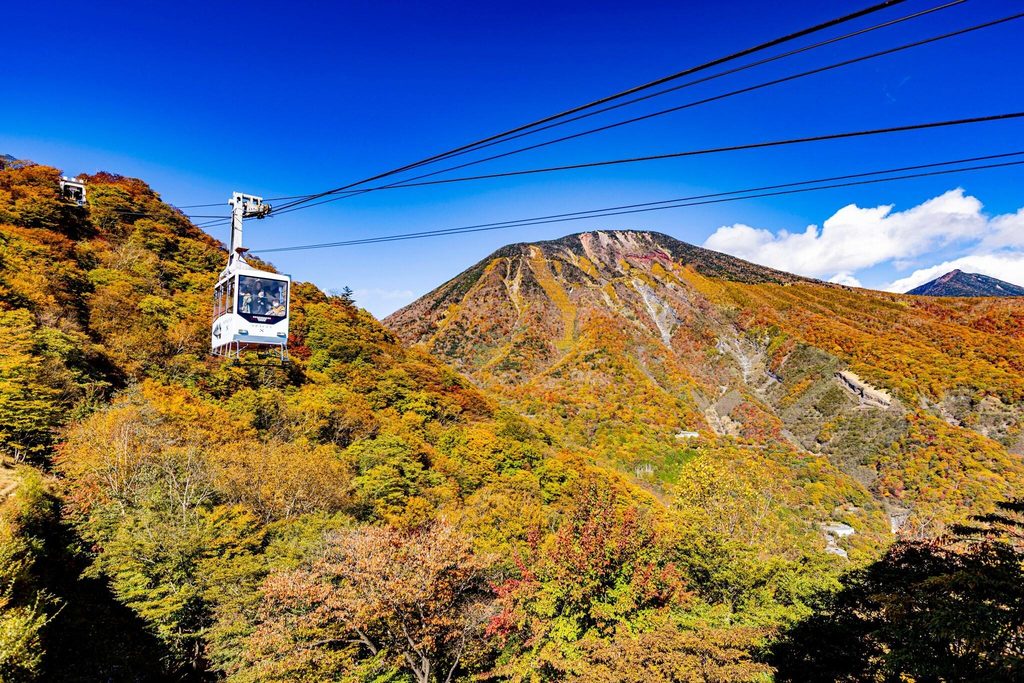
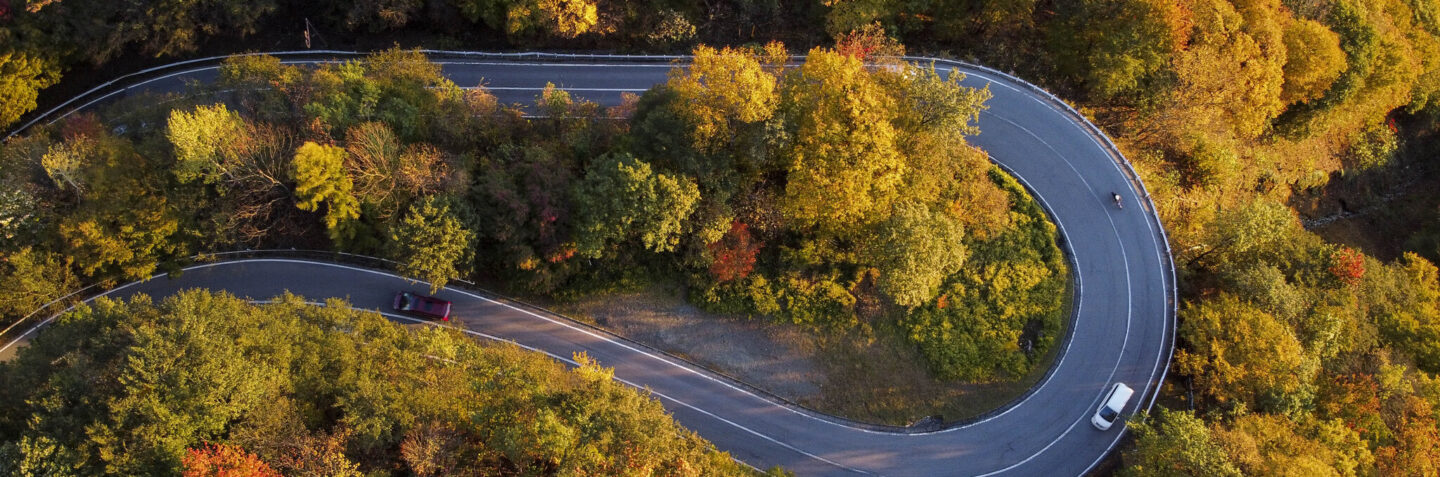
Nikko’s upper basin sits high enough that its foliage runs on a completely separate calendar from the city figures. Yudaki Falls and Ryuzu Falls peak early to mid October. Senjogahara marshland follows mid to late October. Lake Chuzenji and Kegon Falls run mid October into early November, and the Irohazaka hairpins, the shot everyone comes for, share that window. Toshogu Shrine, down at the bottom of the valley, does not turn until early to mid November. That is a six week spread inside one destination.
As of 14 September 2026, Nikko’s official tourism board lists all 24 of its monitored spots as not yet coloured.
- 地点: Nikko, Tochigi, around 2 hours from Asakusa on the Tobu Limited Express
- The vibe: alpine, cold and genuinely wild above the falls; gridlocked on the Irohazaka road at weekends
- 价格: free to view, transport and Chuzenji area buses cost extra
- 官方网站: Nikko City Tourism Association foliage tracker
💡 日本提示: The Irohazaka road is one way uphill and one way down, and it jams solid on October weekends. Go on a weekday, or take the bus and let someone else sit in it.
For the Tohoku equivalent, running on a similar highland calendar, our Oirase Gorge autumn guide covers the nine kilometre walk and the dates that decide it.
2. Mount Takao, Tokyo
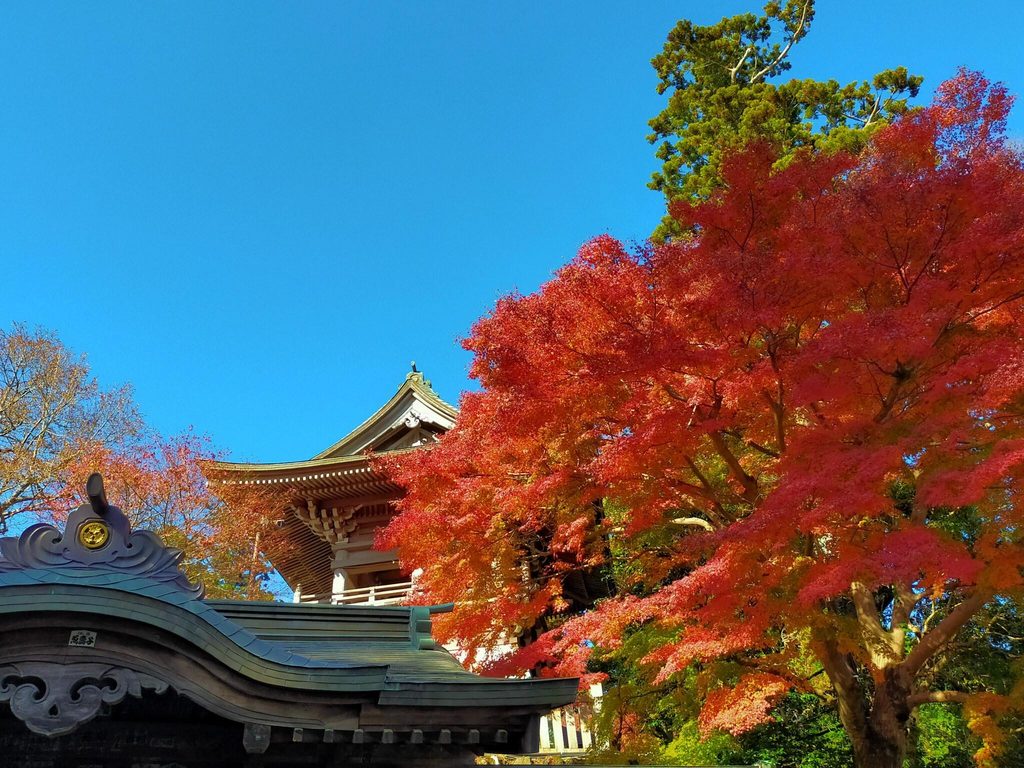
Tokyo’s own mountain, inside the city limits, forecast by Weathernews for 22 November, a full week before the Tokyo city sample tree. The cable car climbs the steepest railway gradient in Japan at 31 degrees 18 minutes and takes about six minutes; the chair lift alongside takes twelve and is far more pleasant in cold air. Trail 1 is paved the whole way if you would rather walk.
- 地点: Takaosanguchi Station, roughly 50 minutes from Shinjuku on the Keio Line
- The vibe: genuinely mountainous, genuinely crowded; a temple, a beer garden and a monkey park on the way up
- 价格: cable car or lift ¥490 one way, ¥980 return, children ¥250 and ¥500. Mountain access free
- 官方网站: Takao Tozan Railway fares and timetable
💡 日本提示: The cable car’s first departure is 08:00 and the queue at 10:00 on a November Sunday can run past an hour. Take the 7 something train from Shinjuku and you will be at the summit before the crowd leaves its hotel.
Takao pairs well with the rest of the day trips from Tokyo by train if you are stringing a few together.
3. Meiji Jingu Gaien Ginkgo Avenue, Tokyo
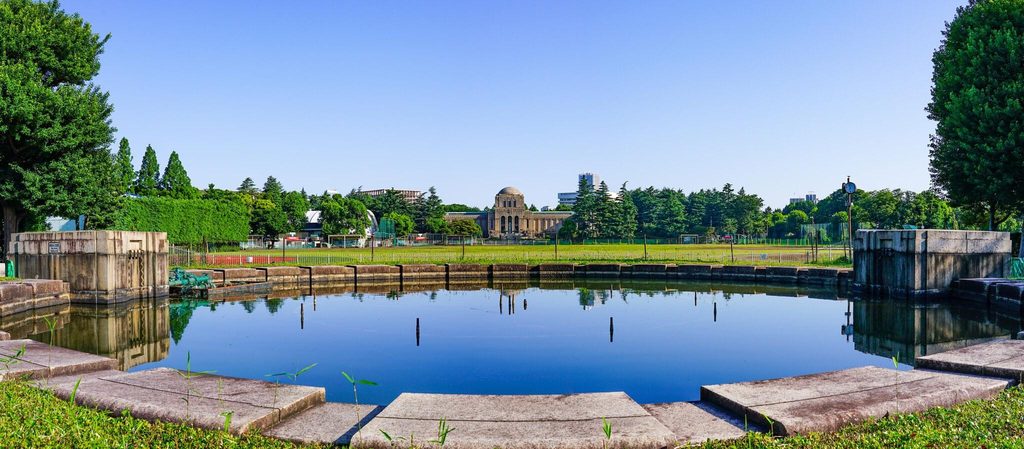
146 ginkgo trees along a 300 metre avenue running from Aoyama-dori toward the Meiji Memorial Picture Gallery, and the most photographed yellow in Japan. The Tokyo ginkgo forecast is 26 November, three days before the maple date and three days later than a normal year.
A real caution here. As of 15 September 2026, no dates have been announced for the 2026 Ginkgo Festival or the evening illumination, and the Tokyo Metropolitan Government’s own tourism page still carries a notice that the festival would not take place in 2024. The avenue itself is a public street and is always free to walk. The festival is a separate thing, and it has not run reliably. Book your trip around the trees, not the event.
- 地点: Gaienmae or Aoyama-itchome Station, 10 minutes on foot from JR Shinanomachi
- The vibe: a postcard corridor with a queue of tripods at the Aoyama-dori end; quiet by 8am
- 价格: free
- 官方网站: Tokyo Metropolitan Government tourism, Jingu Gaien
💡 日本提示: Everybody shoots from the Aoyama-dori entrance looking north. Walk to the far end and shoot back toward the traffic. Same tunnel, a fraction of the people in frame.
4. Rikugien, Tokyo
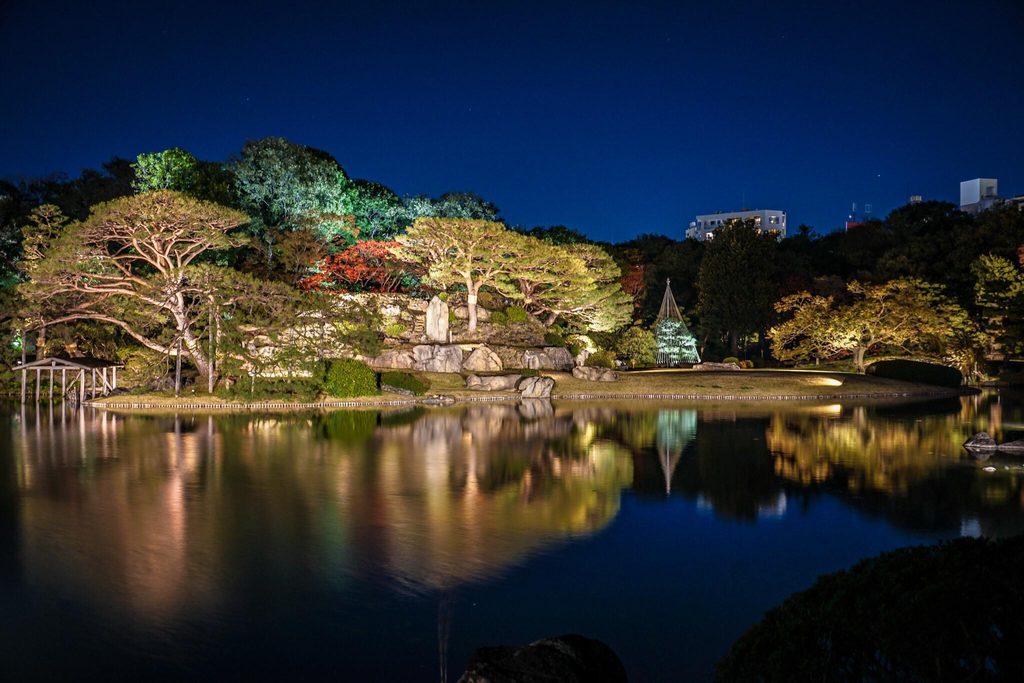
A 300 year old strolling garden that stays open into the evening for autumn, with the maples lit and reflected in the central pond. In 2025 the night viewing ran 28 November to 9 December, 18:00 to 20:30 with last entry at 19:30, at ¥1,000 booked ahead or ¥1,200 on the day.
As of 15 September 2026, the 2026 night viewing dates have not been published. Given Tokyo’s 29 November maple forecast, a late November to early December window is the reasonable expectation, but treat it as an expectation rather than a booking.
- 地点: 7 minutes from Komagome Station on the JR Yamanote or Namboku Line
- The vibe: formal, contemplative, and packed on illumination nights; the daytime garden is calm
- 价格: daytime ¥300 adults, ¥150 for 65 and over. 2025 night viewing was ¥1,000 advance or ¥1,200 same day, primary schoolers free
- 官方网站: Tokyo Metropolitan Parks Association, Rikugien night viewing
💡 日本提示: The garden closes at 17:00 and reopens at 18:00 for ticket holders only, through the main gate alone. You cannot stay on from the afternoon, so plan a dinner in Komagome and come back.
5. Kenrokuen, Kanazawa
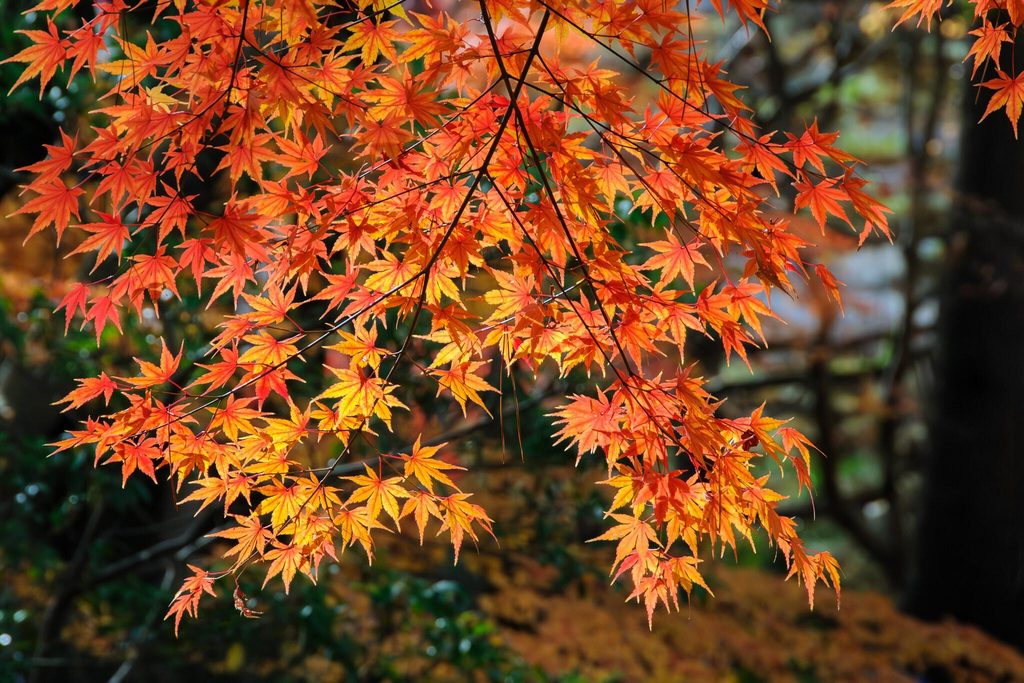
Kanazawa has the widest split in the country between its two autumns: ginkgo on 10 November, maple on 30 November. Twenty days apart. Visit in mid November and you catch the gold with the maples still green; visit at the end of the month and the ginkgo has already dropped.
The 2026 autumn light-up is confirmed for 7, 14, 15, 21, 22, 28 and 29 November. Note the last date carefully: the final illuminated night falls one day before the forecast maple peak. Schedules are published as provisional.
- 地点: Kanazawa, Ishikawa, 2.5 hours from Tokyo by Hokuriku Shinkansen
- The vibe: one of Japan’s three great gardens; stately rather than dramatic, and deservedly busy
- 价格: ¥320 adults, ¥100 children 6 to 17. Free on 3 November for Culture Day
- 官方网站: Kenrokuen Tourist Association, hours and admission
💡 日本提示: Kenrokuen opens free of charge before official hours, 06:00 to 07:45 from November. You get the garden, the mist coming off the pond, and almost nobody else, for nothing.
6. Tofuku-ji, Kyoto
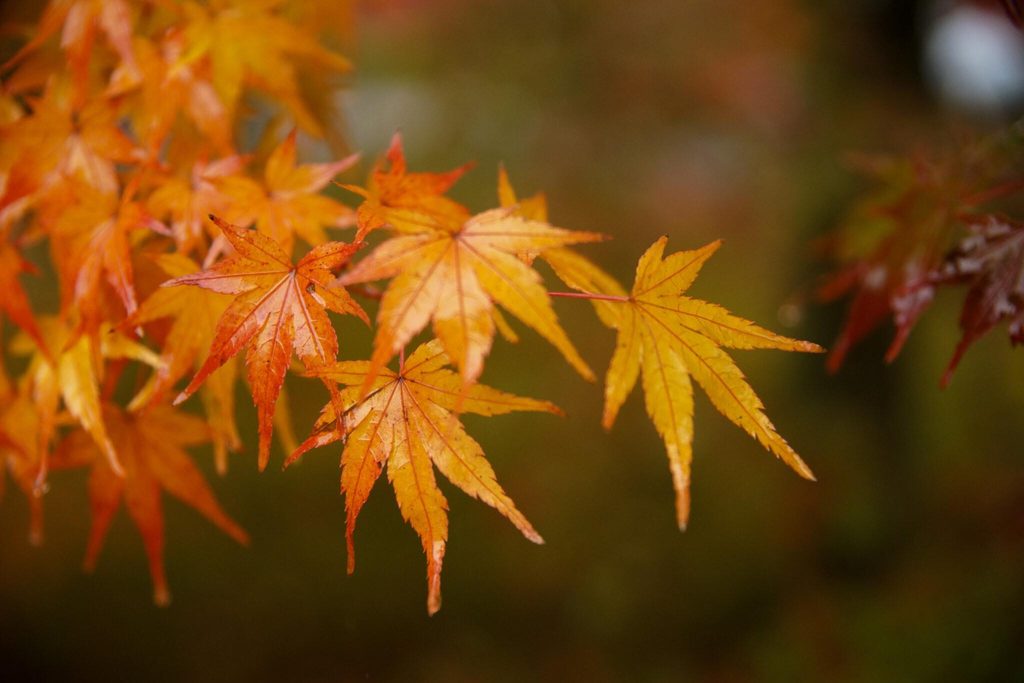
The valley of maples below Tsutenkyo bridge is the single most sought after autumn view in Kyoto, and the temple runs a separate operating regime for it. The 2026 autumn period is 14 November to 6 December: Tsutenkyo opens early at 08:30, admission rises from ¥600 to ¥1,000 for adults, and the combination ticket with the Hojo garden is withdrawn.
Now compare that to the city forecast of 11 December. The temple’s own peak window shuts five days earlier. Temple gardens generally colour ahead of the city sample tree, and Tofuku-ji has centuries of evidence for where its own season sits, but anyone planning purely off the viral map will book a week too late.
- 地点: Tofukuji Station on the JR Nara Line or Keihan, 5 minutes on foot
- The vibe: extraordinary, and extraordinarily crowded; the bridge becomes a slow moving queue
- 价格: autumn, 14 Nov to 6 Dec, ¥1,000 adults and ¥500 children. Rest of year ¥600 and ¥300
- 官方网站: Tofuku-ji visiting information
💡 日本提示: Photography on Tsutenkyo and the neighbouring Gaunkyo bridge may be restricted during the autumn period, and tripods are banned across the grounds year round. Shoot handheld, and shoot the valley from the Hojo side instead.
7. Jozenji-dori, Sendai
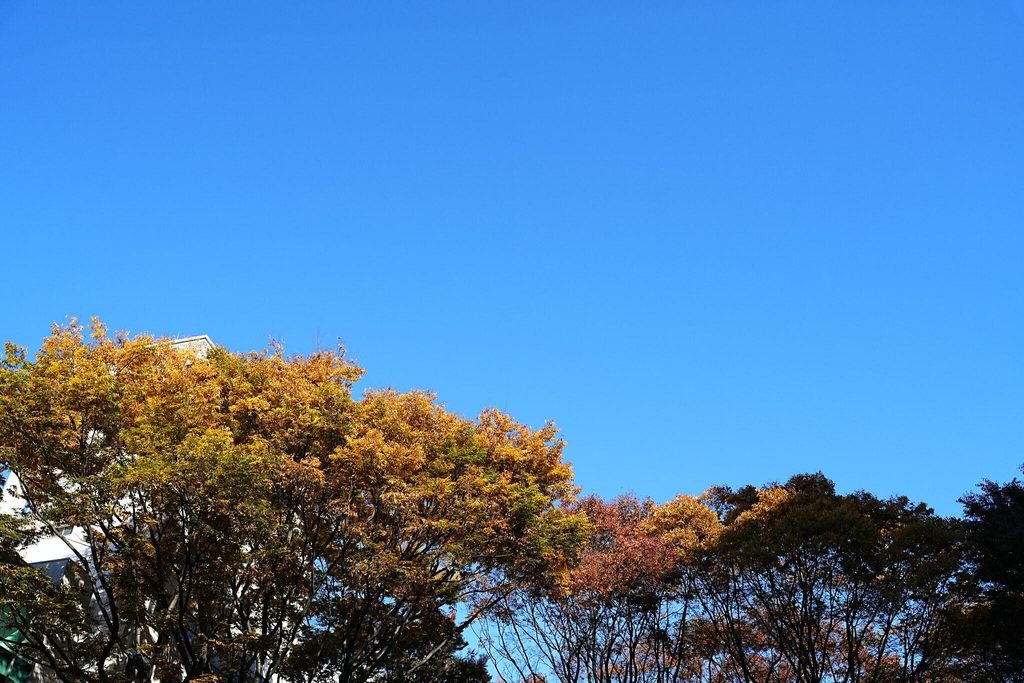
Sendai is the exception on the whole map. Everywhere else, ginkgo turns before maple. In Sendai the maple comes first, 25 November against 29 November for the ginkgo, and that inversion holds in a normal year too, so it is a feature of the city rather than a quirk of 2026. Jozenji-dori’s zelkova boulevard is the place to see it, four lanes of green space running through the middle of downtown.
The same trees carry the SENDAI Pageant of Starlight in December. As of 15 September 2026, the 2026 dates have not been posted; the 2025 edition ran 5 to 28 December.
- 地点: Jozenji-dori, central Sendai, 1.5 hours from Tokyo by Tohoku Shinkansen
- The vibe: a working city street rather than an attraction; benches, sculptures and jazz in warmer months
- 价格: free
- 官方网站: City of Sendai, Jozenji-dori zelkova avenue
💡 日本提示: Sendai’s foliage and its illumination are about a week apart, not overlapping. If you want both, the last days of November through the first week of December is the only bridge, and that is also when Tokyo and Kyoto peak, so book rail early.
The Rail Pass That Expires Before a Single Leaf Turns
This one catches people every year. The Autumn Unlimited Pass goes on sale 18 September 2026 and is valid for three consecutive days between 3 and 18 October, at ¥7,850 for adults and ¥3,920 for children, on local and rapid JR trains nationwide.
Look back at the forecast table. The earliest city date on it is 6 November. The pass expires nineteen days before the first leaf on the map turns.
That does not make it useless, it makes it a mountain pass. Its window lines up almost exactly with Oku-Nikko’s early to mid October peak, with Senjogahara, with the highland routes through Nagano. If you are chasing altitude, buy it. If you are chasing Kyoto, it is the wrong ticket entirely and no amount of autumn in the name changes that.
When to Book
Working from the verified 2026 dates:
- Early to mid October: the highlands only. Oku-Nikko, Senjogahara, the Tohoku gorges. Cheap, quiet, and the Autumn Unlimited Pass covers it.
- Mid to late November: the sweet spot. Takao on 22 November, Arashiyama on 24 November, Kenrokuen’s light-ups through the month, Tofuku-ji from 14 November, Tokyo’s ginkgo on 26 November.
- Late November to mid December: Kyoto, Osaka, Nagoya, Fukuoka. Later than most itineraries assume and later than most flights are booked.
- Recheck in early October: both forecasters reissue then, and with above normal temperatures expected through the month, the revision is likely to move dates later rather than earlier.
If you are still deciding when to come at all rather than where to stand, our month by month guide to visiting Japan covers the whole year and the three weeks worth avoiding.
Book the Season, Not the Screenshot
The map going around is accurate and almost useless on its own. Eleven sample trees in eleven cities cannot tell you when a mountain gorge, a temple valley or a ginkgo avenue will turn, and the places you actually want to stand are running anywhere from six weeks early to five days late against those numbers.
Pick the destination first, find the date that belongs to that place, then book. And if autumn is only part of the trip, the Tokyo bucket list picks up the rest of the city in walkable half days.
常见问题
When do the leaves change in Japan in 2026?
It depends entirely on where you stand. The city forecast runs from Sapporo on 7 November to Kyoto on 11 December, but those dates describe single sample trees in eleven cities. Mountain areas like Oku-Nikko peak from early October, and famous temple gardens generally colour two to three weeks ahead of their city figure.
Is Kyoto really peaking in December?
The city sample tree is forecast for 11 December, but that is not where you will be standing. Weathernews puts Arashiyama at 24 November, and Tofuku-ji runs its own autumn period from 14 November to 6 December. Book the second half of November for Kyoto, not December.
Does the Autumn Unlimited Pass cover foliage season?
Not in the cities. The pass is valid 3 to 18 October, which is nineteen days before the earliest city date on the forecast. It does line up with the highland season in Oku-Nikko and Nagano, so it works if you are chasing altitude rather than temples.
Is the 2026 forecast delayed compared to a normal year?
Mostly in the north and the highlands. Sapporo is ten days late and Nagano nine, while Tokyo is essentially on schedule at one day later than normal. Kagoshima is the only city in the JMC forecast running early.
Will the Japan autumn foliage forecast 2026 dates change?
Almost certainly. Both JMC and Weathernews plan to reissue in early October, and the Japan Weather Association expects above normal temperatures nationwide through the month, which usually pushes dates later rather than earlier. Recheck before booking anything non refundable.
 English
 Chinese (China)
 Chinese (Taiwan)
 Korean
 Thai
 French
 Spanish
 German
 Vietnamese
 Indonesian
 Italian