
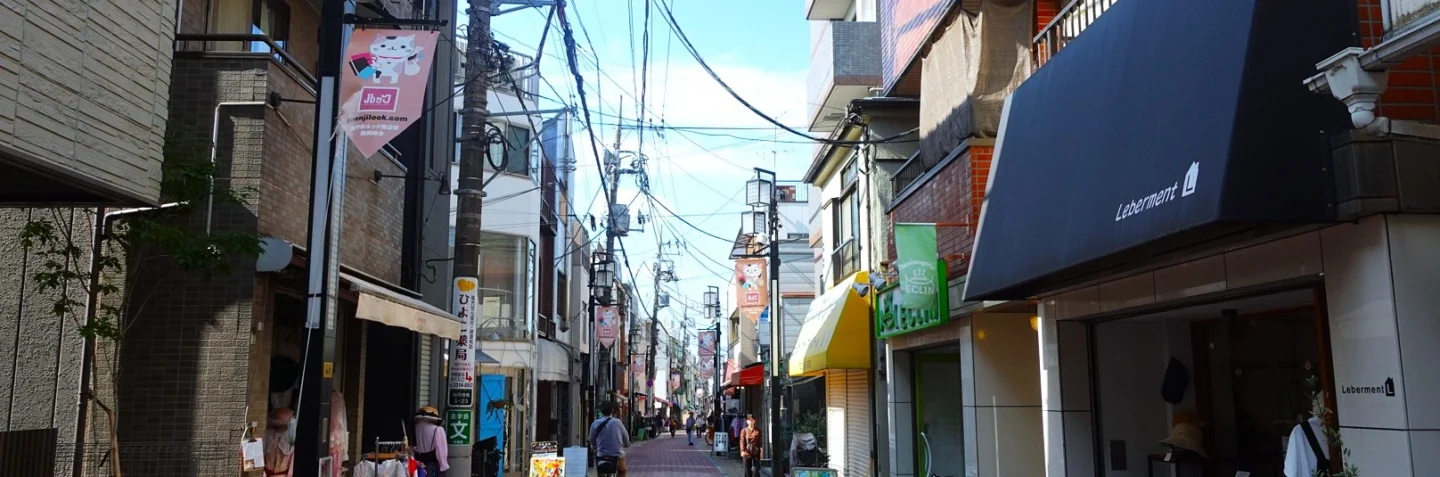

Located just ten minutes from Shinjuku on the JR Chuo Line, this western neighborhood offers a practical alternative to mainstream districts, built around music subcultures and extensive koenji shopping streets. This guide outlines the essential things to do in Koenji, providing a logical route through historic coffee houses, the best koenji thrift stores, and highly-rated koenji hotels.
Access:
JR Chuo Line: From Shinjuku (~7 minutes)
JR Chuo Line: From Tokyo Station (~12 minutes)
Pal Shotengai: The Heart of Koenji Shopping
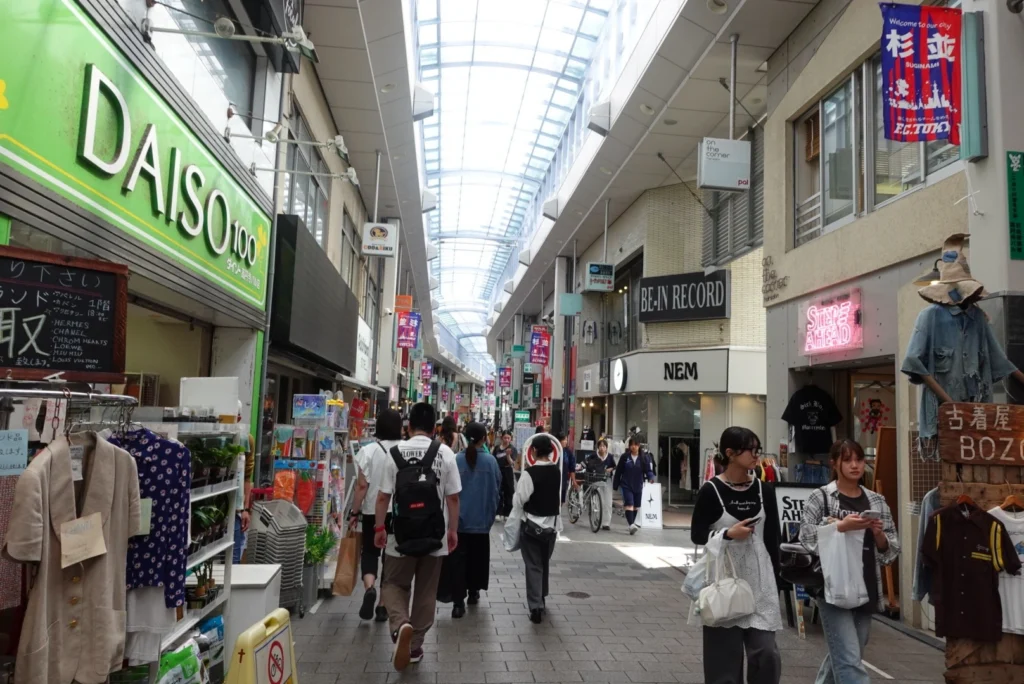
Located directly outside the south exit, this covered arcade serves as the primary starting point for exploring the local retail scene. Unlike the heavily redeveloped 下北泽, this koenji shotengai retains older storefronts and provides immediate access to the highest concentration of koenji thrift stores and secondhand (furugi) clothing shops.
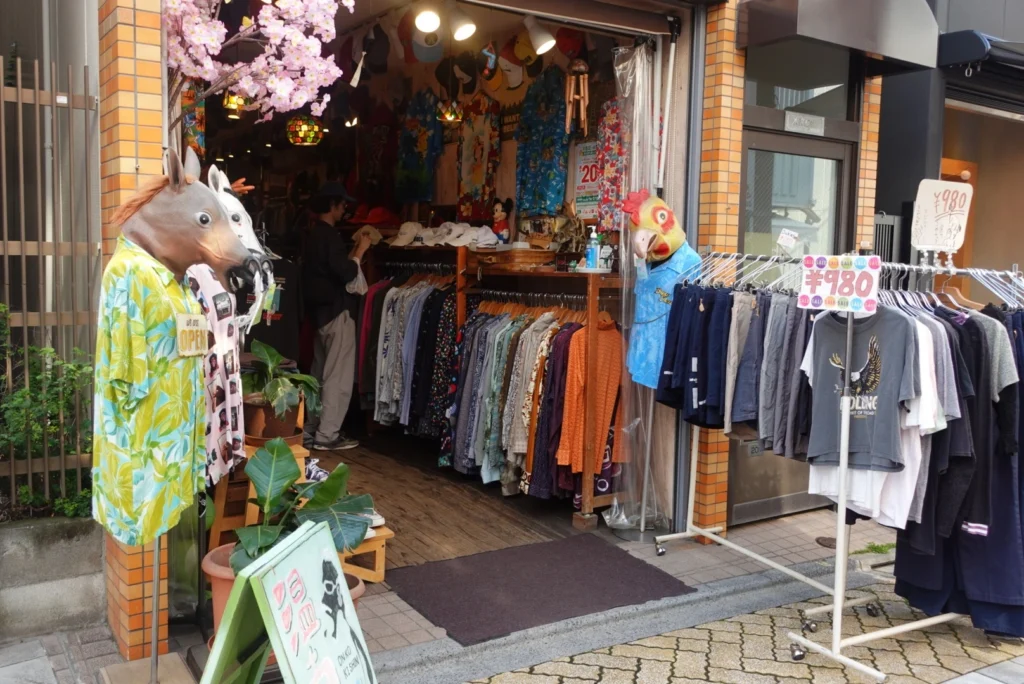
Japan Pro Tip: Because the main arcade is fully covered, use it as your primary navigation axis on rainy days. It branches out directly into the smaller, open-air alleys where the more niche koenji vintage stores are located.
Where to Rest in Koenji Japan? Nanatsumori Kissaten
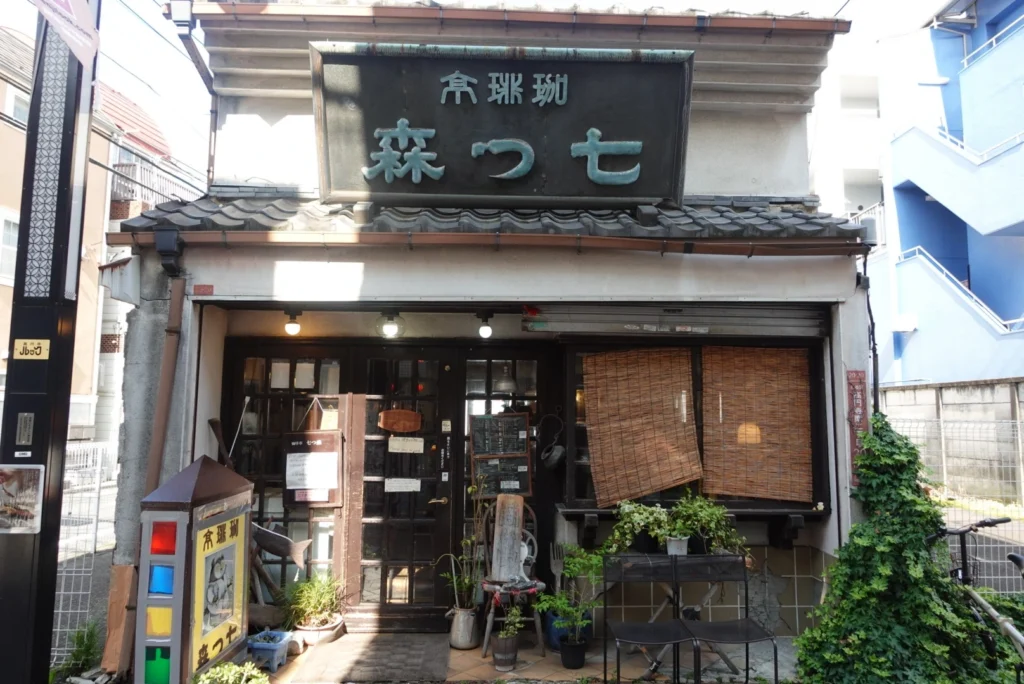
After exploring Koenji’s vintage shopping streets, Nanatsumori offers a break from the crowds and an introduction to Japan’s 喫茶店 culture. Unlike modern cafés, kissaten are traditional Japanese coffee houses known for their slower pace, retro interiors, and long-established menus. Opened in 1979, Nanatsumori is one of Koenji’s best-known examples, with wooden furnishings, antique decorations – an aesthetic that reflects the Showa era (1926–1989).
Japan Pro Tip: Look for the display of vintage matchboxes inside the café. For an authentic kissaten meal, order the signature vegetable curry or omurice, followed by a traditional coffee float and homemade custard pudding.
Koenji Hikawa & Kisho Shrine Near Koenji Station
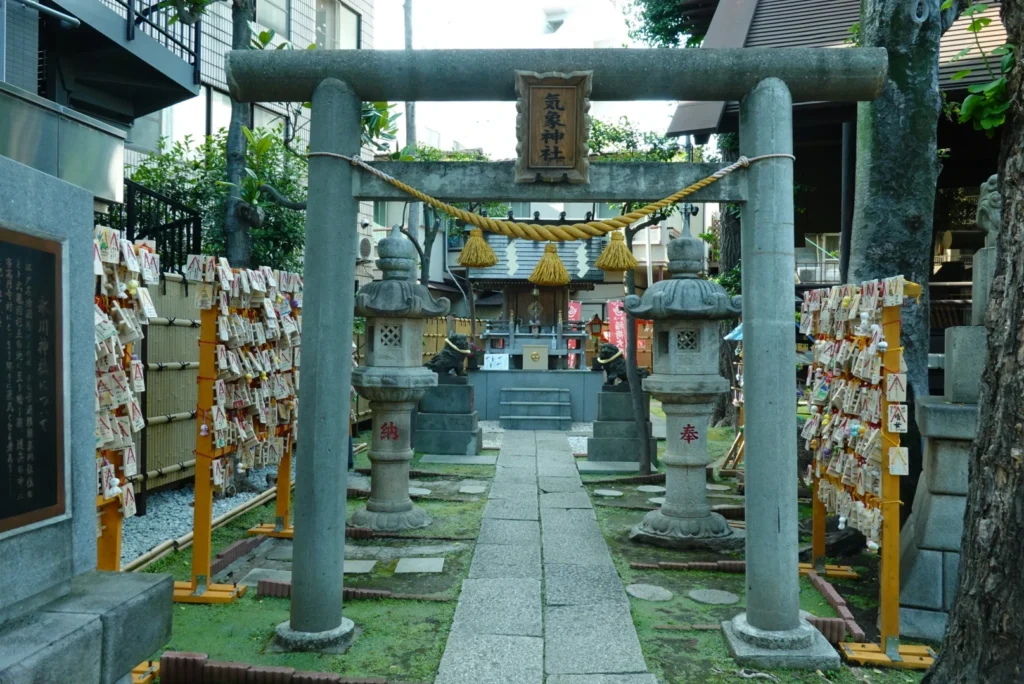
Just a short walk from Koenji’s shopping streets, Koenji Hikawa Shrine offer a noticeable change of pace. While the surrounding neighborhood is known for vintage stores and youth culture, Kisho Shrine is best known as Japan’s only weather shrine, where visitors pray for favorable weather before trips, outdoor events, and important occasions.
Japan Pro Tip: Look for the unique geta-shaped (traditional wooden sandal) ema plaques to write your own weather wishes. Before leaving, buy a teru teru mikuji—a fortune slip hidden inside a colorful weather doll that makes an excellent, inexpensive souvenir.
Where to Stay in Tokyo? The Best Koenji Hotels

Accommodation in this area provides easy access to the neighborhood’s late-night dining and live music without the stress of catching the last train. Options range from practical transit lodgings like hotel mets koenji to completely independent, artist-designed spaces.
Japan Pro Tip: For maximum convenience, book the jr east hotel koenji located directly connected to the station. If you prefer to engage with the local creative scene, reserve a room at the BnA hotel koenji. Each room at BnA is a functional art installation built by Japanese artists who receive a share of the booking profits, and staying there grants you access to their social bar, gallery, and rooftop lounge.
Koenji Tokyo Live Houses and Record Stores
Since the 1980s, this neighborhood has functioned as the center of Tokyo’s underground punk and experimental music scene. The area maintains a dense concentration of independent music venues, known locally as “Live Houses,” alongside highly specialized vinyl shops.
Japan Pro Tip: If you are a vinyl collector, visit Record Boy to browse an extensive selection of underground metal and punk releases. You will also frequently find local musicians living in the area performing impromptu street sets around the station exits in the evening.
Tokyo Koenji Awa Odori Festival
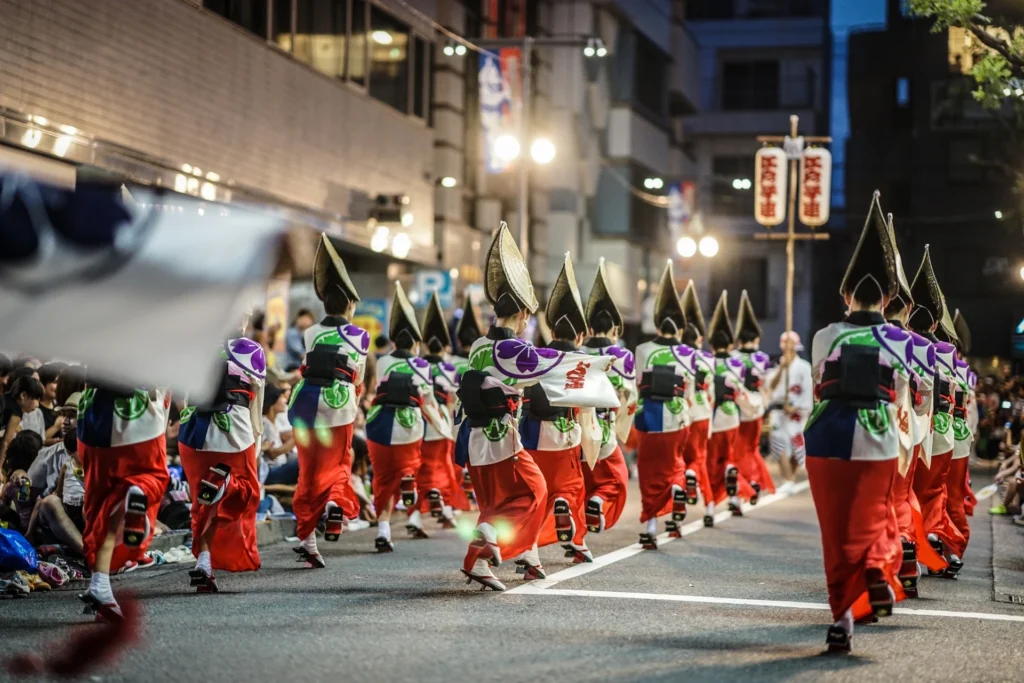
Held every August, the koenji awa odori is Tokyo’s largest traditional dance event, drawing 10,000 performers and one million spectators to the local streets. The festival highlights the strong community involvement that successfully preserves the neighborhood’s independent identity and resists the massive commercialization seen in districts like Harajuku.
Japan Pro Tip: If attending the festival, arrive several hours before the afternoon performances to secure a viewing spot, as the main thoroughfares become completely packed. Outside of August, prioritize shopping at the locally-owned, independent stores here for an authentic residential experience that directly contrasts with central Tokyo’s major retail chains
What to Visit After Koenji? Nakano
After completing this half-day Koenji itinerary, ride the JR Chuo Line just one stop east to reach the neighboring district of Nakano. Read our complete Nakano guide next to explore Nakano Broadway, a multi-level shopping complex dedicated to pop culture and rare collectibles.
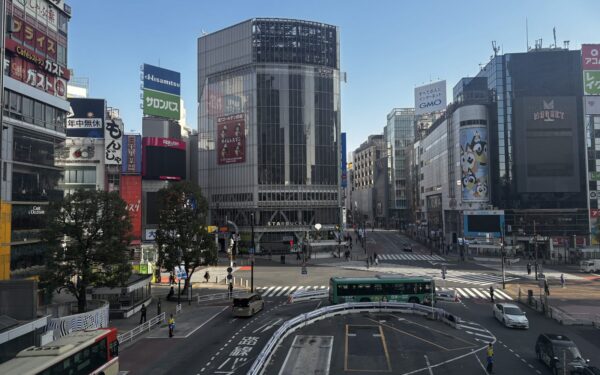

 English
  Japanese
  Chinese (Taiwan)
  Chinese (China)
  Korean
  French
  Italian
  Thai
Thai