
银座金鱼艺术水族馆2026:门票、价格、开放时间与银座最后一展
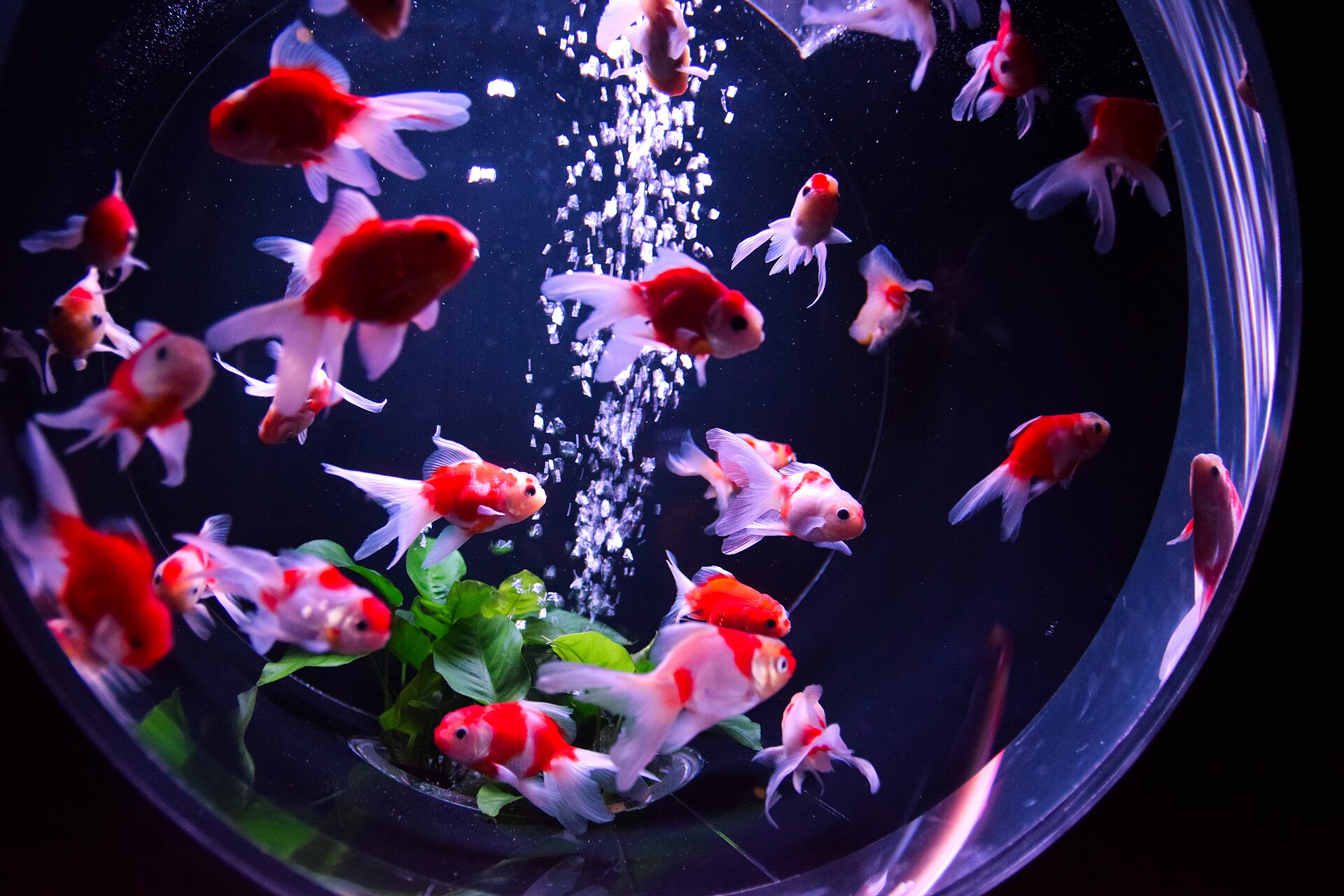
简答: Art Aquarium Ginza costs ¥2,500 online or ¥2,700 at the door (students ¥2,200 online; up to two primary-age children free per adult), opens 10:00–19:00 with last entry at 18:00, and takes about an hour. Enter on 9F of Ginza Mitsukoshi New Building via Ginza Station Exit A7, and go soon: the Ginza museum closes for good on 6 January 2027.
2,500日元
Web ticket (¥2,700 at the door)
6 Jan 2027
Last day in Ginza
10:00–19:00
Hours, last entry 18:00
约1小时
Typical visit, entrance on 9F
Art Aquarium Ginza (officially Art Aquarium Museum GINZA) costs ¥2,500 (about US$16) online or ¥2,700 at the door. A visit takes about an hour, and it’s inside Ginza Mitsukoshi, directly connected to Ginza Station via Exit A7. Buy timed tickets on the official site, artaquarium.jp. Get there soon: the museum leaves Ginza for good on 6 January 2027.
This guide covers the final Ginza exhibition (running 2 October 2026 to 6 January 2027): every ticket option in yen, the 9th-floor entrance that catches people out, the best time to go, photo rules, children, and the animal-welfare question, answered straight.
Last checked: 1 November 2026
关键信息
- 票价: ¥2,500 web ticket / ¥2,700 same-day machine / ¥2,200 students (web only). Up to two children of primary-school age or under free per paying adult.
- 时长: 45–90 minutes. Most people need about an hour.
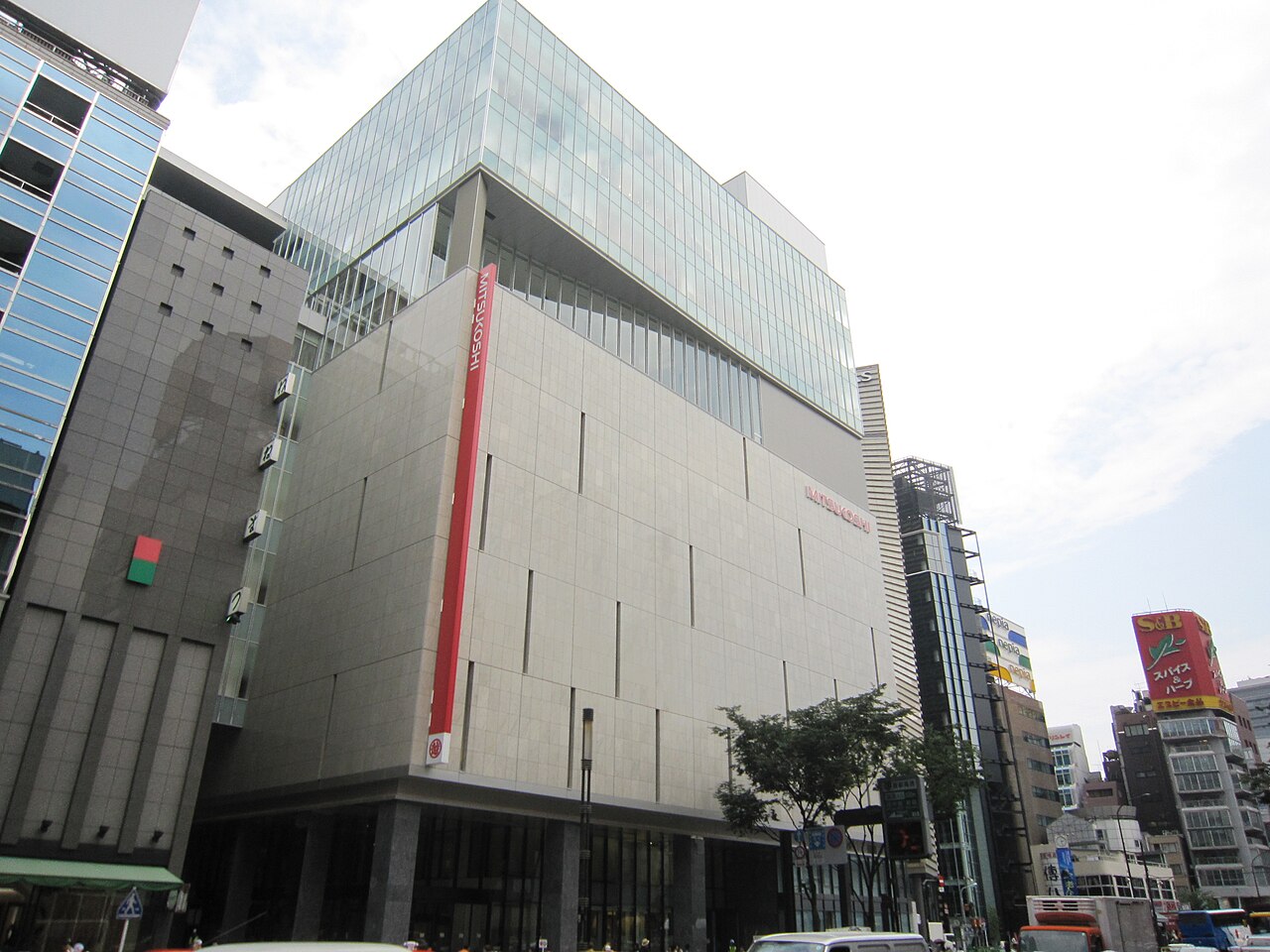
- 地点: Ginza Mitsukoshi New Building (新館), 4-6-16 Ginza, Chuo-ku. Galleries on 8F, entrance and tickets on 9F. Ginza Station Exit A7, direct connection.
- 预订: artaquarium.jp (official, cheapest). Also on Klook, KKday and others.
- 开放时间: 10:00–19:00, last entry 18:00.
- 适合: Photographers, couples, rainy days, families with small children (who get in free), anyone who wants a design-heavy hour in Ginza.
What is Art Aquarium Ginza?
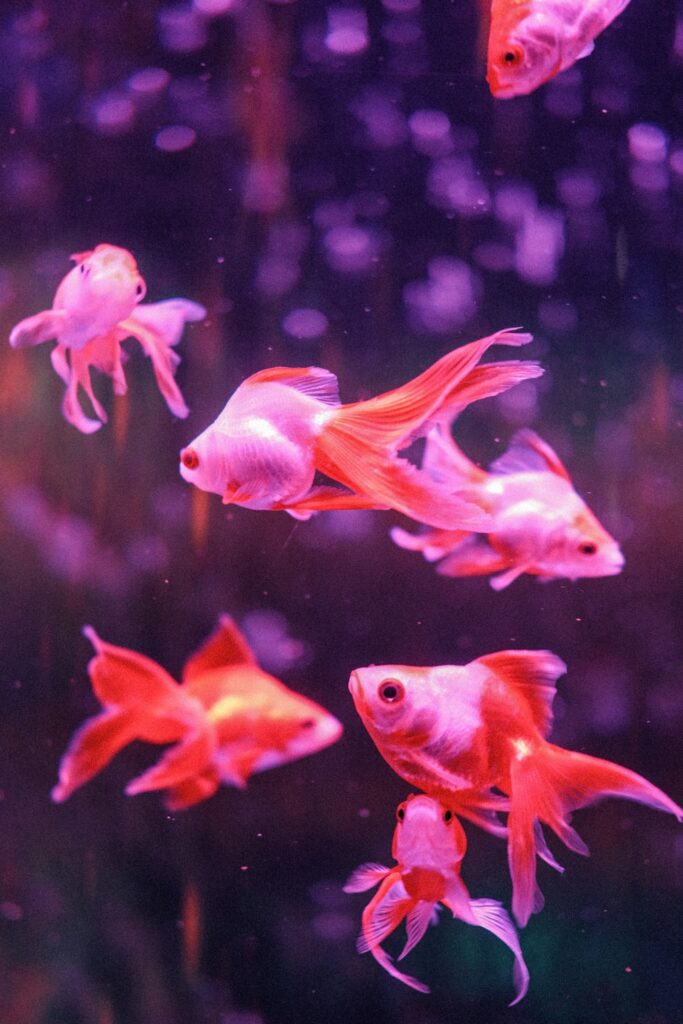
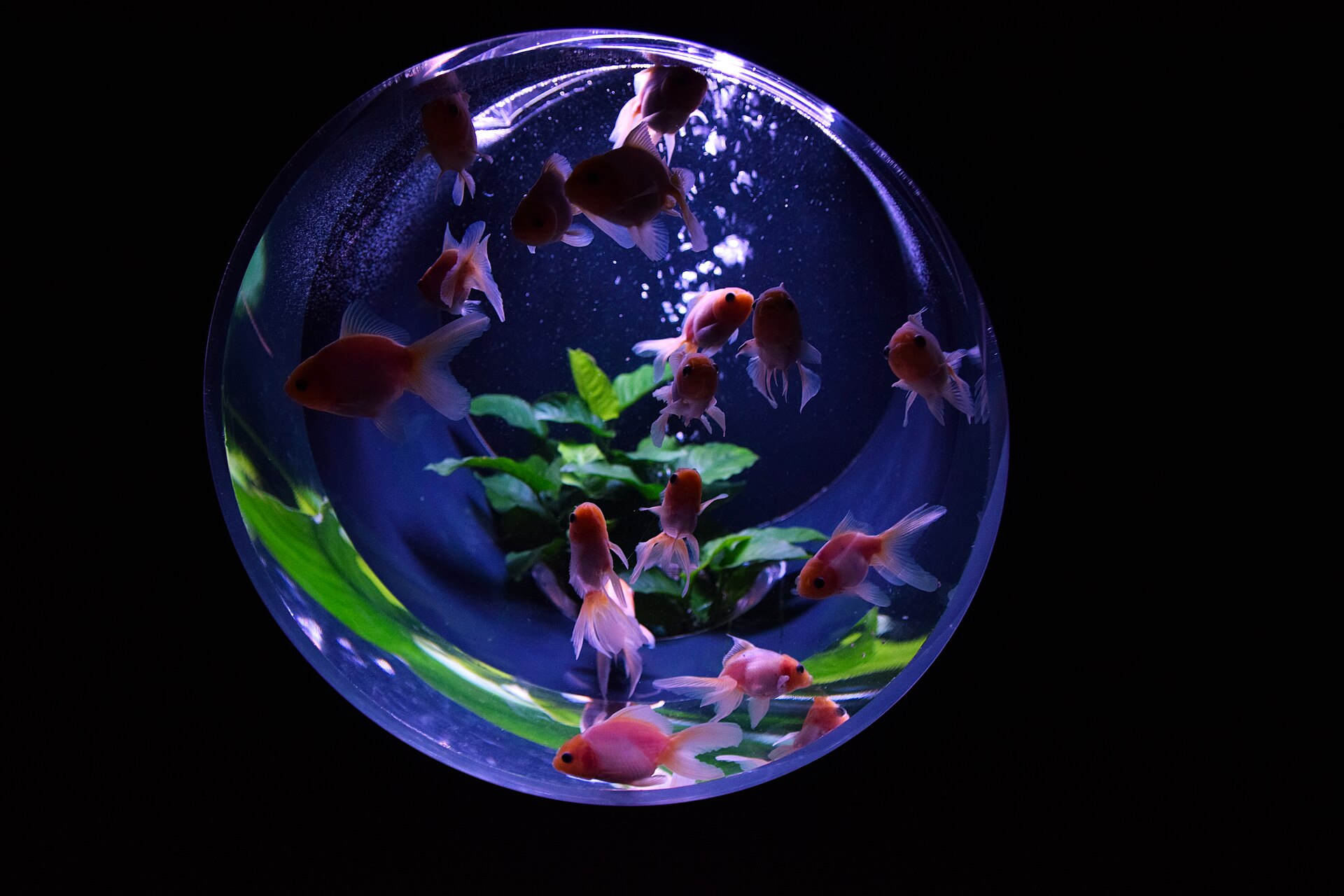
It’s an art museum that uses live goldfish as its medium. It isn’t an aquarium in the zoological sense. There are no marine-biology panels, no touch pools and no sea creatures. You walk through dark rooms of lit tanks shaped like paper lanterns, folding screens, kimono-patterned bowls and oversized glass vessels, with music, projection and scent added.
The series is the work of producer Hidetomo Kimura and started in Tokyo in 2007 as a limited-run show, later a regular summer event. Its first permanent museum opened in Nihonbashi in August 2020. It moved to Ginza Mitsukoshi on 3 May 2022 (official notice). The organisers say the series had 13 million cumulative visitors by October 2025 (Koubo / press release).
If you want real aquariums, with sharks, whale sharks and jellyfish, see our guide to the biggest aquariums in Japan. This is a different thing: a one-hour art walk built for photos.
Who it suits: people who like teamLab-style immersive rooms but want something smaller, cheaper and more Japanese in theme. Also anyone stuck in Ginza in the rain.
Who it doesn’t suit: anyone expecting a nature attraction, and anyone uneasy about animals displayed as decoration (see the welfare section below).
Is Art Aquarium Ginza closing?
Yes. The official site confirms that the exhibition at Ginza Mitsukoshi ends on Wednesday 6 January 2027 (artaquarium.jp notice, 1 Oct 2026). The current show, 銀座の金魚百華展 (Ginza no Kingyo Hyakka-ten, roughly “Ginza’s Hundred-Flower Goldfish Exhibition”), is billed as the last one in Ginza.
What happens next: the organisers say a one-year special exhibition will open in 涩谷 in spring 2027 for the series’ 20th anniversary. It will run in four phases and be held in the biggest venue they have used (FASHIONSNAP, 1 Oct 2026). No venue or dates have been announced yet.
So if you’re in Tokyo between now and early January, this is the last chance to see it in Ginza. Expect the final weeks, especially the Christmas and New Year holidays, to be busier than usual.
What’s in the final Ginza exhibition?
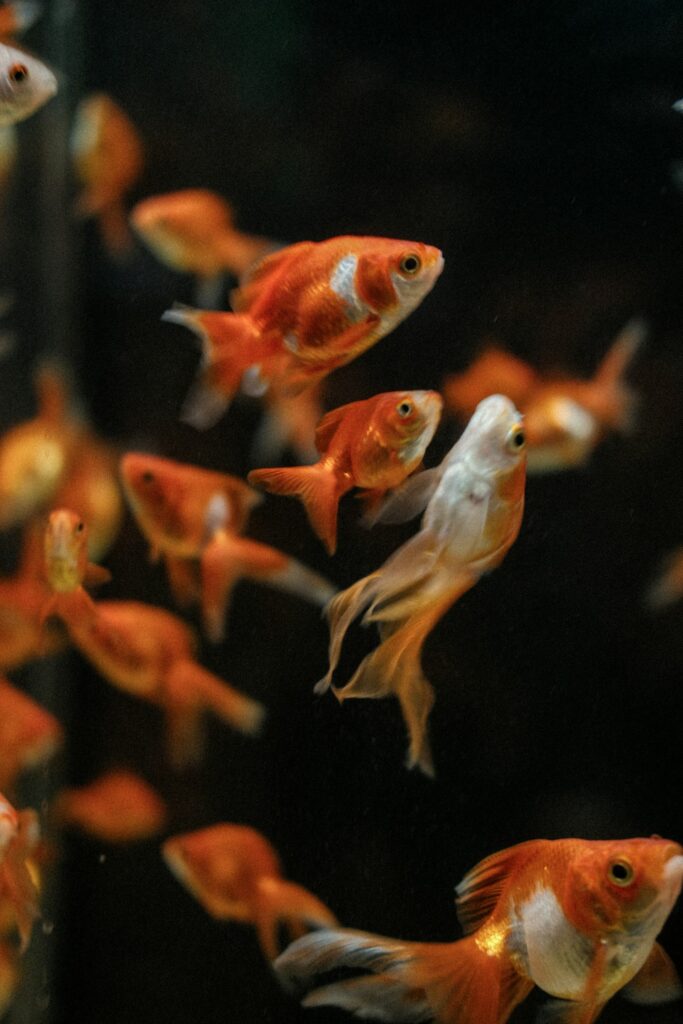
The 2026 finale is a “greatest hits” season. It brings back the most popular works from the museum’s Ginza years, with autumn and winter flowers worked in (official exhibition news). Listed works include:
- Goldfish Stone Garden (金魚の石庭, 2025): tanks set in bamboo and acrylic, with a design contribution from architect Kengo Kuma.
- Goldfish Approach (金魚の参道, 2025): a shrine-approach-style path of tank columns lined with ginkgo and red spider lilies.
- Goldfish Corridor (金魚の回廊, 2022): a wisteria-draped corridor produced with florist Hibiya Kadan.
- Super Oiran (超花魁 -結-, 2016): the biggest work, a giant goldfish bowl ringed by 16 tanks, framed in cherry blossom.
- New Goldfish Show (新金魚品評, 2022): low, square tanks trimmed with kimono obi, which you look down into from above. The organisers call it the museum’s most popular area. This season it’s dressed with red spider lilies.
- Goldfish Folding-Screen Room (金魚屏風の間, 2025): screen-shaped tanks with Edo-era and Utagawa Kuniyoshi imagery projected on.
- NEO Oiran (2025): the Oiran tank remade in neon.
- HANAMAI (2024): a flower-filled room by ikebana artist Shogo Kariyazaki.
The New Goldfish Show is the one to slow down for. You look down on the fish at the surface, which is the traditional way to view goldfish in Japan, and you can get closer than anywhere else in the museum.
How much are Art Aquarium Ginza tickets?
All prices from the official 料金・営業時間 page, tax included, checked 29 October 2026. US dollar figures use ¥157 = US$1.
| 票种 | 价格 | 购买地点 | 备注 |
|---|---|---|---|
| General (web) | ¥2,500 (≈US$16) | artaquarium.jp | Timed date, QR code by email. Same-day web purchase allowed |
| General (same-day) | ¥2,700 (≈US$17) | Ticket machines, Mitsukoshi New Building 9F | Card or cash. Not sold if web tickets sell out |
| Student (web only) | ¥2,200 (≈US$14) | artaquarium.jp | Junior high to university. Bring student ID. No student rate at the machine |
| Primary-school age and under | 免费 | — | Max 2 per paying adult/student. A third child pays the adult rate |
| Hyatt lunch + entry | ¥9,458 | artaquarium.jp | 10 Oct–30 Nov 2026 only. Non-cancellable |
Things the official pages spell out:
- No discounts for disability, Mitsukoshi shareholders or MI card holders.
- 不可取消 once paid. You can change the date via your purchase history before the visit date.
- 不能再入园 once you leave (官方常见问题).
Ticket options compared
1. Official web ticket (Best value)
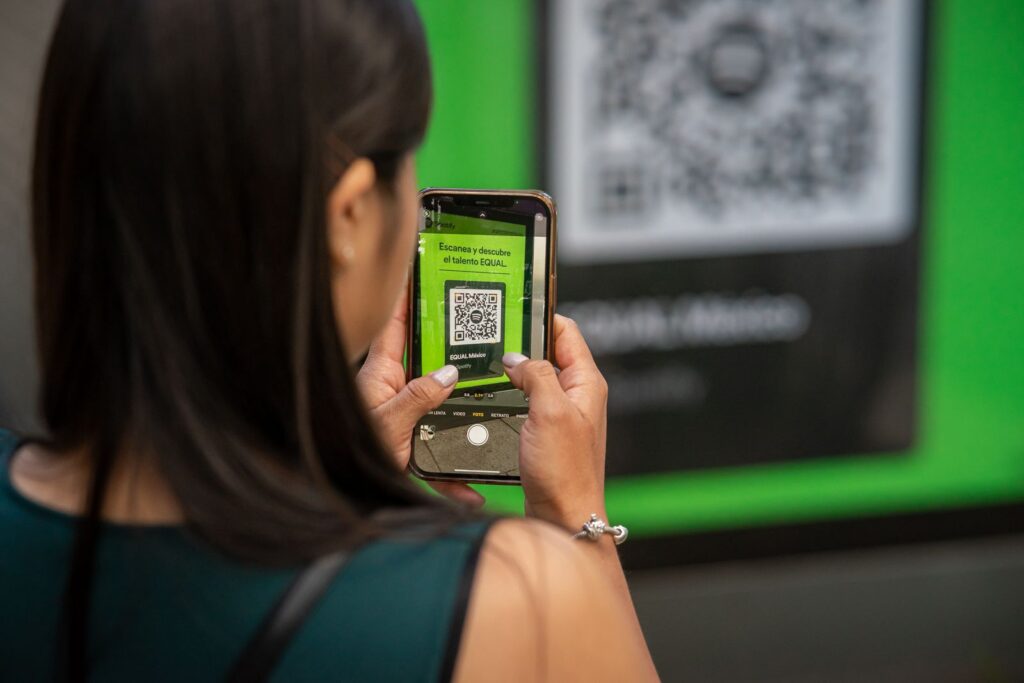
The Lowdown: The cheapest way in for adults, and the only way to get the student rate. You pick a date and time slot, pay by card or at a convenience store, and get a QR code by email.
Where: artaquarium.jp → ticket.artaquarium.jp. Scan your QR at the entrance, Ginza Mitsukoshi New Building 9F.
The Vibe: No queue at the machine. Walk up, scan, go down the escalator.
Price: ¥2,500 general, ¥2,200 student.
官方连结: artaquarium.jp/time_price/
💡 Japan Pro Tip: You have to register a name, email and phone number. A hotel phone number is fine. Buying on your phone while standing on 9F still saves you ¥200 over the machine.
2. Same-day ticket machine (Walk-up)
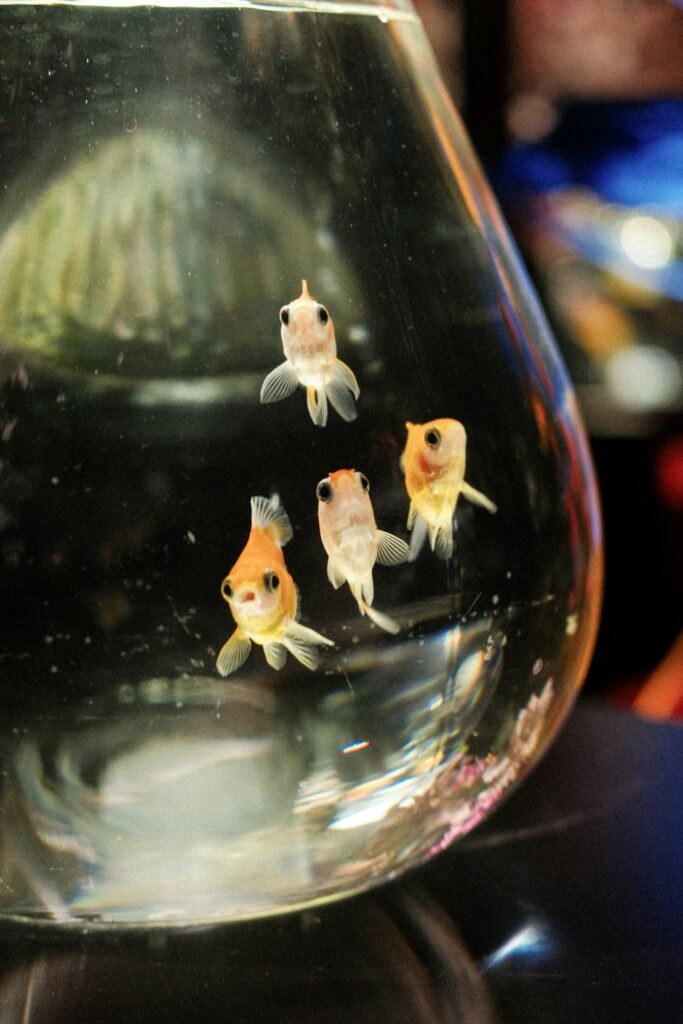
The Lowdown: Ticket machines next to the 9F entrance. Handy if you’re already in Ginza and the weather turns. It costs ¥200 more, and the machine doesn’t sell the student rate.
Where: Ginza Mitsukoshi New Building 9F (Ginza Terrace floor).
The Vibe: Fine on weekday mornings. On weekend afternoons, same-day sales can stop once the day’s quota is gone.
Price: ¥2,700. Credit card or cash.
官方连结: artaquarium.jp/info/
💡 Japan Pro Tip: If web tickets for your slot show as sold out, the official site says there will be no same-day tickets either. Don’t make the trip on the off chance.
3. Klook and other platforms (Bundles)
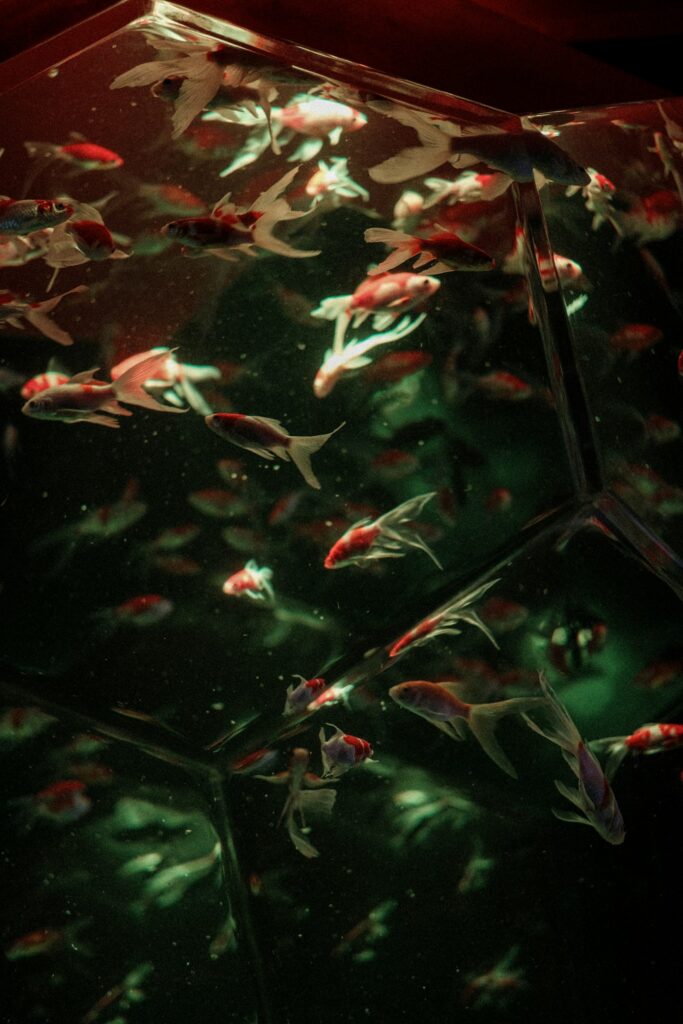
The Lowdown: The Klook listing (“Art Aquarium Museum GINZA Ticket”, 4.5 stars from 5.6K reviews, 200K+ booked) sells fixed-date admission for about US$17.10, slightly more than the official ¥2,500 web price. Bundles add a 24- or 48-hour Tokyo Subway Ticket or a teamLab Planets combo. A flexible-date adult ticket costs about US$25.35 and is valid until 6 January 2027.
Where: Same 9F entrance. Show the platform QR code.
The Vibe: Worth it only for a bundle you’d buy anyway, or for a group of three: a “buy 2 adults, get 1 free” package was listed on 29 October 2026. Klook marks every package “no cancellation”.
Price: About US$17.10 fixed-date, US$25.35 flexible-date, US$22.60 with a 24-hour subway ticket (prices as listed 29 Oct 2026; they change).
官方连结: klook.com listing (third party)
💡 Japan Pro Tip: The flexible-date ticket costs about US$8 more than a fixed-date one. That’s poor value when the official site already lets you change your date for free.
4. Hyatt Centric Ginza lunch plan (Limited)
The Lowdown: A set lunch at NAMIKI667 (3F, Hyatt Centric Ginza Tokyo) with a champagne toast and a prix-fixe course (amuse-bouche, cold starter, soup, main, dessert and coffee or tea), plus a museum ticket valid that day.
Where: 6-6-7 Ginza, about 6 minutes’ walk from the museum.
The Vibe: A date-day package. Lunch is booked for 11:30–14:00, and you can enter the museum any time that day.
Price: ¥9,458 per person. Book by 18:00 the day before. No cancellations.
官方连结: artaquarium.jp news, 8 Oct 2026
💡 Japan Pro Tip: Runs only until 30 November 2026, with some dates excluded. Do the museum first at 10:00 and lunch afterwards, when the galleries start filling up.
How do you get to Art Aquarium Ginza? (Entrance is on 9F)
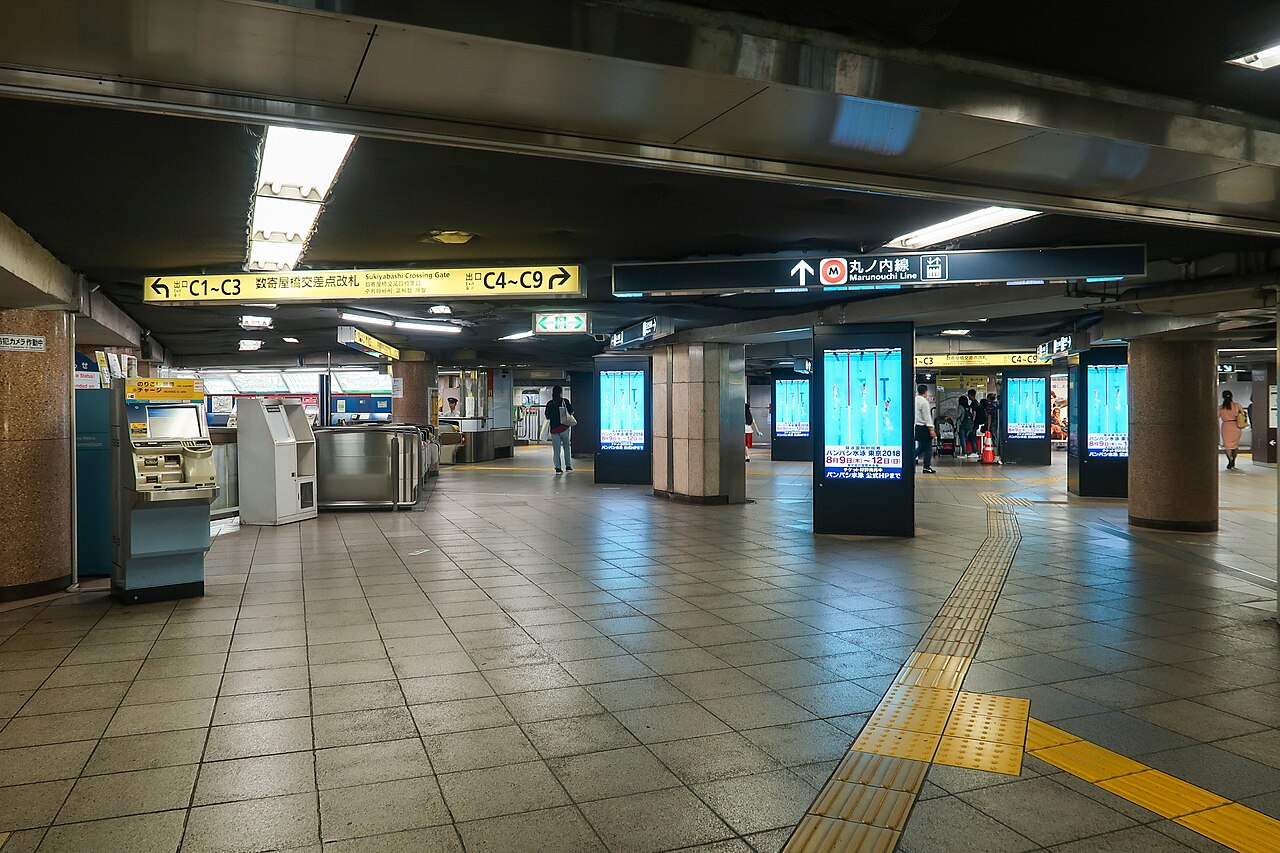
The galleries are on the 8th floor of the Mitsukoshi New Building (新館), but you can’t enter from 8F. You go up to 9F (Ginza Terrace), check in, then staff send you down an escalator into the exhibition (官方交通页面). Klook reviewers often say the entrance is hard to find. This is why.
| 车站 | 线路 | 出口 | 步行 |
|---|---|---|---|
| 银座 | Tokyo Metro Ginza, Marunouchi, Hibiya | A7 | Direct connection |
| 东银座 | Toei 浅草, Tokyo Metro Hibiya | Underground passage towards Ginza Station | About 2 min |
| 银座一丁目 | Tokyo Metro Yurakucho | Exit 9 | 约5分钟 |
| 有乐町 | JR 山手线、京滨东北线 | Central or Ginza exit | About 9 min |
Getting to 9F:
- Use the New Building escalators, or the lifts in either building.
- 另外, main-building escalators don’t reach 9F. If you came in from the Ginza 4-chome crossing side, cross into the New Building first.
- Mitsukoshi has no coin lockers for the museum. Use the coin lockers on New Building 12F (官方常见问题).
What happens on a visit? Step by step
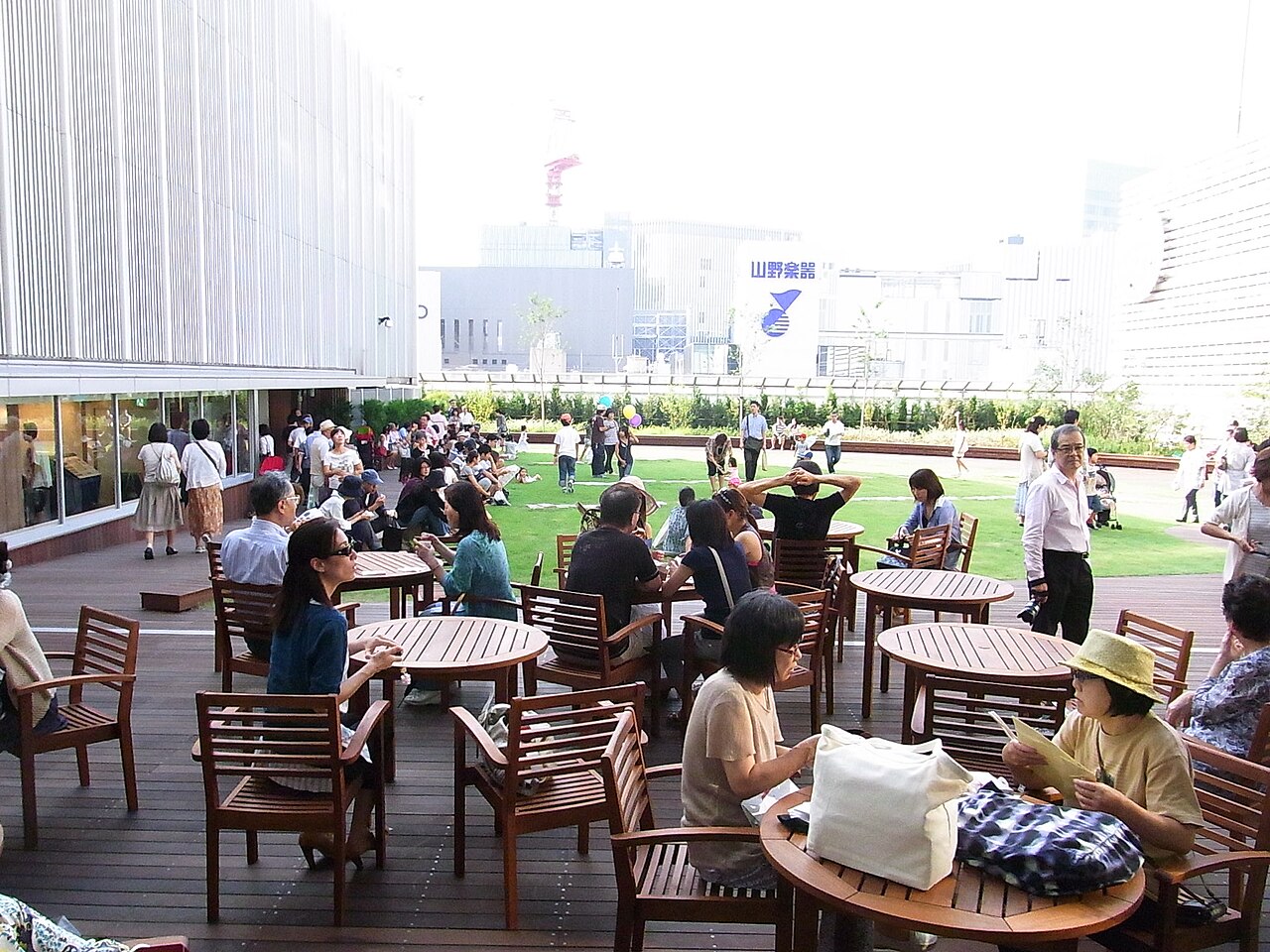
- 0 min, 9F: Scan your QR (or buy at the machine). Leave pushchairs in the 9F buggy park. Wheelchair users tell staff here.
- 2 min: Escalator down to 8F. The lights drop. Give your eyes a minute.
- 5–25 min: The large walk-through installations, such as the corridor, stone garden and approach. Crowds bunch in the first room, because everyone stops for the first photo.
- 25–45 min: The New Goldfish Show tanks and the folding-screen room. Smaller tanks, so you get closer to the fish.
- 45–60 min: The Oiran works, the big bowls and HANAMAI flowers. Most of the “hero” photos are taken here.
- 60 min+: Museum shop at the exit: tins of Ito En tea, Ueno Fugetsudo petit gaufres, Palais d’Or chocolate, goldfish accessories and plush toys (official goods page).
The official site doesn’t publish a room order, so the sequence on the day may differ. The timings are a rough guide for a one-hour visit.
There is no café or bar listed in the current Ginza museum. The official site mentions only the shop. Eat before or after in Mitsukoshi’s restaurant floors or around Ginza.
You can bring sealed drinks and water bottles, but you can’t eat food you’ve brought.
When is the best time to visit Art Aquarium Ginza?
Weekday, 10:00 opening. The first slot of the day is usually the quietest. Weekday late afternoon (16:30–18:00, last entry 18:00) is the second-best slot.
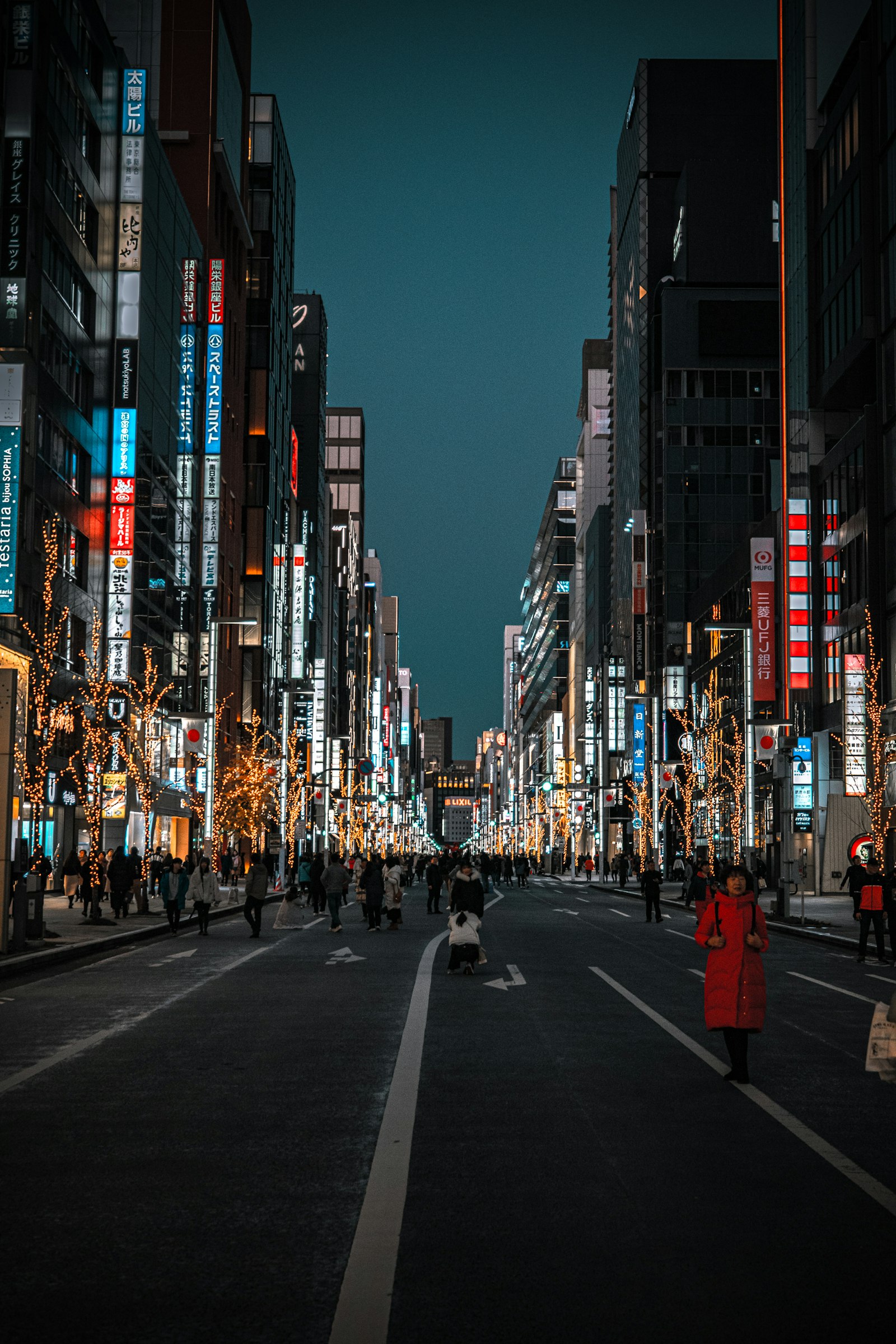
避开: weekend and holiday afternoons, when Chuo-dori outside becomes a pedestrian zone and Ginza fills up. In this final season, also avoid the 23–30 December run-up and the last days before 6 January.
Wait times: A timed web ticket is the surest way in. The museum doesn’t publish wait times, but it says same-day sales stop once the day’s quota is reached. Allow a few extra minutes at peak times for the check-in on 9F.
Closures: The museum closes when Ginza Mitsukoshi closes, and occasionally for maintenance (官方营业时间页面). Hours can change at short notice. On 1 October 2026, for example, it opened only from 13:00 (official notice).
New Year 2027 (Expected, not yet confirmed): As of 29 October 2026, neither Ginza Mitsukoshi nor the museum has published year-end or New Year hours. Last winter the store closed on 1 January and reopened on 2 January from 10:00 to 18:00 (Ginza Mitsukoshi New Year 2026 page). Expect a 1 January 2027 closure and shorter hours on 31 December and 2 January, but check the museum’s news page 再出发。
Private events: On 20–21 November 2026 a Leica photo workshop has the museum to itself, but only from 19:00 to 21:30, after normal closing. Daytime opening is unaffected (official notice).
Can you take photos at Art Aquarium Ginza?
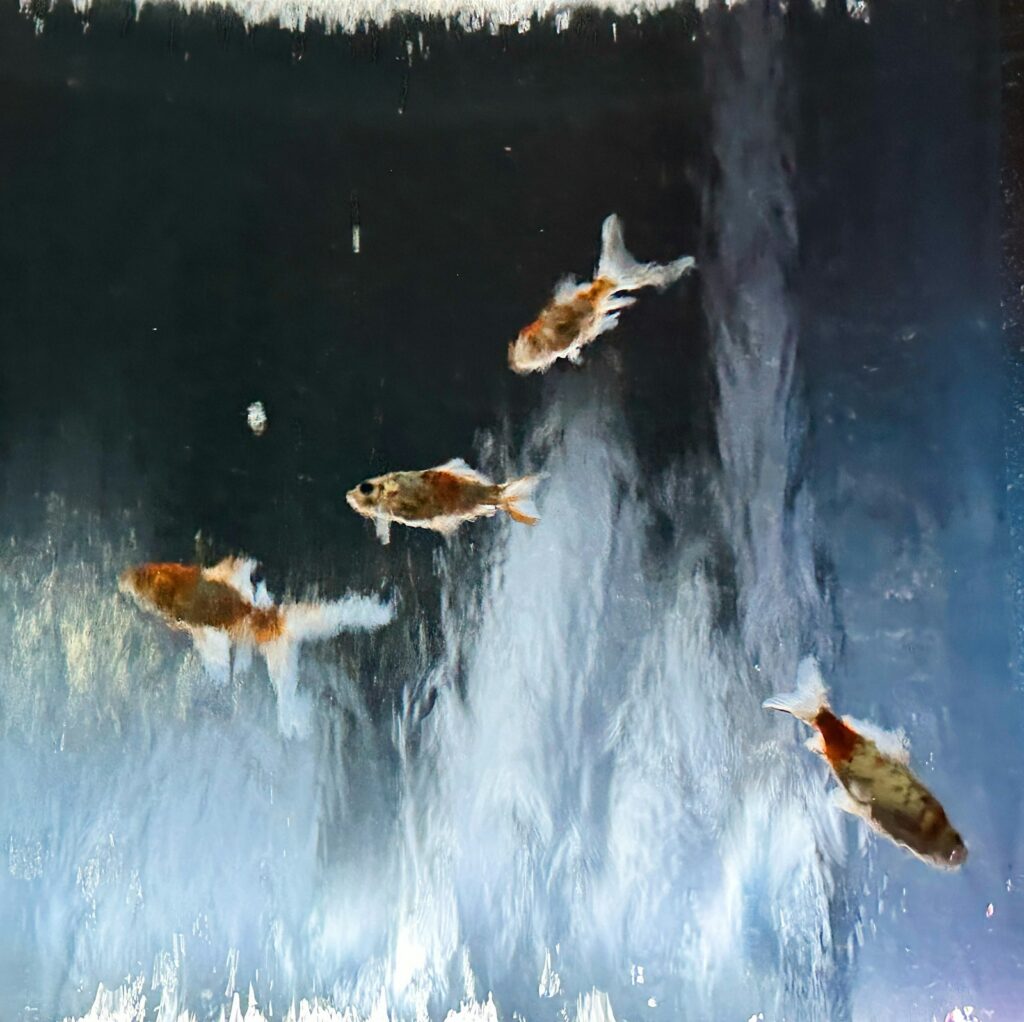
Yes, and almost everyone does. The rules (官方常见问题):
- No flash, no strobes, no lights, including your phone torch.
- No tripods or monopods. The FAQ doesn’t mention selfie sticks, but the rooms are dark and tight, so keep one folded when it’s busy.
- Personal use only. No commercial use or selling footage.
- Don’t touch the fish or put hands in the tanks, including the low tanks you look down into (animal welfare policy).
Photo tips that work in the dark:
- Lock exposure on the tank, not the room, or the goldfish turn into orange smears.
- For portraits, put your subject’s face near a lit tank and use that as the light. The museum’s own photo tips page says the same.
- On glass-sided tanks, put your phone lens close to the glass (without touching the tank) to cut reflections.
- Use video for the colour-changing tanks. Stills can’t keep up with the lighting cycles.
Is Art Aquarium Ginza good for kids?
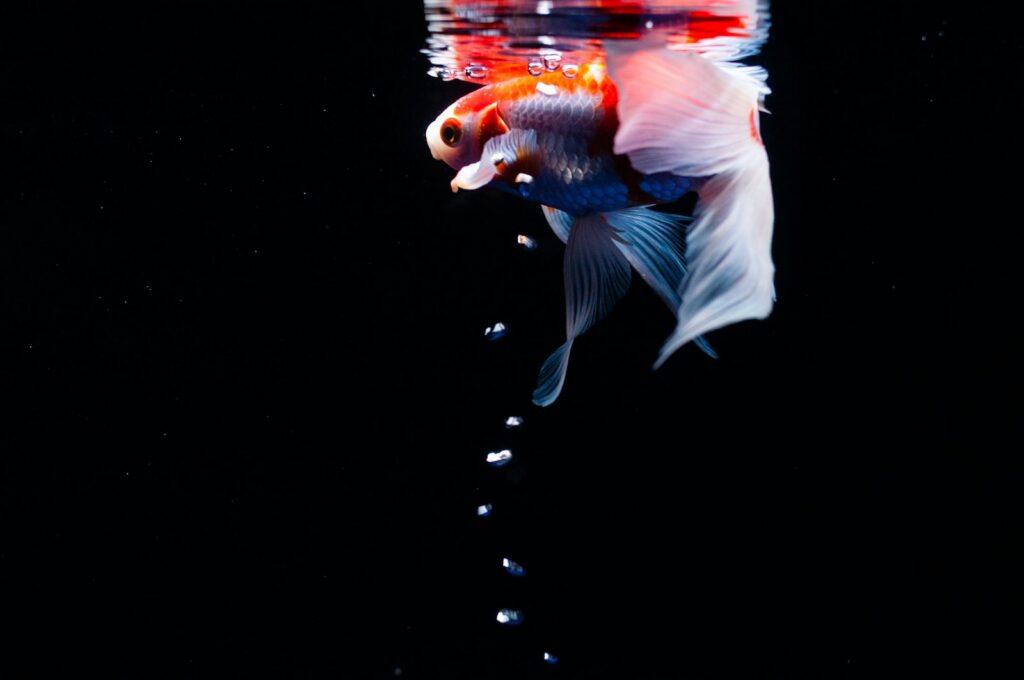
Yes for toddlers and primary-age children. They get in free (two per paying adult), and the moving colour holds attention for an hour. The catches:
- No pushchairs inside. Use the 9F buggy park, and bring a sling for babies.
- It’s dark, and some rooms have loud music. Sensitive toddlers may want out early.
- Low tanks in the New Goldfish Show sit at a small child’s height. Hold hands, as you mustn’t touch the fish or the water.
- Children of primary-school age or younger can’t enter without an adult, and from junior high they need their own ticket.
For more family ideas, see our 带孩子游日本攻略.
Is Art Aquarium cruel to the goldfish?
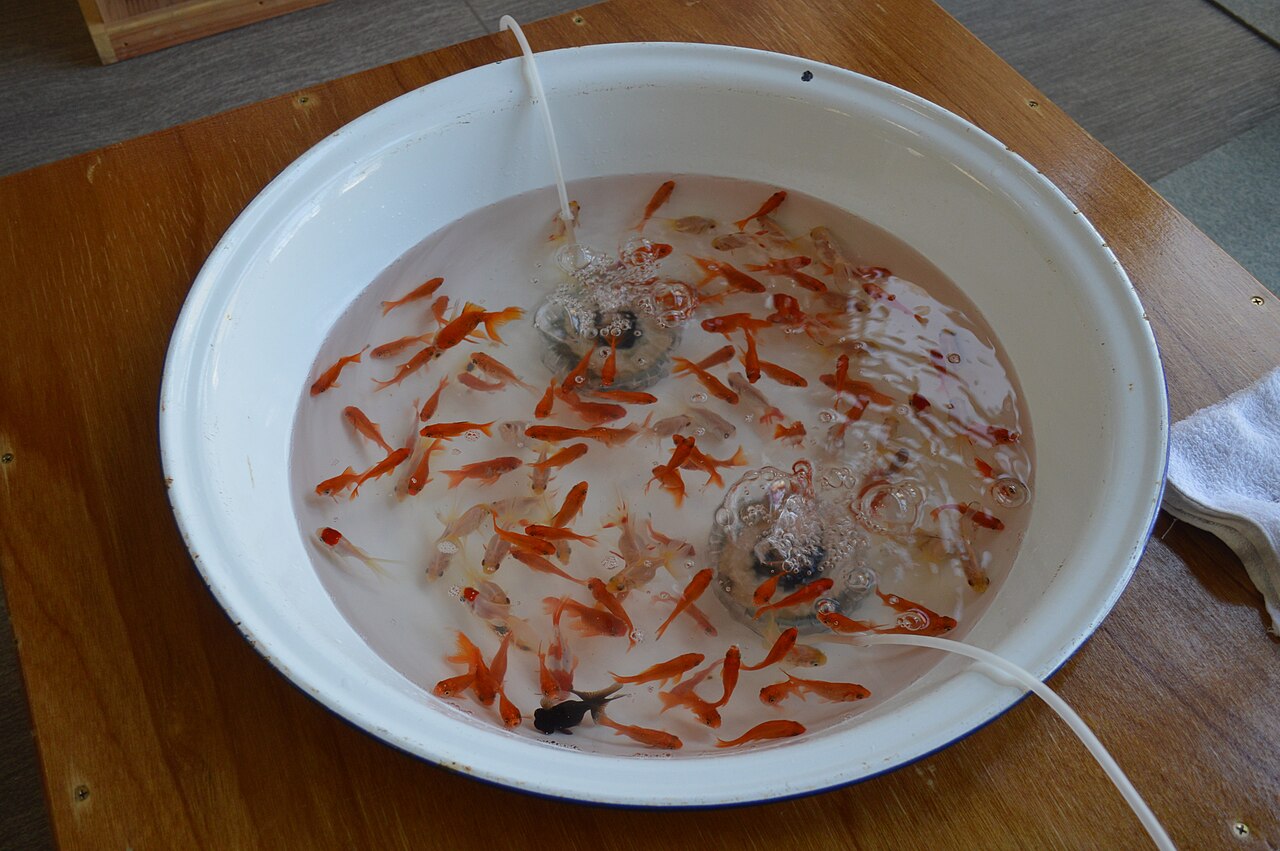
It’s a fair question, and one that comes up every season. The short version:
The criticism. Animal-welfare advocates have raised the same concerns about Art Aquarium shows for years. Ahead of its Taiwan debut in 2024, critics including a former aquarium vet said strong, constantly changing lights could stress fish. They also pointed to high stocking density, bare tanks with nowhere to hide, and unclear filtration (Taiwan News, Oct 2024). Taipei’s Animal Protection Office said the show fell outside Taiwan’s animal-exhibition rules, because the tanks held less than 30 tonnes of water, but said it would consult experts.
The museum’s position. Art Aquarium publishes a welfare policy. It says staff check water temperature daily and monitor water quality, filtration equipment keeps the tanks clean, fish are checked before opening and after closing, and sick or injured fish are moved out of display tanks for care. It says it uses WOAH (World Organisation for Animal Health) guidance as its reference for welfare standards.
What it doesn’t say. The policy gives no figures for fish numbers, mortality, vet involvement or what happens to the fish after an exhibition closes. With the Ginza museum closing in January, that last point is a reasonable thing to ask staff.
Goldfish are a domesticated, ornamental breed with a centuries-old display tradition in Japan. Whether this museum is that tradition updated or animals used as props is your call. If it bothers you, teamLab gives you the immersive-light experience without live animals.
What to wear and bring
- Phone with charge. You’ll take more photos than you expect.
- Dark clothes if you want to appear in photos without reflecting in the glass.
- A small bag. The galleries are tight in places and the lockers are on another floor (12F).
- Student ID if you bought a student ticket.
- Patience at the first room. It clears after the first corner.
What to do nearby in Ginza
You’re in the middle of Ginza, so build an afternoon around it:
- Mitsukoshi 9F Ginza Terrace: the open-air terrace on the entrance floor, a free place to sit before or after (it can close in bad weather).
- Ginza 4-chome crossing and the Wako clock tower: right outside Mitsukoshi’s main entrance.
- Chuo-dori pedestrian zone (Hokoten): the main street closes to cars on weekend and holiday afternoons.
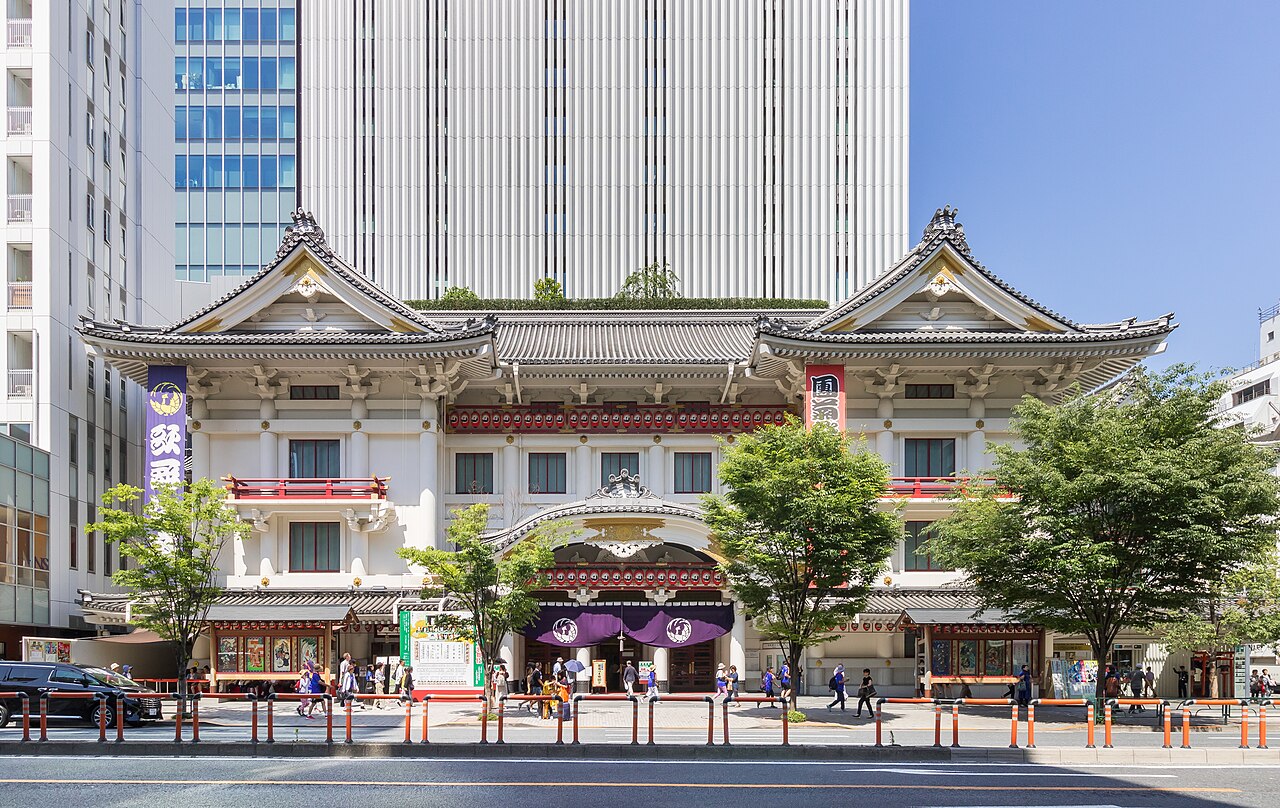
- Kabukiza: about 5 minutes’ walk towards Higashi-Ginza. Single-act tickets make a short add-on.
- Ginza illuminations: from November, Ginza’s shopfronts and the Mitsukoshi façade go Christmas-heavy, and Tokyo’s Christmas markets open around the same time.
For the full neighbourhood list (department-store food halls, stationery, galleries and bars), see our things to do in Ginza guide. If it’s raining all day, our 东京雨天指南 has more indoor options.
总结
Art Aquarium Ginza is a polished, one-hour hit of Japanese design. It’s cheap by Tokyo attraction standards, easy to reach from Ginza Station Exit A7, and in its last Ginza season until 6 January 2027. Book a weekday 10:00 slot on artaquarium.jp, go up to 9F, and then explore Japan Pro to plan the rest of your Tokyo trip.
资料来源: artaquarium.jp (prices, hours, FAQ, closure notice), 银座三越 与 Klook listing. Last checked: 1 November 2026.
出发前须知
Enter on 9F, not 8F
The galleries are on 8F of the New Building, but check-in is on 9F (Ginza Terrace).
Book online, save ¥200
Web tickets are ¥2,500; the 9F machine charges ¥2,700 and has no student rate.
Sold out means sold out
If web tickets for your slot sell out, no same-day tickets are sold.
Go at 10:00 on a weekday
The first slot of the day is usually the quietest.
No re-entry, no refunds
You can change your date for free before the visit, but you can't cancel or re-enter.
Check New Year hours
Mitsukoshi hasn't published 2027 New Year hours yet; it closed on 1 January last year.
Art Aquarium Ginza FAQ
How much is Art Aquarium Ginza?
¥2,500 online, ¥2,700 at the 9F machine, ¥2,200 for students (online only). Up to two children of primary-school age or under enter free with each paying adult.
How long do you need at Art Aquarium Ginza?
About an hour. Keen photographers can spend 90 minutes. There’s no re-entry, so see everything before you leave.
Is Art Aquarium Ginza still open?
Yes, until 6 January 2027, when the Ginza museum closes. A one-year special exhibition is planned in Shibuya from spring 2027.
Which floor is Art Aquarium in Ginza Mitsukoshi?
The galleries are on 8F of the New Building, but you enter on 9F (Ginza Terrace) and are taken down by escalator. You can’t enter from 8F.
Do I need to book Art Aquarium in advance?
Not on weekdays, but it’s ¥200 cheaper online and guarantees entry. On weekends and holidays, book ahead: if web tickets sell out, no same-day tickets are sold.
Can I bring a pushchair?
No. Leave it in the buggy park on 9F. Wheelchair users can enter. Speak to staff on 9F.
Is Art Aquarium the same as an aquarium?
No. It’s an art museum using goldfish in designed tanks, with light and sound. For sharks, whale sharks and jellyfish, you need one of Japan’s sea-life aquariums instead.
Plan it with Japan Pro
Japan Pro预订平台将于2026年11月上线:预订日本各地的导览、体验和餐厅。
 English
 Japanese
 Chinese (Taiwan)
 Chinese (China)
 Korean
 French
 Italian
 Thai