
Iwami Ginzan 2026–27: Ryugenji Mabu, Omori Town and the 500th Anniversary
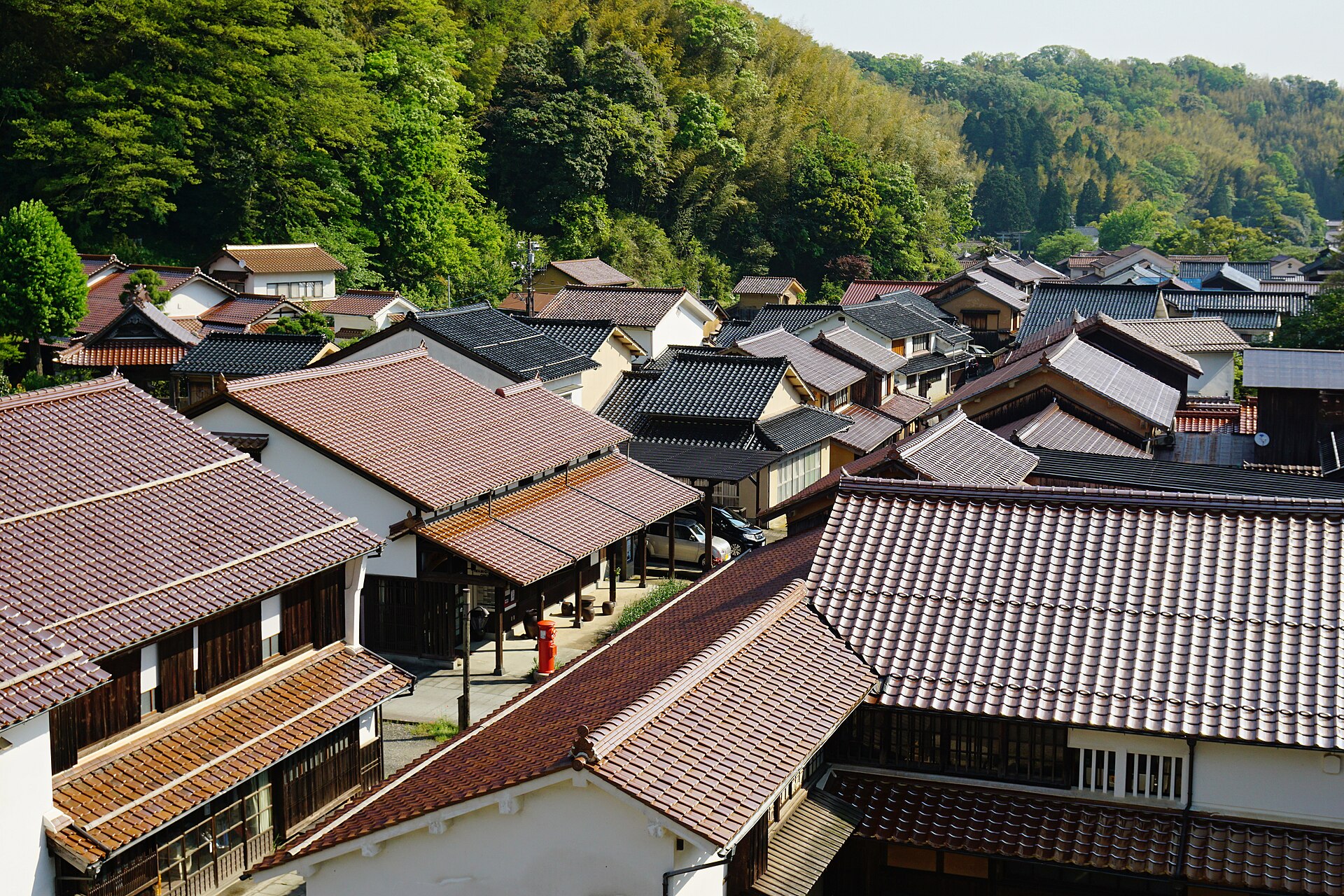
Iwami Ginzan is a UNESCO-listed silver mine in Oda, Shimane, where you walk or cycle up a wooded valley to a 300-year-old mine shaft, Ryugenji Mabu, after strolling through Omori, an Edo-period mining town of wooden houses. Entry to the shaft costs ¥500, and it’s open every day of the year except 1 January.
What makes Iwami Ginzan different isn’t the mine. It’s that Omori has kept the 21st century at arm’s length: cars stop at the edge of town, the vending machine hides in a wooden cabinet, and the shop locals call the ‘convenience store’ is a family-run general store. Here’s how to see it properly in late 2026 and 2027, without a car.
500 日圓
Ryugenji Mabu entry, adult
2.5 km
Omori to the mine shaft
2007
列入聯合國教科文組織世界遺產
2027
500 years since the mine's discovery
Why is Iwami Ginzan worth the detour?
UNESCO lists the site as ‘Iwami Ginzan Silver Mine and its Cultural Landscape’ (inscribed 2007, boundary modified 2010). Its mines produced high-quality silver at scale in the 16th and early 17th centuries, and that silver drove trade between Japan, East Asia and Europe (聯合國教科文組織).
The listing isn’t one building. It covers the mine shafts, smelting sites, the town of Omori, the routes that carried ore, and three ports on the Sea of Japan: Tomogaura, Okidomari and Yunotsu. That’s why a visit is mostly walking, and why it rewards a slow day.
Omori was designated an Important Preservation District for Groups of Traditional Buildings in 1987, and Oda introduced a landscape ordinance for Iwami Ginzan in 2005. Some 40 resident groups work on keeping the townscape alive, from reusing empty houses to running guides (MLIT case study).
What is missing from Omori’s main street?
Walk the main street and you’ll notice what’s missing: the bright signage of national chains. The vending machine outside Tamaruya, a general store selling food, stationery and laundry drop-off to residents, sits inside wooden joinery so it doesn’t clash with the street, and it has become a photo spot (Iwami Ginzan 36 Views). Locals nickname Tamaruya ‘Omori’s convenience store’.
The one brand you may know was born here. Iwami Ginzan Gungendo, a lifestyle label with about 30 shops nationwide, keeps its flagship in a restored old house in Omori, with a café that does a popular lunch (Iwami Ginzan 36 Views). For more places to buy Japanese-made goods, see our guide to Japanese crafts.
Practical upshot: plan meals around lunch hours, carry some cash, and don’t expect late-night snacks. Omori is a town where people live, not a theme street.
How do you get to Iwami Ginzan without a car?
Take a train to JR Odashi Station, then a local Iwami Kotsu bus to Omori, which japan-guide says takes about 30 minutes and runs roughly once an hour (japan-guide). From Izumoshi Station, the JR San’in Line to Odashi takes about 40 minutes (Oda City Tourism Association).
| 出發地 | 路線 | 時間 | 備註 |
|---|---|---|---|
| Izumoshi Station | JR San’in Line to Odashi, then bus to Omori | About 40 min + about 30 min | JR section covered by the Japan Rail Pass; the bus is not |
| Matsue | JR to Odashi, then bus | 45–90 min + about 30 min | Limited express is faster than local trains |
| 廣島 | Iwami Kotsu highway bus via Iwami Ginzan (Omori) to Odashi | About 3 hours to Odashi | Shimane Prefecture says about 2.5 hours to Iwami Ginzan |
| JR Nima Station | Iwami Kotsu bus (Nima line) | Check timetable | Fewer services than from Odashi |
| 開車 | Park at the World Heritage Center | Izumoshi about 50 min; Matsue about 70 min | Then bus or walk into Omori |
Japan-guide warns that the Odashi bus is not covered by the Japan Rail Pass. If you’re weighing a pass for a San’in trip, our JR Pass指南 runs the numbers. Taxis wait near JR Odashi Station; the tourism association lists Fuji Daiichi Kotsu (0854-82-0660) and Nippon Kotsu (0854-82-0456).
Highway buses from Tokyo, Osaka and Kyoto also stop at Izumoshi Station, according to Shimane Prefecture’s access sheet (Shimane Prefecture).
What are the rules for cars, bikes and walking at Iwami Ginzan?
Iwami Ginzan runs a park-and-ride system. Drivers leave the car at the World Heritage Center car park (about 400 spaces) and take the paid local bus into Omori; private cars can go only as far as Iwami Ginzan Park at the bottom of town (Oda City Tourism Association FAQ). No vehicles are allowed up in the mine area (JNTO).
There is no bus to Ryugenji Mabu. You have three options for the last 2.5 km: walk, cycle, or take the Ginzan Cart.
| 選項 | 費用 | Time to Ryugenji Mabu | 須知 |
|---|---|---|---|
| 步行 | 免費 | About 35 min from the Omori bus stop (2,500 m); about 45 min from Iwami Ginzan Park | A long, gentle uphill; allow about 2 hours return with the shaft |
| Electric bike (Rental Cycle Kawamura) | ¥1,000 for 2 hours, then ¥200 per 30 min | About 1 hour return including stops | 8:30–17:00; next to the Omori Daikansho-ato bus stop; may stop in bad weather |
| Standard bike | ¥800 for 3 hours, then ¥100 per 30 min | Longer; the slope is steady | The tourism association recommends e-bikes for the hill |
| Ginzan Cart | ¥500 one way to Ryugenji Mabu | Check the live timetable | Six seats, no reservations on regular runs; counter closed Wednesdays |
Bike prices are from the operator’s April 2025 rate change (Rental Cycle Kawamura); the cart has live seat and timetable info on its own site (Ginzan Cart). The Iwami Ginzan visitor site lists bike hours as ending at 16:30 from December to February (visitor guide).
出發前須知
Start early
Buses run about hourly, so an early one from Odashi leaves time for both the mine and the town.
Wear proper shoes
The shaft is narrow and its damp walls flake. Watch your head and footing.
1 January is the only day off
Ryugenji Mabu opens every other day of the year.
Wednesday cart gap
The Ginzan Cart counter is closed on Wednesdays, so plan to walk or cycle.
Take the ¥500 guide
The volunteer guide association does two-hour walks for ¥500, no booking needed for individuals.
帶現金
Small shops and the bike rental may not take cards in person.
Ryugenji Mabu: hours, fees and what you’ll see
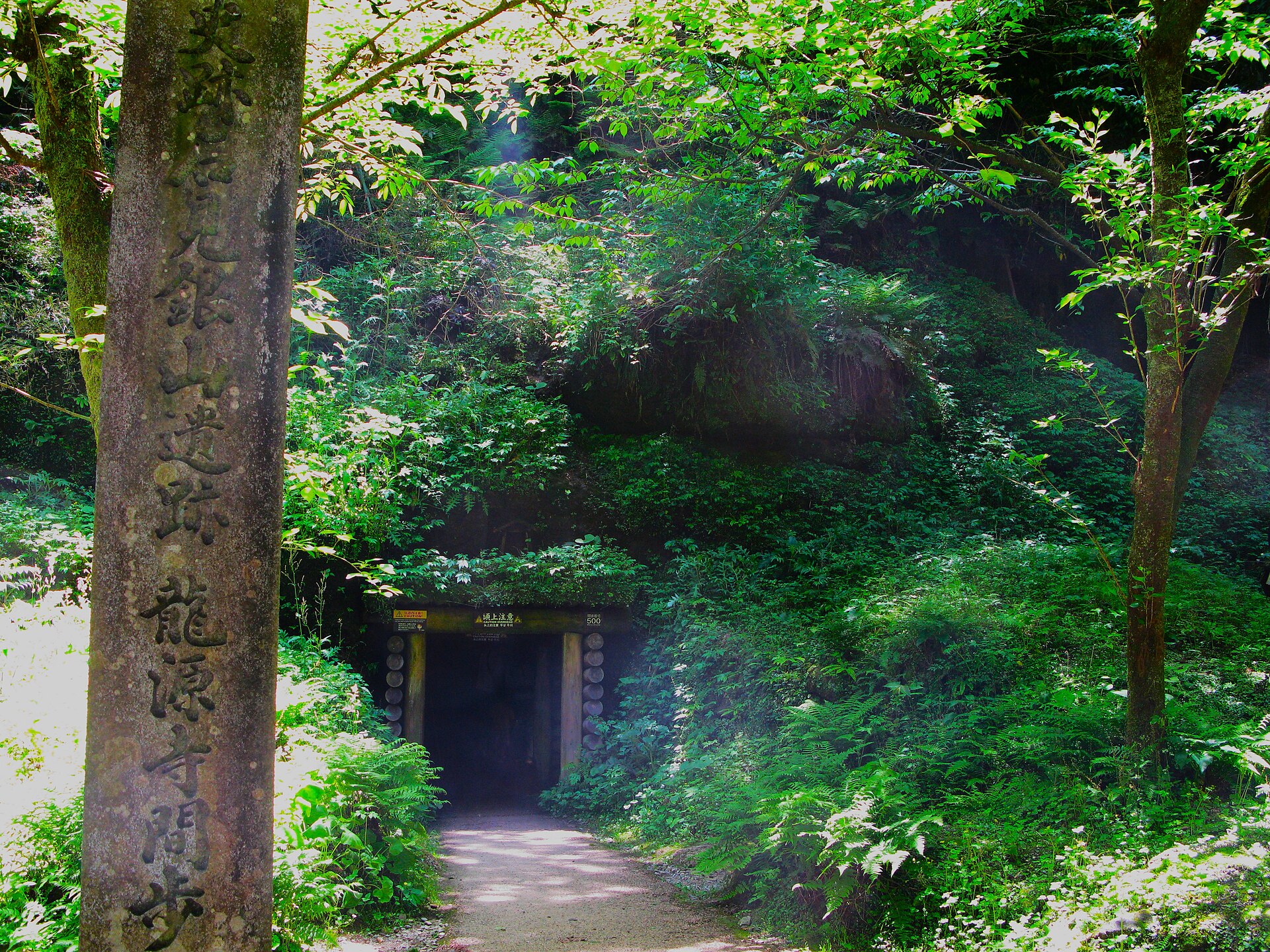
Ryugenji Mabu is the shaft you can walk into without booking a tour. It was dug in 1715 and runs about 600 m, and it stays mild year-round: cool in summer, warmer than outside in winter (JNTO). You walk 157 m of the old shaft, or 273 m including a newer exit tunnel (Oda City Tourism Association).
| 項目 | 內容(2026) |
|---|---|
| 開放時間 | 9:00–17:00; 9:00–16:00 from December to February. Last entry 10 minutes before closing |
| 公休 | 1 January only |
| Adult (high school and over) | 500 日圓 |
| Child (elementary and junior high) | 250 日圓 |
| Groups of 20+ | ¥400 adult / ¥200 child |
| Parking | None at the shaft; use the World Heritage Center car park |
Fees have applied since 1 April 2024, per Oda City (Oda City). Inside, look for the chisel marks on the walls; the city warns that the condensation-soaked walls peel easily, so keep your hands off them.
What about Okubo Mabu?
Okubo Mabu is the larger, rougher shaft, open only on guided tours. The tourism association describes the two-hour route as closer to mountain climbing, with temperatures around 10°C inside even in summer (常見問題). Tours stop in winter, when bats use the shaft (JNTO), and Shimane Prefecture’s August 2026 newsletter lists tours until the end of November (Shimane Prefecture).
A one-day Iwami Ginzan route, in order
The tourism association suggests at least half a day for the Omori area, with about 1.5 hours to walk the townscape. This full-day route works from Odashi without a car.
Morning: up to the mine
- Early bus from Odashi Station; get off at Omori Daikansho-ato, where the bike rental and cart terminal are.
- Rent an e-bike, or start walking up the valley. Ryugenji Mabu opens at 9:00.
- Add Rakan-ji’s Gohyaku Rakan: 501 seated stone figures in three rock-cut caves, made in the 18th century to honour those who died in the mine.
Midday: Omori town
- Return the bike and walk the main street from the magistrate’s office site towards Iwami Ginzan Park.
- Lunch in Omori; Gungendo’s café is one option.
- Visit the Kumagai Residence, the largest merchant house in the district, rebuilt after a fire in 1800 and open to the public since 2006. Closed Tuesdays and 29 December–3 January.
Afternoon: guide or onsen
- Join a two-hour walk with the Iwami Ginzan Guide Association (¥500 adults, free for junior high and younger; reception 9:00–16:00).
- Or catch a bus back and continue to Yunotsu for a bath and dinner.
Rakan-ji is open daily, apart from temple events or bad weather; it charges an entry fee, so confirm it with the temple on 0854-89-0005 (觀光協會). Kumagai Residence details are on the tourism association page.
What’s different at Iwami Ginzan in late autumn and winter 2026–27?
Late autumn is a good time: the valley is cool for walking and the summer crowds have gone. But three things change.
- World Heritage Center exhibitions closed: Shimane Prefecture says the exhibition rooms are planned to close for renovation from October 2026 to March 2027, while the shop, experiences and guided tours carry on (Shimane Prefecture newsletter, Aug 2026). Normal exhibition entry is ¥400, or ¥300 for foreign visitors with a passport (World Heritage Center).
- Shorter days at the shaft: Ryugenji Mabu closes at 16:00 from December to February, with last entry at 15:50.
- Okubo Mabu tours stop after November until spring.
The World Heritage Center building itself is open 8:30–17:30 and closes on the last Tuesday of each month and over New Year (World Heritage Center). Check before you travel in late December.
Iwami Ginzan in 2027: the 500th anniversary
2027 is a double anniversary: 500 years since the merchant Kamiya Jutei discovered the silver in 1527, and 20 years since the UNESCO listing. Shimane Prefecture has announced these events so far (Shimane Prefecture):
| 活動 | 地點 | 日期 |
|---|---|---|
| ‘From the Ancient Orient to Iwami Ginzan: the world moved by silver’ exhibition | Ancient Orient Museum, Ikebukuro, Tokyo | 19 Sep – 6 Dec 2026 |
| ‘Great Silver Mine’ exhibition | Shimane Museum of Ancient Izumo | 16 Jul – 5 Sep 2027 |
| Mining exhibition | Iwami Ginzan Museum, Oda | 9 Oct – 12 Dec 2027 |
| International symposium | Shimane Prefectural Women’s Center Asterasu | 7 Nov 2027 |
If you’re in Tokyo before 6 December 2026, the Ikebukuro exhibition is a good primer. Other 2027 events are not yet announced.
Should you add Yunotsu Onsen to an Iwami Ginzan trip?
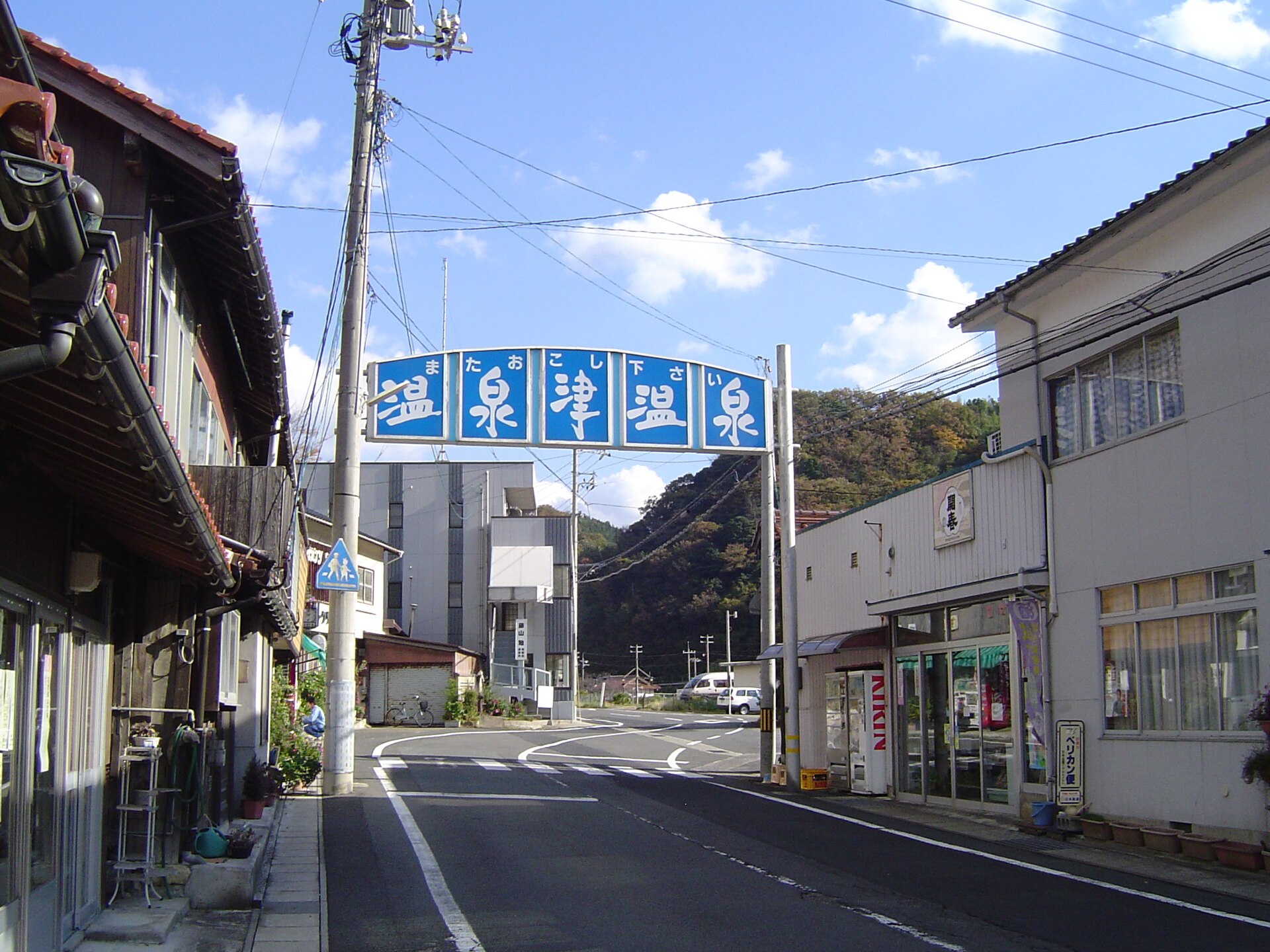
Yes, if you can stay the night. Yunotsu is the old port that shipped Iwami silver, and it’s part of the same World Heritage listing; JNTO calls it the only World Heritage onsen town in Japan (JNTO). It has two public baths, Motoyu and Yakushiyu.
From Omori it’s 25–30 minutes by car, or about 45 minutes by train via Nima, with infrequent services (japan-guide). The bath street is about 10 minutes’ walk (800 m) from JR Yunotsu Station, and Saturday-night kagura at Ryugozen Shrine has limited seats that need booking (MLIT Minato Oasis); call the Yunotsu tourist office on 0855-65-2065 for the current schedule.
We cover Yunotsu’s bath prices in our onsen towns of Japan guide, so we won’t repeat them here. Read onsen etiquette and tattoo rules before your first soak, and see our 日式旅館指南 for booking an inn.
Iwami Ginzan FAQ
How much does Ryugenji Mabu cost?
Adults pay 500 yen and elementary and junior high students 250 yen. Groups of 20 or more pay 400 and 200 yen.
What are Ryugenji Mabu’s opening hours?
9:00 to 17:00, or 9:00 to 16:00 from December to February. Last entry is 10 minutes before closing, and it closes only on 1 January.
How do I get to Iwami Ginzan from Izumo?
Take the JR San’in Line from Izumoshi to Odashi (about 40 minutes), then an Iwami Kotsu bus to Omori (about 30 minutes, roughly hourly).
Can I drive to Ryugenji Mabu?
No. Park at the World Heritage Center and take the bus into Omori, then walk, cycle or use the Ginzan Cart. There is no parking at the shaft.
How long does the walk from Omori to Ryugenji Mabu take?
About 35 minutes one way from the Omori bus stop, a gentle 2.5 km uphill. Allow around 2 hours for the return walk and the shaft.
How much time do I need at Iwami Ginzan?
At least half a day. The townscape takes about 1.5 hours on foot, and the walk up to Ryugenji Mabu and back adds around 2 hours.
Is the World Heritage Center open in winter 2026 to 2027?
The building is open, but Shimane Prefecture says its exhibition rooms are planned to close for renovation from October 2026 to March 2027. The shop and guided tours continue.
Is Iwami Ginzan covered by the Japan Rail Pass?
The JR trains to Odashi Station are covered. The local Iwami Kotsu bus from Odashi to Omori is not.
資料來源與查核方式
We checked the facts in this guide on 23 October 2026 against Oda City, the Iwami Ginzan World Heritage Center, the Oda City Tourism Association, Shimane Prefecture, UNESCO and JNTO pages linked above, with bus times cross-checked on japan-guide. Bus fares change and were not listed on an official page we could read, so check them on the day.
Plan your Shimane trip
Japan Pro can help you book trains, a ryokan in Yunotsu and local experiences around Iwami Ginzan and Izumo.
延伸閱讀
Kamakura Back Streets 2026: 4 Quiet Routes Around Komachi-dori, With Fees and Hours
Japan with Kids: What Works, What Doesn’t (2026 Family Guide)

Second Time in Japan: 6 Routes for When You’ve Done Tokyo, Kyoto and Osaka (2026–27)
 English
 Japanese
 Chinese (Taiwan)
 Chinese (China)
 Korean
 French
 Italian
 Thai