
Best Coffee in Tokyo, Kyoto and Osaka: 32 Cafés and Kissaten by Station (2026)
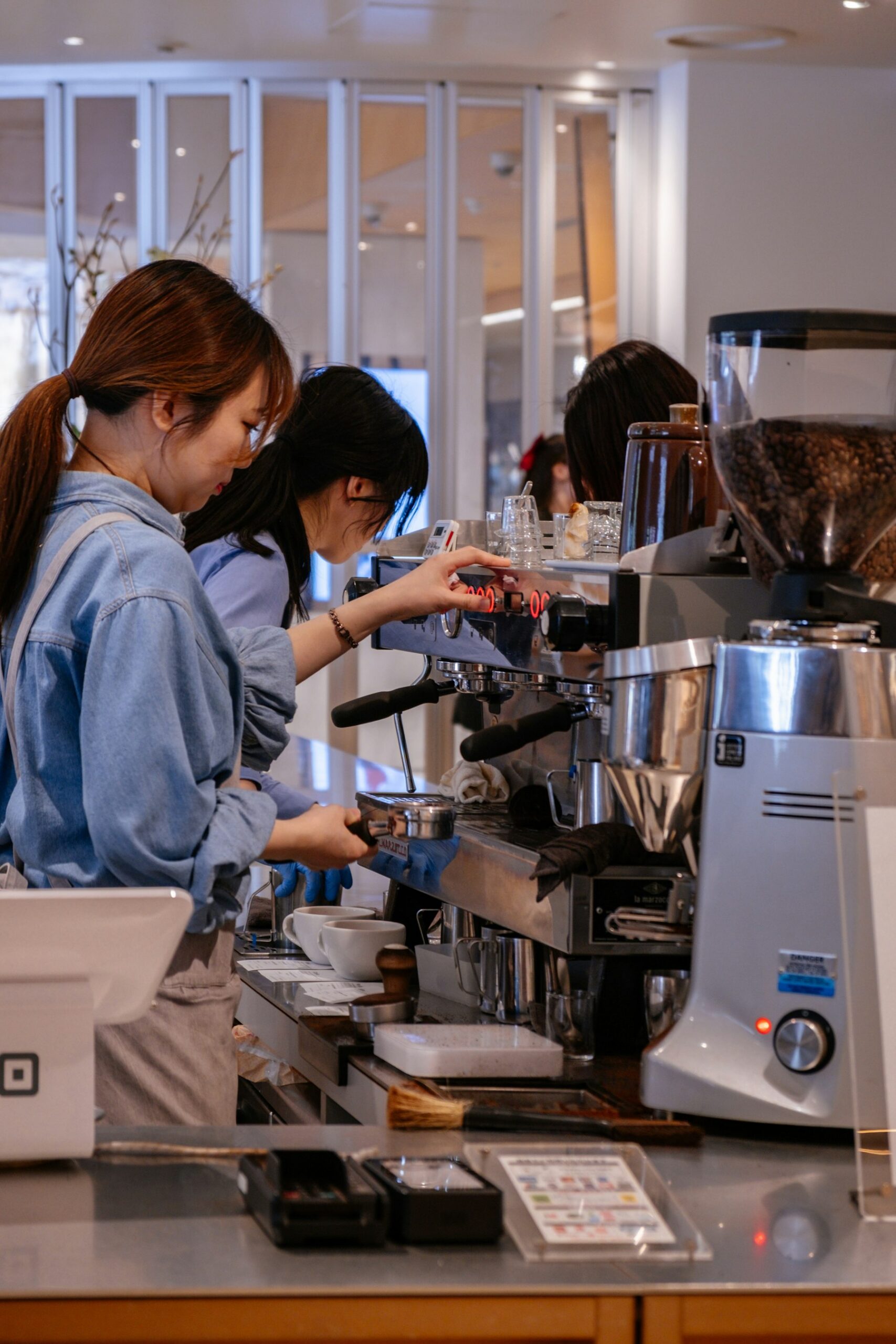
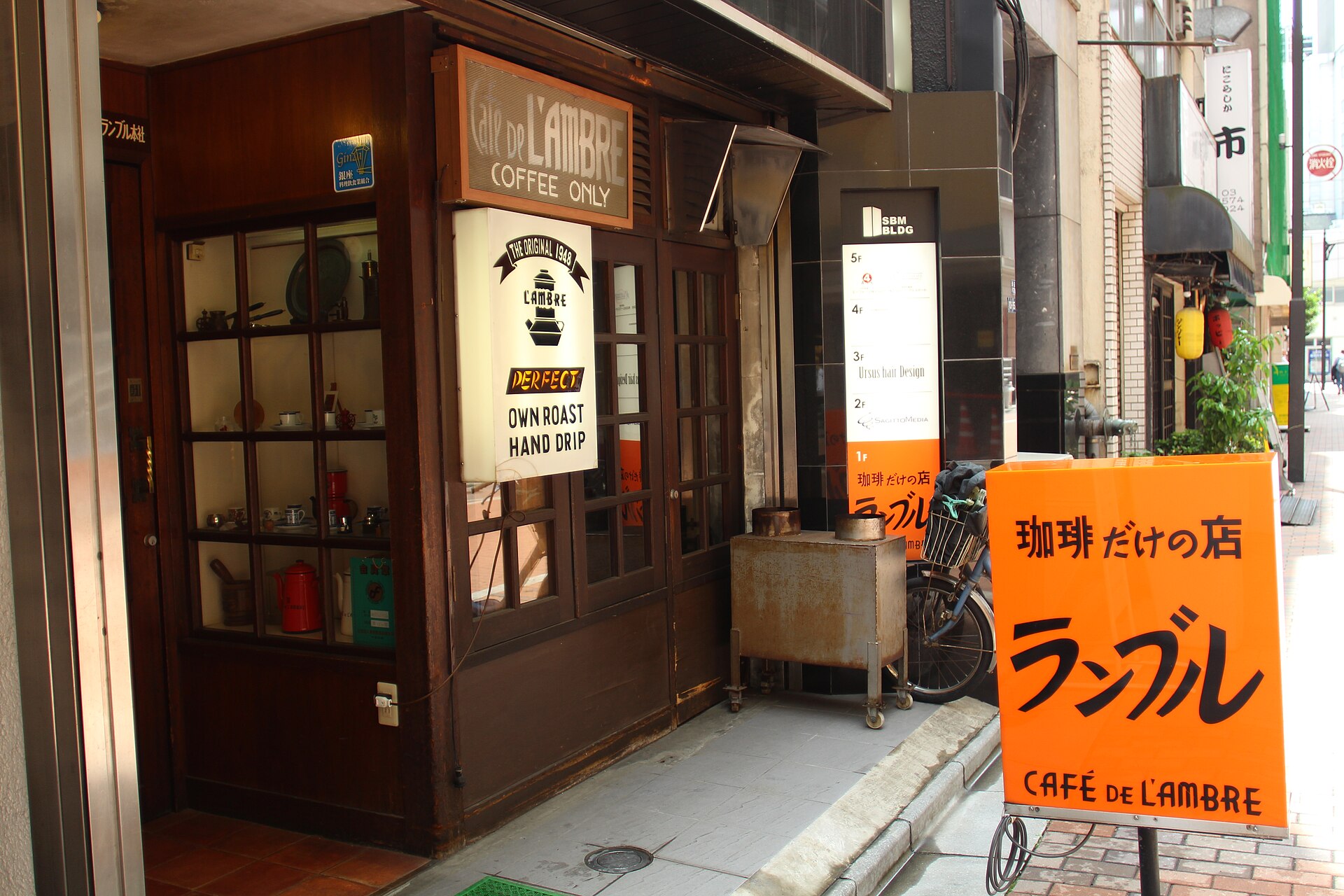
這 best coffee in Tokyo comes in two styles: specialty roasters like Glitch in Jimbocho, Fuglen in Tomigaya and Onibus in Nakameguro, and old kissaten like Café de L’Ambre in Ginza, where coffee has been brewed by hand since 1948. Expect to pay about ¥500–¥750 for a cup in 2026, and go early: the famous ones queue.
This guide lists 32 cafés and kissaten by station across Tokyo, Kyoto and Osaka, with hours and price examples checked between 19 and 21 October 2026. It also explains kissaten culture and where you can still smoke. The Kiyosumi-shirakawa roasters, including Blue Bottle’s first Japan café, have their own Kiyosumi-shirakawa guide, so they are not repeated here.
¥530
Drip coffee at Little Nap, Yoyogi
150,000+
Kissaten in Japan at the Showa-era peak (JNTO)
1934
François, Kyoto: first café listed as a cultural property
7:00
Inoda Coffee's Kyoto main shop opens
Specialty café or kissaten: what is the difference?
A specialty café sells light-to-medium roasts, single origins and espresso drinks, usually in a bright, minimal room. A kissaten (喫茶店) is the older Japanese coffee house: dark roasts, pour-over or siphon brewing, velvet booths and a short menu of Western-style food. According to JNTO, espresso drinks are usually not on a kissaten menu.
| Specialty café | Kissaten | |
|---|---|---|
| Coffee | Light roasts, single origins, espresso | Dark house blends, pour-over or siphon |
| 食物 | Pastries, toast | Napolitan spaghetti, pizza toast, sandwiches, pudding |
| Price for a cup (2026) | About ¥530–¥750 | About ¥540–¥630 |
| Payment | Cards and IC cards | Often cash only |
| Smoking | Almost always non-smoking | Some still allow it |
| Best time | Morning, before the queue | Morning set, or a slow afternoon |
Tokyo’s reputation is not just local pride. Food & Wine’s 2026 Global Tastemakers Awards named it one of the world’s top ten coffee cities, citing Glitch, Koffee Mameya and Café de L’Ambre (JapanTravel, July 2026).
Which café should you pick? Quick answers
| If you want | Go to | Why |
|---|---|---|
| The best coffee in Tokyo for an early start | Turret Coffee, Tsukiji | Opens at 7:00, near the outer market |
| Coffee late at night | Fuglen Tokyo, Tomigaya | Open to 1:00 Tuesday to Sunday |
| A Showa-era room | Café de L’Ambre, Ginza | Hand-brewed coffee since 1948 |
| A proper breakfast in Kyoto | Inoda Coffee main shop | Opens 7:00 with 211 seats |
| A cultural landmark | François Kissashitsu, Kyoto | Registered Tangible Cultural Property |
| A cup before the Shinkansen | Kurasu Kyoto | Near Kyoto Station, opens 8:00 |
| Dessert with your coffee in Osaka | Marufuku Coffee, Sennichimae | Hotcakes and coffee jelly until late |
What is kissaten culture, and how do you order?
Kissaten spread across Japan in the early 20th century and peaked in the Showa era (1926–1989), when there were more than 150,000 of them. The word junkissa (“pure kissa”) took off in the 1960s for coffee shops that served no alcohol. Many still roast their own beans (JNTO).
- Morning sets (mōningu) are usually weekday-only: coffee plus toast and a boiled egg, or something bigger.
- Jazz kissa and meikyoku kissa (classical music cafés) often ask you not to talk.
- One drink per person is the usual price of a seat, and tipping isn’t expected.
- Order the house blend first. It is what the owner roasts for.
- Carry cash. Sabouru in Jimbocho and François in Kyoto, for example, take cash only.
What to order at a kissaten
Start with the blend (burendo), the house’s own roast, then order whatever the shop is known for. Ladrio in Jimbocho is famous for Viennese coffee topped with cream. Marufuku in Osaka sells coffee jelly and thick hotcakes, and Arabiya does French toast.
For lunch, the classic order is Napolitan, spaghetti fried with ketchup, onions and sausage. Sabouru charges ¥850 for it; Junkissa American in Dotonbori does omurice for ¥930. These are the dishes that keep the best kissaten busy all day.
Can you still smoke in Japanese coffee shops?
In most, no. Tokyo’s second-hand smoke ordinance makes cafés non-smoking indoors unless they have a sealed smoking room. A café can allow smoking throughout only if it opened by 1 April 2020, has 100 m² of seating or less, is small or privately run and has no employees, and nobody under 20 may enter (Tokyo handbook).
Osaka has made restaurants and cafés with more than 30 m² of seating non-smoking indoors since 1 April 2025 (Osaka Prefecture). Kyoto’s old kissaten split both ways, so check the list below.
| Café | Smoking (as listed) |
|---|---|
| Smart Coffee, Kyoto | Fully non-smoking since 1 April 2020, e-cigarettes included |
| François, Kyoto | All rooms non-smoking |
| Inoda Coffee main shop, Kyoto | Non-smoking inside, with a smoking booth; garden seats allow smoking |
| Sabouru, Jimbocho | Non-smoking |
| Otafuku Coffee, Kyoto | Inside Kyoto lists no non-smoking area |
| Café de L’Ambre, Ginza | Japan Activity (August 2026) says smoking is allowed |
Where is the best coffee in Tokyo, station by station?
Sixteen picks, grouped by the station you will use. Hours are as published by the café or the source named in each entry.
Jimbocho: bookshop kissaten and Glitch
- Glitch Coffee & Roasters, 3-16 Kanda-Nishikicho: weekdays 8:00–19:00, weekends 9:00–19:00 (official). Light single-origin roasts. Japan Activity says queues can reach two hours, so arrive before opening.
- Sabouru, 1-11 Jimbocho, one minute from exit A7: 9:30–22:30. Coffee ¥550, Napolitan ¥850 (Mapple); non-smoking and cash only (Tabelog).
- Ladrio, 1-3 Jimbocho: 11:30–22:00, weekends 12:00–18:30 (Mapple). A dark little kissaten known for Viennese coffee.
- Gallery Coffee Kosetto, 1-7 Jimbocho: 10:00–22:30, Sundays and holidays to 20:30. Coffee from ¥540 (Mapple).
Ginza, Tsukiji and Nihonbashi
- Café de L’Ambre, Ginza 8-10-15: 11:00–20:00 (last order 19:00), Sundays and holidays 11:00–18:00, closed Mondays. Open since 1948; its blend beans cost ¥1,100 per 100 g (official).
- Café Paulista, Ginza 8-9, seven minutes from Ginza or Shimbashi: ground floor Mon–Fri 9:00–20:00, Sat 9:00–19:30, Sun 11:30–19:00 (official). Founded in 1911.
- Glitch Coffee Ginza, Ginza 4-chome: daily 8:00–18:00. Glitch Nihonbashi, Nihonbashi-Honcho 1-1-3: daily 9:00–18:00 (official).
- Turret Coffee, Tsukiji 2-12-6: 7:00–17:00 (Sundays from 8:00), Wednesday not listed. Turret Latte ¥730 (Eatbook, May 2026).
Yoyogi-Hachiman, Harajuku and Shibuya
- Fuglen Tokyo, Tomigaya 1-16-11: Tuesday–Sunday 7:00–1:00, Monday 7:00–23:00 (Eatbook). The Oslo café is a coffee bar by day and a cocktail bar at night; drip bags cost ¥300 (official).
- Little Nap Coffee Stand, Yoyogi 5-65-4, by Yoyogi Park: daily 9:00–18:00. Drip coffee ¥530, iced latte ¥580 (Eatbook).
- The Roastery, Jingumae 5-17-13, off Cat Street: daily 10:00–20:00 (Eatbook).
Nakameguro and Shimokitazawa
- Onibus Coffee Nakameguro, Kamimeguro 2-14-1: daily 9:00–18:00 (Eatbook). Trains rattle past the upstairs window.
- Bear Pond Espresso, Kitazawa 2-36-12: daily 11:00–17:30. The “Angel Stain” espresso starts at ¥700 (Eatbook). Our Shimokitazawa guide covers the rest of the area.
Shinjuku and Minami-Senju
- Tajimaya Coffee House, in Omoide Yokocho: 10:00–23:00 (last order 22:30), open daily, cash and e-money, coffee brewed through a cloth filter (shop page, details dated March 2021). See our Shinjuku guide.
- Café Bach, Nihonzutsumi 1-23-9: 10:30–18:30, closed Tuesdays and the 2nd and 4th Wednesdays (official). JNTO calls it an inspiration for Japan’s third-wave baristas.
Allpress Espresso closed its Kiyosumi-shirakawa roastery café on 30 August 2026, but some 2026 English guides still list it. Our Kiyosumi-shirakawa guide has the roasters that are still open.
Kyoto coffee shops by station
Kyoto is the best city in Japan for old kissaten, and most sit within a 15-minute walk of each other downtown.
Karasuma-Oike and Sanjo
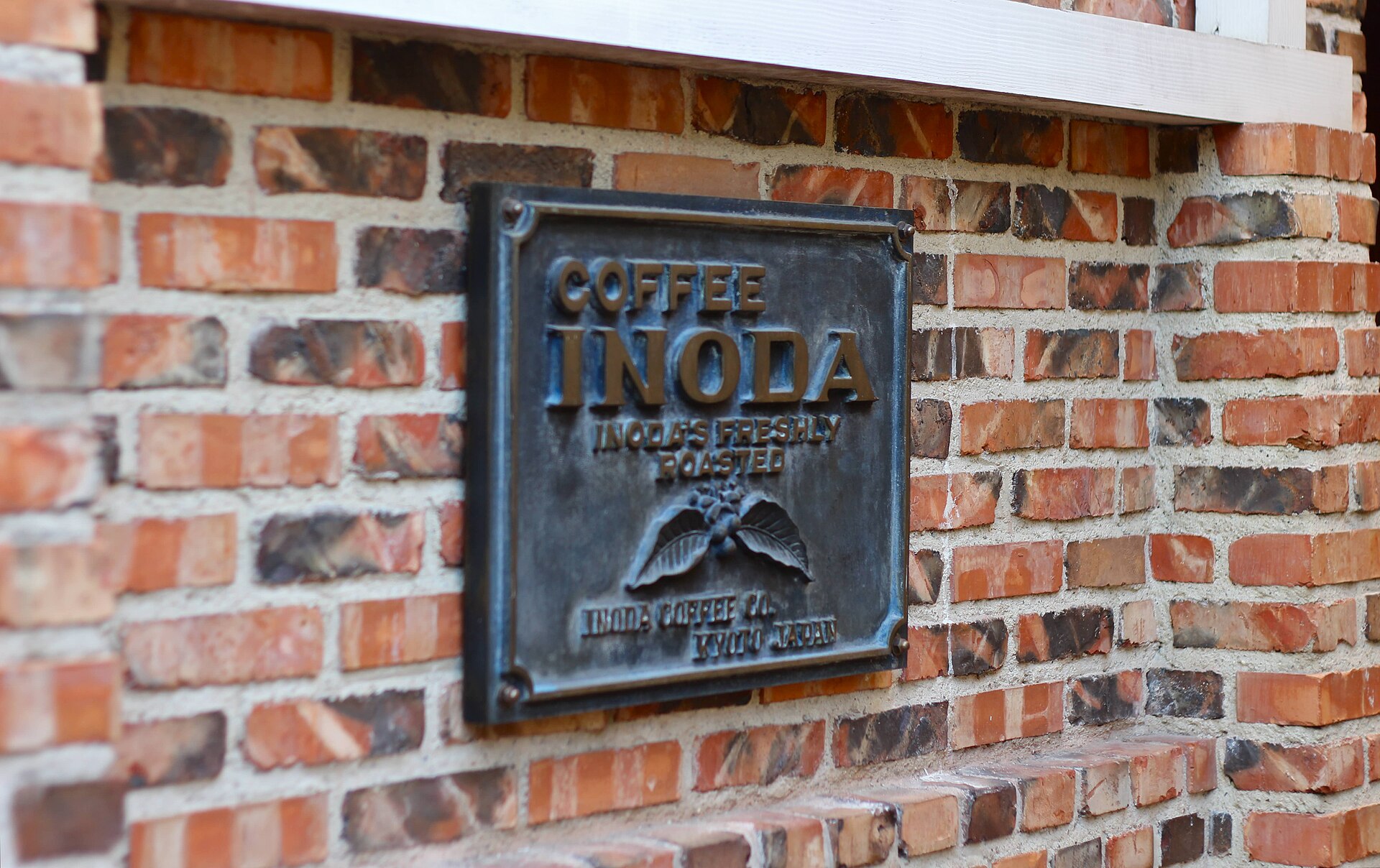
- Inoda Coffee main shop, Sakaimachi-dori Sanjo-sagaru, five minutes from Karasuma-Oike: 7:00–18:00 (last order 17:30), open daily, 211 seats, cards and IC cards accepted (official). Founded in 1940; a drip assortment from the shop costs ¥1,210.
- Maeda Coffee Muromachi main shop, Hashibenkei-cho: 7:00–18:00 daily (Magical Trip, May 2026).
- Smart Coffee, Teramachi arcade near Sanjo: a kissaten since 1932 that still roasts on site (official, JNTO). Inside Kyoto rates its egg sandwich; check hours on the official site.
- Weekenders Coffee Shinmachi, Takoyakushi-dori Muromachi: a new branch opened on 30 September 2026 (official). Hours are posted on its Instagram.
Shijo and Kawaramachi
- François Kissashitsu, Nishi-Kiyamachi Shijo-sagaru: 11:00–22:00 (drinks last order 21:30), closed 31 December–2 January, cash only (official). Open since 1934, and the first coffee shop listed as a national Registered Tangible Cultural Property.
- Otafuku Coffee, Teramachi Shijo-sagaru, one minute from Kawaramachi exit 10: 10:00–21:30, closed on the 15th of each month (Inside Kyoto).
- Ogawa Coffee Sakaimachi Nishiki, 519-1 Kikuya-cho, by Nishiki Market: 7:00–20:00, irregular closures (Magical Trip). Our Gion-Shijo station guide covers the exits.
Kyoto Station, Higashiyama, Okazaki and Arashiyama
- Kurasu Kyoto, Higashi-Aburanokoji-cho, near Kyoto Station: 8:00–18:00, closed Wednesdays (Magical Trip). Good for a cup before the Shinkansen.
- % Arabica Kyoto Higashiyama, Hoshino-cho 87-5: daily 8:00–18:00, five minutes from Higashiyama Yasui bus stop (City Bus 206 from Kyoto Station). Inside Kyoto says the seating is cramped, so take it to go (Inside Kyoto).
- Blue Bottle Coffee Kyoto, Nanzenji Kusagawa-cho 64: daily 9:00–18:00, 44 seats in a two-storey machiya over 100 years old (official).
- % Arabica Kyoto Arashiyama, beside Togetsukyo Bridge: 9:00–18:00, irregular closures (Magical Trip).
Best coffee in Osaka by station
Osaka’s kissaten are bigger and louder than Kyoto’s, with long food menus. Most of the classics are around Namba; our Namba guide fits them into a day.
- Marufuku Coffee Sennichimae main shop, Sennichimae 1-9-1, by Nipponbashi Station: 8:00–23:00 (last order 22:30). Blend ¥630, coffee jelly ¥680, hotcakes ¥800 (Mapple).
- Arabiya Coffee, Namba 1-6-7, three minutes from Namba: 12:00–18:00, weekends and holidays 10:00–19:00. A roaster since 1951; blend ¥550, French toast from ¥800 (Mapple).
- Junkissa American, Dotonbori 1-7-4: 10:00–21:45 (Tuesdays to 21:15). Omurice ¥930, beef cutlet sandwich ¥1,600 (Mapple).
- Glitch Coffee Osaka, Nakanoshima Festival Tower West 1F: weekdays 8:00–19:00, weekends 9:00–19:00 (official).
- The Coffee Coffee Coffee, Minami-Horie 3-1-23, three minutes from Nishi-Nagahori: a stand that roasts daily on an open-flame roaster, medium-dark to dark (Mapple).
A one-day coffee route in each city
These routes use the opening hours above, so you are never waiting outside a shut door.
- Tokyo: Glitch in Jimbocho at 8:00 on a weekday, before the queue builds. Walk the bookshops, then have Napolitan at Sabouru for lunch. Head to Ginza for Café de L’Ambre in the afternoon (not Mondays), and finish at Fuglen Tokyo, which serves coffee and cocktails until late.
- Kyoto: breakfast at Inoda Coffee’s main shop from 7:00. Walk south to Nishiki Market and Ogawa Coffee, then spend the afternoon at François near Shijo-Kawaramachi. Skip Otafuku if it is the 15th.
- Osaka: start at Glitch Osaka in Nakanoshima (8:00 on weekdays), then head south to Namba. Have lunch at Junkissa American on Dotonbori, coffee at Arabiya after it opens at 12:00, and dessert at Marufuku, open until 23:00.
Want more than coffee? The best coffee in Tokyo is easy to fit around sightseeing, because Ginza and Tsukiji are a short walk apart. In Kyoto, the downtown coffee shops sit between Nishiki Market, the Teramachi arcade and the Kamo River, so you can walk the whole route. In Osaka, Namba’s kissaten are a few minutes from Dotonbori and Kuromon Market.
How much does coffee cost in Japan in 2026?
| Where | Example | Price |
|---|---|---|
| Chain café | Doutor blend (S), from 23 July 2026 | ¥300 |
| Kissaten | Arabiya blend, Osaka | ¥550 |
| Kissaten | Sabouru coffee, Jimbocho | ¥550 |
| Kissaten | Marufuku blend, Osaka | ¥630 |
| Specialty | Little Nap drip coffee, Tokyo | ¥530 |
| Specialty | Turret Latte, Tsukiji | ¥730 |
| Beans | Café de L’Ambre blend, 100 g | ¥1,100 |
The Doutor price is from Pricey; the others are from the café sources above. Our Japan travel cost guide puts coffee into a full daily budget.
Know before you go
Go at opening
Glitch, Fuglen and the Kyoto kissaten fill fast. The first hour is calmest.
Carry cash
Many kissaten, including Sabouru and François, take cash only.
One drink each
A seat comes with an order. Sharing one cup between two is frowned on.
Check the 15th
Otafuku in Kyoto closes on the 15th of every month.
Ask before photos
Kissaten owners often ban photos of other guests or the counter. Ask first.
Pace yourself
Two or three coffees a day is plenty. Mix in a hojicha latte.
Best coffee in Tokyo, Kyoto and Osaka: FAQ
Where is the best coffee in Tokyo?
For specialty coffee, Glitch in Jimbocho, Fuglen in Tomigaya and Onibus in Nakameguro. For a classic kissaten, Café de L’Ambre in Ginza, which has brewed coffee since 1948.
How much is a coffee in Tokyo?
About ¥300 at a chain like Doutor, ¥550–¥630 at a kissaten and ¥530–¥750 at a specialty café in 2026.
What is a kissaten?
A traditional Japanese coffee house serving dark-roast, hand-brewed coffee and Western-style food such as Napolitan spaghetti and pizza toast. They peaked in the Showa era.
Can you smoke in cafés in Japan?
Mostly not. Tokyo and Osaka rules make most cafés non-smoking indoors, but a few small kissaten still allow it.
What are the best Kyoto coffee shops?
Inoda Coffee’s main shop, François, Smart Coffee and Otafuku for kissaten; % Arabica, Kurasu and Weekenders for specialty coffee.
Is Allpress in Kiyosumi-shirakawa still open?
No. It closed its Tokyo roastery café on 30 August 2026.
Do Japanese cafés open early?
Some do. Inoda and Maeda in Kyoto open at 7:00, as do Turret Coffee and Fuglen in Tokyo.
Sources and how we checked
We checked the hours, prices and smoking rules between 19 and 21 October 2026 against the cafés’ official sites and the linked sources: JNTO, the Tokyo Metropolitan Government, Osaka Prefecture, Mapple, Inside Kyoto and recent 2026 guides. Small cafés change their hours often, so check Instagram the day before.
Plan your coffee trip with Japan Pro
Tell Japan Pro your route and we will help you book food tours, experiences and stays near the best cafés in Tokyo, Kyoto and Osaka.
 English
 Japanese
 Chinese (Taiwan)
 Chinese (China)
 Korean
 French
 Italian
 Thai