
Japan Itinerary 2 Weeks (2027): Day-by-Day Route & Costs
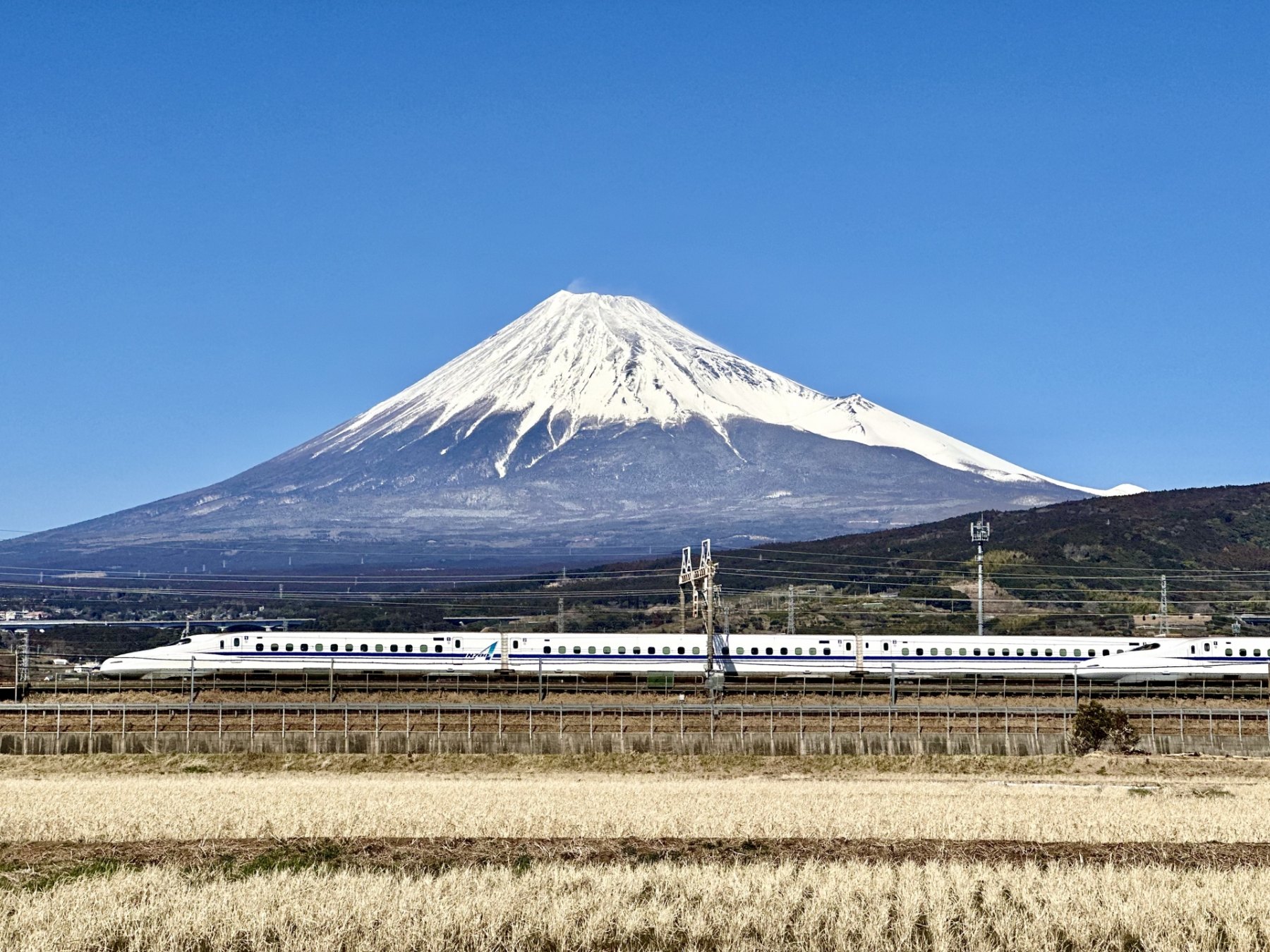
The best Japan itinerary for 2 weeks on a first trip is Tokyo (4 nights), Hakone (1), Kyoto (4), Hiroshima (2) and Osaka (2), flying into Tokyo and home from Osaka’s Kansai Airport. On this route, every train and pass costs about ¥42,000 per person in 2026–27 fares, so the ¥80,000 14-day JR Pass does not pay off.
That is the short answer to planning a Japan itinerary 2 weeks long. Below: a 14-row day-by-day table with where to sleep, each train leg and a daily spend, a quieter variant that swaps Hiroshima for Kanazawa and Takayama, honest rail-pass maths for 2027, a cost table in yen and US dollars, and the tickets you need to book before you fly. All fares and dates were checked on 12 November 2026.
¥42,000
All trains and passes, classic route, per adult
¥80,000
14-day JR Pass bought on the official site
¥3,000
Departure tax per person since 1 July 2026
1 Jul 2027
Nozomi reserved fares rise for tickets bought from this date
Japan itinerary 2 weeks: the day-by-day table
This Japan itinerary for 2 weeks runs one way, east to west, so you never backtrack. The spend column is our mid-range estimate per person, excluding your bed: food, local transport, tickets and the day’s long-distance train or pass.
| Day | Where | What you do | Sleep | Transport leg | ¥ spend* |
|---|---|---|---|---|---|
| 1 | Tokyo | Land, check in, evening in Shinjuku | Tokyo | N’EX Narita–Tokyo ¥3,140 | ¥10,000 |
| 2 | Tokyo | Asakusa, Senso-ji, Ueno, Skytree at dusk | Tokyo | Subway or JR on an IC card | ¥9,500 |
| 3 | Tokyo | Meiji Jingu, Harajuku, Shibuya, Shibuya Sky | Tokyo | IC card | ¥10,000 |
| 4 | Tokyo | teamLab Planets, Toyosu, Ginza | Tokyo | IC card | ¥11,000 |
| 5 | Hakone | Romancecar, Open-Air Museum, onsen | Hakone ryokan | Hakone Freepass ¥7,100 + Romancecar seat ¥1,200 | ¥16,000 |
| 6 | Hakone → Kyoto | Ropeway, Owakudani, Lake Ashi; train west | Kyoto | Shinkansen Odawara–Kyoto ¥12,300 | ¥17,000 |
| 7 | Kyoto | Fushimi Inari at dawn, Kiyomizu-dera, Gion | Kyoto | Train and walking | ¥8,000 |
| 8 | Kyoto | Arashiyama early, Kinkaku-ji | Kyoto | JR, subway, bus | ¥8,500 |
| 9 | Nara | Todai-ji, Nara Park, Naramachi | Kyoto | JR about ¥720 each way | ¥8,500 |
| 10 | Hiroshima | Peace Memorial Park and museum | Hiroshima | Kansai-Hiroshima Area Pass ¥17,000 (day 1 of 5) | ¥25,000 |
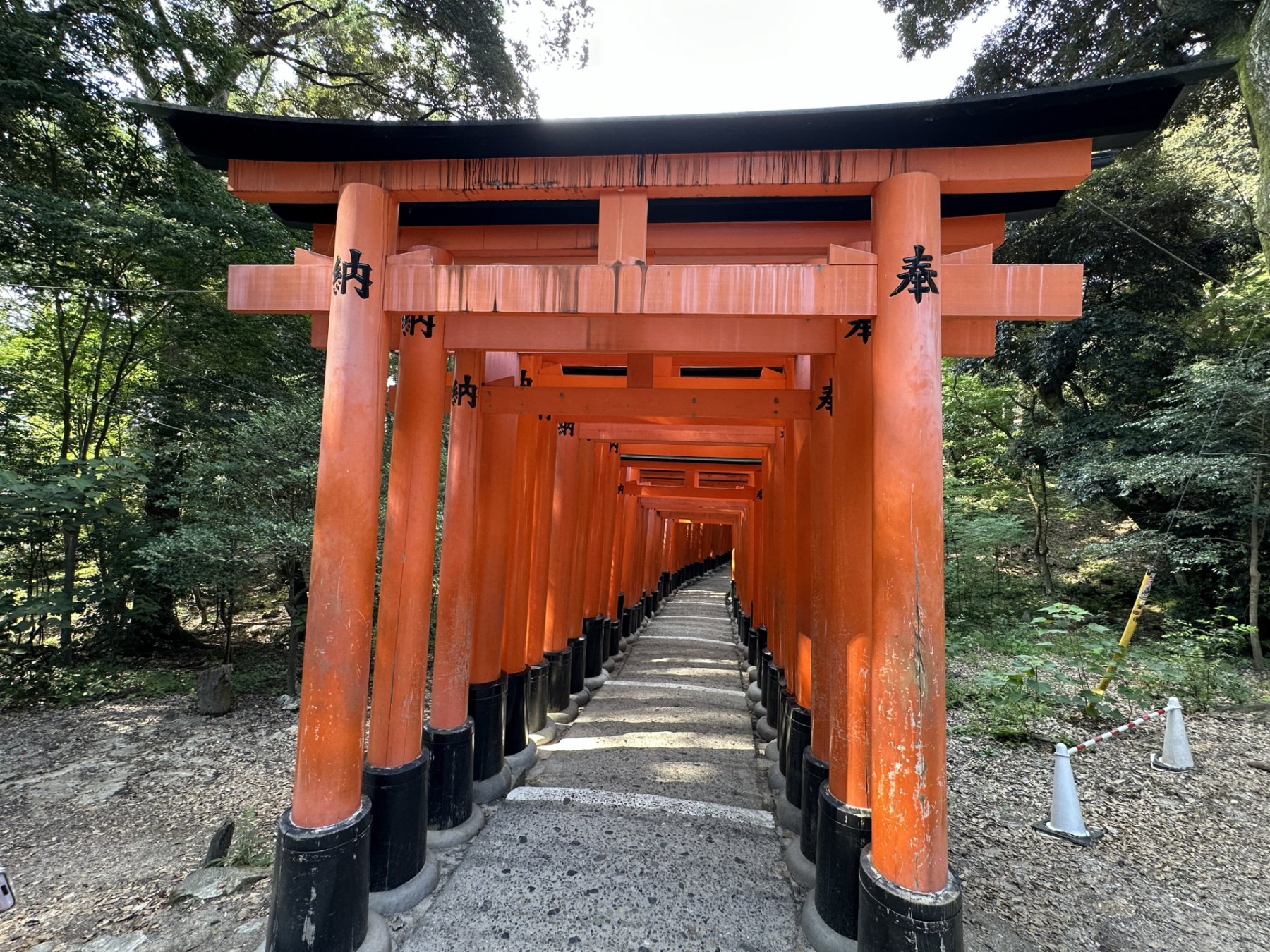
| 11 | Miyajima | Itsukushima Shrine, Mt Misen | Hiroshima | Pass covers JR and ferry; ¥100 island tax | ¥8,000 |
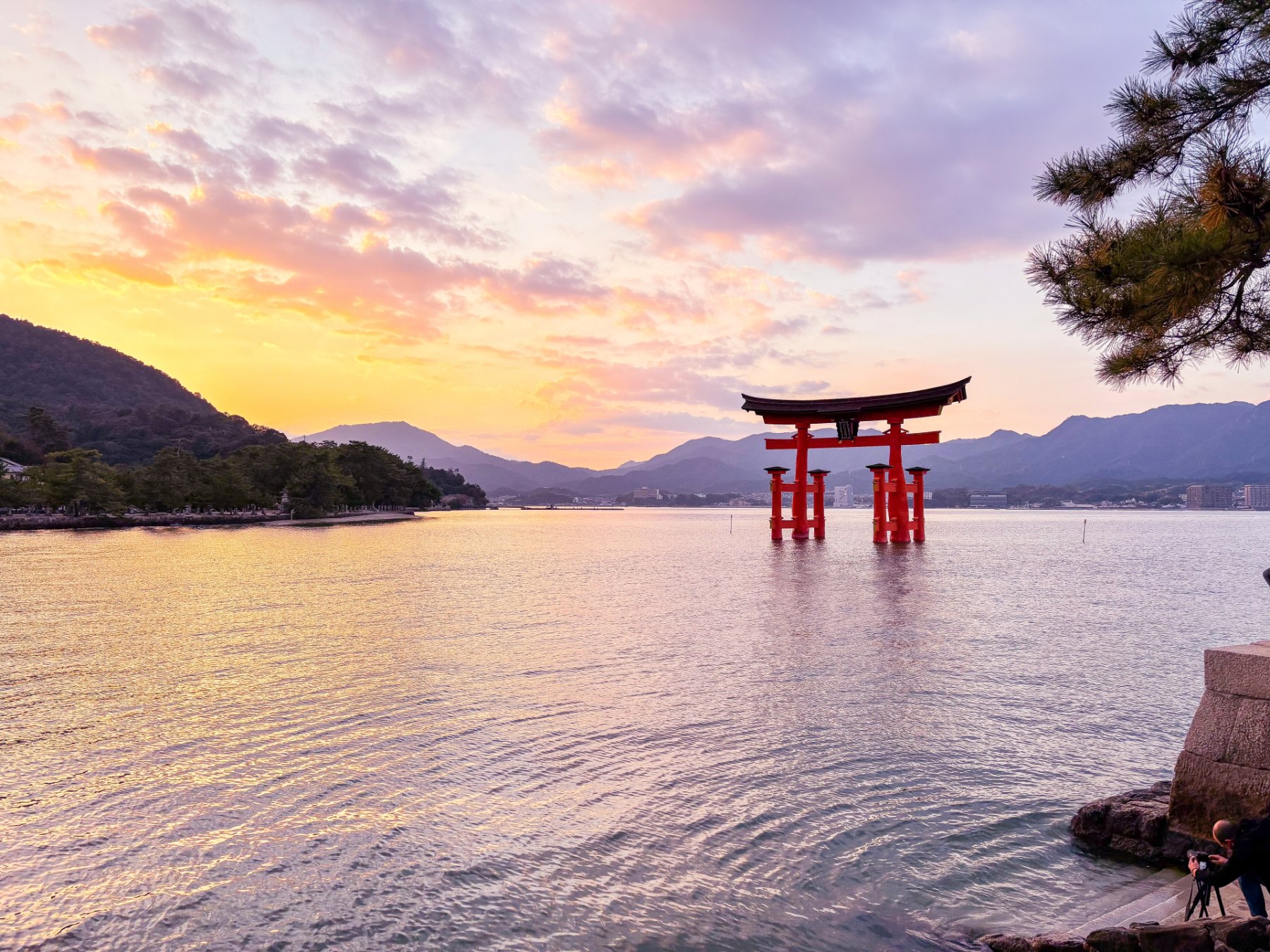
| 12 | Osaka | Osaka Castle, Dotonbori at night | Osaka | Pass: Shinkansen Hiroshima–Shin-Osaka | ¥7,000 |
| 13 | Osaka | Kuromon, Shinsekai, Umeda; or Universal Studios | Osaka | Pass: JR Osaka Loop Line | ¥8,000 |
| 14 | Departure | Last shopping, tax refund at the airport | — | Pass: Haruka to Kansai Airport | ¥5,000 |
*Estimates per adult, excluding accommodation. Fares are adult, regular season, from JR, Odakyu and JR West pages checked 12 November 2026.
Japan itinerary 2 weeks, less-crowded variant: Kanazawa and Takayama
For 14 days in Japan with fewer crowds, swap Hiroshima and Osaka for the Japan Alps side if you have seen the A-bomb story elsewhere or want fewer tour groups. Days 1–9 stay the same. You lose Osaka’s food scene; you gain a samurai-era garden city, a UNESCO village of thatched farmhouses and a mountain old town.
| Day | Where | What you do | Sleep | Transport leg | ¥ spend* |
|---|---|---|---|---|---|
| 10 | Kanazawa | Kenrokuen, Higashi Chaya district | Kanazawa | Thunderbird + Hokuriku Shinkansen via Tsuruga ¥7,720 | ¥15,000 |
| 11 | Kanazawa | Omicho Market, 21st Century Museum | Kanazawa | Bus or walking | ¥8,000 |
| 12 | Shirakawa-go → Takayama | Gassho farmhouses, viewpoint | Takayama | Nohi Bus ¥2,900 + ¥2,900 (from 1 Dec 2026) | ¥13,000 |
| 13 | Takayama | Morning markets, Takayama Jinya, Hida beef | Takayama | Walking | ¥9,000 |
| 14 | Nagoya → Osaka | Ltd Exp Hida south; fly out of Kansai or Chubu Centrair (add a day here for Ghibli Park) | — | Hida ¥6,140 + Shinkansen Nagoya–Shin-Osaka ¥6,470 | ¥15,000 |
Nohi Bus fares between Kanazawa, Shirakawa-go and Takayama rise from ¥2,800 to ¥2,900 on 1 December 2026, and some runs need a reservation (Nohi Bus). For the full plans, see our Kanazawa itinerary and Takayama and Shirakawa-go weekend.
What do you do each day on this Japan itinerary 2 weeks plan?
Days 1–4: Tokyo
Four nights is enough for a first look. Group sights by area: east (Asakusa, Ueno, Skytree), west (Harajuku, Shibuya, Shinjuku), and the bay (teamLab Planets, Toyosu, Ginza). Pick one hotel and stay put; our where to stay in Tokyo guide compares areas, and the first time in Tokyo guide covers the basics.
From Narita, the N’EX costs ¥3,140 to Tokyo Station and ¥3,330 to Shinjuku or Shibuya (JR East); other options are in our Narita Airport to Tokyo guide. Load a Suica or other IC card for subways and buses.
Days 5–6: Hakone
Take the Odakyu Romancecar from Shinjuku. The 2-day Hakone Freepass from Shinjuku costs ¥7,100 and the Romancecar seat is ¥1,200 extra (Odakyu). It covers the mountain railway, cable car, ropeway, pirate ship and buses, so you can do the loop on day 6 before heading west.
Winter catch: the Hakone Ropeway closes between Owakudani and Sounzan from 7 to 24 December 2026, and between Togendai and Owakudani from 12 January to 26 February 2027, with replacement buses. Our Hakone itinerary has the timings. On day 6, ride the bus or train down to Odawara and take a Hikari or Kodama to Kyoto: ¥12,300 reserved, ¥11,770 unreserved (JR fare table). Sit in seat E for Mt Fuji.
Days 6–9: Kyoto and Nara
Start early. Fushimi Inari before 8am and Arashiyama before 9am are a different experience from midday. Base yourself near a station rather than on a bus route; our where to stay in Kyoto guide explains why, and things to do in Kyoto lists what to see.
City buses charge a flat ¥230 for adults (Kyoto City). Kyoto plans a higher fare for visitors than for residents, aimed for within fiscal 2027 but not yet final. Book one evening for a maiko dinner. Nara is about 45 minutes away on the JR Miyakoji Rapid; for the quieter side, see our quiet temples in Nara.
Days 10–11: Hiroshima and Miyajima
Activate the Kansai-Hiroshima Area Pass on day 10. Take a JR rapid to Shin-Osaka, then the Sanyo Shinkansen to Hiroshima. The Peace Memorial Museum costs ¥200 for adults and opens 7:30am–7pm from September to November and 7:30am–6pm from December to February; it closes on 30–31 December (museum).
On day 11, take JR to Miyajimaguchi and the JR ferry across. Hatsukaichi City charges a ¥100 visitor tax when you board, even with a pass (JR West). Sleep in Hiroshima, or on the island if you want the shrine after the day-trippers leave.
Days 12–14: Osaka
Ride the Shinkansen back to Shin-Osaka on the pass. Stay near Namba for street food and nightlife (our Namba guide has details) or Umeda for the airport train. On day 14, the Haruka to Kansai Airport is covered by the pass; without one, the Haruka one-way ticket rose to ¥1,900 from Osaka or Shin-Osaka for tickets bought from 1 November 2026 (JR West).
Is the JR Pass worth it for 2 weeks in Japan in 2027?
No, not for this 2 week Japan itinerary. The 14-day ordinary JR Pass costs ¥80,000 on the official website and ¥84,000 from overseas agents; the 7-day pass is ¥50,000 or ¥53,000 (Japan Rail Pass). The JR legs on the classic route add up to roughly ¥43,000 at single-ticket prices.
| Option | What you pay (adult) | Verdict |
|---|---|---|
| 14-day JR Pass | ¥80,000 online | Loses about ¥37,500 against single tickets |
| 7-day JR Pass (days 6–12) | ¥50,000 online | JR legs in that week cost about ¥37,500; still a loss |
| All single tickets | About ¥43,000 for JR legs | Simple, flexible |
| Smart mix: singles to Kyoto + Kansai-Hiroshima Area Pass | About ¥42,000 including Hakone | Best value; the pass saves about ¥8,600 |
How the smart mix works: buy the N’EX (¥3,140), Hakone Freepass and Romancecar (¥8,300) and Odawara–Kyoto Shinkansen (¥12,300, or ¥12,100 on smartEX) as single tickets. Then use the ¥17,000 Kansai-Hiroshima Area Pass for five consecutive days, days 10–14.
That pass covers the Sanyo Shinkansen between Shin-Osaka and Hiroshima, the Miyajima ferry, JR lines in the Kansai area and the Haruka (JR West), including Nozomi and Mizuho trains on the Sanyo section. It does not cover the Tokaido Shinkansen between Kyoto and Shin-Osaka, so take the JR rapid. Those five days would cost about ¥25,600 in single tickets: ¥580 Kyoto–Shin-Osaka, ¥10,950 each way to Hiroshima, ¥1,240 for Miyajima, ¥1,900 for the Haruka.
The variant route is different: its singles total about ¥53,000 including Hakone, and no single pass covers Kyoto, Kanazawa, Takayama and Nagoya, so buy point-to-point. If you add Tokyo–Kyoto round trips or Hiroshima–Tokyo, rerun the maths with our JR Pass calculator guide.
When are Nozomi trains all-reserved, and what changes in 2027?
On peak dates, every Nozomi seat between Tokyo and Hakata is reserved, so you cannot board in an unreserved car. JR Central lists these periods (JR Central):
- 21–23 November 2026 (Labour Thanksgiving Day weekend)
- 25 December 2026 – 5 January 2027 (New Year)
- 9–11 January 2027 (Coming of Age Day weekend)
- 20–22 March 2027 (spring equinox weekend)
- Golden Week, Obon and later 2027 dates: not yet announced
On those dates, book ahead or use a Hikari, which keeps unreserved cars. JR Pass holders need a NOZOMI MIZUHO ticket on top: ¥4,960 Tokyo–Kyoto and ¥6,500 Tokyo–Hiroshima (Japan Rail Pass).
The 2027 change: Nozomi and Mizuho reserved fares rise for tickets bought from 1 July 2027, and Green Car fees rise for travel from 15 December 2027. Shin-Osaka–Hiroshima reserved goes from ¥10,950 to ¥11,210; unreserved seats and Hikari reserved fares do not change. Details and more routes are in our Shinkansen fare increase 2027 explainer; booking tips are in how to book Shinkansen tickets.
How much does a Japan itinerary 2 weeks trip cost?
The figures below are for one adult on this Japan itinerary 2 weeks route, excluding international flights, and are our own estimates built from the fares and prices checked for this guide.
For one adult sharing a double room on this Japan itinerary, 2 weeks costs about ¥186,000 on a budget, ¥406,000 mid-range and ¥859,000 for comfort, before flights. US dollar figures use ¥158 to the dollar, the Bank of Japan’s Tokyo rate on 6 November 2026.
| Per person, 14 days | Budget | Mid-range | Comfort |
|---|---|---|---|
| Beds (13 nights) | ¥58,500 (hostels, capsules, ¥4,500/night) | ¥210,000 (half a ¥30,000 double; ryokan night ¥30,000) | ¥480,000 (half a ¥70,000 double; ryokan ¥60,000) |
| Food | ¥56,000 (¥4,000/day) | ¥98,000 (¥7,000/day) | ¥210,000 (¥15,000/day) |
| Local transport | ¥14,000 | ¥21,000 | ¥42,000 (some taxis) |
| Trains and passes | ¥42,000 | ¥42,000 | ¥47,000 (Green Car to Kyoto) |
| Sights and experiences | ¥15,000 | ¥35,000 | ¥80,000 |
| Total (¥) | About ¥186,000 | About ¥406,000 | About ¥859,000 |
| Total (US$) | About $1,170 | About $2,570 | About $5,440 |
Room and food benchmarks come from our Japan travel cost guide and our Tokyo and Kyoto hotel price checks from November 2026. Add these 2026–27 taxes, which many cost guides still miss:
- Departure tax: ¥3,000 per person from 1 July 2026, usually inside your airfare; under-2s are exempt (Japan Tourism Agency).
- Tokyo: ¥100–¥200 per person per night now; from stays on 1 April 2027, 3% of the room rate when it is ¥13,000 or more per person per night (Tokyo Metropolitan Government).
- Kyoto: ¥200 to ¥10,000 per person per night since 1 March 2026; ¥400 for ¥6,000–¥19,999 (Kyoto City).
- Osaka: ¥200–¥500 per person per night above ¥5,000 (Osaka).
- Hiroshima Prefecture: ¥200 per person per night for rooms of ¥6,000 or more, since 1 April 2026 (Hiroshima Prefecture).
For a mid-range traveller on this route, that is about ¥3,600 in lodging taxes over 13 nights, or about ¥4,600 for stays from April 2027 once Tokyo’s 3% rate applies.
What to book before you fly on a Japan itinerary 2 weeks trip
Popular tickets sell out weeks ahead, so lock these in as soon as your Japan itinerary 2 weeks dates are fixed.
On a Japan itinerary of 2 weeks, most tickets can be bought on the day. These cannot, or sell out:
- Ghibli Park (variant route, near Nagoya): tickets go on sale two months ahead, on the 10th at 2pm Japan time. January 2027 opened on 10 November 2026; February 2027 is expected on 10 December 2026. Standard pass ¥3,300 weekdays, ¥3,800 weekends (Ghibli Park; more in our Ghibli Park tickets guide).
- teamLab Planets: adults ¥3,800, dynamic pricing, not sold on site. Open 8am–10pm; closed 3 December 2026 and 14 January 2027 (years inferred from the weekdays listed); runs until the end of 2027 (teamLab).
- Shibuya Sky: ¥2,700 online before 3pm, ¥3,400 from 3pm; counter tickets cost ¥300 more, and if online sells out, so does the counter (GO TOKYO). Online sales open two weeks ahead; sunset slots go first.
- Tokyo Skytree: Tembo Deck from ¥1,800, combo with the Galleria from ¥3,000; same-day counter tickets carry a ¥500 fee (Tokyo Skytree).
- Hakone ryokan and Kyoto hotels for November and spring: book months ahead.
- Shinkansen seats on all-reserved dates: smartEX sells Tokaido seats up to a year ahead, with the train confirmed one month before (smartEX).
Know before you go
Big suitcase rule
On the Tokaido and Sanyo Shinkansen, bags of 161–250 cm (length + width + height) need a seat with an oversized baggage area, booked free in advance; otherwise you pay ¥1,000.
Send bags ahead
Forward your big case from Tokyo to your Kyoto hotel and take an overnight bag to Hakone. Hotel front desks arrange it.
Fuji side
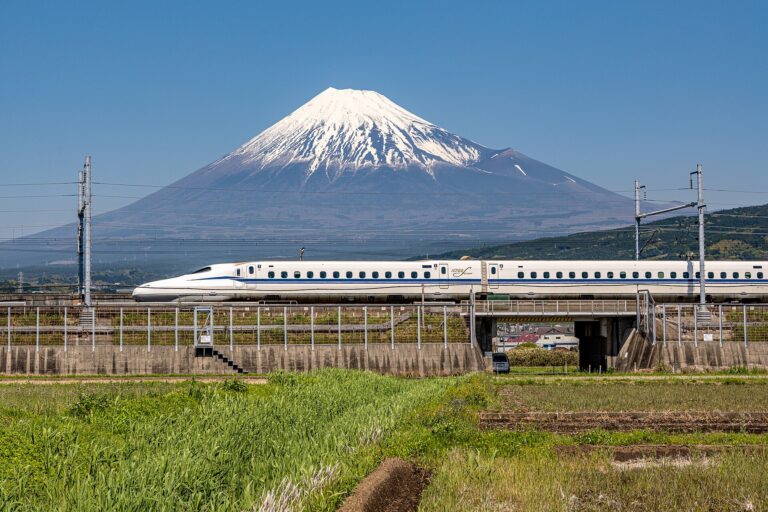
Heading west from Odawara, seat E (D in the Green Car) faces Mt Fuji.
Tax-free is now a refund
Since 1 November 2026 you pay the tax at the till, then claim it back at departure if you spent ¥5,000 or more per shop per day.
Do customs before check-in
The tax-free check happens before you check in your luggage; once bags are checked, you cannot show the goods.
Walk Kyoto's mornings
Fushimi Inari before 8am and Arashiyama before 9am beat any skip-the-line ticket.
Tax-free rules: present your passport at a tax-free terminal within 90 days of purchase, and keep the goods unused (JNTO). Step-by-step details are in our Japan tax refund guide.
Japan itinerary 2 weeks FAQ
Is 2 weeks enough for Japan?
Yes, for a first trip covering Tokyo, Hakone, Kyoto, Nara, Hiroshima and Osaka at a steady pace. Two weeks does not cover Hokkaido, Kyushu or Okinawa as well; save those for a second trip.
Is the JR Pass worth it for 2 weeks in Japan?
Not on a one-way Tokyo–Hiroshima–Osaka route. The 14-day pass costs ¥80,000 online, while single tickets plus a ¥17,000 Kansai-Hiroshima Area Pass come to about ¥42,000 including Hakone.
How much does a 2-week trip to Japan cost?
About ¥186,000 per person on a budget, ¥406,000 mid-range and ¥859,000 for comfort, sharing a double room and excluding flights. That is roughly US$1,170, $2,570 and $5,440 at ¥158 to the dollar.
Should I fly into Tokyo and out of Osaka?
Yes, if you can. An open-jaw ticket into Tokyo and out of Kansai Airport saves a return Shinkansen trip of over ¥14,000 and a day of travel.
What is the best order for 14 days in Japan?
Tokyo first, then Hakone, Kyoto, Nara, Hiroshima and Osaka. The route runs west without backtracking and puts the busiest city at the start, when jet lag wakes you early.
Do I need to book Shinkansen seats in advance?
Usually not, but you should on Nozomi all-reserved dates: 21–23 November 2026, 25 December 2026–5 January 2027, 9–11 January 2027 and 20–22 March 2027. Hikari trains keep unreserved cars.
How does tax-free shopping work in Japan now?
Since 1 November 2026, you pay the full price including tax and claim the refund at departure. Spend ¥5,000 or more per shop per day, keep the goods unused and do the customs check before checking in your bags.
Sources and how we checked
Fares, pass prices, Nozomi all-reserved dates, taxes and ticket sale dates were checked on 12 November 2026 against Japan Rail Pass, JR Central, JR West, JR East, Odakyu, the Japan Tourism Agency, JNTO, the Tokyo, Kyoto, Osaka and Hiroshima tax pages, Nohi Bus and the attraction sites linked above. Some Shinkansen fares come from the fare tables at jr-shinkansen.net (updated September 2026). Daily spends and the cost table for this Japan itinerary 2 weeks plan are our estimates. For general planning, see JNTO and our Tokyo to Kyoto comparison.
Fill your two weeks in Japan
Japan Pro can book tours, maiko dinners, tea ceremonies and other experiences in Tokyo, Hakone, Kyoto, Hiroshima and Osaka along this route.

 English
 Japanese
 Chinese (Taiwan)
 Chinese (China)
 Korean
 French
 Italian
 Thai