
Where to Stay in Tokyo 2026–27: Best Areas & Real Prices
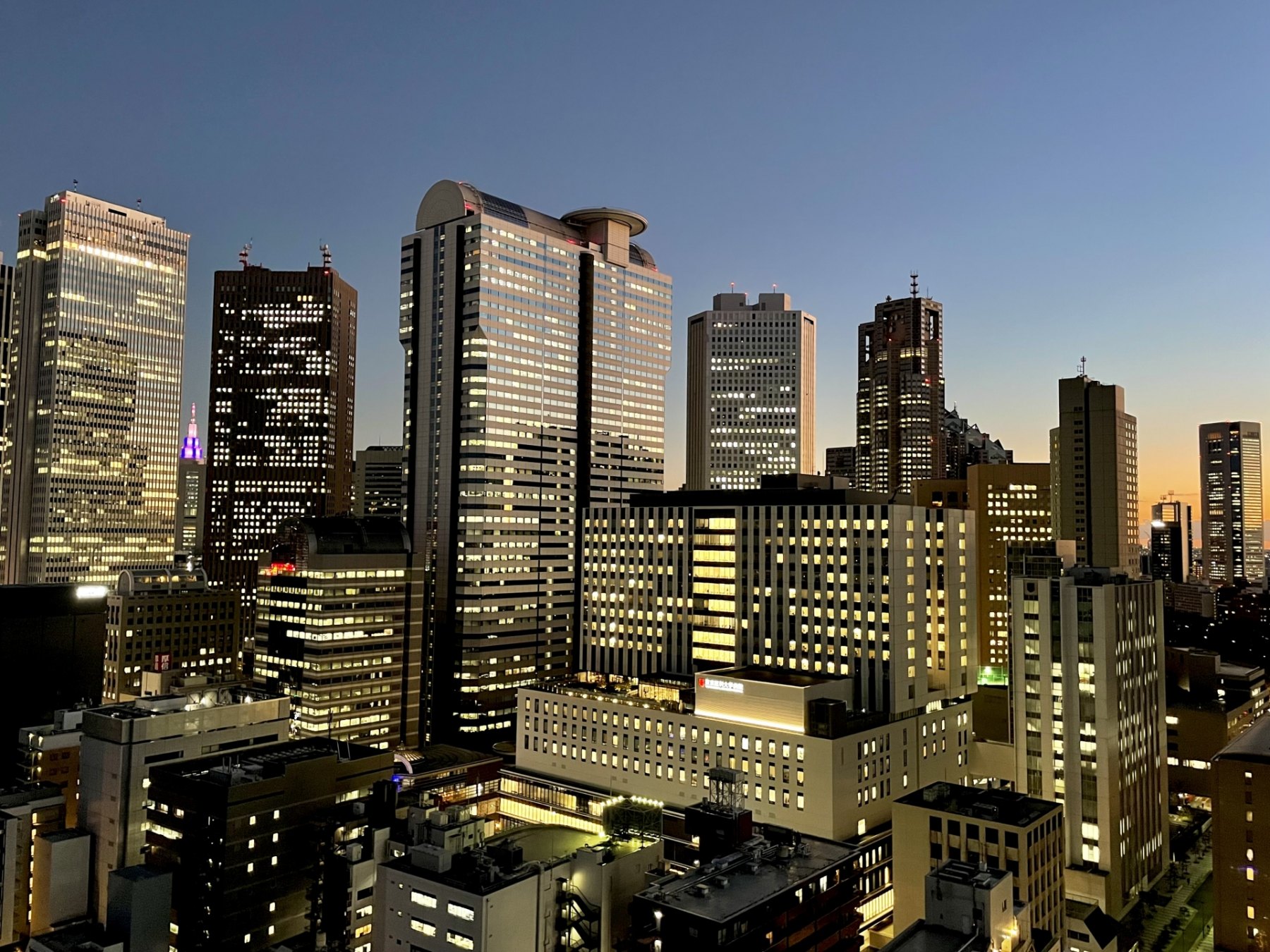
The best place to stay in Tokyo for most first-timers is Shinjuku, Shibuya or the Tokyo Station–Ginza area, because all three sit on the JR Yamanote Line and get you almost anywhere in under 30 minutes. If you are on a budget, arriving at Narita, or travelling with kids, Ueno, Asakusa and Ikebukuro usually give you more for less money.
That is the short answer to where to stay in Tokyo. The long one depends on four things most guides skip: what a room really costs this winter, how late the last train runs from the bars back to your bed, how far you are from your airport, and how you will move your suitcase. This guide covers eight areas by trip type, with prices read from Booking.com area pages on 2 November 2026, official airport and rail times, and two rule changes coming up: new minpaku limits in Ikebukuro’s Toshima ward from 16 December 2026 and a new Tokyo hotel tax from 1 April 2027.
00:44
Last weekday Yamanote from Shinjuku (to Ikebukuro)
11 min
Haneda to Shinagawa, fastest Keikyu
16 Dec 2026
Toshima ward minpaku limits start
3%
Tokyo hotel tax from 1 April 2027
Where to stay in Tokyo: the quick answer by trip type
| Trip type | Best areas | Why | Watch out for |
|---|---|---|---|
| First time, 3–5 nights | Shinjuku, Shibuya | Yamanote Line hubs, food and nightlife on the doorstep | Huge stations; Kabukicho touts |
| First time, then shinkansen to Kyoto | Tokyo Station / Ginza | Shinkansen and N’EX at the door; calm at night | Quiet late; higher prices |
| Families | Tokyo Station, Ueno, Ikebukuro | Parks, museums, an aquarium; big hotels with family rooms | Ikebukuro minpaku limits from 16 Dec 2026 |
| Nightlife | Shinjuku, Shibuya, Roppongi | Bars open past the last train | Drink spiking and overcharging reported in some districts |
| Budget | Asakusa, Ikebukuro, Ueno, outer Shinagawa | Chain hotels listed from about ¥19,000 a night | Longer rides to Shibuya and Roppongi |
| Luxury | Marunouchi / Ginza, Roppongi | Imperial, Peninsula, Ritz-Carlton, Grand Hyatt | Rooms from about ¥100,000 a night |
| Haneda flights | Shinagawa, Hamamatsucho | Keikyu to Haneda in 11–19 min; monorail 13 min | Business-district feel |
| Narita flights | Ueno, Tokyo Station | Skyliner to Ueno 41 min; N’EX to Tokyo 53 min | Ueno is quieter at night |
How much does a hotel in Tokyo cost in 2026?
Expect to pay roughly ¥25,000–¥45,000 a night for a standard double in a chain business hotel in a central area, ¥50,000–¥100,000 for an upscale hotel, and well over ¥150,000 for five-star. These are approximate ranges from Booking.com’s Tokyo area pages, viewed in yen on 2 November 2026 with no travel dates selected, so they show “from” prices for upcoming nights, mostly for two adults. Your dates will move them a lot.
November is autumn-leaf season and a busy month, so treat these as high-season figures. For context, Tokyo Shoko Research found the average room rate at Japan’s big business-hotel chains was ¥14,463 in fiscal 2025, up 8.9%, and ¥25,490 at city hotels, up 9.4% (Travel Voice, 18 June 2026). That is a national average across all dates; central Tokyo in a busy month runs far higher.
| Area | Chain / business hotels | Upscale and design | Top end seen |
|---|---|---|---|
| Shinjuku | ¥31,600–¥46,500 | ¥51,800–¥69,200 | ¥161,900 (Bellustar Tokyo) |
| Shibuya | ¥36,600–¥48,000 | ¥59,300–¥106,300 | ¥292,300 (Trunk Hotel Yoyogi Park) |
| Ginza / Tokyo Station | ¥31,700–¥64,000 | ¥88,200–¥104,200 | ¥562,000 (The Peninsula Tokyo) |
| Asakusa | ¥18,800–¥33,900 | ¥32,000–¥46,400 (incl. onsen hotels, ryokan) | ¥79,800 |
| Ueno | ¥27,800–¥35,400 | ¥38,000–¥69,400 | ¥69,400 (Nohga Hotel Ueno) |
| Ikebukuro | ¥19,400–¥37,600 | ¥47,000–¥52,700 | ¥144,600 (Hotel Bellclassic Tokyo) |
| Roppongi | ¥25,900–¥34,000 | ¥53,900–¥101,200 | ¥276,100 (Grand Hyatt Tokyo) |
| Shinagawa ward | ¥12,800–¥35,900 | ¥42,800–¥75,600 | ¥75,600 |
Source: Booking.com Tokyo district pages (Shinjuku, Shibuya, Ginza, Asakusa, Ueno, Ikebukuro, Roppongi, Shinagawa), prices as displayed on 2 November 2026, per room per night.
Two tax points for 2026–27. Tokyo’s accommodation tax is currently ¥100 per person per night for stays of ¥10,000–¥14,999 and ¥200 from ¥15,000. From 1 April 2027 it becomes 3% of the room charge for stays of ¥13,000 or more per person per night, and for the first time it also covers minpaku and simple lodgings (Tokyo Metropolitan Government). Budget for it if you are travelling next spring.
Japan Pro Tip: Some Japanese booking sites quote prices per person, others per room. Before you compare, check whether the price is for one guest or two, and whether breakfast is included.
Where to stay in Tokyo for first-timers: Shinjuku, Shibuya or Tokyo Station?
All three are on the Yamanote loop, so the choice is about mood and your next stop, not access.
Shinjuku: the all-rounder
Shinjuku has one of the widest hotel choices in Tokyo, from APA towers in Kabukicho to the skyscraper hotels of West Shinjuku. You get the Odakyu line to Hakone, the Chuo Line west and direct Narita Express trains. Night-time is the draw: Omoide Yokocho, Golden Gai and the department-store food halls are all walkable.
The catch is the station itself, which has dozens of exits. Pick a hotel within five minutes of the exit you will actually use. West Shinjuku and the Shinjuku-sanchome side are calmer than the streets around Kabukicho. Our Shinjuku one-day itinerary shows how the area fits together.
Shibuya: younger, shopping-led, slightly pricier
Shibuya suits travellers who want shopping, cafés and a walk to Harajuku and Omotesando. Chain hotels on the Booking.com area page started around ¥36,600, above Shinjuku’s cheapest chains. It has the Ginza Line (direct to Asakusa), and Haneda is 33–40 minutes away via Shinagawa for about ¥540.
Tokyo Station and Ginza: best if you are heading to Kyoto
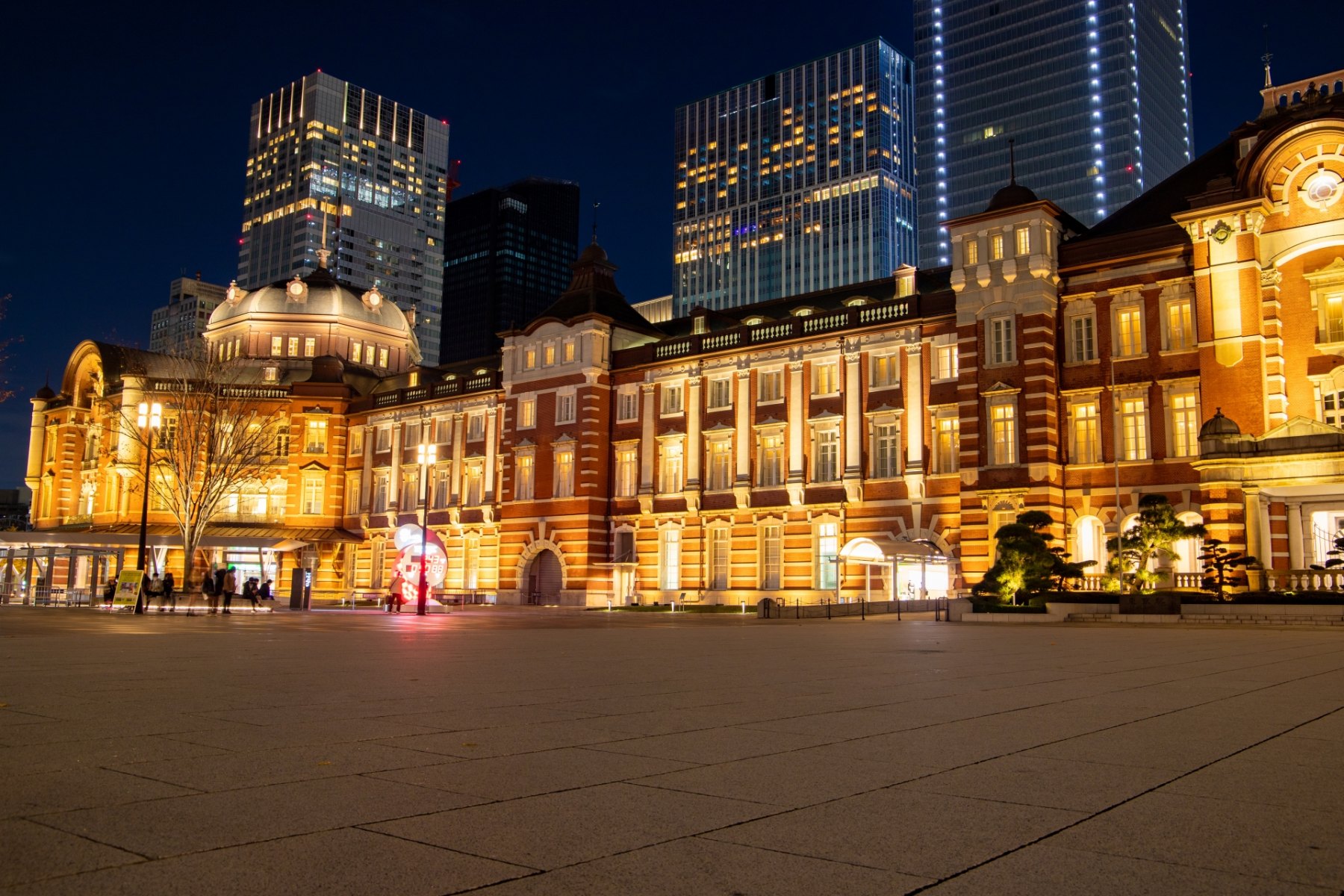
If your trip continues by shinkansen, staying near Tokyo Station saves the morning scramble with bags. The Narita Express reaches Tokyo Station in 53 minutes at its fastest, ¥3,140 one way (JR East), and the ¥1,500 TYO-NRT bus takes about 68 minutes (TYO-NRT). Marunouchi is quiet at night, but Ginza and Yurakucho’s izakaya are a short walk away.
Where to stay in Tokyo with kids
- Tokyo Station / Ginza: big hotels with family rooms, the Imperial Palace East Gardens nearby, and the shinkansen for day trips. Expensive, but you spend less time on trains.
- Ueno: Ueno Park, the zoo and the national museums sit next to the station, and the Skyliner from Narita reaches Keisei Ueno in 41 minutes (Keisei). Chain hotels were listed from about ¥27,800. See our Ueno guide.
- Ikebukuro: Sunshine City has an aquarium, the Pokémon Center Mega Tokyo and an observatory under one roof. Ikebukuro is about 1 hour from Haneda and about 90 minutes from Narita by train (GO TOKYO). Our Ikebukuro guide covers it exit by exit.
For a family of four, an apartment hotel can work out cheaper than two hotel rooms. If you are looking at a private apartment in Ikebukuro, read the Toshima ward section below first.
Best area to stay in Tokyo for nightlife
Shinjuku, Shibuya and Roppongi are where bars stay open after the trains stop. Staying in the same area means you can walk home, which matters because Tokyo taxis are not cheap: fares start at ¥500 for the first kilometre since April 2026 (Nippon.com / Jiji), and a cross-city ride at 2am adds up fast.
- Shinjuku: Golden Gai’s tiny bars, Omoide Yokocho and the Shinjuku-nichome bar district. The best pick if you want variety.
- Shibuya: clubs and late bars around Dogenzaka and Udagawacho, with Ebisu one stop away for a quieter drink.
- Roppongi: international clubs and bars next to Roppongi Hills and Tokyo Midtown. There is no JR station, so airport trips need at least one change. See our Roppongi guide for safe nights out.
The UK government names Kabukicho, Roppongi, Shibuya and Ikebukuro as areas where drink spiking and credit-card overcharging have been reported, and advises not to follow street touts into bars (GOV.UK travel advice). Choose bars yourself, ask to see prices first, and keep your card in sight.
Where to stay in Tokyo on a budget
The cheapest rooms tend to be at the edges of the big hubs. On 2 November 2026 the lowest chain-hotel prices on Booking.com’s area pages were around ¥18,800 in Asakusa, ¥19,400 in Ikebukuro, ¥19,800 in Shinagawa ward and ¥27,800 in Ueno, against ¥31,600 in Shinjuku and ¥36,600 in Shibuya.
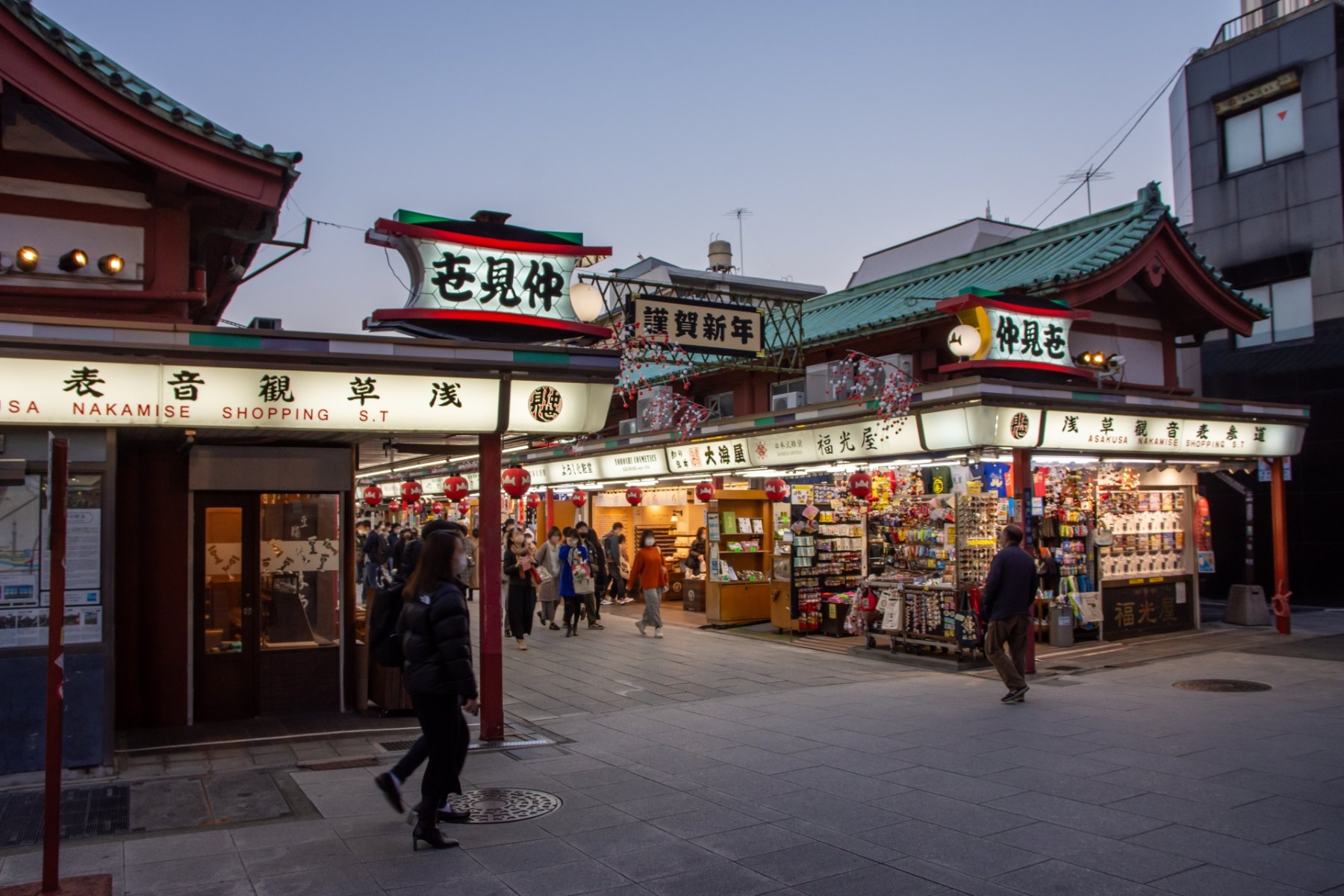
- Asakusa: the classic budget base, with hostels, small ryokan and onsen-style hotels near Senso-ji. Keikyu trains from Haneda run direct to Asakusa in 34–45 minutes for ¥610. More in our Asakusa guide.
- Ueno and Okachimachi: plenty of APA and Mystays hotels near the station, with the Skyliner straight to Narita.
- Ikebukuro and Otsuka: cheaper rooms next to a huge hub. Otsuka, the next station on the Yamanote, had some of the lowest listed prices.
- Outer Shinagawa ward (Gotanda, Oimachi, Omori): good value, with a short run to Haneda.
Japan Pro Tip: A hotel 10 minutes further out on a direct line beats a cheaper one that needs two changes. Count transfers, not just minutes.
Where to stay in Tokyo for luxury
Tokyo’s top hotels cluster in two places. Marunouchi, Hibiya and Ginza have the Imperial Hotel (listed from about ¥104,000 on 2 November 2026), The Peninsula Tokyo (about ¥562,000) and The Tokyo EDITION, Ginza (about ¥268,000). Roppongi has the Grand Hyatt Tokyo (about ¥276,000) and The Ritz-Carlton, Tokyo (about ¥176,000). In Shinjuku, Bellustar Tokyo at the top of Tokyu Kabukicho Tower was listed from about ¥162,000.
Which area of Tokyo is best for airport access?
Haneda is the closer airport. If you land at Haneda, Shinagawa and Asakusa are the easy picks; if you land at Narita, look at Ueno or Tokyo Station.
| Base | From Haneda | From Narita |
|---|---|---|
| Shinagawa | Keikyu 11–19 min, ¥330 | N’EX ¥3,330; Keisei Access Express runs direct |
| Tokyo Station | Monorail to Hamamatsucho 13 min (¥520), then JR | N’EX 53 min, ¥3,140; TYO-NRT bus about 68 min, ¥1,500 |
| Ginza | Monorail + JR via Hamamatsucho | TYO-NRT bus about 81 min, ¥1,500 |
| Ueno | Change at Shinagawa or Hamamatsucho | Skyliner 41 min to Keisei Ueno, ¥2,580 |
| Asakusa | Keikyu direct 34–45 min, ¥610 | Change needed |
| Shinjuku | Change at Shinagawa | N’EX about 1 hr 24 min, ¥3,330 |
| Shibuya | Via Shinagawa 33–40 min, ¥540 | N’EX ¥3,330; Tokyu bus ¥2,500 |
| Ikebukuro | About 1 hr by train | About 90 min by train; WILLER bus ¥2,300 |
Sources: Keikyu Haneda access, Tokyo Monorail, JR East N’EX fares, Keisei Skyliner, TYO-NRT, Narita Airport low-cost buses and GO TOKYO. Adult one-way fares, checked between 18 and 30 October 2026.
Late flight? The last Skyliner from Narita leaves at 23:00 and reaches Keisei Ueno at 23:48 (timetable valid to 21 November 2026), and the last Keikyu train from Haneda Terminal 3 leaves at 00:08. If you land later than that, book your first night near the airport. Our Haneda layover guide lists the airport hotels.
What time is the last train in Tokyo?
Most lines stop around midnight to 1am, but what matters is the last train to your station, which can be much earlier than the last train out of the hub. Here is a real example from the JR East weekday timetable for Shinjuku in October 2026:
- Yamanote Line, counter-clockwise (towards Shibuya and Shinagawa): last train 00:41, running only as far as Osaki (JR East).
- Yamanote Line, clockwise (towards Ikebukuro and Ueno): last train 00:44, but it terminates at Ikebukuro. The last clockwise train that continues past Ikebukuro towards Ueno and Tokyo leaves at 00:12 (JR East).
- First train the next morning: 04:43 counter-clockwise.
So a night out in Shinjuku with a hotel in Ueno means leaving the bar by about midnight. With a hotel in Shinjuku, you can stay out. Check your own route in a journey planner; weekend timetables differ.
Ikebukuro minpaku rules: what changes on 16 December 2026
Toshima ward, which covers Ikebukuro and Otsuka, put a revised minpaku ordinance into force on 15 December 2025, and its limits on where and when private home-sharing rentals can operate apply from 16 December 2026 (Toshima City, mayor’s press summary). This affects homes registered under the Housing Accommodation Business Act, the kind of private apartment many people book on Airbnb-style sites.
- In about 70% of the ward (residential, quasi-industrial and education zones), minpaku operation is restricted for the whole year.
- Across the ward, operation is limited to 120 days a year in school holidays: 15 March–10 April, 1 July–31 August and 15 December–14 January.
- Operators who break the area and period limits face a fine of up to ¥50,000.
What it means for you: if you are booking a private apartment in Ikebukuro for dates after 16 December 2026, ask the host whether it is a registered minpaku or a licensed hotel or inn, and whether your dates are allowed. Hotels are not covered by this ordinance. Toshima also consulted the public in July 2026 on revising its rules for licensed inns; no change for travellers has been announced.
Know before you book
Book November early
Autumn leaves make November a busy month; area prices on 2 November 2026 ran well above national averages.
Pick the exit, not the area
In Shinjuku, Shibuya and Ikebukuro, a hotel by the wrong exit can add 10 minutes of walking with bags.
Per person or per room?
Japanese listings switch between the two. Compare like for like.
Last train to your stop
Look up the last train to your station, not just the line. Shinjuku's last weekday clockwise Yamanote past Ikebukuro leaves at 00:12.
Ask about minpaku dates
In Toshima ward, private rentals face area and date limits from 16 December 2026.
Budget for the 2027 tax
From 1 April 2027 Tokyo charges 3% on stays of ¥13,000 or more per person per night.
Luggage tips: moving between hotels in Tokyo
Send your bags from the airport
At Narita, Yamato, JAL ABC and Sagawa have counters on the arrivals level for delivery to hotels. Sagawa takes same-day orders from 06:30 to 14:00 for hotels in 10 Tokyo wards, and JAL ABC from 06:30 to 14:00; Yamato’s same-day window is shorter (06:30–10:30, 09:50 at Terminal 3) and its areas are limited (Narita Airport). Miss the cut-off and same-day delivery is not available, so keep a night’s essentials in your carry-on.
Reserve a luggage seat on the shinkansen
On the Tokaido, Sanyo and Kyushu shinkansen, bags with total dimensions between 161 cm and 250 cm need a reserved seat with an oversized baggage area, at no extra cost. Board without one and you pay ¥1,000 on the train; bags over 250 cm cannot be taken on board at all (JR Central). That covers most large check-in suitcases, so book the right seat when you buy your Kyoto ticket.
Use lockers on check-out day
Tokyo Station coin lockers cost about ¥300–¥1,000 depending on size (JR East), but large lockers are limited. Ask your hotel first: most front desks will hold bags for guests after check-out.
Where to stay in Tokyo FAQ
What is the best area to stay in Tokyo for the first time?
Shinjuku is the best all-round pick for a first trip: a huge choice of hotels, direct trains to most sights, and food and nightlife on the doorstep. Shibuya suits shoppers, and the Tokyo Station–Ginza area is best if you continue to Kyoto by shinkansen.
How much is a hotel in Tokyo per night in 2026?
On Booking.com area pages viewed on 2 November 2026, chain business hotels in central Tokyo were listed at roughly ¥25,000–¥45,000 a night, upscale hotels ¥50,000–¥100,000 and five-star hotels from about ¥100,000 to over ¥500,000. Prices are approximate and depend heavily on your dates.
Is it better to stay in Shinjuku or Shibuya?
Both are on the Yamanote Line. Shinjuku has more hotels, slightly lower chain-hotel prices and direct trains to Hakone and Narita. Shibuya is better for shopping and Harajuku, and is 33 to 40 minutes from Haneda via Shinagawa.
Where should I stay in Tokyo near Haneda Airport?
Shinagawa is the easiest base: Keikyu trains reach Haneda in 11 to 19 minutes for ¥330. Hamamatsucho is 13 minutes by monorail, and Asakusa has direct Keikyu trains in 34 to 45 minutes.
Where should I stay in Tokyo near Narita Airport?
Ueno, because the Keisei Skyliner reaches Keisei Ueno in 41 minutes for ¥2,580. Tokyo Station is 53 minutes by Narita Express (¥3,140) or about 68 minutes by the ¥1,500 TYO-NRT bus.
What time do trains stop running in Tokyo?
Most lines stop around midnight to 1am. On weekdays the last Yamanote Line train from Shinjuku towards Ikebukuro leaves at 00:44 but only goes as far as Ikebukuro; the last one continuing towards Ueno leaves at 00:12. Check the last train to your own station.
Can I still book an Airbnb in Ikebukuro after December 2026?
From 16 December 2026, Toshima ward limits minpaku to 120 days a year in school holidays and restricts them all year in about 70% of the ward. Hotels are not affected. Ask your host whether the property is a registered minpaku and whether your dates are allowed.
Is there a hotel tax in Tokyo?
Yes. It is currently ¥100 per person per night for stays of ¥10,000 to ¥14,999 and ¥200 from ¥15,000. From 1 April 2027 it changes to 3% of the room charge for stays of ¥13,000 or more per person per night, and also applies to minpaku.
Sources and how we checked
Hotel prices were read from Booking.com’s Tokyo district pages in yen on 2 November 2026, with no dates selected, and are given as approximate ranges. The Toshima ward minpaku rules, the Tokyo accommodation tax, the Shinjuku last-train times, Narita baggage delivery and JR Central’s luggage rule were checked on 2 November 2026 against Toshima City, the Tokyo Metropolitan Government, JR East timetables, Narita Airport and JR Central. Airport fares and times were checked between 18 and 30 October 2026 against Keikyu, Tokyo Monorail, JR East, Keisei, TYO-NRT and Narita Airport.
Booked your Tokyo hotel? Fill your days
Japan Pro can book food tours, guided walks and experiences near wherever you stay in Tokyo, so your base works harder for you.
 English
 Japanese
 Chinese (Taiwan)
 Chinese (China)
 Korean
 French
 Italian
 Thai