
Japanese Crafts: Where to Buy Knives, Kimono and Ceramics by City (2026)
The best places to buy Japanese crafts are the towns that make them: Sakai and Seki for knives, Kyoto for Nishijin silk and Kiyomizu-yaki, Kanazawa for gold leaf and Kutani porcelain, Arita and Imari for porcelain and Mashiko for pottery. Tokyo pulls it all together in Kappabashi, Asakusa and Nihonbashi, and most workshops let you make your own piece from about ¥2,000.
This guide goes city by city, with verified shops, opening hours, hands-on classes and booking links. It ends with the new tax-free refund rules from 1 November 2026 and how to get a knife or a box of ceramics home.
¥2,000
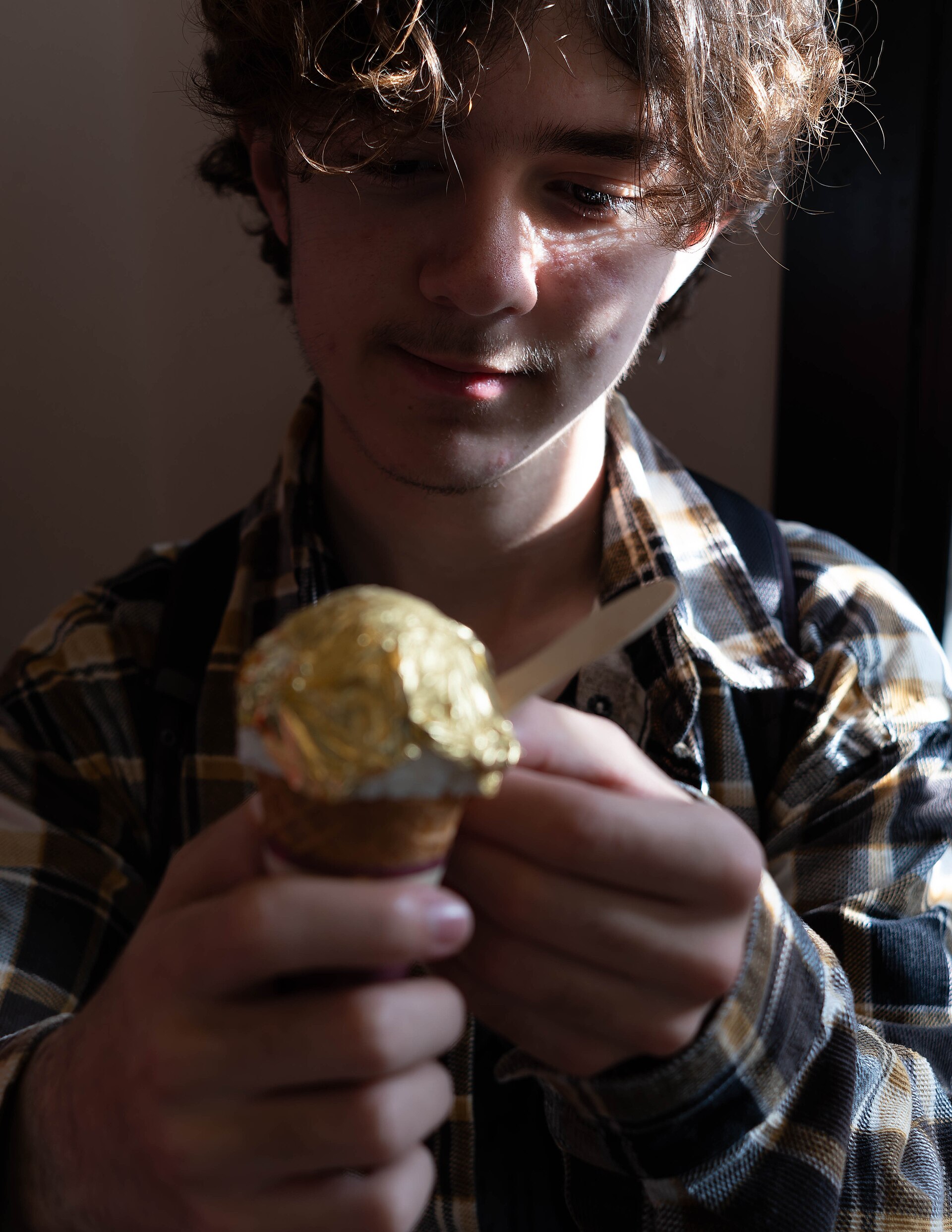
Gold-leaf class at Hakuichi, Kanazawa, from
¥5,000
Tax-free minimum per store per day
1 Nov 2026
Tax-free switches to a refund at departure
31 Oct–3 Nov
Mashiko autumn pottery fair 2026
Where to buy Japanese crafts: city-by-city at a glance
| City | What it makes | Best stop | Hands-on from |
|---|---|---|---|
| Tokyo | Knives, tableware, washi, Edo crafts | Kappabashi, Asakusa, Nihonbashi | Washi-making at Ozu Washi |
| Kyoto | Nishijin silk, Kiyomizu-yaki pottery, kimono | Nishijin Textile Center | ¥4,400 pottery painting |
| Kanazawa | Gold leaf, Kutani porcelain | Higashi Chaya district | ¥1,650 Kutani painting; ¥2,000 gold leaf |
| Sakai (Osaka) | Professional kitchen knives | Sakai Traditional Crafts Museum | ¥2,000 sharpening class |
| Seki (Gifu) | Knives, scissors, swords | Gifu Seki Hamono Kaikan | Sharpening experience |
| Arita and Imari (Saga) | Porcelain | Arita town, Okawachiyama | Wheel and painting at Okawachiyama kilns |
| Mashiko (Tochigi) | Folk pottery (mingei) | Jonaizaka and Sayado | ¥3,000 at Pottery Fuwari |
Tokyo: Kappabashi knives, Asakusa and Nihonbashi
Kappabashi Dougu Street: knives and kitchenware
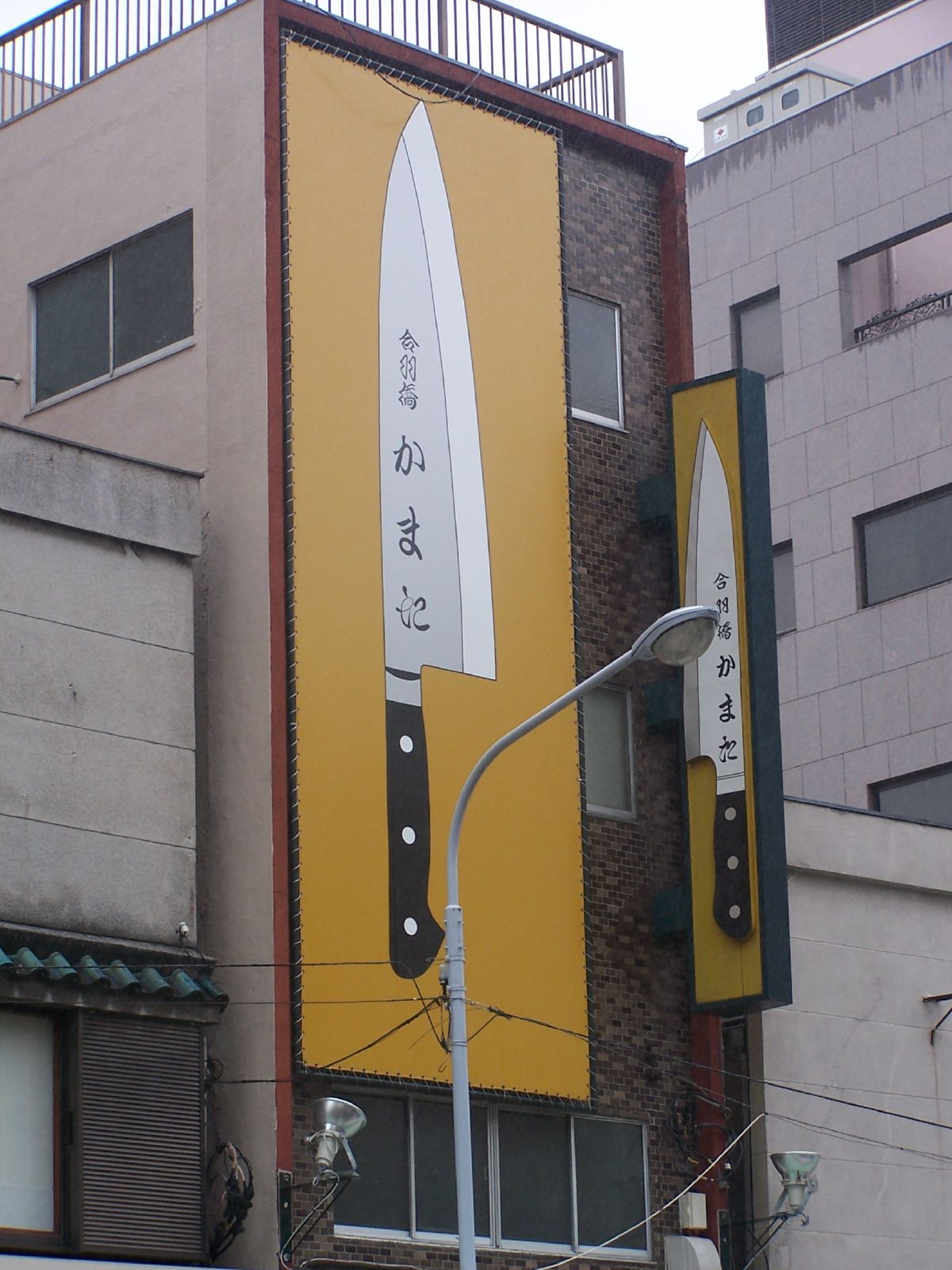
Kappabashi is Tokyo’s trade kitchen street, lined with shops built for restaurants. The street association puts it 5 minutes’ walk from Tawaramachi (Ginza Line) or Asakusa (Tsukuba Express), and 6 minutes from Iriya. Allow half a day.
- Kama-Asa Shoten, 2-24-1 Matsugaya: knives, graters, pans. Open 11:00–17:30 all year except New Year; it closes at 16:30 on the last day of each month. Store info. Time Out reports free name engraving and staff who speak English and French.
- Dengama: Japanese pottery, matcha bowls and chopstick rests over two floors.
- Mikura: chopsticks only; it can engrave and gift-wrap them.
- Utuwazoshi: wooden bowls and bento boxes, with budget bento boxes at ¥2,000–¥4,000.
- Kanaya Brush: brushes and tawashi scrubbers.
A good Japanese kitchen knife starts around ¥10,000 in Kappabashi, according to Time Out Tokyo. Kama-Asa warns about fake websites using its name: its only official sites are kama-asa.co.jp and kama-asa.fr.
Asakusa: Edo crafts under one roof
The free Edo Taito Traditional Crafts Museum at 2-22-13 Asakusa shows over 250 pieces across about 50 Tokyo crafts, from bamboo blinds to paulownia chests. It opens 10:00–18:00, is closed on the second and fourth Tuesday, and sits 5 minutes from Tsukuba Express Asakusa Station (Rurubu listing). Craftspeople demonstrate on irregular days, so check before you go. Pair it with our Guida di Asakusa.
Nihonbashi: Kiya knives and Ozu Washi paper
- Nihonbashi Kiya: cutlery maker founded in 1792, selling kitchen knives, scissors and cooking tools, with sharpening and repair for knives and scissors (official site).
- Ozu Washi: paper merchant since 1653, at 3-6-2 Nihombashi-honcho, 2 minutes from Shin-Nihombashi Station (Exit 5). Open 10:00–18:00, closed Sundays. It runs a hand-made washi studio; book through its site or call +81 3 3662 1184.
Where to buy Japanese knives: Tokyo, Sakai or Seki?
Where to buy Japanese knives depends on your time. Buy in Tokyo if you are short of time. Go to Sakai for single-bevel professional knives and sharpening lessons. Go to Seki for the widest range of brands under one roof.
| Tokyo (Kappabashi) | Sakai | Seki | |
|---|---|---|---|
| Known for | Many brands, trade shops | Professional chef knives | Mass and craft knives, scissors |
| Big shop | Kama-Asa Shoten | Takumi Shop, Sakai Traditional Crafts Museum | Gifu Seki Hamono Kaikan (about 70 makers) |
| Classes | Few; engraving on purchase | ¥2,000–¥7,000 sharpening (Ichimonji) | Sharpening at Hamono Kaikan |
| From Tokyo or Osaka | Central Tokyo | South of central Osaka | Nagaragawa Railway, Gifu |
Kyoto: Nishijin silk, Kiyomizu-yaki and kimono rental rules
Nishijin Textile Center
The center on Horikawa-dori, south of Imadegawa, is the showroom of Kyoto’s silk-weaving district. Its 2026 collection show runs to 25 October 2026, free, 10:00–16:00 from October, closed Mondays (official site). Twenty-minute hand-weaving sessions need a reservation and are booked through the Have Fun in Japan Pass.
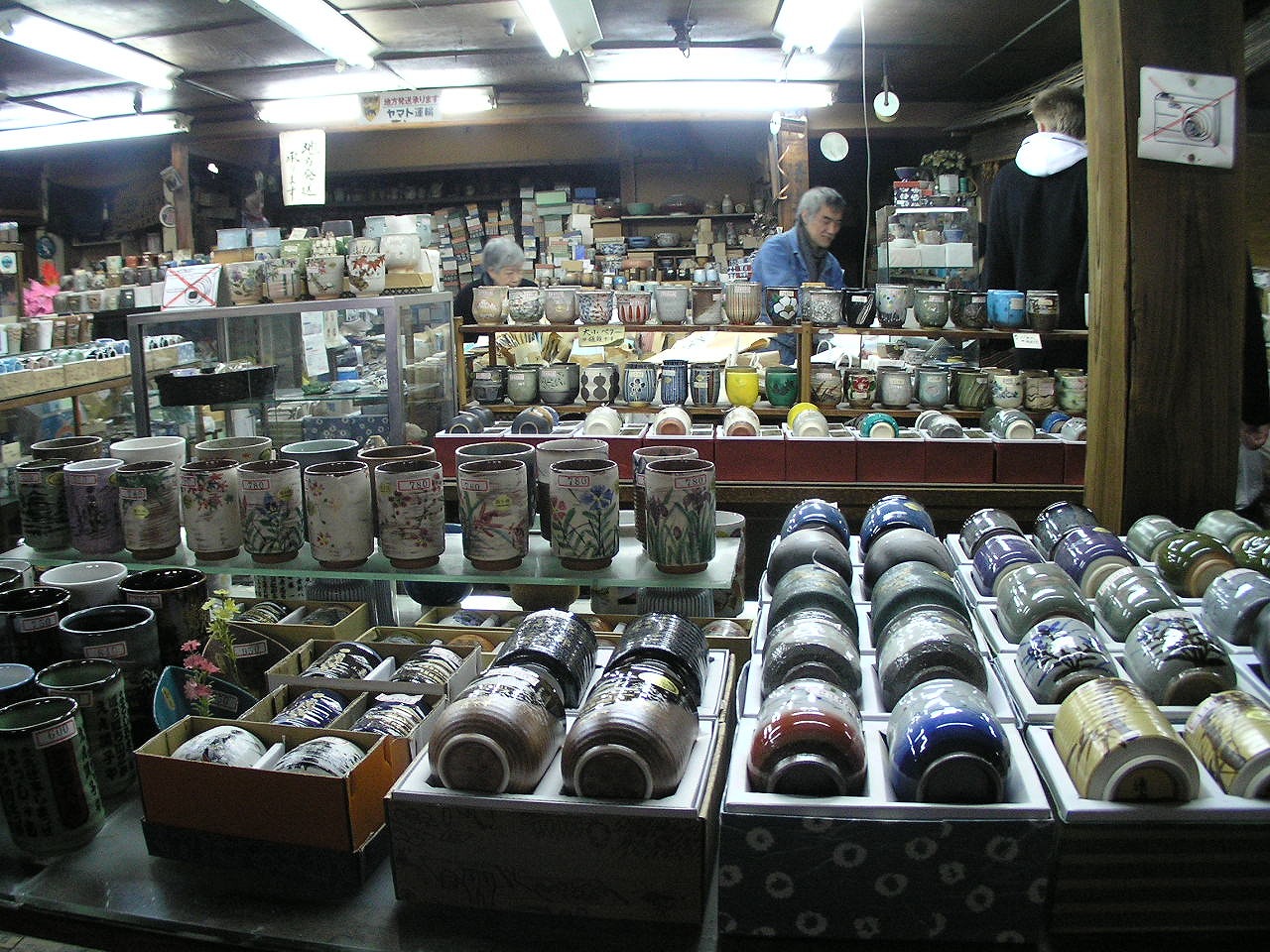
Kiyomizu-yaki pottery classes
Kiyomizu-yaki is Kyoto’s pottery, sold all along the slopes to Kiyomizu-dera. To make your own, Heian Gyokuou Touen runs classes at Hotel Emion Kyoto, 2 minutes from Umekoji-Kyotonishi Station. Prices on its booking page: wheel throwing ¥5,500 (about 40 minutes), hand-building ¥5,500, painting ¥4,400 (about 30 minutes), all including firing and tax. Pieces take about 1.5–2 months; postage costs extra.
Kimono rental in Kyoto: the rules that cost money
Kimono rental is cheap; the fees are in the small print. These are Yumeyakata’s published rules at its Gojo shop (open 10:00–17:30, last entry 16:00), and most Kyoto shops work the same way.
- Same-day return by 17:30. Late return costs ¥2,200.
- Next-day return costs ¥550–¥1,100 depending on your start time, and ¥1,100 per person per day after that.
- Return to the same shop. No hotel pick-up; postal return starts at ¥880.
- Rain and food stains are fine, but irreparable stains such as oil paint are charged.
- Extras: hair set ¥1,650, kimono insurance ¥1,100, luggage storage ¥550 per piece per day.
Walking around Gion in kimono? Read our Gion-Shijo station guide for the photo rules on its private lanes.
Kanazawa: gold leaf and Kutani porcelain
Kanazawa makes almost all of Japan’s gold leaf, and the Higashi Chaya teahouse district is where to buy it and try it.
| Workshop | What you make | Price (2026) | Book |
|---|---|---|---|
| Hakuichi, Main Store Hakukokan (2-1-1 Morito) or Kanazawa Bikazari Asano (1-8-3 Higashiyama) | Gold-leaf plate, box or mirror | ¥2,000 (small items, from 20 min); ¥4,000 lacquer tray or plate | Hakuichi |
| Hakuichi, Main Store only | Gold-leaf chopsticks, plates with gold and silver | ¥2,000–¥2,500 (30–45 min) | Phone 076-240-8911, 9:00–18:00 |
| Kutani Kosen Kiln (5-3-3 Nomachi) | Paint your own Kutani piece | ¥1,650–¥5,500 plus shipping, about 1 hour | Visit Kanazawa / phone 076-241-0902 |
Hakuichi takes sign-ups 9:00–16:00 at the Main Store and 10:00–15:00 at Bikazari Asano. Kutani Kosen takes its last booking around 15:30, fires your piece again and posts it about three months later. It charges 100% for same-day cancellations.
Sakai: the knife city south of Osaka
Sakai has made blades since the age of samurai swords and tobacco knives, and most Japanese professional chefs use Sakai knives. Start at the Sakai Traditional Crafts Museum (Sakai Denshokan), 1-1-30 Zaimokucho-nishi, near Myokokujimae Station on the Hankai Line (Sakai tourism page).
- Ore: 10:00–17:00; closed every third Tuesday and 29 December–3 January. Entry is free.
- Buy: the first-floor Takumi Shop sells knives and whetstones from Sakai makers.
- Try: the second floor runs classes such as knife sharpening and incense making.
- Sharpening lessons in English: Sakai Ichimonji Mitsuhide charges ¥2,000 for 30 minutes and ¥5,000 for an hour (¥7,000 one-on-one with your own non-Ichimonji knife), tax included. Classes run 10:00–14:00; reservations on Tuesdays and Wednesdays, walk-ins for the short course. Classes are not tax-free.
Sakai is an easy half-day from Namba; see our Namba guide for where to base yourself.
Seki: blades, scissors and a museum closure
Seki in Gifu is Japan’s biggest cutlery town. Before you go, note this: the Seki Swordsmith Museum is closed for renovation from 7 September 2026 to 31 March 2027, with the first floor reopening in stages (Seki City). The 2026 Seki Cutlery Festival ran on 10–11 October.
- Gifu Seki Hamono Kaikan, 4-12-6 Heiwa-dori, 3 minutes from Sekiterasu-mae Station (Nagaragawa Railway): about 2,000 knives, scissors and tools from around 70 Seki makers. Open 9:00–17:00, closed at New Year. It runs a sharpening experience and resharpens knives (Visit Gifu).
- Hamono-ya Sanshu Seki Hamono Museum, 950-1 Kose, about 10 minutes by car from Seki IC: factory-direct knives, scissors and nail clippers, plus its own Seki Yoshihidesaku brand. Open 9:00–16:30. You can watch sword forging through glass, pay to swing the hammer, or assemble pocket scissors (Visit Gifu).
Arita and Imari: Japanese porcelain in Saga
Arita is where Japanese porcelain began, and Imari is the port it shipped from. Both are on the JR Sasebo Line in Saga Prefecture.
- Autumn Arita Ceramics Festival: 19–23 November 2026, free, across Arita town and the Arita Sera outlet; about 10 minutes’ walk from Arita or Kami-Arita Station (Rurubu listing).
- Arita Ceramic Fair (spring): the 2026 edition ran 29 April–5 May and draws about a million visitors in a normal year, with a ¥500 day shuttle bus (official site). 2027 dates were not posted when we checked.
- Kyushu Ceramic Museum: free collection galleries, 9:00–17:00, closed Mondays (official site). See it before you shop.
- Okawachiyama, Imari: the “village of secret kilns” made Nabeshima porcelain for the Saga lords from 1675 to 1871. It is about 6 km from Imari Station (about 15 minutes by car; a bus runs roughly every 2 hours), and present-day kilns offer wheel and painting sessions (JNTO).
Mashiko: folk pottery and the autumn fair
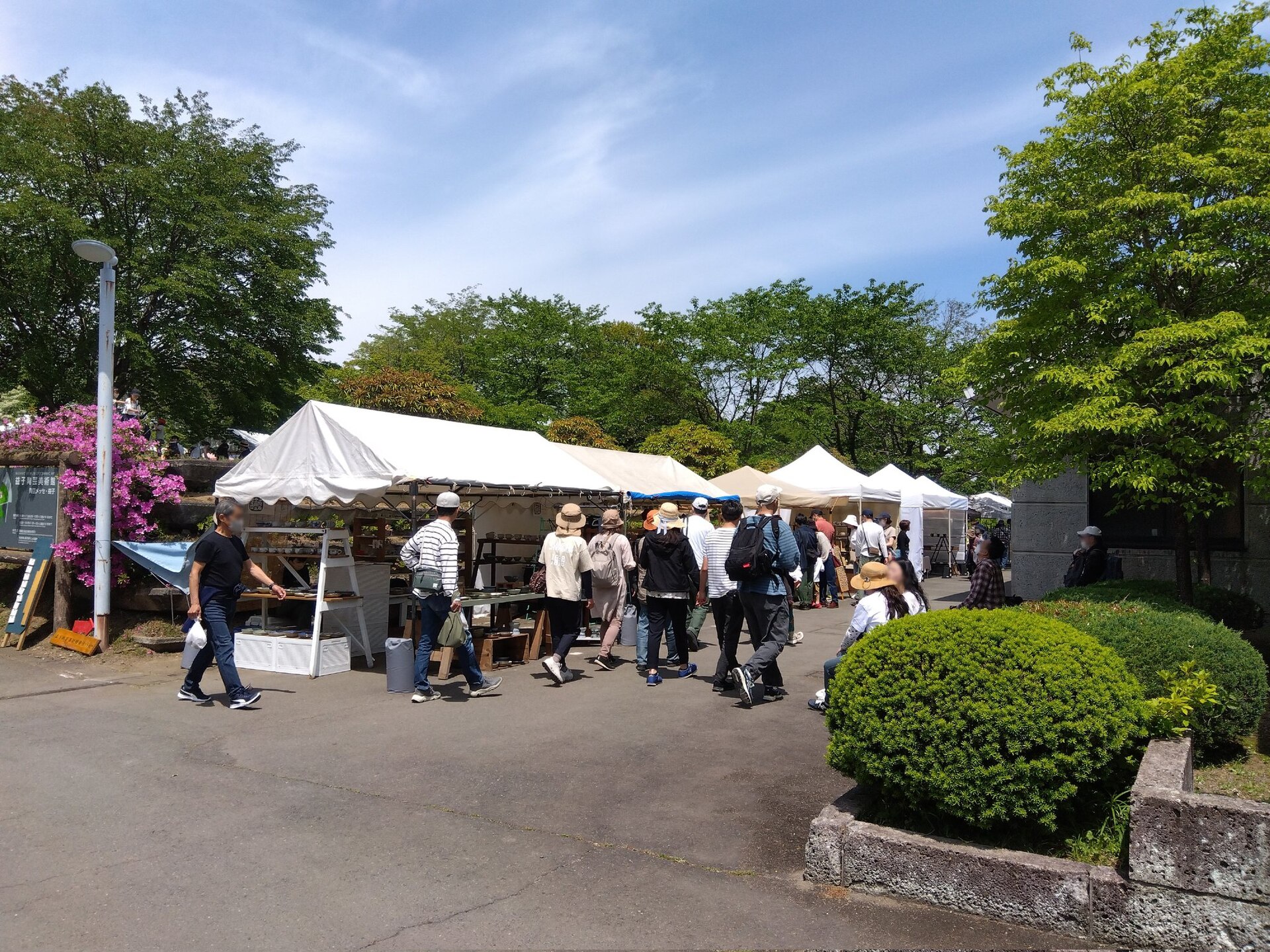
Mashiko in Tochigi makes thick, everyday mingei pottery, and it is a realistic day trip from Tokyo. The 114th Mashiko Autumn Pottery Fair runs from 31 October to 3 November 2026, 9:00–17:00 (16:00 on the last day), rain or shine (official site). The JR-backed Toretabi listing counts about 50 shops and about 800 tents.
- Come arrivare: Moka Railway to Mashiko Station from Shimodate (about 45 minutes), then about 15 minutes’ walk to Jonaizaka; or the Kanto Jidosha bus from Utsunomiya Station (about an hour). The direct “Kanto Yakimono Liner” highway bus started taking fair bookings on 1 October 2026.
- Make your own: Pottery Fuwari runs private wheel and hand-building sessions in English for ¥3,000, 9:00–18:00 with irregular days off; book on its site.
More rail day trips are in our day trips from Tokyo by train guide.
Which Japanese crafts make the best souvenirs, and what do they cost?
Pick by budget and by how much you want to carry. These are the 2026 prices we found at the shops and workshops in this guide.
| Souvenir | Where | Price we found | Carry or ship? |
|---|---|---|---|
| Chopsticks, engraved | Mikura, Kappabashi | Many pairs under ¥100; engraving extra | Carry |
| Wooden bento box | Utuwazoshi, Kappabashi | ¥2,000–¥4,000 | Carry |
| Gold-leaf plate or mirror you made | Hakuichi, Kanazawa | ¥2,000–¥4,000 | Carry |
| Hand-painted Kutani piece | Kutani Kosen Kiln, Kanazawa | ¥1,650–¥5,500 plus postage | Shipped after firing |
| Kiyomizu-yaki cup you threw | Heian Gyokuou Touen, Kyoto | ¥5,500 | Collect or post (extra) |
| Kitchen knife | Kappabashi, Sakai or Seki | Around ¥10,000 for a good one | Checked bag only |
| Mashiko pottery | Mashiko fair or town shops | Varies by potter | Wrap and carry |
Two rules save money. Buy several Japanese crafts in one shop on one day if you want tax-free, since the ¥5,000 minimum is per store. And buy knives where they can be engraved on the spot: Kama-Asa engraves for free, while sharpening and repairs cost extra.
How to shop Japanese crafts without getting a fake
- Buy from the maker or a town showroom. Gifu Seki Hamono Kaikan, the Sakai Takumi Shop and kiln shops sell under the makers’ own names.
- Check the website address. Kama-Asa says fake sites copy its name; its real ones end in kama-asa.co.jp and kama-asa.fr.
- Ask what steel and edge it is. A specialist knife shop should be able to tell you the steel, the maker and whether the edge is single- or double-bevel.
- See the museum first. The free galleries at the Kyushu Ceramic Museum and the Edo Taito Traditional Crafts Museum show what good work looks like.
Japanese crafts and tax-free shopping from 1 November 2026
From 1 November 2026, Japan stops removing consumption tax at the till. You pay the full price, show your passport, and claim the tax back after customs checks your goods when you leave, before you check in for your flight (JNTO).
- Minimum: ¥5,000 or more, excluding tax, per store per day (GO TOKYO).
- No category caps: general goods and consumables are merged, so a knife and a box of tea can be added together.
- More time: you have 90 days, up from 30, to take goods out of Japan.
- Classes are not tax-free: Sakai Ichimonji Mitsuhide, for example, says its lesson fees are ineligible.
Il nostro Japan tax refund guide covers the new process step by step.
How do you get Japanese crafts home: knives and ceramics?
- Knives go in checked bags. ANA bans all blades from the cabin and asks you to check them in. Wrap the edge and tell the shop you are flying.
- Let the workshop ship it. Fired pieces from Kutani Kosen, Heian Gyokuou Touen and most pottery classes are posted to you weeks or months later, for extra postage.
- Ceramics in your hand luggage: wrap each piece in clothes and carry it; checked bags get thrown.
- Check your own customs rules. Some countries restrict blade imports, so check before you buy a big knife.
Japanese crafts: know before you go
Book classes ahead
Gold leaf, Kutani painting and Sakai sharpening all take reservations; same-day cancellation can cost 100%.
Check Mondays and Tuesdays
Nishijin and the Kyushu Ceramic Museum close Mondays; Sakai Denshokan closes the third Tuesday.
Seki museum is shut
The Seki Swordsmith Museum is closed until 31 March 2027. Go to Hamono Kaikan instead.
Kappabashi is early
Kama-Asa opens 11:00–17:30. Go on a weekday for the trade shops.
Mind the ¥5,000 rule
Tax-free needs ¥5,000 before tax in one store on one day.
Fired pieces take months
Pottery and Kutani pieces arrive 1.5–3 months later.
Japanese crafts FAQ
Where is the best place to buy Japanese knives?
Kappabashi in Tokyo for choice and convenience, Sakai near Osaka for professional chef knives and sharpening lessons, and Seki in Gifu for about 70 makers under one roof at Gifu Seki Hamono Kaikan.
How much does a good Japanese knife cost?
A good kitchen knife in Kappabashi starts around ¥10,000, according to Time Out Tokyo. Hand-forged professional knives cost much more.
Can I take a Japanese knife on the plane?
Not in the cabin. Pack it in checked baggage, with the edge wrapped.
How much is kimono rental in Kyoto?
Shops price plans differently, so compare before you book. Budget for extras: at Yumeyakata a late same-day return costs ¥2,200 and a hair set ¥1,650.
Can I try gold leaf in Kanazawa?
Yes. Hakuichi runs gold-leaf classes from ¥2,000 at its Main Store and at Kanazawa Bikazari Asano in Higashi Chaya.
Are Japanese crafts tax-free?
Yes, if you spend ¥5,000 or more before tax in one store on one day. From 1 November 2026 you pay tax at the till and get it refunded when you leave Japan.
When is the Mashiko pottery fair?
The 2026 autumn fair runs from 31 October to 3 November, 9:00–17:00, ending at 16:00 on the last day.
Sources and how we checked
We checked every price, opening time and date between 19 and 21 October 2026 against the official shop, workshop, museum and city pages linked above, plus JNTO and GO TOKYO for the tax-free rules. Class prices and hours change, so confirm when you book.
Plan a crafts day with Japan Pro
Tell Japan Pro which crafts you love and we will help you book workshops, guides and transport in Tokyo, Kyoto or beyond.
Read next
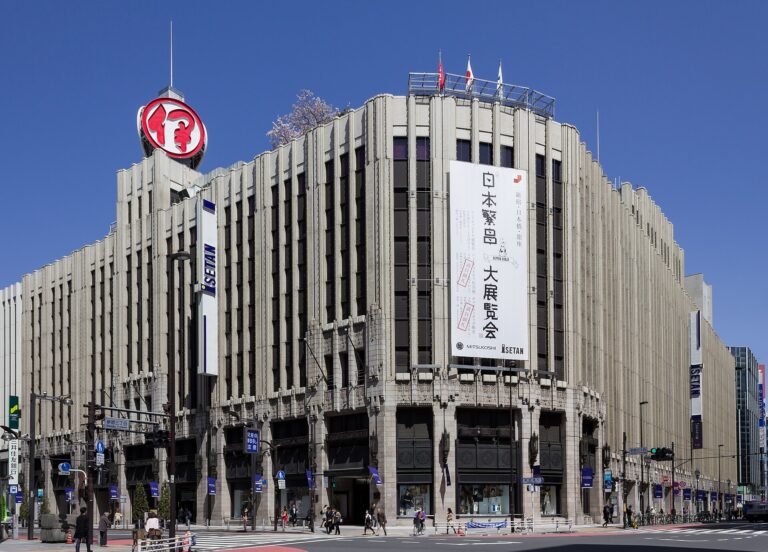
Department Stores in Tokyo and the Best Malls in Japan: 15 Worth a Detour (2026)
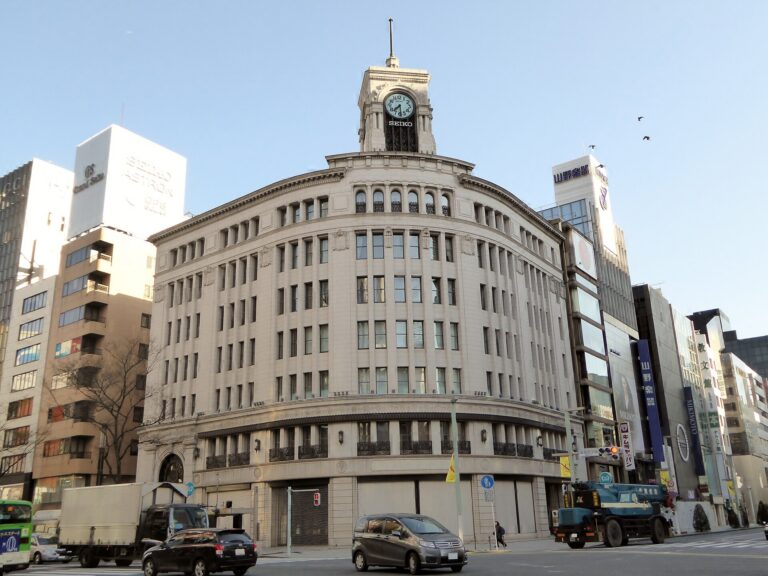
Shopping in Tokyo, Kyoto and Osaka by Station: 8 Areas, Streets and Shops (2026)
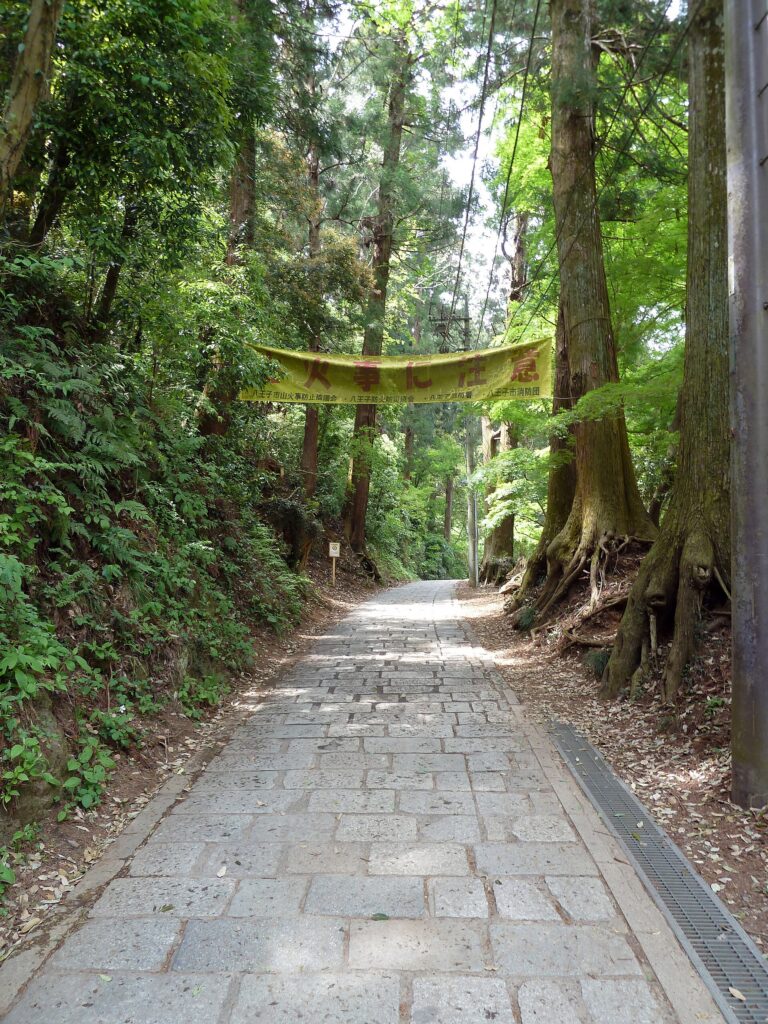
Hiking Near Tokyo 2026–27: Trails, Parks, Kayaking and Camping in Japan
 English
 Japanese
 Chinese (Taiwan)
 Chinese (China)
 Korean
 French
 Italian
 Thai