
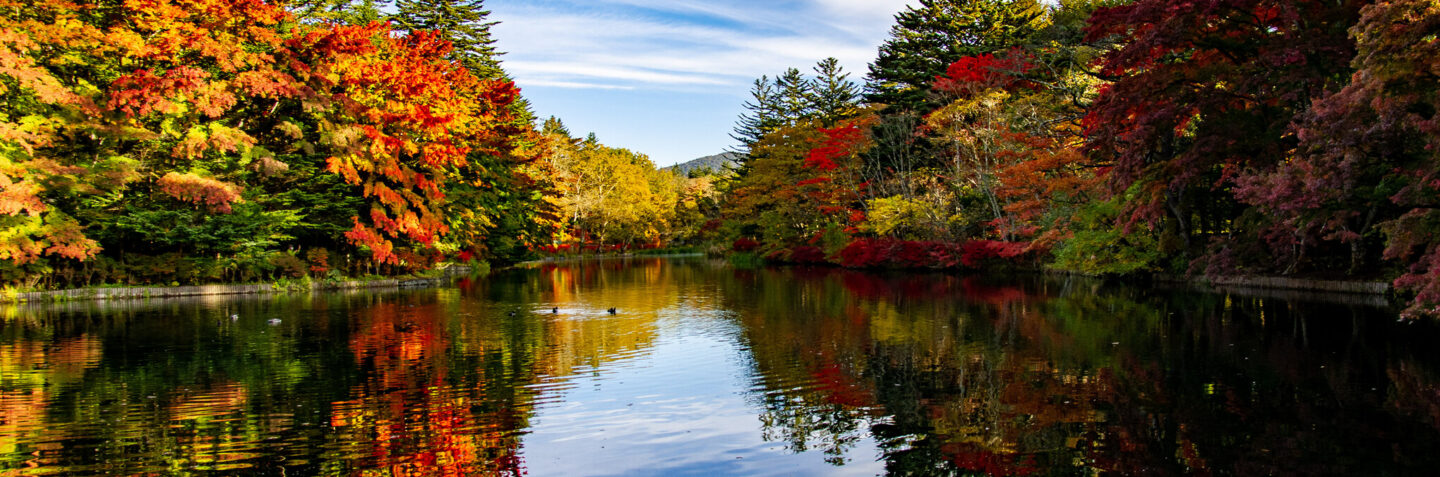

Les prix, les horaires et les dates vérifiés le 25 septembre 2026
Le JR Tokyo Wide Pass coûte 16 000 ¥ et vous permet de voyager en train sur le réseau JR East à Tokyo pendant trois jours, y compris les trains shinkansen. Un trajet aller-retour vers Echigo-Yuzawa coûte normalement 12 740 ¥, donc un deuxième jour de train shinkansen fait économiser sur le prix du pass.
Ce guide recense 12 excursions d'une durée comprise entre 45 et 90 minutes depuis Tokyo en train, grâce au Tokyo Wide Pass. Pour chacune d'entre elles, vous trouverez le train, le prix normal de la visite ainsi que les activités à faire à votre arrivée. Nikko, Kamakura, Hakone et les autres incontournables figurent dans notre guide. Visites d'une journée depuis Tokyo en train guide, donc ils ne sont pas repris ici.
La version courte
- Prix : 16 000 ¥ pour les adultes, 8 000 ¥ pour les enfants âgés de 6 à 11 ans
- Valable : trois jours calendaires consécutifs
- Qui peut l'acheter : toute personne possédant un passeport non japonais, y compris les résidents étrangers
- Covers : Les trains de JR East circulent dans le Kanto, notamment le shinkansen vers Karuizawa, Echigo-Yuzawa et Nasushiobara.
- Ne couvre pas : le Tokaido Shinkansen, les voitures vertes ou les bus
- Ça rapporte : avec deux excursions en shinkansen au cours des trois jours
Qu'est-ce que le JR Tokyo Wide Pass couvre ?
Le Tokyo Wide Pass est le pass régional de JR East pour la région de Tokyo. Il couvre les trains locaux, rapides, express et shinkansen de JR East dans le Kanto et dans certaines régions de Nagano, Niigata, Yamanashi et Shizuoka. Sur les shinkansen, cela signifie jusqu’à GALA Yuzawa sur la ligne Joetsu, Sakudaira sur la ligne Hokuriku et Nasushiobara sur la ligne Tohoku.
Il couvre également sept compagnies ferroviaires qui ne sont pas du groupe JR, et c’est là que se cache une grande partie de leur valeur :
- Ferroviaire Fujikyu : À Kawaguchiko et au Mont Fuji, y compris l’excursion au Fuji depuis Shinjuku
- Izukyu : débarquant sur la côte de l'Izu jusqu'à Shimoda
- Joshin Dentetsu : la ligne de Takasaki à la soie de Tomioka
- Tobu Railway : De Shimo-Imaichi à Nikko et à Kinugawa Onsen, ainsi que les trains directs depuis Shinjuku
- Tokyo Monorail : vers l'aéroport Haneda
- Ligne Rinkai : à Odaiba
- Nouvel Shuttle : De Omiya au Musée des chemins de fer
Les réservations de siège sont gratuites. Réservez-les à un guichet de billets réservé, dans un guichet de billets ou en ligne, et réservez tôt pour les trains shinkansen des week-ends. JR East Page du JR TOKYO Wide Pass Il possède la carte complète.
Ce que le Tokyo Wide Pass ne couvre pas
- Le Tokaido Shinkansen. Il est exploité par JR Central, et non par JR East. Cela signifie qu’il n’y a pas de train rapide pour Atami, et pas de Mishima ou Numazu du tout.
- Les trains Hayabusa et Komachi. Ces services nécessitent un supplément sur le Tohoku Shinkansen. Vous ne manquerez pas de ces trains : les trains Yamabiko et Nasuno qui s’arrêtent à Utsunomiya et Nasushiobara sont entièrement couverts.
- Voitures vertes et GranClass. Les tarifs de première classe coûtent plus cher.
- Les propres trains spéciaux de Fujikyu. Le Fujisan Limited Express et les autres services nécessitent un supplément de prix.
- Buses. Several trips below finish with a local bus, which you pay for yourself.
- Other private railways. Seibu to Chichibu isn’t covered, and nor are the railways from Odawara up into Hakone.
When the Tokyo Wide Pass Pays for Itself
Do the sum before you buy. These are the normal return fares from Tokyo for the shinkansen trips in this guide, in unreserved seats:
- Echigo-Yuzawa: ¥12,740
- Karuizawa, Jomo-Kogen (for Minakami) or Nasushiobara: ¥11,200
- Takasaki and on to Tomioka: about ¥10,800
- Utsunomiya: ¥9,200
Any two of those beat ¥16,000. One on its own doesn’t, not even Echigo-Yuzawa. The limited express trips to Atami, Kofu and Hitachi Seaside Park come to between ¥7,340 and about ¥8,000 return, so you need two of those and something on the third day.
Reserved seats normally add a few hundred yen each way, and they’re free with the Tokyo Wide Pass. So the real saving is a little bigger than the fares above.
💡 Japan Pro Tip: Start the Tokyo Wide Pass on the day of your most expensive trip and plan the other two around it. Cheap trips, like Saruhashi on its own or Narita, are better done on a day without the pass.
The 12 Day Trips at a Glance
Times are from Tokyo Station, or Shinjuku for the Chuo Line trips, on the fastest train the pass covers. Fares are what you’d pay without the Tokyo Wide Pass.
| Day trip on the Tokyo Wide Pass | Train | Time from Tokyo | Normal return fare |
|---|---|---|---|
| Echigo-Yuzawa | Joetsu Shinkansen | From 66 min | ¥12,740 |
| Karuizawa | Hokuriku Shinkansen | 60–72 min | ¥11,200 |
| Minakami | Joetsu Shinkansen to Jomo-Kogen, then bus | 62–77 min + bus | ¥11,200 |
| Tomioka Silk Mill | Shinkansen to Takasaki, then Joshin Dentetsu | About 90 min | About ¥10,800 |
| Oya History Museum | Tohoku Shinkansen to Utsunomiya, then bus | 46–52 min + bus | ¥9,200 |
| Shiobara Onsen | Tohoku Shinkansen to Nasushiobara, then bus | 64–72 min + bus | ¥11,200 |
| Ashikaga Flower Park | Shinkansen to Oyama, then Ryomo Line | About 90 min | ¥8,340 |
| Hitachi Seaside Park | Limited express Hitachi or Tokiwa to Katsuta, then bus | 80–85 min + bus | ¥8,000 |
| Atami | Limited express Odoriko | About 80 min | ¥7,340 |
| Saruhashi | Chuo Line from Shinjuku | About 90 min | ¥2,820 |
| Kofu | Limited express Kaiji or Azusa from Shinjuku | About 90 min | About ¥8,000 |
| Narita | JR rapid | About 75 min | ¥2,460 |
1. Echigo-Yuzawa: Sake, Hot Springs and Snow
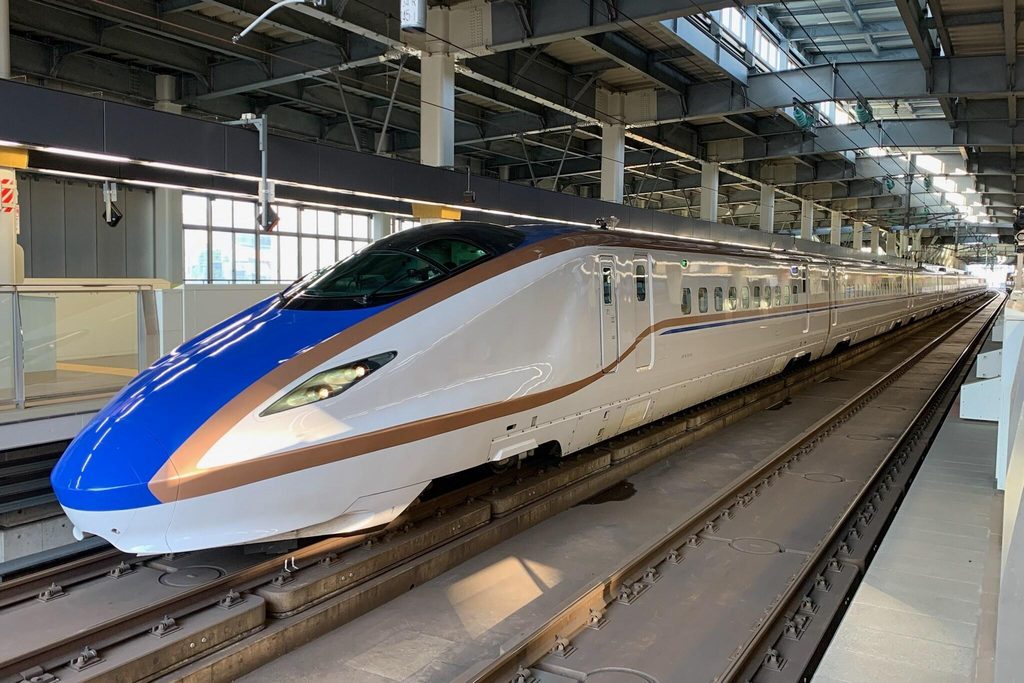
Echigo-Yuzawa is the hot-spring town in the Niigata mountains where Yasunari Kawabata set his novel Snow Country. The fastest Toki shinkansen gets there from Tokyo in 66 minutes, and in winter you step off the train into deep snow.
Start inside the station. Ponshukan, in the CoCoLo Yuzawa shopping area, has a tasting corner with sake from every brewery in Niigata, and even a sake bath. Then walk eight minutes from the west exit to the Yuzawa Kogen ropeway. Its 166-person cabin climbs to a highland park at about 1,000 metres in seven minutes, and the leaves up there turn from mid-October.
In ski season, some trains run one stop further to GALA Yuzawa, a ski resort with its own shinkansen station. It opened for the season on 20 December last winter, and the pass covers the ride.
- Train: Joetsu Shinkansen, from 66 minutes, covered by the Tokyo Wide Pass
- Normal fare: ¥6,370 each way unreserved (¥12,740 return)
- Official site: Yuzawa Town Tourism Association
💡 Japan Pro Tip: The ropeway’s green season ends on 15 November. Between then and the ski season, go for the onsen and the sake.
2. Karuizawa: Autumn Leaves in the Mountains
Karuizawa has been Tokyo’s cool mountain escape since the late 1800s, and it’s one of the quickest trips on this list: an hour on the fastest Hakutaka.
Autumn is its best season. Kumoba Pond, five minutes from the station by taxi, is ringed by maples that usually peak from late October into early November. It gets very busy then, and Karuizawa Town suggests checking its live camera before you go.
Add a walk up the old main street, Kyu-Karuizawa Ginza. Or stay by the station for the huge Karuizawa Prince Shopping Plaza outlet next to the south exit.
- Train: Hokuriku Shinkansen (Asama or Hakutaka), 60 to 72 minutes, covered by the Tokyo Wide Pass
- Normal fare: ¥5,600 each way unreserved (¥11,200 return)
- Official site: Karuizawa Town: Kumoba Pond
3. Minakami: Mount Tanigawa and the Mole Station
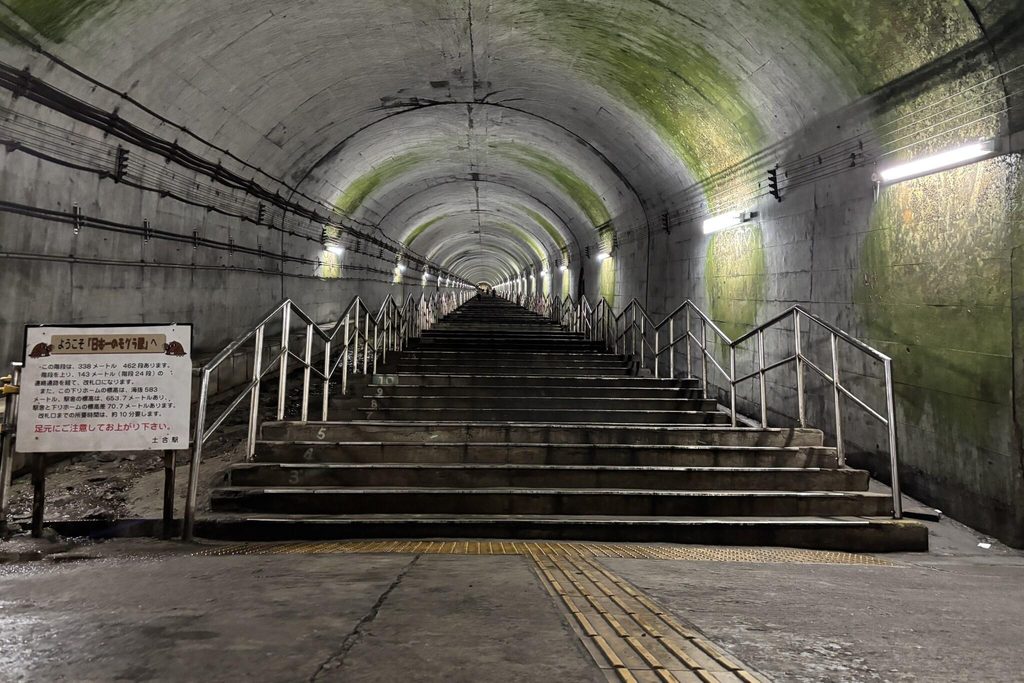
Minakami sits under Mount Tanigawa in northern Gunma. The ropeway lifts you to Tenjindaira, and the leaves there usually colour between late September and late October.
The strangest stop is Doai Station, Japan’s “mole station”. Its down platform is about 70 metres underground, and the way out is 462 steps plus another 24 to the ticket gate: allow ten minutes. Only about five trains a day stop there each way, so check the timetable first.
Buses to the ropeway run from Jomo-Kogen, the shinkansen station, and from Minakami Station on the JR Joetsu Line. Kan-etsu Kotsu sells a one-day bus pass for ¥2,700 from Jomo-Kogen or ¥1,600 from Minakami.
- Train: Joetsu Shinkansen to Jomo-Kogen, 62 to 77 minutes, covered by the Tokyo Wide Pass
- Normal fare: ¥5,600 each way unreserved (¥11,200 return)
- Official site: Minakami Tourism Association
4. Tomioka Silk Mill: A World Heritage Factory
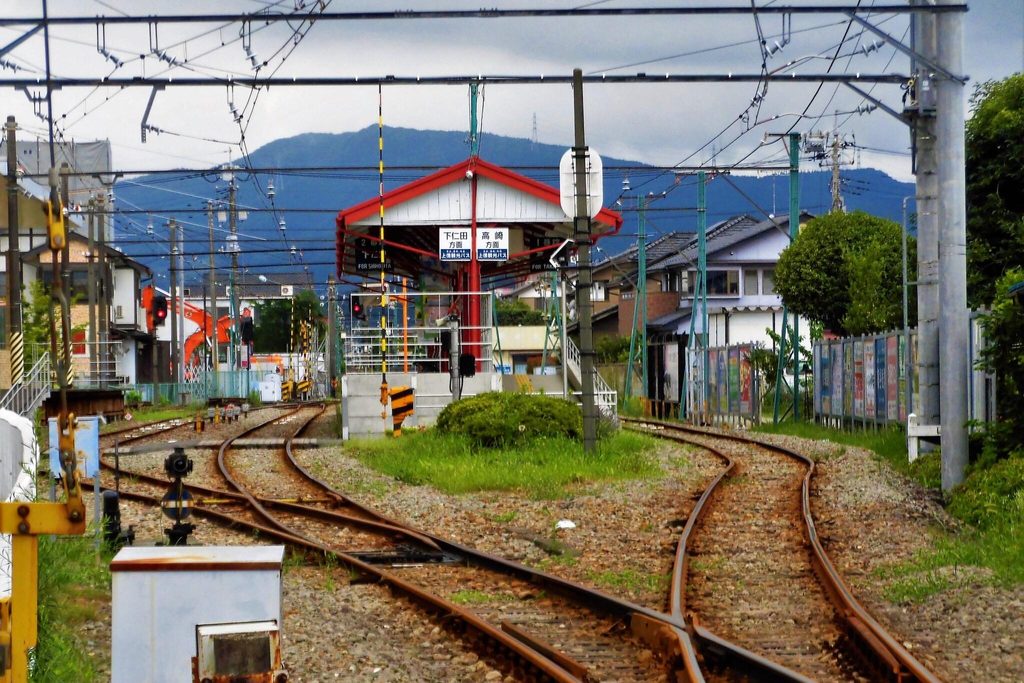
Tomioka Silk Mill opened in 1872 as Japan’s first government-run modern silk mill, built with French help. Its long brick cocoon warehouses still stand, and it became a World Heritage Site in 2014 along with related silk sites nearby.
It’s the best example here of the Tokyo Wide Pass covering a railway that isn’t JR. Take the shinkansen to Takasaki, then the local Joshin Dentetsu line for about 40 minutes to Joshu-Tomioka. The mill is a 10 to 15-minute walk from the station.
Entry is ¥1,000 for adults. It’s open 9:00 to 17:00, with last entry at 16:30, and closes only from 29 to 31 December.
- Train: shinkansen to Takasaki (about 50 minutes), then Joshin Dentetsu, both covered by the Tokyo Wide Pass
- Normal fare: ¥4,600 each way to Takasaki unreserved, plus the Joshin line (about ¥10,800 return in all)
- Official site: Tomioka Silk Mill
5. Utsunomiya and the Oya History Museum
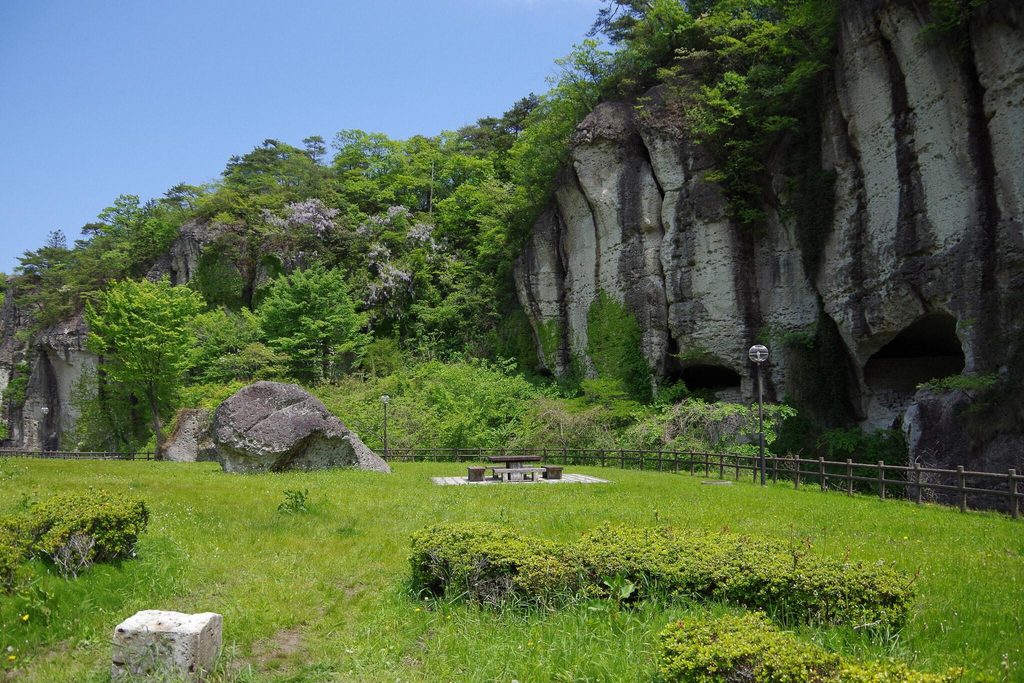
Oya is the most unusual trip on this list. The Oya History Museum is a disused underground quarry for Oya stone, about 20,000 square metres and 30 metres below ground. The museum says you could fit a baseball stadium inside, and it’s used for concerts and film shoots.
Take a jacket, even in summer. The museum posts the temperature inside on its homepage, and it read 13°C on 25 September. Utsunomiya City gives a figure of 8°C.
Buses leave from stand 6 at the west exit of Utsunomiya Station and take about 30 minutes, then it’s a five-minute walk. Entry is ¥800 for adults. It’s open 9:00 to 17:00 from April to November, and 9:30 to 16:30 from December to March, when it also closes on Tuesdays. It’s shut from 26 December to 3 January.
Utsunomiya is Japan’s best-known gyoza city, so eat before the train home.
- Train: Tohoku Shinkansen, 46 to 52 minutes, covered by the Tokyo Wide Pass
- Normal fare: ¥4,600 each way unreserved (¥9,200 return)
- Official site: Oya History Museum
6. Shiobara Onsen: A Gorge and a 320-Metre Bridge
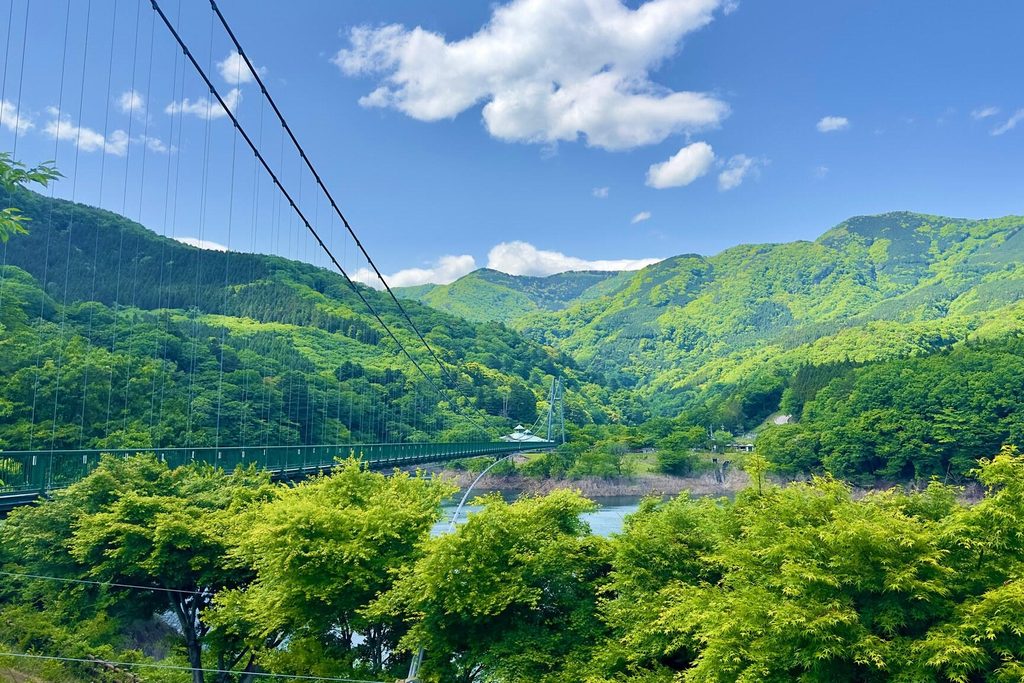
Shiobara Onsen is a hot-spring town strung along a river gorge in northern Tochigi, and its baths have drawn visitors for more than a thousand years. Many of the inns sell day-use baths, so you don’t need to stay the night.
On the way in, the bus passes the Momiji-dani Ohtsuribashi, a 320-metre suspension bridge over a dam lake. From 1 October 2026, crossing costs ¥400 for adults. It’s open 8:30 to 18:00 until the end of October, and 8:30 to 16:00 from November.
JR buses leave from the west exit of Nasushiobara Station, and the ride to the onsen town takes about 45 minutes. The bus isn’t covered by the pass.
- Train: Tohoku Shinkansen to Nasushiobara, 64 to 72 minutes, covered by the Tokyo Wide Pass
- Normal fare: ¥5,600 each way unreserved (¥11,200 return)
- Official site: Shiobara Onsen Tourism Association
7. Ashikaga Flower Park: Winter Illuminations
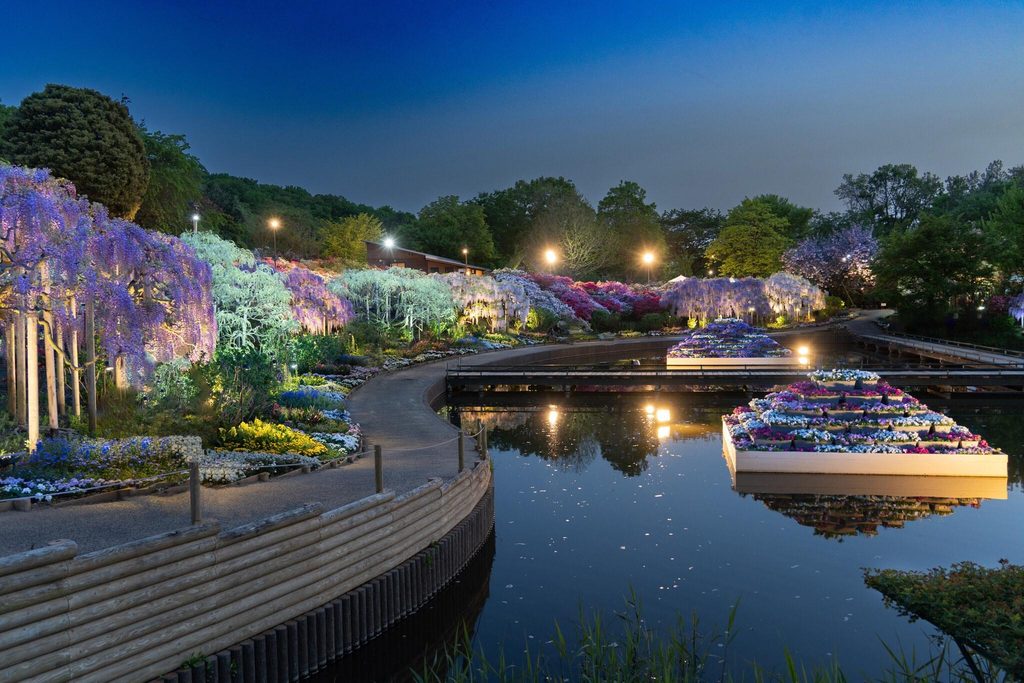
Ashikaga Flower Park is famous for its giant wisteria in spring, but from autumn it’s covered in lights. This year’s Flower Fantasy illuminations run from 17 October 2026 to 14 February 2027.
Evening hours are 15:30 to 20:30, or 21:00 on weekends and holidays, with later closing from early November to early January. The lights come on at about 17:00, or 16:30 in the busiest weeks. Entry is ¥1,500 for adults and ¥800 for children.
The park has its own station on the JR Ryomo Line, three minutes from the gate. Take the shinkansen to Oyama and change there; the whole trip takes about 90 minutes.
- Train: Tohoku Shinkansen to Oyama, then the JR Ryomo Line, both covered by the Tokyo Wide Pass
- Normal fare: ¥4,170 each way unreserved by shinkansen (¥8,340 return), or ¥2,090 each way on ordinary trains, which take about two hours
- Official site: Ashikaga Flower Park
💡 Japan Pro Tip: Pair it with Oya on the same Tokyo Wide Pass day. See the quarry in the morning, then ride on to Ashikaga for the lights. The pass covers every train between them.
8. Hitachi Seaside Park: Red Kochia in October
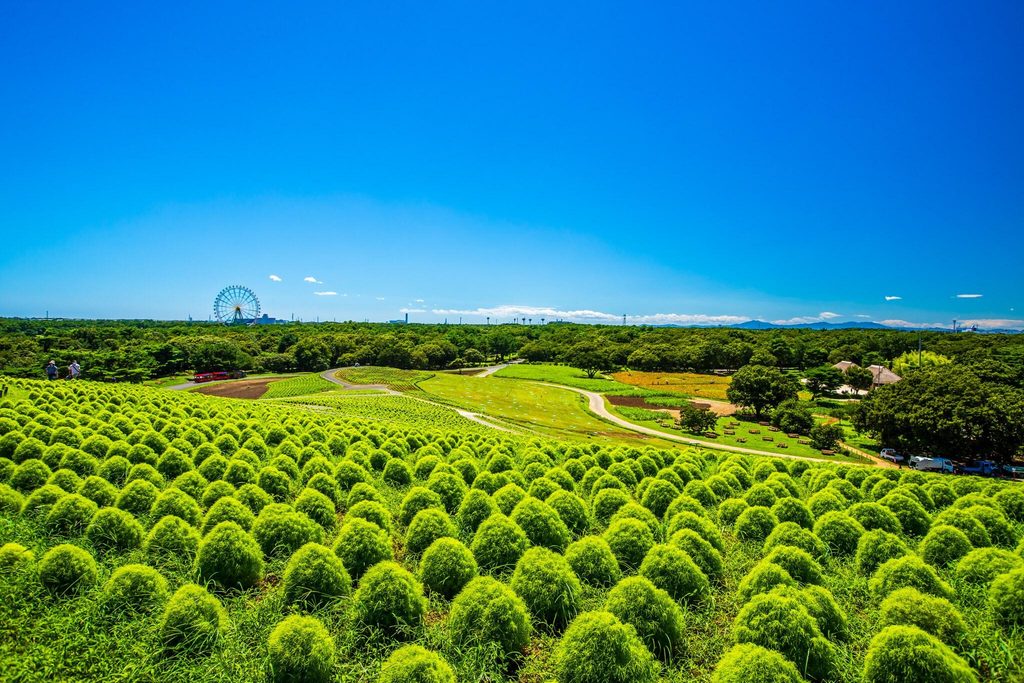
Hitachi Seaside Park, on the Ibaraki coast, is known for blue nemophila in spring and a hill of round kochia bushes that turn red in autumn. For 2026, the park expects the kochia to peak around 15 October, and the peak usually lasts a week to ten days.
From 9 October to 3 November, a seasonal fee is charged on top of normal admission. Buses leave from stand 2 at the east exit of Katsuta Station and reach the West Gate in about 15 minutes.
On the way home, stop one station back at Mito for Kairakuen, one of Japan’s three great gardens and famous for its plum blossom in February and March.
- Train: limited express Hitachi or Tokiwa to Katsuta, about 80 to 85 minutes, covered by the Tokyo Wide Pass
- Normal fare: ¥4,000 each way (¥8,000 return)
- Official site: Hitachi Seaside Park
9. Atami: Hot Springs by the Sea
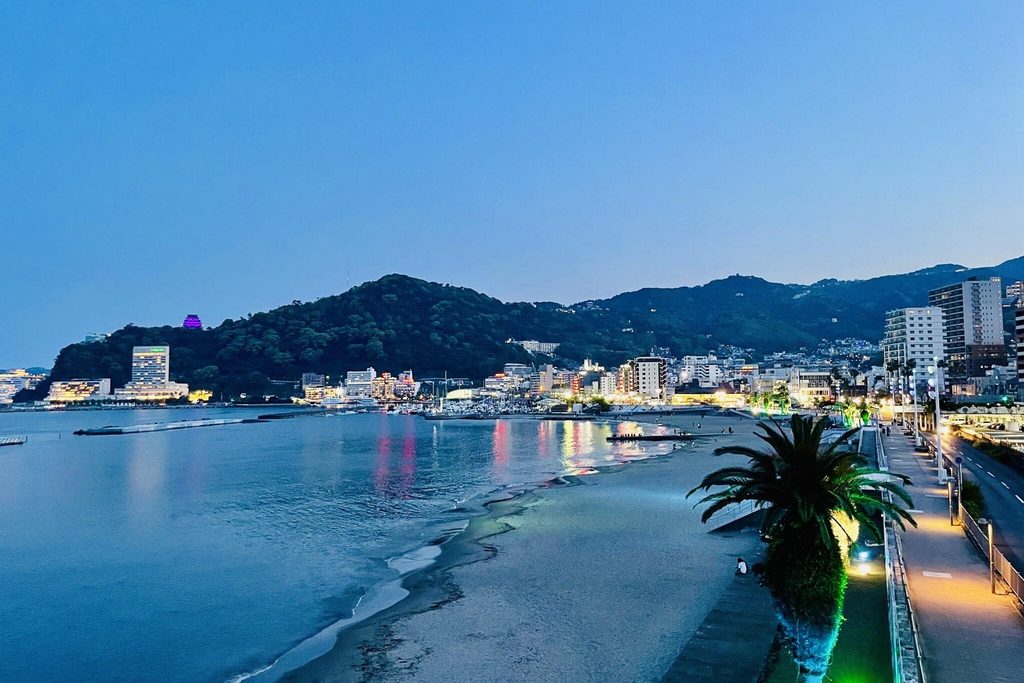
Atami is Tokyo’s classic hot-spring getaway: a steep town above a curved bay, full of onsen hotels, with a sandy beach below and the MOA Museum of Art on the hill above.
This is the trip where the rules matter. The Tokaido Shinkansen reaches Atami in 43 minutes, but the Tokyo Wide Pass doesn’t cover it. Take the Odoriko limited express instead. It takes about 80 minutes, the pass covers it, and it normally costs ¥3,670 each way.
The Odoriko stops at Odawara, so you can break the trip home for Odawara Castle. Atami is also where JR East ends, which is why Mishima and Numazu aren’t covered.
- Train: limited express Odoriko, about 80 minutes, covered by the Tokyo Wide Pass
- Normal fare: ¥3,670 each way (¥7,340 return)
- Official site: Atami City Tourism Association
💡 Japan Pro Tip: Some Odoriko trains carry on past Atami onto the Izukyu line to Shimoda, and the pass covers that too. At about 2 hours 40 minutes from Tokyo it’s well over an hour, but it makes a long beach day that costs nothing extra.
10. Saruhashi: The Monkey Bridge
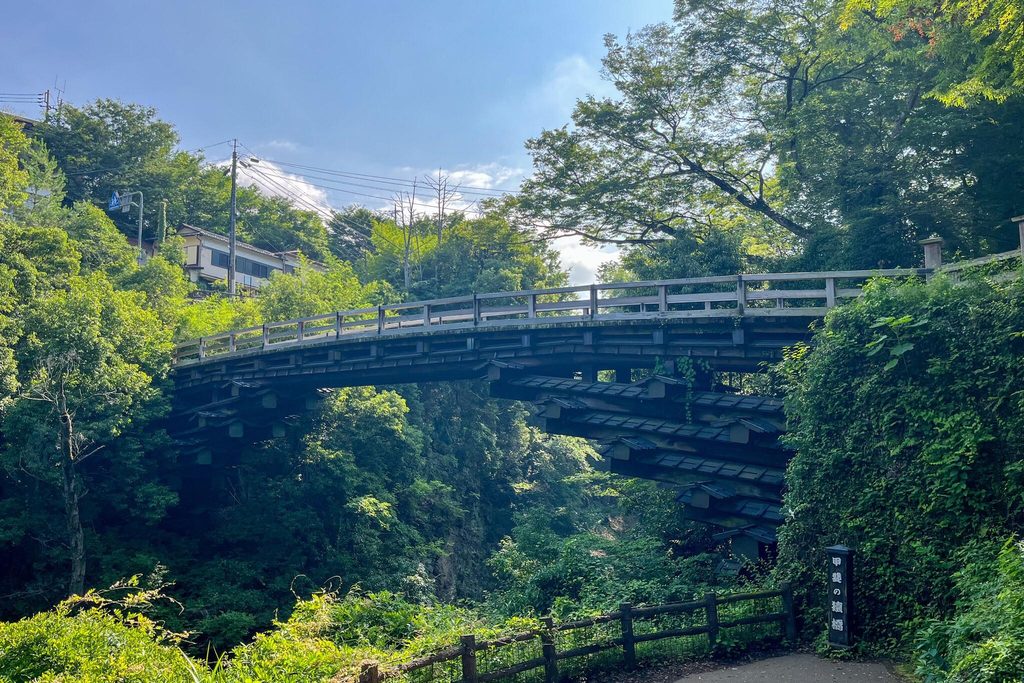
Saruhashi is one of Japan’s three unusual bridges, with Iwakuni’s Kintaikyo and the Kiso Kakehashi. It has no piers. Four layers of timber beams reach out from each bank and meet in the middle, 31 metres above the Katsura River. The bridge is 30.9 metres long, 3.3 metres wide, and free to cross.
Get off at Saruhashi Station, not Otsuki: the bridge is a 15-minute walk from Saruhashi. The path beside it is known for hydrangeas in late June, and the gorge turns red and gold in autumn.
On its own, Saruhashi isn’t worth a Tokyo Wide Pass day. Ordinary trains from Shinjuku take about 90 minutes and cost ¥1,410. But it’s on the way to Kofu, so stop here in the morning and carry on.
- Train: JR Chuo Line from Shinjuku, about 90 minutes on rapid and local trains, covered by the Tokyo Wide Pass
- Normal fare: ¥1,410 each way (¥2,820 return)
- Official site: Otsuki City: Saruhashi
11. Kofu: Takeda Shingen’s Home Town
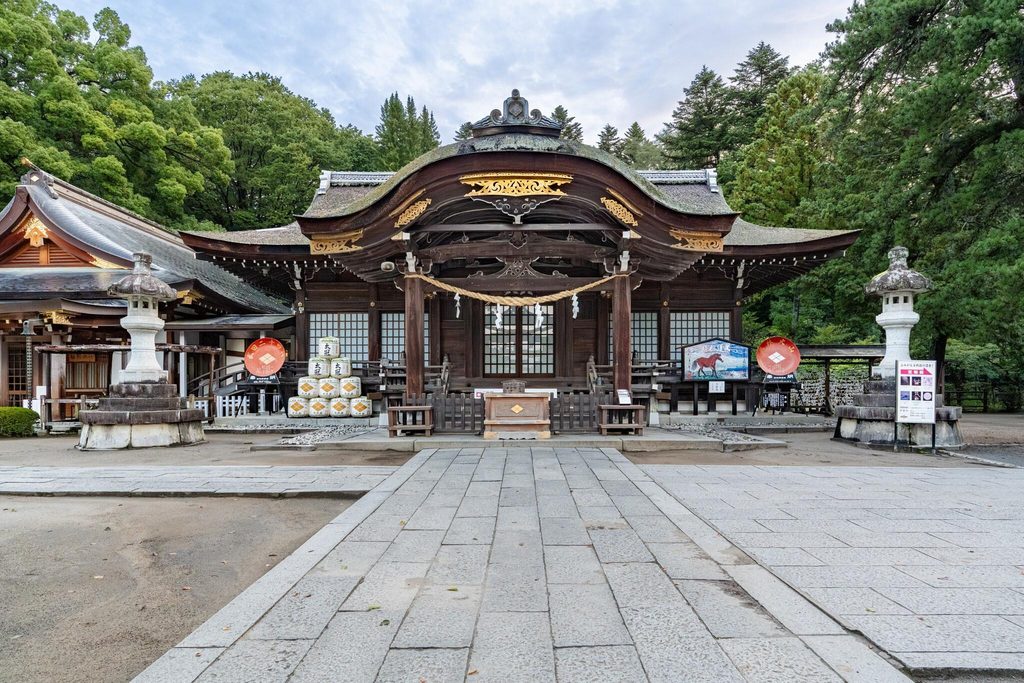
Kofu was the base of Takeda Shingen, the warlord who fought Uesugi Kenshin in the 1500s. Takeda Shrine stands on the site of the Tsutsujigasaki residence, home to three generations of the Takeda clan.
The shrine is 10 minutes by bus or about 30 minutes on foot from the north exit of Kofu Station. The grounds are free. The treasure hall costs ¥500 and is closed on Wednesdays.
Kofu is also the heart of Japan’s wine country. Yamanashi grows more grapes than any other prefecture, and the wineries of Katsunuma are a short ride back down the line.
- Train: limited express Kaiji or Azusa from Shinjuku, about 90 minutes, covered by the Tokyo Wide Pass
- Normal fare: about ¥4,000 each way (about ¥8,000 return)
- Official site: Kofu Tourism Association
12. Narita: A Temple Before Your Flight
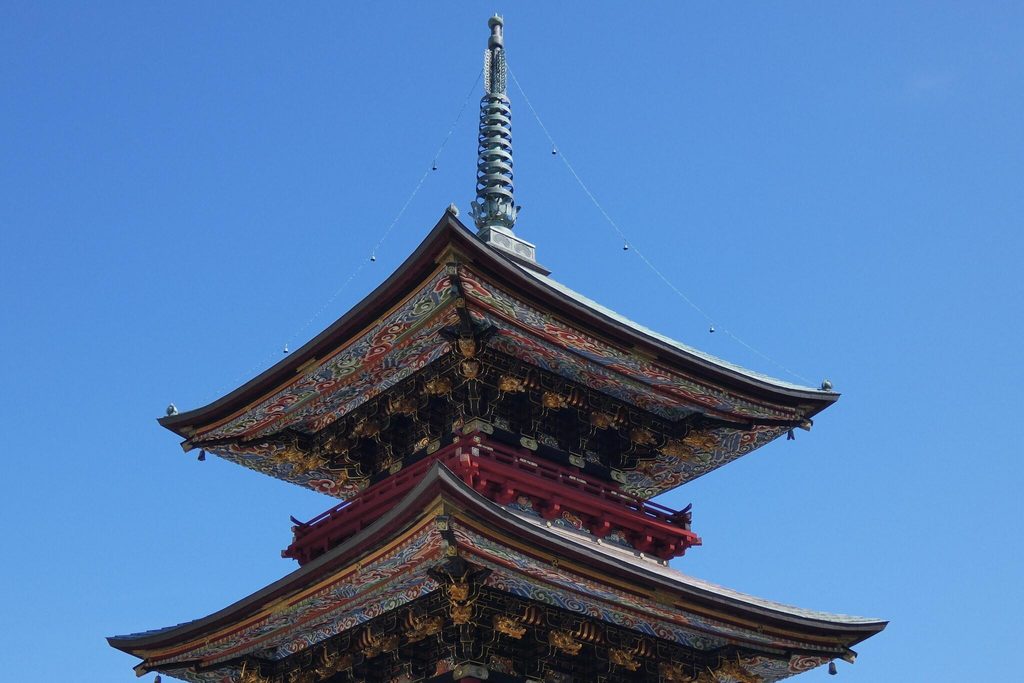
Most visitors only see Narita from the airport, but the town has a temple that’s over a thousand years old. Naritasan Shinshoji was founded in 940, and the street leading up to it, Omotesando, is lined with old eel restaurants.
The trip alone doesn’t need the pass: JR rapid trains take about 75 minutes and cost ¥1,230. The value comes if you’re flying home from Narita. Make it your last Tokyo Wide Pass day, see the temple, and carry on to the airport by JR. If you’d rather go straight to the airport, the Narita Express is covered too, and it normally costs ¥3,140.
- Train: JR rapid from Tokyo, about 75 minutes, covered by the Tokyo Wide Pass
- Normal fare: ¥1,230 each way; the Narita Express to the airport is ¥3,140
- Official site: Naritasan Shinshoji
How to Buy the Tokyo Wide Pass
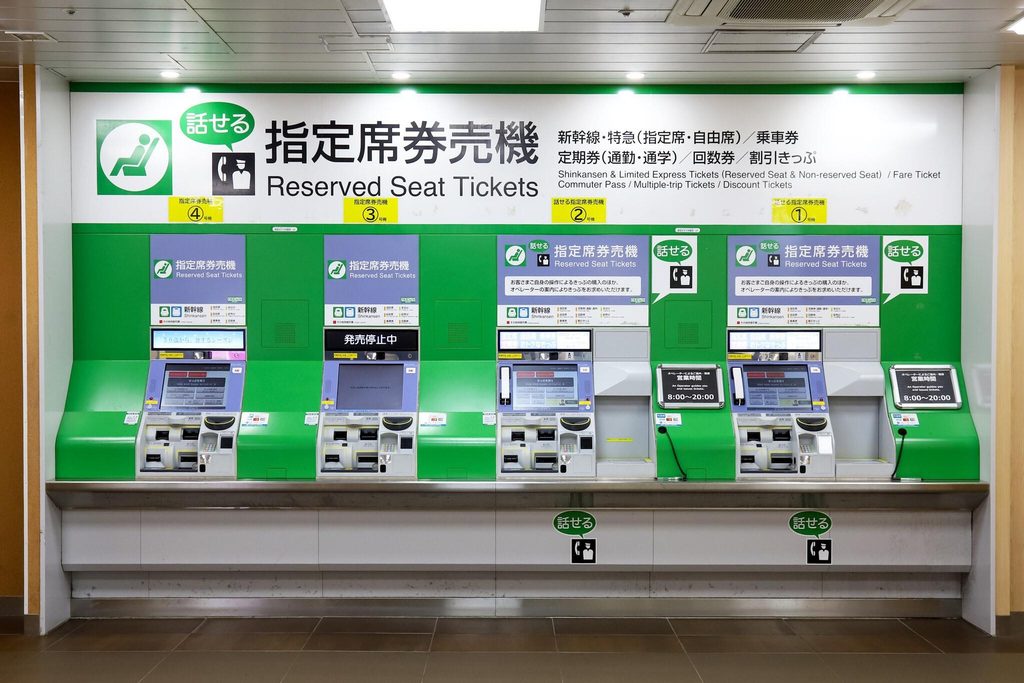
Buy the Tokyo Wide Pass online through JR-EAST Train Reservation, then collect it in Japan with your original passport; a copy won’t do. The reserved-seat ticket machines with passport readers need a passport with an IC chip. Without one, go to a JR EAST Travel Service Center.
You can also buy it in person at major stations, including Narita Airport, Haneda Airport, Tokyo, Shinagawa, Shinjuku, Shibuya and Yokohama. Each traveller has to be there with their own passport, because JR East won’t sell a pass on anyone else’s behalf, family included.
Foreign residents can buy it too. Most JR passes need a Temporary Visitor stamp, but the Tokyo Wide Pass doesn’t. Children aged 6 to 11 pay ¥8,000, and under-6s ride free unless they need their own reserved seat.
💡 Japan Pro Tip: Collect the pass the day before your first trip, and book all your seats at the same machine while you’re there.
Three-Day Plans That Pay Off
The three days run back to back, so plan them as a set. Each of these comes to about twice the price of the Tokyo Wide Pass:
- Snow country and silk: Echigo-Yuzawa, Karuizawa, then Tomioka. Normal fares: about ¥34,700.
- North of Tokyo: Utsunomiya and Oya, Shiobara Onsen, then Hitachi Seaside Park. Normal fares: ¥28,400.
- Autumn colour: Minakami, Karuizawa, then Saruhashi and Kofu. Normal fares: about ¥33,200.
Three big days in a row is a lot. The first two already cover the pass, so make the third an easy one: Atami and an afternoon bath, or Narita on the way to your flight.
In Japan between 3 and 18 October? Compare the JR Autumn Unlimited Pass. At ¥7,850 for three days it’s cheaper than the Tokyo Wide Pass, but it only covers local and rapid trains, so most of these trips take two or three times as long.
Tokyo Wide Pass FAQ
Combien coûte le JR Tokyo Wide Pass en 2026 ?
¥16,000 for adults and ¥8,000 for children aged 6 to 11, for three consecutive days. Guides that say ¥15,000 are out of date.
Les résidents étrangers du Japon peuvent-ils acheter le Tokyo Wide Pass ?
Yes. Anyone with a non-Japanese passport can buy it, and unlike most JR passes it doesn’t need a Temporary Visitor stamp. Japanese passport holders can’t use it.
Le Tokyo Wide Pass couvre-t-il les trains shinkansen ?
It covers JR East’s shinkansen as far as GALA Yuzawa, Sakudaira and Nasushiobara. It doesn’t cover the Tokaido Shinkansen, and Hayabusa and Komachi trains need a supplement.
Puis-je utiliser le Tokyo Wide Pass pour accéder à la Montagne Fuji ?
Yes, as far as Kawaguchiko. Fujikyu Railway is covered, including the Fuji Excursion limited express from Shinjuku. Fujikyu’s own special trains cost extra.
Le Tokyo Wide Pass vaut-il le coup pour un voyage d'une journée ?
No. Even the most expensive trip here, Echigo-Yuzawa, is ¥12,740 return. The pass pays off with two shinkansen day trips in the three days.
Est-ce que je devrais plutôt acheter le Japan Rail Pass ?
Only if you’re also going further, to Kyoto, Osaka or beyond. The 7-day Japan Rail Pass starts at ¥50,000, and it’s the one that covers the Tokaido Shinkansen. For day trips around Tokyo, the Tokyo Wide Pass is far cheaper.
We Update This Page
We checked every fare, time and date here on 25 September 2026, against JR East, each attraction’s own website and current fare searches. JR East raised its fares in March 2026, so guides written before then quote lower prices. We update this page when JR East changes the Tokyo Wide Pass.
For the classic day trips, see Visites d'une journée depuis Tokyo en train. For when to go, our Best Time to Visit Japan guide goes month by month, and the Japan Autumn Foliage Forecast 2026 has this year’s colour dates.
Prêt à découvrir le Japon ?
Découvrez des séjours triés sur le volet, des expériences locales et des voyages guidés par des experts du Japon.
Explorer le Japon
 English
 Chinese (China)
 Chinese (Taiwan)
 Korean
 Thai
 French
 Spanish
 German
 Vietnamese
 Indonesian
 Italian