

Rules checked 1 October 2026 against the Japan Tourism Agency and the National Tax Agency
From 1 November 2026, tax-free shopping in Japan works differently. You pay the full price, tax included, at the till. Customs checks at the airport that you’re taking the goods out of Japan, and only then does the shop pay you a tax refund. Japan calls this the refund method, and it replaces the old system, where the tax simply came off at the register.
Most of the new rules are clear, and some of them are better for shoppers. The part nobody can promise you yet is how and when your tax refund will arrive, because the law leaves that to each shop. This guide covers the whole process, from the till to the departure lobby, plus the 90-day deadline and the mistakes that will cost people their money.
Die kurze Version
- Starts: with purchases on or after 1 November 2026. Anything bought up to 31 October follows the old rules.
- At the shop: show your passport and pay the full price. The minimum is still ¥5,000 before tax, at one shop on one day.
- Deadline: leave Japan and clear the customs step within 90 days of buying.
- At the airport: do the tax-free procedure before you check your bags. Once they are checked, it is too late.
- The tax refund: paid by the shop or its refund company, by bank transfer, card, app or cash at the airport. Each shop decides how and when.
- Watch out: if one item on a receipt has been used up or is missing, you lose the tax refund on that whole receipt.
What Changes on 1 November 2026
Here is the old system next to the new one: what you pay at the till, what counts towards the minimum, and how the tax refund reaches you.
| Japan tax refund rules | Until 31 October 2026 | From 1 November 2026 |
|---|---|---|
| At the till | Tax-free price at most shops | Full price, tax included |
| Minimum spend | ¥5,000 before tax, usually counted separately for general goods and consumables | ¥5,000 before tax, everything combined, at one shop on one day |
| Consumables cap | ¥500,000 per shop per day | No cap |
| Sealed bags | Required for consumables | Not required, but nothing can be used in Japan |
| Deadline | Consumables out of Japan within 30 days of purchase | Customs check within 90 days of purchase, for everything |
| Getting the tax back | Taken off at the till, or refunded at a store counter | Refunded by the shop or its refund company after customs confirms |
Three of these changes help you. The ¥5,000 minimum now covers everything you buy at one shop on one day, so a ¥3,000 shirt and ¥2,500 of snacks add up to ¥5,500 and qualify. Under the old rules, general goods and consumables were usually counted separately, and each of those would have missed the line. The ¥500,000 daily cap on consumables is gone. And food, drink and cosmetics no longer have to go into sealed bags.
The rest makes life harder. The money comes back later, by a route that changes from shop to shop, and there is now a job to do at the airport before you check in. Miss it and there is no tax refund at all.
💡 Japanischer Tipp: Consumption tax in Japan is 10% on most goods but 8% on food and non-alcoholic drinks. A bag of snacks brings back 8%, not 10%, so don’t plan your budget around a flat 10% tax refund.
Who Can Get a Tax Refund in Japan
The tax refund is for visitors, not residents. That means foreign nationals on Temporary Visitor status, which is what most tourists get when they land, plus diplomats and a few other statuses. Japanese nationals who have lived outside Japan for two years or more also qualify if they can prove it with official documents, and the Japan Tourism Agency says a My Number Card may also be accepted as proof.
What you buy has to meet three conditions:
- ¥5,000 or more before tax, at the same shop on the same day.
- Goods you take out of Japan yourself, in quantities you can carry when you leave. Posting things home does not count: the separate shipping option ended on 31 March 2025.
- Nothing on the excluded list. Gold and platinum bullion do not qualify, and nor does anything that carries no consumption tax in the first place.
💡 Japanischer Tipp: If a department store or mall sends you to a central tax refund counter, ask there whether purchases from different shops in the building can be combined. Don’t assume they can.
How Much You Actually Get Back
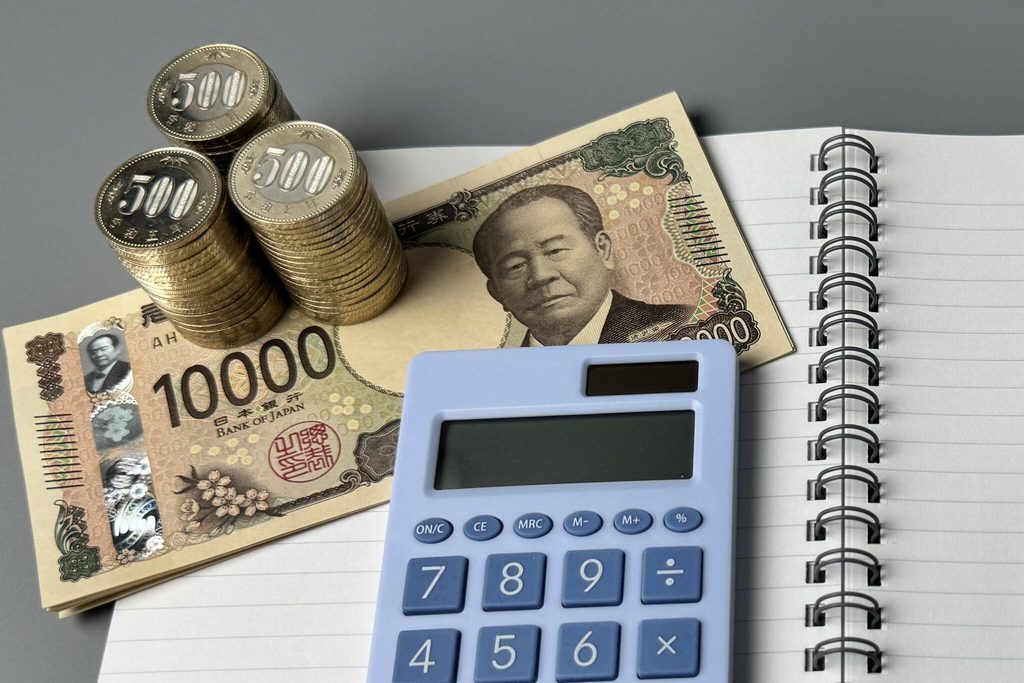
Your tax refund is the consumption tax you paid, and it is not one flat rate. Most goods carry 10%. Food and non-alcoholic drinks carry 8%, while alcohol is 10%. Two examples, before any fees:
- A camera priced at ¥50,000 before tax costs ¥55,000 at the till. The tax refund is ¥5,000.
- ¥10,000 worth of snacks costs ¥10,800. The tax refund is ¥800.
Then there is the fee. The new rules say nothing about how a shop pays you back, so they don’t set or cap a handling fee either. Some shops already keep one today. Takashimaya and Hankyu department stores, for example, keep a 1.55% fee at their tax refund counters. Hankyu takes it from the pre-tax price, so on the ¥50,000 camera that is ¥775, which leaves a tax refund of ¥4,225, or about 8.5% of the price.
💡 Japanischer Tipp: Ask about the fee before you pay, not after. A shop that keeps 1.55% and a shop that keeps nothing look exactly the same on the price tag.
Price Tags and Signs: The Japanese to Know
Price tags in Japan often show two prices, and the ¥5,000 minimum is the price before tax. With tax, that works out at ¥5,500 for most goods and ¥5,400 for food, so a ¥5,400 jacket is still just under the line. These are the words worth recognising:
- 税込 (zeikomi): tax included, the price you pay at the till
- 税抜 (zeinuki): before tax, the figure the ¥5,000 minimum uses
- 免税 (menzei): tax-free, on shop doors, counters and airport signs
- 免税手続き (menzei tetsuzuki): the tax-free procedure, at the shop and at the airport
- 税関 (zeikan): customs
- 返金 (henkin): refund
- 手数料 (tesūryō): a handling fee, the word to listen for when you ask how your tax refund will be paid
Step 1: At the Shop
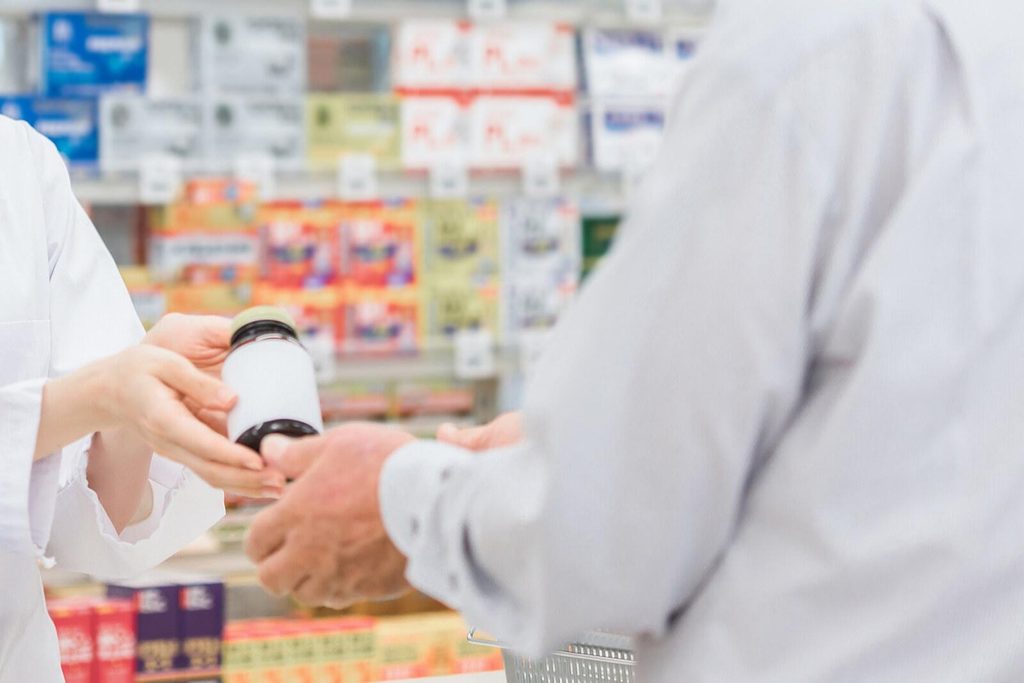
Show your passport, as you always have. The difference is what you pay: the full price with tax, the same as anyone living in Japan. The shop records the sale against your passport electronically, and that record is what customs checks when you leave.
This is also when your tax refund is set up. According to the Japan Tourism Agency, the shop will tell you how to register your refund method when you buy. Depending on the shop, that could mean a card, an app or bank details, or being told to collect cash at the airport.
One extra rule applies to big purchases. Anything priced at ¥1,000,000 or more before tax is recorded in detail, down to the brand, model, colour and serial number. Keep the certificate of authenticity or the warranty with it, because customs may ask to see them with the item.
💡 Japanischer Tipp: Ask one question at the till: “How and when will I get my tax refund, and is there a fee?” Every shop in Japan is allowed to answer it differently, and a vague answer tells you something.
Keep every receipt, and keep the goods from each receipt together. You’ll see why at the airport.
Step 2: The 90-Day Deadline
You have 90 days from the date of purchase to leave Japan and clear the customs step. The National Tax Agency gives its own example: buy something on 1 November, and your deadline is 30 January.
Most visitors will never come close, because they fly home within a few weeks. It matters on a long stay, if you shop at the start of a three-month trip, or if you leave Japan and come back. Each receipt has its own 90 days, counted from the day you bought the goods, not the day you fly.
💡 Japanischer Tipp: On a long trip, check the dates on your oldest receipts first. Anything you bought in your first week is the most likely to run out of time.
Step 3: At the Airport, Before You Check In
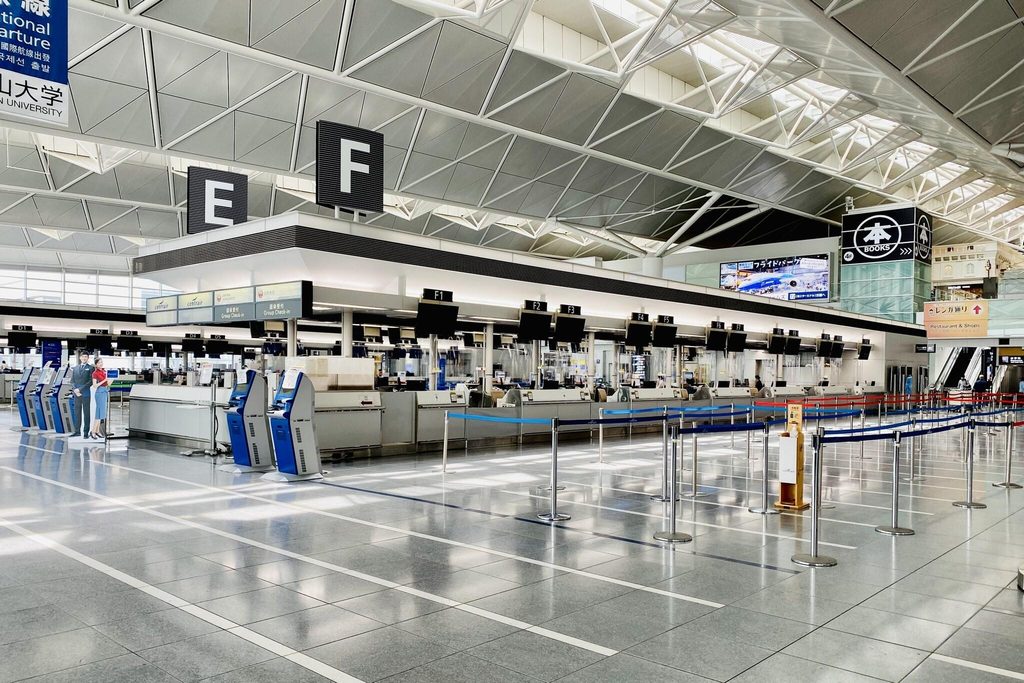
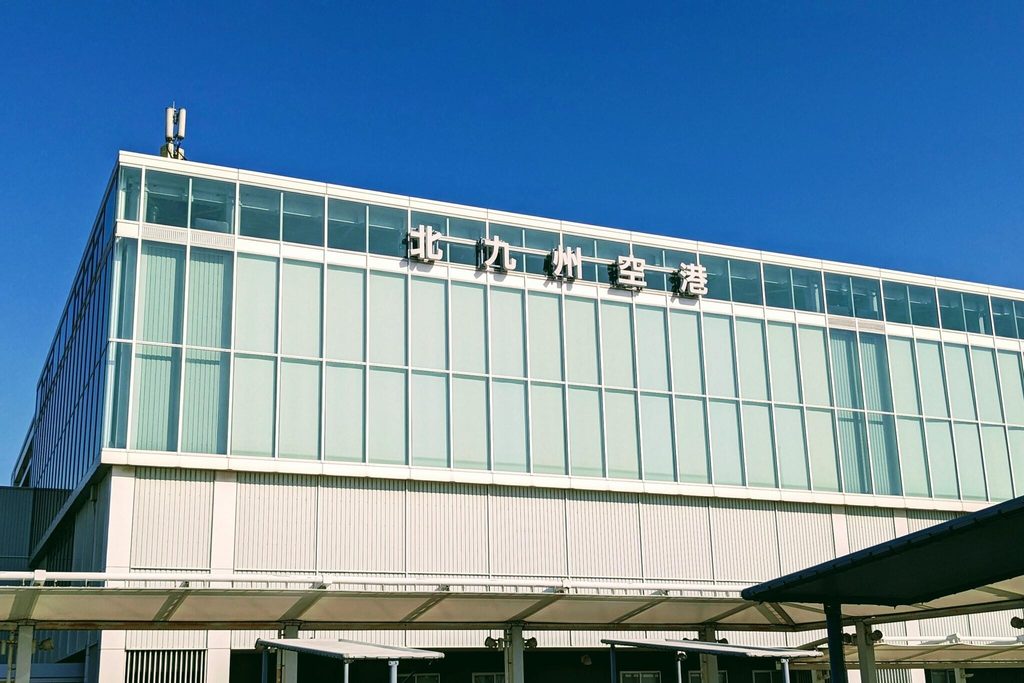
This is the step that will cost people money. You must do the tax-free procedure before you check in your luggage. The terminals and the customs inspection areas are in the international departure lobby, before baggage check-in, at every airport and seaport. Once your bags are checked, the procedure cannot be done, and your tax refund leaves with your suitcase.
At the terminal, you scan your passport. At seven of the busiest airports, Narita, Haneda, Kansai, Chubu, Fukuoka, New Chitose and Naha, you can do the same thing online through Visit Japan Web, using dedicated Wi-Fi in the departure lobby before security.
Leaving Japan by cruise ship? You do the procedure at the seaport in the same way. On a fly-and-cruise trip, where the cruise comes back to Japan and you then fly home, you do it at the airport you finally leave from.
💡 Japanischer Tipp: On the day you fly, add 30 minutes to your airport timing and keep your tax-free goods in one bag you haven’t closed yet. Digging a boxed rice cooker out of a full suitcase in the check-in queue is how this goes wrong.
Step 4: Green or Red
After the passport scan, the terminal shows one of two results:
- Green: no inspection is needed. The customs step is done, and you can go and check in.
- Red: an inspection is needed. Take your tax-free goods to the customs inspection area and show them.
Customs checks goods one receipt at a time, and this is the rule that will catch people out. If even one item on a receipt is missing, none of the goods on that receipt qualify, and you lose the tax refund on all of them. A receipt with a ¥40,000 bag and a ¥600 box of sweets you ate on the train gets nothing back.
If you have eaten or used something you bought tax-free, don’t do the procedure for it. The Japan Tourism Agency says to report it to a customs officer at the counter instead.
💡 Japanischer Tipp: A red result isn’t an accusation. Keep everything where you can reach it until you have seen the result, and treat red as routine.
Step 5: When and How the Tax Refund Arrives
Once customs confirms that your goods are leaving Japan, the shop, or a refund company working for it, pays you back. The Japan Tourism Agency lists the possible methods as bank transfer, credit card, app payment, and cash at the port of departure after the customs check.
What it doesn’t give is a deadline. The National Tax Agency says Japan’s consumption tax law sets no rules at all on how the refund is carried out. Each shop decides the method, the timing and any fee, or hands the job to a refund operator. So there is no single national tax refund service, no guaranteed timescale, and no government office to chase if a payment is slow. Your claim is with the shop.
Visit Japan Web covers the customs step, not the payment. For the money itself, you deal with the shop or its refund operator.
💡 Japanischer Tipp: On expensive purchases, a tax refund to a credit card is the easiest to chase if it doesn’t arrive, because you have a statement and a named merchant. Cash at the airport is the quickest, but it leaves no paper trail.
What Got Easier, and What Didn’t
The sealed bags are gone. Consumables such as food, drinks and cosmetics no longer go into tamper-proof bags. That makes packing easier, but it doesn’t mean you can use them. Anything eaten, drunk or used in Japan loses its tax refund, along with everything else on the same receipt.
The ¥500,000 cap is gone. There is no longer a daily limit on consumables at one shop. The only limit is what you can carry out of Japan yourself.
The categories are merged. One ¥5,000 minimum now covers everything you buy at a shop that day, which brings many mixed baskets over the line for the first time.
Shipping home is still out. Goods posted or shipped home separately haven’t counted since 31 March 2025. They have to leave Japan with you.
💡 Japanischer Tipp: Buy anything you plan to eat or use during the trip on a separate, ordinary receipt, without showing your passport. Then eating it can’t cost you the tax refund on everything else.
Five Ways to Lose Your Tax Refund
- You checked your bags first. This is the biggest risk, and it cannot be fixed afterwards.
- You missed the 90 days. Each receipt has its own deadline, counted from the day you bought the goods.
- One item on a receipt is missing. Eaten, used, given away or posted home, it takes the whole receipt with it.
- You spent under ¥5,000 before tax at one shop in one day.
- You left the shop without knowing how you’ll be paid. If you never set up a refund method, you’ll be chasing the shop or its refund operator from home. Sort it out at the till.
Travelling Before or Across 1 November
Nothing changes until then. Purchases up to and including 31 October 2026 follow the current rules. At most shops, the tax comes off at the till. Consumables go into sealed bags you mustn’t open in Japan, and they have to leave the country within 30 days of purchase. Some department stores charge the full price and refund the tax at a counter in the store, minus their fee.
If your trip runs across the changeover, so will your receipts. Goods bought on 31 October follow the old rules and goods bought on 1 November follow the new ones, in the same suitcase and on the same flight. Do the airport procedure for the November receipts before you check in, and keep the old-rule goods with you as well.
Japan Tax Refund FAQ
When does Japan’s new tax refund system start?
Es gilt für Einkäufe am oder nach dem 1. November 2026. Alles, was bis zum 31. Oktober gekauft wird, unterliegt den alten Regeln, auch wenn Sie Japan später verlassen.
Erhalte ich in Japan weiterhin steuerfreie Preise an der Kasse?
Nicht ab dem 1. November. Sie zahlen den vollen Preis inklusive Mehrwertsteuer und erhalten eine Steuererstattung, nachdem die Zollbehörde bei der Abreise bestätigt hat, dass Sie die Waren aus Japan transportieren.
Wie hoch ist der Mindestbetrag für eine Steuererstattung in Japan?
¥5,000 before tax, at the same shop on the same day. General goods and consumables now count together.
Kann ich die steuerfreie Abfertigung durchführen, nachdem ich meine Gepäckstücke abgegeben habe?
Nein. Die Terminals und die Zollbereiche befinden sich vor der Gepäckkontrolle, und das Verfahren kann nicht durchgeführt werden, nachdem Ihr Gepäck kontrolliert wurde.
Wie lange muss ich Japan nach dem Kauf verlassen?
90 days from the date of purchase. If you buy something on 1 November, your deadline is 30 January.
How will I receive my tax refund?
It depends on the shop. Bank transfer, credit card, app payment and cash at the airport after the customs check are all possible, and the shop will tell you how to register when you buy.
Can I use things I bought tax-free before I leave Japan?
No. Anything eaten, drunk or used in Japan loses its tax refund, and so does everything else on the same receipt.
Do I still need my passport at the shop?
Yes. Tax-free purchases are recorded against your passport, so bring it with you when you go shopping.
Is there still an upper limit on tax-free shopping?
The ¥500,000 daily cap on consumables has gone. The limit now is what you can personally carry out of Japan when you leave.
What if my tax refund doesn’t arrive?
Contact the shop, or the refund company it named when you bought. The Japan Tourism Agency sends travellers to them for refund details, and no government office pays refunds directly.
Wir aktualisieren diese Seite
We checked these rules on 1 October 2026 against the Japan Tourism Agency traveller guide and its FAQ for travellers, the National Tax Agency, and JNTO. The Japan Tourism Agency’s page is the official source, and it is where any change will appear first.
We will update this page after 1 November, once shops start paying refunds and the real methods, timings and fees become clear.
Shopping while you’re here? See our guides to Japan exclusive perfumes und Shibuya Marui. Flying out of Haneda or Kansai? Our Haneda layover und Kansai Airport to Kyoto guides cover the airports, and Bester Zeitpunkt für einen Besuch in Japan has the month-by-month picture.
Bereit, Japan zu erleben?
Entdecken Sie handverlesene Unterkünfte, lokale Erlebnisse und geführte Reisen, kuratiert von Japan-Experten.
Erkunden Sie Japan


 English
 Chinese (China)
 Chinese (Taiwan)
 Korean
 Thai
 French
 Spanish
 German
 Vietnamese
 Indonesian
 Italian