
Chopstick Making in Kyoto 2026: Gion Workshop Prices, Engraving and Alternatives
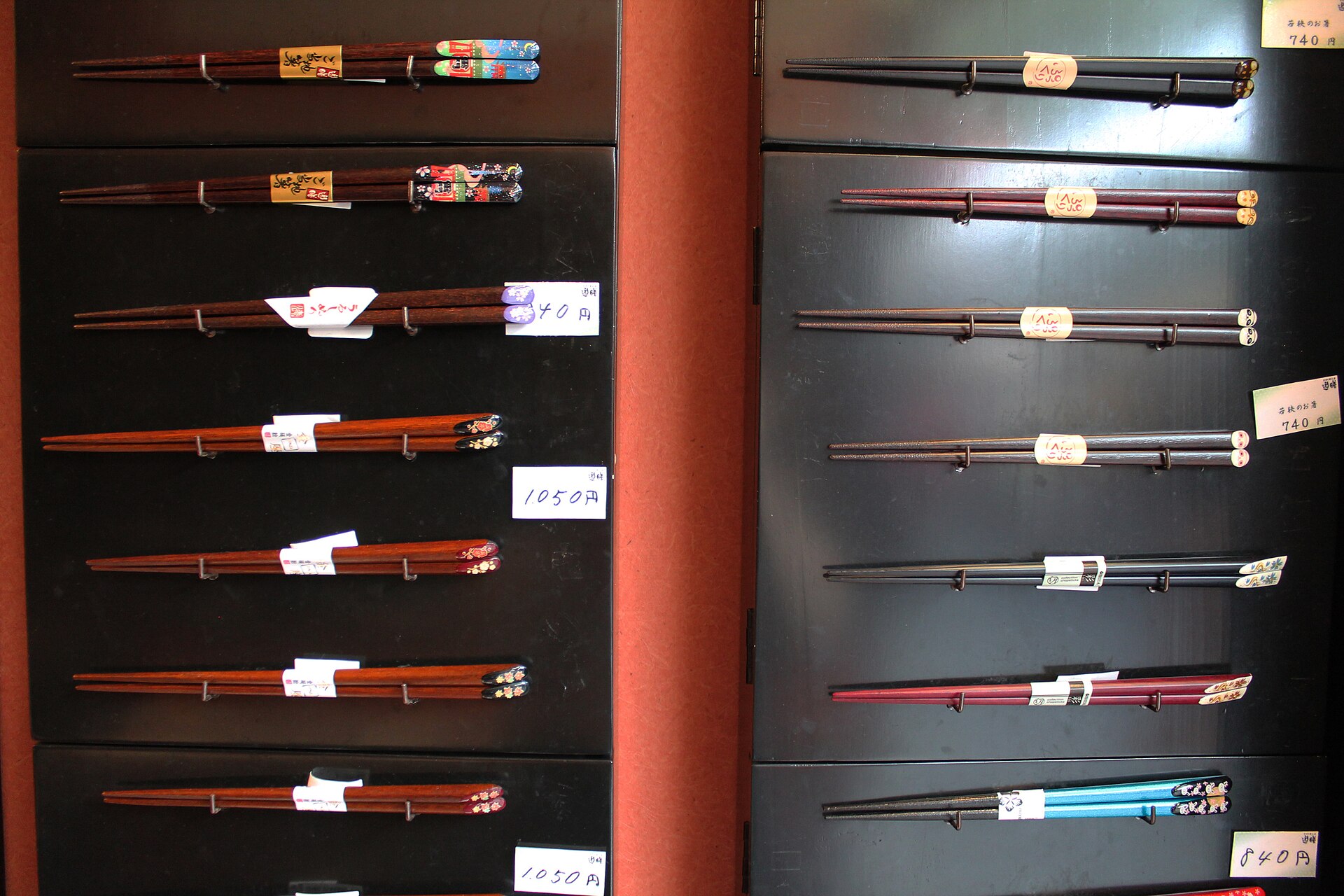
簡答: Chopstick making in Kyoto costs from ¥1,000 per adult (¥800 for children) at ZEN Chopsticks Making Workshop Gion, a one-hour session near Yasaka Pagoda where you plane, sand and oil your own pair and take it home the same day. Name engraving adds ¥1,500–¥3,000 and premium wood ¥2,000–¥10,000, paid at the studio.
From ¥1,000
Adult, Gion workshop (child ¥800)
+¥1,500–¥3,000
Name engraving
約1小時
Take your pair home the same day
Age 5+
With a parent or guardian
For chopstick making Kyoto has one obvious pick: ZEN Chopsticks Making Workshop in Gion, from ¥1,000 (about US$7) for a one-hour session, plus ¥1,500–¥3,000 if you want your name engraved. Book direct with the operator, Traveling Japan / ZEN Craft, or through Viator, Klook or GetYourGuide, and allow 15–20 minutes’ walk from Gion-Shijo Station Exit 1 (the operator says 10; Google Maps says 16).
This guide covers what the Gion workshop actually charges once upgrades are added, what you do in each part of the hour, the age and cancellation rules, and three other Kyoto workshops worth considering. It also covers where to buy a proper pair if you’d rather not make your own, plus the chopstick etiquette mistakes visitors make at dinner.
Last checked: 1 November 2026
重點資訊
- 票價: From ¥1,000 per adult, ¥800 per child under 13 (two standard woods included). Engraving +¥1,500–¥3,000. Premium wood +¥2,000–¥10,000.
- 時長: About 1 hour (45–60 minutes at the bench).
- 地點: ZEN Chopsticks Making Workshop Gion Kyoto, Kyoto Yasaka Koji 2F, 71-13 Tamamizu-cho, Higashiyama-ku. Gion-Shijo Station (Keihan) Exit 1, about 16 minutes on foot.
- 預訂: travelingjapan.com (ZEN Craft chopsticks); also Viator, Klook, GetYourGuide, Airbnb.
- 適合: Families with kids aged 5+, couples, rainy days, and anyone after a cheap, useful souvenir.
Who runs the Gion chopstick workshop?
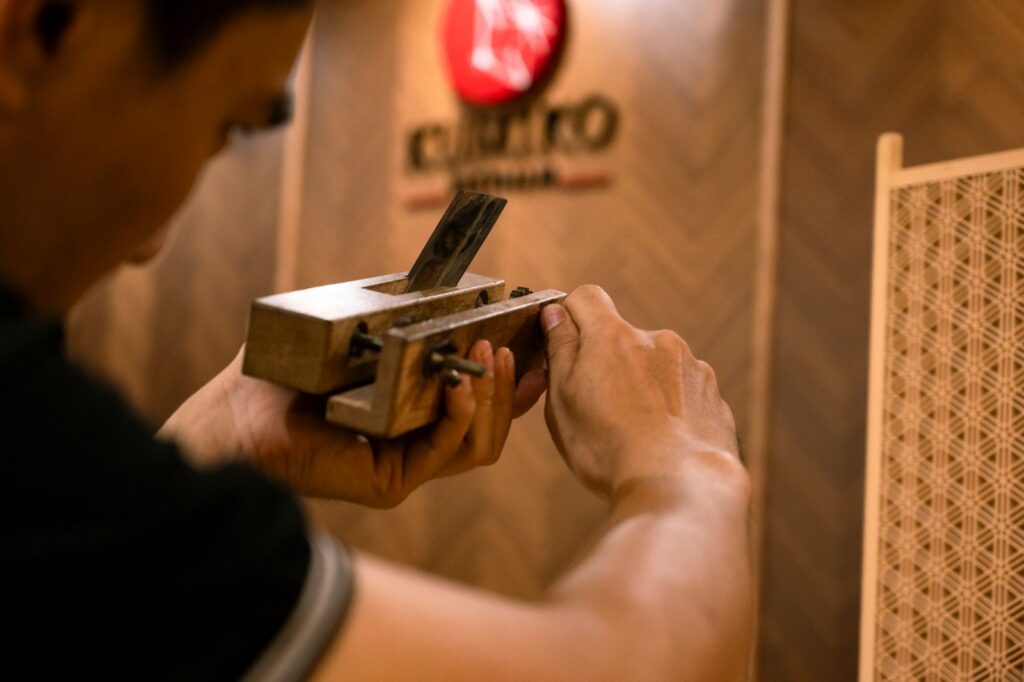
The two big platform listings, Viator’s “Chopsticks Making Workshop with Engraving Option in Gion” (over 4,500 reviews, rated 5.0) and Klook’s “Gion Make Your Own Chopsticks with Engraving Option” (thousands more reviews), are the same studio. It’s 禅 ZEN Chopsticks Making Workshop Gion Kyoto, run by Mediabound Inc. under its ZEN Craft and Traveling Japan brands. Viator shows the supplier as “Traveling Kyoto”. The same company runs chopstick studios in Shinjuku and 淺草 in Tokyo, and a kintsugi studio, ZEN Kyoto Annex, near Kawaramachi.
Mediabound’s September 2026 press release confirms the Gion studio is operating: open 9:00–20:00, around one hour per session, up to 30 people every 30 minutes, taught in English and Japanese, from ¥1,000 per person (PR Times, 13 Sep 2026).
How much does chopstick making in Kyoto cost?
The headline price is low. The final bill often isn’t. Here’s how the Gion workshop prices up, from the operator’s own pages (ZEN Craft chopsticks, ZEN Craft brand page, Gion booking page):
| 項目 | 價格(含稅) | 備註 |
|---|---|---|
| Basic workshop, adult (13+) | from ¥1,000 (about US$7) | One pair, choice of 2 standard woods, tools, English instructor |
| Basic workshop, child (12 and under) | 800日圓 | Operator’s minimum age is 5 |
| Premium Japanese wood | +¥2,000–¥10,000 | Brand-wide range; per-wood prices only shown at the studio |
| Name engraving | +¥1,500–¥3,000 | Brand-wide range; one Viator reviewer reports paying ¥2,200 |
| Viator / Klook / GYG | about US$6.50 (around ¥1,000) | Base price only; upgrades paid on the day |
A realistic total for one adult with engraving and a mid-range wood is about ¥4,500–¥6,000 (US$30–40). Viator reviewers mention wood upgrades from roughly ¥2,500 to over ¥6,000. One reviewer was caught out by extras at the end, so decide your budget before you start choosing woods. The online booking page lists wood upgrades and engraving as optional extras but doesn’t price them, so you pay for them at the studio.
Gion is the cheapest of the ZEN studios: the Shinjuku and Asakusa branches start at ¥1,200.
What do you actually do? Step by step
There’s no lacquer here. You shape a pair from a pre-cut wooden blank and finish it with natural oil. This is the timing the operator gives:
- Choose (about 10 min). A short intro to the tools and the process. You pick your wood and a style: round or square, thick or thin. Platform listings mention 9–13 wood types in total, two of them included.
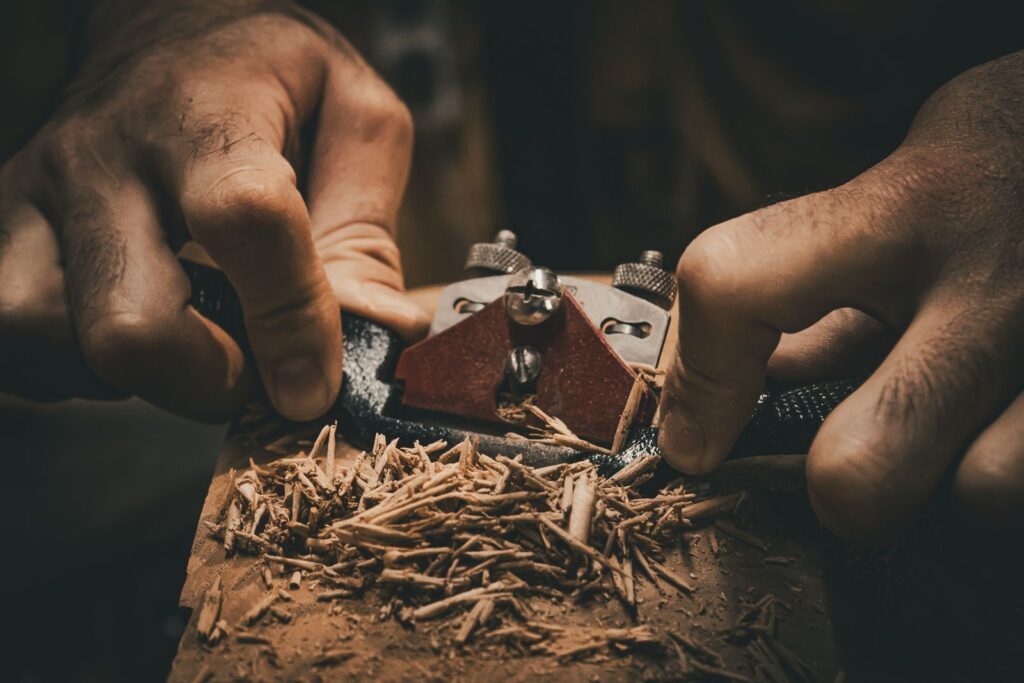
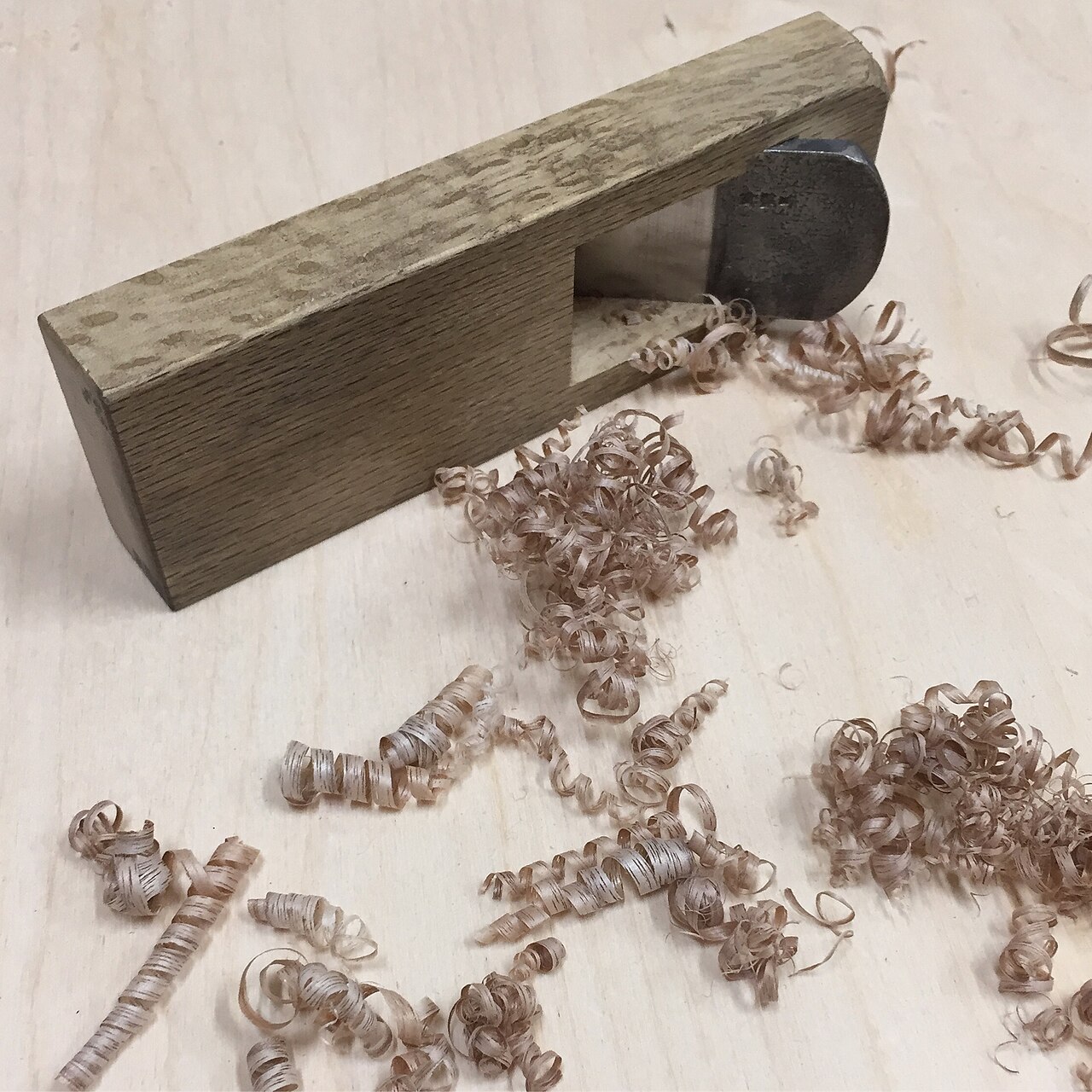
- Plane (about 30 min). You fix the blank in a wooden jig and shave it down with a small Japanese hand plane (kanna), one face at a time, turning it as you go. This is the part that takes concentration. Long, even strokes give a straighter stick than lots of short ones.
- Sand, oil and engrave (about 20 min). Sandpaper takes off the edges and smooths the tips. You rub in natural oil, and engraving, if you’ve paid for it, is done at this point.
- Take them home. You leave with your chopsticks the same day. The operator says to let the oil dry for at least 24 hours before you eat with them.
Photos are allowed, and so is personal video unless staff say otherwise. The press release also lists a knife sharpening and handle-fitting session at the Gion site (from ¥14,000, about 75 minutes), a useful extra if you’ve just bought a Japanese knife.
Is the Kyoto chopstick workshop suitable for kids?
Yes, from age 5 according to the operator. A parent or guardian must stay with children, because instructors can’t supervise them constantly (ZEN Craft). Children aged 12 and under pay ¥800 on the operator’s booking page. The planes are small but sharp. Under-8s usually need an adult’s hand on the plane for part of the session.
Where is the Gion workshop and how do you get there?
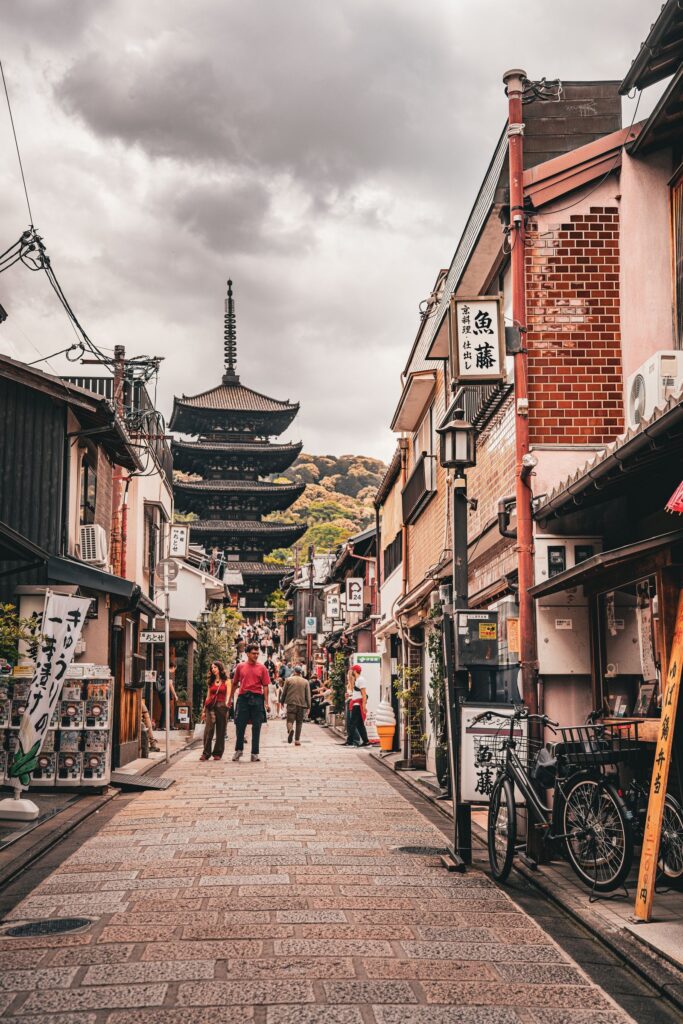
The studio is on the second floor (2F) of Kyoto Yasaka Koji (京都八坂小路), 71-13 Tamamizu-cho, Higashiyama-ku, Kyoto 605-0851 (京都府京都市東山区玉水町71-13 京都八坂小路2F).
- Keihan Gion-Shijo Station, Exit 1: the operator says about 10 minutes on foot. Google Maps puts the studio 1.1 km and 16 minutes from the station, so allow 15–20.
- Hankyu Kyoto-Kawaramachi Station: cross the Kamo River on Shijo-dori and continue as for Gion-Shijo. Allow about 20 minutes.
- Landmark: the studio is on Higashioji-dori at the Yasaka-dori corner, about 240 m (3 minutes on foot) west of Yasaka Pagoda (Hokan-ji). Viator calls it a one-minute walk.
The building sits on a side street, and one Viator reviewer said it was hard to find on maps. Use the map pin in your booking confirmation, not a search for “chopstick workshop”, and allow 10 minutes’ slack.
How do you book, and what’s the cancellation policy?
Book on the operator’s site first: travelingjapan.com/brands/zen-craft/chopsticks. Select the Gion studio and pick a time; the booking calendar shows hourly start times from 9:00 to 18:00. The same slots are sold on Viator, Klook, GetYourGuide and Airbnb, at roughly the same base price (about US$6.50). Upgrades are paid at the studio either way.
- Direct: free cancellation more than 24 hours before the start. Within 24 hours, including same-day, you pay the full price. Changes must be requested at least 24 hours ahead.
- Viator: free cancellation up to 24 hours before.
- 付款: card online, or cash at the venue for same-day guests if there’s space.
- Walk-ins: possible if a slot is free, but don’t count on it in autumn-leaf season.
When is the best time to go?
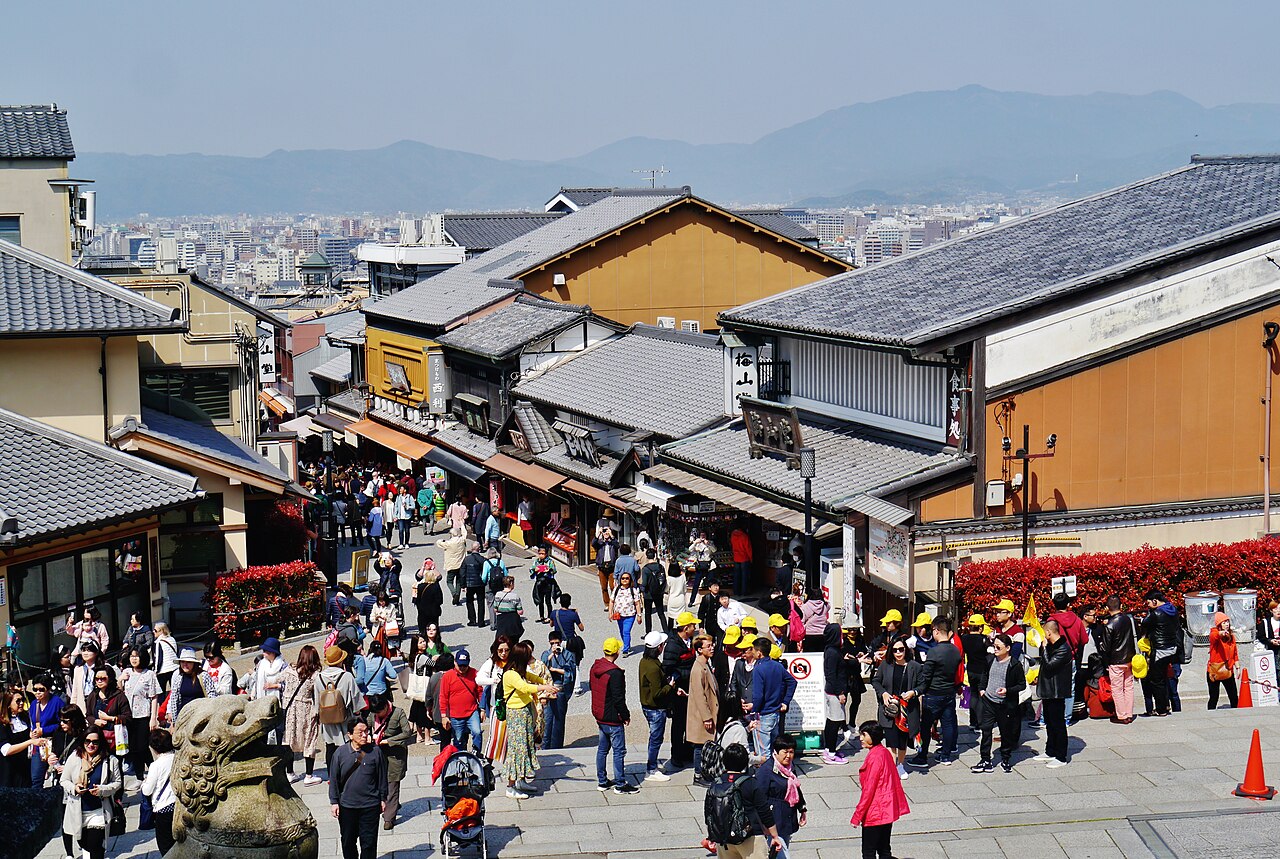
Book the 9:00 slot or the last slot of the day at 18:00. Higashiyama’s lanes are at their busiest from late morning to mid-afternoon. A slot at either end of the day fits around Kiyomizu-dera and the Higashiyama walk instead of eating into it.
Peak demand is autumn-leaf season, roughly mid-November to early December 2026. Book a few days ahead then. The studio is indoors, which makes it one of the more useful wet-weather options in Gion.
Other chopstick and craft workshops in Kyoto compared
| 工坊 | 區域 | 價格 | 時長 | 語言 | 最近車站 |
|---|---|---|---|---|---|
| ZEN Chopsticks Gion | Gion / Higashiyama | from ¥1,000 | 1 hr | English, Japanese | Gion-Shijo Exit 1, about 16 min |
| Chopsticks Studio Kyoto | 嵐山 | ¥1,000 direct (¥2,000–¥3,000 on some platforms) | 1 hr | English, Japanese | Randen Arashiyama, 2 min |
| Marumasu Nishimuraya | Nijo / Karasuma-Oike | 4,000日圓 | 2–3 小時 | Japanese (English handouts) | Nijojo-mae Exit 2, 5 min |
| Kyoto Ohashi Kobo | Hanazono | custom pairs from ¥5,000 (bamboo) or ¥7,000 (hardwood) | consultation; ready in 1–3 months | 日文版 | Randen Myoshinji, 2 min |
1. ZEN Chopsticks Making Workshop Gion (Wooden chopstick workshop)
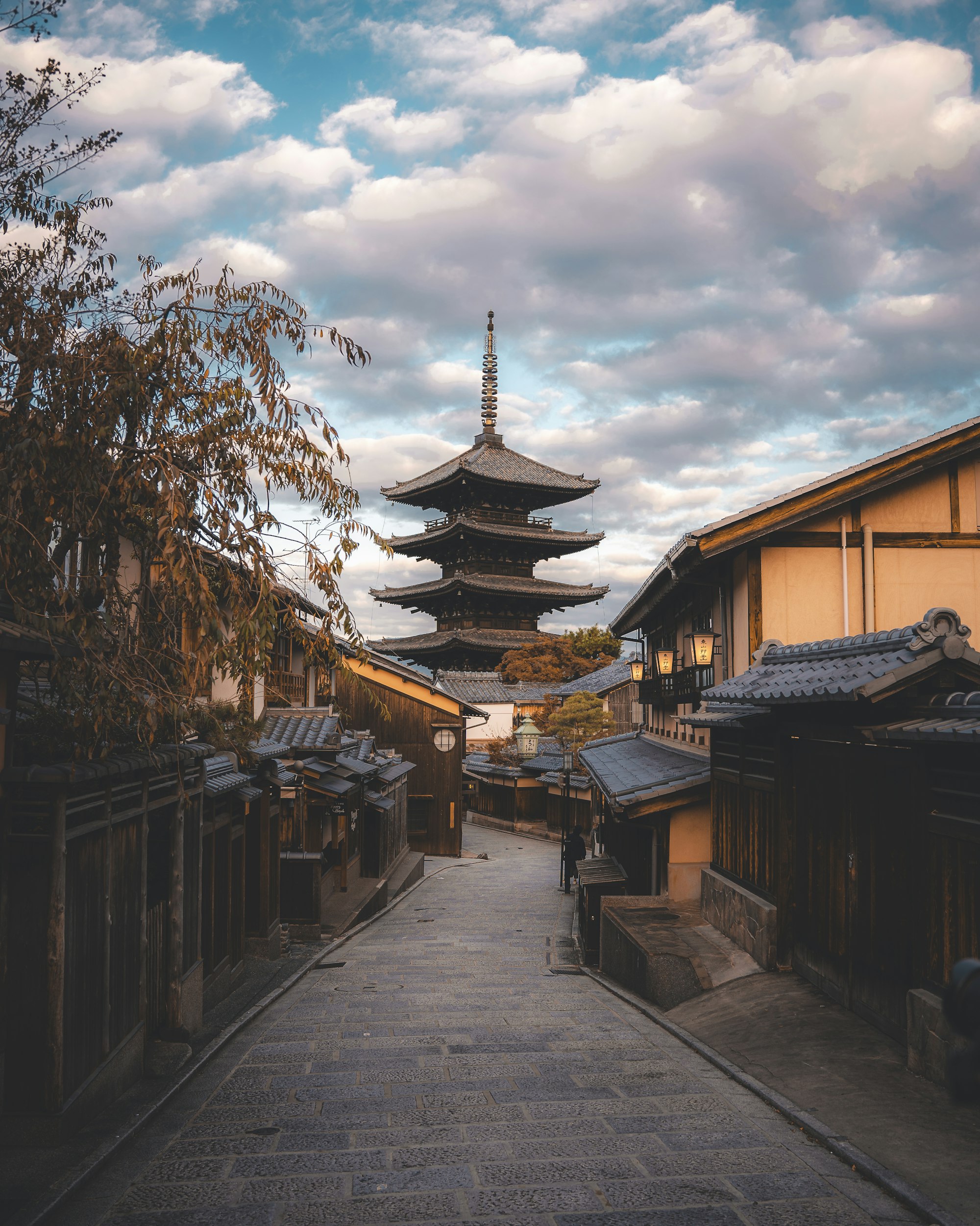
The Lowdown: The studio behind both big platform listings, and the cheapest base price in Kyoto. A tight, well-drilled hour: plane, sand, oil, engrave. High throughput (up to 30 people per half-hour) means it can feel busy, but the instructors get consistently strong reviews.
Where: Kyoto Yasaka Koji 2F, 71-13 Tamamizu-cho, Higashiyama-ku, three minutes’ walk from Yasaka Pagoda. Gion-Shijo Station Exit 1, about 16 minutes.
The Vibe: Bright, practical workshop full of travellers. More craft class than artisan’s atelier.
Price: From ¥1,000 (children 12 and under ¥800). Engraving +¥1,500–¥3,000; premium wood +¥2,000–¥10,000. Open 9:00–20:00; bookable start times 9:00–18:00.
官方連結: travelingjapan.com/brands/zen-craft/chopsticks
💡 Japan Pro Tip: Choose the shape before the wood. A square pair is easier to plane straight than a round one, and it won’t roll off the table.
2. Chopsticks Studio Kyoto, Arashiyama (Wooden chopstick workshop)
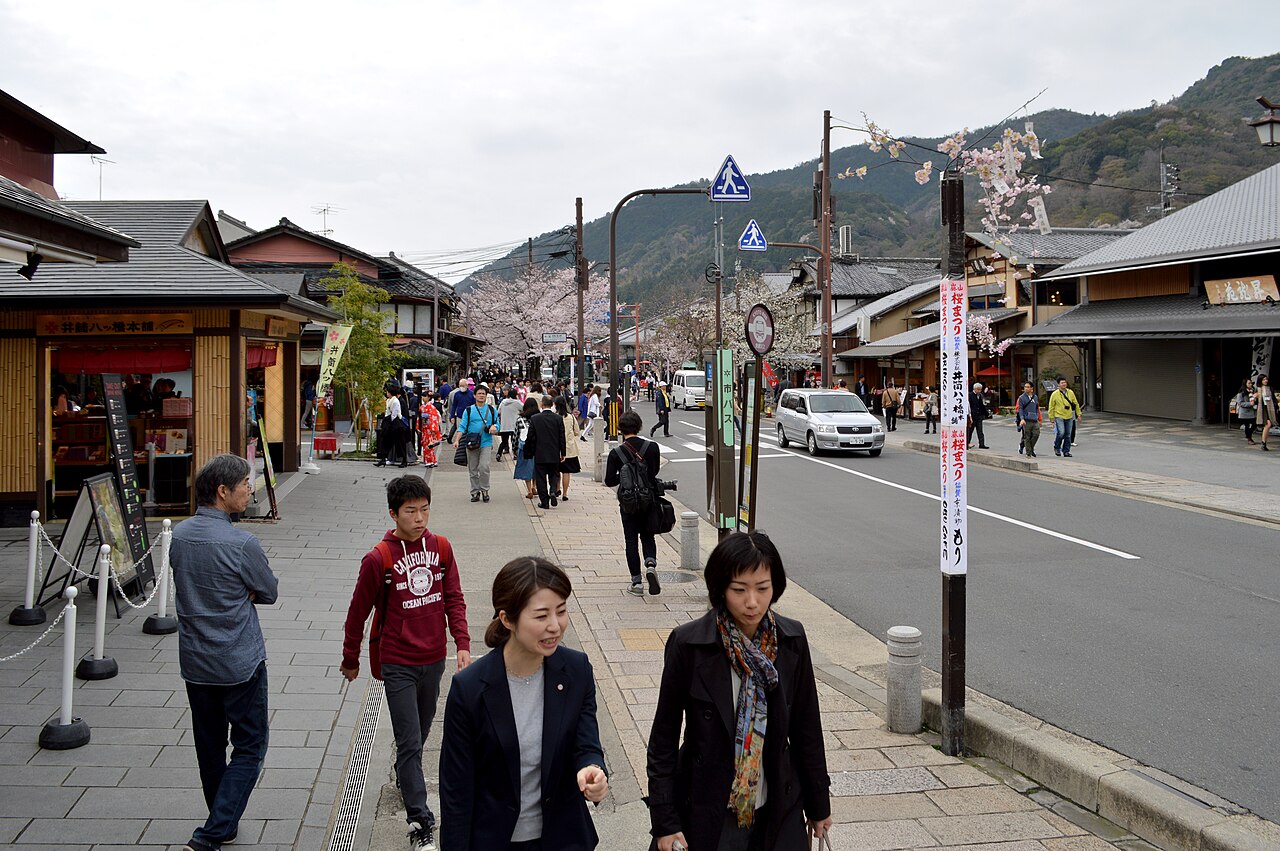
The Lowdown: Opened on 3 March 2026 by Contents Like LLC. It runs the same one-hour format as Gion, with three woods included out of 12+. Minimum age 6. The operator’s booking page lists sessions every 30 minutes from 9:00, last start 18:30.
Where: 2F, 3-25 Saga-Tenryuji Susukinobaba-cho, Ukyo-ku. Randen Arashiyama Station about 2 minutes; JR Saga-Arashiyama about 10 minutes.
The Vibe: A second-floor studio a short walk from Tenryu-ji and the bamboo grove.
Price: ¥1,000 per person (ages 6+) on the operator’s booking calendar for November 2026. Other platforms have listed it for more: Jalan and LIVE JAPAN ¥2,000, and the launch press release ¥3,000 per adult. Upgraded woods and engraving can cost extra, so check the live price on the operator’s page. Free cancellation up to 24 hours before.
官方連結: japanguidestar.com/tour/kyoto-arashiyama-chopstick-making-workshop
💡 Japan Pro Tip: Book the 9:00 slot and walk to the bamboo grove afterwards, before the day-trippers. It pairs well with our 嵐山指南.
3. Marumasu Nishimuraya (Chopsticks + Kyo-Yuzen dyed case)
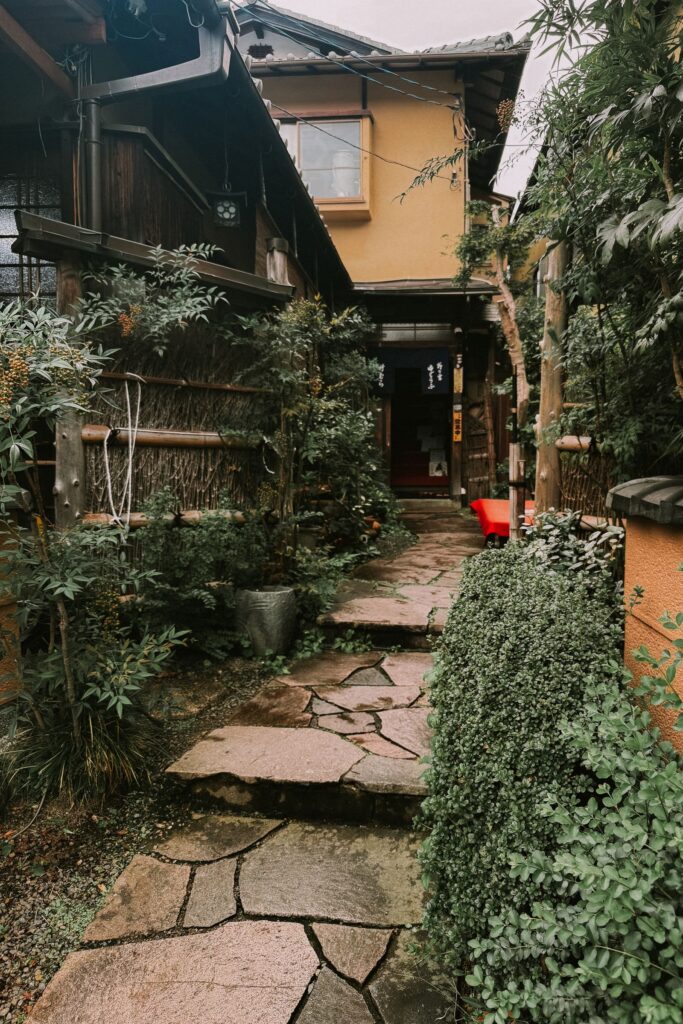
The Lowdown: A long-running Kyo-Yuzen dyeing workshop in a restored machiya. Its chopstick course is a half-day: you plane a pair from Kitayama cedar, one of Kyoto’s signature woods, then stencil-dye your own chopstick case using the yuzen technique. This is a real local craft workshop, not a tourist studio.
Where: 446 Tsuboya-cho, Oike-dori Ogawa-sagaru, Nakagyo-ku. Subway Nijojo-mae Station Exit 2, about 5 minutes; Karasuma-Oike Exit 4-1, about 7 minutes.
The Vibe: Low tables, dye pots and school groups on weekdays. Slower and more hands-on than Gion.
Price: ¥4,000 (tax included) for the chopstick and yuzen case course, 2–3 hours. Start times 9:00–14:00, finishing by 17:30; closed 1–3 January. Reservation required; same-day bookings by phone only.
官方連結: marumasu-nishimuraya.co.jp/private
💡 Japan Pro Tip: Instruction is mainly in Japanese, but Veltra reviewers say English handouts make it easy to follow. Bring a printed booking if you book by phone.
4. Kyoto Ohashi Kobo (Custom-made chopsticks)
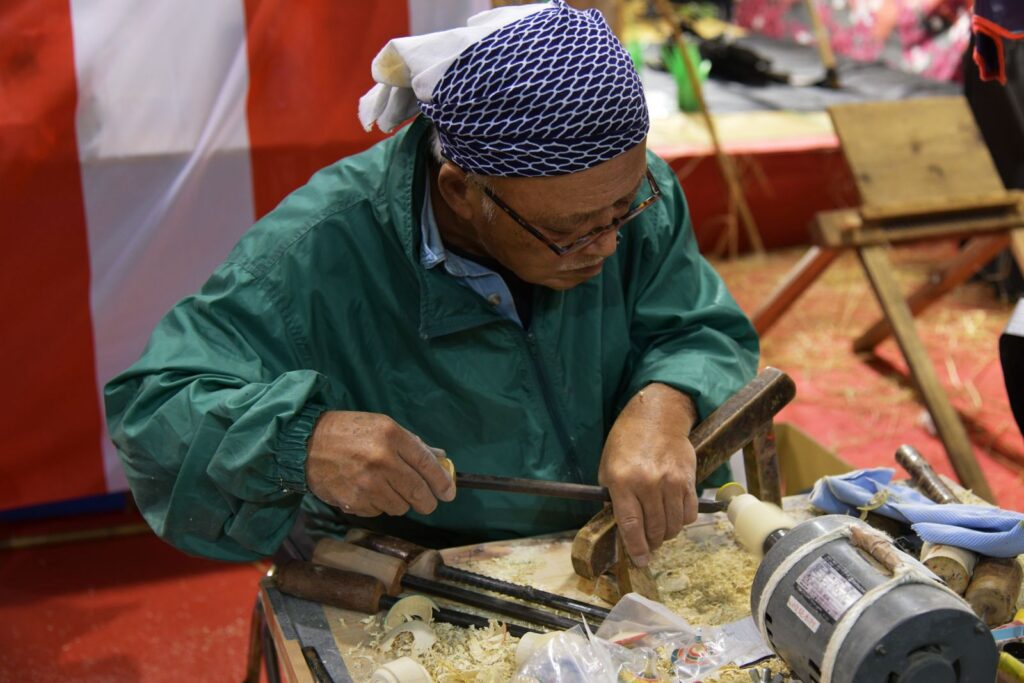
The Lowdown: You don’t make anything here. You order. Craftsman Takamitsu Kitamura, who opened the shop in 2003, measures your hand, asks your height, lets you test shapes and lengths, then makes a pair from rare hardwoods. It’s the option for an heirloom rather than a workshop souvenir.
Where: 16-5 Hanazono Tenjugaoka-cho, Ukyo-ku. Randen Kitano Line Myoshinji Station, about 2 minutes.
The Vibe: A small specialist shop. Quiet, Japanese-speaking, unhurried.
Price: The shop’s price list starts at ¥5,000 for a square-cut pair in Kyoto bamboo and ¥7,000 in Japanese cherry. Ebony and most rosewoods are ¥10,000–¥15,000, and the rarest woods run to ¥110,000 (black persimmon burl). Shaped cuts cost a little more than square. Made-to-order pairs take about 1–3 months, with shipping within Japan. The shop’s own menu lists everyday pairs at about ¥1,000–¥3,000. Open 10:00–17:00, closed Mondays and Thursdays (public holidays on other days are open).
官方連結: kyoto-ohashi.com
💡 Japan Pro Tip: Call ahead (075-464-3303). The shop posts ad hoc closures on its site; it closed on 15 September 2026, for example. Pair it with Myoshin-ji temple next door.
Where can you buy quality chopsticks in Kyoto?
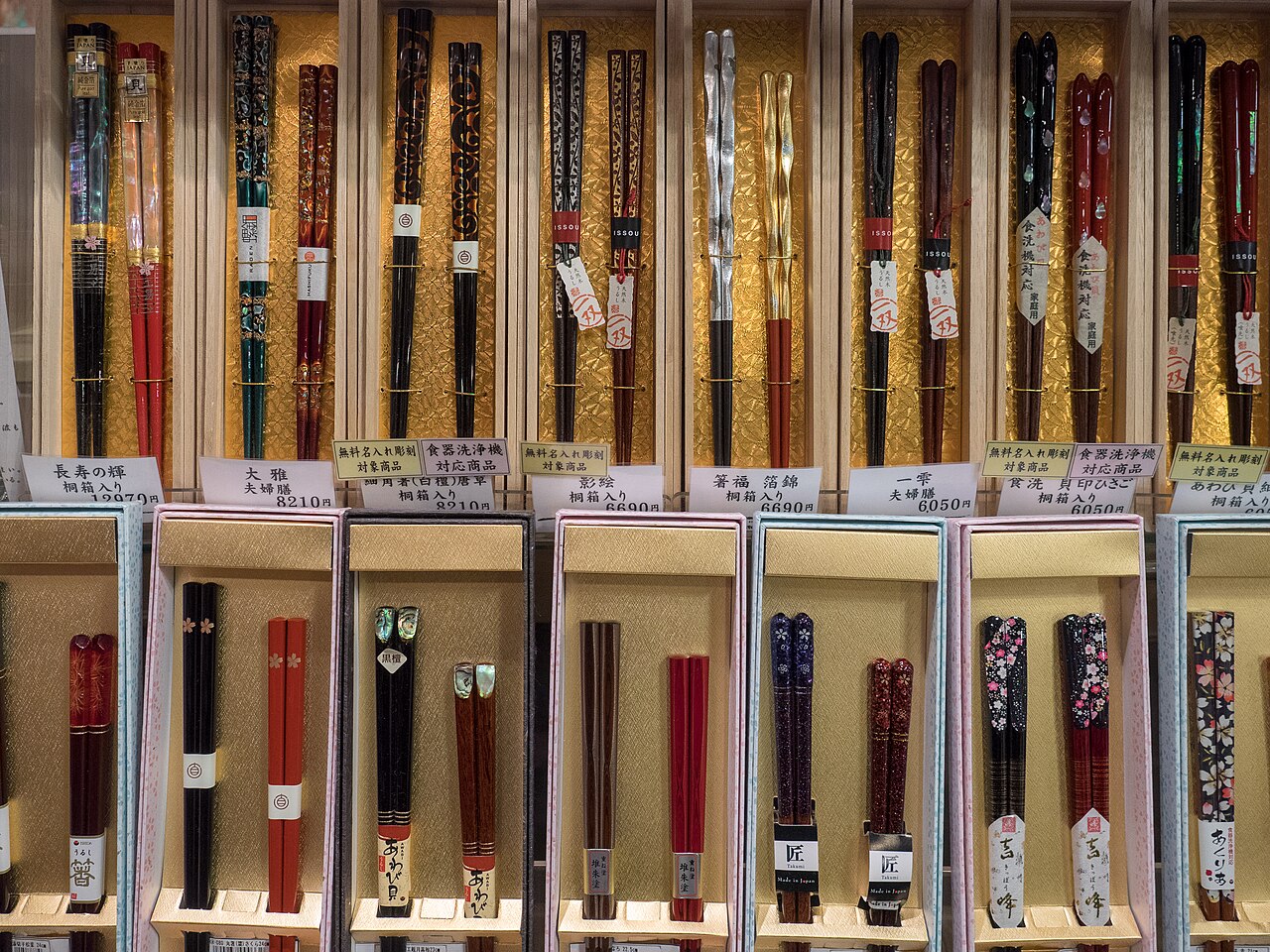
If you’d rather buy than make, three shops do it properly. For a wider round-up of craft shopping, see where to buy Japanese crafts.
- Ichihara Heibei Shoten (市原平兵衞商店). Kyoto’s oldest chopstick specialist, founded in 1764, with around 400 types. Its signature is miyako-bashi in soot-smoked bamboo (susudake), about ¥4,750 for a small pair in 2015 (expect more now). Address: 118-1 Koishi-cho, Shimogyo-ku (Sakaimachi-dori, south of Shijo), about 15 minutes’ walk west of Gion-Shijo Station. Hours 10:00–18:30 (Sundays and holidays 11:00–18:00). Closed 1–3 January and irregularly (京阪). No official website; phone 075-341-3831.
- Hashiya Mansaku (箸や万作). A modern chopstick and chopstick-rest chain with a main store at Nishiki Market and a branch on Shinkyogoku-dori (Nakasuji-cho 482-1, Nakagyo-ku, open 11:00–20:30). Its online shop lists dishwasher-safe and lacquered pairs from about ¥760 to ¥4,300 (wargo.jp). Good for gifts and wedding (meoto) pairs.
- Kyoto Ohashi Kobo. Above: for a pair made to your hand.
What is chopstick etiquette in Japan?
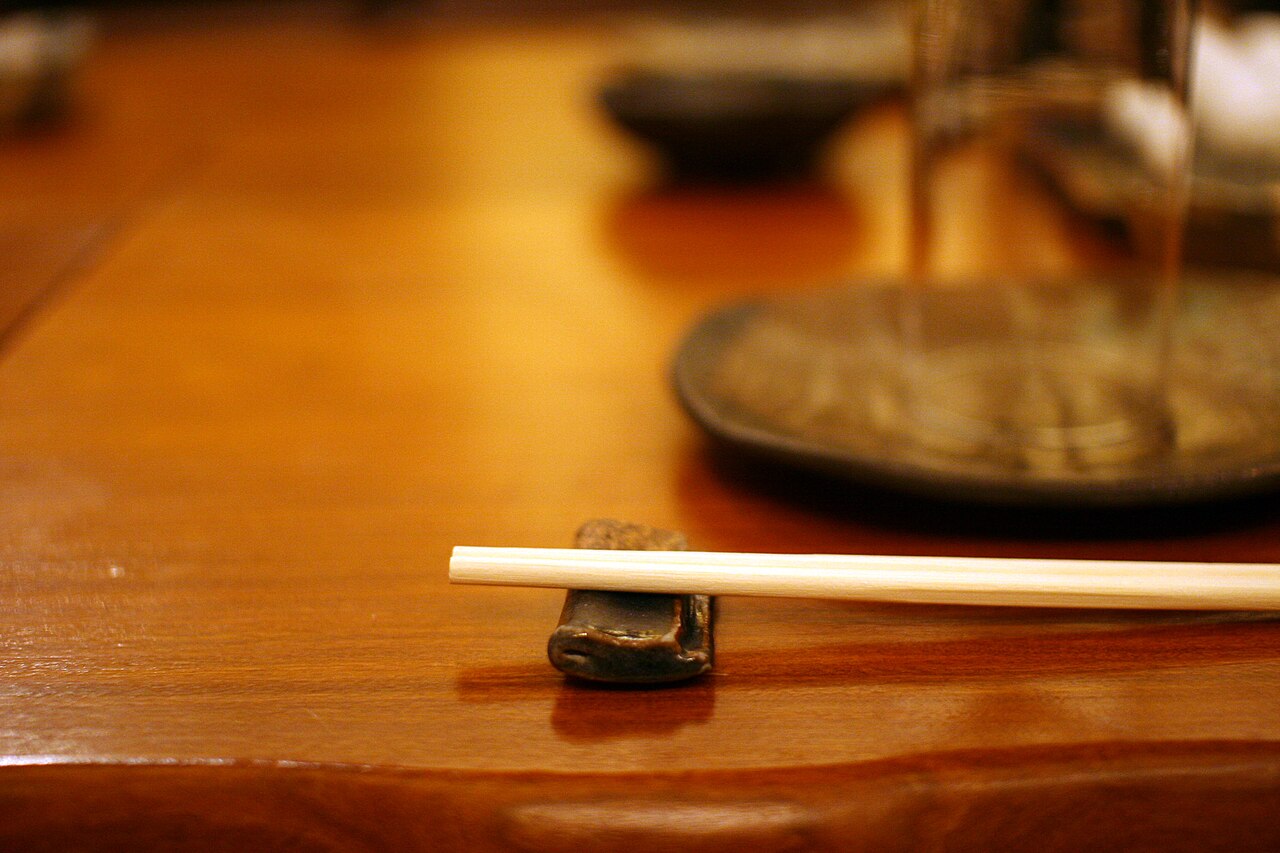
The ones that matter at a Kyoto dinner:
- Never stand chopsticks upright in rice (tate-bashi). It echoes funeral offerings.
- Never pass food chopstick to chopstick (hashi-watashi). This is how cremated bones are handled at funerals. Put the food on a plate instead.
- Don’t spear food (sashi-bashi) or point at people with them.
- Don’t hover over dishes deciding what to take (mayoi-bashi), or drag dishes towards you with chopsticks (yose-bashi).
- Use the rest (hashi-oki) between bites. If there isn’t one, fold the paper sleeve into one.
- Shared plates: use the serving chopsticks if provided. Some people turn their own chopsticks round to use the clean end; if you’re unsure, ask.
What to pair it with nearby
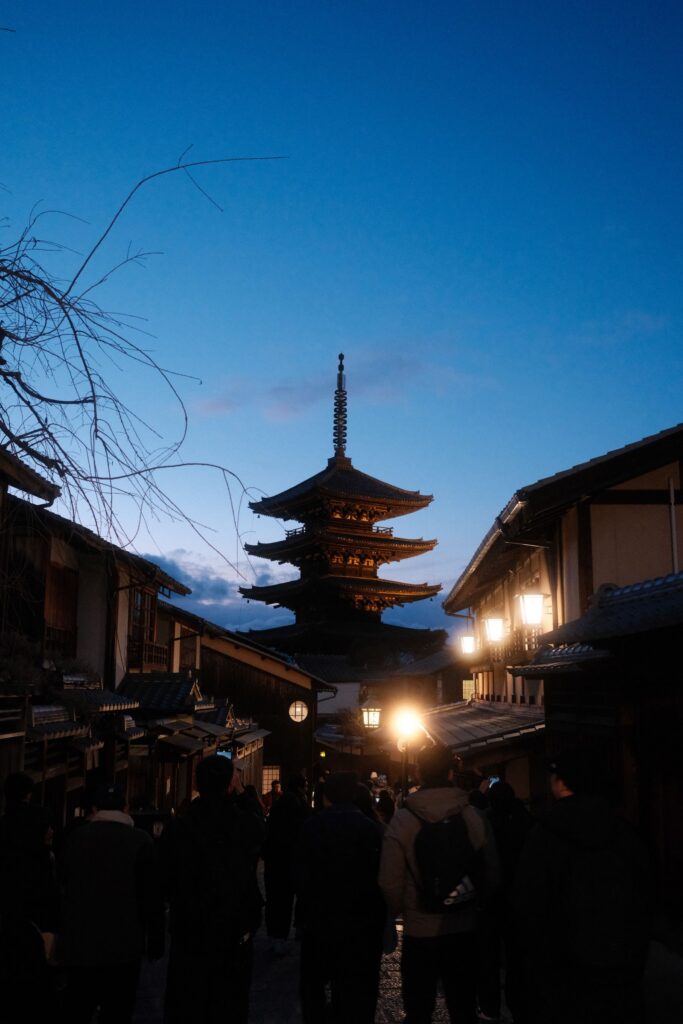
The Gion studio sits between Yasaka Shrine and Kiyomizu-dera, so the hour fits in a Higashiyama day. Do the workshop at 9:00, walk Ninenzaka and Sannenzaka to Kiyomizu-dera, then come back through Gion for the evening. Our 祇園徒步導覽指南 covers the routes. For a second craft, ZEN’s September press release puts its kintsugi studio at ZEN Kyoto Annex (Hayakawa Building 6F, Ebisu-cho, Nakagyo-ku, near Sanjo and Kyoto-Kawaramachi stations), about 20–25 minutes’ walk away. Its booking page now also lists a kintsugi workshop in Gion, so check the meeting point when you book. Our 道地的日本體驗 round-up has more hands-on ideas.
結論
For a cheap, quick craft hour in Gion, book ZEN’s 9:00 slot direct and budget about ¥5,000 if you want engraving and nicer wood. Choose Marumasu Nishimuraya for a half-day with a Kyoto-made case, or Kyoto Ohashi Kobo for a pair made to measure. Then explore Japan Pro to plan the rest of your Kyoto days.
資料來源: ZEN Craft chopsticks, ZEN Gion booking page, PR Times, Chopsticks Studio Kyoto, Marumasu Nishimuraya, Kyoto Ohashi Kobo. Last checked: 1 November 2026.
出發前須知
Set a budget first
Premium wood (+¥2,000–¥10,000) and engraving (+¥1,500–¥3,000) are paid at the studio, not online.
Allow 15–20 minutes
Google Maps puts the studio 16 minutes on foot from Gion-Shijo Station, not the 10 the operator quotes.
Use the booking pin
The building is on Higashioji-dori at the Yasaka-dori corner, 3 minutes from Yasaka Pagoda.
Cancel 24 hours out
Cancel within 24 hours of the start, including same day, and you pay in full.
Let the oil dry
Wait at least 24 hours before eating with your new chopsticks.
早點或晚點去
The 9:00 and 18:00 slots miss the worst of the Higashiyama crowds.
Chopstick Making in Kyoto FAQ
How much does chopstick making cost in Kyoto?
From ¥1,000 per adult (¥800 per child under 13) at ZEN Gion, and ¥1,000 at Chopsticks Studio Kyoto in Arashiyama when booked direct; some platforms charge ¥2,000–¥3,000. Engraving adds ¥1,500–¥3,000 and premium wood ¥2,000–¥10,000 at Gion. Marumasu Nishimuraya’s half-day course with a dyed case is ¥4,000.
How long does the chopstick workshop take?
About one hour in Gion and Arashiyama, two to three hours at Marumasu Nishimuraya.
Can I take my chopsticks home the same day?
Yes. Let the oil dry for 24 hours before eating with them.
Is the workshop in English?
Yes, at ZEN Gion and Chopsticks Studio Kyoto. Marumasu Nishimuraya teaches mainly in Japanese with English handouts.
What is the minimum age?
5 at ZEN Gion (with a parent present) and 6 at Chopsticks Studio Kyoto.
Are the chopsticks lacquered?
No. The tourist studios finish with natural oil. For lacquered pairs, buy from Ichihara Heibei Shoten or Hashiya Mansaku.
Can I cancel?
Free up to 24 hours before at ZEN Gion (direct and Viator) and Chopsticks Studio Kyoto. At ZEN Gion, cancelling within 24 hours means paying in full.
Plan it with Japan Pro
Japan Pro預訂平台將於2026年11月上線:預訂日本各地的導覽、體驗和餐廳。

 English
 Japanese
 Chinese (Taiwan)
 Chinese (China)
 Korean
 French
 Italian
 Thai