

Giá cả và giờ hoạt động đã được xác minh vào tháng 9 năm 2026
Fushimi Inari is the one everyone knows, roughly 10,000 torii across the whole mountain according to Nikkei, with the famous Senbon Torii tunnel forming just one stretch of it. It is also, by mid morning, a queue.
There are quieter alternatives. But quieter needs checking, because one of the most recommended alternatives is now so busy that it closes at weekends for eight months of the year, and during those closures you cannot walk through its gates at all.
Here are five shrines with tunnels of red torii gates, what each actually costs and opens, and which ones you can walk through on the day you turn up. Verified 15 September 2026.
Read This First: Motonosumi’s Weekend Closures
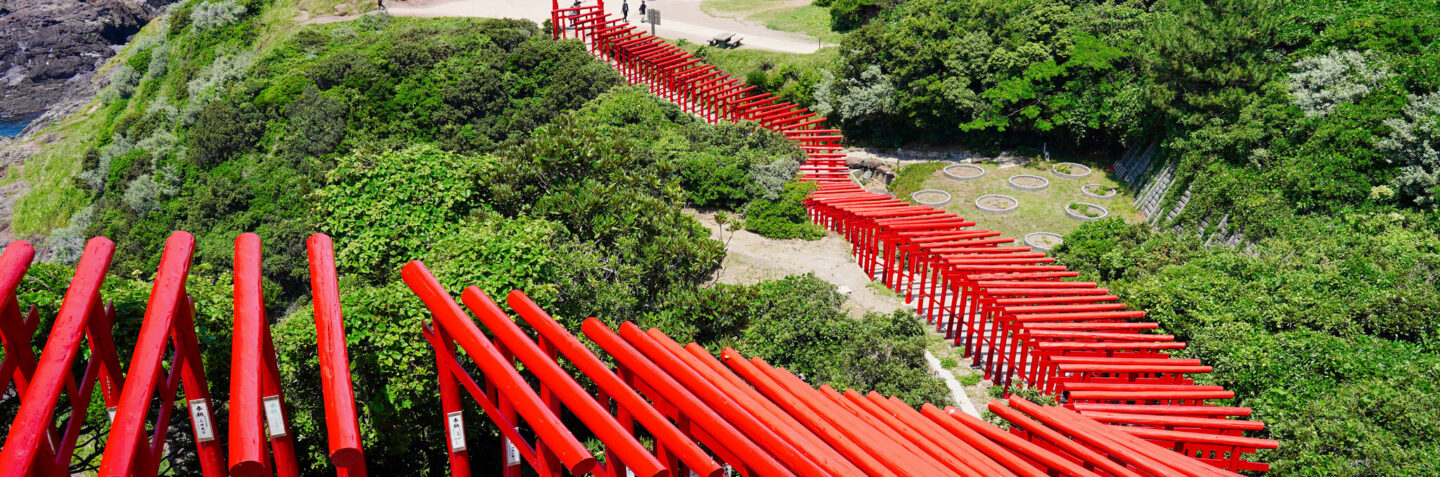
The seaside shrine with 123 torii running down to the water is the image that sells every one of these articles. Before you plan around it:
From March to November 2026, Motonosumi Inari is closed to worshippers on Saturdays, Sundays, public holidays, Golden Week and Obon. During those closures you cannot pass through the torii, you can only view and photograph them from the Ryūgū no Shiofuki side.
Two more changes worth knowing. Opening hours moved on 1 August from 07:00 to 09:30 to 16:30, which ends the early morning empty gates shot. And the famous offering box on top of the great torii has been removed, with no plan to reinstall it.
The reason for all of this is traffic congestion on the surrounding roads. Which is the honest headline: the most recommended hidden torii shrine in Japan is now managed like an overcrowded one.
1. Hie Shrine, Tokyo
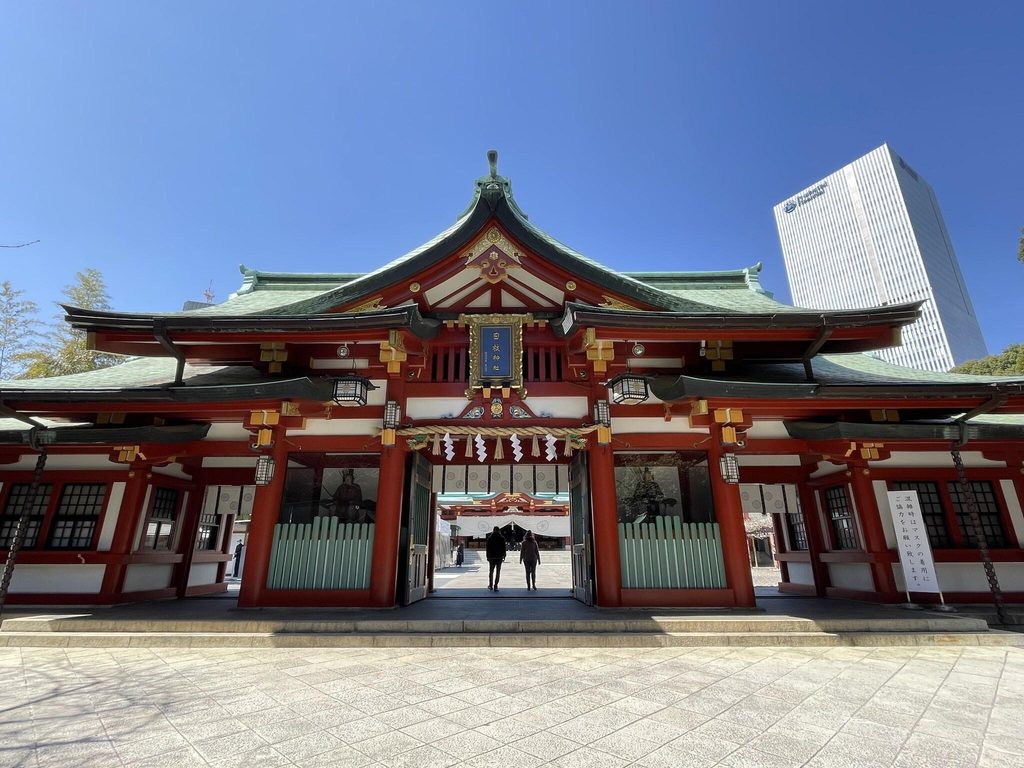
On the hill between Akasaka and Nagatachō, with a history reaching back to the Kamakura period. Within the grounds sits Sannō Inari Jinja, and behind it a staircase climbing under 90 red torii gates, a proper tunnel of vermilion in the middle of political Tokyo.
- Nơi ở: 2-10-5 Nagatachō, Chiyoda-ku. Akasaka Station exit 2 on the Chiyoda Line, 3 minutes; Tameike-Sannō exit 7, 3 minutes; Kokkai-gijidō-mae exit 5, 5 minutes
- Giờ làm việc: 06:00 to 17:00
- Giá: free
- Trang web chính thức: Hie Shrine
💡 Japan Pro Tip: It opens at 06:00. That is the whole trick with this one. You can photograph a 90 gate tunnel with nobody in it before breakfast, in central Tokyo, for free, and be at work or on a train by nine. No other shrine on this list offers that. Come at lunchtime and you are sharing it with office workers from Nagatachō.
The approach from the Sannō-bashi side is the one with the escalator, which matters if you are carrying luggage or travelling with anyone who would rather not take the stairs. Confirm which entrance you want before you set off.
2. Nogi Shrine, Tokyo
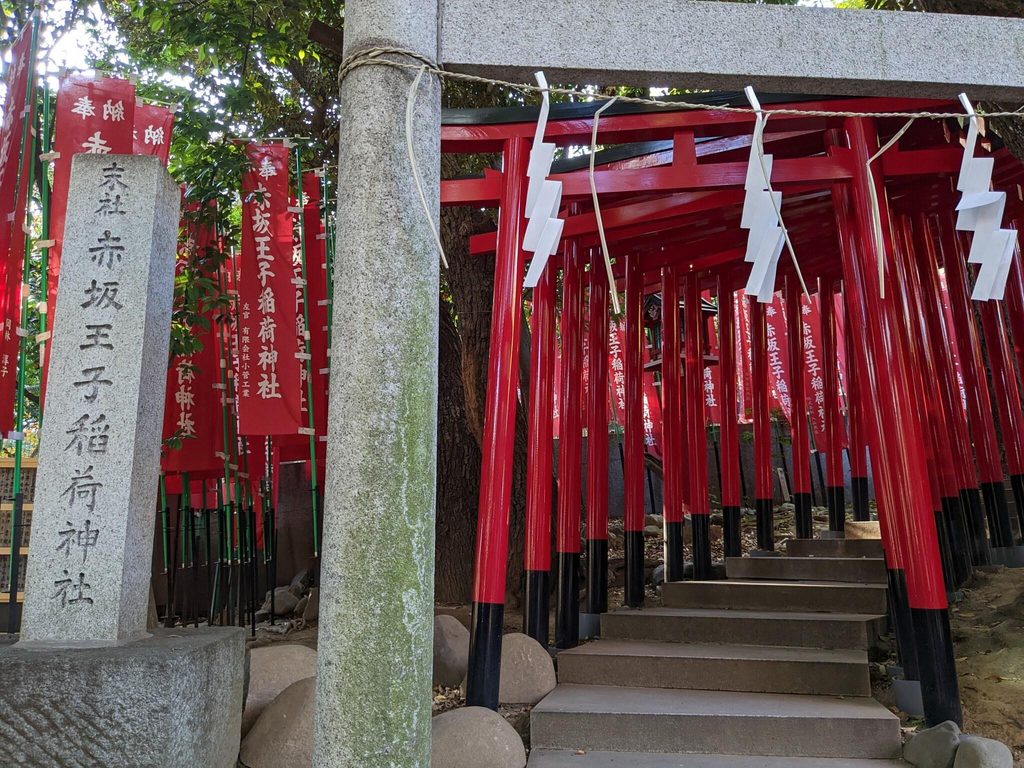
Small, quiet and genuinely local, ten minutes on foot from Hie. Within the grounds, Akasaka Ōji Inari Shrine has a short staircase winding up beneath red gates, a compact version of the same idea, and one that almost no visitors reach.
- Nơi ở: Akasaka, Minato-ku, nearest station Nogizaka
- Giá: free
💡 Lời khuyên dành cho người chơi Nhật Bản: Pair it with Hie. They are close enough to walk between, and doing both gives you two completely different scales of the same thing, a grand ceremonial staircase and a tiny neighbourhood one, in a single morning. Nogi is the one where you will be alone.
3. Fukutoku Inari Shrine, Yamaguchi
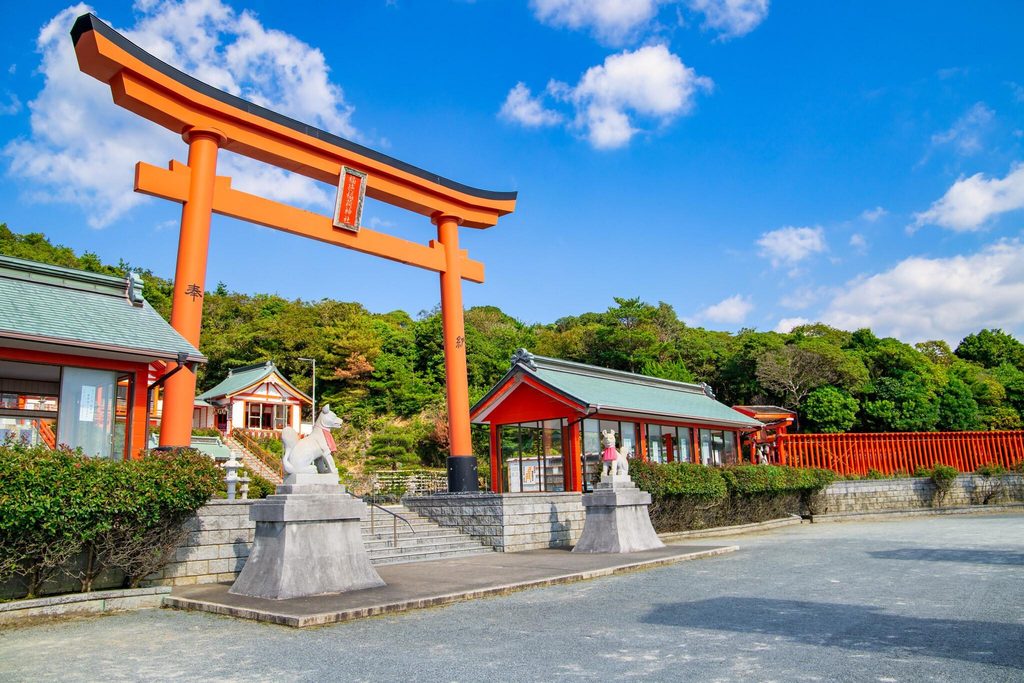
Here is the one that actually delivers what these articles promise. On the coast at Shimonoseki, a long run of vermilion torii descends the hillside toward the Hibiki-nada sea, with a great gate framing the water and mountains beyond.
- Nơi ở: 2960 Ōaza Uga, Toyoura-chō, Shimonoseki. JR San’in Line to Yutama Station, then about 1.2 km; or Blue Line bus to Fukutoku Inari-mae; by car, about 8 km north of Kawatana Onsen on Route 191, roughly 15 minutes
- Giờ làm việc: grounds open freely; shrine office 08:00 to 17:00, goshuin 09:30 to 16:00
- Giá: free, with 30 free parking spaces
- Trang web chính thức: Fukutoku Inari Shrine
💡 Japan Pro Tip: This is the substitute for Motonosumi, and it is about 40 km down the same coast. Free entry, free parking, open grounds, no weekend closures, no time limit. Everything Motonosumi has stopped being. If you have travelled to Yamaguchi for seaside torii and your dates fall on a weekend, come here instead and you will get the photograph, the sea view and an empty path.
4. Motonosumi Inari Shrine, Yamaguchi
123 red torii on a steep, winding path down toward the sea at Nagato, on a stretch of coast that genuinely is spectacular.
- Nơi ở: Nagato, Yamaguchi. About 20 minutes by taxi from Nagato-Furuichi or JR Hitomaru stations; about 60 minutes by car from Mine IC
- Giờ làm việc: 09:30 to 16:30, changed from 07:00 on 1 August
- Closed: Saturdays, Sundays, public holidays, Golden Week and Obon, March to November 2026
- Parking: paid, ¥300 for the first hour, ¥100 per hour after, ¥500 maximum
💡 Lời khuyên dành cho người chơi Nhật Bản: If your dates work, go on a weekday morning and you will have it. If they do not, do not drive out here on a Saturday. It is an hour from the expressway to stand outside a shrine you cannot enter. The shop and car park stay open during closures, so plenty of people arrive, discover the situation, and photograph the gates from the headland. That is a long way to go for a view you could have planned for.
5. Takayama Inari Shrine, Aomori
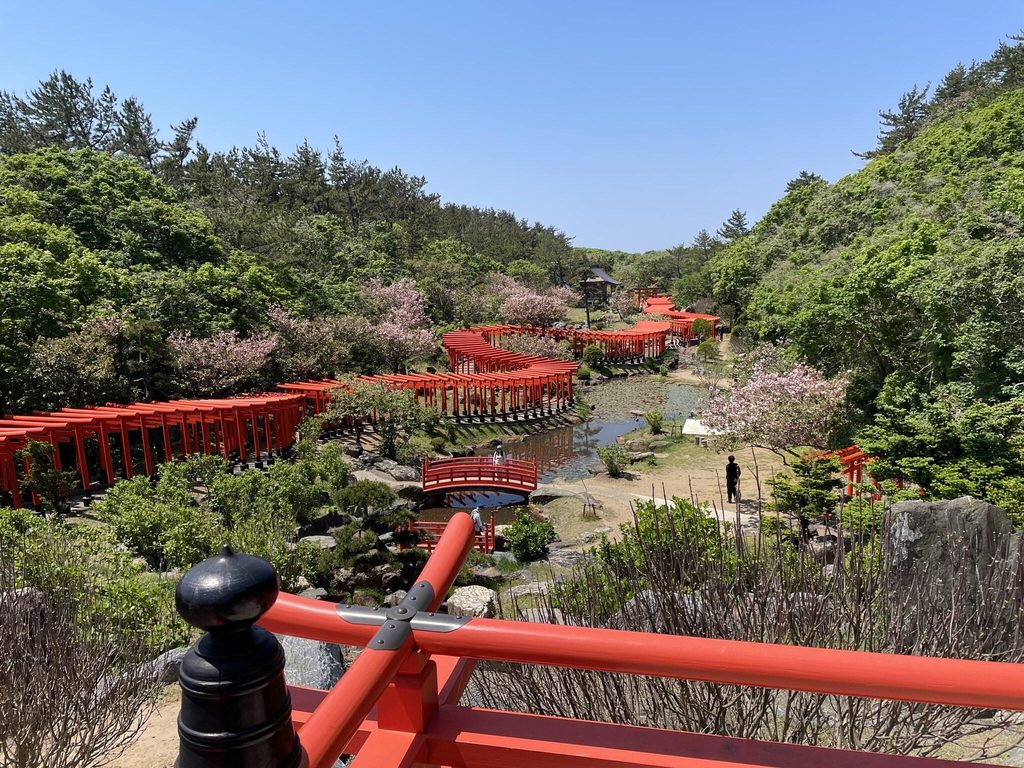
Called the Fushimi Inari of the north, and the most beautiful of these by some distance: hundreds of red torii curving in serpentine loops through a landscaped Japanese garden, around ponds, up a small hill. It looks unreal in photographs and better in person.
- Nơi ở: 147-1 Washinosawa, Ushigata-machi, Tsugaru, Aomori
- Cách đi đến đó: from Goshogawara Station, the Kōnan Bus Kodomari line takes about 40 minutes to Takayama Jinja Iriguchi, and then you need a taxi for the last five minutes. By car it is about 30 minutes from Goshogawara
- Giá: free
- Trang web chính thức: Takayama Inari Shrine
💡 Lời khuyên dành cho người chơi Nhật Bản: The bus does not take you to the shrine, it takes you to the entrance road, and you need a taxi from there. In rural Aomori that is not something to sort out on arrival. If there are two of you, take a taxi the whole way from Goshogawara. It is 30 minutes and removes the problem entirely.
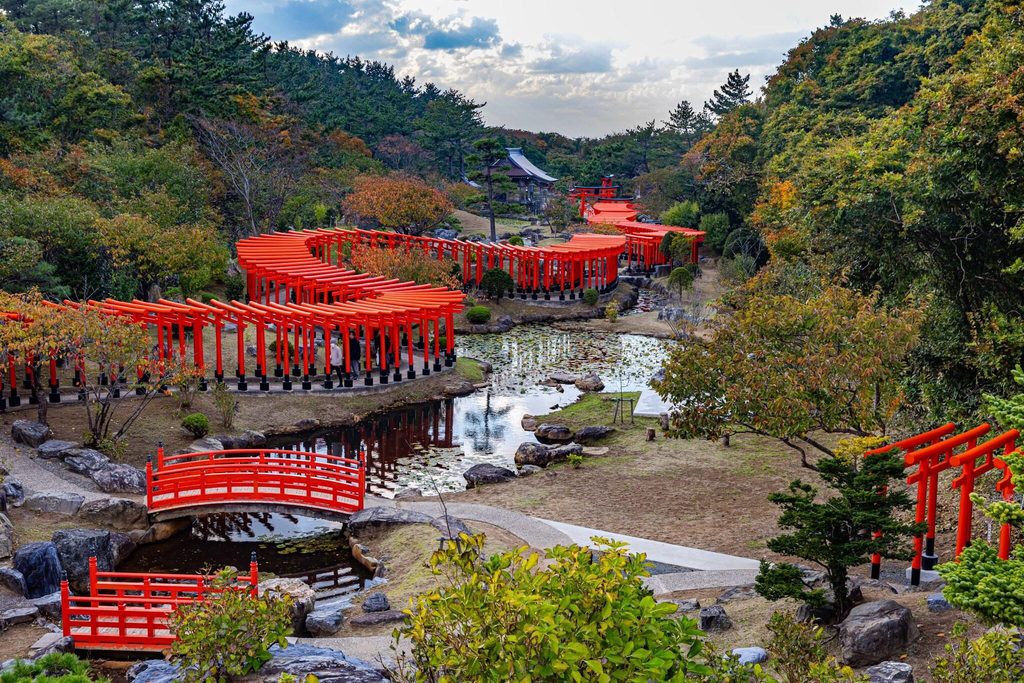
Two more things. The main approach is 96 steep steps, but there is a gentler onna-zaka route that loops around. Take it if stairs are an issue, it reaches the same place. And winter is genuinely worth it: vermilion against deep snow with the ponds frozen, described by Aomori’s tourism board as looking like an ink painting. Tsugaru snow is serious, so watch your footing and wear proper boots.
Red Torii Gates At a Glance
| Shrine | Where | Gates | Open | Catch |
|---|---|---|---|---|
| Hie | Tokyo | 90 | 06:00 to 17:00, free | None, easiest on the list |
| Nogi | Tokyo | Short run | Free | Small, pair it with Hie |
| Fukutoku Inari | Shimonoseki | Long run to the sea | Grounds free | Remote, but genuinely open |
| Motonosumi | Nagato | 123 | 09:30 to 16:30, paid parking | Closed weekends Mar to Nov |
| Takayama Inari | Aomori | Hundreds | Free | Bus plus taxi, 96 steps |
Which Should You Go To?
If you are in Tokyo and have an hour: Hie Shrine at 06:00. Nothing else on this list is that easy or that empty.
If you want the seaside shot: Fukutoku Inari, not Motonosumi, unless your dates fall on a weekday and you are happy with a 09:30 start.
If you want the best one and do not mind the journey: Takayama Inari in Aomori. It is the most extraordinary of the five and the hardest to reach, which is exactly why it stays quiet.
If you are already going to Aomori: pair it with Oirase Gorge. Both are in the same prefecture, and autumn suits both. Takayama Inari also sits inside the 13 November window in the Dự báo lá mùa thu.
FAQ
Can you visit Motonosumi Inari Shrine at weekends?
Not between March and November 2026. Visiting is suspended on Saturdays, Sundays, public holidays, Golden Week and Obon, and during those closures you cannot pass through the torii, only view them from the Ryūgū no Shiofuki side. Weekday hours are 09:30 to 16:30.
Is the Motonosumi offering box still there?
No. The offering box on top of the great torii, which visitors threw coins into, has been removed and there are no plans to reinstall it.
What is the best alternative to Fushimi Inari?
In Tokyo, Hie Shrine’s Sannō Inari with 90 gates, open from 06:00 and free. Nationally, Takayama Inari in Aomori is the most spectacular. For seaside red torii gates in Yamaguchi, Fukutoku Inari is open and free while Motonosumi has weekend closures.
How many torii gates does Fushimi Inari have?
Around 10,000 across the whole mountain according to Nikkei, of which the well known Senbon Torii tunnel is one section. Counts vary between sources because gates are continually donated and replaced.
Are these shrines free to visit?
Yes, all five. Motonosumi charges for parking, ¥300 for the first hour up to a ¥500 maximum, and Takayama Inari requires a taxi for the final stretch if you arrive by bus.
How do you get to Takayama Inari Shrine?
From Goshogawara Station, take the Kōnan Bus Kodomari line about 40 minutes to Takayama Jinja Iriguchi, then a taxi for the last five minutes. By car it is about 30 minutes from Goshogawara. The bus does not reach the shrine itself.
Can you visit Takayama Inari in winter?
Yes, and the red gates against deep snow are a reason to go rather than a reason to avoid it. Tsugaru winters bring heavy snow, so wear proper boots and take the gentler onna-zaka route rather than the 96 steps.
Which torii shrine is easiest to reach from Tokyo?
Hie Shrine, three minutes from Akasaka Station and open from 06:00. Nogi Shrine is a ten minute walk away and can be combined with it.
Check Before You Travel
Four of these five you can simply turn up to. The fifth, the one on every list, you cannot, for more than half the week, for most of the year.
That is the whole point of checking. If you are building the rest of a Tokyo trip around the two city shrines, the Tokyo bucket list covers the city in walkable half days.
Cuối cùng đã được xác nhận: 15 September 2026, against Nagato City, Yamaguchi Prefecture and Aomori Prefecture official information and each shrine’s own site.
Bạn đã sẵn sàng để trải nghiệm Nhật Bản chưa?
Khám phá những trải nghiệm lưu trú và trải nghiệm địa phương được tuyển chọn kỹ lưỡng cùng những hành trình được dẫn dắt bởi các chuyên gia về Nhật Bản.
Khám phá Nhật Bản



 English
 Chinese (China)
 Chinese (Taiwan)
 Korean
 Thai
 French
 Spanish
 German
 Vietnamese
 Indonesian
 Italian