

Giá cả và giờ hoạt động đã được xác minh vào tháng 9 năm 2026
On 3 September 2026, Japan’s Council for Cultural Affairs selected Hikone Castle as the country’s nomination for the 2028 UNESCO World Heritage List. It had been on Japan’s tentative list since 1992, a wait of 34 years.
That matters to anyone planning a trip for a simpler reason. Hikone is a National Treasure castle about 50 minutes from Kyoto, it’s quiet, and World Heritage listing tends to change that. If the 2028 decision goes its way, the Hikone you can visit today won’t be quite the same place afterwards.
This guide covers what was decided, why it took three decades, and how to visit while it’s still calm.
What was decided, and what wasn’t
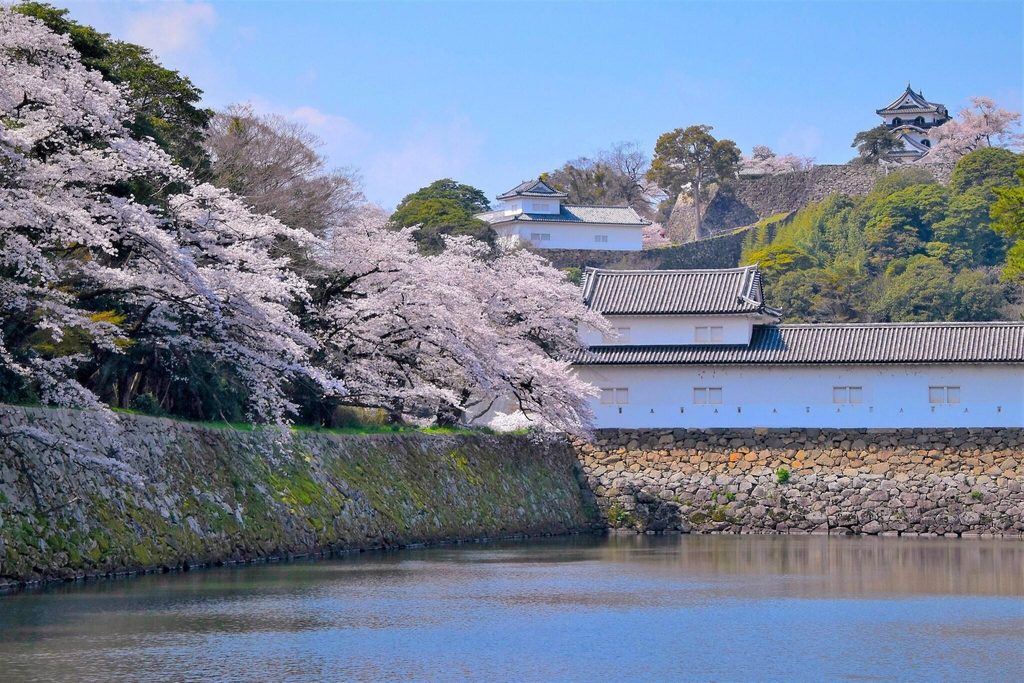
A domestic nomination isn’t a listing. On 3 September, Japan chose Hikone as its candidate (Kyoto Shimbun’s report, in Japanese), and that’s the first of several stages.
The timeline to 2028
| When | What |
|---|---|
| 1992 | Added to Japan’s tentative list for World Heritage |
| 3 September 2026 | Selected as Japan’s nomination |
| By February 2027 | Formal nomination submitted to UNESCO |
| 2027 | ICOMOS evaluation, including a site visit |
| Summer 2028 | World Heritage Committee decision |
ICOMOS, the advisory body that evaluates cultural nominations for UNESCO, carries out its own assessment, including a site visit, and can recommend deferral or rejection. Listing in 2028 is the target, not a guarantee.
💡 Lời khuyên dành cho người chơi Nhật Bản: Be sceptical of anything that calls Hikone Castle a World Heritage Site today. It isn’t one, and it won’t be before 2028 at the earliest. That’s worth knowing if you’re planning an itinerary, because the mistake spreads fast after an announcement like this.
Why it took 34 years: the Himeji problem
UNESCO requires every nomination to pass a comparative analysis. It has to show that it adds something the properties already on the list don’t cover, and Japan already had a castle on the list: Himeji, inscribed in 1993 and widely considered the finest surviving example of Japanese castle architecture.
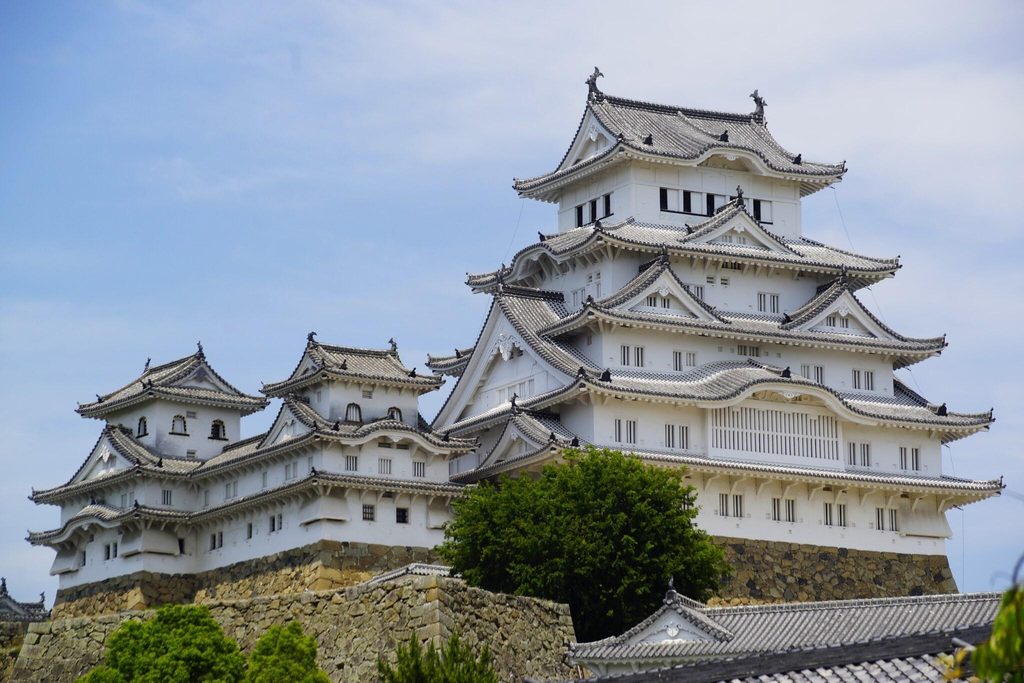
So for decades the question over Hikone was blunt. Why does Japan need a second castle on the list? Argued on architecture alone, that’s a hard case to win.
The argument that finally worked
The nomination stopped arguing about buildings and started arguing about government.
The case now is that Hikone preserves, unusually completely, the physical evidence of how an Edo-period daimyo ran his domain, the system that kept a stable social order for roughly 250 years from the early 1600s. It isn’t presented as a fortress. It’s presented as a working seat of power: the keep, but also the residences, gardens and administrative buildings around it.
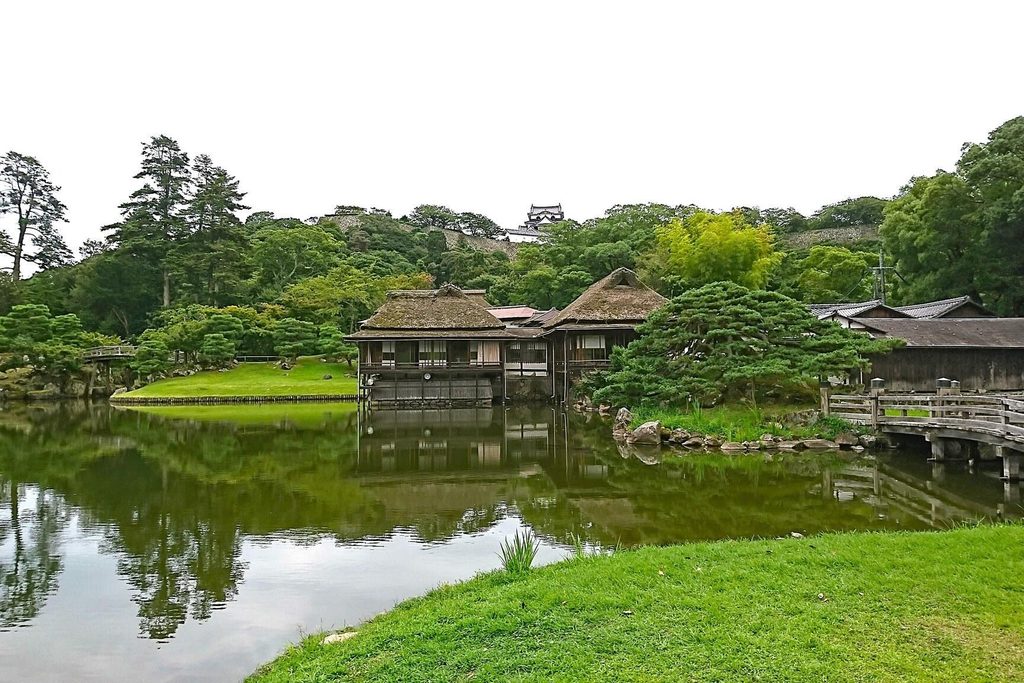
When the decision was announced, the Agency for Cultural Affairs gave almost exactly that as its reason: Hikone is physical evidence of the Edo-period system of rule by daimyo. It took five drafts of the nomination to get there.
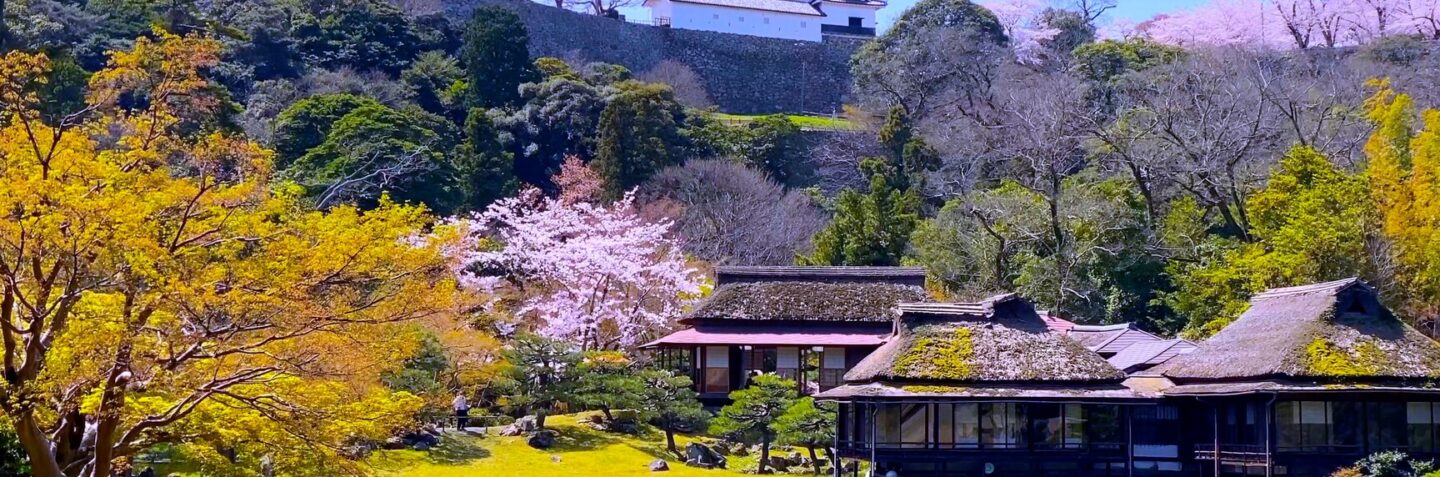
💡 Lời khuyên dành cho người chơi Nhật Bản: This changes how to visit. Most people photograph the keep and leave. If the case for Hikone is the complete daimyo seat, the parts worth your time are the ones visitors usually skip: Genkyū-en garden, the museum on the site of the former palace, and the sheer scale of the grounds. Walk it as an administrative complex rather than a castle and it becomes a much better two hours.
Why go before 2028
World Heritage listing is good for a site’s preservation budget and hard on its atmosphere. The pattern in Japan is consistent: inscription brings a jump in visitor numbers and tour buses, and in some places timed entry or crowd controls that didn’t exist before.
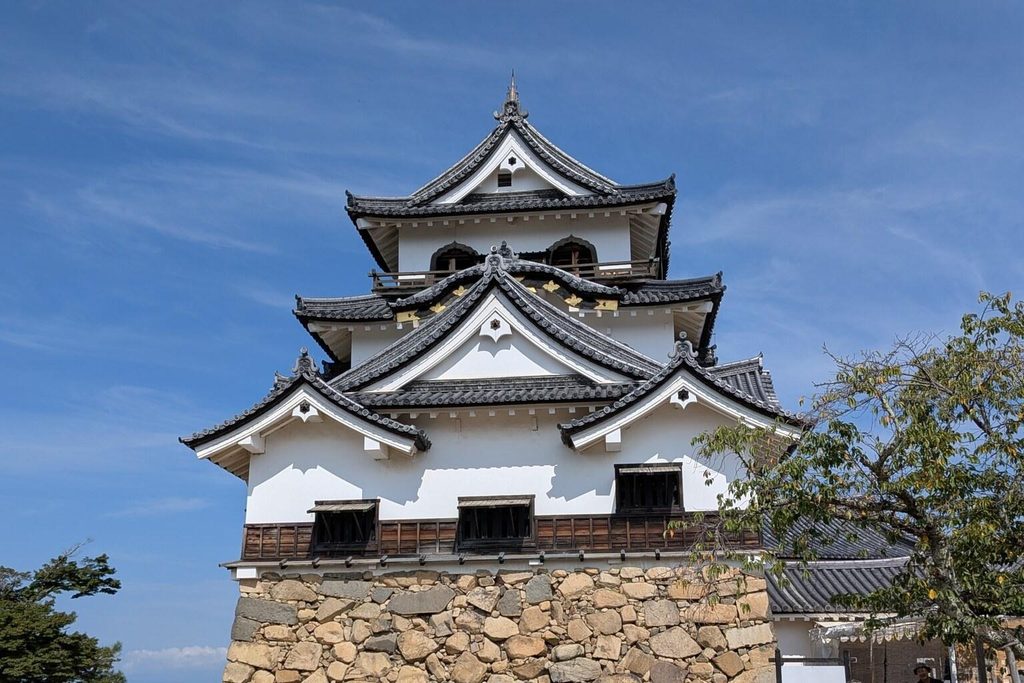
Right now Hikone is a National Treasure castle that most foreign visitors have never heard of, under an hour from Kyoto, where on a weekday you can walk the grounds without queueing.
If it’s listed in 2028, that ends. The castle will still be there. Having it more or less to yourself won’t be.
There’s a practical argument too. The ICOMOS review in 2027 and the decision in 2028 will both bring coverage, so the quiet window runs from now until roughly late 2027.
Visiting Hikone Castle: tickets, hours and what to see
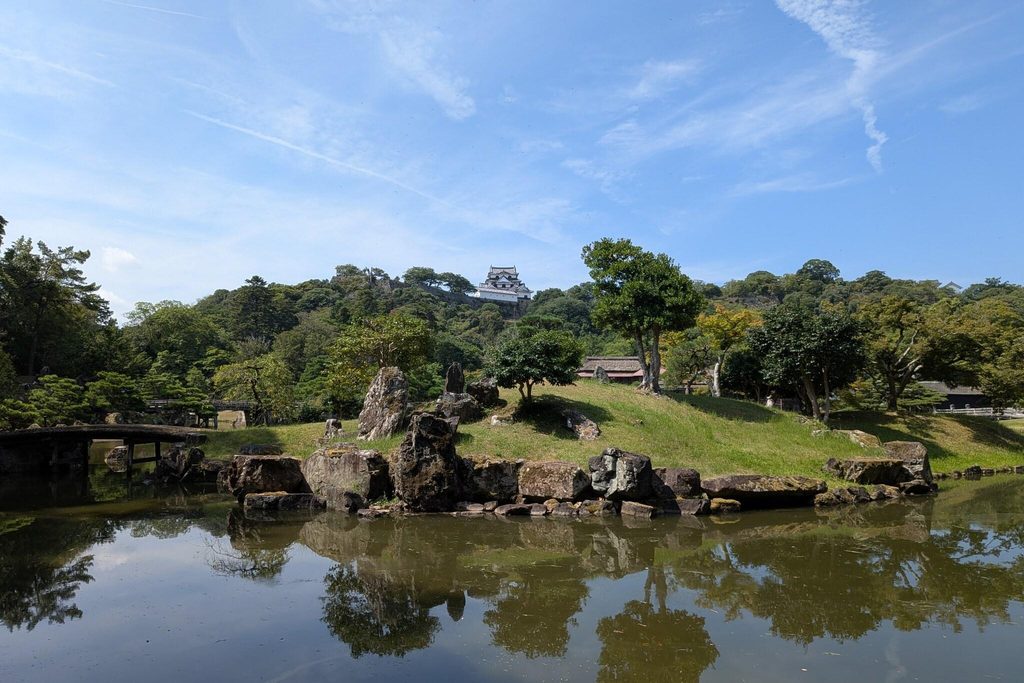
- Giờ làm việc: 8:30–17:00, last entry 16:30
- Castle and Genkyū-en: ¥1,000 adults, ¥300 elementary and junior high students
- Hikone Castle Museum: ¥700 / ¥350
- Combined ticket (castle, garden and museum): ¥1,500 / ¥550
- Genkyū-en only: ¥400 / ¥150
- Trang web chính thức: hikonecastle.com
There’s no general senior discount. Free entry for over-65s applies only to Hikone residents, and the museum is free with a Japanese disability certificate, plus one carer.
From October, the museum opens at 9:00 rather than 8:30, and from December to February it closes at 16:30. It also shuts for a few days most months, so check its calendar before you go.
The ¥1,500 combined ticket is the one to buy. The museum is a reconstruction of the Omote Goten, the palace where the Hikone domain was governed, and it holds the Ii family’s collection. Since the nomination is about governance rather than fortification, that’s where the story the castle is being nominated for actually lives. Buying castle-only saves ¥500 and skips the point.
What to see: the keep, one of only twelve original castle keeps left in Japan and one of five designated as National Treasures; Genkyū-en, the daimyo garden below it, whose view back up to the keep beats anything from inside it; and the museum.
Cách đi đến đó
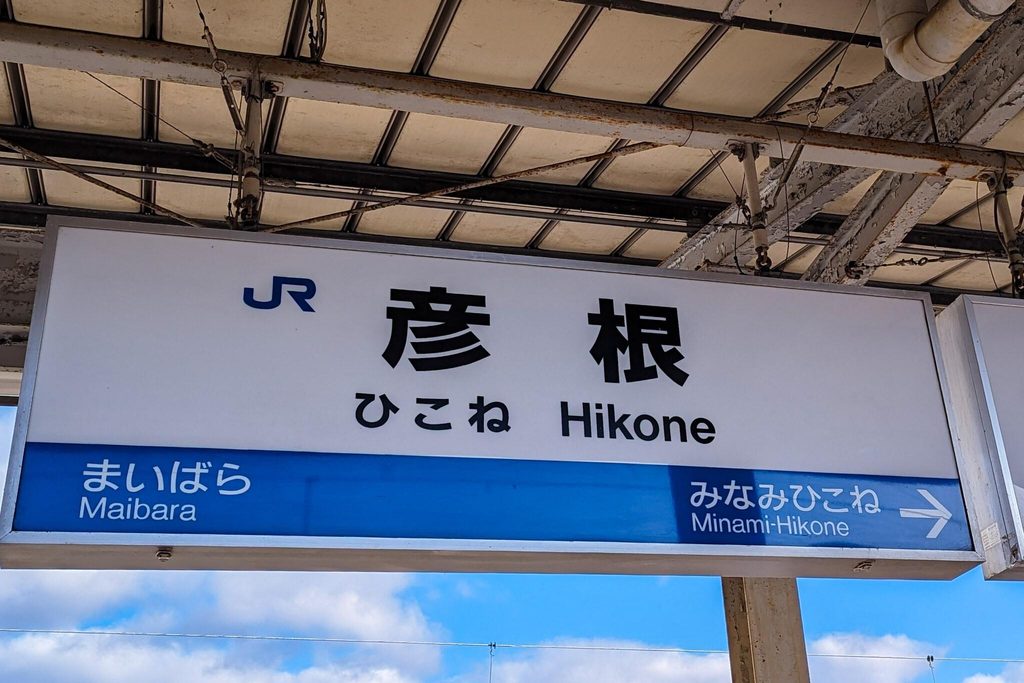
Hikone is in Shiga Prefecture, on the eastern shore of Lake Biwa.
- From Kyoto: JR Biwako Line to Hikone, about 50 minutes on a special rapid service. This is the easy one.
- From Osaka: about 1 hour 20 minutes on the same line.
- From Tokyo: Tokaido Shinkansen to Maibara, then one stop on the JR line to Hikone. Take a Hikari or Kodama, because the Nozomi doesn’t stop at Maibara.
The castle is about 15 minutes’ walk from JR Hikone Station. Use the West Exit.
💡 Lời khuyên dành cho người chơi Nhật Bản: Maibara is the useful one. Because it’s a shinkansen stop between Nagoya and Kyoto, Hikone can be a break in a Tokyo–Kyoto journey rather than a separate day trip. Leave your bag in a station coin locker, spend a few hours at the castle, and carry on. It costs you an afternoon, not a day.
Know before you go
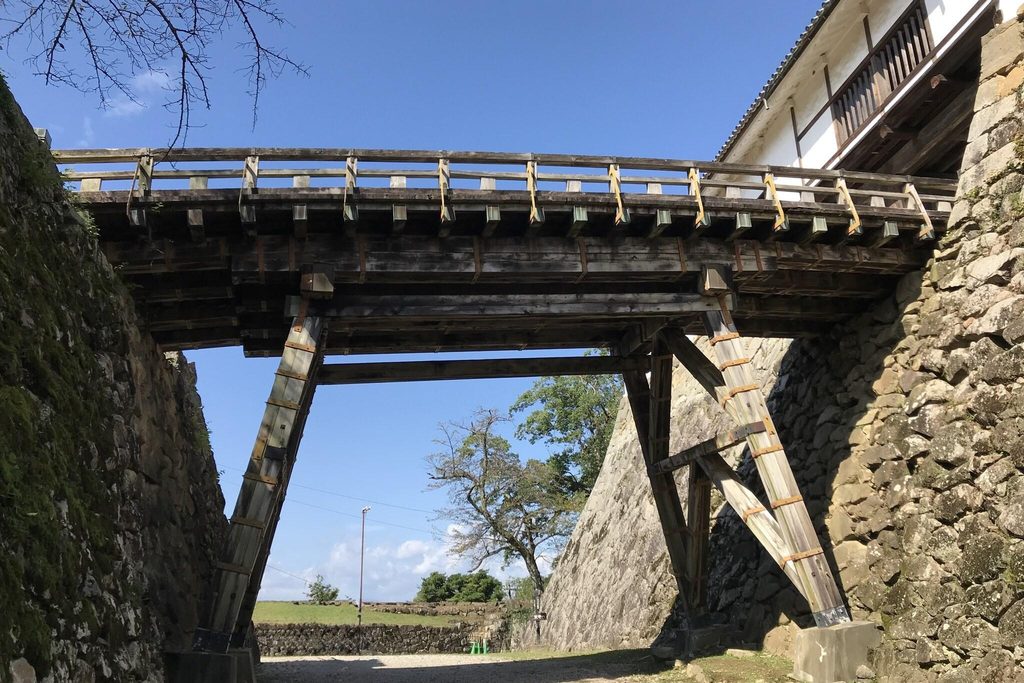
- There’s a real climb. From the ticket gate to the keep is about 50 metres of elevation over continuous slopes and stone steps, with no lift. Wear proper shoes, and factor it in for anyone with limited mobility.
- The keep’s stairs are steep. Original keeps have near-ladder staircases, and shoes come off at the entrance.
- Allow two to three hours for the castle, garden and museum together.
- Weekday mornings are calmest, and that advice has a shelf life.
- Spring and autumn are the busy seasons. More than a thousand cherry trees flower along the moats in early April, and Genkyū-en’s maples turn in November. Our autumn foliage forecast has this year’s timing.
- Hikone is also a lake town. Lake Biwa is Japan’s largest lake, and the waterfront is worth an extra half hour if the weather holds.
Câu hỏi thường gặp
Is Hikone Castle a UNESCO World Heritage Site?
Not yet. On 3 September 2026, Japan selected it as its nomination for the 2028 list. The formal nomination goes to UNESCO by February 2027, ICOMOS evaluates it, and the World Heritage Committee is expected to decide in summer 2028. Listing is the target, not a certainty.
Why did Hikone Castle take so long to be nominated?
Because Himeji Castle has been listed since 1993, and UNESCO needs each new nomination to show something existing sites don’t. Hikone spent 34 years on Japan’s tentative list, and five drafts of its nomination, before landing on the argument that worked: that it’s evidence of how Edo-period daimyo governed, not just a fine castle.
How much does Hikone Castle cost?
¥1,000 for adults, including Genkyū-en garden, or ¥1,500 for the combined ticket that adds the Hikone Castle Museum. Elementary and junior high students pay ¥300 and ¥550. Free entry for over-65s applies only to Hikone residents.
What are Hikone Castle’s opening hours?
8:30 to 17:00, with last entry at 16:30. From October the museum opens at 9:00, and from December to February it closes at 16:30.
How do you get to Hikone Castle from Kyoto?
Take the JR Biwako Line to Hikone Station, about 50 minutes on a special rapid service, then walk about 15 minutes. From Tokyo, take a Hikari or Kodama shinkansen to Maibara and change for the one-stop ride to Hikone.
Is Hikone Castle worth visiting?
Yes, and particularly now. Its keep is one of only twelve originals left in Japan and a National Treasure, it’s under an hour from Kyoto, and it’s still uncrowded, which a 2028 World Heritage listing would change.
Is Hikone Castle accessible?
Only partly. The route from the ticket gate to the keep climbs about 50 metres over slopes and stone steps with no lift, and the keep itself has steep original staircases. Genkyū-en garden and the museum are far easier going.
How long do you need at Hikone Castle?
Two to three hours for the castle, garden and museum. Allow extra time if you want to walk down to Lake Biwa.
Go while it’s quiet
Hikone spent 34 years making the case that it deserved the attention. In 2028 it will probably get it. The best time to see a place is usually just before everyone agrees it’s worth seeing.
If you’re building Hikone into a trip to Kansai, the best time to visit Japan covers when to go, and our Kansai Airport to Kyoto guide gets you from the airport to your base.
Cuối cùng đã được xác nhận: 21 September 2026, against Hikone City’s official visitor information and the Hikone Castle Museum.
Bạn đã sẵn sàng để trải nghiệm Nhật Bản chưa?
Khám phá những trải nghiệm lưu trú và trải nghiệm địa phương được tuyển chọn kỹ lưỡng cùng những hành trình được dẫn dắt bởi các chuyên gia về Nhật Bản.
Khám phá Nhật Bản

 English
 Chinese (China)
 Chinese (Taiwan)
 Korean
 Thai
 French
 Spanish
 German
 Vietnamese
 Indonesian
 Italian