
Tea Ceremony Kyoto & Osaka 2026: 10 English-Friendly Picks
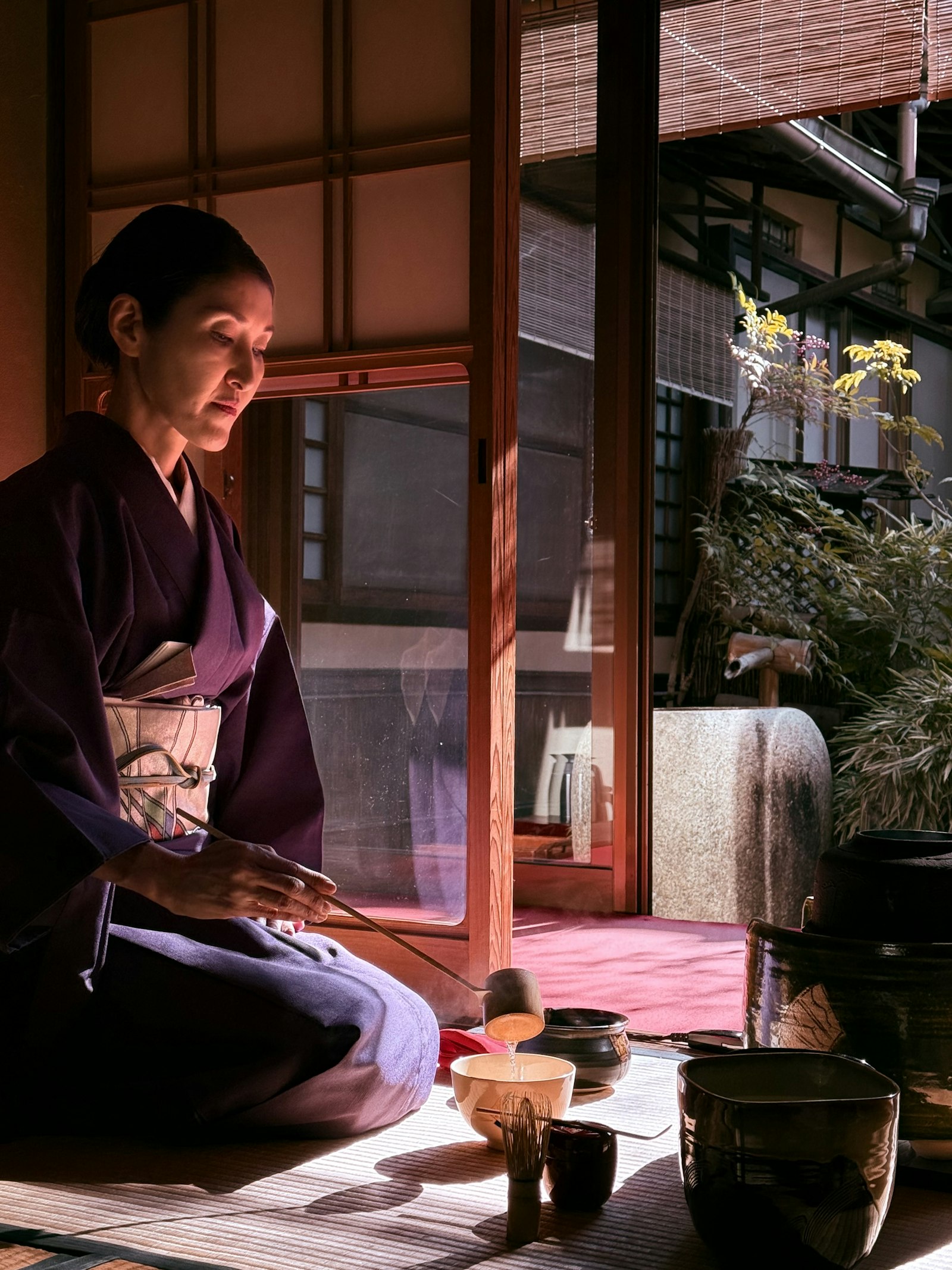
간단 답변: A tea ceremony in Kyoto costs about ¥1,500 at Uji’s city-run Taihoan tea house and ¥3,900–¥5,000 for most English-led group sessions (Camellia, Ju-An, WAK Japan, Tea Ceremony Osaka), lasting 45–70 minutes. Private rooms and kimono packages run from about ¥7,500 to ¥30,000 per person, and autumn and sakura weekends sell out first.
¥800–¥5,000
Group session price
20–90 min
Typical length
8–10
Usual max group
Book 1–3 wks
Autumn and sakura
Searching “tea ceremony Kyoto” brings up page after page from booking platforms that only list their own products. This guide is independent. We checked 10 English-friendly tea experiences across Kyoto, Uji and Osaka against each operator’s own website: price in yen, length, maximum group size, language, kimono option and the nearest station.
You also get a side-by-side comparison table, what actually happens minute by minute, etiquette that matters, a first-timer FAQ (shoes, photos, kids, allergies, vegan sweets) and when to book for autumn leaves and cherry blossom. In Tokyo instead? See our Tokyo tea ceremony guide.
Last checked: 27 October 2026
Which tea ceremony in Kyoto, Uji or Osaka should you book?
The table below compares all 10. Prices are per person as published by each operator on 27 October 2026. Where an operator does not publish a figure, we say so rather than guess.
| # | 체험 | 지역 | Price (¥) | 길이 | Max group | 언어 | 기모노 | 가장 가까운 역 |
|---|---|---|---|---|---|---|---|---|
| 1 | Camellia Flower Teahouse (shared) | Higashiyama, Kyoto | 4,000; 5,000 in Mar, Apr, Oct, Nov and New Year (kids 6–12: 2,500–3,000) | 45분 | 8 | 영어 | +6,000 (all day) | Gion-Shijo (Keihan) / Higashiyama (Tozai), about 15 min walk |
| 2 | Camellia Garden Teahouse (private) | Ryoanji, Kyoto | 15,000 (18,000 peak); solo 25,000 (30,000 peak) | 50 min | Private | 영어 | 아니요 | 1 min walk from Ryoanji temple gate |
| 3 | Ju-An at Jotokuji Temple | Gojo, Kyoto | 4,500 (kids 5–14: 3,000) | 70분 | 10 | 영어 | Not required | Gojo (Karasuma Line), 4 min walk |
| 4 | Maikoya Gion-Kiyomizu | Higashiyama, Kyoto | 날짜별로 다름 | 약 90분 | Shared (not stated) | 영어 | Included, keep until 18:00 | Kiyomizu-Gojo (Keihan) |
| 5 | WAK Japan, Washinkan | Higashiyama-Shichijo, Kyoto | 4,950 (2+ people); 9,900 solo | About 1 hr | About 10 | 영어 | Separate course: 12,100 (2+) | Shichijo (Keihan) |
| 6 | Taihoan city tea house | 우지 | 1,500 (usucha); 3,600 hands-on | 20–30 min; 40 min hands-on | Large groups split | Japanese booking page | 아니요 | Keihan or JR Uji, 10 min walk |
| 7 | Uji Tea Dojo Takumi no Yakata | 우지 | 1,500 (brew your own) | 약 30분 | Groups by booking | Japanese menu | 아니요 | Keihan Uji, 3 min walk |
| 8 | Marukyu Koyamaen matcha factory tour | Makishima, Uji | 1,000 (incl. ¥500 shop voucher) | 70–90 min | 2–10 | English guide on request; phone line Japanese only | 아니요 | Taxi from JR Uji (11 min) |
| 9 | Tea Ceremony Osaka “The Osaka” | Dotonbori, Osaka | 3,900 shared (kids 5–11: 3,000) | Not stated (listings say about 45 min) | 20 across 2 rooms | English only | Not offered | Nippombashi Exit 6, 3 min walk; Namba Exit 15, 5 min |
| 10 | Sakai Rishonomori (Plaza of Rikyu and Akiko) | Sakai, Osaka | 800 chair-style; 1,000 tea room | About 20 min (chair-style) | 25 per slot | Multilingual site | 아니요 | Shukuin (Hankai Tramway), 1 min walk |
Quick picks: cheapest proper bowl of matcha is Sakai Rishonomori (¥800) or Taihoan in Uji (¥1,500). Best all-rounder for first-timers in Kyoto is Camellia Flower (English, 45 minutes, vegan sweets). Best for kimono photos is Maikoya. Best for a temple setting is Ju-An. Best in central Osaka is Tea Ceremony Osaka near Dotonbori.
The 10 best English-friendly tea ceremonies in Kyoto, Uji and Osaka
1. Camellia Flower Teahouse (Shared Tea Ceremony, Higashiyama)
요약: The default choice for a tea ceremony in Kyoto if you want English, a fixed price and no fuss. Sessions start on the hour from 10:00 to 17:00, every day of the year, and last 45 minutes, with a tea performance, a traditional sweet and a bowl you whisk yourself. Shared sessions cap at 8 guests.
- 장소: Masuya-cho, Higashiyama-ku, off Ninenzaka (taxi drivers: ask for the Park Hyatt Kyoto). Gion-Shijo (Keihan) and Higashiyama (Tozai Line) are each about 15 minutes on foot; Higashiyama Yasui and Kiyomizu-michi bus stops about 10 minutes.
- 분위기: Upstairs tatami room in a machiya, small and calm, minutes from the Higashiyama crowds.
- 요금: ¥4,000 per adult and ¥2,500 for children aged 6–12 off-peak; ¥5,000 and ¥3,000 in March, April, October, November and over New Year. Ages 6+. All-day kimono rental +¥6,000. Private room (max 5) ¥8,000 per person off-peak, ¥10,000 peak; solo ¥15,000–¥17,000.
- 공식 링크: tea-kyoto.com
💡 Japan Pro 팁: Camellia says all its sweets are vegan, gluten-free and nut-free, making it the safest pick for dietary needs. Book the 10:00 slot, then walk Ninenzaka and Sannenzaka before the coach groups arrive. Our Higashiyama guide maps the route.
2. Camellia Garden Teahouse (Private Tea Ceremony, Ryoanji)
요약: Camellia’s second venue in west Kyoto is private only: your group, a host and a garden view. Sessions run 50 minutes. It is pricier, but it is wheelchair accessible (a ramp is available), unlike Camellia Flower’s upstairs tea rooms.
- 장소: Ukyo-ku, a minute’s walk from the main gate of Ryoanji temple. Randen (Keifuku) Ryoanji Station is the nearest tram stop.
- 분위기: Quiet, residential, garden-facing. Works for honeymooners and families who want the room to themselves.
- 요금: ¥15,000 per person for 2+ guests (¥18,000 in March, April, October, November and New Year); a solo private ceremony is ¥25,000 (¥30,000 peak). Ages 4+. No kimono rental at this site.
- 공식 링크: tea-kyoto.com
💡 Japan Pro 팁: Pair it with Ryoanji’s rock garden and Kinkakuji, both a short ride away. From March to November sessions start on the hour from 10:00 to 17:00; in winter only the 11:00, 13:00, 15:00 and 17:00 slots run and the teahouse closes on Sundays. Take a 15:00 or 17:00 slot after a temple morning.
3. Ju-An at Jotokuji Temple (Temple Tea Ceremony, Gojo)
요약: A tea ceremony held inside Jotokuji, a working Buddhist temple in central Kyoto. The 70-minute session includes a short temple tour, a talk on the history of tea, a demonstration by the tea masters and a tutorial on making your own bowl. Group sessions take up to 10 guests.
- 장소: 556 Honshiogama-cho, Shimogyo-ku (Tominokoji-dori south of Gojo). Gojo Station on the Karasuma subway line, 4 minutes on foot; one stop from Kyoto Station.
- 분위기: A real temple, not a stage set. Fewer tourists than Gion.
- 요금: ¥4,500 per adult, ¥3,000 per child (5–14). Private session ¥50,000 for up to 4 adults and 4 children. Everyday clothes are fine; the site has a separate kimono guide.
- 공식 링크: teaceremonyjuan.com
💡 Japan Pro 팁: If you take a taxi, show the driver 上徳寺. The operator warns that 浄徳寺 is a different temple. Closest to Kyoto Station of all 10 options, so it fits an arrival or departure day.
4. Maikoya Gion-Kiyomizu (Kimono Tea Ceremony, Higashiyama)
요약: The kimono package. You pick a kimono, staff dress you (simple hair styling for women is included), then an English-speaking host explains the utensils and etiquette before you whisk your own matcha. Allow about 90 minutes; the ceremony starts roughly 30 minutes after your booked dressing time.
- 장소: 100 Rokuro-cho, Matsubara-dori Yamatooji Higashi-iru, Higashiyama-ku, between Kenninji and Kiyomizu-dera. Closest railway station: Kiyomizu-Gojo (Keihan).
- 분위기: Photo-friendly and social. The venue is a registered cultural property.
- 요금: Date-based pricing shown in the booking calendar (not published as a flat fee). Ages 7+. Chairs on request.
- 공식 링크: mai-ko.com
💡 Japan Pro 팁: You keep the kimono until 18:00, so book a morning slot and spend the afternoon on a Gion walking route. Maikoya also has an Osaka branch, but it currently takes bookings only from groups of 10 or more, so smaller parties should book in Kyoto.
5. WAK Japan at Washinkan (Tea Ceremony Class, Higashiyama-Shichijo)
요약: A long-running Kyoto culture school that runs its classes for international visitors. The shared tea ceremony runs about an hour, with start times of 10:30, 13:30 and 16:00 (changed in January 2026). There is a separate 1.5-hour tea ceremony plus kimono course (10:00, 13:00 or 15:30). Children under 12 cannot join the group classes.
- 장소: Washinkan, Higashiyama-Shichijo, near Sanjusangendo. Nearest station: Shichijo (Keihan).
- 분위기: Instructive, a little like a class. Good if you want the reasons behind each gesture.
- 요금: ¥4,950 per person for 2+ people, ¥9,900 solo. Tea ceremony plus kimono: ¥12,100 per person (2+), ¥24,200 solo. Max about 10.
- 공식 링크: wakjapan.com
💡 Japan Pro 팁: Solo travellers pay double here, so book Camellia (¥4,000–¥5,000 per person, no solo surcharge) or Ju-An (¥4,500) if you are on your own. WAK also offers tea at a private home and in a normally closed tea room at Toyokuni Shrine for private groups.
6. Taihoan (City-Run Tea House, Uji)
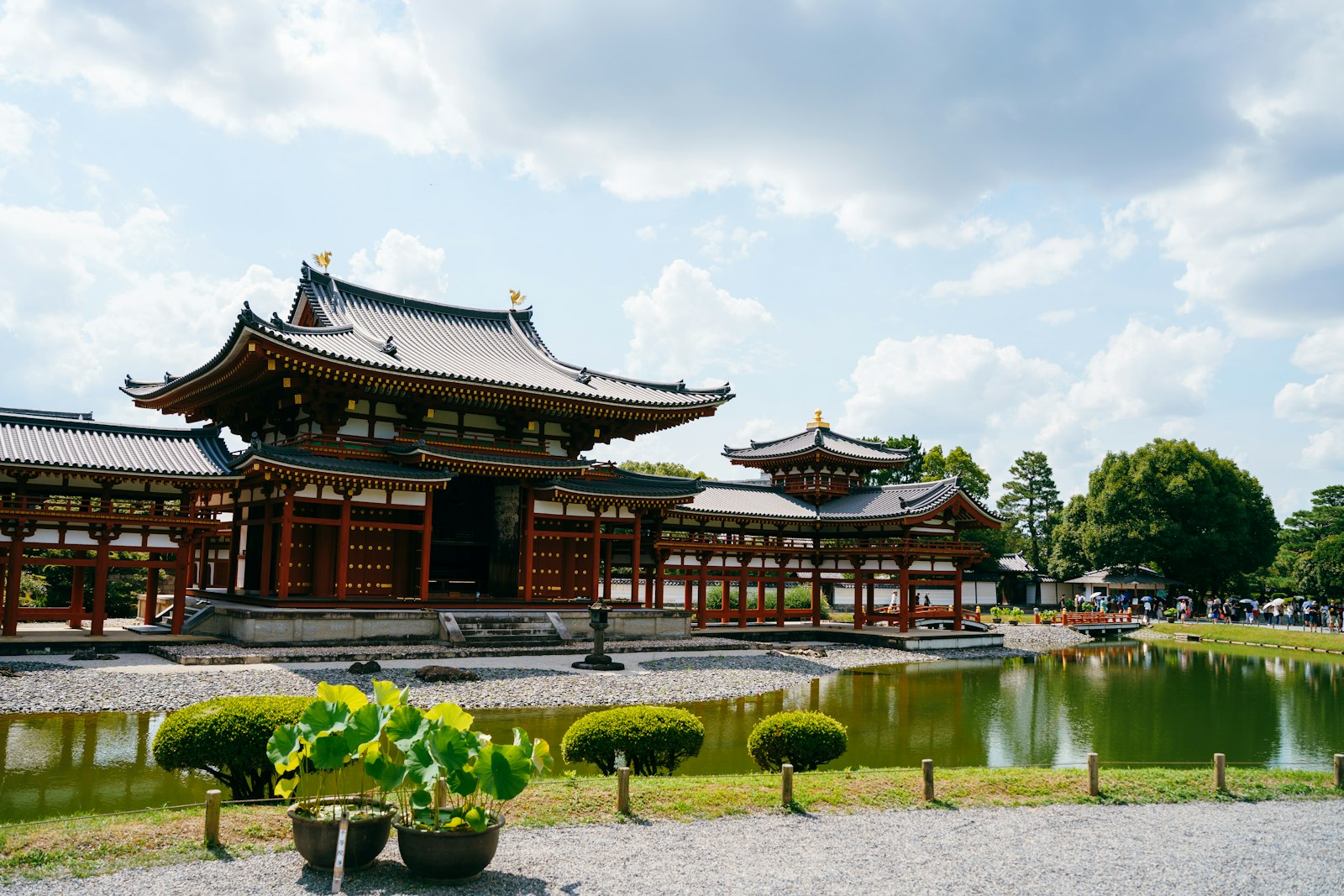
요약: Uji City’s own tea house, on the Uji River bank a short walk from Byodoin, serves proper tea with a seasonal sweet. No etiquette knowledge is needed. This is the best-value uji tea experience in the region, with optional hands-on matcha or sencha sessions.
- 장소: 2 Uji-Togawa, Uji. About 10 minutes on foot from Keihan Uji or JR Uji.
- 분위기: Simple, local, unhurried. A municipal tea room rather than a tourist show.
- 요금: Usucha (thin matcha) ¥1,500 (20–30 min); koicha and usucha set ¥4,000 (about 50 min, 2+ people, July to September and December to February only, book 3 days ahead); hands-on matcha making ¥3,600 (about 40 min). Tax included.
- 공식 링크: 우지시 관광협회
💡 Japan Pro 팁: Open 10 January to 20 December, 10:00–16:00, but closed on the last day of each month (or the last weekday of the month if that day is a weekend or public holiday). Hands-on sessions need booking at least 3 days ahead; collect your tea ticket at the Uji City Tourism Center in front. Plan the rest of the day with our things to do in Uji 가이드에 더 있습니다.
7. Uji Tea Dojo Takumi no Yakata (Tea Brewing Class, Uji)
요약: At this Uji tea centre a Japanese tea instructor shows you how to brew Uji tea properly. Choose matcha, gyokuro or sencha with a sweet. Not a formal ceremony, but the most useful skill to take home.
- 장소: 17-1 Uji-Matafuri, Uji. Keihan Uji Station, about 3 minutes on foot.
- 분위기: Practical and friendly, like a tasting bar with a teacher.
- 요금: Brewing with sweets ¥1,500 (about 30 min); matcha latte-art ¥2,000 (about 45 min); tea-tasting game ¥4,000 (about 90 min, booking only, 5+ people). Tax included.
- 공식 링크: ujicha.or.jp
💡 Japan Pro 팁: Open 11:00–17:00, closed Wednesdays and 14–16 August. Last order 16:30. Do Taihoan for the ceremony, then Takumi no Yakata to learn how to brew the leaf you buy on Byodoin Omotesando.
8. Marukyu Koyamaen Makishima Factory (Matcha Factory Tour, Uji)
요약: One of Uji’s best-known matcha makers opens its factory to small groups: an English-subtitled video, a factory and tea room tour, a tasting and a whisking session. It is the only option here where you see how matcha is actually made.
- 장소: Makishima Factory, Makishima-cho, Uji. Taxi from JR Uji (about 11 min) or Kintetsu Mukaijima (about 6 min), or Keihan bus to Makishima Komisen then a 5-minute walk.
- 분위기: Factory floor meets tea room. Stairs only, no lift.
- 요금: ¥1,000 per person, with a ¥500 voucher for the factory shop; under-15s free. 2–10 people, 70–90 minutes.
- 공식 링크: marukyu-koyamaen.co.jp
💡 Japan Pro 팁: Tours run only on Mondays, Tuesdays, Thursdays and Fridays at 10:00 and 13:30, and must be booked at least 7 days ahead. No tours from late November to early January, so for a late-autumn or winter Uji day stick with Taihoan.
9. Tea Ceremony Osaka “The Osaka” (Shared Tea Ceremony, Dotonbori)
요약: The most central tea ceremony in Osaka, a few minutes from the Dotonbori canal. Sessions are run exclusively in English and include matcha, a sweet and making your own bowl. Two rooms (the second is “The Osaka Hanare” on 4F) hold up to 20 guests. The host welcomes seiza or a more comfortable sitting position.
- 장소: Dotonbori Building 2F, 1-5-26 Dotonbori Higashi, Chuo-ku. Nippombashi Station Exit 6, about 3 minutes; Namba Exit 15, about 5 minutes. Stairs only.
- 분위기: A calm room above the busiest street in Osaka.
- 요금: Shared plan ¥3,900 per person, children 5–11 ¥3,000 (the site does not state a length; booking listings say about 45 minutes). Private plan ¥7,480 per person, solo charged as 2. Children under 5 need a private plan. Caffeine-free matcha-flavoured drink available for children and pregnant guests.
- 공식 링크: tea-ceremony-osaka.com
💡 Japan Pro 팁: Cancellation is free up to 3 days before, then 50% (2 days), 75% (1 day) and 100% on the day. Book a late-afternoon slot and go straight into Dotonbori for dinner.
10. Sakai Rishonomori (Rikyu Heritage Tea, Sakai, Osaka)
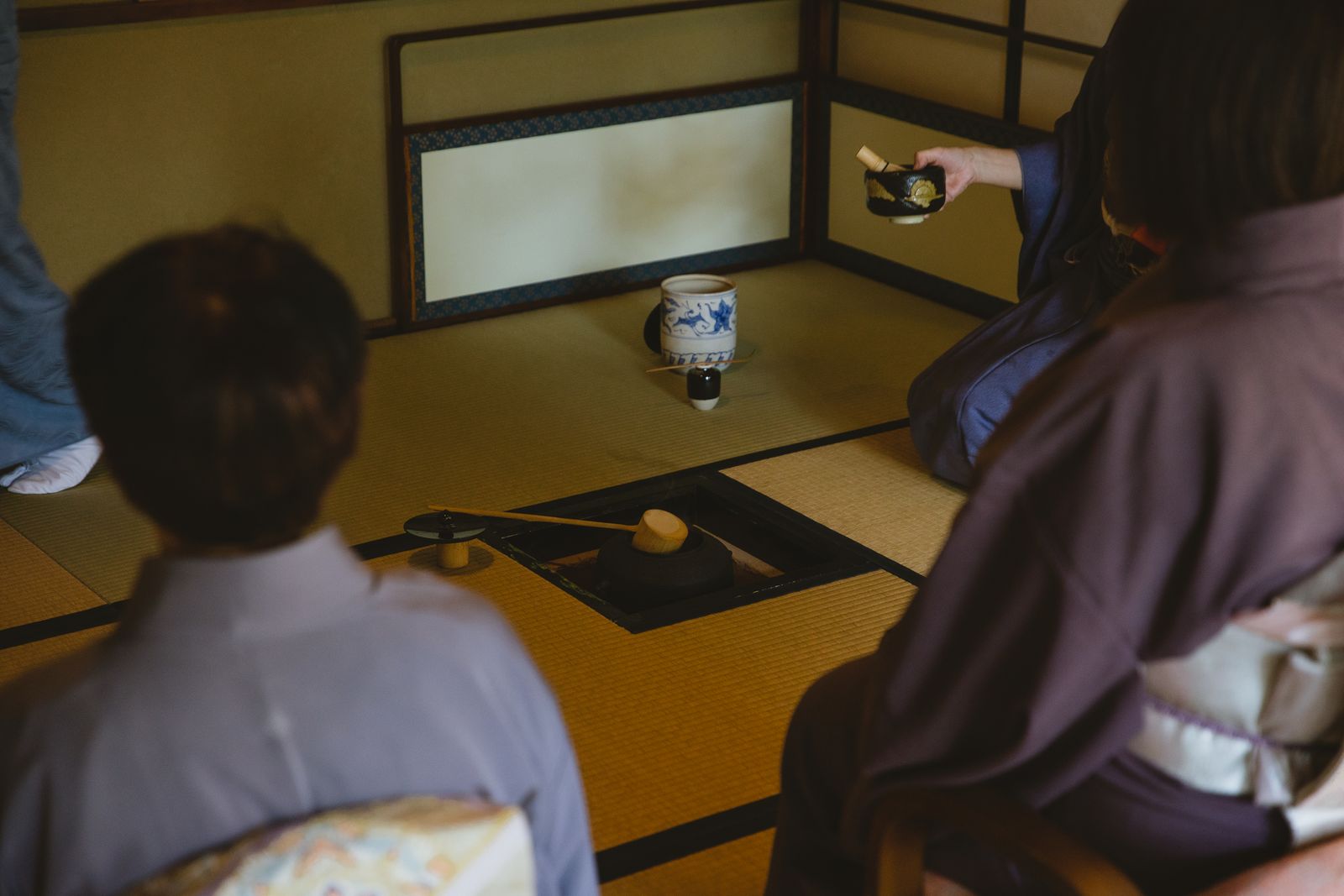
요약: Sakai is the hometown of Sen no Rikyu, who shaped the tea ceremony as it is practised today. The city’s Rikyu museum serves chair-style (ryurei) tea with a sweet in slots from 10:00 to 16:40, no booking needed for individuals. The cheapest verified tea ceremony in Osaka.
- 장소: 2-1-1 Shukuin-cho Nishi, Sakai-ku, Sakai. Shukuin stop on the Hankai Tramway, 1 minute; Nankai Sakai Station about 10 minutes on foot.
- 분위기: Museum tea room. Chairs, not kneeling, so ideal for anyone who struggles with seiza.
- 요금: Chair-style tea ¥800 adults, ¥700 high school, ¥600 junior high and under (about 20 min). Tatami tea room session ¥1,000 adults, for individuals only on the third Sunday of each month. Exhibition entry ¥300 is listed separately.
- 공식 링크: sakai-rishonomori.com
💡 Japan Pro 팁: The museum closes on the third Tuesday of the month (next day if a holiday), but the tea facility only closes over New Year. Bring socks if you book the tatami room; they are compulsory. Combine with the kofun burial mounds in our Sakai guide.
What about Kodaiji or Byodoin? Kodaiji does run a tea experience (¥3,000 per person including temple admission), but only for groups of 7 or more (smaller groups pay ¥20,000 per seating). Bookings are by fax and sessions are in Japanese only, so overseas guests must bring an interpreter. We found no bookable public tea ceremony at Byodoin. Neither temple makes our 10. Tea En in Gion, often cited in older guides, says on its own website that it closed during Covid-19. Taihoan is the verified walk-in option near Byodoin in Uji.
If the top 10 are full: two more options
AN Osaka (budget tea, Edobori, Osaka). This Japanese culture studio at 2F, 1-12-18 Edobori, Nishi-ku (Higobashi area) has the cheapest bookable tea session in central Osaka. The 30-minute tea session costs ¥1,270 and includes a tea-grinding demonstration. Sessions start at 9:05, 11:35, 14:05, 16:35 and 19:05. A 95-minute session that adds nerikiri wagashi making costs ¥2,870 and starts at 8:00, 10:30, 13:00, 15:30 and 18:00. The site shows several language flags but doesn’t say which language each slot runs in, so ask for English when you book. osaka.nipponbunkan.com
Ippodo Kaboku Tearoom (walk-in matcha, Kyoto). This isn’t a ceremony. It’s the tearoom at Ippodo’s Kyoto main store on Teramachi-dori, and it’s the best fallback when everything else is booked. There are 44 seats. Every drink comes with a small sweet, and staff will let you whisk your own usucha if you ask. It’s open 10:00–17:00 (last call 16:30) and closed on the second Wednesday of each month. It’s about 5 minutes on foot from Exit 11 of Kyoto Shiyakusho-mae Station (Tozai Line). Check the current menu for prices. Ippodo Kyoto Main Store
What actually happens at a tea ceremony, minute by minute?
Formal tea gatherings (chaji) can last four hours with a meal. Tourist sessions compress the essentials into 45–70 minutes. A typical English-led session runs like this:
- Minutes 0–5: arrival. Shoes off at the entrance, bags left outside the tea room. You enter, often with a small bow, and sit on tatami or a chair.
- Minutes 5–15: the introduction. The host explains the history (Sen no Rikyu, wabi-sabi), the hanging scroll and the seasonal flowers. Questions are welcome here.
- Minutes 15–20: the sweet. A wagashi arrives first. Eat it before the tea; it balances matcha’s bitterness.
- Minutes 20–30: the demonstration. The host purifies the utensils with a silk cloth, scoops matcha and whisks it in silence. This is the moment to watch, not film.
- Minutes 30–35: drinking. The bowl is placed in front of you. Bow, pick it up with the right hand, rest it on your left palm, turn it clockwise (usually in two small turns) so you do not drink from its “front”, and finish in a few sips. A small slurp on the last sip is fine. Exact gestures differ between schools such as Urasenke and Omotesenke, so copy your host.
- Minutes 35–45: your turn. You whisk your own bowl. Use a quick M or W motion from the wrist until fine foam forms.
- Final minutes: admire the bowl, ask about the utensils, take photos if the host allows, bow and leave.
What tea ceremony etiquette do you actually need?
- Socks. Bare feet on tatami is a faux pas, and some venues (Sakai Rishonomori’s tea room) require socks. Carry a clean pair.
- No strong perfume. It overpowers the scent of the tea and incense.
- Remove rings and bracelets. They can chip antique bowls.
- Do not step on the tatami borders. Walk on the mats, not the edges.
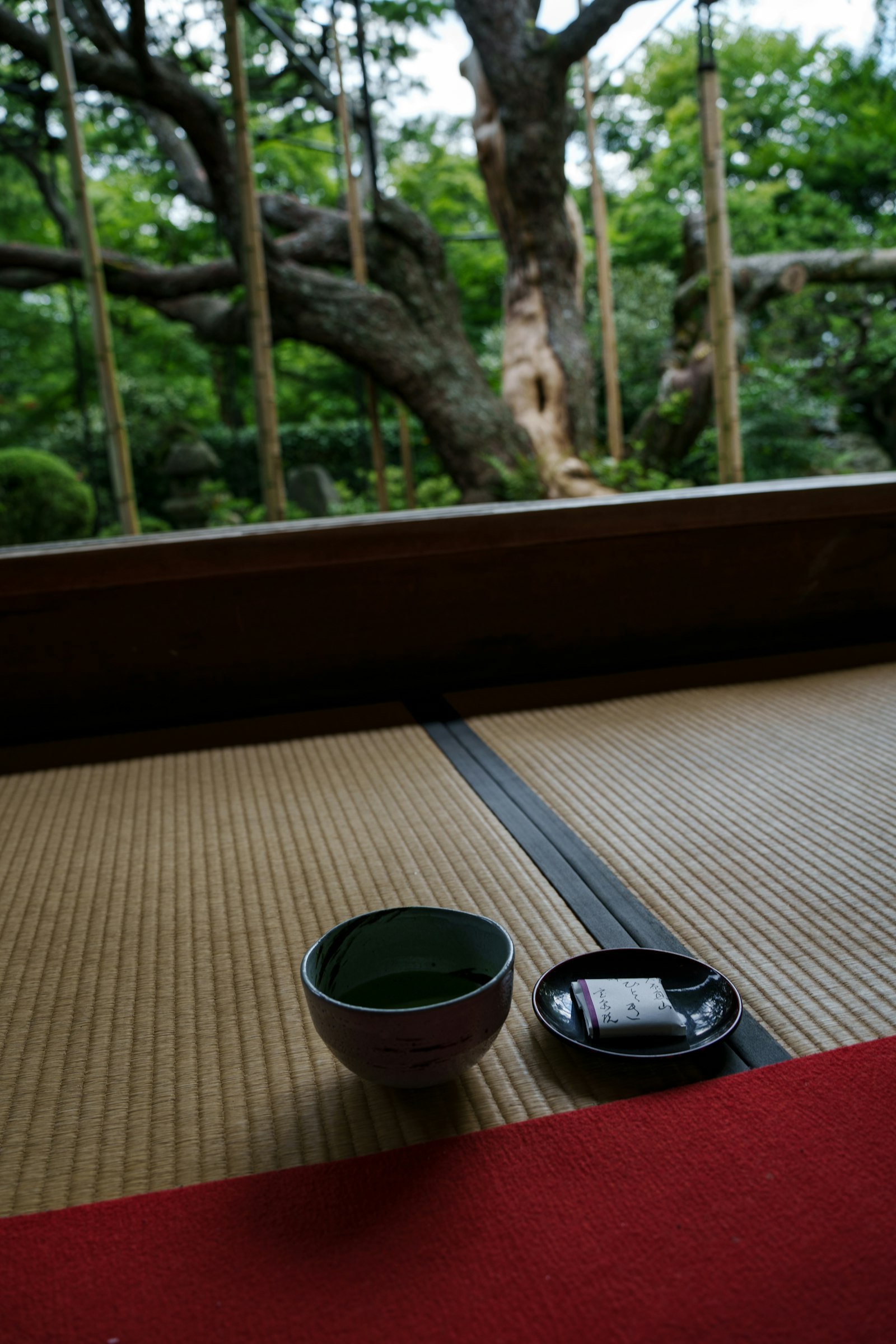
- 찻사발을 돌리세요. Rotate it before drinking and turn it back before returning it.
- Hold the bowl low when admiring it. Antique bowls can be irreplaceable.
- Seiza is optional. Most venues let you sit cross-legged, and Camellia, Maikoya and Sakai offer chairs.
For a fuller description of the guest’s role, the World Green Tea Association publishes an English guide to cha-no-yu.
When should you book a tea ceremony in Kyoto for autumn or sakura?
Shared sessions hold 8–20 people, so they fill fast in peak weeks. Kyoto’s autumn colour usually peaks from mid-November into early December, and cherry blossom from late March to early April (both Expected; dates shift each year). Our rule of thumb:
- Peak autumn weekends (mid-November to early December 2026): book 2–3 weeks ahead for Higashiyama venues, especially morning slots and kimono packages.
- Sakura (late March to early April 2027, Expected): same 2–3 weeks; a month ahead for private rooms.
- Uji: Taihoan hands-on sessions need 3 days; Marukyu Koyamaen 7 days. Marukyu runs no tours from late November to early January, from late April to mid-May or from mid-July to mid-August.
- Winter closures: Taihoan closes 21 December to 9 January. Takumi no Yakata closes 29 December to 4 January.
- Weekdays: often bookable a day or two ahead outside peak weeks.
How do you combine a tea ceremony with a Gion walk or an Uji day trip?
Gion half-day (Kyoto): 10:00 tea at Camellia Flower or Maikoya. Walk Ninenzaka and Sannenzaka up to Kiyomizu-dera, lunch, then down through Yasaka Shrine to Hanamikoji and Shirakawa for the late-afternoon light. With Maikoya you can do the whole loop in kimono until 18:00. Route details: Gion walking tour.
Uji day trip: JR Nara Line or Keihan from Kyoto. Morning at Byodoin, then tea at Taihoan on the riverbank, a brewing class at Takumi no Yakata after lunch, and shopping for leaf tea on Byodoin Omotesando. On a Monday, Tuesday, Thursday or Friday, swap one stop for the 10:00 Marukyu Koyamaen factory tour (book 7 days ahead; taxi from JR Uji).
오사카: Tea Ceremony Osaka before dinner in Dotonbori, or the Hankai Tramway to Sakai for Rikyu’s hometown, his museum tea and the kofun.
Tea Ceremony in Kyoto and Osaka: FAQ
How much is a tea ceremony in Kyoto?
Expect ¥1,500 for a bowl of matcha at Uji’s Taihoan, ¥4,000–¥5,000 for an English-led group session in Kyoto (Camellia charges more in March, April, October, November and New Year), and about ¥8,000–¥30,000 per person for private rooms or kimono packages.
Do I need to take my shoes off?
Yes. Every tatami venue asks you to remove shoes at the entrance. Wear socks and shoes that slip on and off easily.
Can I take photos during the tea ceremony?
Usually, with limits. Camellia allows photos in shared sessions but no flash and no video. Ask the host before you shoot, and put the phone down during the whisking.
Are tea ceremonies suitable for kids?
Check age limits: Camellia’s shared sessions are 6+, Maikoya Gion-Kiyomizu is 7+, Ju-An has a child rate from age 5, WAK Japan’s group classes are 12+, and Tea Ceremony Osaka charges ¥3,000 for ages 5–11 and requires a private plan for under-5s. Sakai’s chair-style tea is the easiest for young children.
I have allergies. Are the sweets vegan?
Most wagashi are bean-based, but recipes vary. Camellia states its sweets are vegan, gluten-free and nut-free. Elsewhere, list your allergy in the booking notes and ask for confirmation in writing.
Do I need to wear a kimono?
No. Smart casual is fine everywhere. Kimono is included at Maikoya and available as an add-on at Camellia (¥6,000) and WAK Japan’s kimono course.
Is matcha high in caffeine?
Yes, matcha contains caffeine. Tea Ceremony Osaka offers a caffeine-free matcha-flavoured drink for children and pregnant guests; other venues may accommodate if asked in advance.
Can I bring a guide or interpreter into the tea room?
Not always. At Camellia Flower, guides wait in the waiting room during shared sessions. If you need a translator, book a private ceremony, where a translator joins for free. At Camellia Garden, guides can join free of charge. Maikoya doesn’t allow guest or third-party interpretation in its shared English sessions. At Kodaiji it works the other way: sessions are in Japanese only, so overseas guests must bring their own interpreter.
Are the sweets halal or vegan in Osaka?
At Tea Ceremony Osaka “The Osaka”, the nerikiri sweets are made entirely from plant-based ingredients and suit halal, vegan and vegetarian guests. Some contain Japanese mountain yam, which can be an allergen, so ask the staff for the ingredient list before the ceremony. In Kyoto, Camellia says all its sweets are vegan, gluten-free and nut-free.
Which tea ceremonies are wheelchair accessible?
Camellia Garden Teahouse has a wheelchair ramp, and Camellia’s ground-floor group room at Flower Annex is also accessible. Camellia Flower’s tea rooms are upstairs. WAK Japan’s Washinkan venue is fully accessible on the first floor and has a stair lift to the second. Tea Ceremony Osaka and the Marukyu Koyamaen factory are stairs only, with no lift.
Book your tea ceremony in Kyoto or Osaka
For a first tea ceremony in Kyoto, book Camellia Flower or Ju-An; for kimono, Maikoya; for value, Uji’s Taihoan or Sakai’s Rikyu museum. Lock in autumn and sakura dates two to three weeks ahead. From November 2026 you can book tea-master experiences across Japan on Japan Pro; for more ideas see our 진짜다운 일본 체험 가이드에 더 있습니다.
출처: Camellia Tea Ceremony; Tea Ceremony Ju-An; Maikoya; WAK Japan; Uji City Tourism Association (Taihoan); Kyoto Prefecture Yamashiro tea experiences; 다쿠미노야카타; Marukyu Koyamaen; Tea Ceremony Osaka; Osaka Convention and Tourism Bureau; Sakai Rishonomori; 사카이시; World Green Tea Association.
Last checked: 27 October 2026
Book a tea-master experience from November 2026
Japan Pro's booking platform opens in November 2026: tours, experiences and restaurant reservations across Japan.

 English
 Japanese
 Chinese (Taiwan)
 Chinese (China)
 Korean
 French
 Italian
 Thai