
Japan Departure Tax 2026: ¥3,000 Plus Hotel & Onsen Taxes
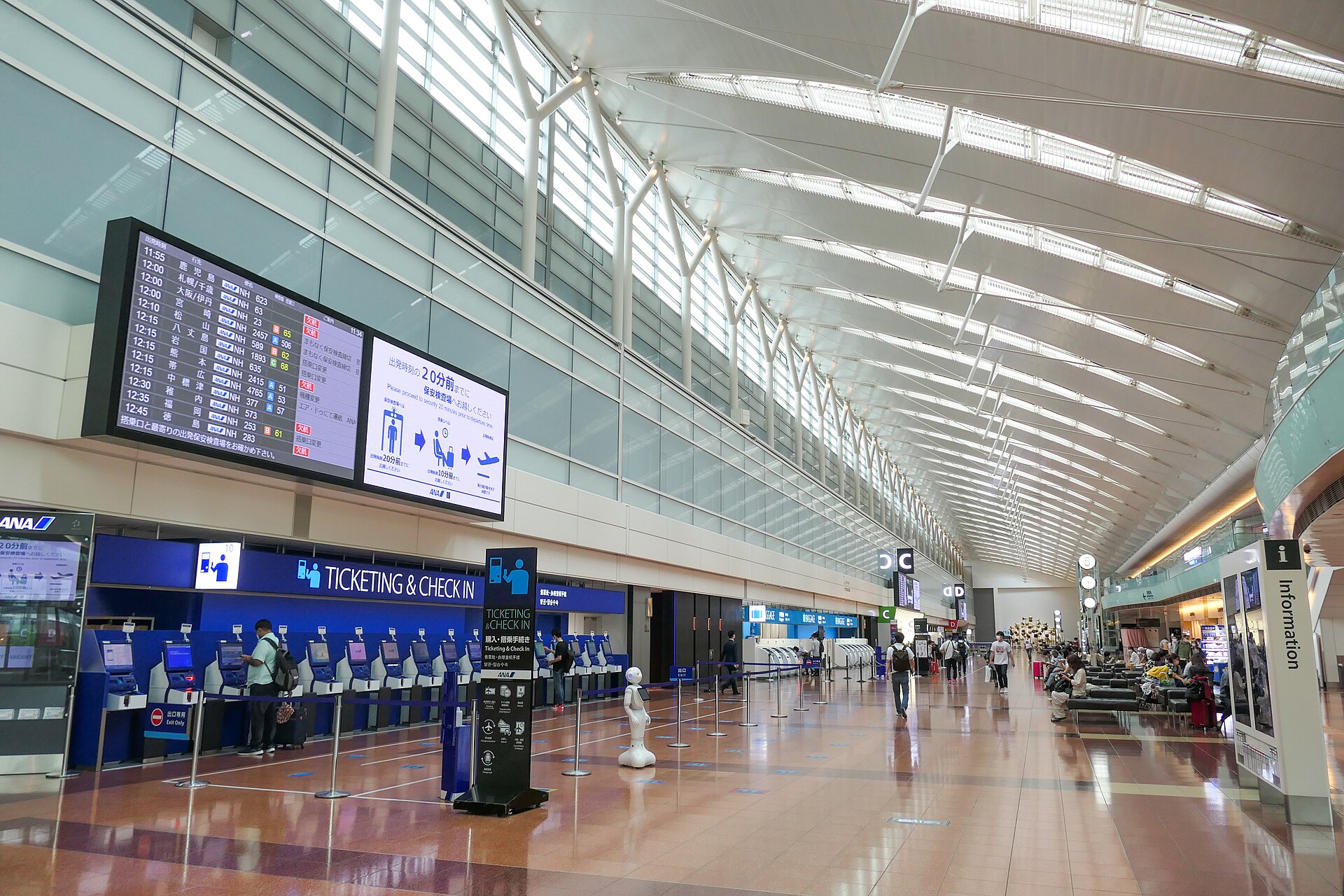
The Japan departure tax 2026 rate is ¥3,000 per person every time you leave Japan by air or sea, up from ¥1,000 before 1 July 2026, and it is already inside your plane or ferry fare. Children under 2 and transit passengers who leave within 24 hours of arriving don’t pay it. On top of that, many cities add a hotel tax of ¥100–¥10,000 per person per night, and hot-spring areas add a bathing tax of about ¥150.
The 10% consumption tax is built into most prices, and since 1 November 2026 tax-free shopping works as a refund at the airport. Our 일본 택스 리펀드 가이드 covers that side step by step.
3,000엔
Departure tax per exit
10,000엔
Kyoto top hotel tax per night
3%
Tokyo hotel tax from 1 Apr 2027
¥150
Typical onsen bathing tax
Ask what Japan’s “tourist tax” is and you’ll get four answers, because there are four separate charges. The Japan departure tax is national and flat; hotel taxes are local and change from city to city; the onsen bathing tax is a small local levy; and consumption tax is the sales tax everyone pays.
This explainer gives every figure in yen, with the official source for each. It covers the 2026 changes (the tripled departure tax, Kyoto’s new top rate, Hokkaido’s new tax), the ones coming in 2027 (Tokyo and Okinawa), and a worked example for a 7-night Tokyo–Kyoto trip.
Last checked: 19 November 2026. This is general travel information, not tax or legal advice.
How much tax do tourists pay in Japan? The four taxes at a glance
Here is the whole picture on one screen. Only one of these, the consumption tax on goods you take home, can come back to you.
| 세금 | How much | How you pay | Refundable? |
|---|---|---|---|
| International Tourist Tax (departure tax) | ¥3,000 per departure | Inside your air or ferry fare | 아니요 |
| Accommodation tax (shukuhakuzei) | ¥0–¥10,000 per person per night, or a % | Hotel bill or booking total | 아니요 |
| Bathing tax (nyūtōzei) | Typically ¥150 per person per day | Onsen hotel or bathhouse bill | 아니요 |
| Consumption tax | 10%, or 8% on food and takeaway | In the price | On tax-free goods only |
Japan departure tax 2026: what changed on 1 July?
Japan’s International Tourist Tax (国際観光旅客税) started in January 2019 at ¥1,000. The Japan Tourism Agency’s traveller leaflet confirms the rate became ¥3,000 per departure from Japan on 1 July 2026.
The rate is flat. It is the same in economy or first class, by plane or by ship, and Japanese citizens pay it too.
There is a transition rule. If you depart using an eligible ticket issued on or before 30 June 2026, the old ¥1,000 rate applies, per the JTA leaflet 및 일본 국세청.
How is the Japan departure tax collected?
You never queue to pay it. Airlines and shipping companies collect it from departing passengers, usually by adding it to the ticket price, and pass it to the government (NTA).
Look in the taxes and fees breakdown of your booking: some carriers list it as a separate line. Passengers on private jets are the exception and pay customs directly before boarding.
Who doesn’t pay the Japan departure tax?
참고로, 일본 국세청 lists these groups as exempt. For most tourists only the first two matter.
- Children under 2.
- Transit passengers who leave Japan within 24 hours of arriving. Stay 25 hours and you pay.
- Aircraft and ship crew on duty.
- Passengers on a flight between two foreign countries that made an emergency landing in Japan, and travellers who left Japan but were forced back by weather or other reasons.
- Deportees, passengers on government aircraft or vessels, and certain departures by diplomats.
Leaving Japan twice? You pay twice
The tax is charged per departure, not per trip. Fly Tokyo–Seoul for a weekend in the middle of your holiday, then home at the end, and you have left Japan twice: ¥6,000, not ¥3,000.
Families can do the maths the same way. Two adults, a five-year-old and a one-year-old pay the Japan departure tax three times, ¥9,000 in total, because only the baby is exempt.
If you booked before July 2026 and then changed your flight date, ask your airline which rate it charged. The transition rule covers eligible tickets issued by 30 June 2026, and the airline decides how a reissued ticket is treated.
The money is earmarked. The 일본 관광청 says it pays for smoother travel, better tourist information and local tourism resources, with a growing share for overtourism measures such as crowding and manners.
Japan hotel tax 2026: Tokyo, Kyoto, Osaka and city by city
Japan has no national hotel tax. Cities and prefectures set their own, usually per person per night and tiered by each guest’s share of the room-only price, without meals or consumption tax.
So a ¥40,000 twin room shared by two counts as ¥20,000 per person. Booking sites sometimes include the tax in the total; otherwise the hotel collects it at check-in or check-out.
On a Japanese booking page, look for 宿泊税込 (hotel tax included) or 宿泊税別 (hotel tax extra). Hotels usually accept card or cash for the tax, and some ryokan list it with the bathing tax as one line.
| 장소 | Room-only price per person per night | 1인 1박 세금 | 참고 |
|---|---|---|---|
| Tokyo (to 31 Mar 2027) | Under ¥10,000 / ¥10,000–¥14,999 / ¥15,000+ | ¥0 / ¥100 / ¥200 | Hotels and ryokan; in place since 2002 |
| Tokyo (from 1 Apr 2027) | Under ¥13,000 / ¥13,000+ | ¥0 / 3% of the price | Adds guesthouses and minpaku rentals |
| Kyoto City (since 1 Mar 2026) | Under ¥6,000 / ¥6,000–¥19,999 / ¥20,000–¥49,999 / ¥50,000–¥99,999 / ¥100,000+ | ¥200 / ¥400 / ¥1,000 / ¥4,000 / ¥10,000 | No price is exempt |
| Osaka Prefecture (since 1 Sep 2025) | Under ¥5,000 / ¥5,000–¥14,999 / ¥15,000–¥19,999 / ¥20,000+ | ¥0 / ¥200 / ¥400 / ¥500 | Includes Osaka City |
| 후쿠오카시 | Under ¥20,000 / ¥20,000+ | ¥200 / ¥500 | Includes ¥50 prefectural tax; no exemptions |
| 가나자와 | Under ¥5,000 / ¥5,000–¥19,999 / ¥20,000+ | ¥0 / ¥200 / ¥500 | Under ¥5,000 exempt since Oct 2024 |
| Hokkaido (since 1 Apr 2026) | Under ¥20,000 / ¥20,000–¥49,999 / ¥50,000+ | ¥100 / ¥200 / ¥500 | Prefecture-wide; town taxes come on top |
| Sapporo (city + Hokkaido) | Under ¥20,000 / ¥20,000–¥49,999 / ¥50,000+ | ¥300 / ¥400 / ¥1,000 | Since 1 Apr 2026 |
| Kutchan (Niseko Hirafu area) | Any price | 3% of the price, plus Hokkaido tax | Raised from 2% in fiscal 2026 (reported) |
| Atami (since Apr 2025) | Any price | 200엔 | Under-12s exempt |
| Nasu, Tochigi (since 1 Oct 2026) | Under ¥10,000 up to ¥100,000+ (six bands) | ¥100 / ¥300 / ¥500 / ¥800 / ¥1,500 / ¥3,000 | Under-12s exempt |
| Okinawa (from 1 Feb 2027) | Any price (rounded down to ¥1,000; capped at ¥100,000) | 2% of the price, max ¥2,000 | Approved; school trips exempt |
출처: Tokyo Bureau of Taxation, 교토시, 오사카부, 후쿠오카시, Kanazawa City, 홋카이도, 삿포로, 트래블 보이스 (Kutchan), the Ministry of Internal Affairs and Communications for 아타미 및 Nasu, 그리고 오키나와현. Checked 19 November 2026.
Kyoto: Japan’s steepest flat hotel tax
Kyoto raised its rates on 1 March 2026, and the top band jumped from ¥1,000 to ¥10,000 (교토시). The ¥20,000–¥49,999 band doubled from ¥500 to ¥1,000, and ¥50,000–¥99,999 went from ¥1,000 to ¥4,000.
Kyoto also taxes every price band, so even a ¥4,000 hostel bed pays ¥200. Only school trips and their chaperones are exempt.
Tokyo: switching to 3% on 1 April 2027
Tokyo’s flat ¥100 and ¥200 rates end on 31 March 2027. From 1 April 2027 the tax becomes 3% of the room-only price, nights under ¥13,000 per person are exempt, and guesthouses and minpaku rentals join hotels and ryokan (Tokyo Bureau of Taxation).
Cheap rooms get cheaper and expensive rooms cost more. A ¥12,000 night drops from ¥100 to nothing, a ¥20,000 night rises from ¥200 to ¥600, and a ¥50,000 night pays ¥1,500.
Hokkaido, Niseko and Okinawa
Hokkaido added a prefecture-wide tax on 1 April 2026, and it stacks with town taxes (홋카이도). In Sapporo the combined bill is ¥300–¥1,000 per night (삿포로).
Kutchan, the town that covers Niseko’s Hirafu ski area, charges a percentage instead: it raised its rate from 2% to 3% in fiscal 2026, according to 트래블 보이스. On a ¥200,000 chalet night, 3% is ¥6,000 before the Hokkaido tax.
Okinawa’s tax starts on 1 February 2027 at 2% of the room-only price, capped at ¥2,000 (오키나와현). The prefecture’s own example: an ¥8,500 room is rounded down to ¥8,000 and pays ¥160.
More towns add a hotel tax every year, and our table covers the big tourist names rather than every municipality. If your hotel is somewhere else, its booking page or the town’s tax page will list the rate.
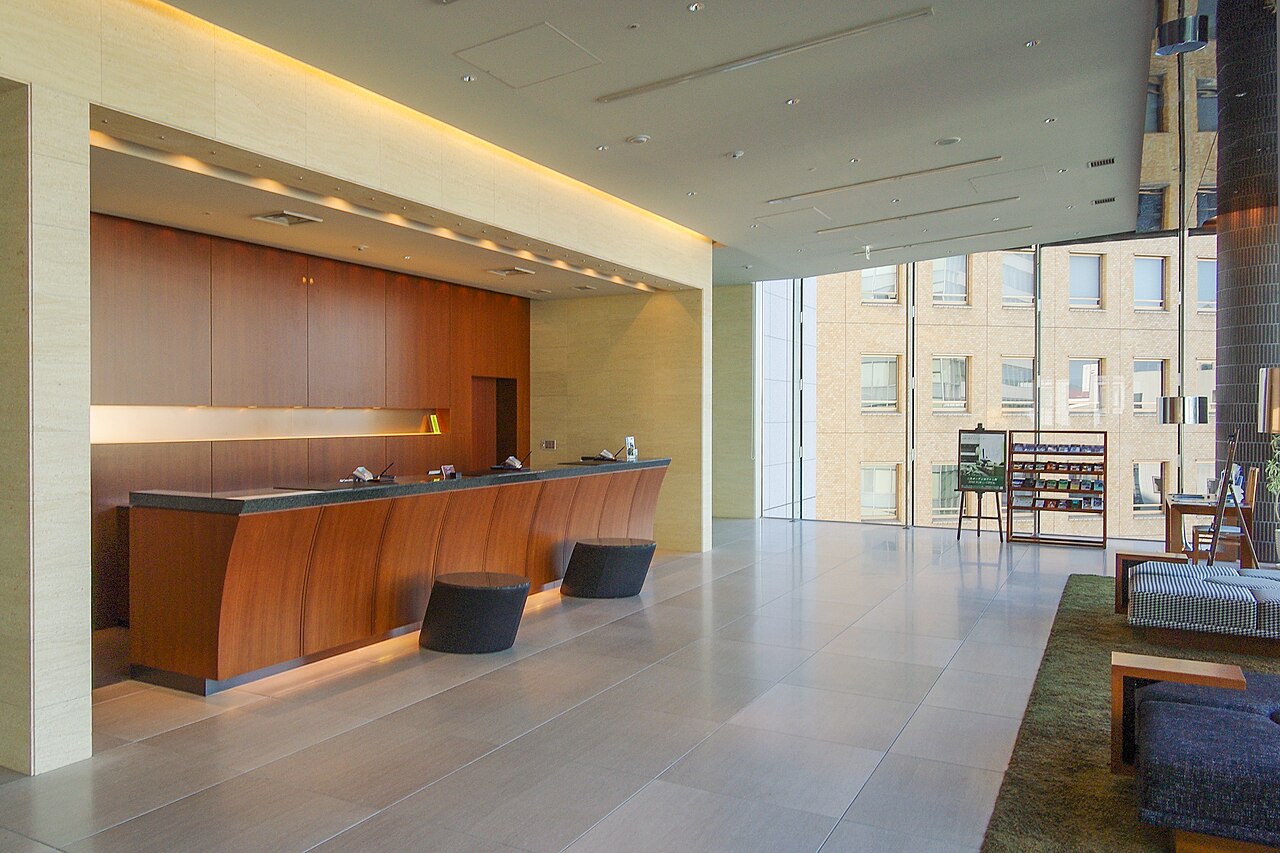
Worked example: taxes on a 7-night Tokyo–Kyoto trip
Two adults fly in, spend four nights in Tokyo and three in Kyoto, then fly home. The Tokyo hotel costs ¥32,000 a night for the room (¥16,000 each) and the Kyoto hotel ¥44,000 (¥22,000 each), room only.
| 항목 | Trip before 1 Apr 2027 | Same trip from 1 Apr 2027 |
|---|---|---|
| Tokyo hotel tax, 4 nights × 2 people | ¥200 × 8 = ¥1,600 | 3% of ¥16,000 = ¥480 × 8 = ¥3,840 |
| Kyoto hotel tax, 3 nights × 2 people | ¥1,000 × 6 = ¥6,000 | ¥1,000 × 6 = ¥6,000 |
| Departure tax × 2 people | ¥3,000 × 2 = ¥6,000 | ¥3,000 × 2 = ¥6,000 |
| Total for two | 13,600엔 | ¥15,840 |
That is ¥6,800 per person, or under ¥1,000 a day. Swap one Tokyo night for an onsen ryokan and add the bathing tax, usually ¥150 each.
The bigger lever is the room price. Book the Kyoto hotel at ¥50,000 per person and the tax for two over three nights jumps from ¥6,000 to ¥24,000. For the full trip budget, see our 일본 여행 비용 정리.
Travelling on a budget changes the picture. Stay in Tokyo at ¥9,000 per person and Kyoto at ¥5,500 per person, and the hotel tax is ¥0 in Tokyo and ¥200 a night in Kyoto: ¥1,200 for two over three nights, plus the same ¥6,000 Japan departure tax.
Japan bathing tax: what is the ¥150 onsen charge?
Municipalities with hot springs charge a bathing tax (入湯税, nyūtōzei) on people who use the baths. The standard rate is ¥150 per person per day, but each town sets its own amount by ordinance (Kagoshima Prefecture).
Rules vary. Tokyo’s Minato Ward charges ¥150 but exempts under-12s and day visitors paying ¥1,200 or less (Minato City), while Fukuoka City cut its overnight rate to ¥50 when it brought in its hotel tax (후쿠오카시).
At an onsen ryokan it usually appears as its own small line at check-out, on top of any hotel tax. Our 료칸 가이드 explains the rest of the bill.
Consumption tax in Japan: 10%, 8% and the restaurant bill
Japan’s consumption tax is 10% on most goods and services. Food and non-alcoholic drinks are taxed at a reduced 8%, but alcohol and eating in at a restaurant stay at 10% (재무성).
That is why a convenience store or fast-food till may ask whether you’re eating in or taking away. Price tags marked 税込 include the tax; 税抜 means it will be added at the till.
A change may be coming. A bill to cut the 8% food rate to 1% from 1 April 2027 to 31 March 2029 passed the lower house on 6 November 2026, but had not become law when we checked (Shin Nippon Hoki). Eating out and alcohol would stay at 10%.
Service charge and otoshi are not taxes
Two other lines on a restaurant bill confuse visitors. A service charge (サービス料) appears at hotel restaurants and some upscale places, and consumption tax is charged on top of it.
Otoshi (お通し) is a small starter that most izakaya bring automatically and charge as a seat fee. Neither goes to the government, and Japan has no tipping, so these are the only extras to expect.
Japan tourist tax refund change: what happened on 1 November 2026?
Until October 2026, licensed shops took the consumption tax off at the till. For purchases from 1 November 2026, you pay the full price and the tax is refunded after Japan Customs confirms at the airport or seaport that the goods are leaving the country (일본 관광청).
You still need to spend ¥5,000 or more before tax at one shop in one day, and you have 90 days from the purchase to clear the customs check. Do it in the departure lobby before you check your bags.
This is the only tax on the list that can come back to you. Kiosk locations, cash machines and shop fees are all in our 일본 택스 리펀드 가이드.
JESTA: a travel authorisation, not a tax (yet)
Japan plans an online pre-travel authorisation, JESTA, for visa-exempt visitors, modelled on the US ESTA. The government approved the bill on 10 March 2026 and is aiming to launch it during fiscal 2028 (Tokuten Ryoko, Dai-ichi Life Research Institute).
The fee has not been announced. Until official details appear, treat any JESTA price you see online as unconfirmed.
떠나기 전에 알아 둘 것
Check the fare breakdown
The departure tax is usually inside the ticket price. Look under taxes and fees before you pay twice.
Per person, not per room
Hotel taxes use each guest’s share of the room price, so a shared room often lands in a lower band.
Watch the Kyoto bands
Crossing ¥50,000 per person quadruples Kyoto’s tax from ¥1,000 to ¥4,000 a night.
Book Tokyo for April 2027 carefully
Tokyo’s 3% applies to nights from 1 April 2027, even if you booked earlier.
Keep small change
Some ryokan collect hotel and bathing taxes separately at check-out. A topped-up IC card or cash helps.
For paying small bills on the go, our IC 카드 가이드 covers Suica, PASMO and ICOCA. If you’re moving between cities with luggage, see luggage forwarding in Japan.
Japan departure tax checklist before you fly
Five quick checks cover every tax on this page. The Japan departure tax is the one you never see at the airport, so it is easy to forget when you compare fares.
- Check your e-ticket receipt: the Japan departure tax is collected in the fare as a ¥3,000 tax line, so there is nothing extra to pay at the airport.
- Babies under 2 pay no Japan departure tax, and nor do transit passengers who leave within 24 hours of arriving.
- Budget the city accommodation tax for each night – it is collected by the hotel, not included in the Japan departure tax.
- In onsen towns, budget for the bathing tax (the standard rate is ¥150 per person per day), which your accommodation collects.
- Keep tax-free goods unopened and ready to show at customs: since 1 November 2026 the refund is paid after customs checks them.
If your ticket was issued on or before 30 June 2026, the old ¥1,000 Japan departure tax may still apply – check the tax breakdown on your booking.
Japan departure tax and tourist taxes FAQ
How much is the Japan departure tax in 2026?
¥3,000 per person per departure since 1 July 2026, up from ¥1,000. Tickets issued on or before 30 June 2026 can keep the old rate.
Do I have to pay the departure tax at the airport?
No. Airlines and ferry companies add it to your fare and pay it to the government. Only private-jet passengers pay customs directly.
Do children pay the Japan departure tax?
Children under 2 are exempt. From age 2, they pay the full ¥3,000.
Does a layover in Japan count?
Not if you leave within 24 hours of arriving. Stay longer than that and the tax applies.
Which Japanese city has the highest hotel tax?
Kyoto has the highest flat rate: ¥10,000 per person per night on rooms of ¥100,000 or more since 1 March 2026. Percentage taxes like Kutchan’s 3% can cost more on very expensive stays.
Is the Tokyo hotel tax changing?
Yes. From 1 April 2027 it becomes 3% of the room-only price per person per night, with nights under ¥13,000 per person exempt.
Can tourists get Japan’s taxes refunded?
Only consumption tax on eligible tax-free goods, refunded after a customs check at departure under the system in force since 1 November 2026. The departure, hotel and bathing taxes are not refunded.
출처와 확인 방법
We checked every figure on 19 November 2026 against the Japan Tourism Agency departure-tax leaflet, 일본 국세청, the official accommodation-tax pages of each city and prefecture linked in the table above, the JTA tax-free page 및 재무성. Kutchan’s rate, the food-tax bill and JESTA come from news reports and may change, so check before you book.
Spend the savings on Japan
Taxes sorted, now plan the fun part: book tours, food experiences and tickets across Japan through Japan Pro.
 English
 Japanese
 Chinese (Taiwan)
 Chinese (China)
 Korean
 French
 Italian
 Thai