
Authentic Experiences in Japan: 13 Taught by Practitioners (2026)
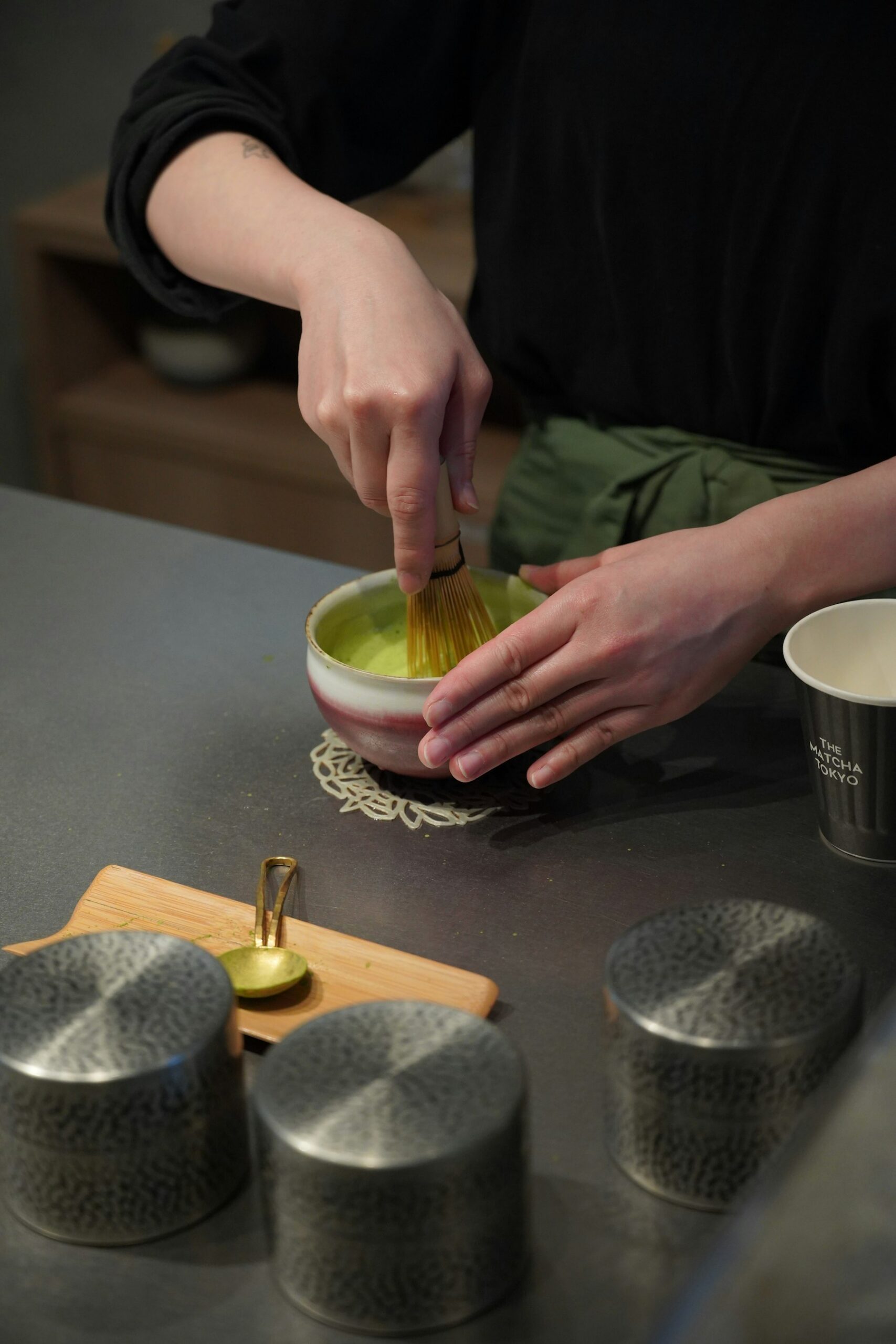
The most authentic experiences in Japan are the ones taught by people who practise the craft for a living, in the place where they actually do it: zazen in a working Zen temple, a night with the monks at Koyasan, sumo practice watched from the street, sake at a brewery that still brews. Many cost less than the staged versions: watching sumo practice at Arashio stable is free, and an English zazen session at a Yokohama temple is ¥2,000.
Below are 13 cultural experiences in Japan, each with how to tell the real thing from a show, a provider we checked (price and link), and the etiquette that matters. Every price was checked between 19 and 21 October 2026.
¥0
Watching sumo morning practice at Arashio stable
¥2,000
English zazen at Tokozenji, Yokohama
¥5,000
Full-day washi papermaking course, Ogawa
¥22,000
Kintsugi workshop with real urushi lacquer
How do you tell authentic experiences in Japan from staged ones?
Ask three questions before you book. Who teaches it, and do they do this outside tourist hours? Where does it happen, a working temple, studio or brewery, or a rented room? And what are you actually allowed to do with your own hands?
| Sign | Authentic | Staged |
|---|---|---|
| Teacher | A monk, licensed teacher, brewer or craftsperson who practises daily | A guide reading a script; no name given |
| Venue | The temple, stable, studio or brewery itself | Hotel function room or shop back room |
| Materials | Real urushi, hand-made paper, proper tea utensils | Epoxy, printed paper, instant matcha |
| Rules | House rules you must follow (silence, no flash, book ahead) | Anything goes, photos encouraged |
| Language | Often Japanese with English help | Smooth English sales patter |
| Price | Set by the practitioner, often modest | Inflated by layers of resellers |
Staged is not always bad. A short, English-friendly taster can be the right choice with children or one free hour. Just know which one you are buying.
Authentic experiences in Japan at a glance
These are the 13 authentic experiences in Japan we checked, with one provider for each. Prices are per person unless stated.
| Experience | Provider we checked | Price (2026) | 어디에 |
|---|---|---|---|
| Zazen meditation | Tokozenji | ¥2,000 | Yokohama |
| Temple stay (shukubo) | Ekoin, Koyasan | From ¥11,000 with 2 meals | Wakayama |
| Tea ceremony | Camellia | From ¥4,000 shared | 교토 |
| Sumo morning practice | Arashio-beya | 무료 | 도쿄 |
| Taiko drumming | Taiko-Lab Aoyama | ¥6,160 | 도쿄 |
| Calligraphy | Wayoh Japanese Calligraphy Class | ¥5,000 | 도쿄 |
| Ikebana | Sogetsu International Class | ¥6,000 trial | 도쿄 |
| Kintsugi | Tsugu Tsugu | ¥22,000 | Tokyo, Kyoto |
| Washi papermaking | Ogawamachi Washi Experience Learning Center | ¥5,000 day course | Saitama |
| Sake brewery | Ozawa Shuzo (Sawanoi) | ¥700 tour | Ome, Tokyo |
| Home cooking | Mayuko’s Little Kitchen | See site | 도쿄 |
| Matsuri dancing | Awa Odori niwaka-ren | Free to join | Tokushima |
| Farm stay | Farm Inn Nature Kyomien | ¥6,000 half board | Akita |
Which temple and tea experiences are the real thing?
1. Zazen at a working Zen temple
Real zazen is mostly silence: sitting still facing a wall or the floor, with a short instruction and maybe a strike of the kyosaku stick if you ask for it. The staged version is a “mindfulness experience” in a hotel with music and photos.
Provider: Tokozenji, a Rinzai temple near Kanazawa-bunko Station in Yokohama, runs Private ZAZEN in English on Mondays and Wednesdays at 13:30 for ¥2,000, with green tea and sweets after; chairs are available. Book at least two weeks ahead; there are no sessions in July and August (Tokozenji).
The same page lists English zazen at Kenchoji in Kamakura on 28 October and 13 November 2026, 13:30–15:30, for ¥1,000 plus the ¥500 temple entry. In Kyoto, Rev. Takafumi Zenryu Kawakami at Shunkoin teaches private sessions in English, with fees on request.
Etiquette: arrive early, wear loose, plain clothes and clean socks, switch your phone off and follow the bell. Do not photograph during the sitting.
2. Shukubo: a night in a Koyasan temple
Shukubo are temples that take overnight guests. The authentic ones are run by resident monks, serve vegetarian shojin ryori and invite you to the morning service; a “temple-style hotel” with no services is just a hotel.
Provider: Ekoin on Koyasan holds a morning service and a goma fire ritual every morning, both open to overnight guests, and offers ajikan meditation, sutra copying and an Okunoin night tour. On Jalan, plans with dinner and breakfast start from ¥11,000 per adult; check-in is from 14:00 and the plan includes free ajikan meditation and sutra copying.
Ekoin takes bookings up to 11 months ahead; October 2027 opens on 1 November 2026. Etiquette: eat what is served, keep corridors quiet at night and be on time for the morning service.
3. Tea ceremony with a trained teacher
A real chado session is led by someone trained in a tea school, uses proper utensils and seasonal sweets, and is slow on purpose. Our tea ceremony in Tokyo guide covers the Tokyo options in detail.
Provider in Kyoto: Camellia runs shared ceremonies at its Flower Teahouse in Ninenzaka from ¥4,000 for adults and ¥2,500 for children aged 6–12, and private ones from ¥8,000; its Garden Teahouse near Ryoan-ji is private only, from ¥15,000. Each session ends with you whisking your own bowl with an instructor.
Etiquette: no perfume, no rings or watches that could scratch the bowls, and kneel for as long as you comfortably can.
Can you watch sumo practice in Japan?
4. Sumo morning practice (asa-geiko)
Yes, and it is free. Sumo stables train early in the morning; the “sumo shows” sold with a lunch are performances by retired wrestlers, not training.
Provider: Arashio-beya in Nihonbashi-Hamacho lets the public watch practice from the street through its large windows, near Exit A2 of Hamacho Station. Its site lists practice from 7:30 to about 9:00, says no reservation is needed and that the schedule is not guaranteed.
Right now there is no practice in Tokyo: the stable is away for the November tournament in Fukuoka and returns in December. For tournament seats, see our sumo tickets guide.
- Keep quiet; the stable asks for silence.
- No flash photography.
- Do not block the street or lean on the windows; it is a residential road (Tokyo Cheapo).
- No eating or drinking while you watch, and do not sit on the neighbours’ stairs (Arashio-beya).
- Leave when practice ends; do not wait to chase wrestlers for photos.
Which traditional arts can you learn in a day?
5. Taiko drumming
Authentic taiko is physical: stance, rhythm and shouts (kakegoe) taught by drummers, on real drums. Watching a hotel floor show is not the same as playing.
Provider: Taiko-Lab Aoyama, four minutes from Exit 3 of Gaienmae Station, is listed by GO TOKYO at ¥6,160 for a taiko experience. Sessions on its booking calendar last one hour, and there are branches in Akihabara, Kyoto, Osaka (Umekita) and Kobe. Etiquette: bow to the drum and the teacher, and never step over the drumsticks.
6. Calligraphy (shodo)
In real shodo you grind or prepare ink, learn brush order and write the same character many times. A five-minute “write your name in kanji” stand at a festival is a souvenir, not a lesson.
Provider: Wayoh Japanese Calligraphy Class in Yushima, near Ueno, charges ¥5,000 for a calligraphy experience and ¥10,000 for a custom shikishi board, with a minimum of two people (GO TOKYO; official site). Etiquette: sit upright, keep the brush off the table and do not rush.
7. Ikebana flower arranging
Ikebana schools have a head teacher (iemoto) and a curriculum. A trial lesson at the school’s own headquarters, with feedback from a teacher, is as authentic as it gets.
Provider: the Sogetsu School’s International Class at Sogetsu Kaikan in Akasaka runs in English on Mondays (not national holidays), 10:30–12:30. The trial lesson for first-timers is ¥6,000 including two bunches of flowers and tax; book at least five weekdays ahead, and some autumn 2026 slots are already full (Sogetsu; Kyoto option at Sogetsu WEST).
8. Kintsugi with real urushi
Traditional kintsugi repairs pottery with urushi, a natural lacquer from tree sap, then dusts the seam with gold; it takes weeks to cure. Many cheaper “kintsugi-style” workshops use epoxy instead. One Tokyo studio, Kuge Crafts, says openly that it uses epoxy and cashew lacquer to avoid urushi allergies (listing): fine, but different.
Provider: Tsugu Tsugu’s Traditional Kintsugi Workshop uses natural urushi, lasts 90 minutes and costs ¥22,000 per person at its Ebisu and Asakusa studios; its Kyoto studio starts taking bookings on 1 November 2026 (Tsugu Tsugu). In 90 minutes you do one stage of the process, chosen for your piece. Etiquette: wear the gloves; raw urushi can cause a rash.
9. Washi papermaking
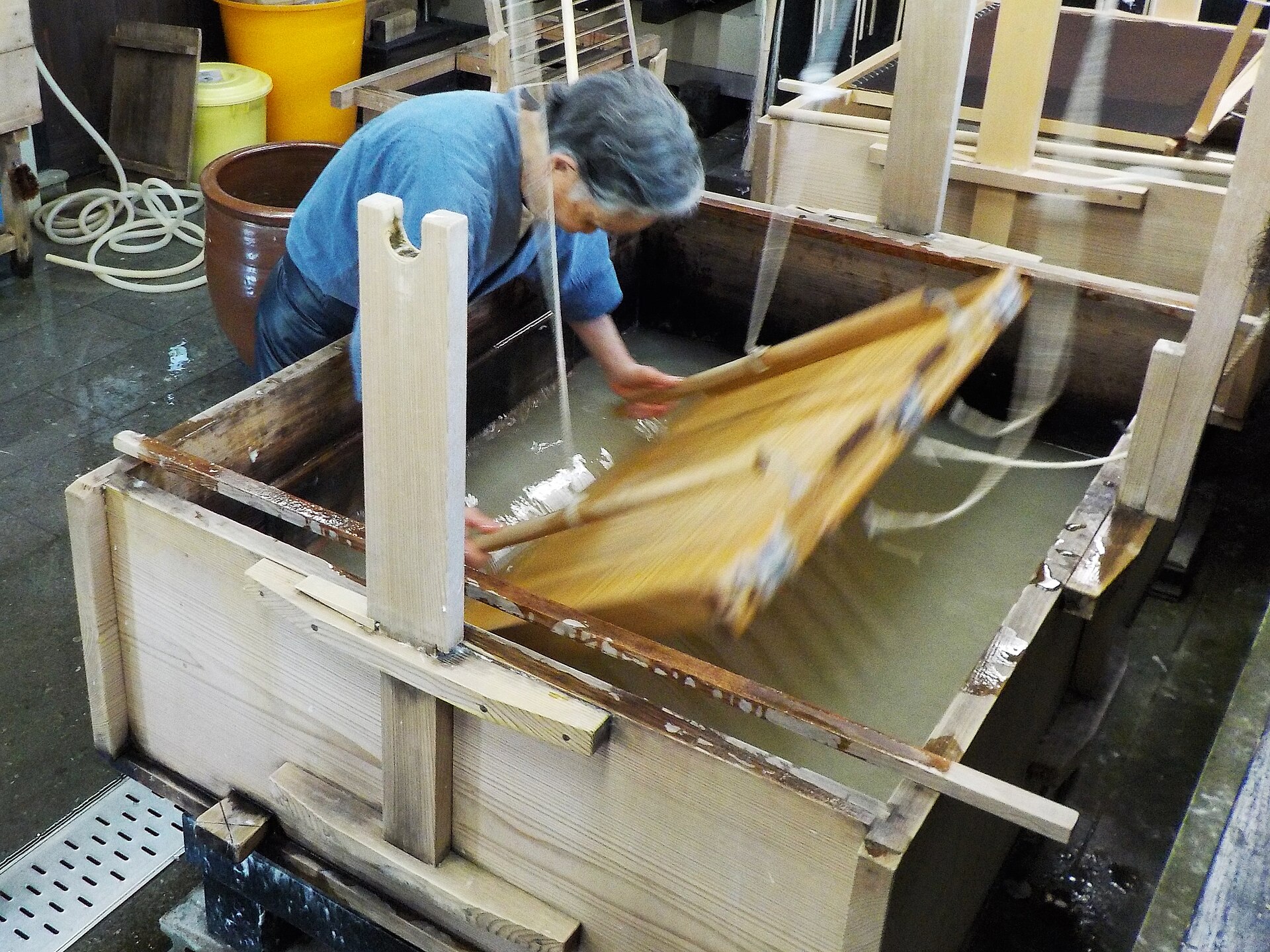
Hand-made washi comes from kozo (mulberry) bark, beaten and scooped on a screen. Ogawa in Saitama has made paper this way for centuries; a 10-minute postcard-dipping booth gives you only a taste of it.
Provider: the town-run Ogawamachi Washi Experience Learning Center runs a full-day course, 10:00–15:00 with an hour for lunch, for ¥5,000. You learn about the raw materials and make five A3-size sheets of plain kozo paper to take home the same day (Ogawa town).
Book by phone (0493-72-7262) at least a week ahead; it is about 10 minutes on foot from Ogawamachi Station and closed on Tuesdays (GLTJP). It is an easy add-on to our day trips from Tokyo by train.
Where can you learn about sake and Japanese home cooking?
10. A sake brewery that still brews
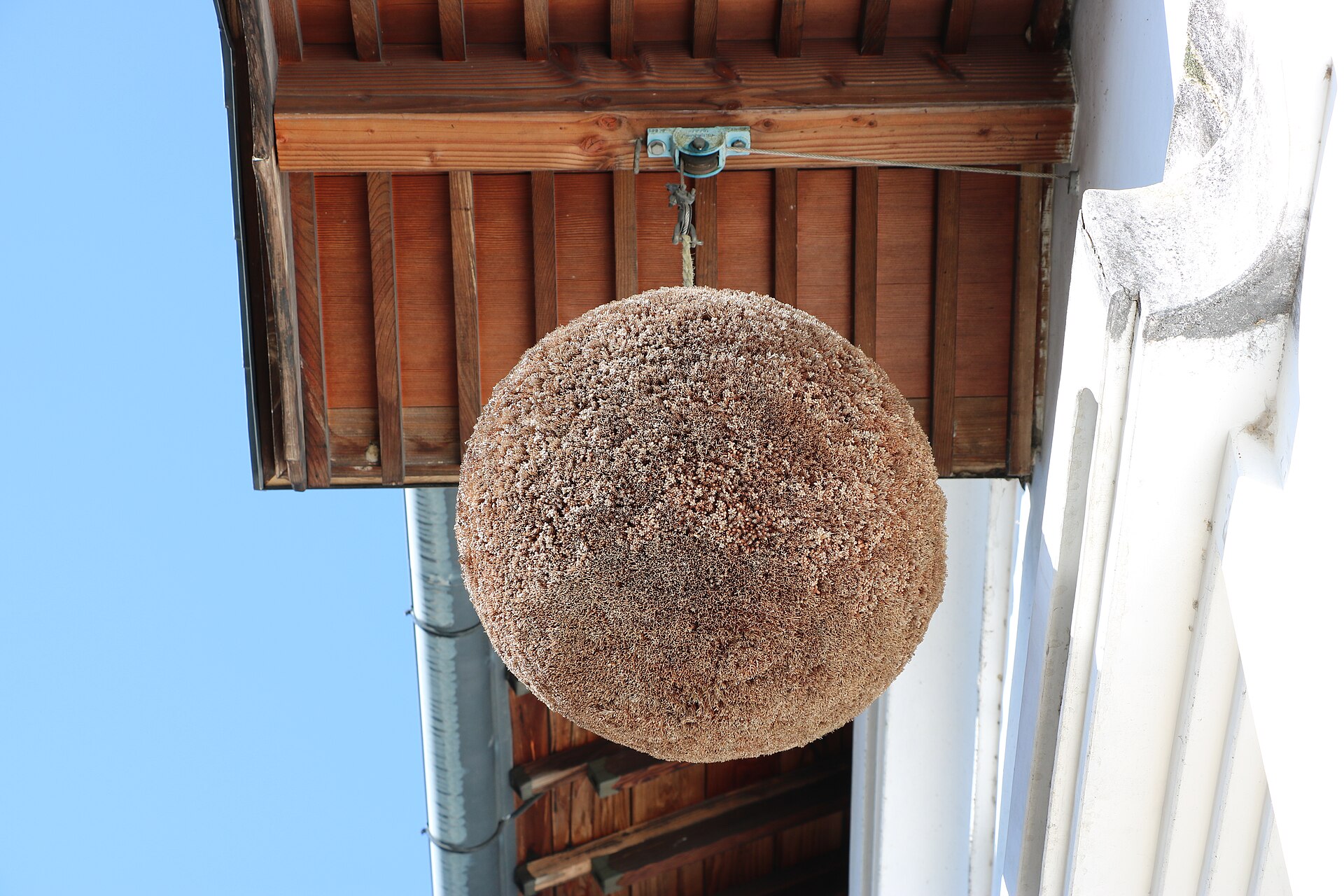
A working brewery (kura) tour shows you the rice, koji room and tanks. A tasting bar with a gift shop and no brewing is a shop.
Provider: Ozawa Shuzo, maker of Sawanoi, is a three-minute walk from Sawai Station on the JR Ome Line in western Tokyo. Its 40-minute brewery tour costs ¥700, is in Japanese with an English brochure, and is booked online (Sawanoi; reservations).
In Kyoto’s Fushimi district, the Gekkeikan Okura Sake Museum is a museum rather than a working brewery tour, but it is easy: ¥600 for adults 20 and over, open 9:30–16:30, with tasting after your visit. Etiquette: the drinking age is 20, and do not drive afterwards.
11. A home cooking class with a Japanese cook
The authentic version teaches what Japanese families eat on a weekday, such as dashi, miso soup, rice and a seasonal side dish, in a small kitchen. Sushi “shows” for 40 people are entertainment.
Provider: Mayuko’s Little Kitchen near Shinjuku Gyoen has been teaching Japanese home cooking in English since 2015. Owner Okada Mayuko uses recipes from her mother and grandmother, and classes take about six or seven people (Government of Japan feature). Check current prices and dates on its own site. For a restaurant meal of the same cuisine done at the top level, see our kaiseki guide.
Can tourists join a matsuri or stay on a farm?
12. Dancing in a matsuri
Most festival roles, such as carrying a neighbourhood mikoshi, belong to local groups, and you should not jump in uninvited. Tokushima’s Awa Odori is the big exception: walk-in groups called niwaka-ren let visitors dance on the street.
How to join: in 2026 Awa Odori ran from 11 to 15 August. For the niwaka-ren there was no advance application and no dress code, and dancers from well-known local groups taught the steps on the spot (HugKum; official site). Dates for 2027 had not been posted when we checked; see our 일본 축제 캘린더.
Etiquette: follow the leader of your group, stay in your lane and keep drinking for after the dance.
13. A farm stay
Real farm stays (noka minpaku) are family homes where you help with whatever the season needs. Expect simple rooms, home cooking and little English; that is the point.
Provider: Farm Inn Nature Kyomien in Daisen, Akita, charges ¥6,000 per night with half board, plus a heating charge in winter. Guests can join farm work, dry-flower making and rice-flour cooking; book by phone on 0187-56-2478 (Akita Green Tourism).
For English by email, Pitt Inn Midoriya in Goshogawara, Aomori, lists ¥1,980 per person room-only plus ¥980 per group, with seasonal rice planting and apple picking (Foundation for Urban-Rural Exchange). Etiquette: take your shoes off indoors, help clear up and bring a small gift from home.
How much do authentic experiences in Japan cost?
Less than you might think. The practitioner-led options above cost between nothing and ¥22,000, and most sit around ¥5,000–¥6,000. Prices on resale platforms for similar cultural experiences in Japan are often far higher, because several companies take a cut.
| Budget | Experiences (2026 prices) |
|---|---|
| 무료 | Sumo morning practice at Arashio-beya; dancing in an Awa Odori niwaka-ren |
| Under ¥3,000 | Gekkeikan Okura Sake Museum ¥600; Sawanoi brewery tour ¥700; Kenchoji English zazen ¥1,500 with entry; Tokozenji zazen ¥2,000 |
| ¥3,000–¥7,000 | Camellia shared tea ceremony from ¥4,000; washi day course ¥5,000; calligraphy ¥5,000; ikebana trial ¥6,000; farm stay ¥6,000 half board; taiko ¥6,160 |
| ¥10,000 and over | Ekoin shukubo from ¥11,000 with two meals; private tea ceremony from ¥8,000–¥15,000; real-urushi kintsugi ¥22,000 |
How far ahead should you book?
Practitioners have day jobs, so the real thing books up earlier than the tourist version. Use these lead times, all taken from the providers’ own pages.
- Same day: sumo practice (no booking, but check the stable calendar the night before).
- Five weekdays: Sogetsu ikebana trial lesson.
- One week: Ogawa washi day course, by phone.
- Two weeks: Tokozenji English zazen.
- Up to 11 months: Ekoin on Koyasan, which fills early for autumn leaves and holidays.
Plan two or three authentic experiences in Japan per trip rather than one a day. Each one asks for focus, and a rushed schedule turns even a real temple into a photo stop.
Know before you go
Book direct
Temples, schools and breweries often take bookings by email or phone. Going direct means the practitioner gets the full fee.
Mind the calendar
Sumo stables travel for tournaments, Tokozenji skips July and August, and many workshops close one weekday.
Dress plainly
Loose, modest clothes and clean socks suit temples, tea rooms and tatami floors.
Skip the perfume
Strong scent clashes with tea, incense and sake tasting.
Ask before photos
Practitioners at work often say no. Ask once, accept the answer.
Learn five phrases
Onegaishimasu, arigato gozaimasu, sumimasen, itadakimasu and gochisosama go a long way.
Authentic experiences in Japan FAQ
What are the most authentic experiences in Japan?
Ones led by practitioners in their own space: zazen at a working temple, a shukubo night on Koyasan, sumo morning practice, a working sake brewery, and craft workshops with real materials such as urushi kintsugi and hand-made washi.
Can you watch sumo practice for free in Tokyo?
Yes. Arashio-beya in Hamacho lets you watch from the street, usually 7:30 to about 9:00, with no booking. Keep quiet and use no flash. There is no Tokyo practice in November 2026 while the stable is in Fukuoka.
How much does a temple stay at Koyasan cost?
At Ekoin, plans with dinner and breakfast start from about ¥11,000 per adult on Jalan, including meditation and sutra copying. Prices vary by room and date.
Where can I do zazen in English near Tokyo?
Tokozenji in Yokohama runs English zazen on Mondays and Wednesdays at 13:30 for ¥2,000; book two weeks ahead. Kenchoji in Kamakura holds English zazen on 28 October and 13 November 2026.
Is kintsugi with epoxy real kintsugi?
It is a modern version. Traditional kintsugi uses natural urushi lacquer, which takes weeks to cure. Ask the studio what it uses before you book.
Can tourists join a Japanese festival?
At Tokushima’s Awa Odori, yes: the niwaka-ren walk-in groups need no application or costume. At most other festivals, roles belong to local groups, so watch unless invited.
Do I need to speak Japanese for these experiences?
Not for most. Tokozenji, Sogetsu’s International Class and Camellia work in English, while the Sawanoi brewery tour is in Japanese with an English brochure.
출처 및 확인 방법
We checked every price, schedule and rule between 19 and 21 October 2026 against the linked official sites of each temple, school, studio and brewery, GO TOKYO, local government pages and, where a provider does not publish prices, its listing on a major booking site. Schedules change, so confirm with the provider before you travel.
Book authentic experiences with Japan Pro
Tell Japan Pro what you want to learn and when you travel, and we will help you find and book a practitioner-led experience.
다음 글
Department Stores in Tokyo and the Best Malls in Japan: 15 Worth a Detour (2026)
Shopping in Tokyo, Kyoto and Osaka by Station: 8 Areas, Streets and Shops (2026)
Hiking Near Tokyo 2026–27: Trails, Parks, Kayaking and Camping in Japan
 English
 Japanese
 Chinese (Taiwan)
 Chinese (China)
 Korean
 French
 Italian
 Thai