
Kamakura Back Streets 2026: 4 Quiet Routes Around Komachi-dori, With Fees and Hours
Kamakura’s crowd problem is mostly one street wide. Skip Komachi-dori, start at Kita-Kamakura Station instead of Kamakura, and walk the Kamakura back streets to the Great Buddha, and you will see the best of Kamakura with a fraction of the people.
This Kamakura back streets guide is built around that idea. It gives you four short routes out of Kamakura and Kita-Kamakura stations, with 2026 fees and hours from the temples themselves, the state of the hiking trail over the hill, and what the city is now doing about overtourism.
約60分
Tokyo to Kamakura, JR Yokosuka Line
800円
Enoden Noriorikun 1-day pass
400円
Hokokuji bamboo garden
08:00
Hase-dera and Kotoku-in open
Why avoid Komachi-dori, and what are the alternatives?
Komachi-dori is the narrow shopping street from Kamakura Station’s east exit to Tsurugaoka Hachimangu. It is on every first-timer’s plan, which is the problem. The city’s own live Kamakura crowd map tracks Komachi Street as one of nine hotspots, alongside Wakamiya-oji, Hase and both exits of Kamakura Station.
You do not need it. Here are the alternatives that get you to the same places.
- Dankazura, not Komachi-dori. The raised walkway down the middle of Wakamiya-oji runs from the second torii to the shrine, parallel to Komachi-dori. It was rebuilt between 2014 and March 2016 and now has 180 cherry trees (Wikipedia). Wakamiya-oji is on the crowd map too, but this is a broad walkway, not a shop-lined alley.
- Myohonji, not the shrine queue. A Nichiren temple about 10 minutes east of the station, founded in 1260; free, open 10:00–16:00 with no closing days (japan-guide.com).
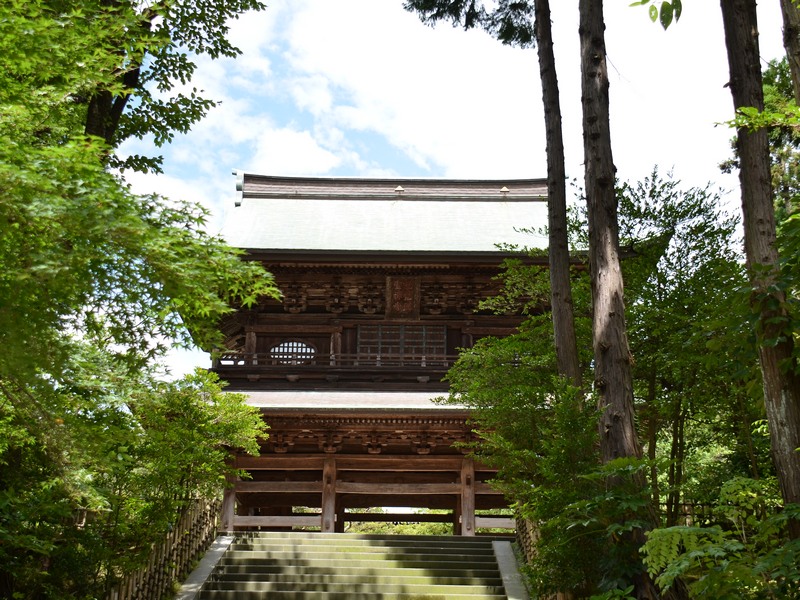
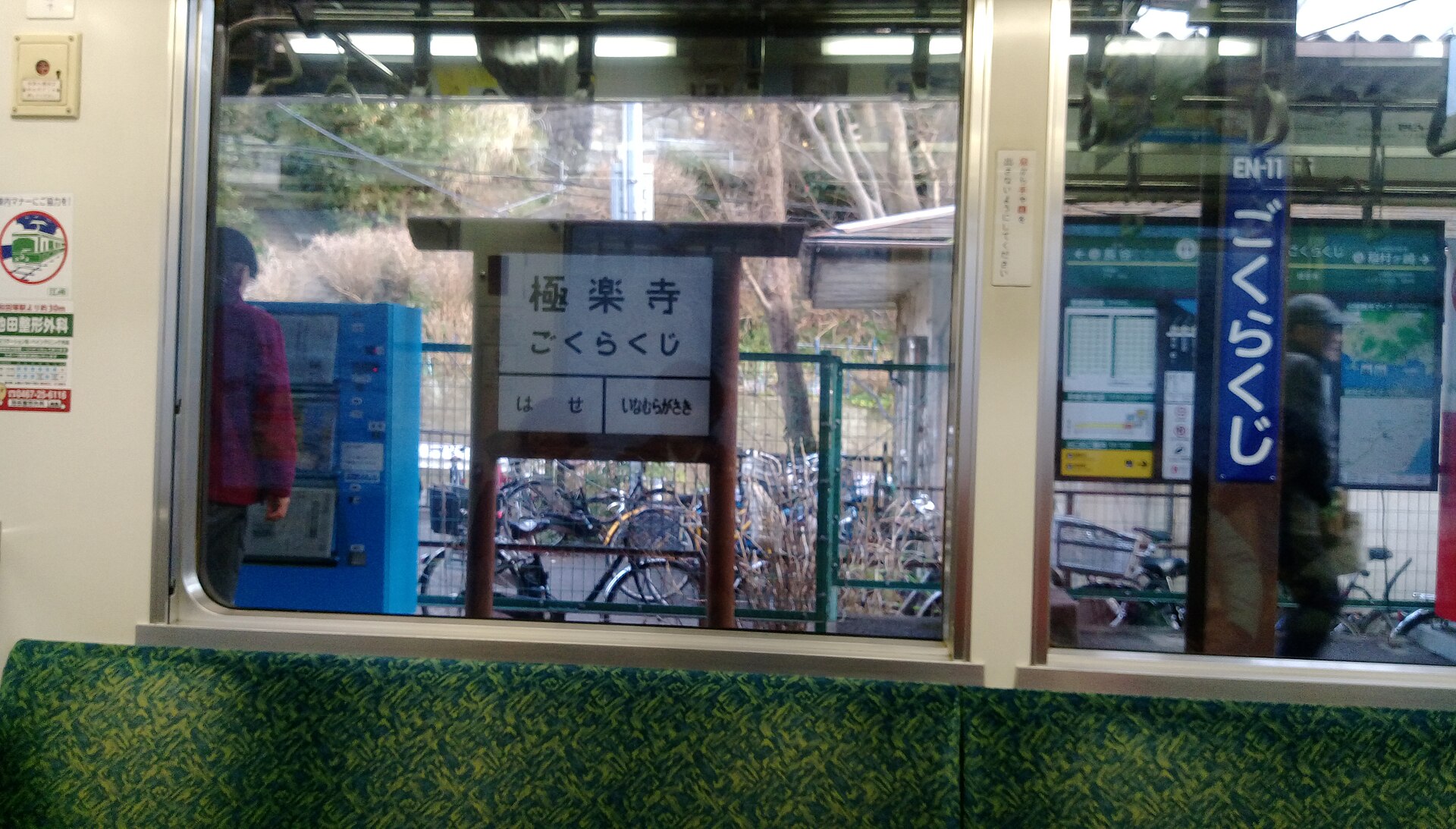
- Kita-Kamakura, not Kamakura Station. Get off one stop early on the JR Yokosuka Line. Engaku-ji is a minute from the platform and opens at 08:30.
- The Enoden at 08:00, not 11:00. Hase-dera and the Great Buddha both open at 08:00. The Hase area is one of the crowd map’s nine hotspots, so go first thing.
If you do want to shop Komachi-dori, go early or late in the day and check the crowd map first: it shows each area as Not Crowded, Normal or Crowded and is updated through the day.
How do you get to Kamakura from Tokyo?
| 出発地 | ルート | 時間 | コツ |
|---|---|---|---|
| 東京駅 | JR Yokosuka Line direct to Kamakura (or Kita-Kamakura, one stop before) | 約60分 | Suica or PASMO works; no reservation |
| 新宿 | JR Shonan-Shinjuku Line | About 53 min | Suica or PASMO works |
| 新宿 | Odakyu Line to Fujisawa, then Enoden to Kamakura | About 60 min + 34 min | Enoshima-Kamakura Freepass ¥1,640 covers the round trip plus Enoden |
時間は Hokokuji’s access page. The Odakyu Enoshima-Kamakura Freepass is a one-day pass that includes the round trip from Shinjuku, Odakyu local trains in the area and the Enoden; the Romancecar is extra (+¥750 from Shinjuku). For tap-in tips see our ICカードガイド, and for other easy escapes our 電車で行く東京発日帰り旅行.
Route 1: Kita-Kamakura temples before the crowds
This is the best start to any day on the Kamakura back streets. Three temples sit within 10 minutes of Kita-Kamakura Station, and the first opens at 08:30.
Engaku-ji
One of Kamakura’s great Zen temples, a one-minute walk from Kita-Kamakura Station. Entry ¥500 (¥200 for children). Open 08:30–16:30; from December to February it closes at 16:00. An autumn limited-edition goshuin (temple stamp) is on sale from 24 October 2026 for ¥1,000 while stocks last (Engaku-ji).
Meigetsu-in
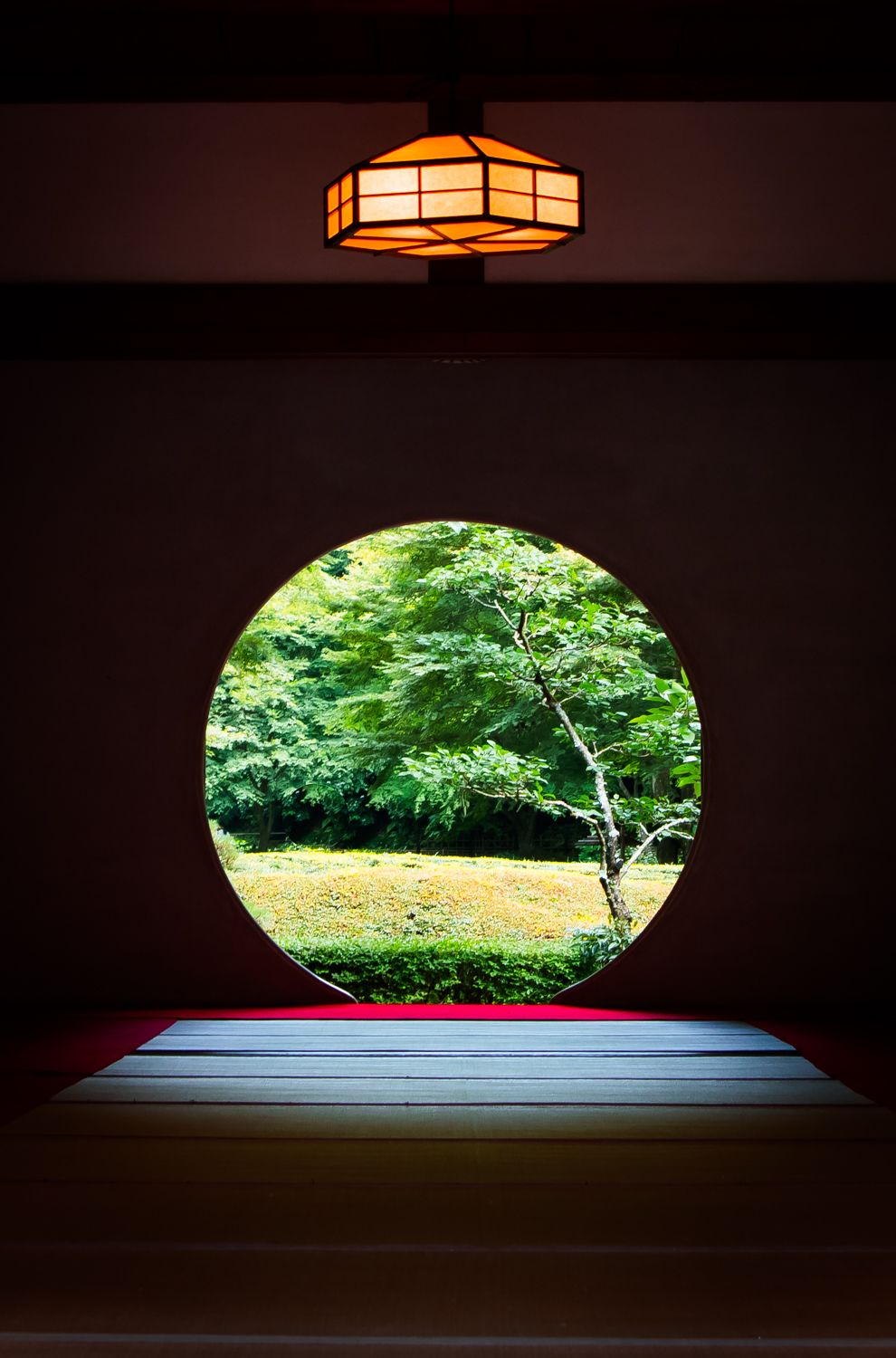
The “hydrangea temple”, about 10 minutes’ walk from the station. Entry ¥500; open 09:00–16:00 (08:30–17:00 in June), no closing days (japan-guide.com). Its round “Window of Enlightenment” frames the garden behind the main hall.
That rear garden is normally shut. It opens only for the iris season in June and the autumn leaves, roughly two weeks from late November to early December, for an extra ¥500 (Wikipedia, japan-guide.com). We could not find 2026 dates, so treat late November 2026 as likely, not confirmed.
Jochi-ji
A smaller Zen temple 10 minutes from the station; entry ¥300, open 09:00–16:30 (japan-guide.com). Rurubu notes it is quietest in the morning. The trailhead for the hill route to the Great Buddha is just beyond it.
Route 2: over the hill to Zeniarai Benten and the Great Buddha
From Jochi-ji, the Kuzuharaoka–Daibutsu hiking course climbs through woods to Genjiyama Park and drops down to the Great Buddha. We cover the trail itself, timings and footwear in our guide to hiking near Tokyo, so here is only what matters for this route.
- Is the Daibutsu course open? Kamakura City closed all its trails after typhoon damage on 9 September 2019 and reopened the Daibutsu course on 30 June 2020 (Kamakura City). We found no newer closure notice on 23 October 2026, but that page has not been updated since 2020, so ask at the tourist information centre at Kamakura Station after heavy rain.
- Kuzuharaoka Shrine, about 20 minutes from Jochi-ji, is the first rest stop; its big ginkgo turns gold in autumn (るるぶ).
- Kamakura’s manners ordinance applies on hiking courses too: don’t run past walkers on narrow sections.
Zeniarai Benten
A short detour downhill from Genjiyama Park. You enter through a tunnel cut into the cliff and wash your coins in the spring, which is said to multiply them. Legend dates the shrine to a dream of Minamoto no Yoritomo in 1185 (Wikipedia). Entry is free; open 08:00–16:30, entry until 16:00. If you skip the hike, it is 25–30 minutes on foot from Kamakura Station (japan-guide.com).
Kotoku-in (the Great Buddha)
The trail ends here. Entry ¥300 (¥150 for primary pupils), plus ¥50 to go inside the statue. Open 08:00–17:30 from April to September and 08:00–17:00 from October to March; last entry 15 minutes before closing. The inside of the Buddha closes at 16:30. It is about 7 minutes from Hase Station on the Enoden and has no parking (Kotoku-in).
Route 3: Hase-dera and the Enoden coast
Hase-dera
Five minutes from Hase Station, Hase-dera climbs a hillside above the town. Entry is ¥400 (¥200 for primary pupils). Gates open 08:00–16:30, closing at 17:00; from April to June they stay open until 17:00, closing at 17:30 (Hase-dera). The 9.18 m eleven-headed Kannon is the main draw; the Kannon Museum costs ¥300 extra, and the Benten-kutsu cave is in the garden (japan-guide.com).
On 17 October 2026 the temple announced its autumn night viewing and leaf illumination on its news page. Dates were not on the page we could read. In 2025 it ran from 22 November to 7 December, from sunset to 19:00, with no tripods allowed on the paths (神奈川新聞).
Riding the Enoden
The Enoden is the little line from Kamakura to Fujisawa via Hase and the coast. A Noriorikun one-day pass costs ¥800 (children ¥400), is valid only on the day you buy it, and gives one-off discounts at 53 shops and sights. It is sold at every Enoden ticket machine and as a digital ticket on the EMot app.
If you go on to Kamakurakoko-mae, the level crossing made famous by 『スラムダンク』, follow the guards and signs. The city, Enoden and police put up multilingual warnings there to keep people off the tracks and out of the road.
Route 4: Kamakura back streets on the east side, and Hokokuji bamboo
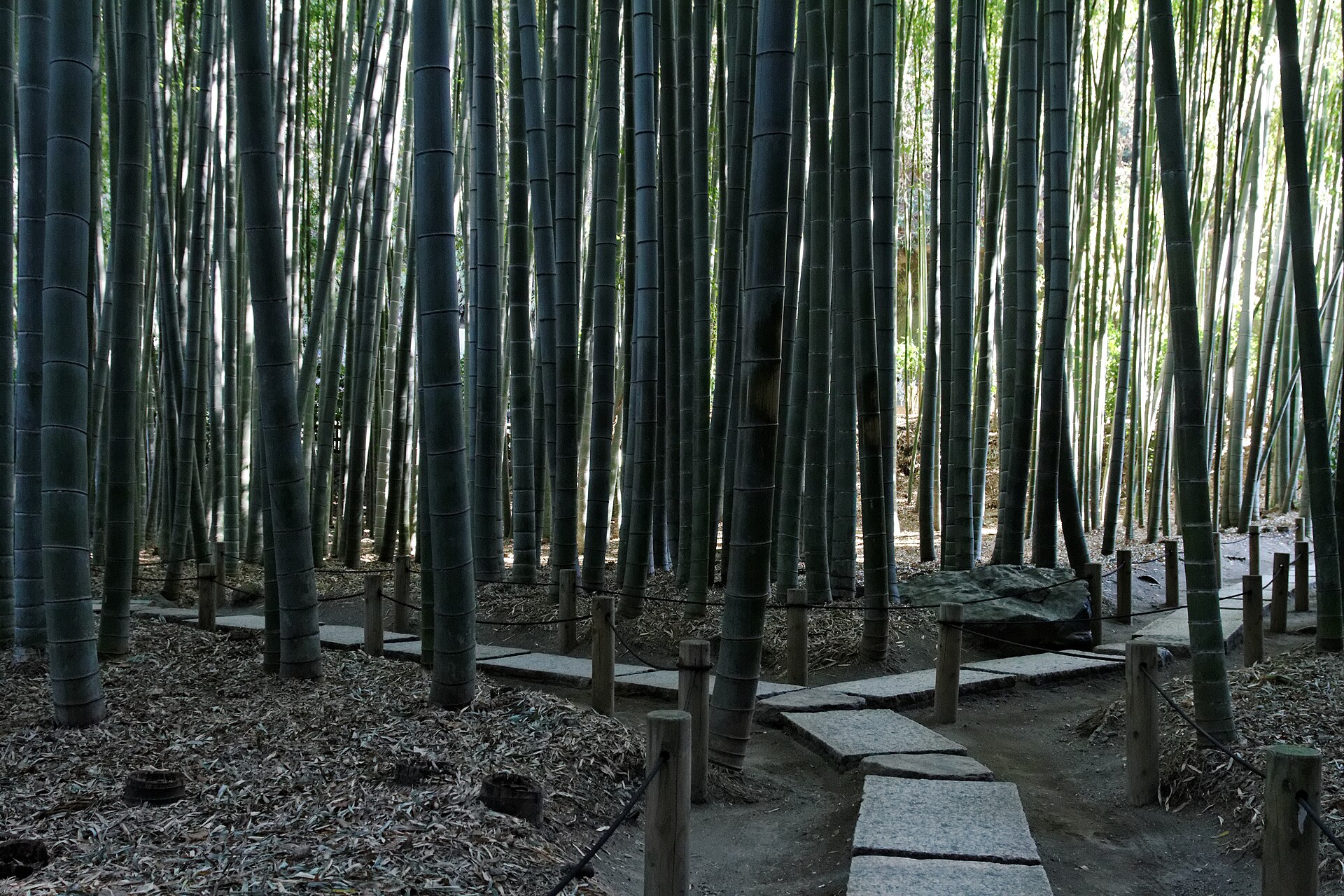
Hokokuji is the one bamboo grove near Tokyo worth the trip, and it is on the quiet side of town. From Kamakura Station’s east exit, take a Keikyu bus from stop 4 for about 12 minutes to the Jomyoji stop, then walk 3 minutes. A taxi takes about 7 minutes (Hokokuji).
- Bamboo garden: 09:00–16:00; ¥400 (¥200 for primary and junior high pupils).
- Kyukoan tea house: matcha with dry sweets ¥600, tickets until 15:30; sales can pause when it is busy.
- Closed 29 December to 3 January, and sometimes in bad weather.
- Hokokuji does not take group reservations.
Details are from Hokokuji’s visitor guide. Hokokuji also lists a special night opening on 23 October 2026, so the grounds may be busier than usual that evening. The Jomyoji area is one of the nine zones on the city crowd map, so check it on weekends.
Kamakura back streets at a glance: fees and hours
| 場所 | Fee (adult) | 拝観時間 | 最寄り駅 |
|---|---|---|---|
| Engaku-ji | 500円 | 08:30–16:30 (Dec–Feb to 16:00) | Kita-Kamakura, 1 min |
| Meigetsu-in | ¥500 (+¥500 rear garden when open) | 09:00–16:00; June 08:30–17:00 | Kita-Kamakura, 10 min |
| Jochi-ji | 300円 | 09:00–16:30 | Kita-Kamakura, 10 min |
| Zeniarai Benten | 無料 | 08:00–16:30 (entry to 16:00) | Kamakura, 25–30 min |
| Kotoku-in (Great Buddha) | ¥300 (+¥50 inside) | 08:00–17:00 Oct–Mar; to 17:30 Apr–Sep | Hase (Enoden), 7 min |
| Hase-dera | 400円 | 08:00–16:30 entry; Apr–Jun to 17:00 | Hase (Enoden), 5 min |
| Hokokuji | ¥400 (+¥600 matcha) | 09:00–16:00 | Jomyoji bus stop, 3 min |
| Myohonji | 無料 | 10:00〜16:00 | Kamakura, 10 min |
Which Kamakura back streets route suits your day?
Pick by the time you have and how much walking you want. Entry costs below add up the adult fees in the table above; they leave out trains, food and the optional extras.
| You have | Do this | Entry fees | Walking |
|---|---|---|---|
| 3–4 hours | Route 1 only: Engaku-ji, Meigetsu-in, Jochi-ji, then the train from Kita-Kamakura | 1,300円 | Light, mostly flat lanes |
| Half a day, active | Routes 1 and 2: Kita-Kamakura temples, then the Daibutsu course to the Great Buddha | 1,600円 | Woodland trail; trainers needed |
| 丸1日 | Routes 1, 2 and 3: add Hase-dera and ride the Enoden back to Kamakura | ¥2,000 + ¥800 Noriorikun (or a single fare) | The hike plus town walking |
| A slow morning | Route 4: bus to Hokokuji for bamboo and matcha, then Myohonji on foot near the station | ¥1,000 with matcha | Short; bus both ways if you like |
The full-day version is the classic Kamakura back streets day: you start in the north, finish on the coast and never set foot on Komachi-dori. Do it in that order. Engaku-ji opens at 08:30, and if you leave Jochi-ji by about 11:00 you reach Kotoku-in with time for Hase-dera before its last entry at 16:30.
If rain closes in, reverse it. Skip the trail and take the JR Yokosuka Line to Kamakura, then the Enoden to Hase. Hase-dera and Kotoku-in are 5 and 7 minutes from Hase Station, so the wet walking is short.
What are Kamakura’s overtourism rules in 2026?
There is no entry fee or ban, but there are rules and experiments you should know about.
- Eating while walking. Kamakura’s Ordinance on Improving Manners in Public Places has applied since 1 April 2019. It asks people not to eat or drink while walking in narrow or crowded places where they could stain others’ clothes. There are no fines; it is a duty to make an effort (Kamakura City). In practice: eat at the shop.
- Enoden priority entry. On 3–5 May 2026, 12:00–16:00, residents with a certificate could skip the outside queue at Enoden Kamakura Station. No outside queue formed in 2026. No future dates have been set; the city will decide with Enoden and JR East (Kamakura City report).
- Live crowd map. The city’s crowd map uses AI analysis to rate nine areas and offers a weekly forecast by time of day.
- Planned lodging tax. The city plans a flat ¥300 per person per night from October 2027, with the ordinance going to the city assembly in September 2026 and then needing national government consent (Kamakura City, June 2026, Financial News). We could not confirm on 23 October 2026 whether it has passed.
- Overtourism office. The city set one up in its tourism division in 2020 and promotes quieter spots and evening visits to spread crowds (Kamakura City).
What is Kamakura like in late autumn and winter 2026–27?
Late November to early December is the best time for the Kamakura back streets: the leaves turn, the Meigetsu-in rear garden opens and Hase-dera holds its night illumination. For peak timing across Japan, see our autumn leaves calendar.
Winter is short-houred. Engaku-ji closes at 16:00 from December to February, Kotoku-in at 17:00 until the end of March, and Hokokuji shuts from 29 December to 3 January. Start early, and plan to be on the train back by dusk. Hase-dera has already announced its spring Hase market for 25 April 2027.
出発前に知っておきたいこと
Start at Kita-Kamakura
Engaku-ji is a minute from the platform and opens at 08:30.
Check the crowd map
The city map rates each area live; switch routes if Hase turns red.
Eat sitting down
The manners ordinance asks you not to eat while walking in crowded spots.
Bring coins
Zeniarai Benten is free; the coins are for washing in the spring.
Trainers, not sandals
The Daibutsu course is an unpaved woodland path, slippery after rain.
Kamakura back streets FAQ
How do I avoid crowds in Kamakura?
Start at Kita-Kamakura at 08:30, skip Komachi-dori for Dankazura, and check the city’s live crowd map. Hase-dera and the Great Buddha open at 08:00.
Is the Daibutsu hiking course open in 2026?
Kamakura City reopened it on 30 June 2020 after typhoon damage, and we found no newer closure notice on 23 October 2026. Ask at Kamakura Station’s tourist information after heavy rain.
How much is Hokokuji bamboo garden?
¥400 for adults and ¥200 for children; matcha at Kyukoan is ¥600. Open 09:00–16:00, closed 29 December to 3 January.
Is eating while walking banned in Kamakura?
Not banned, but a 2019 city ordinance asks you not to eat or drink while walking in narrow or crowded places. There is no fine.
Is there a tourist tax in Kamakura?
Not yet. The city plans a ¥300 per person per night lodging tax from October 2027, subject to approval.
How much is the Enoden day pass?
The Noriorikun pass is ¥800 for adults and ¥400 for children, valid on the day of purchase only.
When can I see the Meigetsu-in rear garden?
Only during the June iris season and about two weeks of autumn leaves from late November, for an extra ¥500.
How long does it take to get from Tokyo to Kamakura?
About 60 minutes from Tokyo Station on the JR Yokosuka Line, or about 53 minutes from Shinjuku on the Shonan-Shinjuku Line.
出典と確認方法
We checked the facts in this Kamakura guide on 23 October 2026 against the temples’ own sites (Engaku-ji, Hokokuji, Hase-dera, Kotoku-in), Kamakura City’s ordinance, Enoden report, lodging-tax plan and crowd map, Enoden and Odakyu. Where a temple has no official site, we used japan-guide.com (updated December 2024) and say so; check fees at the gate.
See Kamakura without the crowds
Japan Pro can book a Kamakura day with an English-speaking guide who knows the back streets, plus your transport from Tokyo.
あわせて読みたい
Japan with Kids: What Works, What Doesn’t (2026 Family Guide)
Second Time in Japan: 6 Routes for When You’ve Done Tokyo, Kyoto and Osaka (2026–27)
National Parks in Japan: All 35, Ranked by How Easy They Are to Reach (2026)
 English
 Japanese
 Chinese (Taiwan)
 Chinese (China)
 Korean
 French
 Italian
 Thai