


The best time to visit Japan depends entirely on what you came for. Cherry blossoms, powder snow, hiking and cheap hotel rates all peak in different months, and no single answer covers them.
There is a worst time, though. Three of them, and they are the same three weeks every year. Get those wrong and the month you picked stops mattering.
This guide covers all twelve months across Tokyo, Kyoto, Osaka, Hokkaido, Okinawa and Mt Fuji, written from a Tokyo starting point. Prices and dates were verified in August 2026.

The three weeks to avoid
Japan effectively shuts down three times a year. Prices double, transport sells out, domestic demand spikes and a lot of what you came to see is closed.
Golden Week — 29 April to 5 May. Four public holidays in a row. Every shinkansen is booked, hotel rates roughly double, and the entire country is moving at once. If you can shift your dates by a week, do.
Obon — 13 to 16 August. The ancestral return holiday. Trains and flights book out months ahead, and family-run restaurants and shops close. Cities empty out while rural roads jam.
New Year — 29 December to 3 January. The most disruptive of the three. Shrines are packed on 1 January while restaurants, museums and shops close for days, some not reopening until the 4th or 5th. The days after the 3rd are among the quietest and most pleasant of the year.
One qualification: these are bad weeks to travel around Japan, not bad weeks to be in Japan. Golden Week and Obon are peak festival season. If you are staying put in one city, they can be the best time of year to be there.
Quick answer: the best month for each thing
| What you want | Best month | Where |
|---|---|---|
| Cherry blossoms | Late March – early April | Tokyo, Kyoto, Osaka |
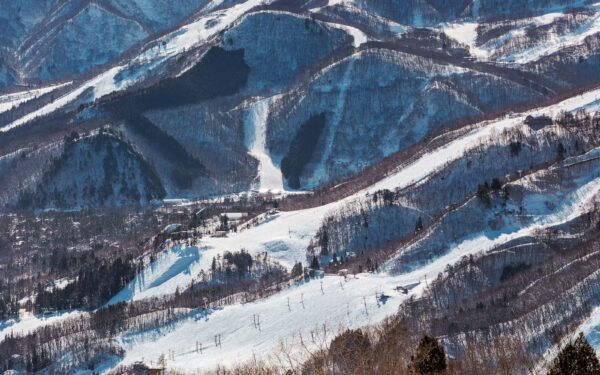
| Powder snow | January – February | Hokkaido |
| Autumn foliage | Late October – late November | North to south, in that order |
| Beach weather | April – October | Okinawa |
| Fireflies | June | Tokyo outskirts and Kantō |
| Climbing Mt Fuji | Early July – early September | Yoshida and three other trails |
| Clear views of Mt Fuji | December – February | Tokyo, Hakone, Fuji Five Lakes |
| Festivals and fireworks | July – August | Nationwide |
| Fewest crowds, decent weather | Late January, early December | Everywhere |
The Best Time to Visit Japan, Month by Month
January
The clearest skies of the year in Tokyo, and the months when Mt Fuji stops being a postcard and starts being visible. Late January, once the New Year holidays are over, is one of the quietest and cheapest stretches of the year. Hokkaido powder is at its best.
Okinawa sits around 17–20°C, too cold for swimming but comfortable for walking, and the local cherry variety starts blooming late in the month. Kyoto is cold and quiet.
February
The coldest month, and the best one for Hokkaido. The Sapporo Snow Festival runs across three sites from 4–11 February 2027, free to attend and extremely popular — accommodation books months ahead.
Plum blossoms open in Tokyo and Kyoto from mid-February, before the sakura crowds arrive. For a lot of locals it is the better season.
March
Cherry blossom season starts. Tokyo usually opens in the last week of March, with Kyoto and Osaka a few days behind. Forecast dates are issued from January and can move by as much as a week, so don’t make non-refundable bookings on the strength of a bloom forecast.
Prices start climbing in mid-March and don’t come down until after Golden Week.
April
Sakura peaks in the first week or so in Tokyo, Kyoto and Osaka, with wisteria following around the middle of the month. If you miss the blossom on the mainland, Hokkaido doesn’t bloom until early May.
The month ends badly for travellers: Golden Week starts on 29 April.
May
After Golden Week ends on the 5th, this is arguably the best weather of the year — warm, dry and low humidity. Hokkaido gets its cherry blossom. Okinawa’s rainy season starts in early May, about a month ahead of the mainland.
Firefly season starts mid-May and runs into early July. See where to see fireflies near Tokyo for the spots and the exact windows.
June
The rainy season, tsuyu, covers most of the mainland. It is not a monsoon — grey, humid and intermittent, and hydrangea season is genuinely lovely — but it is not hiking weather.
Hokkaido has no rainy season, and June is its quiet, perfect month: green, dry and uncrowded, just before the July lavender. On the mainland, June is firefly season and one of the cheapest stretches of the year.
July
The rainy season ends around mid-July and the heat arrives on schedule. Climbing season opens in early July. All four trails now require online registration and a ¥4,000 fee, the Yoshida trail is capped at 4,000 climbers a day, and gates close from 14:00 to 03:00 — which ends the old walk-up overnight climb. Book before you plan anything around it. Furano’s lavender is early to mid-July.
Gion Matsuri runs across the whole month in Kyoto.
August
The hottest and most humid month, and the peak of the festival and fireworks season. Tokyo regularly passes 35°C. Obon falls 13–16 August. Typhoon season starts, particularly in Okinawa and Kyushu.
More events than any other month, and fewer pleasant days. See the festivals still to come in 2026 for what’s on from late August through October.
September
Blistering through the first half, and the height of typhoon season — build slack into any island plans. Hokkaido’s foliage starts from late September, and the mainland becomes bearable again.
Oirase Gorge closes to cars for a week in September, which is the best week of the year to walk it. Details in the Oirase Gorge guide.
October
The best month of the year on almost every measure. Cool, dry and stable, with the foliage front moving down from the north across the month. Festivals run until the 22nd. Late October is peak colour in Tōhoku and at Oirase.
Expecting Tokyo and Kyoto to have turned by October is the most common mistake on an autumn colours trip — the big cities don’t peak until late November. Koganei Park in western Tokyo holds its colour into early November, and the open air architectural museum in Koganei sits inside it, which makes for a good half day if the weather turns.
November
The last week of November into early December is when Tokyo and Kyoto peak. It is the best time to be in Kyoto and the busiest — book months ahead, or stay in Osaka and commute.
Clear, cold and dry. If you only get one week in Japan and you don’t care about cherry blossoms, this is the week to take.
December
Late November into the first three weeks of December is pleasant, quiet and increasingly clear. Hokkaido’s ski season begins.
Then it stops: New Year closures run 29 December to 3 January. Early December is one of the best value windows of the year. Late December is one of the worst.
By destination, in one line
| Destination | Best | Worst | Why |
|---|---|---|---|
| Tokyo | Late Mar–Apr, Oct–Nov | Aug | Sakura and foliage; August is 35°C and humid |
| Kyoto | Late Nov, Feb | Golden Week, Aug | Foliage peaks latest here; brutal summer heat |
| Osaka | Apr, Oct | Aug | Same pattern as Kyoto, slightly warmer |
| Hokkaido | Feb (snow), Jun (green) | Nov | Powder or no rainy season; November is grey and between seasons |
| Okinawa | Apr–Jun, Oct | Sep, May–Jun rain | Beach season; typhoons peak Aug–Sep |
| Mt Fuji | Jul–early Sep (climb), Dec–Feb (view) | Jun | Climbing season is short; winter has the clearest air |
Know before you book
- Don’t book non-refundable around a bloom forecast. Sakura dates move by as much as a week in either direction, and forecasts are revised repeatedly from January onwards.
- Typhoon season runs roughly August to September. It is rarely a trip-ender, but it can close a flight to Okinawa for two days. Build in slack.
- Mt Fuji now requires registration. Pre-registration is compulsory on all four trails, there is a daily cap of 4,000 climbers and a ¥4,000 fee, and gates close from 14:00 to 03:00.
- If a Monday is a public holiday, museums close on the Tuesday instead. It catches almost everyone once.
- The value play is the shoulder weeks: the last week of January, the first week of December, and the second week of June.
Visiting in late autumn or winter? See our month guides: Tokyo events in November 2026, Tokyo illuminations 2026–27, Sapporo Snow Festival 2027 e New Year in Tokyo 2027.
FAQ
What is the best month to visit Japan?
For most people, October. Cool, dry and settled, with autumn colour moving down the country and the festival calendar still running. April is better for cherry blossom and February is better for Hokkaido snow.
What are the worst times to visit Japan?
Golden Week (29 April – 5 May 2027), Obon (13–16 August) and the New Year period (29 December – 3 January). Transport sells out, prices roughly double and many businesses close. August is also the hottest and most humid month of the year.
When is cherry blossom season in Japan?
Late March to early April in Tokyo, Kyoto and Osaka, early May in Hokkaido, and as early as late January for Okinawa’s own variety. Exact dates move by up to a week year to year.
When is the best time to see autumn leaves in Japan?
October into November, with the foliage front passing from north to south. Tōhoku and Oirase Gorge peak in late October. Tokyo and Kyoto don’t peak until late November into early December, and booking Kyoto for October colour is the most common and most expensive mistake on an autumn trip. Koganei Park in western Tokyo holds its colour into early November, and the open air architectural museum in Koganei sits inside it, which makes for a good half day if the weather turns.
What is the cheapest time to visit Japan?
The second half of June during the rainy season, the first three weeks of December, and late January after the New Year. All three give you low prices and honest weather.
Can you climb Mt Fuji outside the official season?
The trails are officially closed outside the season, the huts are shut, the weather is dangerous and rescue options are limited. The official season runs early July to early September, with a ¥4,000 fee and compulsory online registration on all four trails.
Start with the month, then pick the trip
Pick the month first, then pick the theme: sakura, snow, festivals or foliage. A week in Japan is not enough for all four, and trying is how people end up spending the holiday on trains.
Once you’ve fixed the month, these go deeper:
- The festivals still to come in 2026 — what’s on from late August to late October
- Where to see fireflies near Tokyo — the May-to-July window, eighteen spots
- Oirase Gorge in autumn — Tōhoku’s foliage peak, and how to reach it from Tokyo
- THE HYUNDAI Omotesando — the Tokyo shopping opening worth a detour, any month
Once the month is fixed, our guide to the best day trips from Tokyo by train covers seven options under two hours.
Pronto per vivere il Giappone?
Scopri soggiorni selezionati, esperienze locali e viaggi guidati curati da esperti del Giappone.
Esplora il Giappone
 English
  Japanese
  Chinese (Taiwan)
  Chinese (China)
  Korean
  French
  Italian
  Thai
Thai