
Higashiyama Kyoto Guide 2026: Kiyomizu-dera to Yasaka in 6 Stops, Without the Crowds
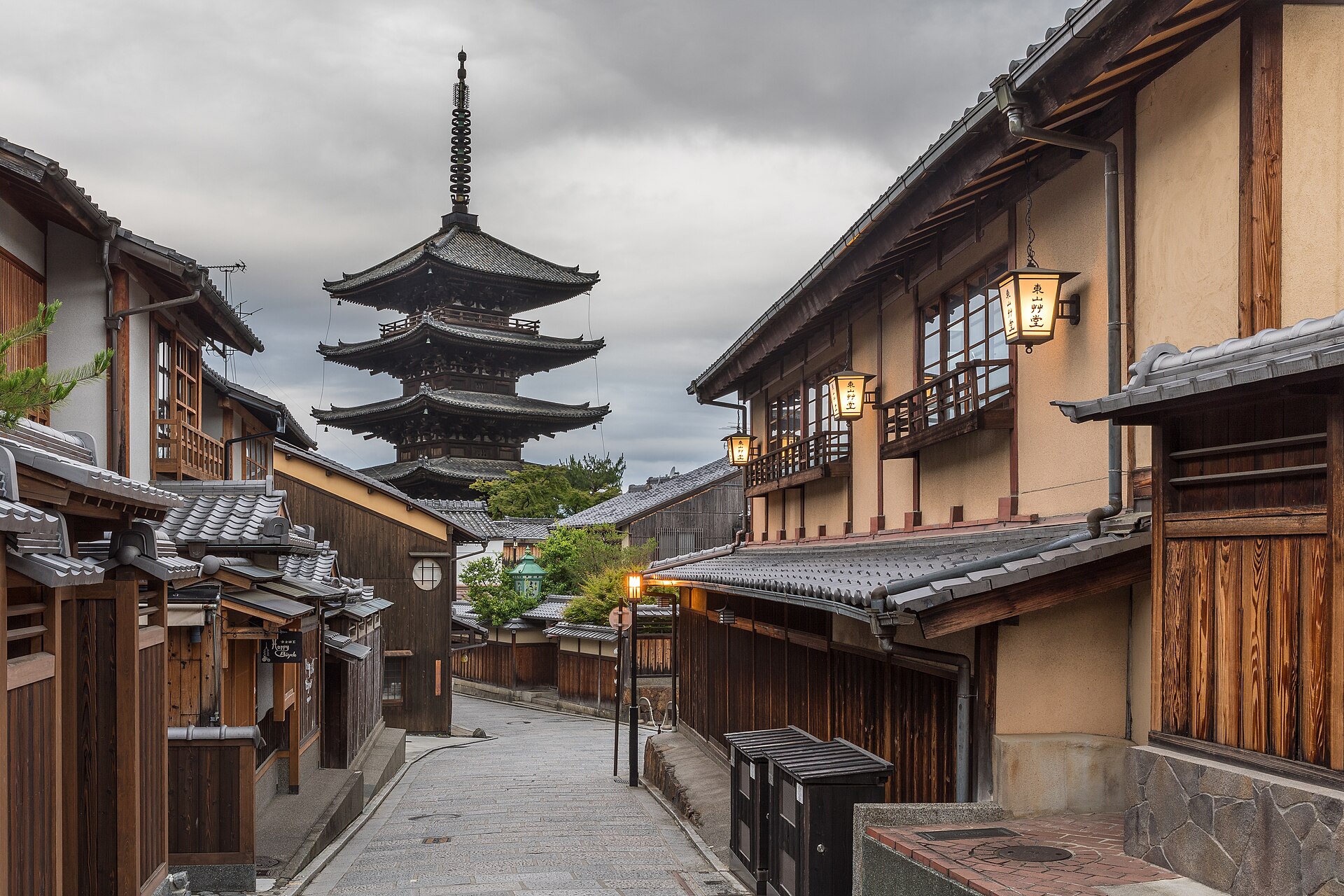
Higashiyama Kyoto is the hillside of old wooden streets that runs from Kiyomizu-dera down to Yasaka Shrine, and the best way to see it is on foot, downhill, starting before 8am. Kyoto City’s own tourism site puts the walking time between the main stops at about 30 minutes in total, so the walk itself is short; the crowds are what eat your day.
This guide is built around that problem. It gives you a crowd clock for the day, the fastest way up the hill in autumn 2026 (when Kyoto City is changing bus stops), then each stop in walking order: Kiyomizu-dera, Sannenzaka, the Yasaka Pagoda, Ninenzaka, Kodai-ji and Ishibe-koji. Gion itself is covered in our Gion-Shijo station guide, so this one stops at its doorstep.
¥500
Kiyomizu-dera, adult
6:00
Kiyomizu-dera opens daily
21–30 Nov
Kiyomizu-dera night viewing 2026
23 Oct–13 Dec
Kodai-ji night viewing 2026
When is Higashiyama Kyoto least crowded?
Early morning, by a wide margin. Kiyomizu-dera opens its gates at 6:00 every day of the year, three hours before most of the hillside wakes up. Tour groups and bus crowds arrive mid-morning: for autumn weekends, Kyoto City is running extra buses at 3–4 minute intervals in the 9:00–11:00 rush from Kyoto Station to this area.
Use the opening times below to plan the day. They are the official times for autumn 2026 unless marked otherwise.
| Time | What opens or closes | What it means for you |
|---|---|---|
| 6:00 | Kiyomizu-dera gates open | The stage and Otowa waterfall at their quietest |
| About 8:00 | Kiyomizu-dera amulet and goshuin offices | Collect a temple stamp before the queue forms |
| 8:00 | Starbucks Ninenzaka Yasaka Chaya | The first proper coffee on the slopes |
| 9:00 | Kodai-ji opens (last entry 17:00) | Head here next while the lanes are still walkable |
| 9:00–11:00 | Peak bus arrivals from Kyoto Station | Be walking downhill, not queuing uphill |
| 10:00–15:00 | Yasaka Pagoda interior open (irregular closures) | A short window: plan it around midday |
| 17:00 | Kodai-ji light-up begins (to 22:00, 23 Oct–13 Dec 2026) | The best evening option in late autumn |
| 18:00 | Kiyomizu-dera closes (21:30 from 21–30 Nov 2026) | Night viewing only on those ten nights |
Kyoto City also publishes a live camera for Nene-no-michi and a congestion forecast for the Gion and Kiyomizu area on its tourism site. Check both before you set off on a weekend.
How do you get to Higashiyama Kyoto: bus, train or walking?
If you are staying near Gion or Kawaramachi, walk. From Kyoto Station, take a seat-guaranteed bus or the subway rather than the regular number 206 or 100, which fill up fast in autumn. Here are the realistic options for late 2026.
| Option | Route | Fare | When it runs | Il migliore per |
|---|---|---|---|---|
| Walk from Keihan Gion-Shijo | Yasaka Shrine, Nene-no-michi, Ninenzaka, Sannenzaka (the route below, in reverse) | Free | Any time | Staying in Gion or Kawaramachi |
| Walk from Keihan Kiyomizu-Gojo | Gojo-dori, then up Gojozaka or Chawanzaka | Free | Any time | Going straight to Kiyomizu-dera; about 25 minutes |
| City bus 207 from Shijo-Kawaramachi or Gion-Shijo | To Kiyomizu-michi stop, then a 10-minute walk | ¥230 | Daily | Short hop if you cannot face the hill |
| City bus 206 or 100 from Kyoto Station | To Gojozaka, then a 10-minute walk | ¥230 | Daily | Off-peak weekdays only |
| Tourist express bus EX100 / EX101 | Kyoto Station to Gojozaka (EX100 continues to Gion, Heian Shrine and Ginkaku-ji) | ¥500 adult, ¥250 child | Saturdays, Sundays and holidays | Weekend days from Kyoto Station |
| Okoshi Bus “Kiyomizu-dera Line” (Keihan Bus) | Kyoto Station to Gojozaka, 16 trips a day, every passenger seated | ¥500 adult, ¥250 child | Weekdays, 1 Jul 2026–29 Jan 2027 (not 29–31 Dec or 4 Jan) | Weekday days from Kyoto Station |
| Subway to Higashiyama Station | Karasuma Line to Karasuma Oike, change to Tozai Line, exit 2 | ¥260 | Daily | Doing the walk north to south instead |
Fares and routes are from Kiyomizu-dera’s access page, Kyoto City Transportation Bureau, Keihan e Kyoto City’s tourism site. City buses and the express buses take IC cards; the express buses also accept the subway and bus one-day pass (¥1,100 adult, ¥550 child).
What changes on the buses in autumn 2026?
Kyoto City announced its autumn measures on 23 October 2026. They run on Saturdays and holidays from 31 October to 29 November, with the heaviest days on 21–23, 28 and 29 November.
- The southbound Gojozaka stop is suspended from 31 October to 29 November 2026. Expect to board at Kiyomizu-michi instead when heading south.
- On the five peak days, a car park beside Kiyomizu-michi stop A becomes a queuing area.
- On those peak days, the EX100 follows the EX101 route via Shichijo-dori and Higashiyama-dori on the way to Gojozaka, to skip a slow left turn.
- Bus 106, the “Rakuraku Higashiyama Line”, runs 22 times a day from Kyoto Station on Saturdays and holidays (24 on peak days).
- On Saturdays and holidays, passengers at the Higashiyama-sanjo stop heading for Kyoto Station can switch to the subway free of charge from 15:45 to 19:20.
Full details are in the Transportation Bureau’s autumn release. Our Gion-Shijo guide covers the bus changes on the Gion side.
Why walk Higashiyama Kyoto downhill?
Because Kiyomizu-dera is at the top. Arrive by bus or taxi at the high end, see the temple first while it is quiet, then let gravity take you north through the old streets towards Gion. Going the other way means climbing Sannenzaka against the crowd at the busiest hour.
Kyoto City gives these walking times for the route, which we have listed in downhill order.
| From | To | Walking time |
|---|---|---|
| Kiyomizu-dera | Bottom of Sannenzaka (via Kiyomizu-zaka) | About 15 minutes |
| Sannenzaka | Ninenzaka | About 5 minutes |
| Ninenzaka | Kodai-ji | About 5 minutes |
| Kodai-ji | Maruyama Park (via Nene-no-michi) | About 5 minutes |
| Maruyama Park | Chion-in | About 2 minutes |
Add stops, queues and photo breaks and the realistic total is half a day. Yasaka Shrine sits at the western edge of Maruyama Park, and from there you are in Gion.
Kiyomizu-dera: fees, hours and the 2026 night viewing
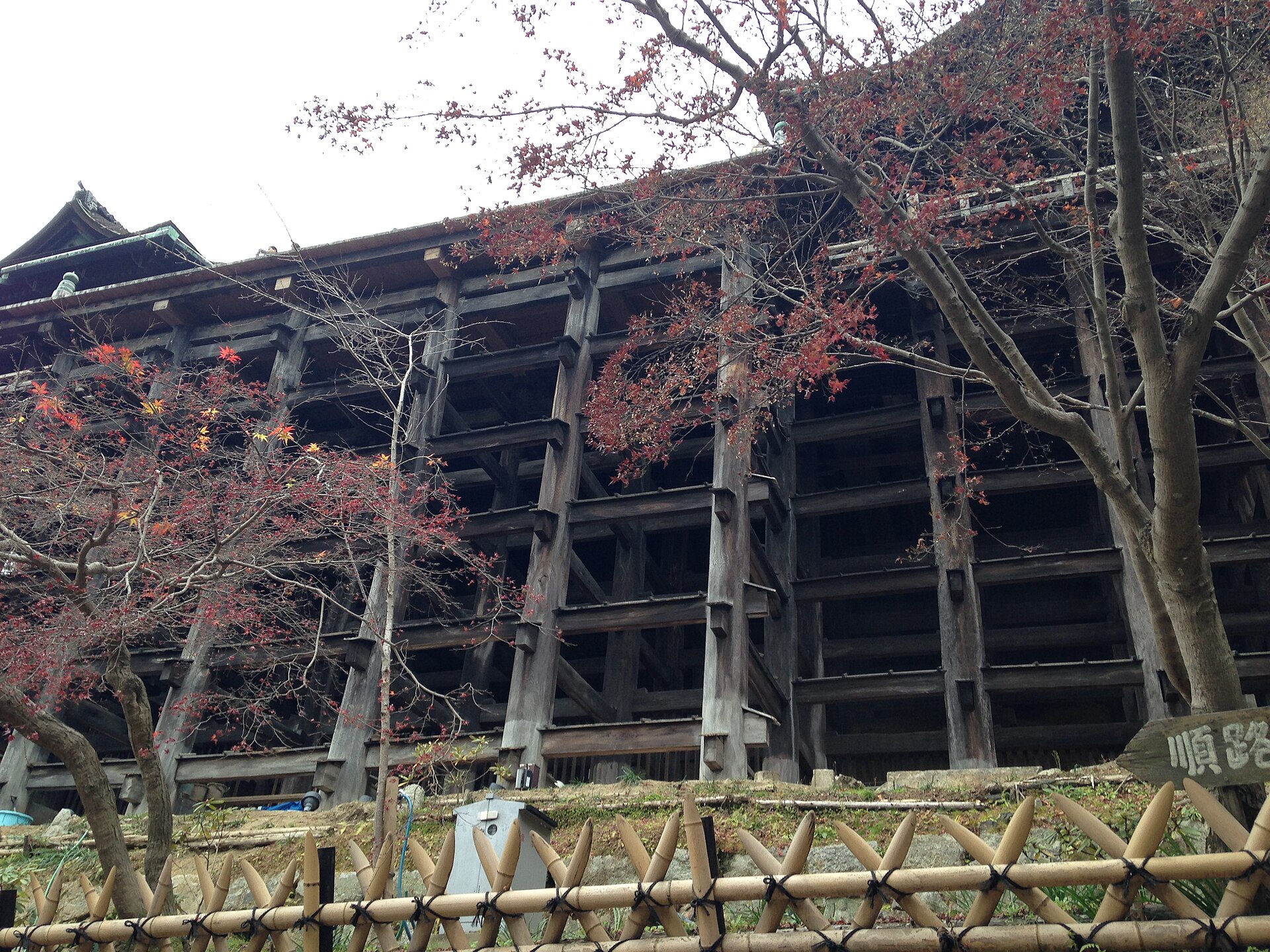
Kiyomizu-dera is the reason most people come to Higashiyama Kyoto. The paid area starts at the Todoroki-mon gate and covers the main hall and its wooden stage, built out over the slope. Adults pay ¥500 and elementary and junior high school students ¥200, according to the temple’s listing on Rurubu. The temple itself offers no group discounts.
| Period (2026) | Opening hours |
|---|---|
| 1 September–20 November | 6:00–18:00 |
| 21–30 November (autumn night viewing) | 6:00–21:30, last entry 21:00 |
| 1–31 December | 6:00–18:00 |
The night dates come from the temple’s official visitor page, which warns that night viewing dates change each year. A separate fee applies for night viewing. The one-off pink-ribbon evening on 20 October 2026 has already passed.
What should you know before you go in?
- There are only two ways into the grounds: up Kiyomizu-zaka to the Nio-mon gate, or up Chawan-zaka to the emergency road. The temple warns that some map apps suggest routes that do not reach the grounds.
- Eating and drinking are not allowed anywhere in the grounds, including snacking while you walk. Sealed bottles are fine.
- Tripods, monopods and drones are banned. So are wedding, cosplay and model shoots.
- Jishu Shrine, the matchmaking shrine behind the main hall, is closed for building and grounds work. Its official site gives no reopening date.
- There is no car park at the temple. Visitors with a disability certificate and one companion enter free.
Rules are from the temple’s FAQ. For when the maples turn, see our Kyoto autumn leaves 2026 guide.
Sannenzaka and Ninenzaka: which shops are worth stopping for?
Sannenzaka and Ninenzaka are the two stone-stepped lanes below Kiyomizu-dera, lined with wooden shopfronts selling pickles, sweets, ceramics and souvenirs. They are the most photographed streets in Higashiyama Kyoto and the most crowded. Local legend says that falling on Sannenzaka brings bad luck, so watch the steps, especially when wet.
The steps are steep and uneven. With a pushchair or wheelchair, skip the stepped lanes and use the wheelchair access map on Kiyomizu-dera’s English access page.
Starbucks Ninenzaka Yasaka Chaya
The famous one. This Starbucks fills an entire traditional house more than 100 years old, with a packed-earth entrance, tatami-style rooms and a small inner garden. It opens 8:00–20:00 with irregular closures, according to Rurubu. Go at opening if you want a seat upstairs.
Shopping without the crush
Most visitors stop at the first shops they see. The lanes get calmer the further you are from Kiyomizu-zaka, so save your browsing for Ninenzaka. For where to buy proper ceramics and lacquer rather than souvenirs, use our guide to Japanese crafts and where to buy them.
Yasaka Pagoda: can you go inside?
Yes, on some days. The five-storey Yasaka Pagoda belongs to Hokan-ji, a small temple that opens its pagoda from 10:00 to 15:00 for ¥400, with irregular closures. Visitors can see the ground floor and go up to the second level. Children of elementary school age and younger are not admitted.
These details are from Rurubu’s listing, as Hokan-ji has no English site. If the door is shut, the classic photo is from Yasaka-dori looking up the slope at the pagoda. Just below it, Yasaka Koshindo is the small temple covered in bright cloth balls, free to enter.
Kodai-ji: is it worth paying for?
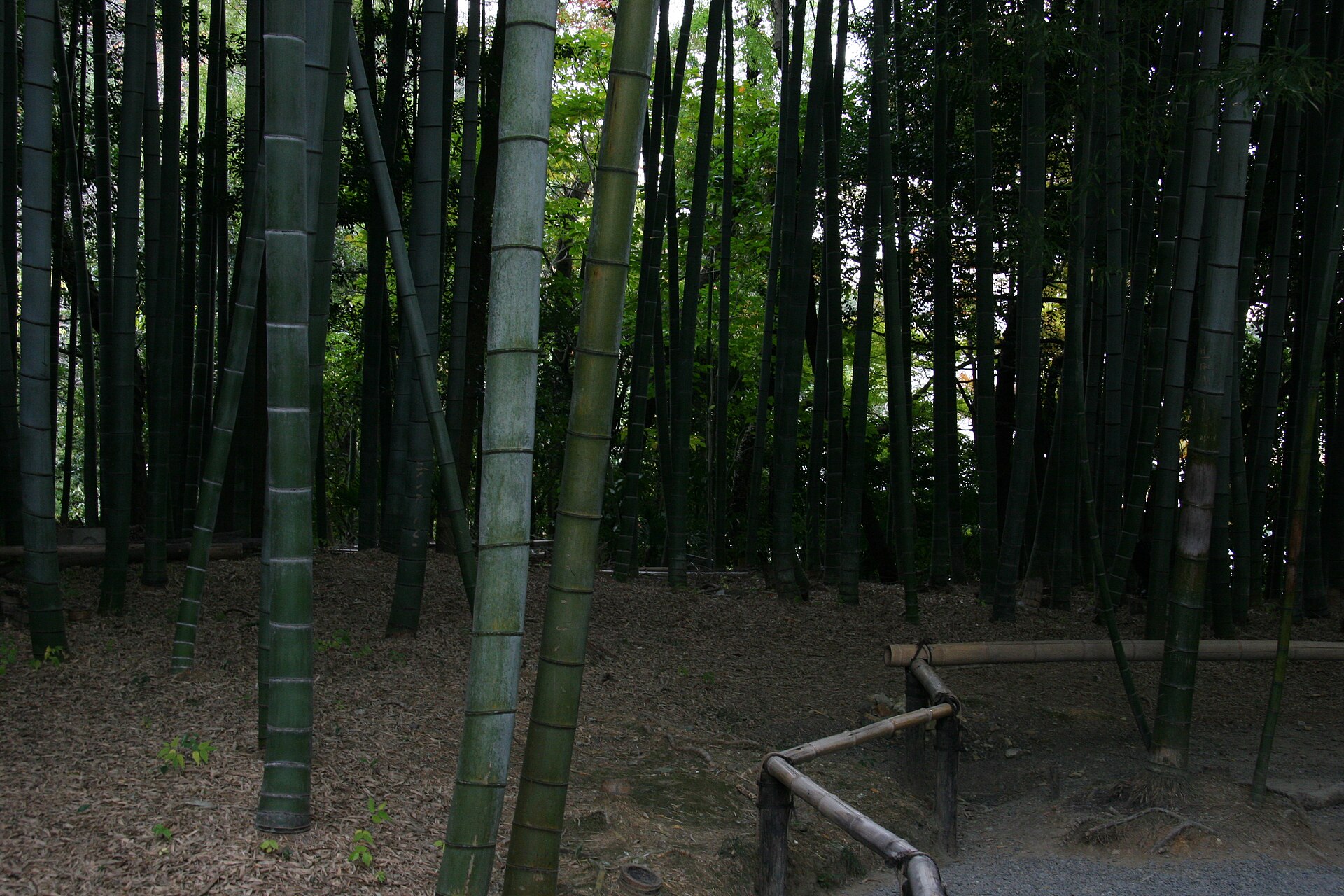
Yes, if you want a garden and a bamboo grove without the Arashiyama crowds. Kodai-ji was founded by Nene, the widow of Toyotomi Hideyoshi, and sits on the hillside just above Nene-no-michi, the wide paved street named after her.
| Ticket | Price |
|---|---|
| Adult | ¥800 |
| Junior and senior high school students | ¥400 |
| Elementary school and younger, with a guardian | Free (one adult per five children) |
| Kodai-ji and Entoku-in combined | ¥1,200 |
Daytime hours are 9:00–17:30, last entry 17:00. The autumn special night viewing runs from 23 October to 13 December 2026, with lights on 17:00–22:00 and last entry 21:30; no timed ticket is needed. On 12 and 13 November the main hall (Hojo) is closed all day, but the bamboo grove and other buildings stay open. Prices and hours are from Kodai-ji’s visitor page.
If you only want one paid stop besides Kiyomizu-dera, make it this one. It is far calmer than the street below, and the night viewing gives you a reason to come back after dark when the lanes have emptied. Our Arashiyama guide compares the bigger bamboo grove on the other side of the city.
Ishibe-koji: where is the quietest lane in Higashiyama?
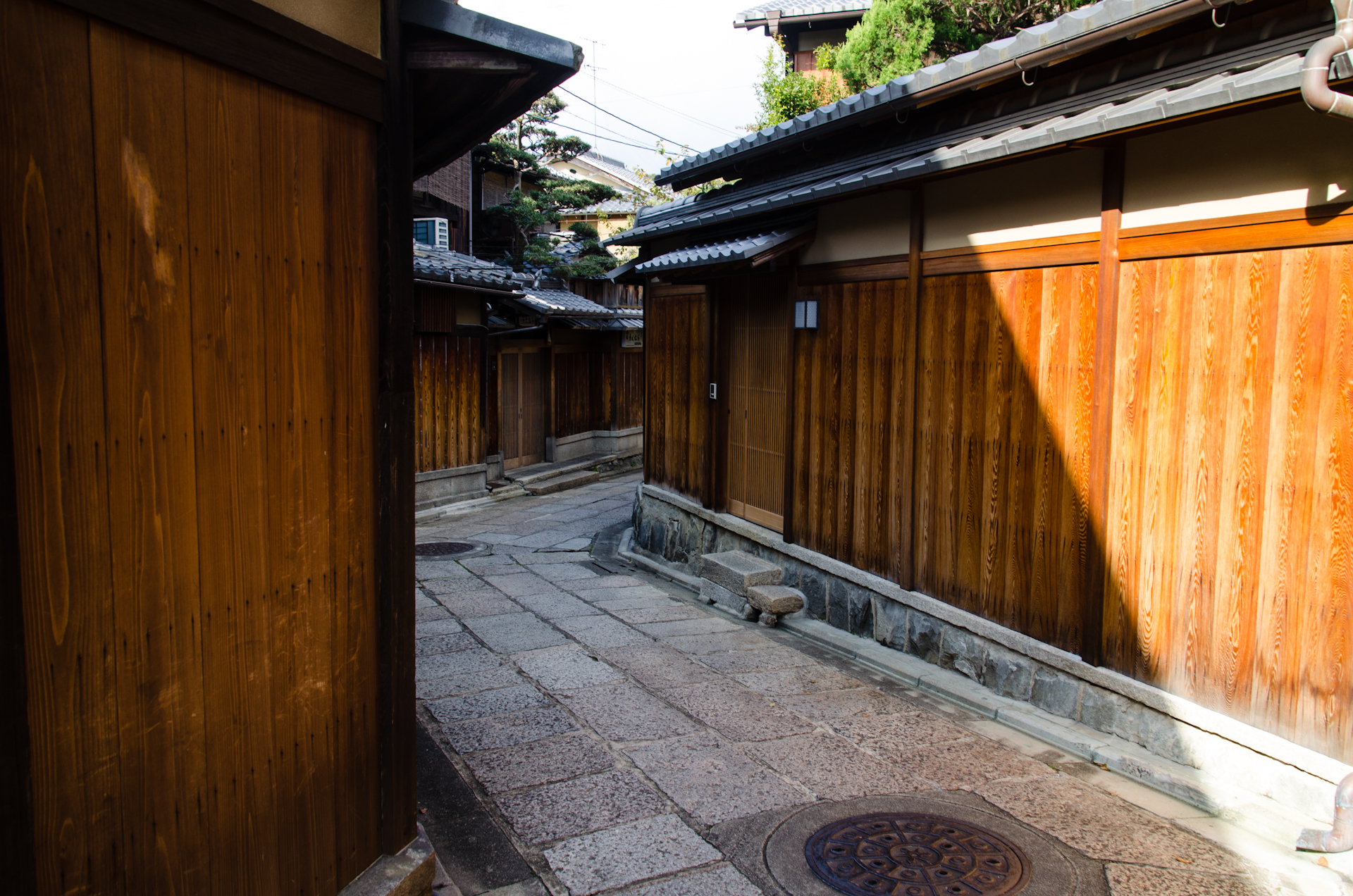
Ishibe-koji is a narrow paved alley that zigzags between Nene-no-michi and Shimogawara-dori, a few minutes’ walk from Kodai-ji. It dates from the early Taisho era (from 1912), when part of a temple garden was cut through to make a path, and some of its paving stones came from Kyoto’s old city tram line.
The entrance is easy to miss, and the lane bends so often it looks like a dead end. Both sides are ryokan and restaurants behind stone walls and wooden fences. It is lovely at dusk, when the lamps come on.
- This is a residential lane with working inns. Keep your voice down and do not block doorways for photos.
- Do not open gates or step into entrances; they belong to private businesses.
- If Nene-no-michi is jammed, Kyoto City suggests Shimogawara-dori, one street east, as the quieter parallel route. Ishibe-koji connects the two.
What is Higashiyama Kyoto like in late autumn and winter 2026–27?
Late November is the busiest time of the year. Kyoto City has marked 21–23, 28 and 29 November 2026 as its peak days, and Kiyomizu-dera’s night viewing falls in the same window (21–30 November). If you can, visit Higashiyama on a weekday morning that week, and save the weekend for Kodai-ji’s evening light-up.
December is easier. Kiyomizu-dera returns to 6:00–18:00, Kodai-ji’s night viewing continues to 13 December, and the Okoshi Bus keeps running on weekdays until 29 January 2027 (except 29–31 December and 4 January). Dates for spring 2027 night events here are not yet announced.
Know before you go
Start at the top
Get to Kiyomizu-dera at 6:00–7:30 and walk downhill. You will be leaving each street as the crowd arrives.
Mind the bus stops
The southbound Gojozaka stop is closed 31 Oct–29 Nov 2026. Board at Kiyomizu-michi instead.
No snacking in the temple
Kiyomizu-dera bans eating anywhere in its grounds, including walking snacks. Eat at a shop with its own seating before you go up.
Pagoda days vary
Hokan-ji opens the Yasaka Pagoda 10:00–15:00 on an irregular basis. Have a backup plan.
Shoes matter
Sannenzaka and Ninenzaka are stone steps that get slippery in rain. Wear grippy shoes and skip heels.
Pay with an IC card
City buses and the tourist express buses take IC cards. See our guide to <a href="https://www.thejapanpro.com/blog/it/ic-card-japan/">IC cards in Japan</a>.
Higashiyama Kyoto FAQ
How long do you need for Higashiyama Kyoto?
Half a day. The walking itself is about 30 minutes from Kiyomizu-dera to Maruyama Park, but Kiyomizu-dera alone takes an hour or more, and the lanes are slow at busy times.
How much is Kiyomizu-dera in 2026?
¥500 for adults and ¥200 for elementary and junior high school students. Night viewing, from 21 to 30 November 2026, is charged separately.
When is the Kiyomizu-dera autumn night viewing in 2026?
From 21 to 30 November 2026, with the temple open until 21:30 and last entry at 21:00, according to the official site.
Is there a bus from Kyoto Station to Kiyomizu-dera that guarantees a seat?
Yes. On weekdays until 29 January 2027, Keihan’s Okoshi Bus Kiyomizu-dera Line runs 16 trips a day to Gojozaka for ¥500, seated only. On weekends and holidays, Kyoto City runs the EX100 and EX101 tourist express buses for ¥500.
What is the nearest station to Kiyomizu-dera?
Keihan Kiyomizu-Gojo, about a 25-minute walk. Keihan Gion-Shijo is the better choice if you want to walk the whole Higashiyama route from the Gion end.
Is Jishu Shrine open?
No. Jishu Shrine is closed for building work and has not announced a reopening date.
Can you go inside the Yasaka Pagoda?
Sometimes. Hokan-ji opens it 10:00–15:00 for ¥400 with irregular closures, and children of elementary school age and younger cannot enter.
When is Kodai-ji lit up in autumn 2026?
From 23 October to 13 December 2026, 17:00–22:00, with last entry at 21:30.
Sources and how we checked
We checked the facts in this Higashiyama Kyoto guide on 23 October 2026 against Kiyomizu-dera, Kodai-ji, Jishu Shrine, the Kyoto City Transportation Bureau, Keihan and Kyoto City’s official tourism site, with Rurubu for admission details the temples do not publish in English. Opening times and bus measures change, so check the linked pages before you go. We have not listed sights we could not verify.
Plan your Higashiyama day with Japan Pro
Japan Pro can book a local guide, a kimono rental or a private car to beat the queues at Kiyomizu-dera and the Higashiyama lanes.
Read next
Umeda Osaka Guide 2026: Sky Building, Grand Green Osaka and the Underground, Level by Level
Sakai Osaka Guide 2026: Nintoku Tomb, Knife Workshops and Sen no Rikyu Tea in One Day
Shinsekai Osaka Guide 2026: Tsutenkaku, Kushikatsu Rules and Spa World, Hour by Hour
 English
 Japanese
 Chinese (Taiwan)
 Chinese (China)
 Korean
 French
 Italian
 Thai