
What to Eat in Osaka: 16 Must-Try Dishes for 2026–27
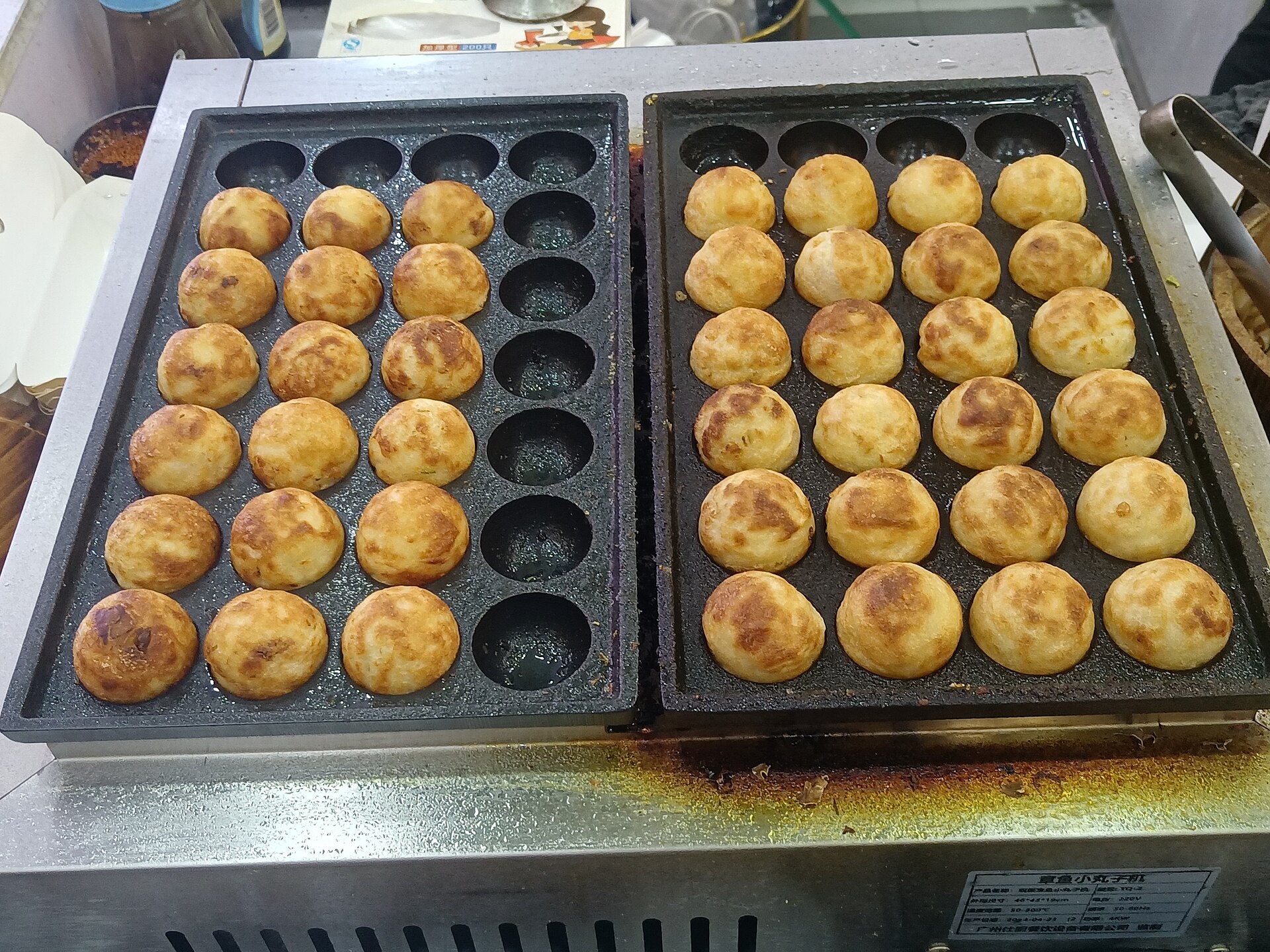
What to eat in Osaka first: takoyaki, okonomiyaki, kushikatsu, kitsune udon and 551 Horai pork buns, then tessa and tecchiri (pufferfish) or Kobe beef if your budget stretches. Most Osaka street food costs under ¥1,500: 12 takoyaki at Aizuya start at ¥550 and two 551 butaman are ¥500. Below are 16 dishes with 2026 prices and named places, checked on 27 November 2026.
16
Osaka dishes to try
500 ¥
Two 551 Horai butaman
¥550
12 takoyaki at Aizuya, from
¥5,300
Genpin fugu course, from
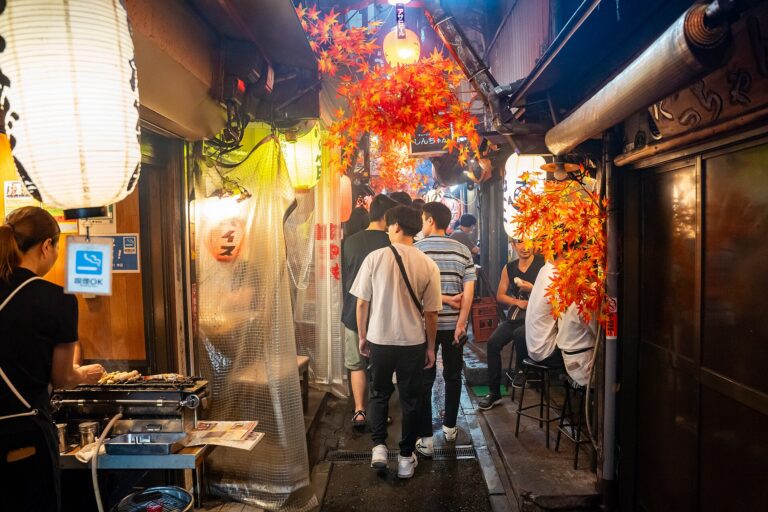
Osaka calls itself the city of kuidaore, eating until you drop, and the food is cheap, fried and loud. Deciding what to eat in Osaka is mostly a question of where: Dotonbori for street food, Shinsekai for kushikatsu, Tsuruhashi for grilled offal and Umeda’s food halls for the train home.
Prices come from each restaurant’s own website where it publishes them. Where it doesn’t, we give Tabelog’s average spend from diner reviews and say so; those are bands, not menu prices.
Last checked: 27 November 2026
What to eat in Osaka: the 16 dishes at a glance
Use this table as your what to eat in Osaka checklist; every dish has its own section below.
| Dish | What it is | Typical 2026 price | Try it at | Quartier |
|---|---|---|---|---|
| Takoyaki | Octopus balls | ¥550 for 12 | Aizuya, Kukuru | Tamade, Namba, Dotonbori |
| Okonomiyaki | Savoury cabbage pancake | ¥2,000–2,999 (Tabelog) | Mizuno | Dotonbori |
| Negiyaki | Spring-onion pancake | ¥1,270–2,190 | Yamamoto | Juso, Umeda |
| Kushikatsu | Deep-fried skewers | ¥1,500–2,500 average | Daruma | Shinsekai |
| Doteyaki | Beef sinew stewed in miso | Inside the kushikatsu bill | Daruma | Shinsekai |
| Kitsune udon | Udon with sweet fried tofu | ¥1,000–1,999 (Tabelog) | Usami-tei Matsubaya, Imai | Shinsaibashi, Dotonbori |
| Butaman | Pork bun | ¥500 for 2 | 551 Horai | Namba, stations |
| Ikayaki | Squid pressed in batter | Under ¥999 (Tabelog) | Hanshin Meibutsu Ikayaki | Umeda |
| Hakozushi | Pressed box sushi | ¥3,300 set | Yoshino Sushi | Yodoyabashi |
| Market sushi | Fish from the market | ¥4,000–8,000 (Tabelog) | Endo Sushi, Kuromon | Noda, Nippombashi |
| Tessa and tecchiri | Fugu sashimi and hot pot | ¥1,380–26,000 | Genpin Hozenji | Namba |
| Horumon | Grilled offal | ¥3,000–4,999 (Tabelog) | Sora | Tsuruhashi |
| Wagyu | Kobe beef | ¥1,078–6,380 | Mugi to Daichi | Shinsaibashi |
| Meibutsu curry | Curry rice with raw egg | ¥990 | Jiyuken | Namba |
| Kantodaki | Osaka-style oden | ¥1,000–1,999 (Tabelog) | Takoume | Dotonbori |
| Cheesecake | Jiggly baked cheesecake | ¥1,165 | Rikuro Ojisan | Namba |
Osaka street food: takoyaki, okonomiyaki and negiyaki
1. Takoyaki
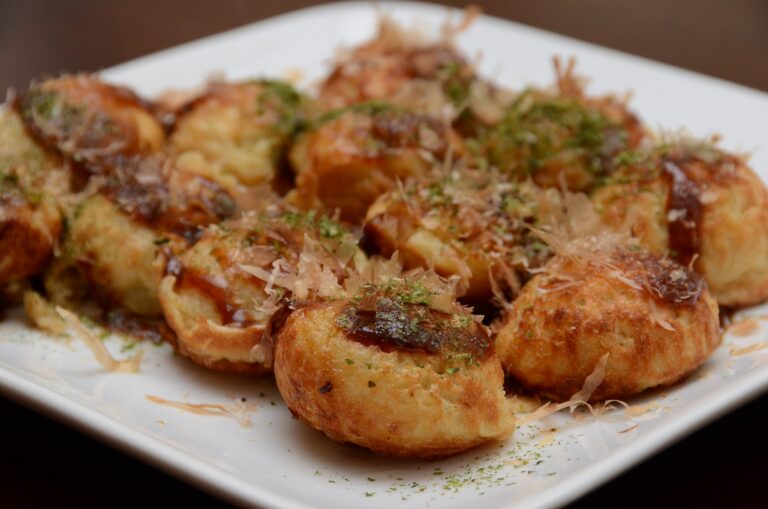
Balls of dashi batter with a piece of octopus inside, cooked in a dimpled iron pan and usually finished with sauce, mayonnaise and bonito flakes. Aizuya, founded in 1933, says it created takoyaki two years later, and it still serves them plain so you taste the dashi.
Où : Aizuya Honten (2-3-1 Tamade-nishi, Exit 1 of Tamade Station on the Yotsubashi Line) opens 11:00–21:00 and closes only on New Year’s Day; a plate of 12 starts at ¥550, per its menu. Its Namba branch in the NAMBA Nannan underground mall opens 11:00–22:00. Kukuru Dotonbori Honten (1-10-5 Dotonbori) uses big pieces of octopus and sells takeaway 10:30–21:30 on weekdays, 10:00–21:45 at weekends.
Japan Pro Tip: Takoyaki come off the pan scalding inside. Break one open with your chopsticks and wait a minute before the first bite.
2. Okonomiyaki
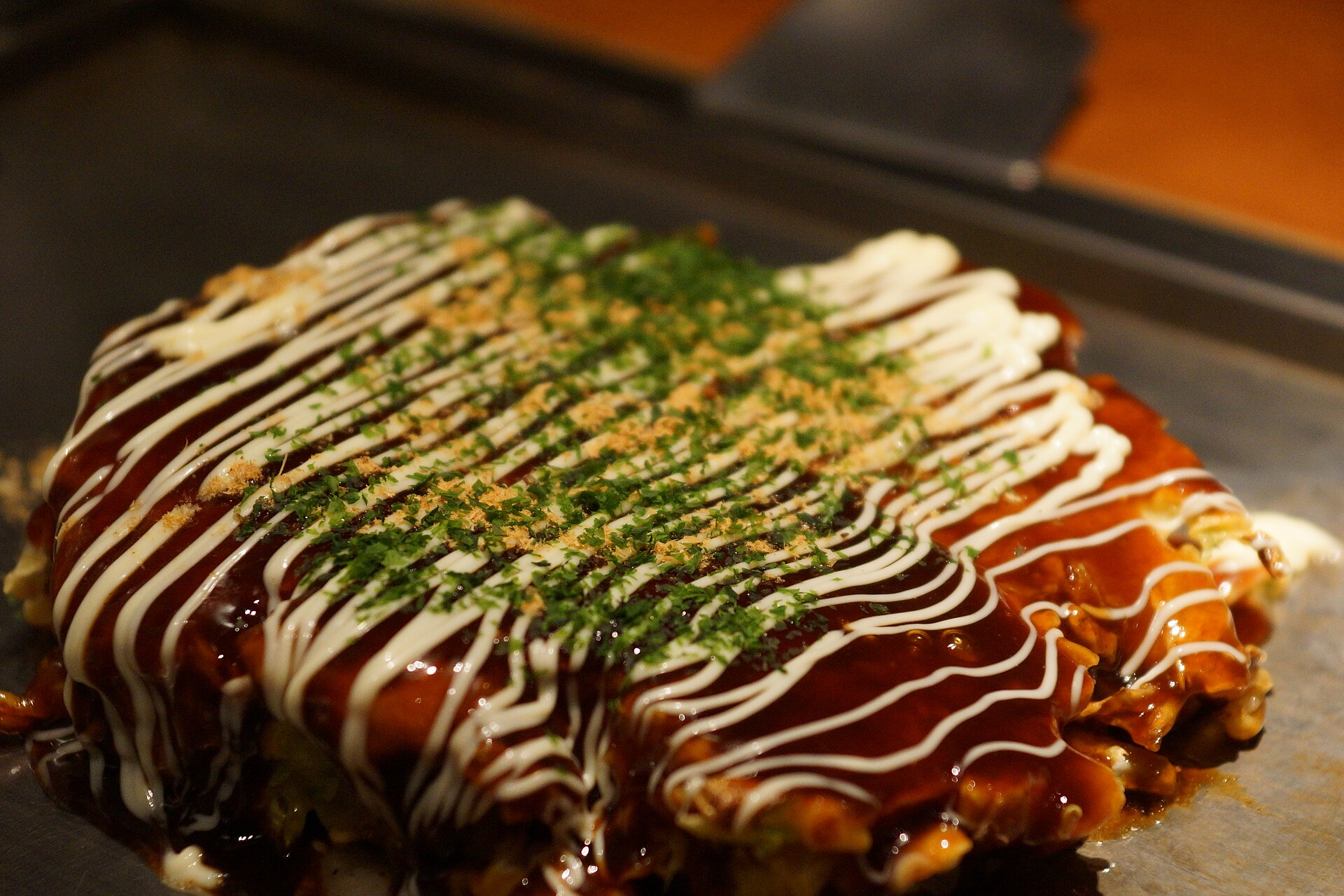
Osaka’s version mixes cabbage, batter and fillings, then cooks it on a hot plate as a thick pancake. Expect ¥1,000–3,000 for one, which is a meal for most people.
Où : Mizuno (1-4-15 Dotonbori, 5 minutes from Exit 15 of Namba Station) has run for over 70 years and buys its ingredients from Kuromon Market. Its yamaimo-yaki, made with 100% grated yam and no flour, has been its top seller for 34 years. It opens 11:00–22:00 (last orders 21:00) and, since February 2026, every day; Tabelog diners report ¥2,000–2,999.
Japan Pro Tip: Mizuno takes no reservations and the queue builds at dinner, so go at 11:00 or mid-afternoon.
3. Negiyaki
A thinner pancake packed with chopped spring onion instead of cabbage, often with beef tendon (suji) and finished with soy sauce and lemon. It is lighter than okonomiyaki and very Osaka.
Où : Negiyaki Yamamoto, which calls itself the birthplace of negiyaki, celebrated 60 years in 2026. The main shop (1-8-4 Juso-honmachi, 3 minutes from the west exit of Hankyu Juso Station) opens 11:30–21:00 (last orders), takes no reservations and has 20 counter seats. Suji-negi is ¥1,500 and pork negiyaki ¥1,270; there are branches at Umeda Est and inside the Shin-Osaka shinkansen gates.
Shinsekai classics: kushikatsu and doteyaki
4. Kushikatsu
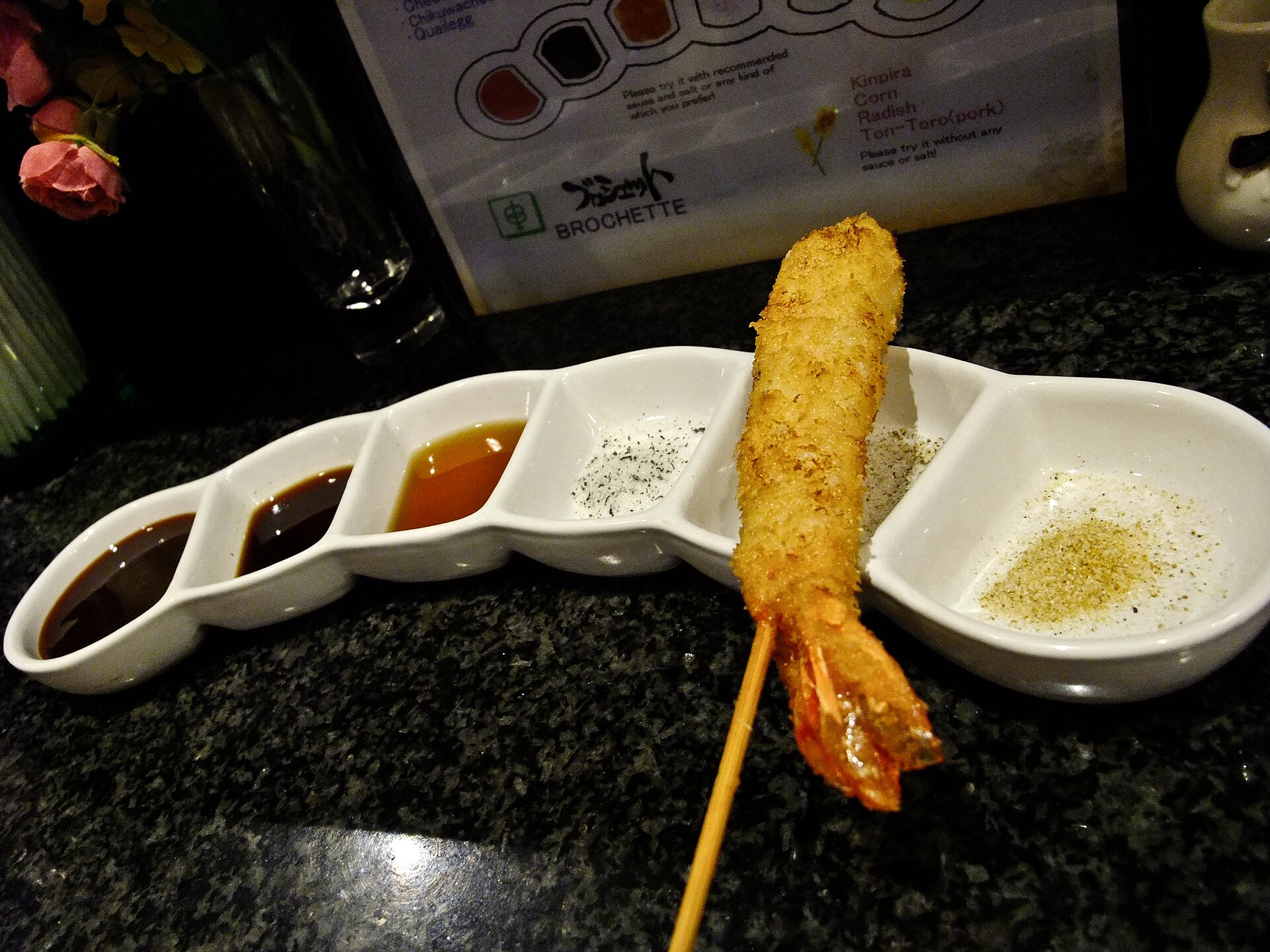
Skewers of meat, seafood and vegetables in fine breadcrumbs, deep-fried and dunked in a shared tray of thin sauce. It is the dish most people mean when they ask what to eat in Osaka at night in Shinsekai.
Où : Kushikatsu Daruma Shinsekai Sohonten (2-3-9 Ebisu-higashi, Naniwa-ku), in business since 1929, has just 12 counter seats. It opens 11:00–22:30 on weekdays and 10:30–22:30 at weekends, takes cash only and puts the average spend at ¥1,500–2,500. It also asks every adult to order at least one drink.
Japan Pro Tip: The main shop takes no bookings. Daruma’s Jan-Jan branch nearby takes reservations for two or more.
5. Doteyaki
Beef sinew simmered for hours in sweet miso until it falls apart, served in a small dish with spring onion. Daruma’s own history says its second-generation owner created its doteyaki after the war, and it is still on the menu.
Order it while your skewers fry: it arrives fast and goes well with a cold beer.
Noodles, buns and quick bites
6. Kitsune udon
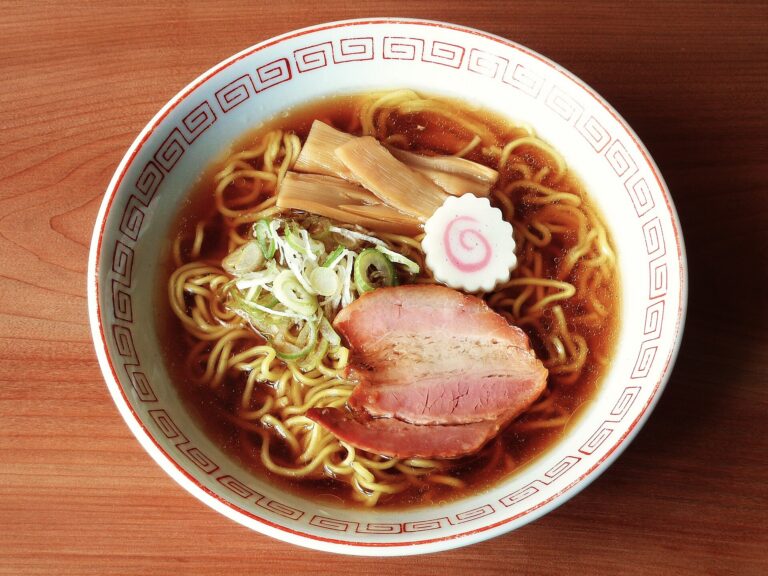
Soft udon in a pale, kombu-heavy broth, topped with a sheet of sweet simmered fried tofu. Osaka broth is much lighter in colour than Tokyo’s dark soy version.
Où : Usami-tei Matsubaya (3-8-1 Minami-Semba, 7 minutes from Shinsaibashi Exits 1 and 2) was founded in 1893 and opens 11:00–18:00, Monday to Saturday; cash only, ¥1,000–1,999 on Tabelog. Dotonbori Imai (1-7-22 Dotonbori), open since 1946, makes its broth from Hokkaido kombu and Kyushu mackerel and round-herring flakes. Tabelog lists 11:30–21:30, closed Wednesdays.
7. Butaman (551 Horai)
Fat steamed buns filled with diced pork and onion. 551 Horai sells about 170,000 a day, each wrapped by hand and sold the same day.
Où : 551 Horai charges ¥500 for 2, ¥1,000 for 4, ¥1,500 for 6 and ¥2,500 for 10 to take away; eat-in prices differ. The Namba main shop sells 10:00–21:30 and closes on the first and third Tuesdays; in December it closes only on the 31st.
Japan Pro Tip: The Kansai Airport shop sells from 7:00, so you can carry a box onto your flight home.
8. Ikayaki
Osaka ikayaki is not a grilled squid on a stick: it is chopped squid in a thin batter, pressed flat between hot plates and brushed with sauce. It is a standing snack, eaten in two minutes.
Où : Hanshin Meibutsu Ikayaki in the B1F Snack Park of Hanshin Umeda Main Store opens 10:00–22:00 (last orders 21:30), takes cards and IC cards, and Tabelog puts the spend under ¥999.
Sushi and seafood: box sushi, Kuromon Market and fugu
9. Hakozushi and battera
Osaka-zushi is pressed into a wooden box and cut into squares, with toppings such as sea bream, conger eel and thick omelette. Battera is the mackerel version, pressed with kombu.
Où : Yoshino Sushi has made it in Semba since 1841. Its main shop (3-4-14 Awajimachi, 5 minutes from Exit 11 of Yodoyabashi or Exit 3 of Hommachi) sells takeaway 9:30–15:00 and restarted its second-floor lunch (11:00–14:00) on 16 November 2026. It is closed on Saturdays, Sundays and holidays; the Yoshino-zoroe assortment for one is ¥3,300.
10. Market sushi at Kuromon and Endo Sushi
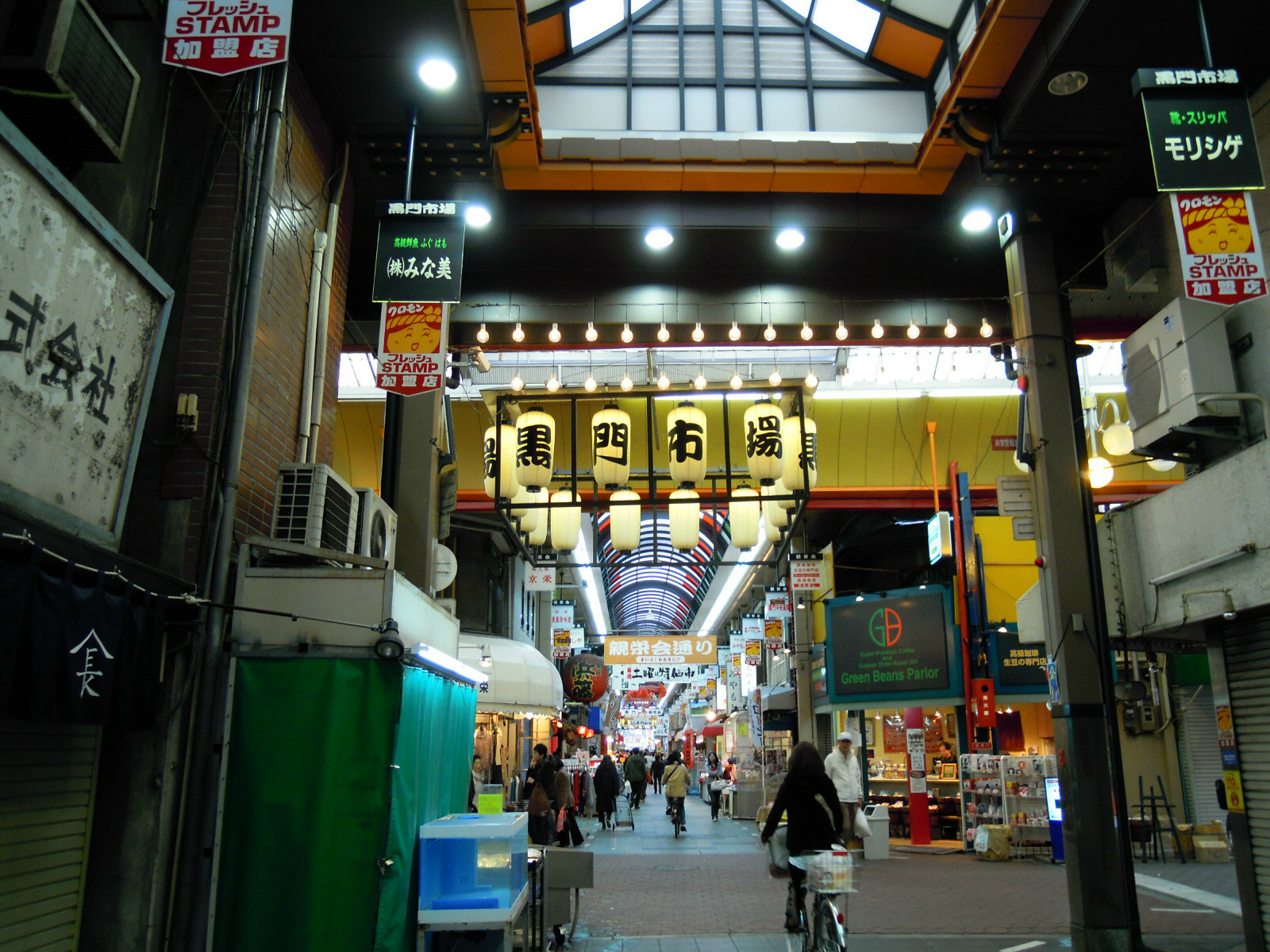
Kuromon Market runs about 580 m south from Sennichimae with about 150 stores, and many sell fugu and fresh seafood to eat on the spot. It is right outside Nippombashi Station, and hours vary by shop.
Where: For proper sushi, Endo Sushi inside the Osaka Central Wholesale Market (1-1-86 Noda, Fukushima-ku) has served its loosely pressed sushi since 1907. It opens 6:00–14:00, closes on Sundays and holidays and has an English menu; most people order the “maze”, five seasonal pieces per plate. Tabelog diners report ¥4,000–8,000 and say cards are not accepted.
Japan Pro Tip: Kuromon is best before late morning, when tour groups arrive. Our Namba guide covers which stalls are worth it.
11. Tessa and tecchiri (fugu)
Tessa is pufferfish sliced so thin you can see the plate through it; tecchiri is the hot pot, finished with rice porridge. It is a cold-weather treat: Genpin’s winter menus run from 1 November to 28 February.
Où : Genpin Hozenji Sohonten (1-1-13 Namba, 2 minutes from Exit B16) opens 12:00–22:30 on weekdays and 11:30–22:30 at weekends, every day. À la carte, tessa is ¥1,380 and tecchiri ¥2,680. Courses run from ¥5,300 (tessa, tecchiri and porridge) to ¥26,000 for wild fugu.
Japan Pro Tip: Zuboraya, the fugu restaurant many older guides still send you to, closed in 2020. Eat fugu only at specialist restaurants.
Meat: horumon, wagyu and meibutsu curry
12. Horumon in Tsuruhashi
Horumon is offal (intestine, tripe, heart) grilled at the table, and Tsuruhashi’s Koreatown is where Osaka goes for it. Plates are small and cheap, so order several.
Où : Sora Tsuruhashi Sohonten (1-10 Shimoajiharacho, 1 minute from JR Tsuruhashi) opens 11:00–22:00 and closes on Tuesdays. It takes no reservations or cards, and Tabelog diners report ¥3,000–3,999 at lunch and ¥4,000–4,999 at dinner. Our Tsuruhashi guide explains how to order.
13. Wagyu and Kobe beef
You don’t need to go to Kobe for Kobe beef. Mugi to Daichi on B2F of Shinsaibashi PARCO, connected to Shinsaibashi Station, serves Kobe beef bokkake fried noodles at lunch for ¥1,078 and a 120 g three-cut Kobe steak tasting for ¥6,380.
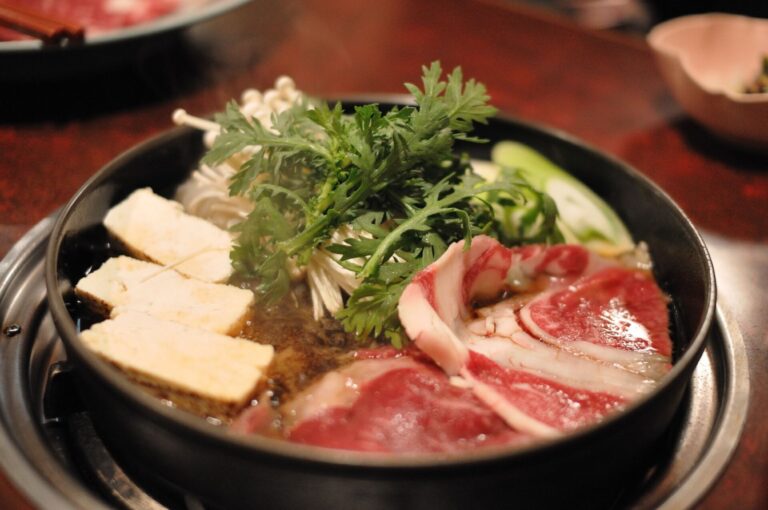
For steak counters, sukiyaki and yakiniku from ¥3,000 to ¥50,000, read our best wagyu in Osaka guide. To eat it at the source, see Kobe beef restaurants in Kobe.
14. Meibutsu curry
Jiyuken, which calls itself Osaka’s oldest Western-style restaurant, mixes the curry into the rice before serving and tops it with a raw egg. Jiyuken says its special Worcester sauce is part of the taste, so stir and try it.
Où : Jiyuken Namba Honten (3-1-34 Namba, near Den Den Town) opens 11:00–20:00 and closes on Mondays, or the next day after a holiday. Meibutsu curry is ¥990 on its menu; the Tenpozan branch closed on 27 September 2026, so Namba is now the only shop.
What to eat in Osaka in winter (December–February)
Winter is fugu season, so book Genpin’s winter set menus early if you want tecchiri on a weekend. It is also kantodaki weather, and the best time to try what to eat in Osaka at a warm counter.
15. Kantodaki (Osaka oden)
Osaka calls oden kantodaki: daikon, eggs, fish cakes and beef tendon simmered in a light broth. Takoume Honten (1-1-8 Dotonbori), founded in 1844, is known for kantodaki and octopus simmered in sweet soy.
It opens 16:00–22:30 (last orders 22:00), limits tables to 90 minutes and takes phone bookings from 15:00, up to a week ahead. Tabelog diners report ¥1,000–1,999.
16. Rikuro Ojisan cheesecake
A jiggly baked cheesecake with raisins on the base, baked 12 at a time all day. The standard 6-go cake is ¥1,165, per Rikuro, and shops may limit how many you buy when it is busy.
Where: The Namba main shop (3-2-28 Namba, on Ebisubashi-suji) opens 9:00–20:00; the second-floor cafe closes from 1 December to 3 January.
New Year closures to plan around
- Takoume Honten: closed 31 December and 1 January.
- 551 Horai Namba main shop: closed 31 December only in December.
- Aizuya Honten: closed on New Year’s Day only.
- Rikuro Namba cafe (2F): closed 1 December–3 January.
- Yoshino Sushi: closed weekends and holidays, so check New Year dates before you go.
- Genpin: year-end and New Year hours are posted on its news page.
On a winter trip, the Osaka illuminations run through the season and pair well with a Dotonbori dinner.
Where to eat in Osaka: the five food areas
| Quartier | Eat here | Best time | Our guide |
|---|---|---|---|
| Dotonbori and Namba | Takoyaki, okonomiyaki, kitsune udon, fugu, kantodaki, butaman | Afternoon to late evening | Namba guide |
| Shinsekai | Kushikatsu, doteyaki | Lunch or early evening | Shinsekai guide |
| Kuromon Market | Seafood, fugu, fruit | Morning | Things to do in Osaka |
| Umeda | Ikayaki, negiyaki, takoyaki, department-store food halls | Any time; good before a train | Umeda guide |
| Tsuruhashi | Horumon, yakiniku, kimchi | Lunch or early dinner | Tsuruhashi guide |
If you leave by shinkansen, Shin-Osaka has Negiyaki Yamamoto and Kukuru inside the shinkansen gates, and Kukuru there opens at 7:00. In Umeda, Aizuya’s KITTE Osaka branch serves takoyaki until 23:00.
How much does food cost in Osaka? Dish-by-budget table
If you are deciding what to eat in Osaka on a budget, start here: prices are per person, from the places above. Add drinks: Daruma, for one, asks for a drink per adult.
| Budget per meal | What to eat | Examples |
|---|---|---|
| Under ¥1,000 | Takoyaki, butaman, ikayaki, curry | Aizuya 12 for ¥550; 551 two for ¥500; Jiyuken ¥990 |
| ¥1,000–2,000 | Kitsune udon, negiyaki, kushikatsu, kantodaki, Kobe lunch | Matsubaya, Imai; Yamamoto ¥1,270–1,500; Mugi to Daichi ¥1,078 |
| ¥2,000–5,000 | Okonomiyaki, horumon, box sushi | Mizuno; Sora; Yoshino ¥3,300 |
| ¥5,000–10,000 | Fugu course, market sushi, Kobe tasting | Genpin from ¥5,300; Endo Sushi; Mugi to Daichi ¥6,380 |
| ¥10,000 and up | Wild fugu, Kobe steak dinner | Genpin wild courses ¥12,000–26,000; our wagyu guide |
Japan Pro Tip: Takeaway food is taxed at 8% and eating in at 10%. The National Tax Agency says food would drop to 1% from 1 April 2027 to 31 March 2029, but only if the bill passes the Diet.
Vegetarian and halal food in Osaka
Osaka is harder than Tokyo for plant-based eaters, because dashi made with fish runs through takoyaki, okonomiyaki, udon broth and oden. Ask before you order, even when a dish looks meat-free.
Two facts worth knowing: Daruma fries its kushikatsu in beef fat, and 551 Horai’s buns are pork. Rikuro says its cheesecake contains no alcohol or honey, but none of the places in this guide claim halal certification, so check with the restaurant.
For halal or vegetarian meals, tell the restaurant when you book, and use our restaurant booking guide for phrases.
Osaka food etiquette: what to know before you eat
Know before you eat
No double-dipping
Daruma bans dipping a skewer twice in the shared sauce. Use the free cabbage to scoop more sauce on.
One drink each
Daruma asks every adult to order at least one drink.
Carry cash
Daruma Sohonten, Usami-tei Matsubaya, Sora and Endo Sushi don't take cards.
Don't tip
JNTO says tipping is not customary in Japan and will often be met with confusion.
Mind the clock
Takoume limits tables to 90 minutes, so don't linger over the last drink.
Queue properly
Join the end of the line; Mizuno, Matsubaya and Sora take no reservations.
If you pay by IC card, our IC card guide explains which cards work in Osaka, and what to eat in Tokyo covers the other half of the trip.
What to eat in Osaka FAQ
What food is Osaka famous for?
Takoyaki, okonomiyaki, kushikatsu, kitsune udon, 551 Horai pork buns and fugu. Osaka also has its own box sushi, hakozushi.
What should I eat on my first night in Osaka?
Walk Dotonbori: takoyaki at Kukuru, okonomiyaki at Mizuno, then kitsune udon at Imai. Most dishes cost ¥500–3,000.
How much does a meal cost in Osaka?
Street food costs ¥500–1,500, kushikatsu averages ¥1,500–2,500 at Daruma, and a fugu course at Genpin starts at ¥5,300.
Where is the best place to eat kushikatsu in Osaka?
Shinsekai. Kushikatsu Daruma’s main shop there has served it since 1929; it is cash only and takes no bookings.
What should I eat in Osaka in winter?
Tessa and tecchiri (fugu), mostly November to February, and kantodaki at Takoume in Dotonbori.
Is Zuboraya still open?
No. The famous fugu restaurant closed in 2020. Genpin Hozenji Sohonten in Namba serves fugu courses from ¥5,300.
Can vegetarians eat well in Osaka?
With care. Dashi with fish is in most batters and broths, and Daruma fries in beef fat, so ask before ordering.
Sources et vérifications
For this what to eat in Osaka guide, we checked every price, address and opening time on 27 November 2026 against restaurant websites (Aizuya, Kukuru, Mizuno, Daruma, 551 Horai, Genpin, Yoshino Sushi, Jiyuken, Takoume, Rikuro), Osaka Convention & Tourism Bureau, JNTO et National Tax Agency. Tabelog figures are diners’ average spends, not menu prices. Hours change, so confirm on the linked page before you go.
Eat Osaka with a local
Book an Osaka food tour, a takoyaki or cooking experience, or a restaurant table in English with Japan Pro.
 English
 Japanese
 Chinese (Taiwan)
 Chinese (China)
 Korean
 French
 Italian
 Thai