
Samurai Experience Kyoto 2026–27: Best Classes & Prices
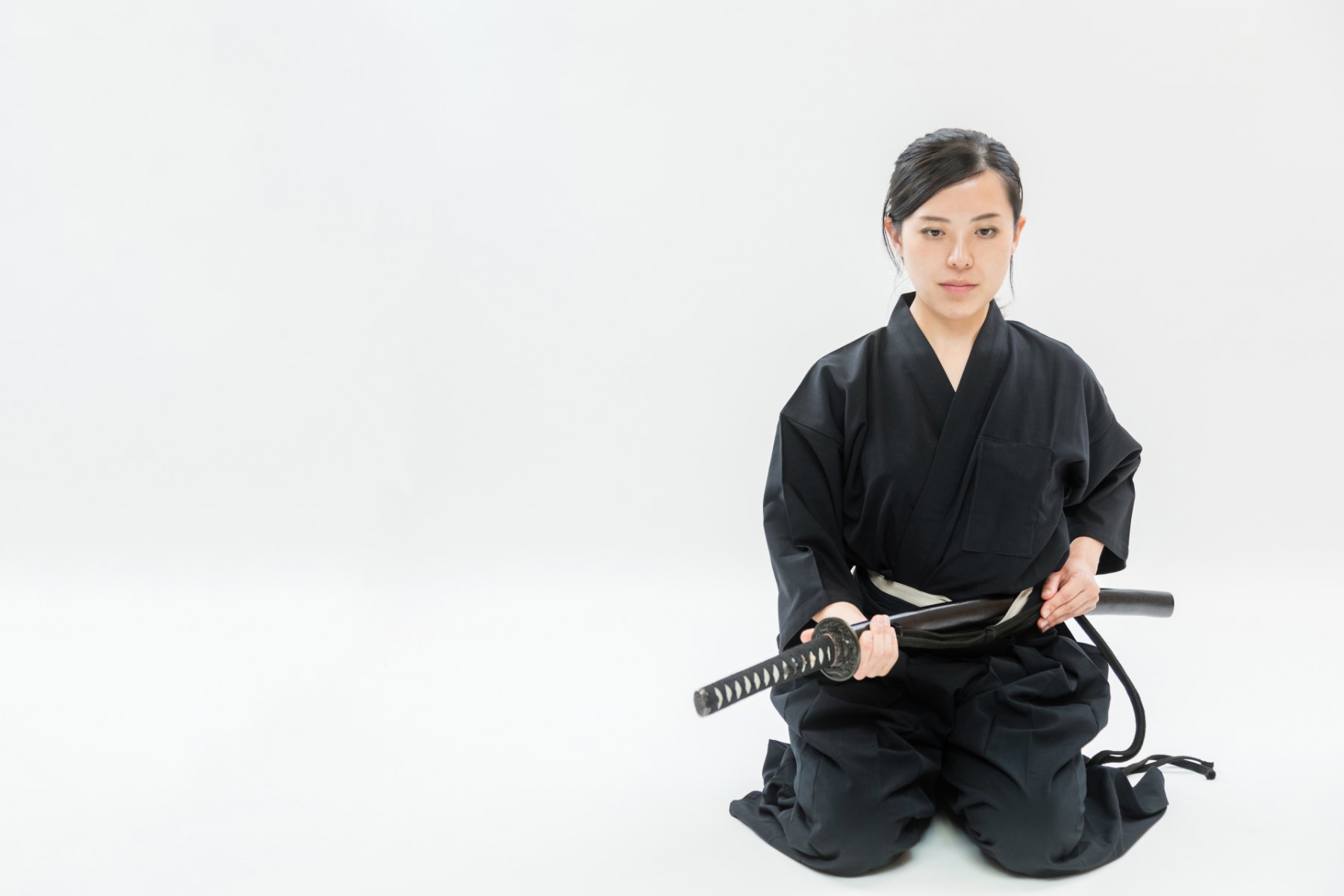
The best samurai experience in Kyoto for most visitors is the show-plus-class format at Samurai Kembu Theater near Sanjo, where ¥10,000–¥13,000 buys a sword-dance performance and a 75-minute lesson in kimono. On a budget or with small kids, the Samurai Ninja Museum near Nishiki Market starts at ¥3,300 and packs armour, shuriken and a guided tour into an hour.
This guide compares six options with prices, start times, age limits and stations, all checked on the operators’ own websites on 12 November 2026. It also covers what nobody tells you: which swords are real, what the cancellation fees are, whether you can fly home with a katana, and how to turn a class into a full Kyoto culture day.
¥3,300
Cheapest: Samurai Ninja Museum basic ticket (¥3,000 + tax)
¥13,000
Kembu show + 75-min sword class, 2 hours
5–14
Child ages at Ninja Dojo (with an adult)
3 min
Sanjo-Keihan Station to Samurai Kembu Theater
Samurai experience Kyoto: which one should you book?
Kyoto’s samurai and ninja activities fall into four types. Pick the type first, then the venue.
- Show + class (Samurai Kembu Theater): you watch a sword-and-fan dance, then learn the moves. Best for adults and anyone who wants a performance.
- Museum + dress-up (Samurai Ninja Museum): a guided tour, armour photos and shuriken throwing. Cheapest and most family-friendly.
- Ninja lesson (Ninja Dojo & Store, Ninja Experience Cafe): weapons, stealth walking and trick-house gimmicks. Kids love it.
- Craft and deep-dive (Kembu katana-making, Yumeyakata package): a full day with a swordsmith, or kimono rental plus iaito cutting practice.
If you only have two hours and want the most “samurai” for your money, book the Kembu 10:00 or 11:15 class. If you have children under 10, start with the museum or Ninja Dojo.
Samurai experience Kyoto prices compared (2026)
All prices are per person, read on each operator’s official site on 12 November 2026. Stations and walking times are the operators’ own; none of them publishes an exit number.
| Expérience | What you do | Time | Group | English | Enfants | Prix | Nearest station |
|---|---|---|---|---|---|---|---|
| Samurai Kembu Theater | Kembu show + 75-min sword and fan class in kimono | 1–2 h | Shared, from 1 guest | English site and show explanations; ask for class language | Ages 5–11 get ¥1,000 off | ¥5,000 / ¥10,000 / ¥13,000 (tax incl.) | Sanjo-Keihan (Tozai Line), 3 min |
| Samurai Ninja Museum (Maikoya) | Guided tour, armour try-on, shuriken; sword or ninja add-ons | 1 h (2 h with add-on) | Up to 25 (basic, shared) | Yes, English group tour | All ages; under 3 free | From ¥3,000 + tax; child (3–12) ¥2,700 + tax | Kawaramachi, about 7 min; Nishiki Market 4 min |
| Ninja Dojo & Store | Sword drawing, shuriken, blowgun, kunai, trick house | 1 h or 2 h | 1–6 (up to 10 in busy season) | Yes | 5–14, with an adult | ¥10,000 / ¥15,000; child ¥9,000 / ¥13,500 | Shijo (Karasuma Line), 3 min |
| Ninja Experience Cafe Kyoto Gion | Ninja training, costume, drink, walk around Gion | 2–2.5 h | Not stated | English site | Child rate under 18 | Child ¥9,100–¥10,400; adult rate at booking | Gion-Shijo (Keihan), 6 min |
| Yumeyakata + Kyoto Samurai Experience | Kimono/hakama rental + iaito cutting practice | Not stated | From 2 people | Not stated | Hakama from 155 cm | ¥24,600 (special offer price) | Shop in Shimogyo; 15 min by taxi to venue |
| Kembu katana-making | Make a small tamahagane sword with a swordsmith | 5 h | Not stated | Not stated | 12 and over | ¥80,000 (observer ¥20,000) | Meet at JR Minami-Kusatsu (Shiga) |
In short: a samurai experience in Kyoto costs ¥3,300–¥15,000 for most shared sessions, ¥20,000 and up for a private one, and ¥80,000 for real sword-making.
The 6 best options for a samurai experience Kyoto visitors can book
1. Samurai Kembu Theater (Show + sword class)
L’essentiel : The headline samurai experience in Kyoto. Kembu is a sword-and-fan dance set to recited poetry, and this small basement theatre stages it with English explanations, then teaches you the basics. The 75-minute class starts with tabi socks and a short video, moves on to katana handling and a photo session, and ends with a bow and a certificate.
Où : 35-7 Sanchome, GOZAN Hotel B1F, Higashiyama-ku (Sanjo-dori, east of Hanamikoji). 3 minutes on foot from Sanjo-Keihan Station on the Tozai Line, or Kyoto City Bus 5 to Sanjo Keihan-mae; about 15 minutes by taxi from Kyoto Station.
Ambiance : Theatrical and structured rather than sweaty. Kimono or hakama are included, and you get a photo op with the performers after the show.
Prix : Show (long) + class, 2 hours: ¥13,000, observer ¥5,500, at 14:45 or 16:15. Show (short) + class, 1.5 hours: ¥10,000, observer ¥2,000, at 10:00 or 11:15. Show + 10-minute mini-experience, 1 hour: ¥5,000 at 16:15.
Children 5–11 get ¥1,000 off. All tax included. Private temple sessions (1–9 people) are ¥20,000 per person with a minimum charge of ¥80,000 plus the temple fee.
Lien officiel : Samurai Kembu Theater Kyoto: prices and booking
💡 Conseil Japan Pro : The 10:00 slot finishes at 11:30, which leaves the whole afternoon free. Shared classes charge 30% from 7 days before, 50% one or two days before and 100% on the day, so fix your date before you book.
Two longer options run from the same theatre: “Musashi’s Journey” (¥33,000, 2 hours from 10:00, with sword practice in a martial-arts hall near Shugakuin and a visit to Hachidai Shrine), and the katana-making day in entry 6. Details are on the Kembu programme page.
2. Samurai Ninja Museum Kyoto (Museum + dress-up)
L’essentiel : Run by Maikoya, this is the cheapest way to tick off the samurai experience in Kyoto. The basic ticket covers an hour-long English guided tour of armour and swords, a samurai armour try-on with photos, ninja workshops and a shuriken-throwing contest, with no extra fees. Sword-lesson and ninja add-ons last another hour and take place in the museum’s annex.
Où : Main museum at 109 Horinoue-cho, Nakagyo-ku; the annex is at Utanokoji Building 2F, 292 Higashidaimonji-cho. About 4 minutes on foot from Nishiki Market and 7 minutes from Kawaramachi, according to the museum.
Ambiance : Busy and hands-on, with groups of up to 25. Good for a mixed group where not everyone wants to train.
Prix : Basic ticket ¥3,000 + tax for adults and ¥2,700 + tax for children 3–12 on the regular-price page; under-3s free.
The main booking calendar says prices vary by date, so check the total before you pay. Sword and ninja add-ons are priced by date in the calendar. Tours run daily from 9:15 to 18:30.
Lien officiel : Samurai Ninja Museum Kyoto: basic ticket
💡 Conseil Japan Pro : The shared sword course is for ages 7 and up (from the 2027 catalogue). For younger kids, the family sword lesson takes ages 3 and up but must include at least one child aged 12 or under. Cancel 24 hours or more ahead for a full refund; inside 24 hours you pay 100%.
3. Ninja Dojo & Store (Ninja lesson)
L’essentiel : The best ninja experience in Kyoto if you want an actual lesson rather than a photo session. The 1-hour class covers sword drawing, kunai, shuriken, a blowgun, trick-house traps, kuji-in hand signs and ninja walking. The 2-hour class adds the kusarigama (sickle and chain), rope techniques and stick shuriken.
Où : 2F, 528 Hakurakuten-cho, Shimogyo-ku, on Muromachi-dori opposite a FamilyMart. 3 minutes on foot from Shijo Station on the Karasuma subway line; Hankyu Karasuma Station is also close.
Ambiance : Small and personal: shared lessons take 1–6 people (up to 10 in busy season), taught in English, with ninja clothes provided.
Prix : 1 hour: ¥10,000, children 5–14 ¥9,000, at 13:00, 15:00 and 17:00 daily. 2 hours: ¥15,000, children ¥13,500, at 10:00 daily. Extra slots run from 31 March to 21 April. Private lessons from ¥60,000 for 1–6 people. Advance booking and payment required.
Lien officiel : Ninja Dojo & Store
💡 Conseil Japan Pro : Children must come with an adult; the dojo does not take kids on their own. The store and small museum downstairs are free to browse (10:00–18:00, irregular closures), so you can look around before you commit.
4. Ninja Experience Cafe Kyoto Gion (Ninja + Gion walk)
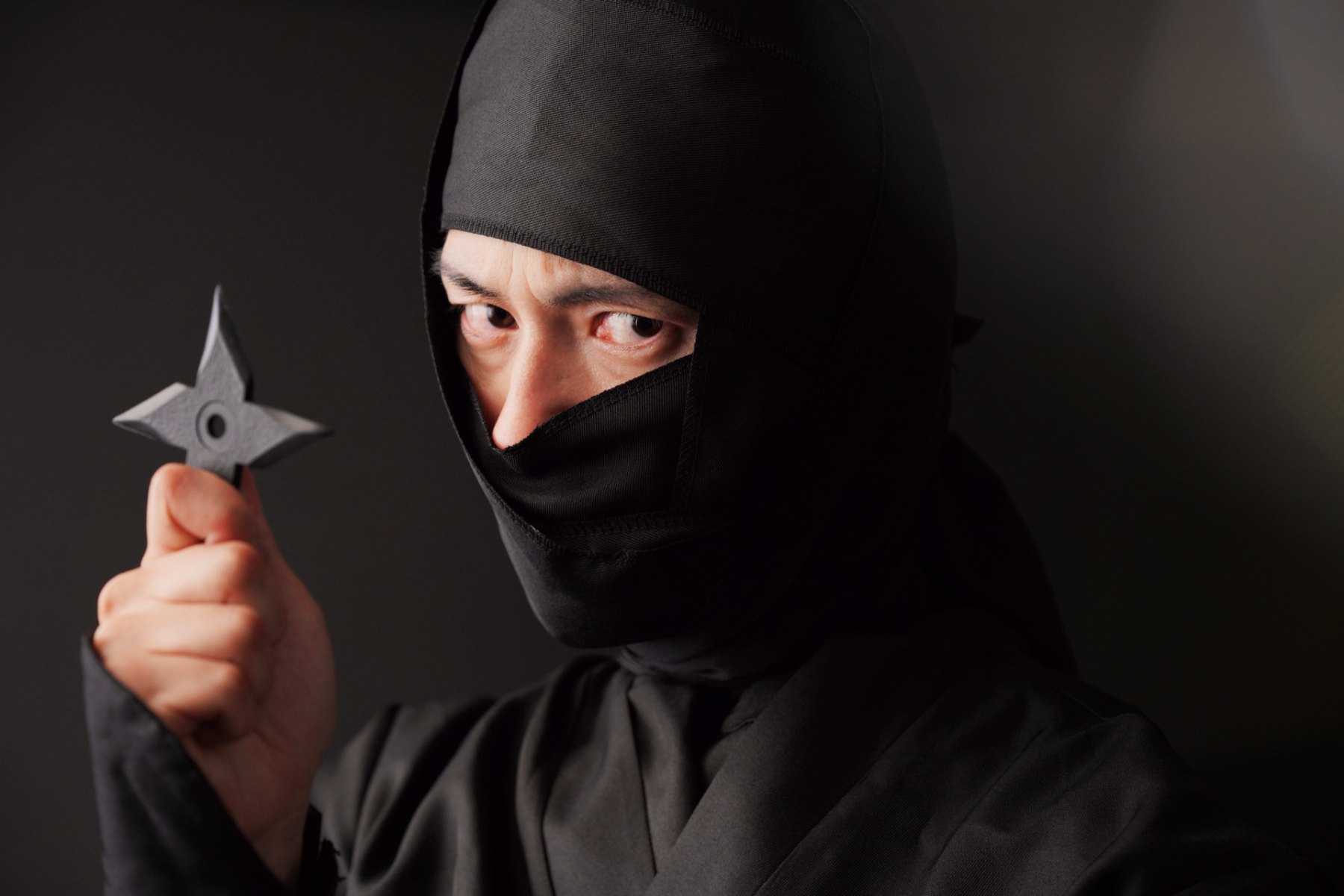
L’essentiel : A ninja course with a twist: after training, you walk the Gion streets in costume. The Kirimaru course (about 2 hours) includes training, costume rental, a drink and the walk; Goemon (about 2.5 hours) adds a dish. The route is listed as Yasaka Shrine, Yasui Konpiragu, Kennin-ji, Hanamikoji and Tatsumi Bridge, subject to change.
Où : 6F Shinsei Building, 398-3 Hashimoto-cho, Higashiyama-ku. 6 minutes on foot from Gion-Shijo (Keihan) or Sanjo-Keihan (Tozai Line), 8 minutes from Kyoto-Kawaramachi (Hankyu).
Ambiance : Playful and photogenic rather than martial. Open daily around 10:00–21:00, with irregular closures.
Prix : Kirimaru ¥9,100 and Goemon ¥10,400 (tax included) are the child rates for under-18s listed on the menu page; adult rates appear on the reservation page. Book through TableCheck.
Lien officiel : Ninja Experience Cafe Kyoto Gion
💡 Conseil Japan Pro : Costumes go over your own clothes, so the cafe advises against skirts. Late arrivals may get a shorter session, so leave time to find the building.
5. Yumeyakata + Kyoto Samurai Experience (Kimono + iaito cutting)
L’essentiel : Kimono rental shop Yumeyakata dresses you in a men’s kimono and hakama (a women’s set is also available), then sends you to the Kyoto Samurai Experience for trial cutting with an iaito, a practice sword with no sharp edge. You can also handle historical swords.
Où : Yumeyakata shop: 2F, 353 Shiogama-cho, Shimogyo-ku. The experience venue is separate, about 15 minutes by taxi or 20–30 minutes by subway and Hankyu, and you travel there yourself. Start times are 10:00 or 13:00 depending on season.
Ambiance : More serious than the dress-up options, with actual cutting practice. Weekdays only: no Saturdays, Sundays or holidays.
Prix : “Special offer price” ¥24,600 for the Samurai Plan + Kyoto Samurai Experience; the page does not say whether tax is included. Bookings from 2 people.
Lien officiel : Yumeyakata: Kyoto Samurai Experience
💡 Conseil Japan Pro : Children over 155 cm can wear hakama; shorter children wear a kimono. Ask for the experience venue address when you book, and plan a taxi.
6. Katana-making with a swordsmith (Sword craft)
L’essentiel : The most serious option, booked through Samurai Kembu Theater. You make a small sword of about 18–19.5 cm from tamahagane, the steel used for real Japanese swords, under a master swordsmith.
Où : Meet at 12:50 at JR Minami-Kusatsu Station in Shiga Prefecture, so allow for the train from Kyoto. Forging runs 13:30–16:30, with drop-off back at the station at 17:00.
Ambiance : Hot, physical and unforgettable. People in poor physical condition cannot take part, and the toilet is Japanese style.
Prix : ¥80,000 per person including materials, ¥20,000 for an observer (tax included). Ages 12 and over.
Lien officiel : Samurai Kembu Theater: katana making
💡 Conseil Japan Pro : Private-programme cancellation fees start at 30% 28 days out and material costs are 100% non-refundable from 28 days, so only book this once your dates are fixed. Bring a towel and water.
Real or replica? Safety and etiquette at a samurai experience Kyoto class
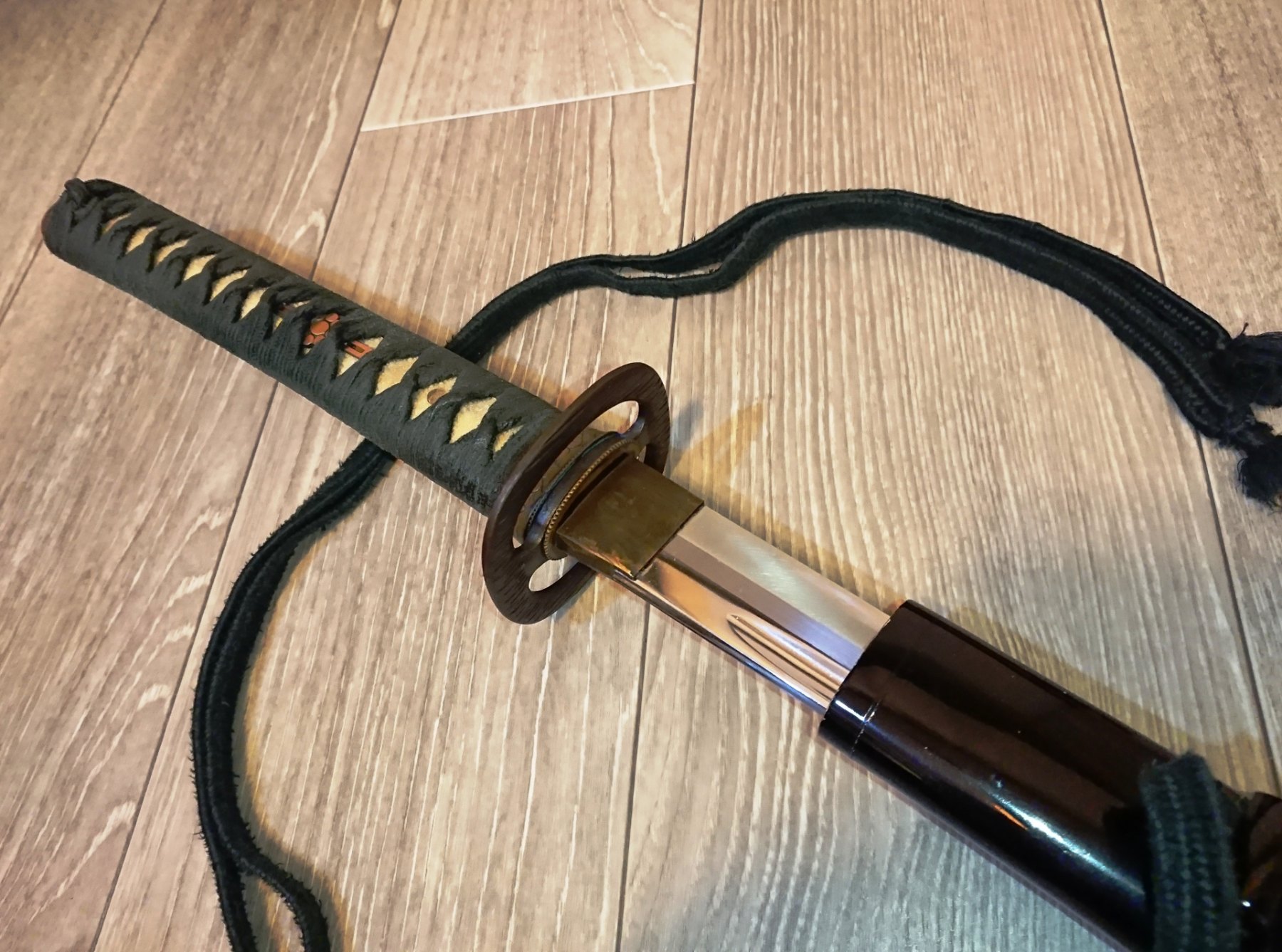
Most samurai experiences in Kyoto do not put a live blade in your hand. The Samurai Ninja Museum says it uses replica swords, and the Yumeyakata package uses an iaito, which has no sharp edge. Samurai Kembu Theater does not say which type it uses in class; if this matters to you, ask when booking.
- Bow in, bow out. Classes start and end with a bow. Follow the instructor and do not draw a sword until told to.
- Shoes off. Expect tatami or a dojo floor. Wear clean socks without holes.
- What to wear. Loose trousers work best. Kimono, hakama or ninja clothes are provided at every option in this guide.
- Photos. Kembu and Maikoya build photo time into the session, and Kembu allows photos in the temple garden on private temple sessions, weather permitting. Neither publishes a general rule on filming the show, so ask staff first.
- Food and drink. The Samurai Ninja Museum bans eating and drinking in the exhibition rooms and alcohol throughout; covered water bottles are fine.
Souvenir swords are a common trap. ANA’s international rules ban all blades, items that could be used as weapons and items resembling weapons, such as toy guns, from cabin baggage (ANA restricted items). Check your own airline before you buy anything sword-shaped.
Bon à savoir avant d’y aller
Swords are props
Most classes use replica or blunt practice swords. Never swing one near other guests until the instructor says so.
Socks matter
You will be on tatami or a dojo floor without shoes. Bring clean socks; Kembu gives you tabi.
Check what the price covers
Some prices include tax and kimono rental, others are + tax or child rates only. Read the line under the price before you pay.
Cancellation bites
Kembu charges 30% from 7 days out and 100% on the day; Maikoya charges 100% inside 24 hours.
No blades in the cabin
Souvenir swords cannot go in your carry-on. Pack them in checked bags if your airline allows it.
How to plan a Kyoto culture day around your samurai experience
A samurai class makes a good morning anchor for a full day in central Kyoto.
| Time | Plan | Notes |
|---|---|---|
| 10:00–11:30 | Samurai Kembu Theater: short show + class | Doors open 9:50. Or swap for the 10:00 two-hour lesson at Ninja Dojo & Store (ends 12:00). |
| 12:00 | Lunch at Nishiki Market | Walk west across the Kamo River from Sanjo; the Samurai Ninja Museum is next door if you want armour photos too. |
| 14:00–15:00 | Tea ceremony | See our tea ceremony guide for Kyoto sessions with English. |
| 16:00 | Gion walk or a craft | Join a Gion walking tour or make your own pair at a chopstick-making workshop. |
| 18:00 onwards | Maiko dinner | Book ahead: see our maiko dinner guide. |
💡 Conseil Japan Pro : If you fancy the 14:45 Kembu class instead, flip the day: tea ceremony and Nishiki in the morning, samurai in the afternoon and dinner in Gion, which is a short walk from the theatre.
Kembu, kendo or ninja: what is the difference?
Mix these up and you book the wrong thing.
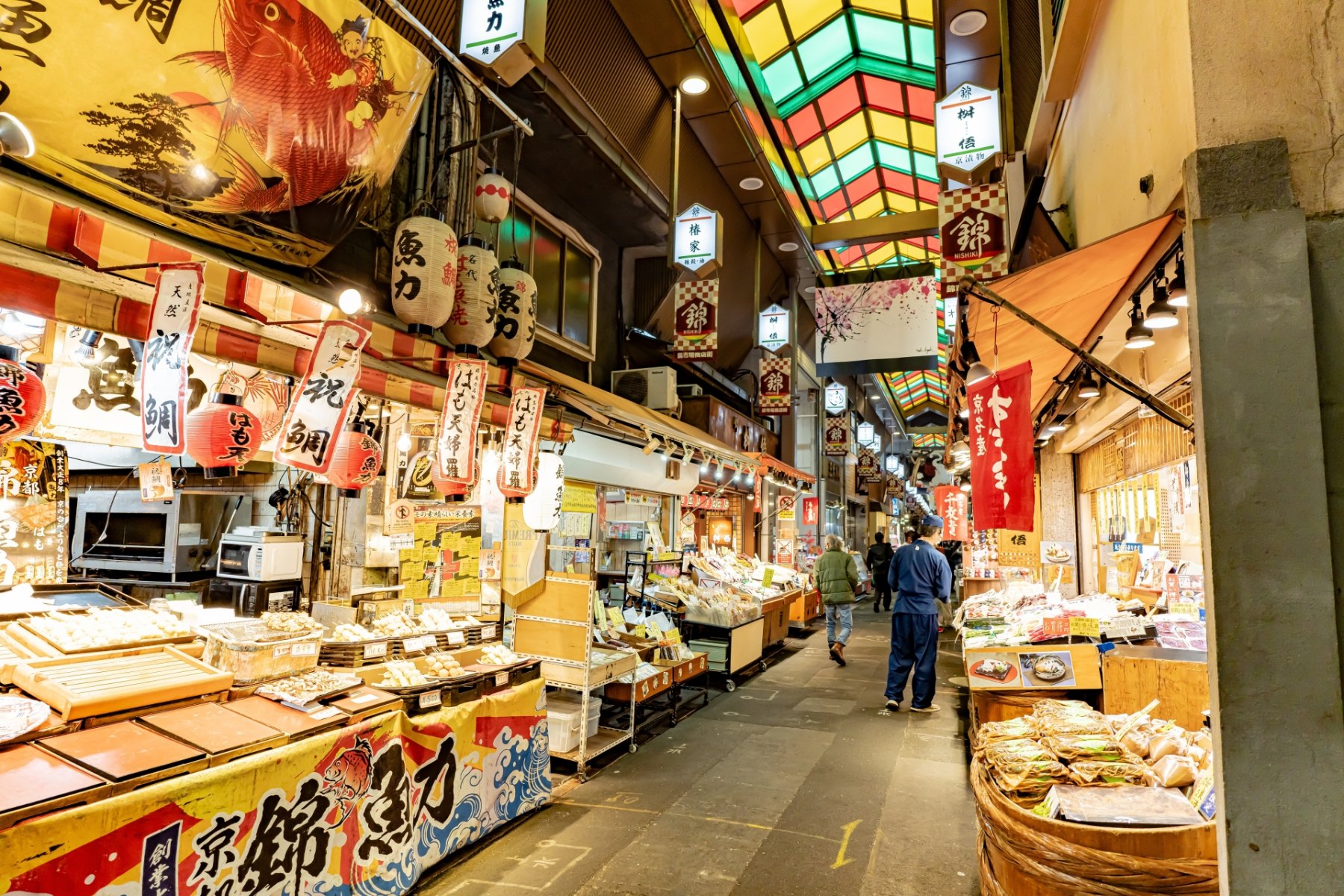
- Kembu (剣舞): a performance art. You learn choreographed sword and fan moves set to poetry. That is what Samurai Kembu Theater teaches.
- Iaido and tameshigiri: drawing the sword and test-cutting a target. The Yumeyakata package includes iaito cutting practice.
- Kendo: modern sport fencing with bamboo swords and armour. None of the six options here is a kendo class.
- Ninjutsu-style lessons: shuriken, blowguns, stealth walking and trick doors. Ninja Dojo & Store and Ninja Experience Cafe focus on these.
For more ideas, see our things to do in Kyoto guide.
When is the best time for a samurai experience Kyoto trip?
Classes run all year, but timing affects availability. Spring and autumn are the busiest seasons; Ninja Dojo & Store adds extra slots from 31 March to 21 April and raises shared groups to 10 in busy season.
Winter 2026–27 is quieter, and an indoor class is a good plan for cold or wet days. Watch for closures: Yumeyakata is closed from 31 December to 3 January, and its samurai package runs on weekdays only.
Staying nearby helps with early slots. Downtown and Gion put you within walking distance of Kembu, Ninja Dojo and the museum; see where to stay in Kyoto.
Samurai experience Kyoto FAQ
How much is a samurai experience in Kyoto?
Prices checked on 12 November 2026 run from ¥3,300 for the Samurai Ninja Museum basic ticket (¥3,000 plus tax) to ¥13,000 for a 2-hour show and sword class at Samurai Kembu Theater. Private sessions start at about ¥20,000 per person, and a katana-making day costs ¥80,000.
Which samurai experience in Kyoto is best for kids?
Ninja Dojo & Store takes children aged 5–14 with an adult, and the Samurai Ninja Museum’s basic ticket is open to all ages, with under-3s free. The museum also runs a family sword lesson for ages 3 and up.
Do you use a real sword in a Kyoto samurai class?
Usually not. The Samurai Ninja Museum uses replica swords, and the Yumeyakata package uses an iaito, a practice sword with no sharp edge. Samurai Kembu Theater does not say which type it uses in class, so ask when you book.
What is kembu?
Kembu is a Japanese sword-and-fan dance performed to poetry recitation. In Kyoto, Samurai Kembu Theater stages it with English explanations and adds a hands-on class.
Is there a ninja experience in Kyoto?
Yes. Ninja Dojo & Store near Shijo-Karasuma runs 1- and 2-hour English lessons from ¥10,000, and Ninja Experience Cafe Kyoto Gion combines ninja training with a costumed walk around Gion.
How far ahead should I book?
Book at least a few days ahead in spring and autumn, as shared classes have small groups. Ninja Dojo & Store needs advance booking and payment.
Can I take a souvenir sword home on the plane?
Not in the cabin. ANA’s international rules ban all blades, items that could be used as weapons and items resembling weapons from carry-on bags, so check your airline’s rules for checked baggage before you buy.
What should I wear to a samurai class?
Wear clothes you can move in; kimono or hakama are usually provided. Ninja Experience Cafe puts its costume over your clothes and advises against skirts, and Samurai Kembu Theater gives you tabi socks.
Sources et vérifications
Prices, times, ages, addresses and cancellation terms were checked on 12 November 2026 against each operator’s official site: Samurai Kembu Theater, Samurai Ninja Museum Kyoto (Maikoya), Ninja Dojo & Store, Ninja Experience Cafe et Yumeyakata, plus ANA for baggage rules and JNTO Kyoto for general travel information. Prices can change by date, so confirm the final total when you book.
Build your Kyoto culture day
Japan Pro can book samurai classes, tea ceremonies, maiko dinners and Gion walks in Kyoto, with English support from start to finish.
 English
 Japanese
 Chinese (Taiwan)
 Chinese (China)
 Korean
 French
 Italian
 Thai