
IC Card Japan Guide 2027: Which One Works Where, and How to Get One (11 Cards Compared)
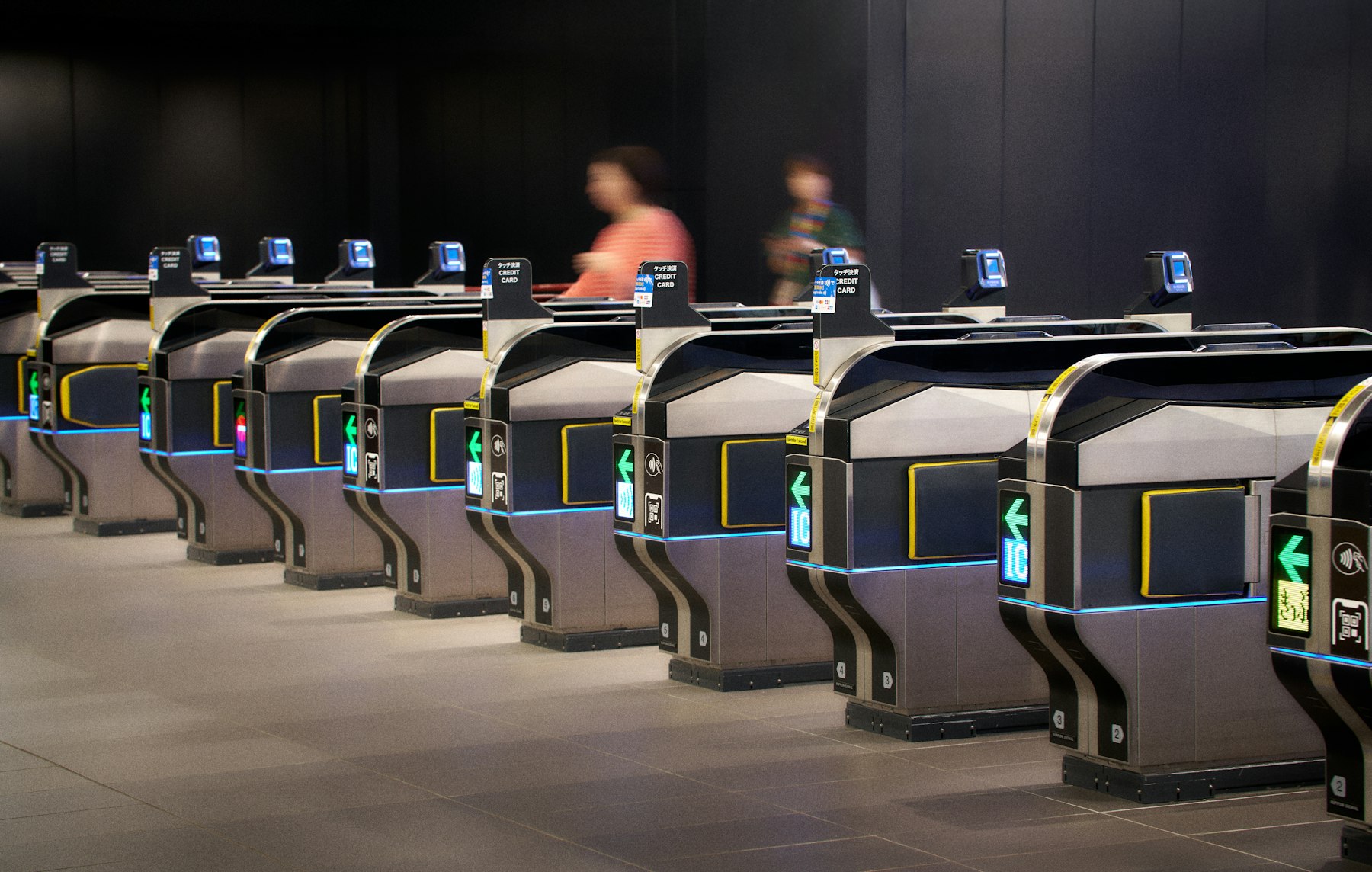
Which IC card in Japan should you get? Any of them: the 10 main IC cards work on trains, subways and buses in every big city, so buy whichever is on sale where you land. At Tokyo’s airports that means Welcome Suica or the new Tourist PASMO, in Kansai it means ICOCA, and iPhone users can skip the plastic and add Suica, PASMO or ICOCA to Apple Wallet. This IC card Japan guide explains the rest.
We cover all 11 cards and apps, where you can buy them now that the 2023–2025 card shortage is over, deposits and refunds, the places they still don’t work, charge limits, and the 2026–27 changes, from Suica’s merged areas to tapping a Visa card at the gate.
10
IC cards that work nationwide
¥20,000
Maximum balance on a card
¥500
Deposit on regular Suica/PASMO
28 days
Welcome Suica / Tourist PASMO life
Which IC card in Japan should you get?
| Your situation | Best pick | Why |
|---|---|---|
| iPhone (8 or later) | Suica or PASMO in Apple Wallet | No card to buy, top up from your phone, keep it for next trip |
| Landing at Narita or Haneda, short trip | Welcome Suica or Tourist PASMO | No deposit, sold at the airport stations, valid 28 days |
| Staying longer or coming back | Regular Suica or PASMO | No time limit, and the balance is refundable |
| Landing at Kansai Airport | ICOCA | JR West’s card, sold across Kansai |
| Android phone bought outside Japan | A physical card | Visitor apps are iPhone-only (see below) |
For riding trains it makes no practical difference which card you hold. A Suica works in Osaka and an ICOCA works in Tokyo. What differs is where you can buy and refund them.
IC card Japan comparison: all 11 cards and apps
Since March 2013, ten regional cards have worked on each other’s networks under the nationwide mutual-use scheme. JR East’s Suica area page lists the same cards for shop payments.
| Card | Issuer / home area | Notes for visitors |
|---|---|---|
| Suica | JR East (Tokyo, Tohoku, Niigata) | Regular card has a ¥500 deposit; sold at JR East machines |
| Welcome Suica | JR East | Visitor card: no deposit, 28 days, no refund |
| Welcome Suica Mobile | JR East (iPhone app) | Visitor app, valid 180 days, balance not refundable |
| PASMO | Tokyo private railways, subways and buses | Regular card has a ¥500 deposit; sold at subway and private-rail stations |
| Tourist PASMO | PASMO (launched May 2026) | Replaced PASMO PASSPORT; no deposit, 28 days, no refund |
| ICOCA | JR West (Kansai, Hiroshima, Okayama) | Kansai’s main card; works in Apple Wallet |
| Kitaca | JR Hokkaido (Sapporo area) | Same use as Suica |
| TOICA | JR Central (Nagoya, Shizuoka) | Transferred to Apple Wallet as ICOCA |
| manaca | Nagoya subway, Meitetsu and buses | Same use as Suica |
| SUGOCA | JR Kyushu | Same use as Suica |
| nimoca | Nishitetsu (Fukuoka) and partners | Same use as Suica |
| Hayakaken | Fukuoka City Subway | Same use as Suica |
PiTaPa, used by some Kansai private railways, is also part of the scheme but is a post-paid card linked to a Japanese credit account, so it isn’t for visitors.
Welcome Suica vs Tourist PASMO vs a regular card
| Welcome Suica | Tourist PASMO | Regular Suica / PASMO | |
|---|---|---|---|
| Price | ¥1,000–¥10,000, all of it stored value | Narita: ¥2,000 fixed. Haneda: ¥1,000–¥10,000 | From ¥1,000, including a ¥500 deposit |
| Deposit | None | None | ¥500, returned on refund |
| Valid for | 28 days from purchase | 28 days from issue | No time limit |
| Refund of balance | No | No | Yes (Suica: minus ¥220 fee) |
| Where to buy | Narita and Haneda T3 stations, major JR East Travel Service Centers | Railway stations at Narita and Haneda | Station ticket machines |
Welcome Suica is sold at machines in the Narita Terminal 1, Terminal 2·3 and Haneda Terminal 3 (Tokyo Monorail) stations, and at JR East Travel Service Centers at those stations and at Tokyo, Shibuya, Shinjuku, Ikebukuro, Ueno, Yokohama and Sendai. Each person can buy one. The 28 days start on the day you buy it, and the “GOOD THRU” date on the back is not the expiry date (JR East).
Tourist PASMO was announced on 17 April 2026 and went on sale in May 2026 with a kanji-themed design. It can be recharged, but unused value is not refundable (PASMO press release).
What happened to PASMO PASSPORT?
It is gone. PASMO says PASMO PASSPORT, the Sanrio-design visitor card, was no longer available from 25 June 2024 (PASMO for visitors). Tourist PASMO is its replacement.
Are Suica and PASMO cards still sold out?
No. A chip shortage stopped sales of anonymous Suica and PASMO cards from June 2023 and personalised cards from July 2023. Personalised cards came back in 2024, and anonymous cards returned on 1 March 2025 (PASMO/JR East notice). You can now buy a regular card at most station machines again.
Can you use an IC card on iPhone or Android?
Yes on iPhone, mostly no on foreign Android phones. Apple Wallet supports Suica, PASMO and ICOCA on iPhone 8 or later and Apple Watch Series 3 or later. You create a new card in Wallet or move a physical card onto the phone, which then stops the plastic working (Apple Support).
- Apple Wallet Suica/PASMO/ICOCA: you top up from a card already in Apple Wallet, and if you remove the card, its balance stays on your Apple account for next time. Only one transit card can be in Express Mode, which lets you tap through gates without unlocking the phone.
- Welcome Suica Mobile (iPhone app): JR East’s visitor app issues a Suica valid for 180 days, topped up through Apple Pay. Users must be 13 or over, location services must be on, and the balance is not refundable. It also works for unreserved Shinkansen seats in the JR East area (JR East).
- Android: Suica works in Google Wallet, with top-up by a card linked to your Google account or cash at convenience stores (JR East). In practice it needs a phone with Japan’s FeliCa chip, which most Android phones sold abroad lack, so plan on a physical card.
Foreign cards in Apple Pay: JR East does not publish a list of accepted overseas cards, and it warns that some countries restrict downloading or topping up Welcome Suica Mobile. Set it up before you fly, and carry yen as a backup: Suica can also be topped up with cash at most convenience stores.
Where does an IC card work in Japan, and where doesn’t it?
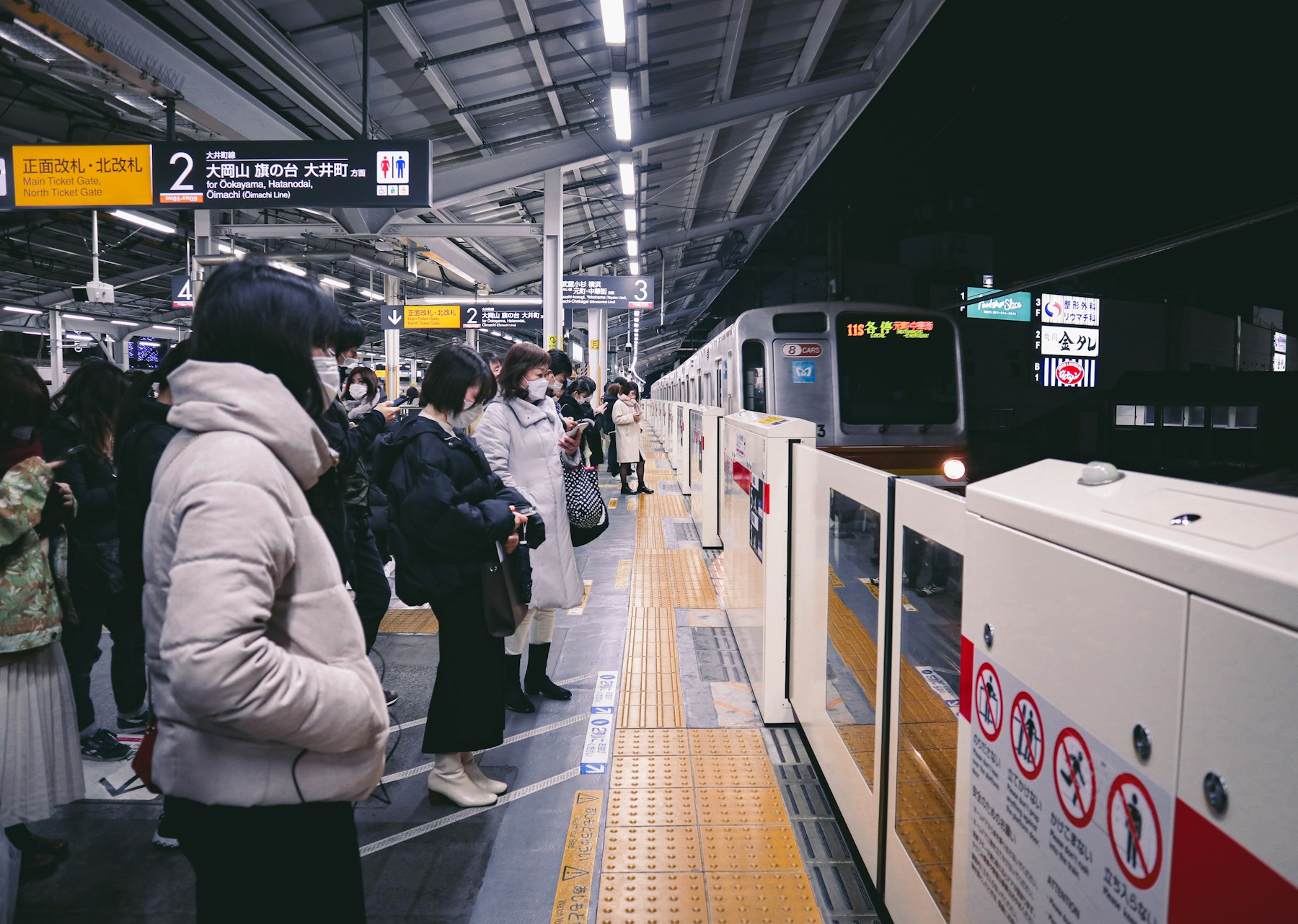
Inside each region, almost everywhere. Cards work on JR, subways, private railways and most city buses in Tokyo, Sapporo, Sendai, Niigata, Nagoya, Osaka, Kyoto, Kobe, Hiroshima, Fukuoka and Okinawa. Most convenience stores, station lockers and vending machines take them too.
The gaps catch visitors out:
- Crossing regions: you can’t start a journey in one IC area and finish it in another. A local train from Tokyo to Shizuoka, for example, runs from JR East’s Suica area into JR Central’s TOICA area, so buy a paper ticket for that trip.
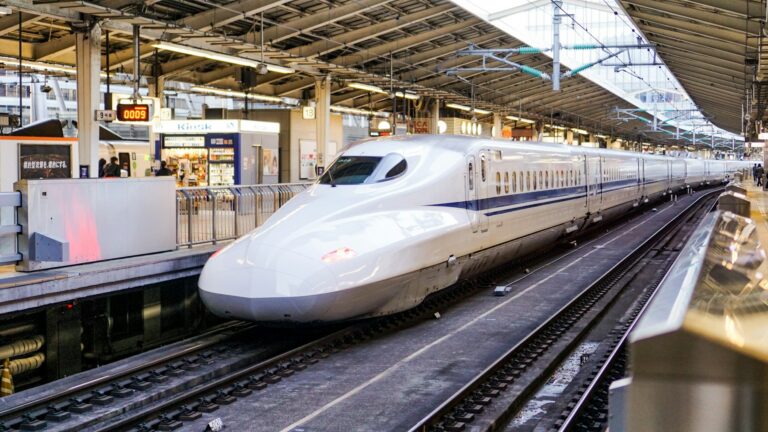
- Shinkansen and limited expresses: a card pays only the base fare. You need a separate express ticket, or an online booking linked to the card.
- Green Cars: on Tokyo commuter lines you need a Green ticket on top of the IC fare.
- Rural stations: JR East expects only about 60% of its own stations to take Suica by the end of fiscal 2026, so many country lines still need cash or a paper ticket.
- Some buses and ferries: not every rural bus or ferry takes IC cards, so check before you board and carry some cash.
If you are using a JR pass on a day trip, see our JR Tokyo Wide Pass day trips guide for routes where the pass beats paying by card.
How do you top up, and what are the charge limits?
- Maximum balance: ¥20,000 on Suica and PASMO cards.
- Top-up amounts: at JR East machines, ¥500, ¥1,000, ¥2,000, ¥3,000, ¥5,000 or ¥10,000. Welcome Suica can take up to ¥20,000 per top-up.
- Cash only for cards: station machines take yen notes and coins, not credit cards. Welcome Suica can’t be topped up by credit card at all.
- Other places: most convenience stores and Seven Bank ATMs (in 7-Eleven) can top up Suica.
- On buses: PASMO can be topped up on board in ¥1,000 steps using ¥1,000 notes.
- Phones: Apple Wallet and Google Wallet top up from your linked card; Google Wallet allows any amount in ¥1 steps.
Sources: JR East Suica guide, Suica charging, Welcome Suica and PASMO.
How do you get your deposit and balance back?
| Card | What you get back | Where |
|---|---|---|
| Regular Suica | Balance minus ¥220 fee, plus the ¥500 deposit. A ¥1,000 balance returns ¥1,280. | JR East stations (JR East-issued cards only) |
| Regular PASMO | Balance plus the ¥500 deposit | PASMO operator stations |
| Welcome Suica / Tourist PASMO | Nothing: no deposit, no refund | – |
| Welcome Suica Mobile | Nothing: balance expires after 180 days | – |
| Apple Wallet card | Stays on your Apple account for your next trip | – |
The simplest fix is to spend it. Run your balance down on your last day at a convenience store or station kiosk, and pay the rest in cash. If you are coming back to Japan, keep a regular card or a Wallet card instead of a visitor card.
What changes for IC cards in Japan in 2026–27?
- Tap-to-ride with credit cards (from 25 March 2026): eleven Kanto railway operators began mutual use of contactless card payment at the gates, according to Tokyo Metro.
- QR subway passes (from 25 March 2026): the Tokyo Subway Ticket and the Tokyo Metro & Toei one-day ticket became available as QR codes (Tokyo Metro).
- Tourist PASMO (May 2026): a new 28-day visitor card at Narita and Haneda, replacing PASMO PASSPORT.
- teppay (from 20 October 2026): a code-payment wallet built into the Mobile Suica app, which can go past the ¥20,000 Suica limit, up to ¥300,000 with My Number Card verification. It reaches Mobile PASMO in spring 2027. Its features lean on Japanese ID and bank links, so it is mainly for residents (JR East).
- One Suica area (by March 2027): JR East’s six Suica areas (Tokyo, Sendai, Niigata, Aomori, Morioka, Akita) are due to merge by the end of fiscal 2026, so you can tap through between them. 32 more stations will also join (JR East, 8 September 2026).
- A new Suica mascot: JR East is retiring the Suica penguin and has opened a public vote for a new character. Our Suica penguin story has the details.
Longer term, JR East aims for Suica at all its stations in the early 2030s, using portable readers from fiscal 2030 and a GPS-based smartphone gate in the mid-2030s.
Can you just tap a credit card instead of an IC card?
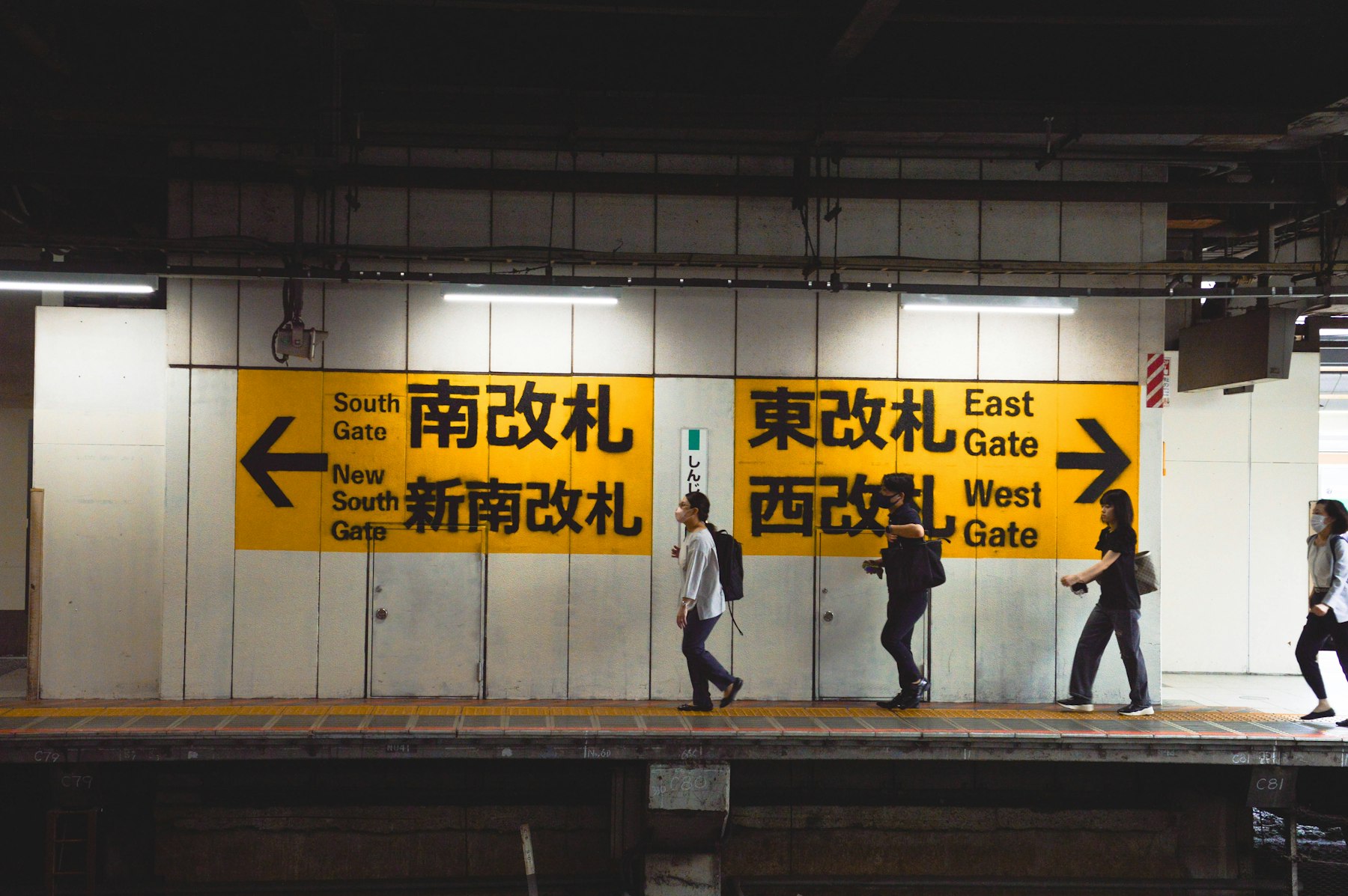
Sometimes. Touch payment with Visa and other contactless cards now works on many private railways and subways. Visa says 46 railway operators took part in its May 2026 touch-transit campaign (Visa Japan). Operators named in the campaign terms include Tokyo Metro, Toei Subway, Odakyu, Keio, Keikyu, Tokyu, Seibu, Sotetsu, Osaka Metro, Hankyu, Kintetsu and the Kobe Municipal Subway (Visa campaign page).
Nankai, which runs the airport line from Kansai Airport, and the Fukuoka City Subway both offer touch payment too (Nankai, Fukuoka City Subway). Look for the contactless symbol on the gate.
It is not a full replacement yet. Touch payment works only on gates that carry the reader, not across every line or bus, and each operator charges its own fare. An IC card remains the one thing that works almost everywhere in a city, including convenience stores.
Know before you go
Buy at the airport
Welcome Suica and Tourist PASMO are sold at Narita and Haneda stations. Pick one up before your first train.
iPhone? Skip the card
Add Suica or PASMO to Apple Wallet before you fly so you can tap straight through on arrival.
Carry yen for top-ups
Station machines take cash only. Keep ¥1,000 notes handy.
Don't cross regions
Long local trips between IC areas need a paper ticket, or the gate will stop you.
Run it down
Visitor cards are non-refundable. Spend the last yen at a convenience store before you fly.
One card per phone tap
Keep your IC card away from other cards in your wallet to avoid gate errors.
Planning your arrival? Our Haneda layover guide and Kansai Airport to Kyoto guide cover the first train from the airport, and our first-time guide to Tokyo covers the rest.
IC card Japan FAQ
Which IC card is best for tourists in Japan?
Any of them. Suica, PASMO, ICOCA and the other main cards all work on trains, subways and most buses in Japan’s big cities. Visitors usually buy Welcome Suica or Tourist PASMO at Tokyo’s airports, ICOCA in Kansai, or add Suica to Apple Wallet on an iPhone.
Can I buy a regular Suica or PASMO card in 2026?
Yes. Sales of anonymous Suica and PASMO cards were suspended from June 2023 because of a chip shortage and resumed on 1 March 2025. Regular cards are back in station ticket machines.
Is PASMO PASSPORT still available?
No. PASMO PASSPORT was discontinued on 25 June 2024. Its replacement, Tourist PASMO, went on sale in May 2026 at Narita and Haneda airport stations. It has no deposit, lasts 28 days and is not refundable.
Can I use Suica in Osaka or Kyoto?
Yes. Suica, PASMO and ICOCA all work on trains, subways and most buses in Kansai under the nationwide mutual-use scheme. You can’t use one card for a single journey that crosses from one IC area into another, such as a local train from Tokyo to Shizuoka.
How much money can I put on an IC card?
Up to ¥20,000 on Suica and PASMO. Station machines accept cash only. Welcome Suica can be topped up as often as you like during its 28 days, up to ¥20,000 per top-up.
Can I get my IC card money back when I leave Japan?
On a regular Suica, yes: JR East refunds the balance minus a ¥220 fee, plus the ¥500 deposit. PASMO refunds the balance plus the deposit. Welcome Suica, Welcome Suica Mobile and Tourist PASMO are not refundable.
Can I use an IC card on Android?
Suica works in Google Wallet on Android, but it relies on Japan’s FeliCa chip, which most phones sold outside Japan lack. JR East’s Welcome Suica Mobile app is iPhone-only. Most Android users should buy a physical card.
Can I tap my credit card at the ticket gate instead?
On many private railways and subways, yes, including Tokyo Metro, Toei, Odakyu, Keio, Osaka Metro, Nankai and the Fukuoka City Subway. It does not work everywhere, so carry an IC card as well.
Sources and how we checked
Everything in this IC card guide was checked on 18 October 2026 against JR East’s Suica, Welcome Suica and Welcome Suica Mobile pages, PASMO notices and press releases, Apple Support, Tokyo Metro, Visa Japan, Nankai and Fukuoka City Subway pages. For general transport tips, see JNTO.
Make the most of your Japan trip
Japan Pro can book the tours, food experiences and transfers that fit your route, so you spend less time at ticket machines.
Read next
Is the JR Pass Worth It in 2026? Run the Numbers for Your Route (7 Itineraries Tested)
Free Shinkansen Tickets for Tourists: Kagoshima 2026 (Who Qualifies, How to Claim, and the Trip Around It)
Reembolso de impuestos en Japón a partir del 1 de noviembre de 2026: la guía completa

 English
 Chinese (China)
 Chinese (Taiwan)
 Korean
 Thai
 French
 Spanish
 German
 Vietnamese
 Indonesian
 Italian