
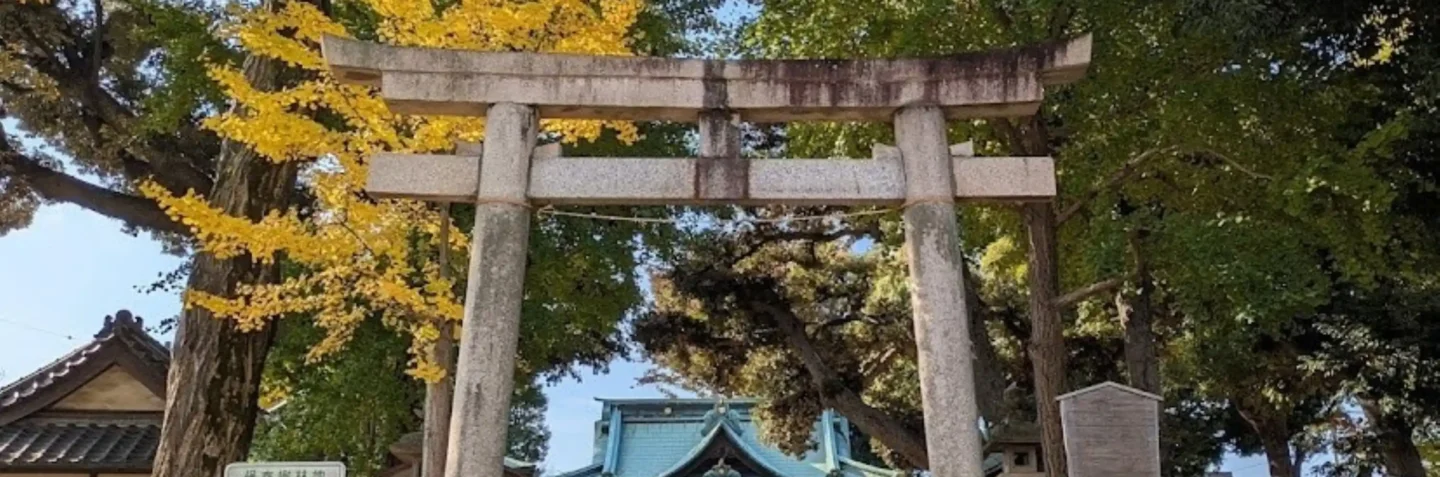

Die meisten ersten Reisen nach Tokio folgen demselben Rundweg: Shibuya, Shinjuku, Asakusa, wiederholungspflichtig. Sie sind sehenswert und gleichzeitig der Ort, an dem sich alle anderen auch aufhalten. Die versteckten Schätze Tokios in dieser Anleitung beziehen sich auf die andere Stadt – die, in der die Einwohner ihre Wochenenden tatsächlich verbringen. Keine dieser Orte ist weit entfernt. Die meisten liegen zwischen fünfzehn und dreißig Minuten von einer großen Station entfernt auf normalen Pendelzügen, und einige kosten überhaupt nichts.
Hier gibt es acht Routen, die in vier Bereiche unterteilt sind, sodass man sie an einem Tag einfach zusammenstellen kann: West-Tokyo, Setagaya, die alte Altstadt und die Bucht von Tokio. Für jede davon gibt es Informationen darüber, was sie auszeichnet, wie man dorthin kommt und eine Sache, die man vor der Reise unbedingt wissen sollte. Jede davon enthält eine eigene ausführliche Anleitung, wenn man mehr Details erfahren möchte.
Tokyo: Die versteckten Schätze im Überblick
| Ort | Gebiet | Am besten geeignet für | Zeitbedarf |
|---|---|---|---|
| Kichijoji | West-Tokio | Lebensmittel, Einkaufen, ein Park am Wasser | Ganztag |
| Edo-Tokyo Freilichtarchitekturmuseum | West-Tokio | Architektur, das alte Tokio | Zwischendurch zwei bis drei Stunden |
| Gotokuji | Setagaya | Katzen-Tempel, Straßenbahnfahrt, Süßigkeiten | Halber Tag |
| Tal von Todoroki | Setagaya | Eine Naturwanderung in der Innenstadt | Zwischendurch zwei bis drei Stunden |
| Futako Tamagawa | Setagaya | Shopping, Ufer, Sonnenuntergang | Zwischen drei und vier Stunden |
| Yanaka Ginza | Altes Tokio | Straßenküche, Vorkriegsstraßen | Drei Stunden |
| Kiyosumi Shirakawa | Altes Tokio | Kaffee, Spaziergang im Garten, Kunst | Ganztag |
| Kasai Rinkai Park | Tokyo Bay | Familien, Aquarium, Ausblick auf die Bucht | Vier Stunden bis zu einem ganzen Tag |
West-Tokio: Parks, Museen und die Attraktivität der Chuo-Linie
Die JR Chuo-Linie verläuft direkt nach Westen aus Shinjuku und führt durch einige der lebenswertesten Stadtteile. Zwei der besten Haltestellen befinden sich nur eine kurze Fahrt voneinander entfernt.
Kichijoji
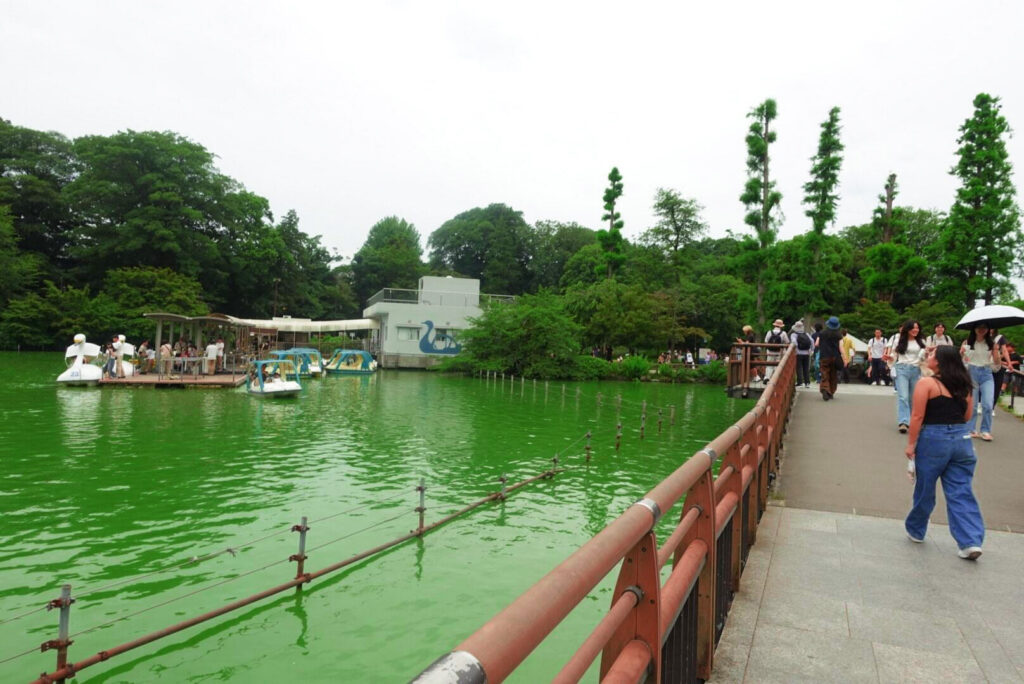
Kichijoji steht ganz oben auf der Liste der Orte, in denen sich die Einwohner Tokios gerne aufhalten möchten. Ein Tag hier macht die Gründe deutlich: Überdachte Einkaufsstraßen, einige der besten günstigen Restaurants der Stadt und ein großer Park mit einem See – alles ist innerhalb von fünfzehn Minuten zu Fuß erreichbar.
Nordlichterhalb sind die Arkaden von Sunroad und Diamond Street eher ein Arbeitsgebiet als ein Touristenviertel: Metzgereien, die Kroketten braten, neben Teerädern und Kleiderläden. Ein paar Straßen weiter liegt Petit Mura, ein kleines Märchenstädtchen mit gekrümmten Gipswänden, und Paper Message ist der beste Ort in der Nachbarschaft für japanische Papierwaren. Südlich der Station befindet sich Iseya Sohonten schon seit Jahrzehnten mit billigem Yakitori, nur zwei Minuten vom Eingang zum Inokashira Park entfernt. Leihen Sie sich ein Schwanenboot auf dem Teich aus und überqueren Sie die Brücke zur Benzaiten-Schreinerei auf ihrer Insel.
So geht es dazu: Fünfzehn Minuten von Shinjuku mit der JR Chuo-Linie oder zwanzig Minuten von Shibuya mit der Keio Inokashira-Linie entfernt. Der Park und die Arkaden sind kostenlos.
💡 Japanischer Tipp: Essen Sie zuerst und sparen Sie den Park für später. An den beliebten Orten bilden sich die Warteschlangen bereits vor Mittag, und Inokashira Park ist am besten in der späten Nachmittagssonne. Hikiniku to Come, das Holzkohle-Hamburger-Restaurant, bedeutet entweder, morgens in der Warteschlange zu stehen für ein Ticket für den gleichen Tag oder online einige Wochen im Voraus zu buchen.
Lesen Sie unseren vollständigen Leitfaden: Itinéraire de Kichijoji: Die besten Aktivitäten, zu tun, zu essen und zu sehen
Edo-Tokyo Freilichtarchitekturmuseum
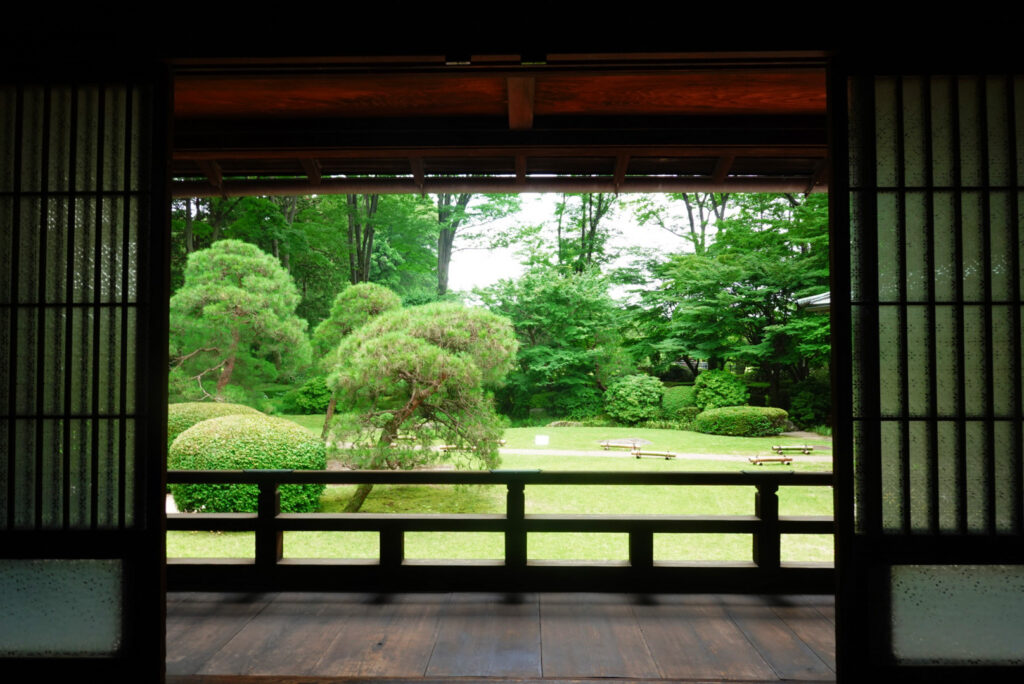
Rund dreißig historische Gebäude aus dem 17. bis zum 20. Jahrhundert wurden in ganz Tokio abgebaut und auf einem sieben Hektar großen Gelände im Inneren des Koganei Parks in voller Größe wieder aufgebaut. Fast alle davon waren kurz davor, verschwunden zu sein. Die meisten sind inzwischen wieder zugänglich, sodass man seine Schuhe auszieht und sich darin aufhält.
Der Ort teilt sich in drei Zonen auf. Die Ostzone rekonstruiert eine alte Innenstadtstraße, in der ein Sojasoße-Shop noch mit Flaschen bestückt ist, ein Schreibwarenladen mit einer Wand aus kleinen Holztaschen, ein gelbes Straßenbahnfahrzeug, auf dem man steigen kann, und am Ende das Badehaus Kodakara-yu, das mit dem in Spirited Away in Verbindung gebracht wird, obwohl es nie bestätigt wurde. Die Westzone beherbergt die Residenz der Familie Mitsui, das größte Gebäude auf dem Gelände, und ein Bauernhaus aus der Edo-Zeit mit einem versenkten Ofen. Die Mittezone beherbergt am Ende eines eingezäunten Weges ein kleines, rotes und goldenes Mausoleum.
So geht es dazu: Etwa dreißig Minuten von Shinjuku nach Musashi-Koganei auf der JR Chuo-Linie, dann mit dem Seibu-Bus vom Nordausgang nach Koganei-koen Nishi-guchi. Der Eintritt beträgt 400 Yen. Die Öffnungszeiten variieren je nach Saison.
💡 Japanischer Tipp: Tragen Sie Slipper und Socken. In fast jedem Gebäude müssen Sie Ihre Schuhe ausziehen, und einige der älteren Etagen bleiben auch im Sommer kalt.
Lesen Sie unseren vollständigen Leitfaden: Edo-Tokyo Open Air Architectural Museum: Die 9 Gebäude, die Sie unbedingt sehen sollten
So kombinieren Sie sie: Besuchen Sie am Morgen das Museum, fahren Sie dann mit der Chuo-Linie nach Osten zurück nach Kichijoji, um dort zu Mittag zu essen und am Ende des Tages den Park zu besuchen. Das Ghibli Museum in Mitaka liegt zwischen beiden, aber die Eintrittskarten sind limitiert und vergeben nur sehr frühzeitig, daher buchen Sie diese zuerst und gestalten Sie Ihren Tag entsprechend Ihrer Zeitplanung.
Setagaya: Tempel, Täler und das Leben am Ufer des Flusses
Setagaya is the large residential ward just beyond Shibuya, and it is where a lot of Tokyo goes on a quiet weekend. Three of its best spots are linked by Tokyu lines and one of the city’s last trams.
Gotokuji
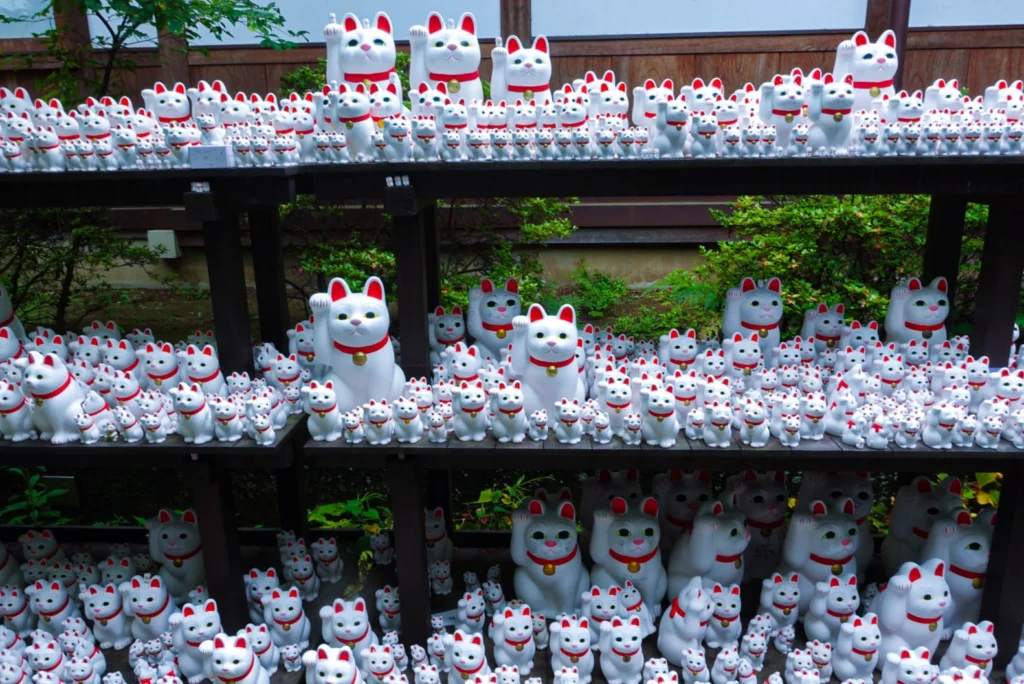
Two car trams, family run shops and a temple where several thousand white cats sit on wooden shelves, each with one paw raised. Gotokuji is twenty minutes from Shibuya and runs at a pace that has nothing to do with the rest of Tokyo.
The story goes that a feudal lord sheltering from a storm saw a cat beckoning him toward the temple. He followed, lightning struck where he had been standing, and he made Gotokuji his family temple. The maneki-neko, the beckoning cat, is said to come from here. Visitors buy one, make a wish and leave it on the shelves when the wish comes true, so the collection keeps growing. It is much larger in person than in photographs.
Around the temple, four stops turn it into an afternoon: lucky cat dorayaki at Mahorodou Sougetsu, warm baby castella at Rarasand, hand built burgers at Rakuen, and cinnamon buns at Fika Fabriken.
So geht es dazu: the Den-en-toshi Line to Sangenjaya, then the Setagaya Line to Miyanosaka, about twenty minutes from Shibuya. The temple grounds are free.
💡 Japan Pro Tip: Take the tram even if another line is quicker from where you are. The Setagaya Line is one of only two tram lines left in Tokyo, it runs past back gardens at street level, and the ride is part of the visit.
Lesen Sie unseren vollständigen Leitfaden: Gotokuji Neighborhood: 5 Best Stops Beyond the Cat Temple
Tal von Todoroki

Todoroki Valley is the only natural gorge within Tokyo’s 23 wards, and it starts five minutes from a suburban train station. Walk down the stairs beneath the red Golf Bridge and the traffic disappears. What replaces it is about a kilometer of unpaved trail along the Yazawa River, noticeably cooler than the streets above, with the sound of water and birds. The riverside trails fully reopened in March 2026 after safety work.
The path climbs a steep stone staircase to Todoroki Fudoson, a Shingon Buddhist temple with a wooden observation deck over the ravine and omikuji fortune slips. Mount Fuji shows on a clear day. A small teahouse near the temple serves matcha and traditional sweets, and töe coffee near the station covers filter and espresso. Jiyugaoka is four minutes up the line for lunch; La Stazione della Pizza and its star shaped Don Peppe are the local favorite.
So geht es dazu: Todoroki Station on the Tokyu Oimachi Line, then five minutes on foot from the south exit. About twenty minutes from Shibuya with one change. Free.
💡 Japan Pro Tip: The trail is unpaved and uneven in places. Wear proper shoes and go in daylight.
Lesen Sie unseren vollständigen Leitfaden: Todoroki Valley, Tokyo Hidden Spot
Futako Tamagawa
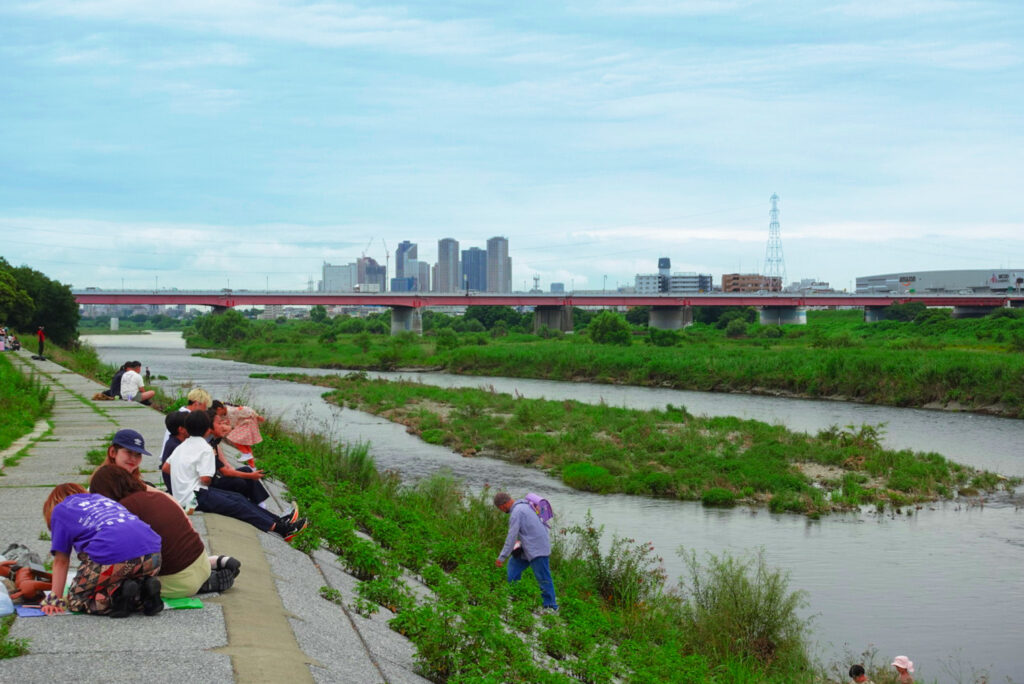
Locals call it Nikotama, and it has two personalities. On one side of the station is a glass and steel shopping complex. On the other is a park that runs straight onto the bank of the Tama River, where people spread out blankets and nobody is in a hurry.
The Rise complex is open air, with walkways under a glass canopy and trees along them, and Takashimaya has stood across the road since 1969. An elevated walkway takes you from the shops into Futako Tamagawa Park without crossing a road, past Kishin-en, a free Japanese stroll garden built around a pond. Below it, the Tama River marks the border between Tokyo and Kanagawa. The banks are wide, flat and green, with baseball diamonds, cyclists, dog walkers and people playing catch.
So geht es dazu: fifteen minutes from Shibuya on the Den-en-toshi Line. The Oimachi Line also ends here. The park, garden and riverbank are free.
💡 Japan Pro Tip: Buy lunch at the Tokyu Food Show in the station building and carry it down to the river. It is cheaper than sitting down, the quality is high, and the bank is five minutes away. Stay until sunset: the view west along the water is open all the way to the horizon.
Lesen Sie unseren vollständigen Leitfaden: Futako Tamagawa: 9 Best Things to Do by the Tama River
So kombinieren Sie sie: Todoroki Valley and Futako Tamagawa are a few minutes apart on the Oimachi Line, and they are opposites: a narrow, shaded ravine, then a wide open riverbank. Do the valley in the early afternoon and the river for sunset. Gotokuji fits in the morning: take the tram back to Sangenjaya, the Den-en-toshi Line to Futako Tamagawa, and change to the Oimachi Line.
Old Tokyo (Shitamachi): Nostalgia and Coffee Culture
Shitamachi, the old low city, is where Tokyo kept more of its prewar character. These two neighborhoods show it in very different ways: one as a shopping street that never changed, the other as an old warehouse district that found a new use.
Yanaka Ginza
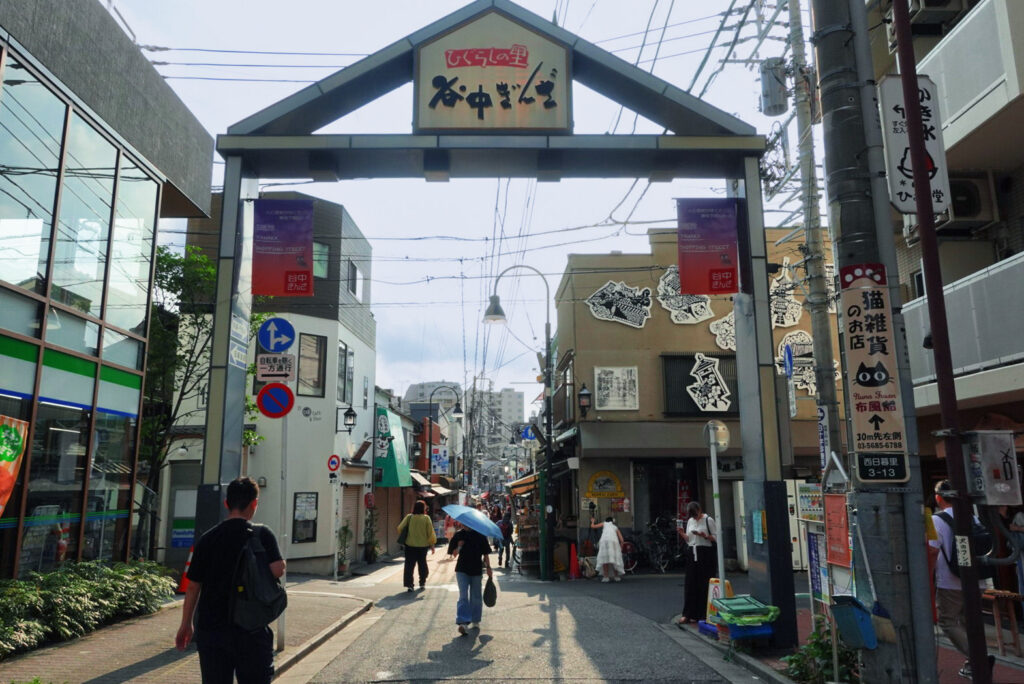
Yanaka Ginza is a 170 meter shopping street that should not still exist. The wartime air raids that flattened most of the low city missed it, and the redevelopment that followed never arrived. About seventy shops still do the job they were built for. It is not preserved and it is not a museum.
The walk works best one way, from Nippori down toward Ueno. Start at Tennoji, where a seated bronze Buddha from 1690 sits in the open under the trees, then cut through Yanaka Cemetery, closer to a park than a graveyard, where the last shogun is buried. Arrive at the street from the top, down the Yuyake Dandan steps. The two things to eat are the menchi-katsu from Niku no Suzuki and the cat tail doughnuts from Yanaka Shippoya. The walk ends at Kayaba Coffee, a kissaten in a 1916 timber building, for its thick egg sandwich.
So geht es dazu: Nippori Station on the Yamanote Line, twenty minutes from Shinjuku and thirty from Shibuya. Allow three hours. It costs nothing but what you eat.
💡 Japan Pro Tip: Bring cash. Many of the food stalls are small, family run and do not take cards, and eating as you walk is the whole point.
Lesen Sie unseren vollständigen Leitfaden: Yanaka Ginza: 6 Best Stops on Tokyo’s Nostalgia Walk
Kiyosumi Shirakawa
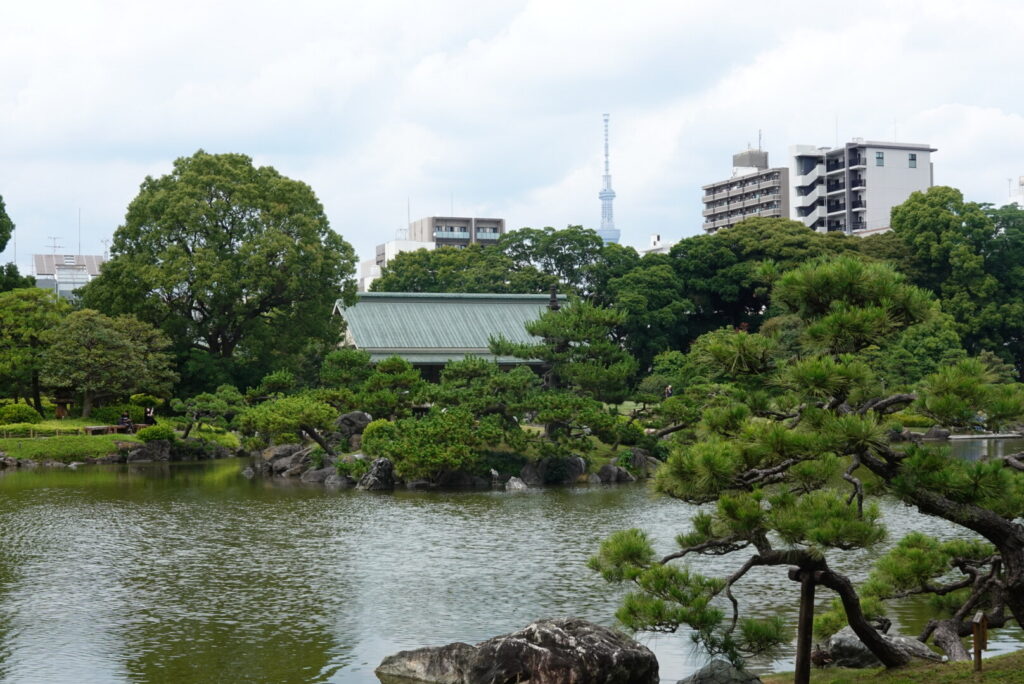
Kiyosumi Shirakawa is where Tokyo’s specialty coffee scene took hold. The old warehouses here had the ceiling height and floor strength that roasting equipment needs, Blue Bottle opened its first Japanese cafe in the area in 2015, and a cluster of independent roasters followed, including ARiSE Coffee Roasters, Koffee Mameya Kakeru and Allpress Espresso.
The coffee is only part of the day. Kiyosumi Garden is an Edo period stroll garden later reworked by Iwasaki Yataro, the founder of Mitsubishi, with a path of stepping stones that crosses the pond rather than circling it. The Museum of Contemporary Art Tokyo holds one of the largest collections of postwar art in Japan. For dinner, Fukagawa-meshi, rice cooked with clams, is the dish of the old fishing district, and Fukagawa Kamasho serves it in the iron pot it cooked in. End on the Sumida River promenade at dusk, with Skytree over the rooftops.
So geht es dazu: about fifteen minutes from Tokyo Station, changing at Otemachi for the Hanzomon Line. Garden entry is ¥150. The museum is closed on Mondays.
💡 Japan Pro Tip: Use Exit A3 at Kiyosumi-shirakawa Station. It puts you closest to both Blue Bottle and the garden, the two fixed points the rest of the day hangs off.
Lesen Sie unseren vollständigen Leitfaden: Kiyosumi Shirakawa: 5 Best Stops in Tokyo’s Coffee District
So kombinieren Sie sie: Yanaka is a morning walk that finishes near Ueno around lunchtime. Cross town by subway and give Kiyosumi Shirakawa the afternoon and evening, finishing by the Sumida at dusk.
Tokyo Bay: Space to Breathe by the Water
Kasai Rinkai Park
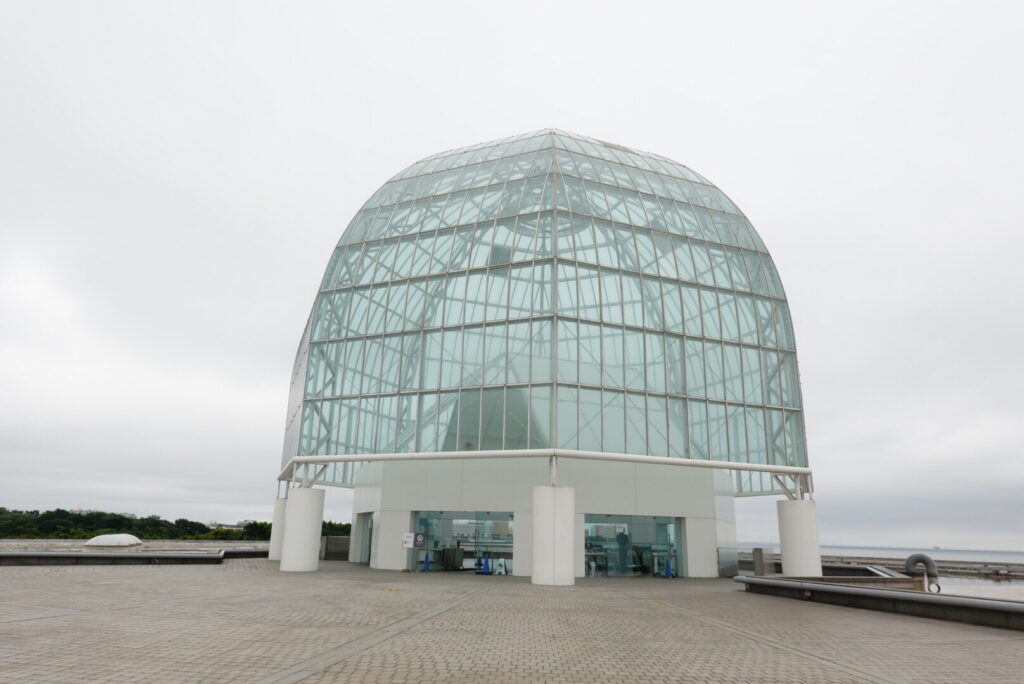
Fifteen minutes from Tokyo Station, Kasai Rinkai Park covers eighty hectares of reclaimed land on the bay. The park itself is free, and there is enough open grass that the crowd thins out within five minutes of arriving.
Tokyo Sea Life Park is the main draw. You enter through a glass dome and work downward to a huge ring shaped tank where Pacific bluefin tuna circle without stopping, then through a dark jellyfish room and out to an open air penguin colony. Next door, the Diamond and Flower Ferris Wheel stands 117 meters tall. A full turn takes about seventeen minutes and, on a clear day, shows Skytree, the Gate Bridge and sometimes Mount Fuji. Beyond it are seasonal flower fields, a real shoreline at Kasai Nagisa (not for swimming), and a protected tidal wetland with bird hides that most day visitors never reach.
So geht es dazu: the JR Keiyo Line from Tokyo Station to Kasai-Rinkai-Koen, fifteen minutes with no changes. The park is free; the Ferris wheel is ¥800, or ¥720 with an aquarium ticket.
💡 Japan Pro Tip: Check the day before. The aquarium closes on Wednesdays, and the Ferris wheel is only worth it on a clear day. Late afternoon gives the best visibility and the softest light.
Lesen Sie unseren vollständigen Leitfaden: Kasai Rinkai Park: 7 Top-Aktivitäten in der Nähe der Tokyo Bay
Which Tokyo Hidden Gem Is Right for You?
- Nature: Todoroki Valley’s riverside trail for a forest walk inside the city, and the bird sanctuary at Kasai Rinkai Park for tidal flats and herons.
- History and architecture: the Edo-Tokyo Freilichtarchitekturmuseum for whole buildings you can walk into, and the Yanaka Ginza walk for a street that survived the war.
- Food and coffee: Kiyosumi Shirakawa’s roasteries for coffee and clam rice, and Kichijoji for yakitori and arcade snacks.
- Families: Kasai Rinkai Park for the aquarium and open space, and Futako Tamagawa’s riverside park for flat, car free room to run.
- Photography: the cat shelves at Gotokuji Temple early in the morning, the Sunset Steps in Yanaka, and the old shop street in the museum’s East Zone.
Three Hidden Gem Day Plans
West Tokyo day. Morning at the Edo-Tokyo Open Air Architectural Museum. Late lunch at Iseya in Kichijoji, then the arcades and Inokashira Park as the light drops. Avoid Mondays, when the museum is closed.
Setagaya day. Tram to Gotokuji in the morning and lunch at Rakuen (cash only). Early afternoon in Todoroki Valley, then the Oimachi Line to Futako Tamagawa for the riverbank at sunset. Wear shoes that can handle an unpaved trail.
East Tokyo day. The Yanaka walk from Nippori in the morning. Afternoon in Kiyosumi Shirakawa for coffee, the garden and the museum, Fukagawa-meshi for dinner, then the Sumida at dusk. The museum closes on Mondays.
Kasai Rinkai Park deserves a day of its own, or a morning before Tokyo Disney Resort: Maihama is one stop further along the Keiyo Line.
Tips for Visiting Tokyo’s Local Neighborhoods
- Carry cash. Yanaka’s food stalls and some small restaurants, such as Rakuen in Gotokuji, do not take cards.
- Check closing days. The Edo-Tokyo Open Air Architectural Museum and the Museum of Contemporary Art Tokyo close on Mondays; Tokyo Sea Life Park closes on Wednesdays.
- Dress for the day. Slip-ons for the museum, where shoes come off at every building; proper walking shoes for Todoroki Valley.
- Plan around the light. Inokashira Park, the Tama River and the Kasai Ferris wheel are all at their best in late afternoon. Clear winter afternoons give the best chance of seeing Mount Fuji.
- Book the few things that need it. The Ghibli Museum and Hikiniku to Come both sell out well ahead.
- Bleib ruhig. Gotokuji is an active place of worship, and Yanaka Cemetery is a local shortcut. These are neighborhoods where people live, not sets.
FAQ
What are the best hidden gems in Tokyo?
Eight worth building a day around: Kichijoji, the Edo-Tokyo Open Air Architectural Museum, Gotokuji, Todoroki Valley, Futako Tamagawa, Yanaka Ginza, Kiyosumi Shirakawa and Kasai Rinkai Park. Each gives you a side of the city most visitors miss, from a natural gorge to a prewar shopping street, and all are reachable by train in under forty minutes from central Tokyo.
Which Tokyo hidden gem is closest to central Tokyo?
Kasai Rinkai Park and Kiyosumi Shirakawa are both about fifteen minutes from Tokyo Station. Futako Tamagawa is fifteen minutes from Shibuya, and Kichijoji is fifteen minutes from Shinjuku on the JR Chuo Line. The farthest on this list, the Edo-Tokyo Open Air Architectural Museum, is still only around thirty minutes from Shinjuku.
Can you visit several hidden gems in one day?
Yes, if you pair places in the same area. Kichijoji and the Edo-Tokyo museum share the Chuo Line. Gotokuji, Todoroki Valley and Futako Tamagawa link up through Tokyu lines and the Setagaya tram. Yanaka Ginza fills a morning and Kiyosumi Shirakawa an afternoon. Trying to cross the whole city in one day wastes most of it on trains.
Are Tokyo’s hidden neighborhoods easy to reach by train?
Very. Every place in this guide sits on a regular commuter line, and most need one change at most from Shinjuku, Shibuya or Tokyo Station. The only extra step is a short bus ride from Musashi-Koganei Station to the architectural museum, and Gotokuji is best reached on the two car Setagaya Line tram.
Which Tokyo hidden gems are free?
Todoroki Valley, the Gotokuji temple grounds, Futako Tamagawa’s park, garden and riverbank, the Yanaka Ginza walk and the grounds of Kasai Rinkai Park and Inokashira Park all cost nothing. The paid stops are inexpensive: ¥400 for the Edo-Tokyo museum, ¥150 for Kiyosumi Garden and ¥800 for the Kasai Ferris wheel.
Which hidden gems are best for families?
Kasai Rinkai Park is the strongest choice, with an aquarium, penguins, a Ferris wheel, a park train and open grass. Futako Tamagawa is flat, walkable and full of space along the river. Kichijoji adds a small, inexpensive zoo inside Inokashira Park and swan boats on the pond.
Seeing the Other Side of Tokyo
The Tokyo hidden gems in this guide are not secret in the sense that nobody knows them. Residents know them very well. They are simply the places most visitors never get to because they are one line off the usual route. Pick one area, give it a full day, and you will see a version of the city where people shop, eat and sit by the water without anyone putting on a show. Start with the full guide for whichever place caught your eye.
Bereit, Japan zu erleben?
Entdecken Sie handverlesene Unterkünfte, lokale Erlebnisse und geführte Reisen, kuratiert von Japan-Experten.
Erkunden Sie Japan


 English
 Chinese (China)
 Chinese (Taiwan)
 Korean
 Thai
 French
 Spanish
 German
 Vietnamese
 Indonesian
 Italian