
Cooking Class Tokyo 2026–27: Sushi, Ramen, Wagashi & Bento
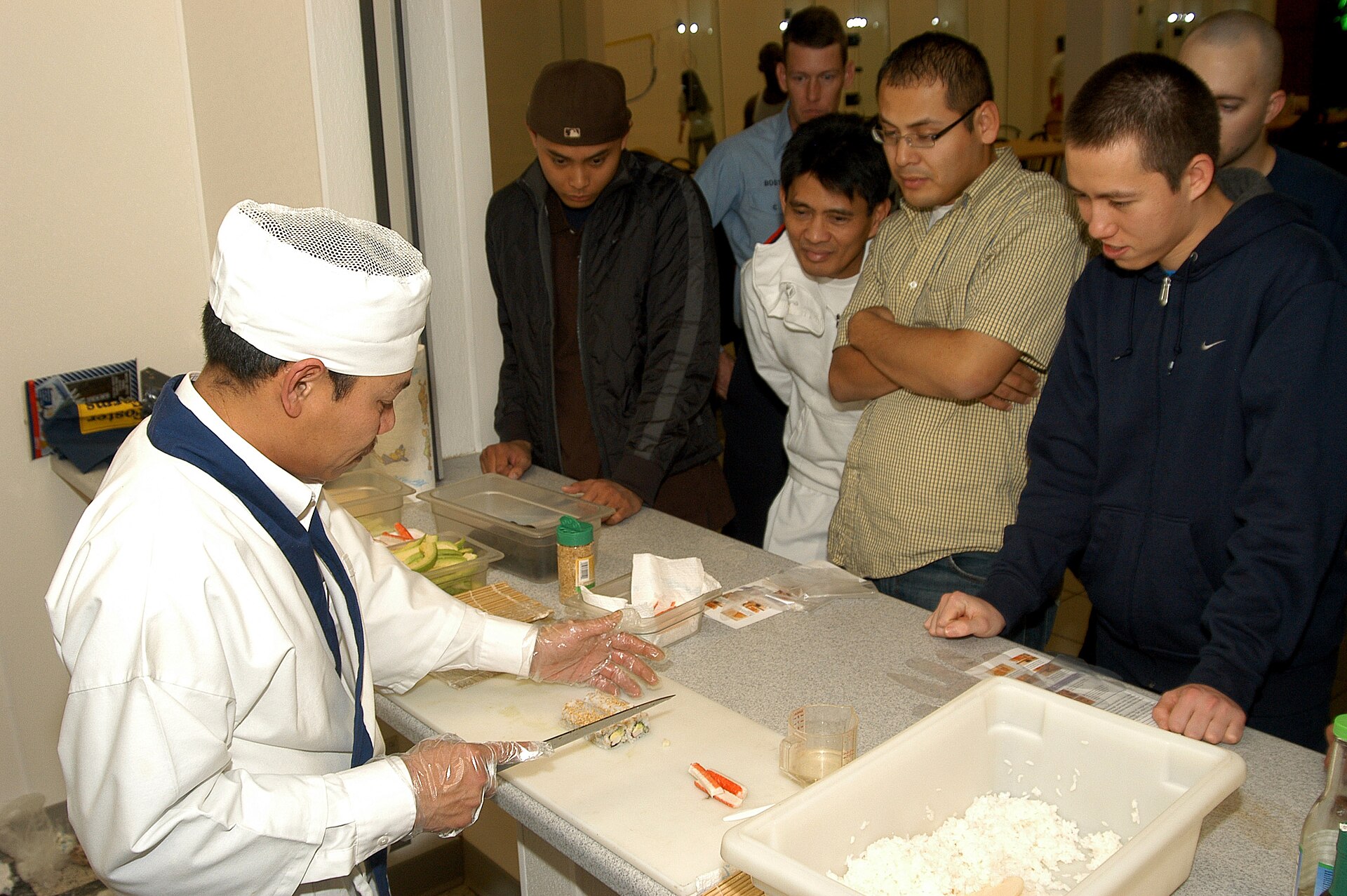
The best all-round cooking class in Tokyo for a first-timer is Tsukiji Cooking’s sushi class inside Tsukiji Outer Market: ¥17,600 with a market walk (3 hours) or ¥15,400 for the class alone (2 hours), taught in English. On a tighter budget, Cooking Sun near Shinanomachi Station runs a 3-hour sushi class for ¥9,500–10,500 per adult. For ramen, book Mayuko’s Little Kitchen (¥14,900 plus 10% tax) or Chagohan in Asakusa; for wagashi, Asakusa Jidaiya’s one-hour nerikiri class is ¥7,830.
¥7,830
Cheapest class we verified (wagashi, 1 hr)
¥9,500–21,780
Sushi class range per adult
2–3 hrs
Typical class length
26 Dec–4 Jan
No public Tsukiji Cooking classes
Picking a cooking class Tokyo visitors actually rate comes down to four things: what you want to make, how much you want to spend, how far you will travel across the city, and what you can eat. Booking sites list hundreds of options but rarely put prices, stations and cancellation rules side by side.
So we did. Below are 10 classes from seven schools, each checked on its own website or booking page: sushi, ramen, wagashi (Japanese sweets) and bento. Then: what happens in the room, what to wear, allergies and halal, and why December and early January need planning.
Last checked: 19 November 2026
Which cooking class Tokyo option fits you? 10 classes compared
Cooking class Tokyo prices below are per adult, tax included, as shown on 19 November 2026. “Platform” means the school sells this class through a booking site rather than on its own page, so the price can move with exchange rates and promotions.
| Class | You make | Price | Length | Group | Nearest station | Dietary |
|---|---|---|---|---|---|---|
| Tsukiji Cooking: market tour + class | Sushi, teriyaki fish, miso soup | ¥17,600 | 3 hrs | Up to 20 | Tsukijishijo, 5 min | Tell them at booking |
| Tsukiji Cooking: class only | Same menu | ¥15,400 | 2 hrs | Up to 20 | Tsukijishijo, 5 min | Tell them at booking |
| Cooking Sun: Sushi Making Class | Nigiri, rolls, inari, rolled egg | ¥9,500–10,500 | 3 hrs | Small (price tiers to 8) | Shinanomachi, 7–8 min | Allergy, gluten-free, religious, vegetarian swaps |
| Cooking Sun: Wagyu and 7 Japanese Dishes | Wagyu sukiyaki, dashi egg, mini dorayaki | ¥9,500–10,500 | 3 hrs | Small (price tiers to 8) | Shinanomachi, 7–8 min | As above |
| Mayuko’s Little Kitchen: Ramen & Gyoza | Broth, chashu, ramen, gyoza | ¥14,900 + 10% tax | About 3 hrs | 6–7 | Sendagaya (meet at station) | Vegetarian on request |
| Mayuko’s Little Kitchen: Panda Bento | Character bento | ¥14,900 + 10% tax | About 3 hrs | 6–7 | Sendagaya (meet at station) | Vegetarian on request |
| Chagohan: Classic Ramen & Gyoza (platform) | Two dashi, ramen, gyoza | US$164 on Cookly | 3 hrs | Shared class | Tawaramachi or Asakusa | Vegetarian version |
| Ninja Food Tours: Sushi Class | 8 pieces plus 1 roll, sake pairing | ¥21,780 (US$145 direct) | 2.5 hrs | 2–8 | Tawaramachi | No vegetarian or gluten-free |
| Ramen Dojo Tokyo (platform) | Noodles, tonkotsu, shoyu, miso | Varies by platform | 1.5 hrs | Up to 20 | Meguro City (address on booking) | Vegetarian, vegan, halal plan |
| Asakusa Jidaiya: Basic Wagashi | Three nerikiri sweets | ¥7,830 | 1 hr | 2–10 | Asakusa Exit A4, 1 min | No bean allergy; age 8+ |
Sushi is the most crowded category, from ¥9,500 to ¥21,780, and the gap mostly buys location and fish quality. Ramen classes that make the broth from scratch, like Mayuko’s and Chagohan’s, take about three hours.
The best cooking class Tokyo picks, school by school
1. Tsukiji Cooking (sushi – Tsukiji)
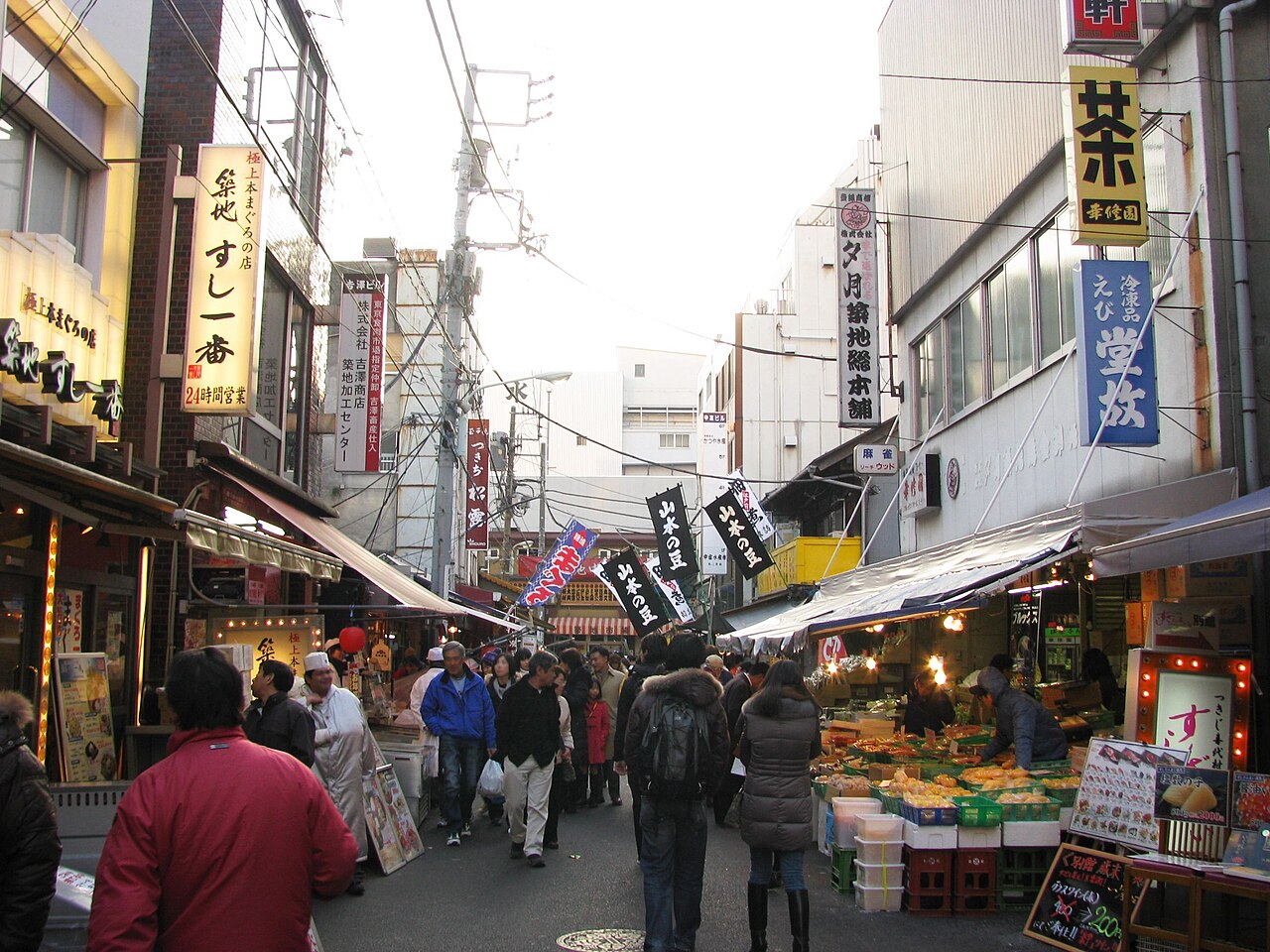
The Lowdown: An English-friendly school running since 2013, with a studio on the fifth floor of a building inside Tsukiji Outer Market. The scheduled class has a fixed menu of sushi (nigiri, maki and temari), teriyaki fish and miso soup. The 10:00 option starts with about an hour in the market with your instructor.
Where: SOLASIA BLDG. TSUKIJI 5F, 4-13-8 Tsukiji, Chuo City. Five minutes’ walk from Tsukijishijo Station (Oedo Line), seven from Tsukiji Station (Hibiya Line).
The Vibe: The biggest classes on this list, with up to 20 people. It feels like a busy workshop, not a home kitchen, and the school says families with babies and small children are welcome.
Price: ¥17,600 with the market tour (10:00–13:00) or ¥15,400 for the class only (11:00–13:00), paid by card when you book. Private groups start at ¥154,000 for up to 10 people, with wagashi, vegetarian-friendly and gluten-free menus available.
Official Link: Tsukiji Cooking sushi class and class schedule
💡 Japan Pro Tip: Pick the market-tour version and skip breakfast. If you want to eat more of the market afterwards, our Tsukiji food tour guide has a DIY route.
2. Cooking Sun Tokyo (sushi and wagyu – Shinanomachi)
The Lowdown: The best value on this list. Cooking Sun opened in Kyoto in 2014 and runs two Tokyo classes daily: Wagyu and 7 Japanese Dishes at 9:30–12:30, and a Sushi Making Class at 13:30–16:30. The sushi menu covers rolled egg, sushi rice, inari, tuna and cucumber rolls, a California roll and nigiri.
Where: Shinanomachi 18-39, Shinjuku City, 2nd floor of a beige residential building (press 314 on the intercom). Seven to eight minutes’ walk from JR Shinanomachi Station, 10–13 from Yotsuya-sanchome.
The Vibe: A small apartment studio in a quiet residential street; the instructors teach in simple English. Children are welcome, with lower prices for ages 6–12.
Price: ¥10,500 per adult for one person, ¥10,000 each for 2–3, ¥9,500 each for 4–8. Children 6–12 pay ¥6,000; under-6s are free but get no ingredients of their own.
Official Link: Cooking Sun Tokyo cooking class
💡 Japan Pro Tip: The studio is hard to find. Download the directions PDF from the class page before you leave your hotel Wi-Fi, and book as a group of four to hit the lowest price.
3. Mayuko’s Little Kitchen (ramen, sushi and bento – Sendagaya)
The Lowdown: A home-style class taught by Mayuko herself in a small kitchen next to her home, attended by more than 5,000 visitors since 2015. Choose ramen and gyoza (broth and chashu from scratch), sushi rolls, vegetarian or vegan sushi, a panda character bento, or an everyday home meal. Every course ends with a matcha-making and sake taste, with a non-alcoholic option.
Where: You meet in front of JR Sendagaya Station (Sobu Line); the kitchen is about five minutes’ walk away, close to the National Stadium.
The Vibe: Intimate and chatty, with six or seven guests at most. Children aged 10 and over can join with a paying adult.
Price: ¥14,900 per person plus 10% tax (¥16,390), paid in full by card or PayPal to confirm.
Official Link: Mayuko’s Little Kitchen Tokyo Class
💡 Japan Pro Tip: The first guest to book a date chooses the menu for everyone. If ramen is your must-make, book early and lock it in.
4. Chagohan (ramen, bento and vegan – Asakusa)
The Lowdown: A small cooking school near Kappabashi kitchenware street, selling its classes through Cookly. The Classic Ramen & Gyoza class makes two kinds of dashi, ramen and gyoza in three hours (10:00 or 15:00 start). Chagohan also runs a Shokado bento class with tempura and matcha, and a Buddhist shojin (vegan) class developed with a monk.
Where: Near Asakusa; the exact address comes with your booking. Cookly’s notes put it a short walk from Tawaramachi or Asakusa stations.
The Vibe: Relaxed and hands-on, in a traditional-style house. Sake tasting can be added for ¥500 a glass.
Price: Ramen & Gyoza was US$164 on Cookly on 19 November 2026; the shojin class was US$124. Cookly converts these, so the yen amount moves with the exchange rate.
Official Link: Ramen & Gyoza on Cookly, Shokado bento, shojin vegan class
💡 Japan Pro Tip: Book the 10:00 ramen slot, then spend the afternoon on Kappabashi buying the knives and bowls you just used.
5. Ninja Food Tours (sushi and sake – Asakusa)
The Lowdown: A restaurant-based sushi class: you make at least eight pieces of nigiri and maki plus a roll, using fish bought at the market, with a sake pairing mini-course built in. Sessions start at 11:30 or 17:00.
Where: Meeting point in Nishi-Asakusa, near Tawaramachi Station (Ginza Line).
The Vibe: Grown-up and drinks-friendly, with two to eight people per session.
Price: US$145 on the company’s own site; ¥21,780 (tax included) on the Japan Food Guide booking page, which also accepts children 6–12 at the same price.
Official Link: Ninja Food Tours sushi class
💡 Japan Pro Tip: The company’s FAQ says it cannot cater for vegetarian or gluten-free guests. Pescatarian and dairy-free swaps are possible.
6. Ramen Dojo Tokyo (ramen – Meguro)
The Lowdown: A ramen-only class where you make noodles from scratch, cook chicken chashu, and build all three classic styles: tonkotsu, shoyu and miso. It is sold on Airbnb, Klook, GetYourGuide and other platforms rather than its own site.
Where: Meguro City (postcode 153-0044); the full address comes after booking.
The Vibe: Fast and busy: 90 minutes, up to 20 guests, ages 6 and up. The Airbnb listing says the venue is step-free and pram-friendly.
Price: Varies by platform and currency, so compare before you book.
Official Link: Ramen Dojo Tokyo on Airbnb
💡 Japan Pro Tip: Vegetarian, vegan and halal-friendly ramen is a separate booking plan. Choose it at checkout, not on the day.
7. Asakusa Jidaiya (wagashi – Asakusa)
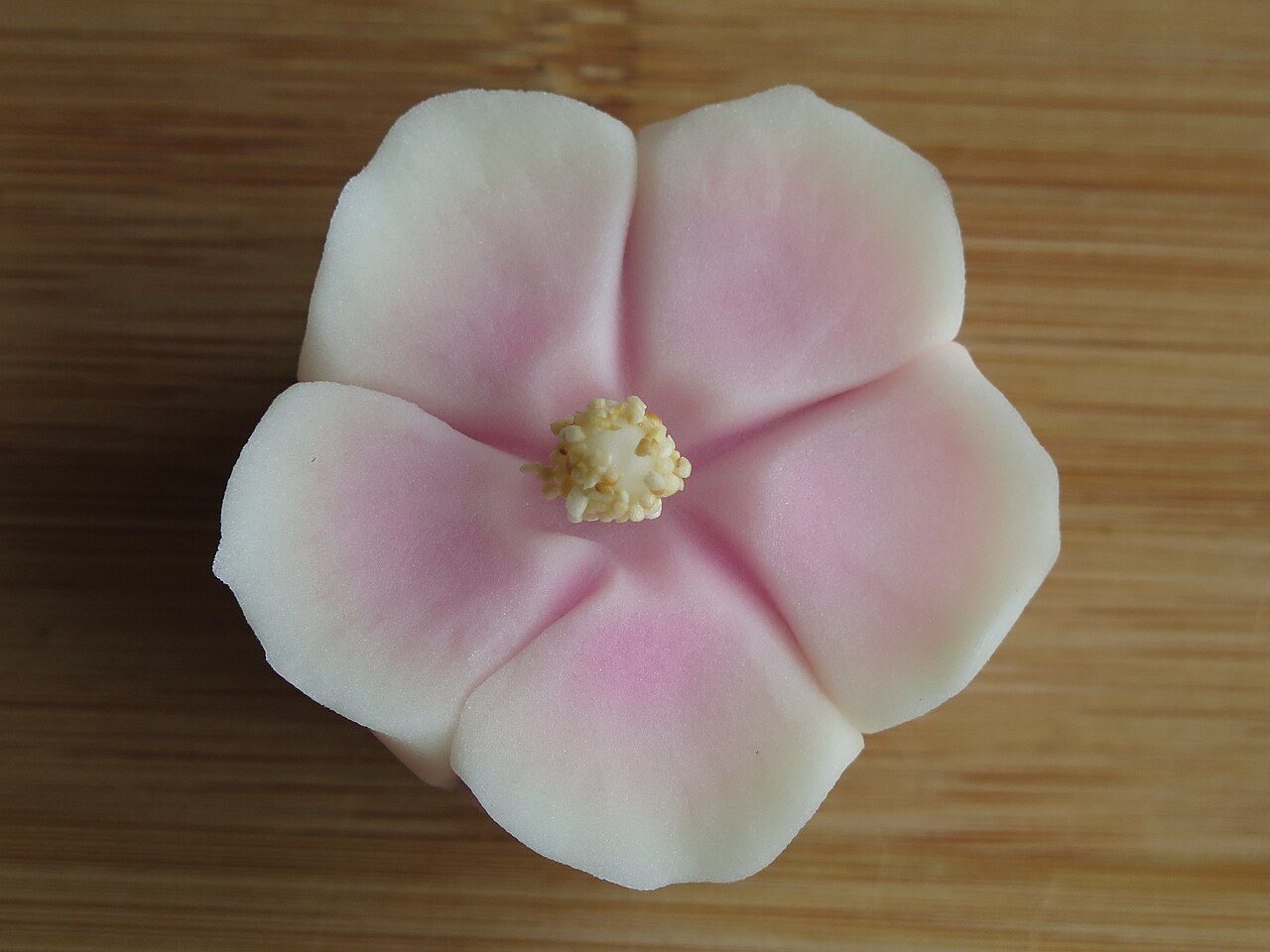
The Lowdown: The shortest and cheapest class here. In one hour you learn the basics of nerikiri, the sweet bean-paste sweets shaped into seasonal flowers, and make a classic sakura plus two more of your own design using traditional tools.
Where: 2-3-5 Kaminarimon, Taito City. One minute from Asakusa Station Exit A4 (Toei Asakusa and Ginza lines).
The Vibe: A Japanese-style studio with tables and chairs, two to ten guests, simple English explanations. Photos are allowed, video is not.
Price: ¥7,830 per adult, tax included, for ages 8 and up. Bookings are provisional until the shop confirms, within 48 hours.
Official Link: Asakusa Jidaiya wagashi course
💡 Japan Pro Tip: Eat your sweets the same day. Pair the class with a matcha session from our tea ceremony Tokyo guide.
What happens in a cooking class Tokyo-style, minute by minute?
Every school runs its own script, but the published schedules follow the same rhythm. Here is a typical three-hour morning class, based on Chagohan’s ramen timetable and Tsukiji Cooking’s and Cooking Sun’s formats.
- 9:50 – Arrive. Find the building, shoes off where asked, wash hands, apron on. Late arrivals can lose their place: Mayuko’s terms allow 10 minutes, and Asakusa Jidaiya may shorten your class.
- 10:00 – Introduction. The teacher explains the menu, the ingredients and the dashi or rice that everything depends on.
- 10:15 – Prep. Washing, cutting, measuring. In a sushi class this is when the rice is seasoned; in a ramen class the broth goes on first because it needs the longest.
- 10:45 – The hands-on part. Rolling, shaping nigiri, folding gyoza or pulling noodles. Expect a demonstration, then your turn, then a correction.
- 12:00 – Assembly. Plating, garnishing and the photo moment.
- 12:40 – Eat. Chagohan’s timetable gives you the last 20 minutes to eat what you made; others add tea, sake or a sweet.
- 13:00 – Finish. Most schools send you home with the recipes; Mayuko prints them on request.
Market-tour versions add about an hour at the start: Tsukiji Cooking’s 10:00 tour session ends at 13:00, like its 11:00 class-only session.
Sushi, ramen, wagashi or bento: which should you make?
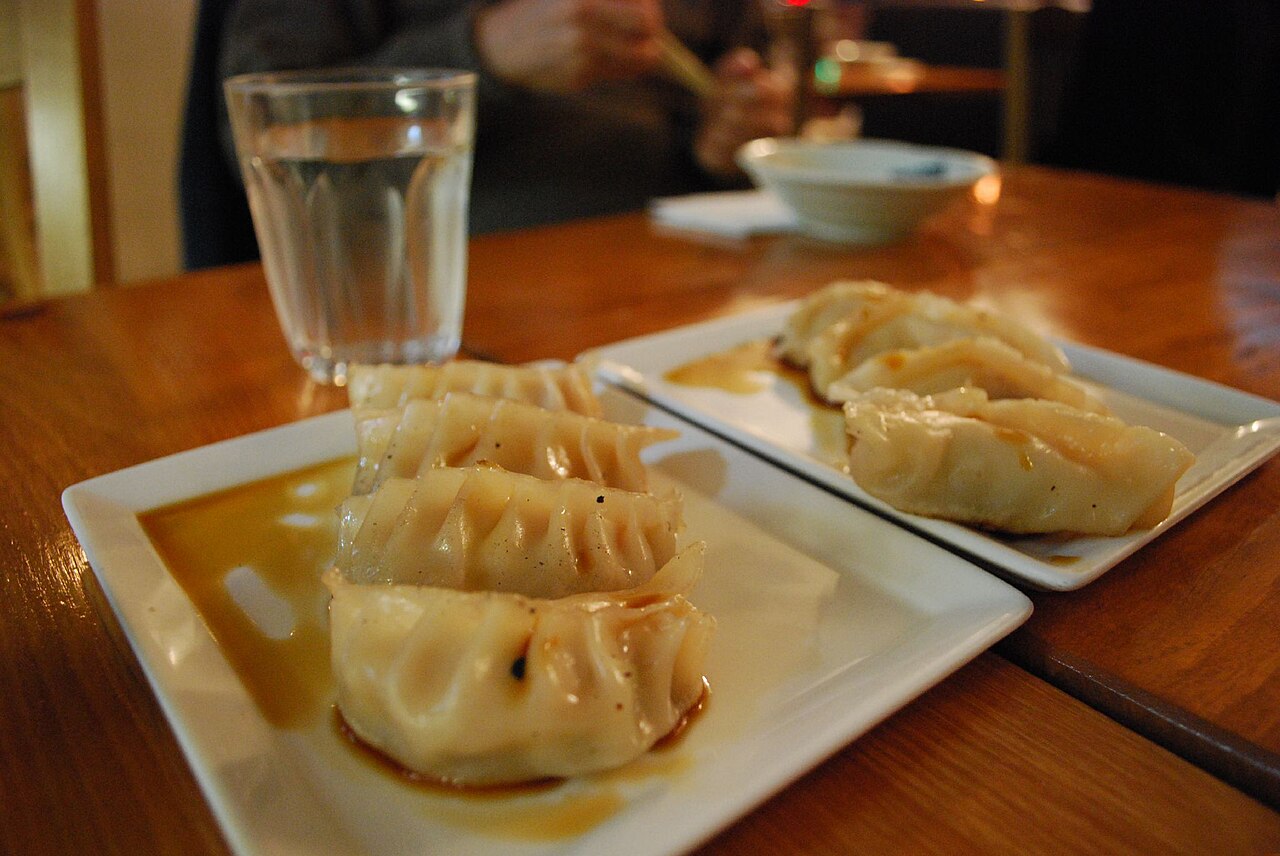
Sushi is the safe first choice: quick to learn, easy to repeat at home, and offered by most schools. Ramen is more of a project, with broth, toppings and noodles, so pick a class that makes the broth if that is what you care about.
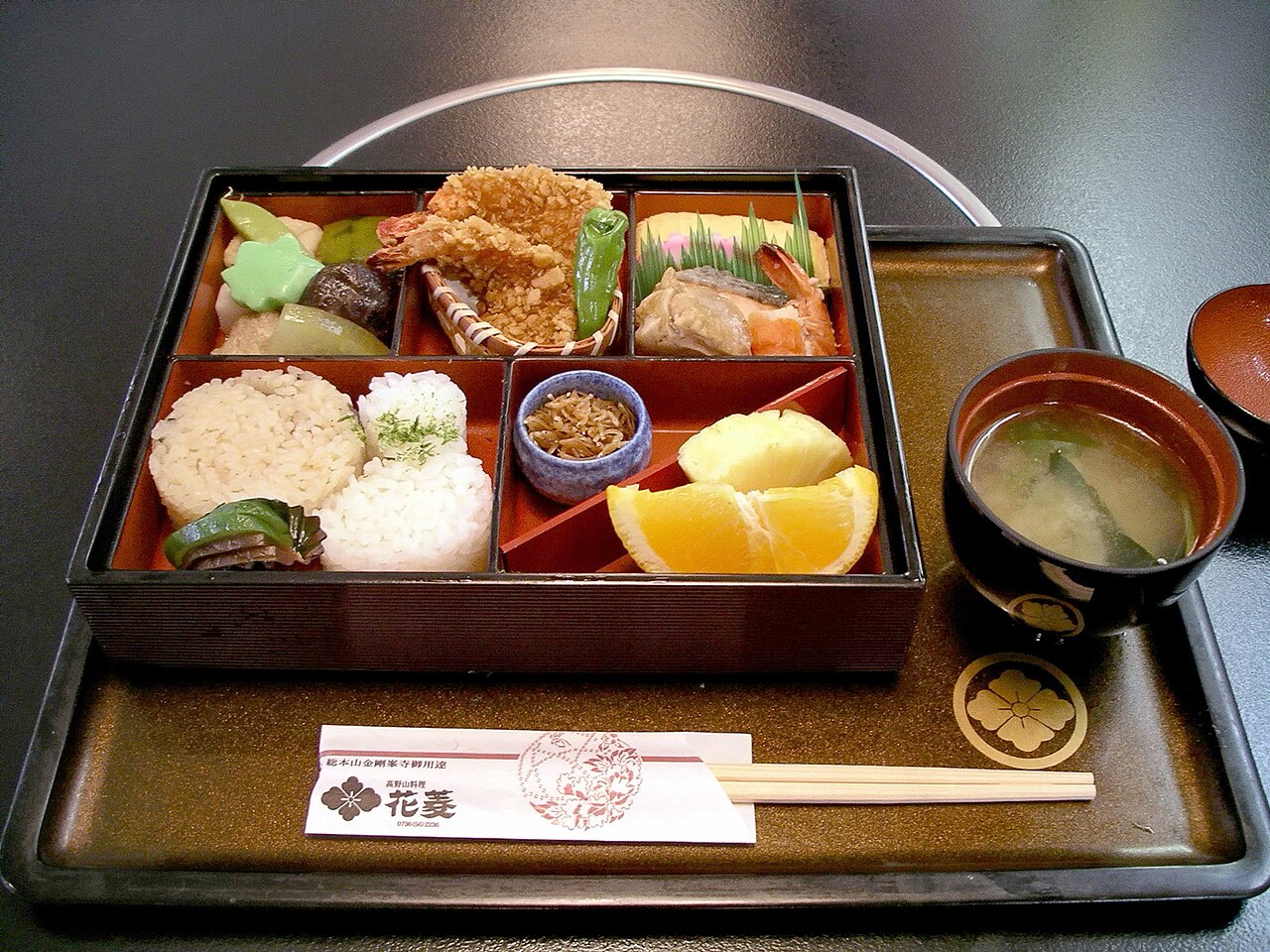
Wagashi is the best short, photogenic option and suits non-cooks and kids over eight. Bento is the most practical if you cook for a family: Mayuko’s panda bento is playful, while Chagohan’s Shokado bento is the formal, restaurant-style box.
What should you wear and bring?
Wear comfortable clothes with sleeves you can push up, and skip rings and long nails if you plan to shape rice or dough. Bring clean socks, because some home studios may ask you to take your shoes off at the door.
Aprons and tools are normally provided: Mayuko says everything you need is supplied, Chagohan lists an apron among the inclusions, and Asakusa Jidaiya supplies gloves. Bring a tote bag or container for leftovers and sweets.
Can a cooking class handle allergies, vegetarian or halal diets?
Most cooking class Tokyo schools can adapt, if you ask when you book and not on the day. Cooking Sun says it will swap ingredients for allergies, gluten-free diets, religious restrictions and vegetarians; Mayuko has run many vegetarian classes; Tsukiji Cooking asks you to state needs at booking and offers vegetarian-friendly and gluten-free menus for private groups.
Watch the hidden ingredients. Standard dashi often uses bonito (fish) flakes, soy sauce contains wheat, and mirin and sake contain alcohol. Chagohan’s shojin class uses kelp-only dashi, and Ramen Dojo sells a separate vegetarian, vegan and halal-friendly plan.
Some classes simply cannot adapt. Ninja Food Tours says it cannot do vegetarian or gluten-free, and Asakusa Jidaiya’s wagashi is closed to anyone with a bean allergy because the sweets are made from bean paste.
Book direct or through a platform?
Direct booking usually means the school’s own price in yen and its own cancellation rules, which are often stricter. Platforms add filters, reviews and more flexible cancellation, but the price can change with currency and promotions.
| Where you book | Cancellation (as published, 19 Nov 2026) |
|---|---|
| Tsukiji Cooking (direct) | 20% charge 30–15 days before, 50% 14–8 days, 100% within 7 days |
| Cooking Sun (direct) | Full refund 7+ days before; 80% at 2–6 days; 50% the day before; none on the day |
| Mayuko’s Little Kitchen (direct) | Full refund 14+ days before; 50% at 7–13 days; none within 6 days |
| Cookly (Chagohan) | Free cancellation up to 48 hours before |
| Airbnb (Ramen Dojo) | Full refund if cancelled at least 1 day before |
| Japan Food Guide (Jidaiya, Ninja Food Tours) | Free up to 3 days before; 50% from 2 days; 100% on the day |
Our rule: if your dates are fixed, book direct and save; if your plans may change, the free-cancellation platforms are worth a slightly higher price. For restaurant bookings the same logic applies, as our guide to booking restaurants in Japan explains.
How far ahead should you book for December and January?
Earlier than you think. When we checked on 19 November 2026, Tsukiji Cooking’s public classes on 20 and 24 November and on 1 and 11 December were already sold out.
Its schedule also has no public classes between 26 December 2026 and 4 January 2027: the last date listed for 2026 is 25 December, and the next is 5 January. Smaller schools may also close over New Year, so check before planning a class that week.
For a trip between mid-December and mid-January, book two to four weeks ahead, and as soon as your dates are fixed if you need a private class or a specific menu. Mayuko’s own FAQ gives the same advice because her classes take only six or seven people.
Know before you go
Book before New Year
Tsukiji Cooking lists no public classes from 26 Dec 2026 to 4 Jan 2027, and small schools fill up first.
Say your diet early
Allergies, vegetarian and halal requests go in the booking form; same-day swaps are rarely possible.
Arrive 10 minutes early
Home studios can be hard to find, and some schools cancel your place after 10 minutes' delay.
Skip breakfast
Most classes end with a full meal of what you made, often with miso soup or tea.
Check the currency
Platform prices may be shown in dollars and converted, so the yen cost moves with the exchange rate.
Where to go next
Pair a morning sushi class with the stalls in our Tsukiji food tour guide, or watch the pros at one of the counters in Omakase Tokyo.
For another hands-on dinner, try cooking monja on a hot plate with our Tsukishima monja experience guide. Our list of authentic experiences in Japan covers crafts and culture taught by real masters.
Cooking class Tokyo FAQ
How much does a cooking class in Tokyo cost?
Among the classes we checked on 19 November 2026, prices ran from ¥7,830 for a one-hour wagashi class to ¥21,780 for a sushi and sake class. Most three-hour classes cost ¥9,500–17,600.
Which cooking class Tokyo option is cheapest?
Asakusa Jidaiya’s one-hour wagashi class at ¥7,830. For a full three-hour meal, Cooking Sun charges ¥9,500–10,500 per adult, depending on group size.
Are Tokyo cooking classes taught in English?
All the classes in our table teach in English or give English explanations, though Asakusa Jidaiya says its English is simple.
Can I join a cooking class on my own?
Yes. Tsukiji Cooking takes bookings from one person, and Cooking Sun has a one-person price of ¥10,500. Ninja Food Tours needs at least two guests per session.
Is there a ramen cooking class in Tokyo that makes broth from scratch?
Yes. Mayuko’s Little Kitchen makes the broth and chashu from scratch, and Chagohan’s class makes two kinds of dashi before the ramen and gyoza.
Can kids take a cooking class in Tokyo?
Yes, at most schools. Cooking Sun charges ¥6,000 for ages 6–12, Mayuko takes ages 10 and up, Asakusa Jidaiya ages 8 and up, and Tsukiji Cooking welcomes families with small children.
Are there halal or vegan cooking classes in Tokyo?
Ramen Dojo Tokyo sells a vegetarian, vegan and halal-friendly plan, Chagohan runs a fully vegan shojin class, and Cooking Sun substitutes ingredients for religious diets on request.
Are cooking classes open over New Year?
Check first. Tsukiji Cooking’s schedule lists no public classes from 26 December 2026 to 4 January 2027, restarting on 5 January.
Sources and how we checked
For this cooking class Tokyo guide, we checked every price, time, group size and cancellation rule on 19 November 2026 against each school’s own page: Tsukiji Cooking, Cooking Sun, Mayuko’s Little Kitchen and Ninja Food Tours, plus the booking pages where a school sells only through a platform (Cookly, Airbnb, Japan Food Guide). Prices change, so confirm on the linked page before you pay.
Cook, then explore
Find hands-on food and culture experiences in Tokyo and book them in English with Japan Pro.
 English
 Japanese
 Chinese (Taiwan)
 Chinese (China)
 Korean
 French
 Italian
 Thai