
Tokyo to Osaka 2026: Shinkansen, Bus or Flight?
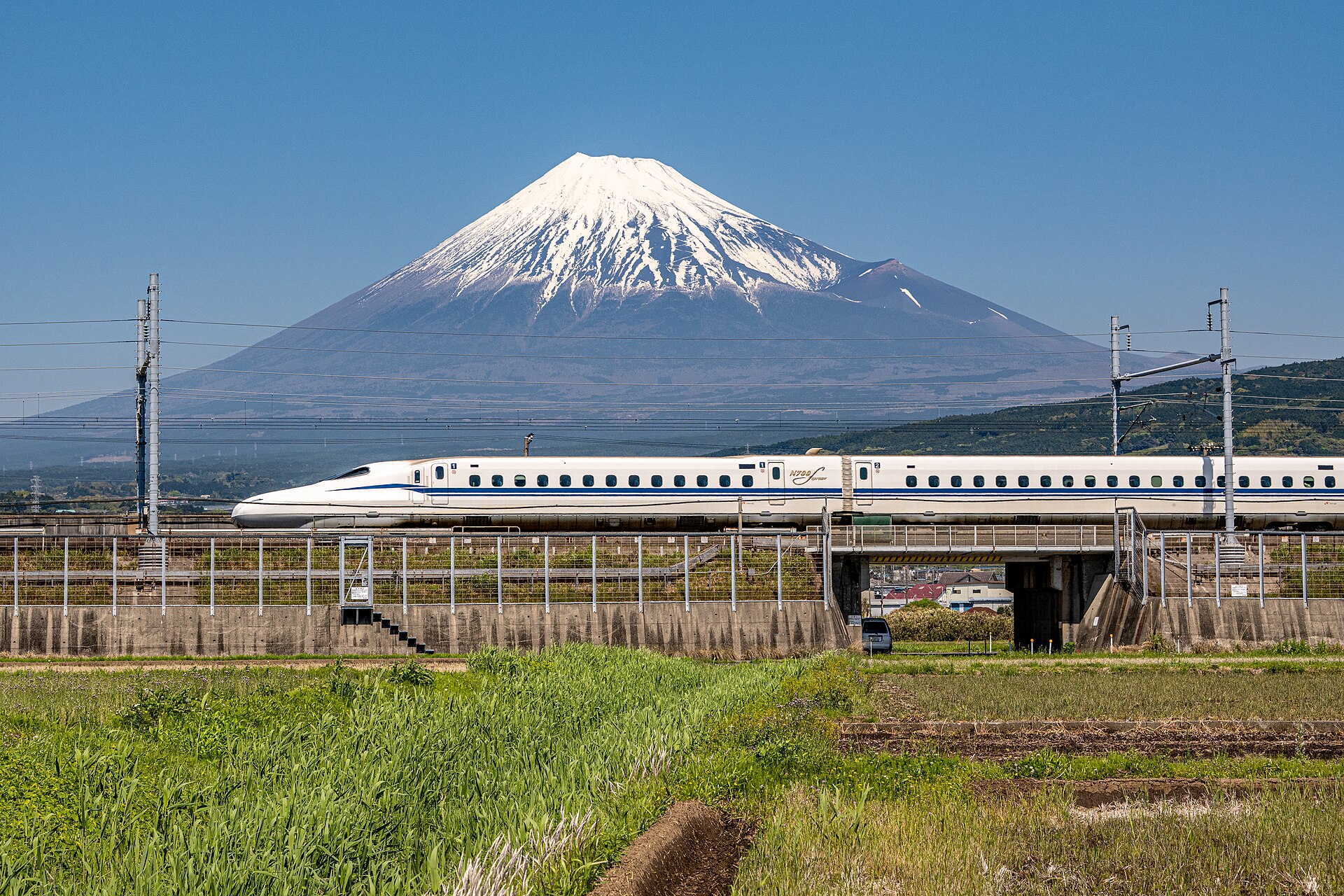
Short answer: The best way from Tokyo to Osaka is the Nozomi shinkansen: 2 h 21 min at its fastest from Tokyo Station to Shin-Osaka, ¥14,720 for a reserved seat (¥14,520 on smartEX), with trains every few minutes at peak times. Book 21 days ahead and EX Hayatoku 21 drops it to ¥12,980. The cheapest way is a night bus from about ¥3,000, and low-cost flights start near ¥5,800 but add airport transfers and bag fees.
Last checked: 27 November 2026, against JR Central, smartEX, JR West, WILLER and the official sites linked below.
Tokyo to Osaka gives you four real choices: the Tokaido Shinkansen, a highway bus, a domestic flight or a slower discount bullet train. This guide compares them on 2026 fares, door-to-door time, luggage rules and comfort. If you are heading to Kyoto instead, our Tokyo to Kyoto guide covers that leg.
You also get what most guides skip: the 2027 Nozomi price rise and how to beat it, the all-reserved holiday dates for winter 2026–27, the big-suitcase rule and the quickest ride from Shin-Osaka to Namba or Umeda.
2 h 21 min
Fastest Nozomi, Tokyo to Shin-Osaka
¥14,720
Nozomi reserved seat, regular season
¥12,980
EX Hayatoku 21, booked 21+ days ahead
¥3,000
Night bus, from (December weekdays)
Tokyo to Osaka compared: train, bus or plane?
Here is the one-way picture for one adult. Fares are the lowest or standard prices we found on the official sites on 27 November 2026; door-to-door times are our estimates from central Tokyo to Umeda or Namba, using the transfer times in each section below.
| Option | Fare (one way) | Ride time | Door to door | Best for |
|---|---|---|---|---|
| Nozomi shinkansen | ¥14,720 (¥12,980 with EX Hayatoku 21) | 2 h 21 min–2 h 30 min | About 3 h | Almost everyone |
| Hikari shinkansen | ¥14,400 | About 2 h 50 min–3 h 05 min | About 3 h 30 min | JR Pass holders |
| Platt-KODAMA | From ¥11,360 | About 3 h 40 min–3 h 55 min | About 4 h 15 min | Cheapest bullet train |
| Night bus | From about ¥3,000 | 7–10 h | Overnight | Tight budgets |
| Day bus | From about ¥4,200 | About 8–9 h | A full day | Budget, no night travel |
| Flight, Haneda–Itami | From about ¥14,000 | 1 h 10 min | About 3 h 30 min | Air miles, Haneda hotels |
| LCC, Narita–Kansai | From about ¥5,800, plus bags | 1 h 40–45 min | About 4 h 30 min–5 h | Light packers on a budget |
The verdict: the shinkansen wins on total time and stress, the night bus wins on price, and flying only makes sense with a cheap fare and light luggage. Read on for the details behind each row.
How much is the shinkansen from Tokyo to Osaka in 2026?
A Nozomi reserved seat from Tokyo to Shin-Osaka costs ¥14,720 (adult, one way, regular season), according to the JR Central and JR West fare release. Unreserved seats cost ¥13,870 on any train, and Hikari or Kodama reserved seats are ¥320 cheaper than the Nozomi. Shinagawa and Shin-Yokohama are also stops; Shinagawa costs the same as Tokyo.
| Ticket (adult, one way) | Ticket office | smartEX | Notes |
|---|---|---|---|
| Nozomi, reserved | ¥14,720 | ¥14,520 | Fastest, every few minutes at peak |
| Hikari or Kodama, reserved | ¥14,400 | ¥14,200 | Covered by the JR Pass |
| Unreserved, any train | ¥13,870 | ¥13,870 | Same price all year |
| Nozomi, Green Car | ¥19,590 | ¥19,390 | Rises to ¥23,290 from 15 Dec 2027 |
| EX Hayatoku 21 (Nozomi) | – | ¥12,980 | Buy by 23:30, 21 days before; no changes |
| EX Hayatoku 7 (Hikari, Kodama) | – | ¥12,490 | Buy at least 7 days ahead |
| Platt-KODAMA | From ¥11,360 | – | Mon–Thu off-peak price; drink voucher included |
Reserved fares move with the calendar: ¥200 less in off-peak periods, ¥200 more in peak periods and ¥400 more in the busiest season, per smartEX. Unreserved fares never change. The EX Hayatoku 21 fare is not sold over New Year, Golden Week or Obon.
2027 price rise: Nozomi reserved seats go up to ¥15,420 for tickets bought from 1 July 2027, and the Green Car rises from 15 December 2027. Unreserved, Hikari and Kodama ordinary fares stay the same. The full numbers are in our shinkansen fare increase 2027 explainer.
💡 Japan Pro Tip: The July 2027 rise counts from the purchase date, and smartEX sells seats from 5:30 one year before travel. Book a late-2027 Nozomi before 1 July 2027 and you pay today’s price.
Nozomi, Hikari or Kodama: which train should you take?
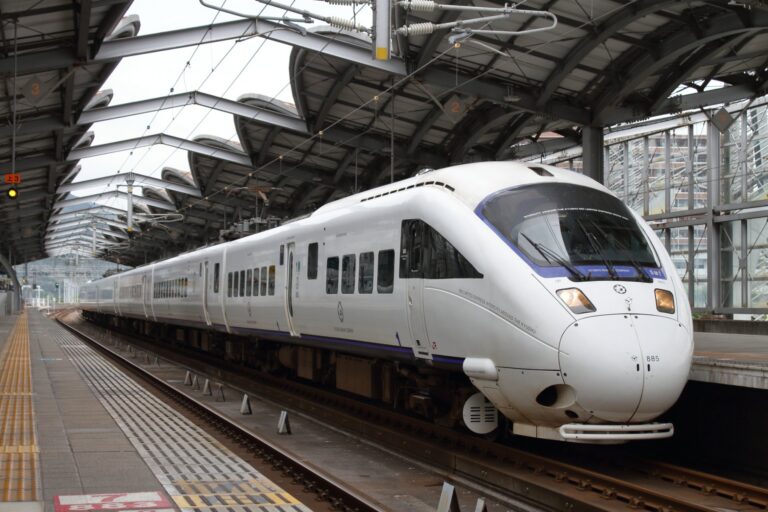
Take the Nozomi unless you hold a JR Pass or want the cheapest seat. JR Central gives 2 h 21 min as the fastest Tokyo to Shin-Osaka run, with Nozomi trains every few minutes at peak times. Most Nozomi take 2 h 21 min to 2 h 30 min.
- Nozomi: fastest, stops at Shinagawa, Shin-Yokohama, Nagoya and Kyoto. Unreserved seats are in cars 1–2 only.
- Hikari: roughly 2 h 50 min to 3 h 05 min, with more stops. Unreserved seats are in cars 1–5, and the JR Pass covers it with no extra ticket.
- Kodama: stops everywhere, about 3 h 40 min to 3 h 55 min. Worth it only on a Platt-KODAMA deal or with a pass and time to spare.
All-reserved Nozomi dates: on the busiest holidays every Nozomi becomes all-reserved and cars 1–2 lose their unreserved seats. For winter 2026–27, JR Central lists 25 December 2026 to 5 January 2027, 9–11 January 2027 and 20–22 March 2027. Hikari and Kodama keep their unreserved cars on those days.
How to book your shinkansen tickets
For most visitors the answer is smartEX, the official Tokaido–Sanyo–Kyushu Shinkansen booking site, which works with an email address and a credit card. Our shinkansen booking guide walks through sign-up screen by screen.
- When: seats go on sale at 5:30 one year before travel; the train and seat are confirmed after 8:00 one month before. Sales close 4 minutes before departure.
- Changes: free and unlimited before departure on standard smartEX tickets. EX Hayatoku fares cannot be changed.
- Boarding: a QR ticket on your phone or a linked IC card such as Suica. No ticket office needed.
- Foreign visitors: the smartEX app is downloadable only in the US, Canada, Australia, Singapore, Hong Kong, Malaysia and Thailand; everyone else books on the website in a browser.
Platt-KODAMA is a separate package from JR Tokai Tours: from ¥11,360 one way on Monday to Thursday off-peak days, including a drink voucher. It goes on sale at 10:00 one month ahead and closes at 23:30 the day before, and you can only change the seat on the same train.
Station ticket machines and the JR ticket office also sell seats on the day, with cash or card. Outside holiday peaks you can usually get a Nozomi seat within the hour.
Big suitcase on the shinkansen: the oversized baggage rule
Add up height, width and depth, wheels included. JR Central sets three bands on the Tokaido Shinkansen:
| Total size | What you need to do |
|---|---|
| Up to 160 cm | Nothing: overhead rack, at your feet or deck storage |
| 161–250 cm | Reserve a seat with an oversized baggage area (free); otherwise pay ¥1,000 on board |
| Over 250 cm | Not allowed on board |
The baggage space sits behind the last row of some reserved cars, so book those seats early on busy days. Unreserved cars have none.
Two big cases? Send one ahead instead. Yamato’s cash price list gives ¥3,160 for a 160-size case from the Kanto region to Osaka, usually delivered the next day; see our luggage forwarding guide for how to do it at a hotel desk.
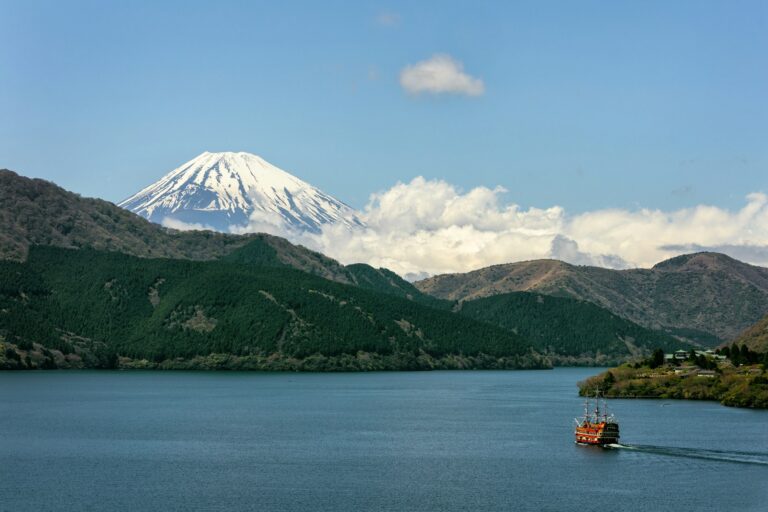
Which side of the shinkansen is Mt Fuji on?
Sit on the right. Book seat E in an ordinary car or seat D in the Green Car, as JR Central advises; on the way back to Tokyo it is seat A. The mountain is closest around Shin-Fuji station.
Winter mornings give the clearest views, and summer haze often hides the peak. smartEX shows a seat map, so you can pick E or D yourself when you book.
Is the JR Pass worth it for this trip?
Not for a simple return. The 7-day pass costs ¥50,000 on the official site (¥53,000 from overseas agents), while two Nozomi reserved tickets cost ¥29,440. On top of that, pass holders need a ¥4,960 special ticket for each Nozomi; the Hikari is covered.
The pass starts to pay off on longer loops that add Hiroshima or beyond, which our JR Pass break-even guide works out route by route.
A regional alternative: the Hokuriku Arch Pass (¥35,000 for 7 days, visitors only) cannot be used on the Tokaido Shinkansen. It covers the long way round instead: the Hokuriku Shinkansen from Tokyo to Tsuruga, then reserved seats on the Thunderbird to Osaka and the Haruka to Kansai Airport.
It suits a Tokyo–Kanazawa–Kyoto–Osaka trip, not a fast transfer.
Tokyo to Osaka by bus: night and day options
The bus is the cheapest way from Tokyo to Osaka. On WILLER’s booking calendar, the lowest fare is ¥3,000 on several December 2026 weekdays, ¥5,000–¥7,000 on many weekends and ¥8,900–¥9,500 from 27 to 30 December.
| Bus type | Typical times | Price seen on WILLER, Dec 2026 | Notes |
|---|---|---|---|
| Night bus, 4 across | Leave 21:00–23:30, arrive 05:56–08:10 | From ¥3,000 | Cheapest, upright seats |
| Night bus, 3 across | Same as above | About ¥7,900–¥11,400 | Separate seats, curtains on some |
| Day bus | Shinjuku 08:40 to Umeda 17:40 | From ¥4,200 | You see the expressway, lose a day |
Night buses pick up at Shinjuku, Tokyo Station, Ikebukuro and some even at Tokyo Disney Resort, then drop off at Umeda, Namba (OCAT), Tennoji or Universal Studios Japan. Many stop at Kyoto first, so check which stop is yours.
JR’s own night buses, the Gran Dream and Seishun Eco Dream, run from Tokyo Station’s Yaesu side to the JR Osaka Station highway bus terminal. Prices change by date, so compare them on Kosokubus.net.
💡 Japan Pro Tip: Check the luggage line before you book. Some operators take one case per person in the hold, and one listing on WILLER caps bags at 160 cm and 10 kg.
Should you fly? Haneda, Narita, Itami or Kansai
Flights look fast, but the airports add hours. On a sample search for Wednesday 9 December 2026 on Google Flights, these were the lowest one-way fares including taxes:
| Route | Airlines | Flight time | From |
|---|---|---|---|
| Narita–Kansai | Jetstar, Peach (LCC) | 1 h 40–45 min | ¥5,820 |
| Haneda–Kansai | Star Flyer, ANA | 1 h 25–30 min | ¥11,700 |
| Haneda–Itami | ANA, JAL | 1 h 10 min | ¥14,010 |
LCC fares exclude checked bags and seat choice, and prices jump closer to the date. Haneda–Itami is the only flight that competes with the train on time, because both airports are close to the city.
- Haneda: 11–19 minutes from Shinagawa on the Keikyu Line, per our Haneda guide.
- Narita: about 53 minutes from Tokyo Station on the Narita Express or 36 minutes from Nippori on the Skyliner; see Narita Airport to Tokyo.
- Itami: limousine buses take about 30 minutes to Osaka Station (Umeda) or Namba and 25 minutes to Shin-Osaka, per Osaka Airport.
- Kansai: the Nankai Rapi:t reaches Namba in 34–37 minutes; the JR Haruka runs to Shin-Osaka and Kyoto, as covered in our Kansai Airport guide.
Tokyo to Osaka door to door: the real travel time
Here is a sample trip from a Tokyo Station hotel to Namba, using the official ride times above. Airport rows assume you arrive about an hour before departure, which is our own buffer rather than an airline rule.
| Route | Legs | Total |
|---|---|---|
| Nozomi | Walk to platform 15 min + train 2 h 21–30 min + Midosuji Line about 15 min | About 2 h 55 min–3 h |
| Haneda–Itami | To Haneda about 30 min + 1 h at the airport + flight 1 h 10 min + 15 min out + bus 30 min | About 3 h 25 min |
| Narita–Kansai (LCC) | Narita Express 53 min + 1 h at the airport + flight 1 h 45 min + 15 min out + Rapi:t 34–37 min | About 4 h 30 min |
| Night bus | Board about 22:00, arrive about 06:00–07:30 | 8–9 h, overnight |
Unless you live next to Haneda, the shinkansen wins. Add a delayed flight or a long security line and the gap grows.
Arriving at Shin-Osaka: how to get to Namba, Umeda or USJ
Shin-Osaka is north of the centre, so almost everyone takes one more train. Fares and times below come from an Ekitan route search on 27 November 2026.
| Going to | Best route | Time | Fare |
|---|---|---|---|
| Umeda (Osaka Station) | Osaka Metro Midosuji Line, 3 stops | 6 min | ¥240 |
| Namba and Dotonbori | Midosuji Line direct | About 15 min | ¥290 |
| JR Osaka Station | JR Kyoto Line, 1 stop | About 4 min | Under ¥200 |
| Universal Studios Japan | JR via Osaka and Nishikujo (Yumesaki Line) | About 25 min | ¥240 |
Our Namba guide picks the right station exit, and the Umeda guide untangles JR, Hankyu and Metro names. If you are going to the park, book first with our USJ tickets guide.
Load an IC card such as Suica before you leave Tokyo; it works on the Midosuji Line and JR West. Our IC card guide covers which one to get.
Which option is right for you?
- First trip, normal budget: Nozomi on smartEX, seat E for Fuji.
- Dates fixed 3+ weeks ahead: EX Hayatoku 21 at ¥12,980.
- Cheapest train, time to spare: Platt-KODAMA from ¥11,360, Monday to Thursday.
- Lowest cost overall: a weekday night bus from about ¥3,000, and you save a hotel night.
- JR Pass holder: Hikari, free with the pass, or Nozomi with the ¥4,960 ticket.
- Group of four with lots of luggage: train plus luggage forwarding for the big cases.
Once you arrive, start with our things to do in Osaka guide, then plan dinner with the best wagyu in Osaka. For a longer loop, see the 2-week Japan itinerary and our Japan travel cost breakdown.
Know before you go
Board at Shinagawa
Every Nozomi stops at Shinagawa, same fare as Tokyo, and it is often closer to hotels in the south and west.
Avoid holiday peaks
Nozomi goes all-reserved on 25 Dec 2026–5 Jan 2027, 9–11 Jan and 20–22 Mar 2027; book early.
Seat E for Fuji
Right-hand side going to Osaka; seat D in the Green Car.
Measure your case
Over 160 cm in total, reserve a baggage seat or pay ¥1,000 on board.
Buy food first
Station bento shops at Tokyo and Shinagawa beat the onboard trolley for choice.
Tokyo to Osaka FAQ
How much is the bullet train from Tokyo to Osaka?
A Nozomi reserved seat from Tokyo to Shin-Osaka costs ¥14,720 one way in regular season, or ¥14,520 on smartEX. Unreserved seats are ¥13,870, and EX Hayatoku 21 is ¥12,980 if you book 21 days ahead.
How long does it take from Tokyo to Osaka?
The fastest Nozomi takes 2 h 21 min from Tokyo Station to Shin-Osaka, and most take up to 2 h 30 min. Hikari takes about 3 hours, Kodama about 4, and a night bus 7–10 hours.
What is the cheapest way from Tokyo to Osaka?
A night bus, from about ¥3,000 on December 2026 weekdays on WILLER. The cheapest bullet train is Platt-KODAMA from ¥11,360.
Is it better to fly or take the train from Tokyo to Osaka?
For most trips the train is better: about 3 hours door to door versus 3.5 hours or more by air once you add airport time. Fly only on a cheap fare with light luggage.
Which side of the shinkansen has the Mt Fuji view to Osaka?
The right-hand side: seat E in ordinary cars or seat D in the Green Car. On the way back to Tokyo, take seat A.
Do I need to reserve a seat for a large suitcase?
Yes if its height, width and depth add up to 161–250 cm: reserve a seat with an oversized baggage area for free, or pay ¥1,000 on board. Over 250 cm is not allowed.
Is the JR Pass worth it for a Tokyo–Osaka return?
No. A Nozomi return costs ¥29,440, while the 7-day pass is ¥50,000 online, and pass holders still pay ¥4,960 per Nozomi ride.
Sources and how we checked
We checked every fare, time and rule in this guide on 27 November 2026 against the official sources: JR Central and JR West fare release, smartEX fares, EX Hayatoku 21, JR Tokai Tours (Platt-KODAMA), JR Central oversized baggage, JR Central all-reserved Nozomi dates and the Japan Rail Pass and Hokuriku Arch Pass pages.
Bus fares come from the WILLER booking calendar, flight fares from a Google Flights search for 9 December 2026, Osaka transfers from Osaka Airport and Ekitan, and the courier price from Yamato Transport. Fares for buses and flights change daily, so treat them as a guide. Last checked: 27 November 2026.
Plan your Osaka days
Find Osaka food tours, day trips and experiences you can book in English with Japan Pro.

 English
 Japanese
 Chinese (Taiwan)
 Chinese (China)
 Korean
 French
 Italian
 Thai