
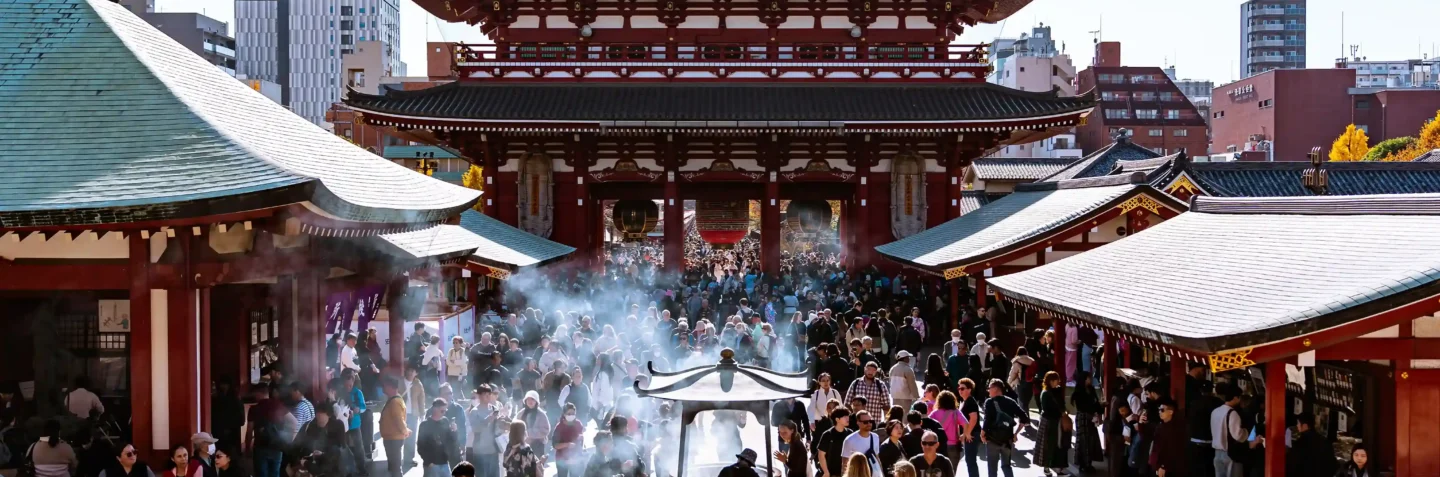

Asakusa is defined by the iconic Kaminarimon Gate, a historic district that serves as the traditional heart of the city. To efficiently experience the best things to do in Asakusa, Tokyo, you need a plan that balances ancient temple rituals with authentic street food and immersive cultural experiences. Our Japan Pro team spent the week on the ground mapping a logical route for 2026.
Arriving at Asakusa Station
Asakusa is a major terminal in Eastern Tokyo, primarily served by the Tokyo Metro Ginza Line, the Toei Asakusa Line, and the Tobu Railway.
Which lines go to Asakusa? Asakusa is easily accessible via the Ginza Line, Toei Asakusa Line and the Tobu Skytree Line.
💡 Japan Pro Tip: For the most direct route to the temple, use Exit 1 from the Ginza Line or Exits A4/A5 from the Toei Line.Arriving via the Tobu Railway Ryomo Express at Tobu-Asakusa station, integrated with the Matsuya department store, puts you steps from the main gate.
Top Cultural Landmarks: The Heart of Asakusa
Visiting the historic temple grounds and iconic gates is widely considered one of the best things to see in Asakusa. This area preserves the spiritual atmosphere of old Tokyo and serves as the district’s primary attraction
Kaminarimon Gate: The 1,000-Year-Old “Thunder Gate”
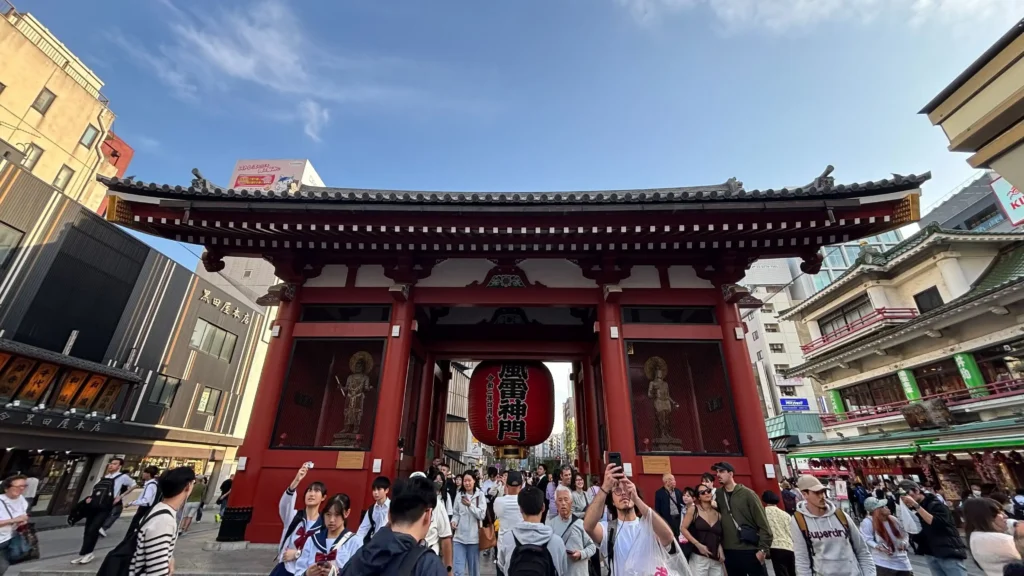
This massive entrance features a giant red lantern and iconic statues, welcoming visitors into the traditional temple district. It is the definitive landmark of the 1,000-year-old Asakusa Temple complex.
Nakamise Shopping Street: A Taste of Edo-Era Tokyo
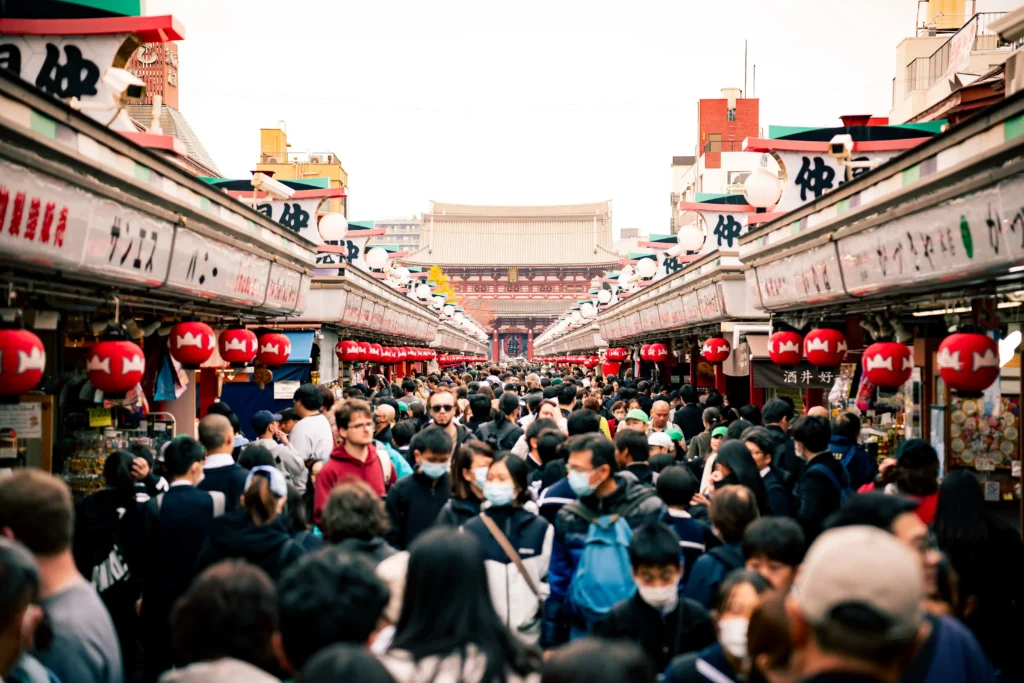
This historic 250-meter approach to the temple features approximately 90 stalls selling traditional Japanese snacks and authentic souvenirs. It is one of Japan’s oldest shopping streets and offers a vibrant atmosphere reminiscent of the Edo period.This is the premier location to observe visitors in traditional kimonos. For the best experience, try local snacks like age-manju (fried bean cakes).
Senso-ji: Exploring the Hozomon Gate and Hondo Main Hall
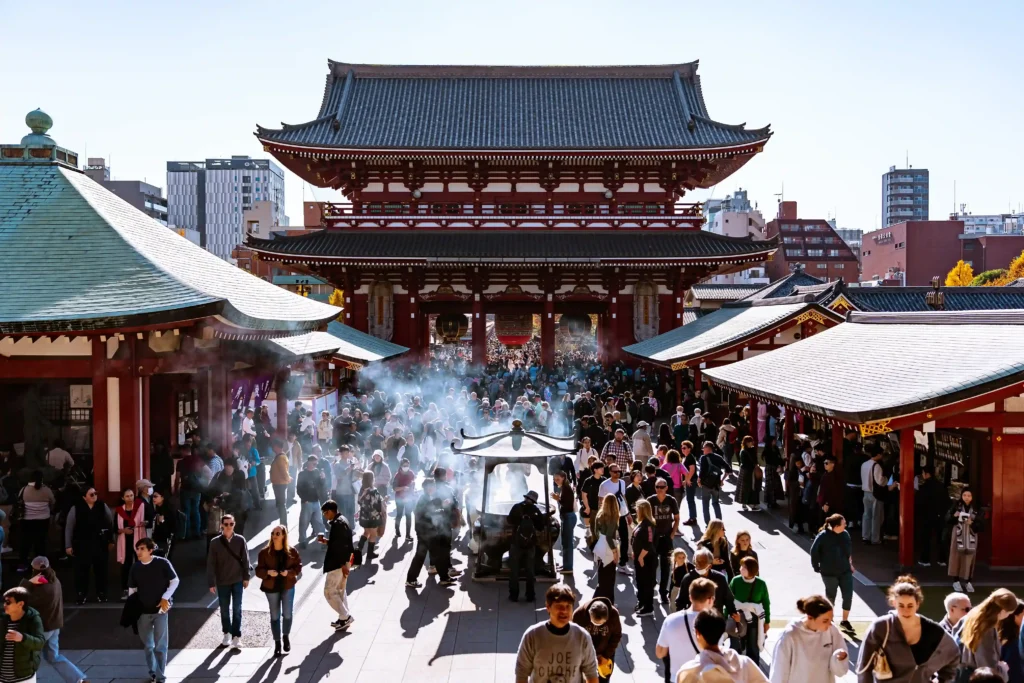
The Hozomon Gate serves as the grand, two-story entrance to the Hondo (Main Hall), the spiritual heart of the Asakusa Temple complex where visitors gather for prayer and traditional rituals. This central area is defined by its massive red lanterns, protective guardian statues, and the iconic sloping roof of the main sanctuary.
Japan Pro 小提示: Before entering the Hondo, stop at the large incense burner (Jokoro) in front of the steps; follow the local custom of waving the smoke toward yourself, which is believed to have healing powers. Afterward, draw an Omikuji (fortune) at the nearby stands—if you receive “bad luck,” tie it to the metal racks to leave the misfortune behind at the temple.
Immersive Experiences: Renting a Kimono in Asakusa
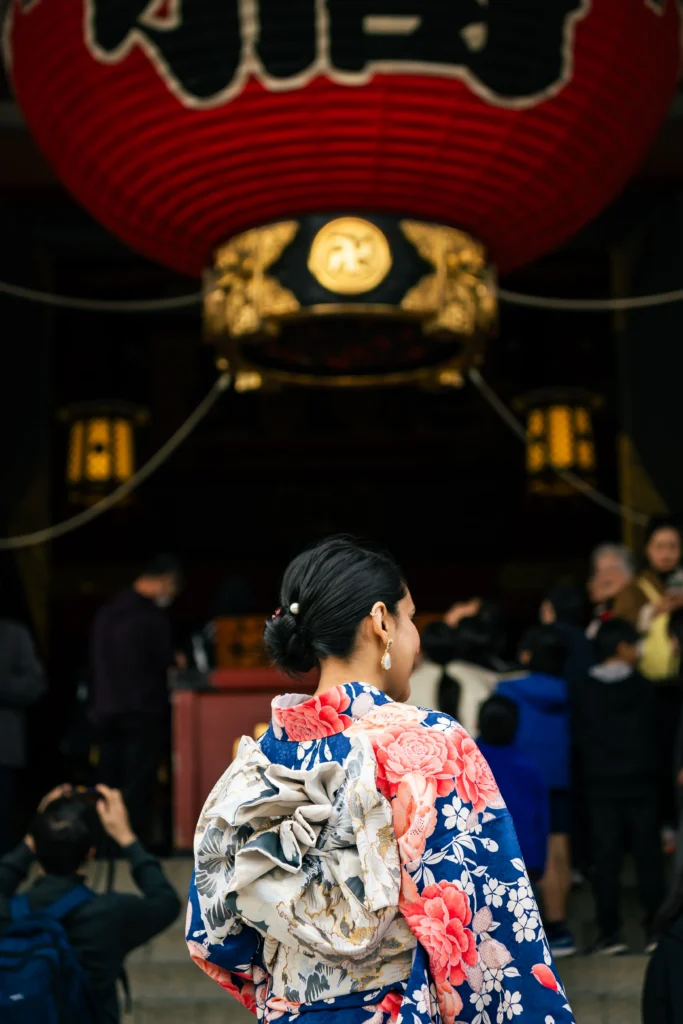
Renting a traditional garment is widely considered one of the best things to do in Asakusa culture, allowing you to immerse yourself fully in the district’s historic atmosphere. Walking through the temple grounds in a beautifully fitted kimono transforms a standard sightseeing trip into a deeply memorable personal experience.
Japan Pro 小提示: Wearing a traditional kimono involves multiple layers of thick fabric and a tightly bound obi (belt). It can get exceptionally hot, especially during the warmer months of the year, so plan your rental accordingly and stay well-hydrated.
Where is the best kimono rental in Asakusa?
VASARA Kimono Rental Asakusa Flagship Store and Kimono Rental Asakusa Sunny are two of the highest-rated options offering full English-language support for international travelers. Booking a professional fitting package at these locations ensures a seamless experience from fabric selection to hair styling.
💡 Japan Pro 小提示: For a massive selection of over 1,000 garment options and a streamlined, highly organized fitting process, book online with VASARA. If you prefer a more intimate, personalized service with flexible return options, choose 和服 Rental Asakusa Sunny, which is widely praised for its patient staff and beginner-friendly assistance.
Where to Eat: Best Food in Asakusa
Sampling local cuisine is among the most rewarding and good things to do in Asakusa. The district offers high-quality dining options ranging from modern street food to premium beef.
Age.3 Asakusa: The Ultimate Fried Sandwich Treat
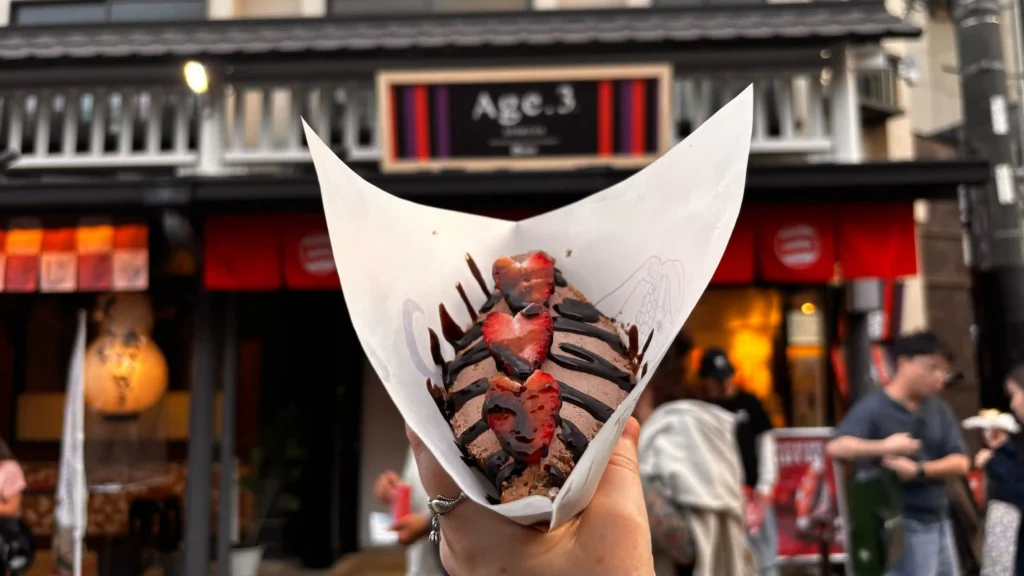
This dedicated shop specializes in crispy fried sandwiches with a straightforward menu covering a wide range of sweet and savory fillings. Age.3 Asakusa is an ideal spot for a perfectly portioned snack to start or round off your walking itinerary.
Japan Pro 小提示: Order the Chocolate Cream with Strawberry for ¥850. There is no indoor seating, but the polite staff provide napkins and utensils alongside your order number, and you can comfortably eat in the designated areas immediately adjacent to the shop.
Kuroge Wagyu Ichinoya: Interactive Wagyu Dining
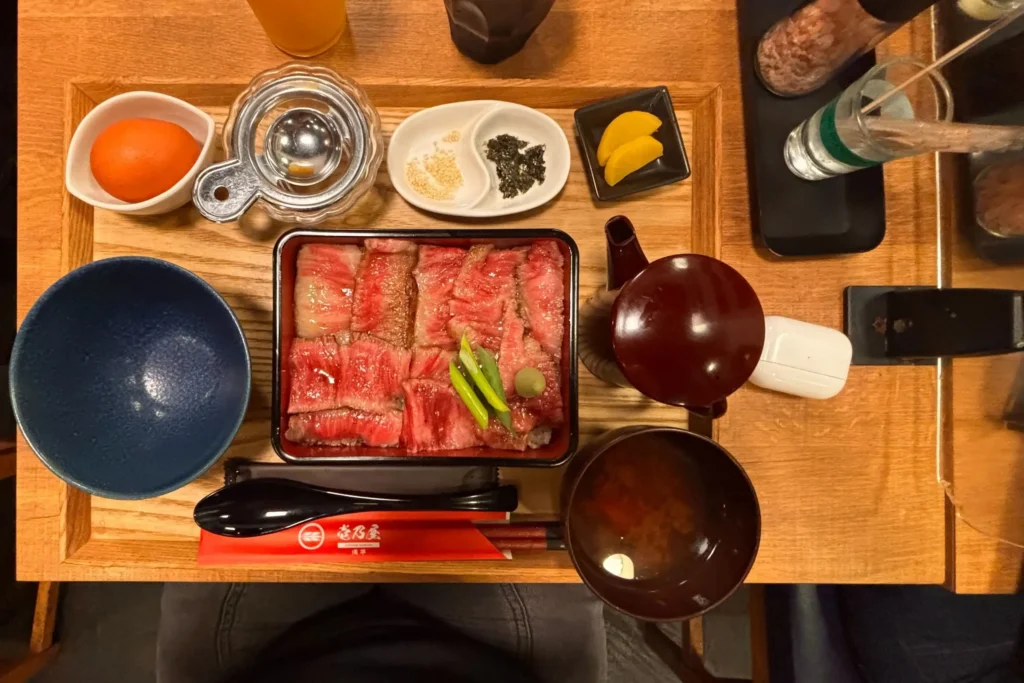
Kuroge Wagyu Ichinoya is small, intimate restaurant serving exceptionally tender premium wagyu beef over perfectly seasoned rice. The dining experience includes specific instructions on how to best consume the dish, creating a uniquely interactive meal.
Japan Pro 小提示: Order the Wagyu Beef Ribs Rare Steak rice box for ¥3,500. This is a very heavy, filling dish, so ensure you arrive hungry. Despite the small size of the venue, turnover is efficient; expect a short wait time of around 10 minutes before being seated by the attentive staff.
Asakusa at Night: Best Bars and Evening Vibe
Exploring the local cocktail scene is one of the best things to do in Asakusa at night after the temple grounds quiet down. The district features a variety of intimate, tucked-away venues serving carefully crafted drinks in a relaxed setting.
Japan Pro 小提示: Space is typically limited in these local establishments. It is best to visit solo or with one or two friends, as larger groups will find it difficult to secure immediate seating.
The Living Room Bar: Cosy Vibes and Sakura Cocktails
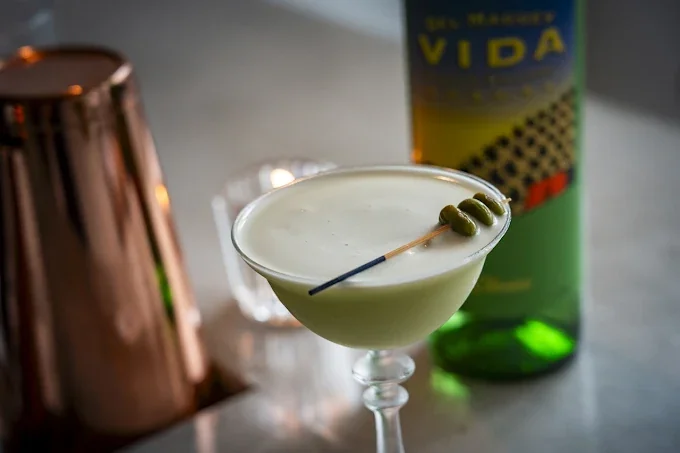
Located on the second floor at the opposite corner of the same block as Kuroge Wagyu Ichinoya, The Living Room is a hidden bar that features a cozy interior, excellent music, and exceptionally welcoming staff. The environment is highly social, making it easy to relax and converse with both the bartenders and other customers.
Try the refreshing, sakura-themed “Tokyo Bloom” after a heavy meal, or opt for the stronger, rum-based “Houjicha Old Fashion” made with chocolate bitters. The cocktails offer excellent value, priced between ¥1,500 and ¥1,800.
Beyond Asakusa: What to See Next
After exploring the best things to do in Asakusa, you can efficiently extend your itinerary by crossing the Sumida River for panoramic night views at the Tokyo Skytree and Solamachi complex, or by taking a one-stop subway ride to the museums of Ueno Park. To seamlessly plan your visit to the city’s highest observation deck, continue your journey by reading our step-by-step breakdown: The Complete Guide to Tokyo Skytree.


 English
  Japanese
  Chinese (Taiwan)
  Chinese (China)
  Korean
  French
  Italian
  Thai
Thai