
Sumo Show Tokyo 2026: Best Shows, Prices & Morning Practice
From ¥7,500
Sumo show (Shinjuku, Oct 2026 price)
90 min–2 hrs
Typical show length
¥9,000
Guided morning practice visit
10–24 Jan 2027
Next Tokyo tournament
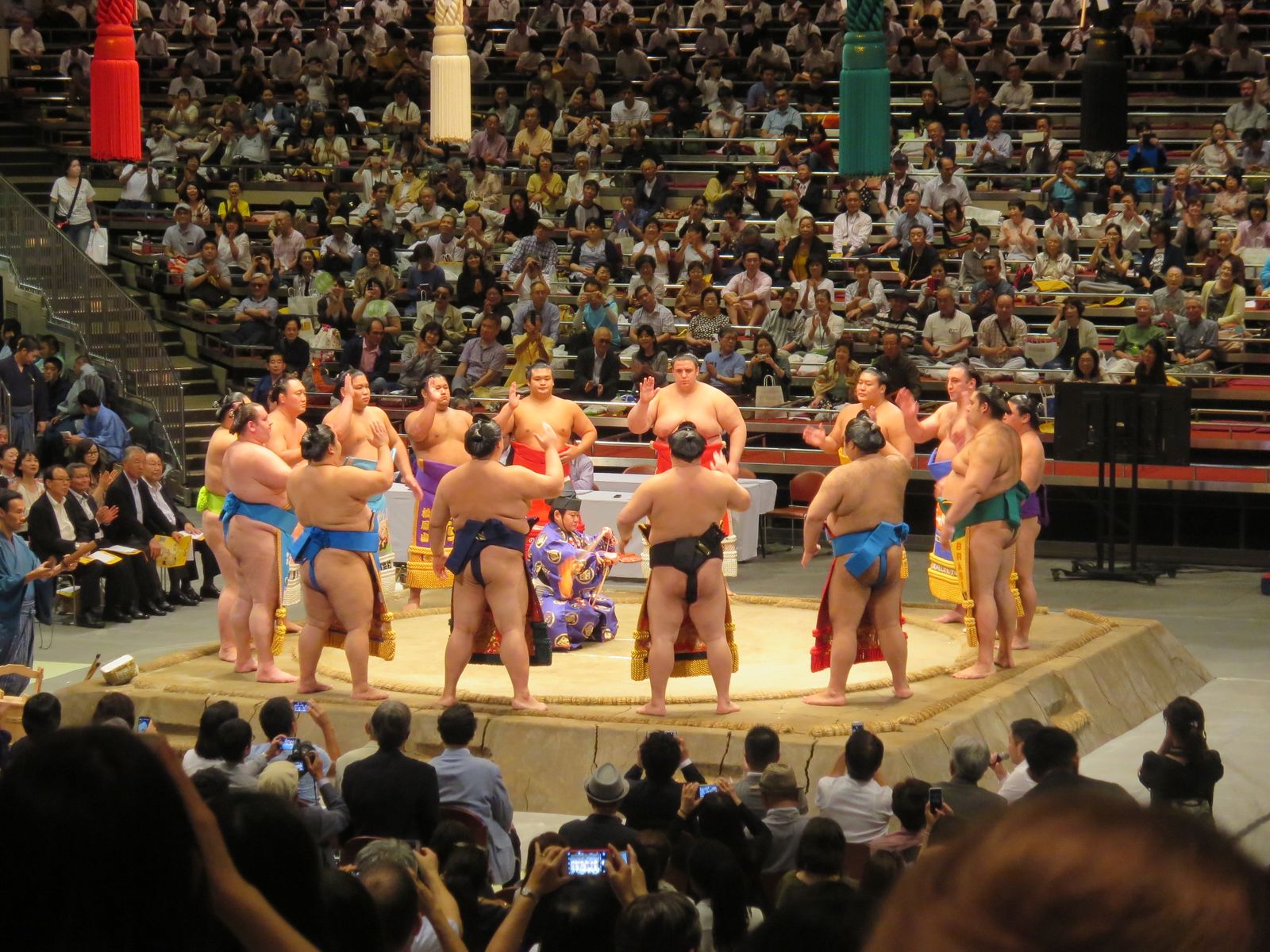
Sumo show Tokyo prices, at the time of writing (October 2026): roughly ¥7,500 for a 90-minute drink-and-photo show in Shinjuku, and up to about ¥27,000 for a ringside seat at a kaiseki dinner show in Ginza. You book online for a set time slot. Shows run all year, which makes them the easy option for the roughly nine months when no tournament is on in Tokyo.
The other way to see sumo out of season is morning practice (asa-geiko) at a working stable in or near Ryogoku. It’s quieter, earlier and closer to the real thing. Below: what each show includes, current prices from the operators, how stable visits work (and when they don’t run), and what to do in Ryogoku afterwards.
Can you watch sumo in Tokyo when there’s no tournament?
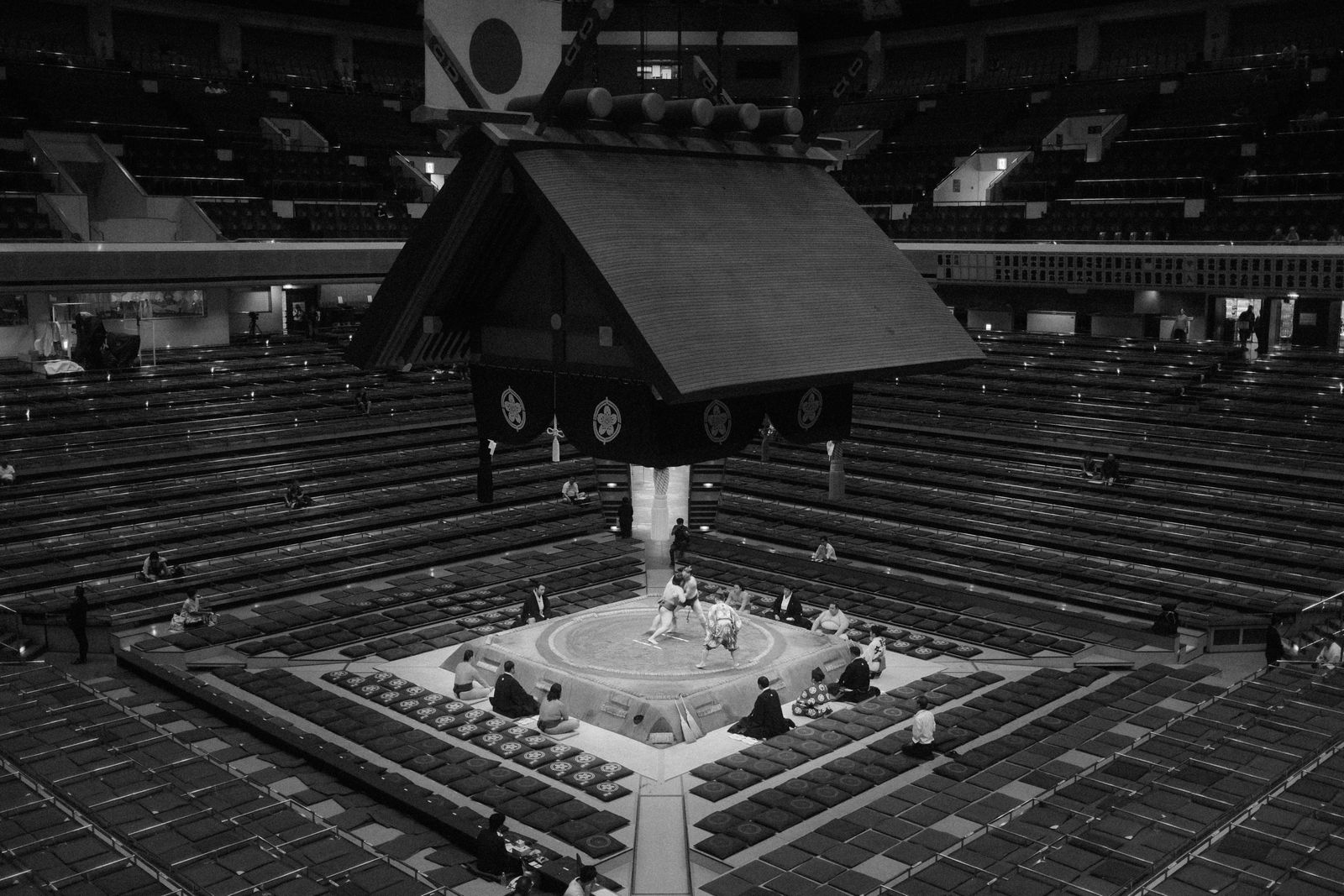
Yes. Tokyo hosts only three of the six annual Grand Tournaments (January, May and September) at Ryogoku Kokugikan. The rest of the year you have three options:
- Sumo shows: entertainment venues where retired professional wrestlers demonstrate rituals and techniques, fight exhibition bouts and take on audience members. English MC, photos, often a chanko nabe meal.
- Morning practice: watching an active stable train at around 7:30–10am, usually on a guided tour. No commentary during practice, strict silence.
- The Sumo Museum and Ryogoku itself: free museum inside the Kokugikan, chanko restaurants, wrestlers walking to the station in yukata.
The next Tokyo tournament is the January Grand Tournament, 10–24 January 2027 at Ryogoku Kokugikan, with advance tickets on sale from 5 December 2026 (Japan Sumo Association schedule). For how to actually get those seats, see our sumo tournament tickets guide.
Sumo show vs morning practice vs tournament
| Sumo show | Morning practice | Grand Tournament | |
|---|---|---|---|
| Who you watch | Retired pro wrestlers | Active pro wrestlers at their stable | Active pros in ranked bouts |
| When in Tokyo | Daily, several slots | Mornings, outside tournament-travel periods | Jan, May, Sep only (15 days each) |
| Typical price | ¥7,500–¥27,000 | Free (Arashio window) to ¥9,000+ (tour) | See our tickets guide |
| 長度 | 75 min–2 hrs | 1–3 hrs | All day |
| 英文 | English MC throughout | Guide briefs you before/after | Limited |
| Talking/photos | Encouraged | Silence, no flash | Cheering, photos fine |
| Get in the ring | Yes, by lottery | Never | No |
| 美食 | Chanko or full meal at most venues | None | Bento and venue food |
| 最適合買 | Families, first-timers, groups | Purists, photographers | Real competition |
How much is a sumo show in Tokyo?
Prices below are approximate, at the time of writing (October 2026), and come from each operator’s own site or press release. Operators change prices by date and season. Booking platforms often show lower “from” prices or discounts, so compare before you pay.
| Venue | Area | Price (adult) | 長度 | Food included |
|---|---|---|---|---|
| Shinjuku Sumo Show in Kabukicho | Kabukicho | From ¥7,500 | 1 hr 30 min | One bottled drink (water) |
| Shinjuku Sumo Club | Okubo, Shinjuku | From ¥10,000 | approx. 90 min | One bottled drink (water) |
| Yokozuna Tonkatsu Dosukoi Tanaka (lunch show) | Kikukawa, Sumida | ¥11,000 (child 4–11: ¥5,500) | approx. 2 hrs | Chanko, tonkatsu plate, ice cream |
| 淺草站 Sumo Club | 淺草站 | ¥16,000 standard / ¥20,000 VIP | 2 hrs | Unlimited chanko, one drink |
| Hirakuza Ginza | 銀座 | ¥15,000–¥27,000 + ¥700 fee | approx. 2 hrs | Kaiseki meal |
The best sumo shows in Tokyo
1. Shinjuku Sumo Club (Drink-and-photo show)
The Lowdown: The big-volume option, run by Mediabound under its Traveling Japan brand, with up to 100 guests per show. You get an English and Japanese explanation of sumo history, rules and training, live bouts between former professionals, then a lottery picks audience members to face a wrestler. Photos with the wrestlers at the end.
Where: Sekisaku Building 2F, 2-5-22 Okubo, Shinjuku. Go up to the second floor and show your voucher to staff. One booking listing describes the entrance as the main door next to a Daiso.
The Vibe: Casual, loud and funny. Tiered seating, bottled drink, lots of phone cameras. A show, not a ceremony.
Price: From ¥10,000 per person, tax included (operator). Platforms such as GetYourGuide, Klook and Viator have listed it for less with discounts. Free cancellation up to 24 hours before, both direct and on GetYourGuide.
Official Link: Traveling Japan: Sumo Show
💡 Japan Pro Tip: The ring challenge is capped (six guests per show on the GetYourGuide listing) and drawn by lottery, so don’t promise the kids a bout. The show runs to a fixed schedule and late entry may be refused. Online bookings are paid in advance by card. The operator says same-day walk-ins (if seats are left) can pay on arrival, cash included.
2. Shinjuku Sumo Show in Kabukicho (Budget show)
The Lowdown: The same operator’s newer second Shinjuku venue, in Kabukicho. Same 90-minute format: English MC, drink, photo with the wrestlers. At the time of writing it is the cheapest operator price for a sumo show in Tokyo. The same brand also runs a 澀谷 show (from ¥10,000), where the lunch and dinner slots include chanko.
Where: Kabukicho, Shinjuku. The exact address and meeting point arrive with your booking confirmation.
The Vibe: New and less reviewed than the Okubo club. Expect the same playful format.
Price: From ¥7,500 per person (operator).
Official Link: Traveling Japan: Sumo Show
💡 Japan Pro Tip: Kabukicho is a short walk from Shinjuku’s other evening sights. Pair a late-afternoon slot with dinner in Omoide Yokocho using our 新宿指南.
3. Asakusa Sumo Club (Chanko dinner show)
The Lowdown: A two-hour restaurant show with all-you-can-eat chanko nabe and side dishes such as karaage and edamame, one drink, a printed photo with the wrestlers and a small souvenir bag. After a Q&A, guests can step into the ring. A third-party copy of the GetYourGuide package of this show (“Sumo Entertainment Show with Chicken Hot Pot & Geisha”) opens with a geisha dance.
Where: 1F, 2-10-12 Asakusa, Taito. About 8 minutes’ walk from Asakusa Station on the Tsukuba Express. If the main venue is full, the booking page may offer the ANNEX, about 3 minutes away.
The Vibe: Dinner and a show. 76 seats, tables close to the ring, more food-focused than the Shinjuku shows.
Price: Standard ¥16,000, VIP (front row) ¥20,000 per person. Sessions at 12:00, 15:00, 18:00 and 20:30.
Official Link: Asakusa Sumo Club
💡 Japan Pro Tip: Book direct for the 12:00 slot and you can walk to Senso-ji afterwards while the afternoon light is still good. Our 淺草指南 has the rest of the day. One booking listing says the ANNEX has stairs and isn’t wheelchair accessible, so ask for the main venue if that matters.
4. Yokozuna Tonkatsu Dosukoi Tanaka (Lunch show near Ryogoku)
The Lowdown: A daily lunch show run by Way Co. (SumoExperience.com), a Sumida-based company that also arranges stable visits. Former professionals demonstrate, then take on guests, and you can try on a sumo costume. Chanko cooked by the wrestlers, a tonkatsu plate and ice cream are included.
Where: 3-1-11 Tatekawa, Sumida. About 5 minutes from Kikukawa Station (Toei Shinjuku Line), Exit A1.
The Vibe: Smaller and more local than the big Shinjuku halls. Good with children.
Price: Adults (12+) ¥11,000, children 4–11 ¥5,500, under-4s free (no seat or meal). Oolong tea or water included; other drinks extra. Direct bookings are paid by PayPal. Doors 12:45, show 13:00, photo and Q&A at 14:30, finish about 15:00.
Official Link: Sumo Experience: Lunch Sumo Show
💡 Japan Pro Tip: For groups of up to 10, cancellation fees start 10 days out (30%), rising to 50% two days before. That is stricter than the 24-hour rule on most booking platforms. Lock in your dates first.
5. Hirakuza Ginza (Kaiseki dinner show)
The Lowdown: The premium option, opened 7 January 2026 by Hanshin. About 150 seats, a multi-course kaiseki meal, big screens, concert lighting and a show performed entirely in English, with an audience “Sumo Challenge”.
Where: B1F, Prime Ginza Yanagidori Building, 1-9-13 Ginza, Chuo. 1 minute from Ginza-itchome Station (Yurakucho Line) Exit 10, or 4 minutes from Ginza Station Exit A13.
The Vibe: A night out rather than a cultural lesson. Polished, staged and pricey.
Price (adults 13+, tax included, plus ¥700 per ticket): 17:00 and 20:30 shows: Standard ¥17,000, Premium ¥21,000, VIP Ringside ¥27,000. 12:00 show (selected dates): ¥15,000 / ¥19,000 / ¥25,000. Children 3–12 pay ¥7,500–¥12,000 depending on seat. The 20:30 show includes one drink; at 17:00 drinks are extra.
Official Link: Hirakuza Ginza Tokyo
💡 Japan Pro Tip: The cancellation rule is tough: 50% from 20 days before, 100% from 6 days before, and no date changes. Only book once your itinerary is fixed.
6. Tokyo Sumo Beya (Show in a former stable)
The Lowdown: Run by Ocean’s Co., this show takes place in a building described as a former sumo stable. English MC, live bouts, and a chance to join training or challenge a wrestler. Only the 11:00 and 19:00 shows include the chicken hot pot.
Where: Listed as 2-10-11 Kiyosumi, Koto. About 5 minutes from Kiyosumi-shirakawa Station, Exit A1. Look for the “東京相撲部屋” sign on the entrance.
The Vibe: More of a training-hall feel than a restaurant stage. Easy to combine with the coffee shops of 清澄白河.
Price: From about US$64 on GetYourGuide (19 October 2026). Shows at 8:30, 11:00, 15:00 and 19:00.
Official Link: GetYourGuide listing (no operator site found)
💡 Japan Pro Tip: Want chanko as well as the show? Pick the 11:00 or 19:00 show. The 8:30 and 15:00 shows don’t include the meal.
Are sumo shows real sumo?
The wrestlers are real: retired professionals who trained in Japan Sumo Association stables. The bouts aren’t competitive. They’re exhibitions, and the operators say so (“not a real tournament” in Shinjuku, “an entertainment show by retired wrestlers” in Asakusa). What you get that a tournament can’t give you: someone explaining every ritual in English as it happens, and the chance to get in the ring yourself.
If you want to see active wrestlers, you need morning practice or a tournament.
Can tourists watch sumo morning practice?
Yes, but on the stable’s terms. Practice isn’t a show and isn’t guaranteed. It runs early, gets cancelled at short notice, and stops completely when stables travel to the Osaka (March), Nagoya (July) and Fukuoka (November) tournaments.
At the time of writing (mid-October 2026): Arashio stable says it has left for the November tournament in Fukuoka and there will be no practice in Tokyo until December. Sumo Experience’s tour isn’t offered in July or November. If you’re in Tokyo in November, a sumo show is your best bet.
1. Arashio-beya (Free window viewing)
The Lowdown: A working stable that publishes an open-viewing policy for the public. You watch from the street through full-length windows. You can’t go inside.
Where: 2-47-2 Nihonbashi-Hamacho, Chuo. About 3 minutes from Hamacho Station (Toei Shinjuku Line), 10 minutes from Ningyocho.
The Vibe: Pavement, early morning, total quiet. Ten minutes of watching is plenty for most people.
Price: Free, no reservation. Viewing is listed as 7:30 to about 9:00am (the page also gives training as 7:30–9:30am).
Official Link: Arashio-beya visiting guide
💡 Japan Pro Tip: Check the stable’s online calendar the night before. The stable says phoning or emailing won’t get you more than the calendar shows. House rules: keep quiet, no flash, no eating or drinking, and don’t sit on the neighbours’ steps.
2. Sumo Experience (Guided stable visit)
The Lowdown: You sit on the floor inside a working stable while active wrestlers train. The operator chooses the stable based on conditions and sends the meeting point and time a week before.
Where: Ryogoku area. Meeting point confirmed by email.
The Vibe: Silent, sweaty, and close enough to hear the slaps.
Price: ¥9,000 per person (ages 4+). Monday to Saturday. Not offered 16 February to 31 March (Osaka tournament), and July and November aren’t on its list of available months. Cancellation fees start at 30% from 10 days before.
Official Link: Sumo Experience: Morning Practice
💡 Japan Pro Tip: Sitting cross-legged for up to two hours is hard. Wear loose trousers and socks without holes, as shoes come off at the door.
3. Air Choice “Watch Sumo!” tour (Guided, via GetYourGuide)
The Lowdown: Meet staff at 07:45 at Ryogoku Station (Toei Oedo Line) near Exit A3, which has a lift, then walk about 10 minutes to the stable. A briefing starts at 08:00, practice runs 90–120 minutes, and there’s a photo with the wrestlers afterwards.
Where: Ryogoku Station, Toei Oedo Line, Exit A3.
The Vibe: English or Japanese guide. Children are allowed if they can watch quietly.
Price: From about US$95 per person, children the same price. Free cancellation up to 24 hours before.
Official Link: GetYourGuide listing
💡 Japan Pro Tip: The listing says phones aren’t allowed during practice. Bring a camera if you want pictures, and turn off the flash and shutter sound.
Sumo practice etiquette: the rules that matter
The operators’ rules are almost identical. Break them and the guide will stop you:
- Total silence, including whispering.
- Hats and sunglasses off. Shoes off at the entrance.
- Sit cross-legged. Never point your feet or the soles of your feet at the ring.
- Never step onto the ring or the sand.
- No flash and no loud shutters. Stay in your spot to take photos.
- No eating, drinking or smoking.
- Stay until practice ends. Leaving midway is rude.
Is the Sumo Museum free?
Yes. The Sumo Museum on the first floor of Ryogoku Kokugikan is free and open 10:00–16:30 (last entry 16:00). It’s closed on Saturdays, Sundays, national holidays and over New Year, and sometimes for exhibition changes. During a Tokyo tournament it opens 12:30–16:00, and you need a tournament ticket to get in (Sumo Museum).
It’s one small room with a rotating exhibition. The current one, “Centenary of Chiyonoyama and His Disciples”, opened on 19 October 2026. It’s 1 minute from JR Ryogoku Station’s West Exit or 5 minutes from Exit A4 of the Oedo Line station.
💡 Japan Pro Tip: A weekday morning practice tour in Ryogoku ends around 10am, just as the museum opens. That’s the most efficient sumo half-day in Tokyo.
Where to eat chanko nabe in Ryogoku
Chanko nabe is the protein-heavy hot pot wrestlers eat in their stables. Ryogoku has plenty of chanko restaurants. This one publishes full hours and branch details:
1. Chanko Kirishima (Chanko restaurant)
The Lowdown: Run by former ozeki Kirishima, serving chanko in the style of Michinoku (Mutsu) stable. Two branches by the station, with individual paper-pot chanko sets at lunch.
Where: Main branch at 2-13-7 Ryogoku. Edo NOREN branch at 1-3-20 Yokoami. Both 1 minute from Ryogoku Station.
The Vibe: Sumo memorabilia, big groups, business dinners.
Price: Menus are posted as images on the official site. Check there before you go.
Official Link: Chanko Kirishima
💡 Japan Pro Tip: Lunch 11:30–15:00 at the main branch (11:00 at Edo NOREN), last orders 14:00. Dinner is 17:00–22:00 (last orders 21:00) at both. The main branch closes Mondays (Mondays and Tuesdays in June to August). The Edo NOREN branch closes Wednesdays (Wednesdays and Thursdays in June to August). Book a table by phone for dinner.
Which option should you choose?
- Travelling with kids: Dosukoi Tanaka’s lunch show (half-price for 4–11s) or Shinjuku Sumo Club.
- Lowest cost: Arashio’s free window viewing if practice is on. Otherwise the Kabukicho show from ¥7,500.
- Want real active wrestlers: a guided morning practice tour, outside March, July and November.
- Special dinner: Hirakuza Ginza or Asakusa Sumo Club VIP.
- In Tokyo 10–24 January 2027: go to the actual tournament. Try a show on another day if you want the rituals explained.
The bottom line
For most visitors, a sumo show is the easiest way to see sumo up close in Tokyo, and morning practice is the most authentic, as long as the stables are in town. Check the dates above, book your show slot or practice tour early, and let Japan Pro handle the booking with English support.
出發前須知
Ring challenge is a lottery
Only a handful of guests per show get to face a wrestler, so don't count on it.
No practice in November
Stables leave for the Fukuoka tournament, and Arashio has no Tokyo practice until December.
Check cancellation rules
Hirakuza charges 50% from 20 days out and Dosukoi Tanaka 30% from 10 days out.
Practice means silence
No talking, no flash, hats off and never point your feet at the ring.
Museum is weekdays only
The free Sumo Museum closes on Saturdays, Sundays and national holidays.
Pay ahead by card
Online show bookings are prepaid by card; Dosukoi Tanaka takes PayPal for direct bookings.
Sumo show Tokyo FAQ
How much is a sumo show in Tokyo?
At the time of writing (October 2026), operator prices start at about ¥7,500 for the Kabukicho show and ¥10,000 for Shinjuku Sumo Club, both 90 minutes with a drink and photo. Meal shows cost ¥11,000 at Dosukoi Tanaka, ¥16,000–¥20,000 at Asakusa Sumo Club and ¥15,000–¥27,000 (plus ¥700) at Hirakuza Ginza.
Can you watch sumo in Tokyo when there’s no tournament?
Yes. Sumo shows with retired wrestlers run in Shinjuku, Asakusa, Ginza and Sumida, and you can watch morning practice at a stable when the wrestlers are in Tokyo. The free Sumo Museum at Ryogoku Kokugikan is open on weekdays.
Are the wrestlers at sumo shows real sumo wrestlers?
They are retired professional wrestlers, but the bouts are exhibitions, not competition. To see active wrestlers, watch morning practice or go to a Grand Tournament.
Can tourists watch sumo morning practice in Tokyo?
Yes, through a guided stable tour such as Sumo Experience (¥9,000) or for free through the windows at Arashio-beya in Nihonbashi-Hamacho. Practice starts around 7:30am and doesn’t run when stables travel to the March, July and November tournaments.
When is the next sumo tournament in Tokyo?
The January 2027 Grand Tournament runs 10–24 January 2027 at Ryogoku Kokugikan, with advance tickets on sale from 5 December 2026. The following Tokyo tournaments are 9–23 May and 12–26 September 2027.
Is the Sumo Museum in Ryogoku free?
Yes, admission is free. It’s open 10:00–16:30 on weekdays, closed weekends and national holidays, and during Tokyo tournaments only ticket holders can enter.
Can I get in the ring at a sumo show?
At most shows, yes, but places are limited and chosen by lottery when there are many volunteers. Shinjuku Sumo Club’s GetYourGuide listing caps it at six guests per show.
Book your sumo experience in Tokyo
Japan Pro can help you book sumo shows, morning practice visits and chanko dinners in Tokyo, with English support.
 English
 Japanese
 Chinese (Taiwan)
 Chinese (China)
 Korean
 French
 Italian
 Thai