
What to Eat in Tokyo: 18 Must-Try Dishes for 2026–27
What to eat in Tokyo first: Edomae sushi, ramen, tempura, tonkatsu, yakitori and wagyu sukiyaki, then Tokyo’s own monjayaki and, in winter, oden and chanko nabe. Ramen, soba and tonkatsu counters feed you well for about ¥1,000–2,000, while a kaiseki lunch at Akasaka Kikunoi starts at ¥14,300 plus 10% service. Below are 18 dishes, what each costs in 2026, and named places to try them, checked on 25 November 2026.
18
Dishes to try in Tokyo
¥1,180
Ichiran Classic Tonkotsu Ramen
¥145
FamilyMart oden daikon
¥14,300
Kaiseki lunch from, Akasaka Kikunoi
Working out what to eat in Tokyo is less about finding food than choosing it: the city runs from 24-hour ramen booths to ¥77,000 kaiseki. This guide picks the 18 dishes worth your stomach space, gives a realistic 2026 price for each and names one or two places to try it, with the station and closing days.
Prices come from each restaurant’s own website where it publishes them. Where it doesn’t, we use Tabelog’s average spend from diner reviews and say so; those are bands, not menu prices.
Last checked: 25 November 2026
What to eat in Tokyo: the 18 dishes at a glance
Use this as your what to eat in Tokyo checklist; each dish has its own section below.
| Dish | มันคืออะไร | Typical 2026 price | Try it at | ย่าน |
|---|---|---|---|---|
| Sushi | Rice topped with fish | ¥1,000–6,000 | Tsukiji Sushi Sen | Tsukiji |
| Ramen | Noodles in broth | ¥1,000–1,999 | Ichiran Shinjuku | ชินจุกุ |
| Tempura | Battered, fried seafood and veg | ¥1,000–30,000 | Tenmatsu, Kondo | Nihonbashi, Ginza |
| Tonkatsu | Breaded pork cutlet | ¥1,000–3,000 | Marugo, Maisen | Akihabara, Omotesando |
| Yakitori | Chicken skewers | ¥5,000–5,999 with drinks | Imai-ya, Omoide Yokocho | ชินจุกุ |
| Sukiyaki | Wagyu simmered in sweet soy | ¥5,390–19,800 | อาซากุสะ Imahan | อาซากุสะ |
| Shabu-shabu | Meat swished in broth | ¥3,278–7,128 | Onyasai, Imahan | Citywide |
| Monjayaki | Runny batter on a hot plate | ¥1,500–3,500 | Takenoko, Ebisuya | Tsukishima |
| Okonomiyaki | Savoury cabbage pancake | ¥1,000–3,999 | Kiji Marunouchi | Tokyo Station |
| Soba | Buckwheat noodles | ¥1,000–1,999 | Kanda Matsuya, Kanda Yabusoba | Kanda |
| Unagi | Grilled eel on rice | ¥4,000–9,999 | Obana, Hatsu Ogawa | Minami-Senju, Asakusa |
| Kaiseki | Seasonal multi-course meal | ¥14,300–77,000 | Akasaka Kikunoi | Akasaka |
| Izakaya plates | Shared small plates with drinks | ¥3,000–6,000 | Omoide Yokocho | ชินจุกุ |
| Depachika | Department-store food hall | ¥500–3,000 | Daimaru Tokyo | Tokyo Station |
| Konbini | Convenience-store food | ¥145–500 | FamilyMart | Everywhere |
| Wagashi | Japanese sweets | ¥270 and up | Usagiya | Ueno |
| Oden | Winter hot pot of simmered bites | ¥145 to ¥5,999 | Otafuku, FamilyMart | อาซากุสะ |
| Chanko nabe | Sumo wrestlers’ hot pot | ¥1,000–5,999 | Chanko Kirishima | Ryogoku |
Tokyo classics: sushi, ramen, tempura, tonkatsu and yakitori
1. Sushi
Edomae sushi is Tokyo’s own style: hand-pressed vinegared rice topped with fish that is often cured, simmered or marinated first. A lunch set near the old market costs about ¥1,000–2,000, and an omakase counter runs to five figures.
Where: Tsukiji Sushi Sen Souhonten, 1-9-6 Tsukiji, is 3 minutes from Exit 4 of Tsukiji Station (Hibiya Line) and opens 11:00–5:00 every day. Tabelog diners report ¥1,000–1,999 at lunch and ¥5,000–5,999 at dinner, plus a ¥550 appetiser charge. For a chef’s-choice counter, read our omakase guide.
Japan Pro Tip: Pair it with a morning at the Tsukiji Outer Market. Professional buyers get priority from 6:00; the public shopping hours are 9:00–14:00.
2. Ramen
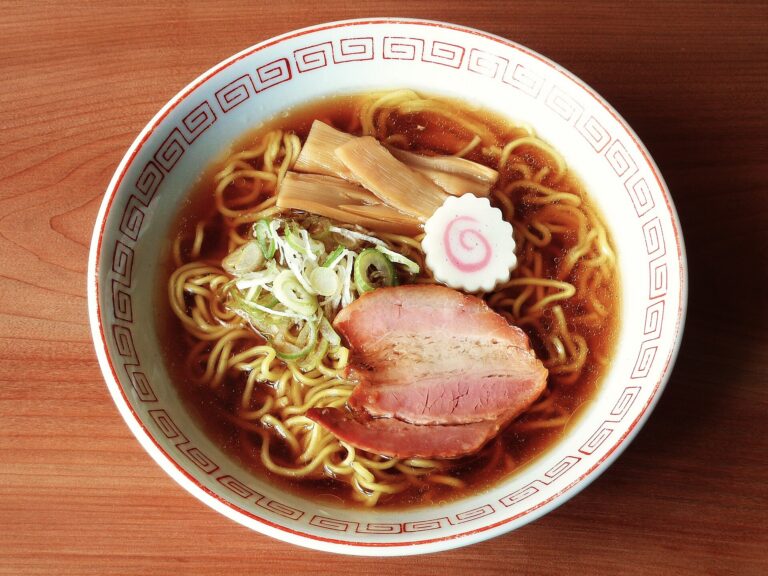
Tokyo’s classic bowl is shoyu (soy sauce) ramen, but every style is here, from creamy tonkotsu to tsukemen dipping noodles. Most shops sit in Tabelog’s ¥1,000–1,999 band.
Where: Ichiran Shinjuku Central East Exit (B1F, 3-34-11 Shinjuku) is open 24 hours, and the Classic Tonkotsu Ramen is ¥1,180. Tokyo Ramen Street, outside the ticket gates at Tokyo Station, puts 10 shops in one corridor.
Japan Pro Tip: Our best ramen in Tokyo guide sorts 15 shops by style, including Michelin Bib Gourmands, vegan and halal bowls.
3. Tempura
Seafood and vegetables in a light batter, fried in front of you at a counter or piled on rice as tendon. Lunch is the cheap way in: around ¥1,000–2,000 at a mid-range shop, against ¥20,000 or more for dinner at a top counter.
สถานที่: Tempura Tenmatsu Nihonbashi (1-8-2 Nihonbashi-Muromachi) is right by Exit B6 of Mitsukoshimae Station and opens daily for lunch and dinner; Tabelog shows ¥1,000–1,999 at lunch. Tempura Kondo in Ginza (closed Sundays) runs two lunch seatings at 11:30 and 13:30, at ¥10,000–14,999 on Tabelog.
Japan Pro Tip: Tsunahachi’s main store in Shinjuku, open since 1924, is temporarily closed for rebuilding. Its other branches, such as Matsuya Ginza 8F and Daimaru Tokyo 12F, are open.
4. Tonkatsu
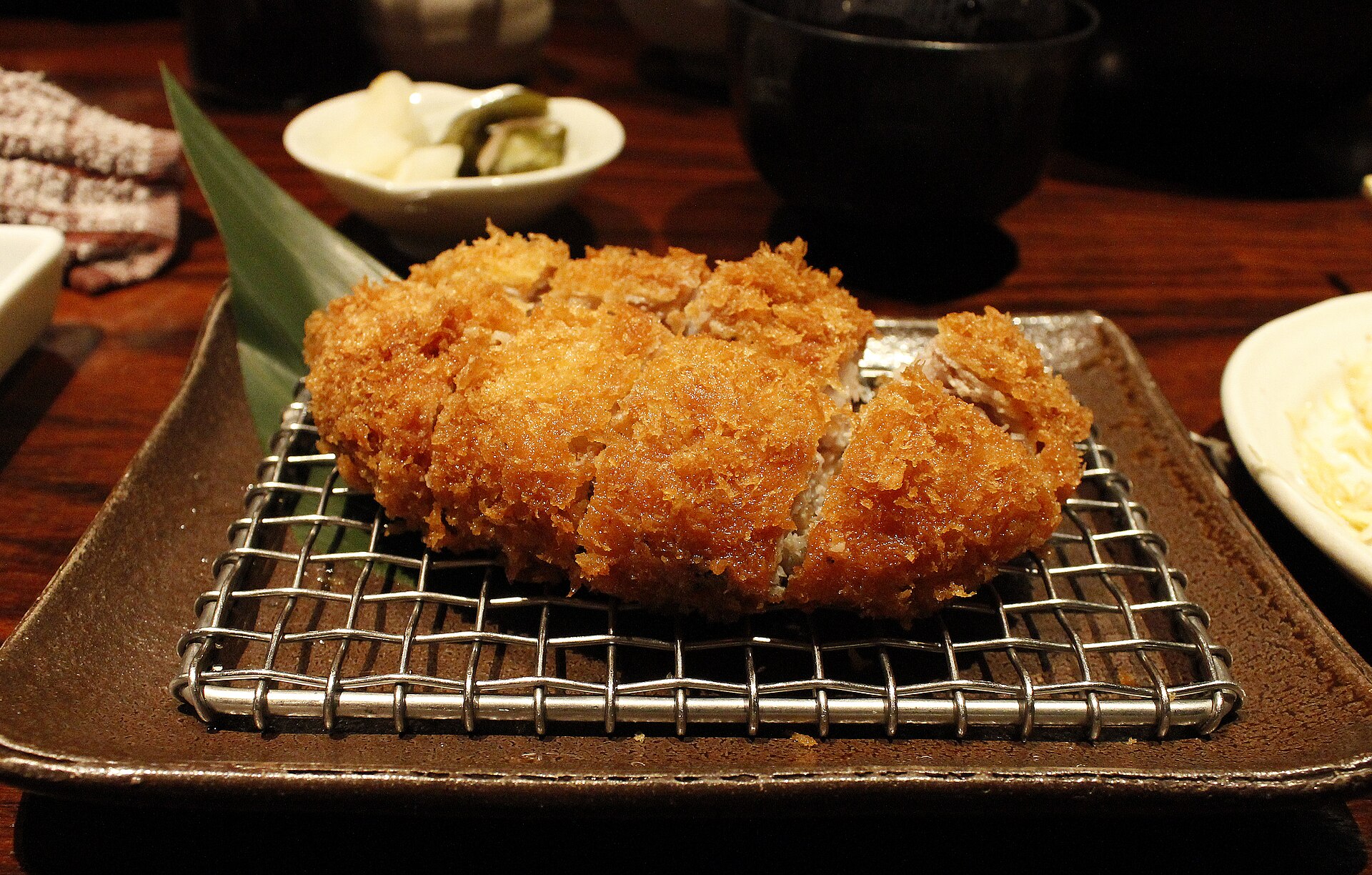
A thick pork cutlet in panko crumbs, served with shredded cabbage, rice and miso soup. It is one of Tokyo’s best-value meals, with most sets between ¥1,000 and ¥3,000.
สถานที่: Marugo (1-8-14 Soto-Kanda) is 4 minutes from Akihabara Station’s Electric Town Exit; Tabelog shows ¥1,000–1,999, cash only, no reservations, closed Monday and Tuesday. Maisen Aoyama Honten (4-8-5 Jingumae, 3 minutes from Exit A2 of Omotesando) opens 11:00–22:00, and its autumn set of black-pork katsu with a seafood fry, including Hiroshima oysters, is ¥2,830.
Japan Pro Tip: Maisen takes weekend and holiday bookings for banquet courses only, so arrive early on Saturdays and Sundays. It closes on 1 and 2 January.
5. Yakitori
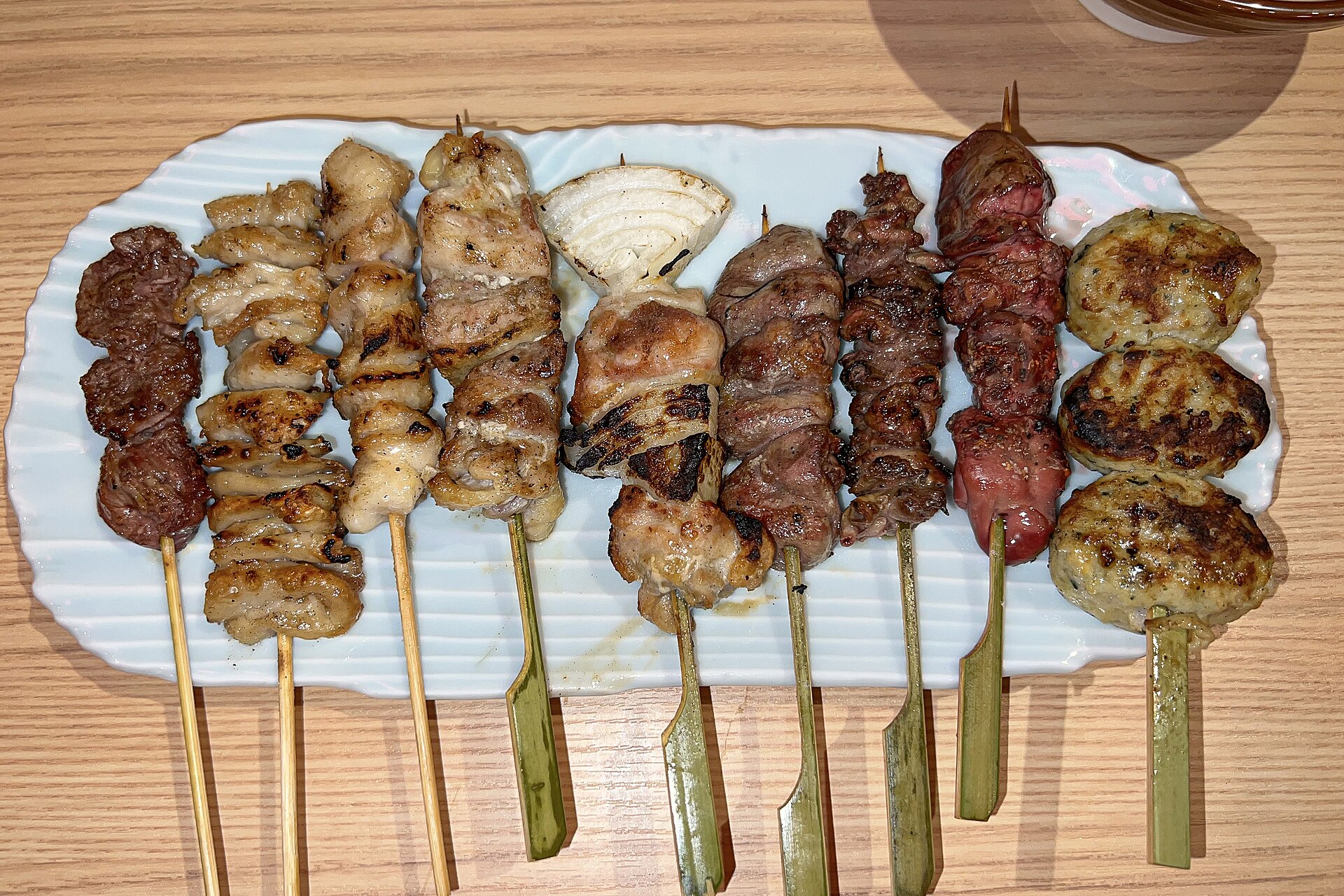
Chicken skewers grilled over charcoal and seasoned with salt (shio) or a sweet soy glaze (tare). At a mid-range place, an evening with drinks lands around Tabelog’s ¥5,000–5,999 band.
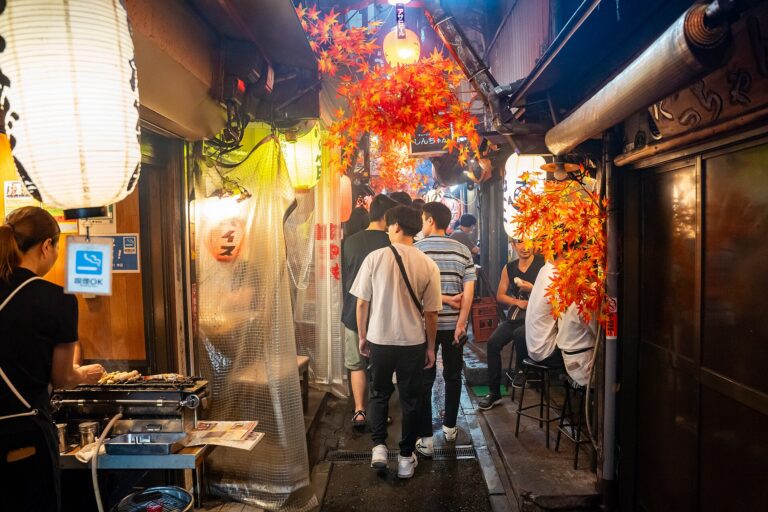
สถานที่: Shinjuku Imai-ya Honten (B1F, 3-33-10 Shinjuku, 2 minutes from Exit A2 of Shinjuku-sanchome) opens 17:00–23:00 daily, plus lunch at weekends, and charges a ¥630 appetiser fee. For the smoky-alley version, Omoide Yokocho by Shinjuku West Exit packs about 60 eateries, mostly motsu-yaki and yakitori, into lanes that began as a post-war market.
Japan Pro Tip: The Torikizoku chain posts an English menu on its website, which makes ordering easy on your first night.
Wagyu, hot pots and Tokyo specialities
6. Sukiyaki
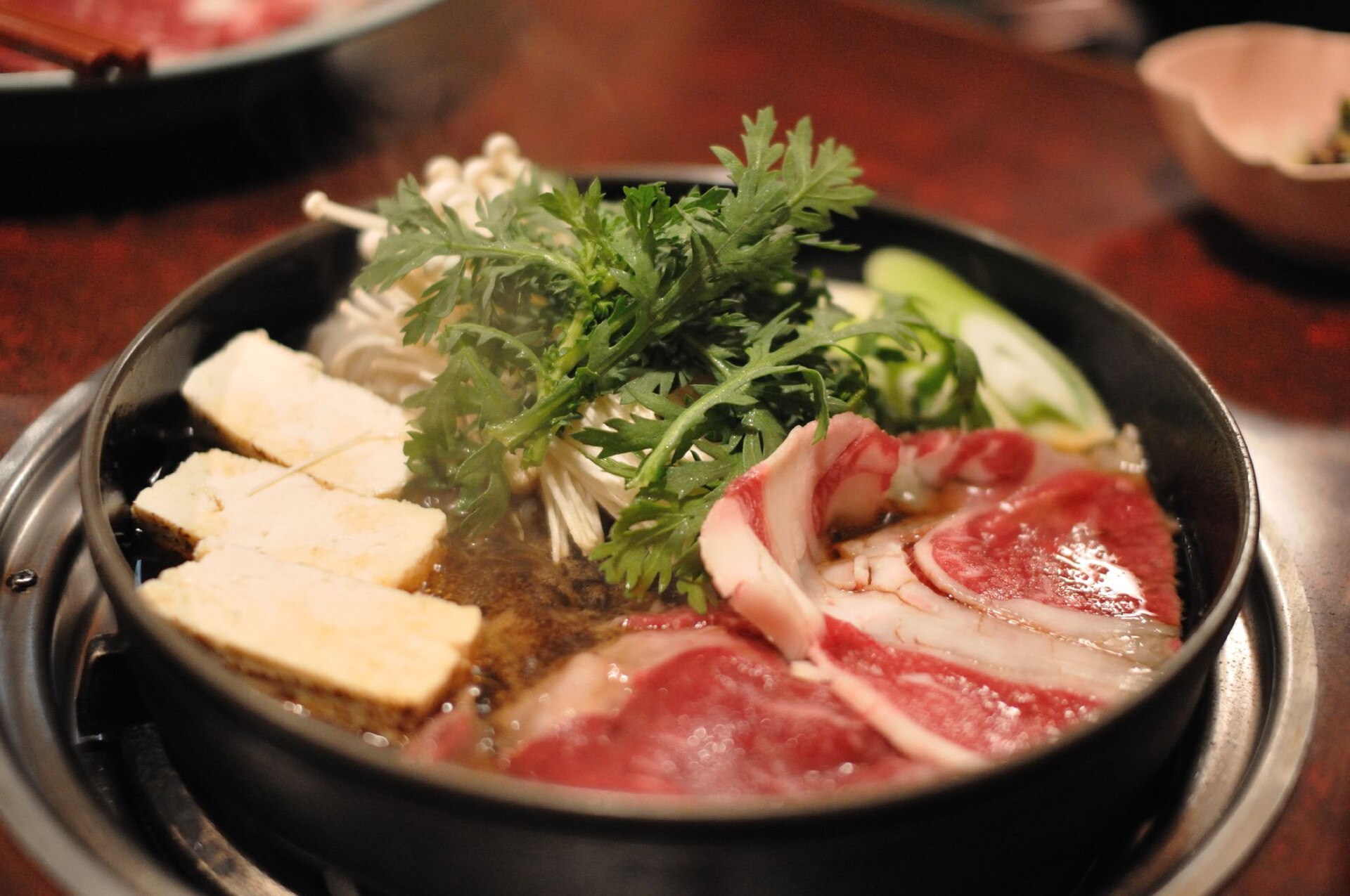
Thin slices of wagyu simmered at the table in a sweet soy broth, then dipped in raw egg. It is a sit-down treat, from about ¥5,000 at lunch to ¥20,000 at dinner.
สถานที่: Asakusa Imahan Kokusai-dori Honten (3-1-12 Nishi-Asakusa), founded in 1895, is next to Exit A2 of Asakusa Station on the Tsukuba Express. Lunch runs 11:30–14:30 with no reservations, and the sukiyaki or shabu-shabu lunch set is ¥5,390; dinner sets start at ¥9,680. Bills over ¥5,500 per person add 10% service, and grand-menu orders come with beef tsukudani (¥440).
Japan Pro Tip: The ¥2,200 hyakunen gyudon (beef bowl) at lunch is limited to 20 servings a day.
7. Shabu-shabu
Swish thin slices of meat through simmering broth, then dip them in sesame or ponzu sauce. Imahan serves a wagyu version at the same prices as its sukiyaki; chains are the cheaper route for an all-you-can-eat night.
Where: Shabu-shabu Onyasai’s 120-minute all-you-can-eat courses cost ¥3,718–7,128 including tax, with last orders at 90 minutes. Lunch all-you-can-eat starts at ¥3,278, though some branches don’t offer it.
8. Monjayaki
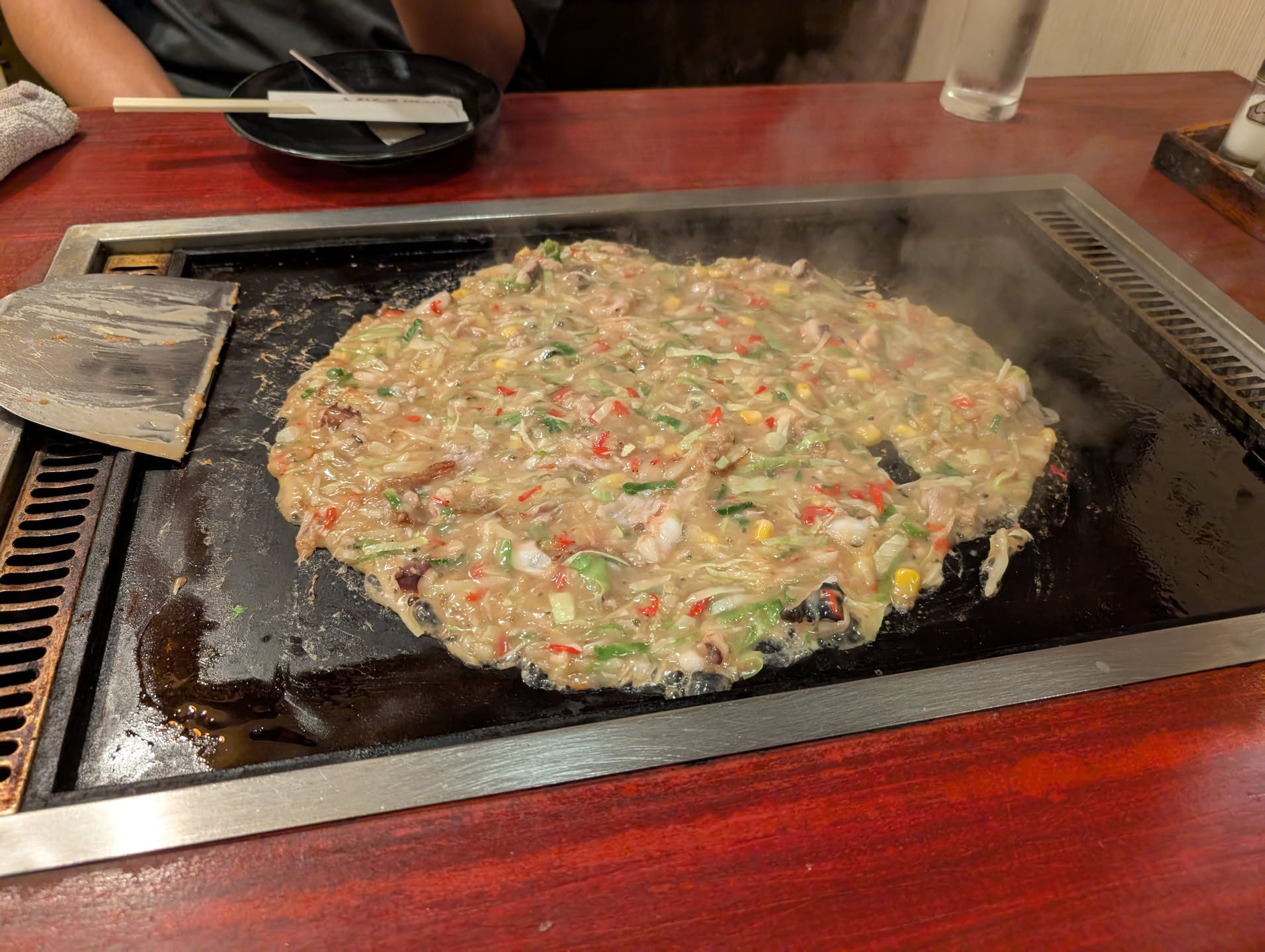
Tokyo’s own dish: a runny batter cooked on a hot plate and eaten straight off it with a tiny spatula. Tsukishima’s Monja Street is the place, and the shops below list average spends of ¥1,500–3,500.
สถานที่: Takenoko (1-9-15 Tsukishima, 1 minute from Exit 7) opens 12:00–22:00 with irregular closing days; mapo monja is ¥1,200. Ebisuya (3-9-10 Tsukishima) makes a five-seafood monja for ¥1,680 and closes on Tuesdays.
Japan Pro Tip: Both shops are listed as smoking-permitted on the cooperative’s site. Our Tsukishima monja guide explains how to cook it in five steps.
9. Okonomiyaki
A thicker savoury pancake of cabbage and batter, finished with sauce and mayonnaise. Osaka claims it, but Tokyo has solid versions for ¥1,000–2,000 at lunch.
สถานที่: Okonomiyaki Kiji Marunouchi (TOKIA B1F, 2-7-3 Marunouchi) is 3 minutes from Tokyo Station’s Marunouchi South Exit. Tabelog shows ¥1,000–1,999 at lunch and ¥3,000–3,999 at dinner; it takes no reservations but accepts Suica.
10. Soba
Buckwheat noodles, served cold with a dipping sauce or hot in broth. A meal costs about ¥1,000–2,000, and Kanda keeps the classic old shops.
สถานที่: Kanda Matsuya Honten (1-13 Kanda-Sudacho, 2 minutes from Awajicho Station) is cash only, takes no reservations and closes Sundays and Mondays. Kanda Yabusoba (2-10 Kanda-Awajicho) closes Wednesdays and takes cards and Suica; both sit at ¥1,000–1,999 on Tabelog.
11. Unagi
Freshwater eel grilled with a sweet soy glaze and served on rice in a lacquered box (unaju). It is a splurge: about ¥4,000–10,000 at the old specialists.
สถานที่: Obana (5-33-1 Minami-Senju, 4–5 minutes from Minami-Senju Station) is cash only, takes no reservations, closes Monday and Tuesday and shuts when the eel runs out; Tabelog shows ¥8,000–9,999 at lunch. Hatsu Ogawa (2-8-4 Kaminarimon, near Asakusa) is smaller at ¥4,000–4,999, cash only and closed Wednesdays; Tabelog says to book about 10 days ahead.
12. Kaiseki
A seasonal multi-course meal with roots in the tea ceremony, served one small dish at a time. Lunch is the smart way in.
สถานที่: Akasaka Kikunoi (6-13-8 Akasaka, 5 minutes from Akasaka Station) serves lunch courses at ¥14,300, ¥17,600 and ¥22,000 plus 10% service. Dinner is ¥33,000, ¥55,000 or ¥77,000, or a shorter ¥22,000 course, plus 15% service. It is closed Sundays and Mondays, and lunch guests enter between 12:00 and 12:30.
Japan Pro Tip: Compare 18 fine-dining picks in our kaiseki guide and the starred list in our MICHELIN Guide Tokyo 2026 guide.
Cheap eats: izakaya, depachika, konbini and sweets
13. Izakaya plates
Small shared plates such as edamame, karaage fried chicken, sashimi and grilled fish, ordered as the night goes on. JNTO notes that the small appetiser (otoshi) brought automatically is not free: it works as a table charge.
Where: Start at Omoide Yokocho, then use our izakaya guide by station for Golden Gai, Nonbei Yokocho, Ebisu Yokocho and the bars under the Yurakucho tracks.
14. Depachika (department-store food halls)
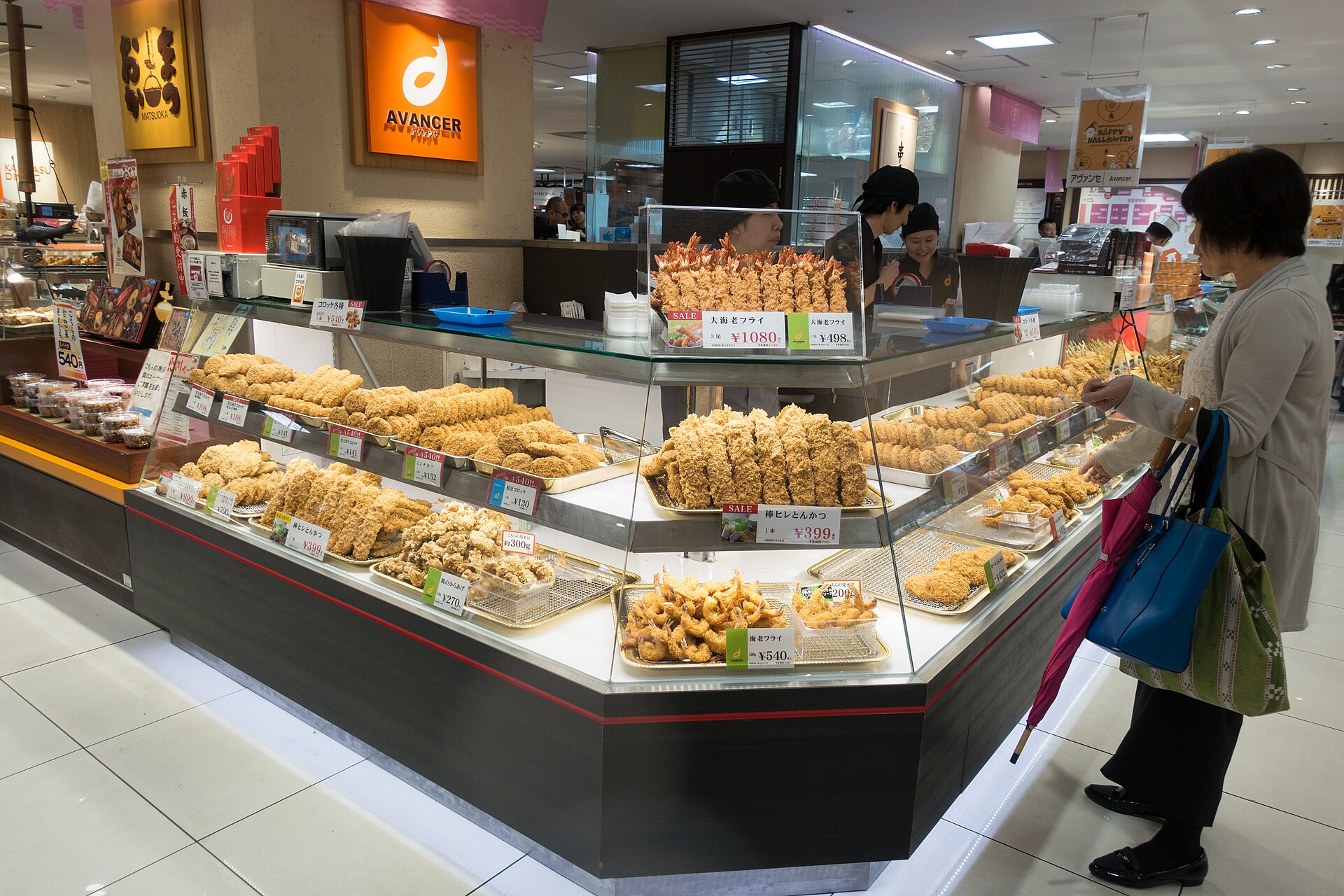
Department-store food floors sell bento, sushi, tempura, wagashi and pastries to take away. They are ideal for a picnic or a Shinkansen lunch.
สถานที่: Daimaru Tokyo, on the Yaesu side of Tokyo Station, opens every day except 1 and 2 January. Tsunahachi’s deli counter in the basement of Keio Department Store, Shinjuku, sells its tempura from 10:00.
Japan Pro Tip: Takeaway food is taxed at 8% and eating in at 10%, per the National Tax Agency. A government plan would cut the rate on food sales to 1% from 1 April 2027 to 31 March 2029, but only if the bill passes the Diet.
15. Konbini (convenience-store food)
Japan’s convenience stores sell onigiri, sandwiches, fried chicken and oden around the clock. FamilyMart’s Famichiki fried chicken is ¥248 including tax.
Where: Any FamilyMart, 7-Eleven or Lawson. Prices are per item at FamilyMart and can differ by region and store.
16. Wagashi (Japanese sweets)
Traditional sweets built on sweet bean paste, rice flour and seasonal shapes. Dorayaki, two pancakes around red bean paste, is the easy first try.
สถานที่: Usagiya in Ueno, open since 1913, raised its dorayaki to ¥270 on 10 April 2026. It opens 9:00–18:00, closes Wednesdays, takes cash only and bakes dorayaki until 16:00, so reserve if you will come later.
What to eat in Tokyo in winter (December–February)
Cold months are hot-pot season, and several menus change for winter. These two dishes are worth planning around.
17. Oden
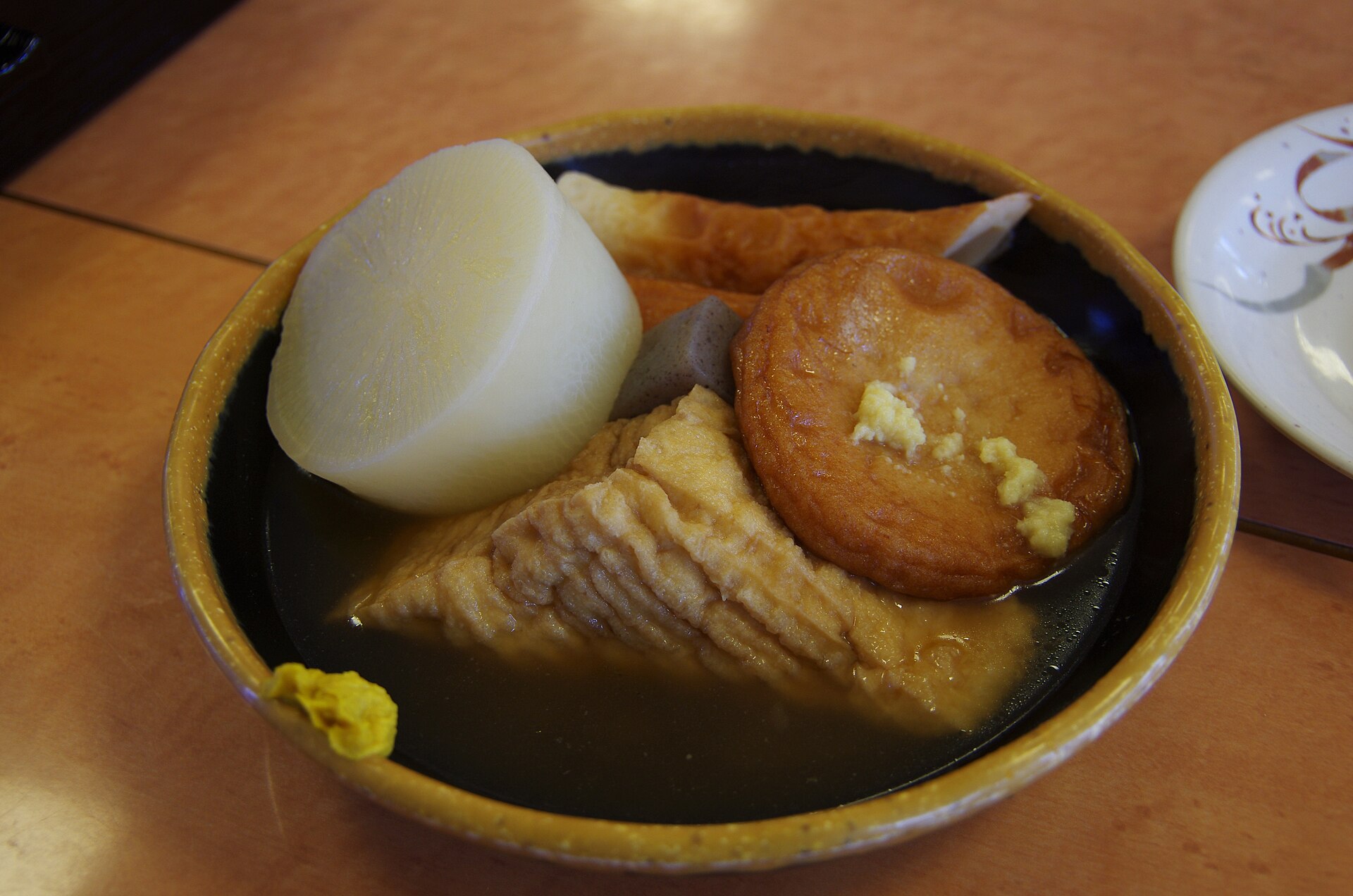
Daikon radish, eggs, fish cakes and konnyaku simmered for hours in a light dashi broth. It costs from ¥145 a piece at a convenience store to about ¥5,000 for an evening at a specialist.
สถานที่: Asakusa Oden Otafuku (1-6-2 Senzoku, 5 minutes from Asakusa Station on the Tsukuba Express) opens 17:00–23:00 and closes Sundays; Tabelog shows ¥5,000–5,999 and a ¥500 table charge. At FamilyMart, thick-cut daikon is ¥145, an egg ¥150 and a beef-tendon skewer ¥198, all including tax.
18. Chanko nabe
The protein-heavy hot pot that sumo wrestlers eat, full of chicken, fish, tofu and vegetables. Ryogoku, home of the sumo hall, is where to eat it.
สถานที่: Chanko Kirishima Ryogoku Honten (2-13-7 Ryogoku) is a minute from the JR Ryogoku West Exit and seats 250. Tabelog shows ¥1,000–1,999 at lunch and ¥5,000–5,999 at dinner; it closes on Mondays. Make a day of it with our sumo show guide.
Also seasonal: Tenya has sold a limited-time snow crab and scallop tendon since 12 November, and Maisen’s autumn set includes Hiroshima oysters.
New Year closures to plan around
- Asakusa Imahan: shorter hours 29 December–3 January (11:30–20:30, last entry 18:30), closed all day 6 January.
- Maisen Aoyama and Daimaru Tokyo: closed 1 and 2 January.
- Usagiya: open until 31 December, closed 1–3 January 2027.
- Tenmatsu Nihonbashi and Akasaka Kikunoi: year-end and New Year break; check dates before booking.
- Kanda Yabusoba: no reservations over the year-end and New Year period.
For the full holiday picture, see Tokyo in December และ New Year in Tokyo 2027.
How much does food cost in Tokyo? Dish-by-budget table
If you are deciding what to eat in Tokyo on a budget, start here: prices are per person, from the restaurants above. Add drinks, and service charges where noted.
| Budget per meal | What to eat | Examples |
|---|---|---|
| Under ¥1,000 | Konbini, oden, wagashi | Famichiki ¥248; FamilyMart oden from ¥145; Usagiya dorayaki ¥270 |
| ¥1,000–2,000 | Ramen, soba, tonkatsu, tempura or sushi lunch | Ichiran ¥1,180; Marugo, Kanda Matsuya, Tenmatsu lunch |
| ¥2,000–6,000 | Monja, yakitori, izakaya, shabu-shabu, chanko dinner | Onyasai from ¥3,718; Imahan lunch ¥5,390 |
| ¥8,000–15,000 | Unagi, top tempura lunch, kaiseki lunch, sukiyaki dinner | Obana; Kondo lunch; Kikunoi ¥14,300; Imahan from ¥9,680 |
| ¥20,000 and up | Kaiseki dinner, top tempura dinner, omakase sushi | Kikunoi ¥33,000–77,000; Kondo dinner |
If you’re planning a whole trip budget, our Japan travel cost guide adds hotels, transport and sights.
How do you book restaurants in Tokyo?
Many of the cheaper places in this guide are walk-in only: Marugo, Kanda Matsuya, Obana, Okonomiyaki Kiji and Imahan at lunch all take no reservations. Arrive before 12:00 or after 13:30 to dodge the office-lunch rush.
Book ahead for counters and famous names: Kikunoi takes online, phone and email bookings, and Hatsu Ogawa fills about 10 days out. JNTO asks diners to turn up on time or cancel well in advance, because small kitchens buy ingredients for each booking.
ของเรา guide to booking restaurants in Japan covers Tabelog, TableCheck, hotel concierges and phrases for the phone.
Vegetarian, vegan and halal food in Tokyo
When working out what to eat in Tokyo on a plant-based or halal diet, the hidden problem is dashi: the broth behind soba, oden, miso soup and many sauces is usually made with bonito flakes. Ask before you order, even when a dish looks meat-free.
Vegan: T’s Tantan makes ramen with no meat, seafood, dairy or eggs, with branches at Gransta Tokyo (B1, outside the JR Tokyo Station gates), Ikebukuro, ecute Akihabara and ecute Ueno.
Halal: Shinjuku-tei serves halal-certified A5 wagyu ramen, and every branch has a prayer space with a wudu area. For kaiseki, tell the restaurant about allergies or religious needs when you book.
Tokyo food etiquette: what to know before you eat
Know before you eat
Don't tip
JNTO says tipping isn't customary in bars, cafes and restaurants. Say "arigato gozaimashita" instead.
Expect otoshi
The small dish that arrives at an izakaya is a table charge, not a gift: ¥630 at Imai-ya, ¥550 at Sushi Sen.
Hands only
The oshibori wet towel is for your hands; JNTO calls wiping your face with it bad manners.
Skip the perfume
At sushi counters, strong fragrances spoil the subtle flavours for everyone.
Carry cash
Marugo, Kanda Matsuya, Obana, Hatsu Ogawa and Usagiya are cash only. Many others take Suica or cards.
Queue properly
Join the end of the line and follow the floor markers; nobody cuts in.
If you pay by card or IC, our IC card guide explains Suica and PASMO for food halls, konbini and ticket machines.
What to eat in Tokyo FAQ
What food is Tokyo famous for?
Tokyo is famous for Edomae sushi, shoyu ramen, tempura, soba, unagi and monjayaki, its own hot-plate dish from Tsukishima.
What should I eat on my first day in Tokyo?
Keep it easy: ramen at a 24-hour shop such as Ichiran Shinjuku (¥1,180), a depachika bento, and yakitori at Omoide Yokocho in the evening.
How much does a meal cost in Tokyo?
Ramen, soba and tonkatsu cost about ¥1,000–2,000, sukiyaki lunch at Imahan is ¥5,390, and kaiseki lunch at Kikunoi starts at ¥14,300 plus service.
What is a Tokyo food only found in Tokyo?
Monjayaki. It was born in Tokyo, and Tsukishima’s Monja Street is where to try it, from ¥1,200 for a mapo monja at Takenoko.
What should I eat in Tokyo in winter?
Oden, chanko nabe, sukiyaki and shabu-shabu. Try Otafuku in Asakusa for oden or Chanko Kirishima in Ryogoku for sumo hot pot.
Do I need to tip at Tokyo restaurants?
No. JNTO says tipping is not customary in restaurants, bars or cafes, though some places add a service charge, such as 10% at Imahan over ¥5,500.
Can vegetarians eat well in Tokyo?
Yes, with care. Dashi often contains fish, so ask first; T’s Tantan serves fully vegan ramen at Tokyo, Ikebukuro, Akihabara and Ueno stations.
แหล่งข้อมูลและวิธีตรวจสอบ
For this what to eat in Tokyo guide, we checked every price, address and closing day on 25 November 2026 against restaurant websites (Asakusa Imahan, Kikunoi, Maisen, Ichiran, Usagiya), Tsukishima Monja cooperative, FamilyMart, JNTO และ National Tax Agency. Tabelog figures are diners’ average spends, not menu prices. Hours change, so confirm on the linked page before you go.
Eat Tokyo with a local
Book a Tokyo food tour, a monja or sushi experience, or a restaurant table in English with Japan Pro.
 English
 Japanese
 Chinese (Taiwan)
 Chinese (China)
 Korean
 French
 Italian
 Thai