
Kyoto Bus November 2026: ¥500 Express Dates & Queue Hacks
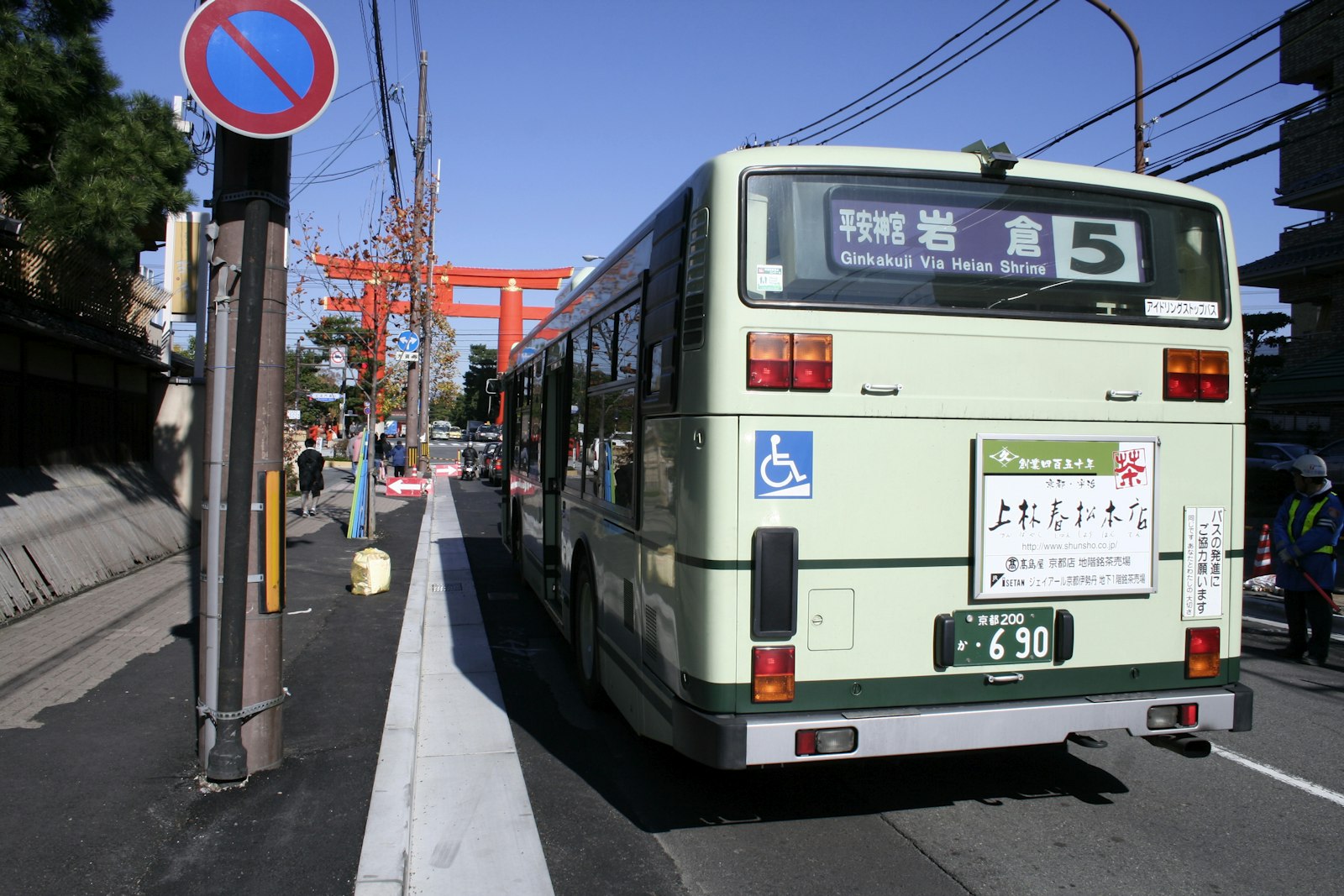
Short answer: In November 2026 Kyoto’s ¥500 sightseeing express buses (EX100 and EX101) run from Kyoto Station on Saturdays, Sundays and holidays only, with the city’s autumn crowd measures covering 12 days from 31 October to 29 November and a five-day peak on 21–23 and 28–29 November. On those days some late-afternoon bus riders get a free subway transfer back to Kyoto Station, and a ¥1,100 one-day pass covers both.
¥500
Express bus fare (adult)
12 days
Autumn measures, 31 Oct–29 Nov
21–23, 28–29 Nov
Official peak days
¥1,100
Subway & bus 1-day pass
Kyoto bus, November 2026: expect the longest queues of the year. November is Kyoto’s busiest bus month, and autumn-leaf weekends are when queues at Kyoto Station and Kiyomizu get worst. Kyoto City’s Transportation Bureau published its autumn plan on 23 October 2026: extra buses, more subway trains, a free bus-to-subway transfer in two late-afternoon windows, and a push towards the ¥500 sightseeing express buses.
This guide gives you every operating day with the peak days flagged, the fares and which pass pays off, how the free transfer actually works, and train routes that skip the bus altogether for Kiyomizu-dera, Fushimi Inari, Tofukuji and Arashiyama.
Last checked: 27 October 2026
What is the Kyoto sightseeing express bus in 2026?
The sightseeing express bus (観光特急バス) is a limited-stop city bus launched in June 2024 to keep tourists off the routes that locals need for school, work and hospitals. It costs more than a normal bus and makes far fewer stops. The Kyoto City Transportation Bureau calls it the first fare of its kind in Japan. There are two lines:
- EX100 (Rakuraku Kiyomizu-dera, Gion, Ginkaku-ji Line): Kyoto Station, Gojozaka (Kiyomizu-dera), Gion, Okazaki Park / Heian Shrine, Ginkakuji-mae. Kiyomizumichi is a stop on the return run to Kyoto Station only.
- EX101 (Rakuraku Kiyomizu-dera Line): Kyoto Station to Gojozaka, non-stop.
Both lines leave from bus stop D1 in front of Kyoto Station’s Central Gate. According to Kyoto City’s official travel site, morning departures run every 7–8 minutes and EX100 takes about 15 minutes to Gion and about 30 minutes to Ginkaku-ji. The bureau’s own January 2025 review counted 32 EX100 runs and 16 EX101 runs a day, with EX101 leaving Kyoto Station only in the 9am to 12pm hours (last departures before 1pm). Check the timetable at D1 on the day, as frequencies can change.
Correction to some reports: the express bus is not a November-only service. It runs every Saturday, Sunday and national holiday all year, plus Obon and the New Year period (Confirmed). What is special from 31 October to 29 November is the city’s “omotenashi” crowd campaign layered on top of it.
Kyoto bus November 2026: which days does the express bus run?
During the autumn campaign window, the express bus and the extra measures line up on 12 days. The city has named five of them as the peak (重点期間), when it adds the most buses and staff. The crowd column is Japan Pro’s guide, based on that official peak designation and the holiday calendar.
| Date | Day | Express bus | Free bus-to-subway transfer | Crowd level |
|---|---|---|---|---|
| 31 Oct | Sat | Yes (Confirmed) | Yes | Busy |
| 1 Nov | Sun | Yes (Confirmed) | Yes | Busy (passenger survey on all express buses) |
| 3 Nov | Tue (Culture Day) | Yes (Confirmed) | Yes | Busy |
| 7 Nov | Sat | Yes (Confirmed) | Yes | Busy |
| 8 Nov | Sun | Yes (Confirmed) | Yes | Busy |
| 14 Nov | Sat | Yes (Confirmed) | Yes | Very busy |
| 15 Nov | Sun | Yes (Confirmed) | Yes | Very busy |
| 21 Nov | Sat | Yes (Confirmed) | Yes | PEAK |
| 22 Nov | Sun | Yes (Confirmed) | Yes | PEAK |
| 23 Nov | Mon (Labour Thanksgiving Day) | Yes (Confirmed) | Yes | PEAK |
| 28 Nov | Sat | Yes (Confirmed) | Yes | PEAK |
| 29 Nov | Sun | Yes (Confirmed) | Yes | PEAK |
| Weekdays | Mon–Fri | No | No | Quieter, but regular buses still fill up |
After 29 November the express bus keeps running on weekends and holidays as normal. The extra campaign buses and the free transfer stop.
On weekdays: the city’s express bus does not run, but Keihan Bus operates its own ¥500 “Okoshi Bus Kiyomizu-dera Line” on weekdays from 1 July 2026 to 29 January 2027 (Expected, Keihan says the schedule is provisional). It loops from Kyoto Station via Shichijo Keihan to Gojozaka, with seat reservations and same-day boarding if seats are free. Details on Keihan’s official page.
How much is the Kyoto bus in 2026, and which pass pays off?
| Ticket | Adult | Child | Covers |
|---|---|---|---|
| Regular city bus (flat-fare zone) | ¥230 | ¥120 | One ride inside the flat-fare zone, which covers all the main sights |
| Sightseeing express bus EX100 / EX101 | ¥500 | ¥250 | One ride. Cash, IC card or 1-day pass. No commuter passes, coupon tickets or senior passes |
| Subway single ride | ¥220–¥360 | Half fare | One subway journey, priced by distance |
| Subway and Bus 1-Day Pass | ¥1,100 | ¥550 | Unlimited city subway and city bus, including the express bus, plus Kyoto Bus, Keihan Bus and JR West bus (some routes excluded) for one calendar day |
| 1-Day Pass + Kyoto Aki-meguri Passport set | ¥2,500 | Not sold | Adult 1-day pass plus entry to up to 4 of 7 temples, including Daigo-ji and Eikan-do (choosing Eikan-do limits you to 3). Sold at the Koto-Chika Kyoto information desk until 27 Dec |
The maths is simple. The ¥1,100 pass beats paying as you go once you take five regular bus rides (5 × ¥230 = ¥1,150), or two express rides plus one bus or subway ride (¥500 + ¥500 + ¥230 = ¥1,230). Some sample days:
- Kiyomizu-dera and Gion only, there and back: one EX101 out (¥500), walk to Gion, Keihan or subway back. Pay as you go with an IC card. No pass needed.
- Kiyomizu, Gion, Heian Shrine and Ginkaku-ji in one day: EX100 out, plus two or three hops back via bus and subway. Buy the pass.
- Kinkaku-ji plus the Higashiyama temples: subway to Kitaoji, bus to Kinkaku-ji, bus across town, subway home. That is four to six rides. Buy the pass.
- Fushimi Inari, Tofukuji or Arashiyama: these are JR, Keihan and Hankyu territory. The city pass does not cover private railways or JR trains, so use an IC card instead.
Buy the 1-day pass at city bus and subway information offices, subway station windows and bus depots, or on board a city bus (limited stock). On 21 and 28 November there is a temporary sales desk on the Shinkansen Kyoto Station 2F concourse from 8:00 to 11:30.
How does the free bus-to-subway transfer work?
This is the measure most coverage gets wrong. It is not a free subway ride for everyone. It applies on the 12 campaign days only, in two late-afternoon windows, for people heading back towards Kyoto Station. You still pay the bus fare. The subway leg is what is free (Confirmed in the bureau’s autumn notice).
| พื้นที่ | Hours | Eligible buses | How it works |
|---|---|---|---|
| Higashiyama (Eikan-do, Nanzen-ji, Heian Shrine, Ginkaku-ji side) | 15:45–19:20 | Routes 5 (incl. via Gojo-dori), 105 and 206 bound for Kyoto Station | Get off at Higashiyama Sanjo and pay the bus fare. Take the transfer ticket (振替乗車票), swap it at the Higashiyama subway station window for a free subway ticket to Kyoto Station |
| Kinkaku-ji | 15:00–17:30 | Routes 25, 102, 109, 204, 205 and M1 from Kinkakuji-michi (northbound) to Kitaoji Bus Terminal | Get a boarding certificate (乗車証明書) at the stop, pay the bus fare at Kitaoji Bus Terminal, swap the certificate at the Kitaoji subway window for a free subway ticket |
If you already hold a 1-day pass, the subway is covered anyway. The transfer mainly helps people paying with an IC card or cash. The Karasuma Line also gets 12 extra round trips between about 10:00 and 19:00 on campaign days, cutting the gap between trains from about 7.5 minutes to about 5–6.5.
What else is Kyoto doing about bus crowds this autumn?
- Route 106 (Higashiyama Line): Kyoto Station to Sanjusangendo, Gojozaka, Gion and Sanjo Keihan. 22 departures a day on campaign days, 24 on peak days. Kyoto Bus runs extra buses on the same route (8 a day, 15 on peak days).
- Morning surge: between 9:00 and 11:00, buses towards Kiyomizu and Gion leave Kyoto Station every 3–4 minutes when you combine the express bus with routes 106 and 206.
- EX100 detour on peak days: on 21–23 and 28–29 November, outbound EX100 follows the EX101 route via Shichijo-dori and Higashiyama-dori to dodge the slow turn at the Gojozaka junction.
- Gojozaka southbound stop closed from 31 October to 29 November to keep buses moving. Head back from Kiyomizumichi instead.
- Kinkakuji-michi split stops: stop C1 for routes 25, 102, 109, 204, 205 and M1 (towards Kitaoji subway), stop C2 for routes 12 and 59.
- Route 109 (Kinkaku-ji and Arashiyama Line): peak days only, Kitaoji Bus Terminal to Arashiyama via Kinkaku-ji, Ryoan-ji, Ninna-ji and Daikaku-ji, 9 runs each way, roughly hourly from about 8:00 to 16:00.
- Eikan-do diversion: on campaign Saturdays, Sundays and holidays from about 15:00 until 20:00, route 5 to Kyoto Station (including the Gojo-dori variant) detours around the Eikan-do area via Okazaki-jinja-mae. Suspended stops get a temporary stop within about 200–300m, so follow the signs.
- Multilingual staff at Kyoto Station bus stops every day in November, and at Kiyomizumichi and Gojozaka every day from 20 to 30 November.
- Kiyomizu-zaka car park: no private cars from 7 October to 10 December 2026, and tour buses must book a slot. Do not plan to drive to Kiyomizu-dera.
Arashiyama gets no bus-specific measures apart from route 109 on peak days. The official advice is to take the train, which is what we recommend below. The city also asks visitors not to bring big suitcases on buses. Use the hands-free delivery and storage services listed at HANDS FREE KYOTO. To see live bus positions and how full each bus is, use the bureau’s free Pokeroke plus+ app.
Got a suitcase? Use Hands Free Kyoto
Kyoto City’s official Hands Free Kyoto service asks visitors not to bring large luggage on to city buses. The autumn notice repeats the request: send big bags by taxi, train or same-day delivery, or leave them at your hotel.
At Kyoto Station, these desks handle same-day delivery to your hotel. Crosta Kyoto, MK and JR Hachijo also store bags:
| Desk | Floor | Hours |
|---|---|---|
| Kotochika Bus & Subway Information Center (delivery only) | B2 | 7:30–19:30 |
| Crosta Kyoto | B1 | 8:00–20:00 |
| Kyoto Tourist Information Center (Kyo Navi, delivery only) | 2F | 8:30–19:00 |
| MK Kyoto Travel Center | 1F | 9:00–19:00 |
| JR Hachijo Gate delivery | 1F | 10:00–18:00 |
Drop your bag in the morning and it’ll be waiting at your hotel the same day. Then you can ride EX100 with nothing but a day bag.
💡 Japan Pro Tip: Want to know if the next bus is full before you join the queue? Kyoto’s free “Pokeroke plus+” web service shows where each city bus is and how crowded it is in real time. Scan the QR code at the stop.
How do I skip the bus to Kyoto’s autumn hotspots?
For four of the biggest autumn spots, rail is faster and more predictable than any bus in November. Walking times come from the temples, shrines and Kyoto City’s official guidance.
1. Fushimi Inari Taisha (Shrine)
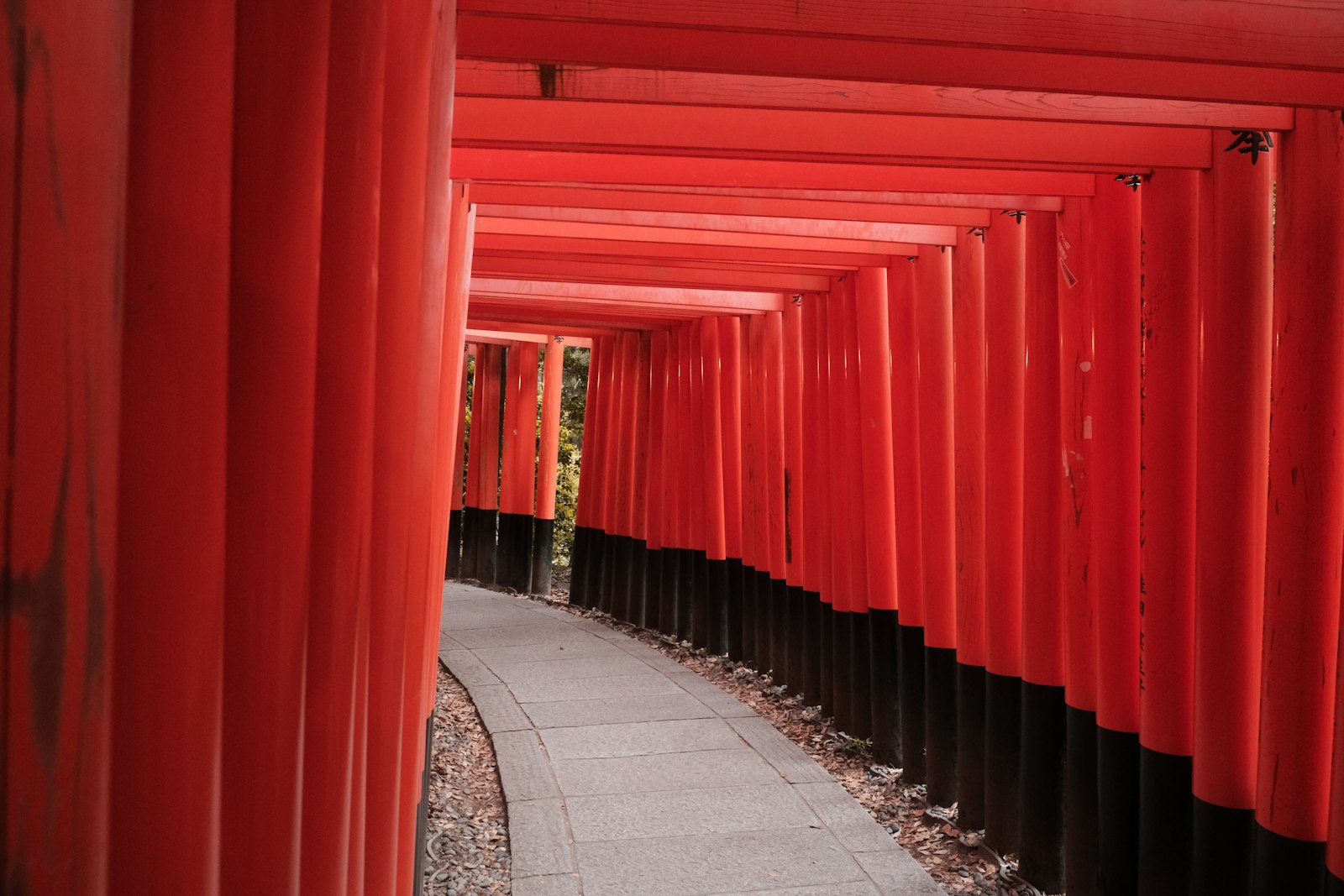
ข้อมูลเบื้องต้น: There is no reason to take a bus here. JR Inari Station sits right next to the shrine entrance. Keihan’s Fushimi-Inari Station is about 5 minutes’ walk east.
- ที่ไหน: JR Nara Line from Kyoto Station to Inari, 2 stops, about 5 minutes. The shrine entrance is right next to the station. Or Keihan Main Line to Fushimi-Inari, then walk east about 5 minutes.
- บรรยากาศ: Packed at the lower gates from mid-morning. It thins out the higher you climb.
- ราคา: Free entry. Train fare on IC card.
- ลิงก์ทางการ: Fushimi Inari Taisha access
💡 เคล็ดลับจากผู้เชี่ยวชาญของญี่ปุ่น: Combine it with Tofukuji, one JR stop up the line. Our Fushimi Inari guide covers the full hike and the quietest times.
2. Tofukuji (Temple)
ข้อมูลเบื้องต้น: One of Kyoto’s biggest autumn-leaf draws, and the temple itself tells visitors to use public transport. Its car parks are closed from 25 October to 10 December.
- ที่ไหน: JR Nara Line from Kyoto Station to Tofukuji (one stop), then about 10 minutes on foot. Keihan Tofukuji Station is also about 10 minutes away (Tofukuji access).
- บรรยากาศ: Very crowded during the autumn special period (14 November–6 December, per the temple’s guide). Photography may be restricted on Tsutenkyo and Gaun-kyo bridges, and tripods are banned.
- ราคา: Tsutenkyo and Kaisando ¥1,000 adults during the autumn period. No combined tickets.
- ลิงก์ทางการ: Tofukuji visitor guide
💡 เคล็ดลับจากผู้เชี่ยวชาญของญี่ปุ่น: Last entry is 16:00, so go first thing at 8:30. See our Kyoto autumn leaves 2026 guide for peak-colour timing.
3. Kiyomizu-dera (Temple)
ข้อมูลเบื้องต้น: There is no station right outside, which is why the express bus exists. If the bus queue at D1 snakes round the square, use the subway plus a short bus ride, or walk from Keihan.
- ที่ไหน: Option A: subway Karasuma Line to Kujo (about 1 minute), then city bus 202 or 207 from Chikatetsu Kujo-ekimae (Oishibashi) to Gojozaka (about 13 minutes), then walk about 10 minutes. This is the bureau’s own recommended route. Option B: Keihan Kiyomizu-Gojo Station, then walk about 25 minutes uphill.
- บรรยากาศ: Gojozaka and Kiyomizu-zaka are shoulder to shoulder on autumn weekends.
- ราคา: Subway ¥220 plus bus ¥230 on IC card, or covered by the 1-day pass.
- ลิงก์ทางการ: Kiyomizu-dera access
💡 เคล็ดลับจากผู้เชี่ยวชาญของญี่ปุ่น: Walk downhill to Gion afterwards instead of queueing for a bus. From November 2026 you can book a Gion walking tour on Japan Pro that picks up the route on foot.
4. Arashiyama (Area)
ข้อมูลเบื้องต้น: Kyoto City’s own travel site warns that buses from Kyoto Station to Arashiyama are crowded and slow, and singles out route 11 on Shijo-dori. Three rail lines go there instead.
- ที่ไหน: JR Sagano Line from Kyoto Station to Saga-Arashiyama (about 11 minutes), then about 12 minutes on foot to Togetsukyo Bridge or about 13 minutes to Tenryu-ji. Hankyu from Kyoto-Kawaramachi, changing at Katsura, to Arashiyama (about 15 minutes’ walk to Tenryu-ji). Randen tram from Shijo-Omiya to Arashiyama (about 4 minutes to the bridge, about 5 to Tenryu-ji).
- บรรยากาศ: The main street and bamboo grove are heaving by 10am on weekends.
- ราคา: Train fares on IC card. Tenryu-ji garden ¥500.
- ลิงก์ทางการ: Getting to Saga-Arashiyama (Kyoto City)
💡 เคล็ดลับจากผู้เชี่ยวชาญของญี่ปุ่น: Board at the back of the JR train. Kyoto City says the front cars are the most crowded. More in our Arashiyama guide.
5. Ginkakuji (Temple)
The Lowdown: No train reaches Ginkakuji, so make the bus leg as short as you can. Take the Karasuma Line subway to Imadegawa, then bus 102 or 203 to Ginkakuji-michi and walk up the canal. On weekends and holidays, EX100 runs from Kyoto Station D1 to Ginkakuji-mae in about 30 minutes. It costs ¥500, but you get one seat for the whole trip.
Where: Subway Imadegawa Station, then the Ginkakuji-michi bus stop
The Vibe: Leafy and flatter, and a little calmer than Kiyomizu
Price: ¥220 subway plus ¥230 bus on an IC card, or covered by the 1-day pass
ลิงก์ทางการ: Ginkakuji access
💡 Japan Pro Tip: Heading home after 15:45 on a campaign day? Ride Route 5 to Higashiyama Sanjo and use the free subway transfer back to Kyoto Station.
6. Kinkakuji (Temple)
The Lowdown: Take the subway to Kitaoji, then bus 102, 204 or 205 from Kitaoji Bus Terminal to Kinkakuji-michi. That beats the slow Route 205 from Kyoto Station across town. On the way back between 15:00 and 17:30 on campaign days, board at stop C1 at Kinkakuji-michi (northbound) for Kitaoji, collect a boarding certificate, and swap it at Kitaoji subway station for a free ticket to Kyoto Station.
Where: Subway Kitaoji Station / Kitaoji Bus Terminal
The Vibe: There’s already a queue at the Golden Pavilion gate, so don’t add a bus queue on top
Price: ¥220+ subway plus ¥230 bus on an IC card, or covered by the 1-day pass
ลิงก์ทางการ: Kinkakuji access
💡 Japan Pro Tip: On 21–23 and 28–29 Nov, Route 109 runs roughly hourly from Kitaoji past Kinkakuji, Ryoanji, Ninnaji and Daikakuji to Arashiyama. That’s four big autumn sights on one bus, without going back through central Kyoto.
What is the best route plan for a November weekend in Kyoto?
Here is a one-day Higashiyama plan for a campaign Saturday, built around the official measures.
- Early morning: Buy a 1-day pass at the Kyoto Station bus and subway information office and board EX101 or EX100 at D1 to Gojozaka. Check the first departure on the D1 timetable. Earlier means a shorter queue, and the 9:00–11:00 window is the busiest.
- Morning: Kiyomizu-dera, then walk down Sannenzaka and Ninenzaka to Gion. No bus needed.
- Late morning: From Gion, take EX100 on to Okazaki Park / Heian Shrine or Ginkakuji-mae if there is room. The pass covers it.
- Afternoon: Walk the Philosopher’s Path south to Nanzen-ji and Eikan-do.
- After 15:45: Take bus 5 to Higashiyama Sanjo. From 15:00 it detours away from Eikan-do, so use the temporary stop. Your pass already covers the subway. If you paid by IC card instead, collect the free transfer ticket as you get off. Then take the Tozai Line subway, changing to the Karasuma Line at Karasuma Oike, back to Kyoto Station. That avoids the worst bus queues of the day.
For Kinkaku-ji, reverse the logic. Go by subway to Kitaoji first, then take a short bus hop. Board at Kinkakuji-michi between 15:00 and 17:30 to use the free transfer at Kitaoji. On weekdays the city express bus does not run, so use route 206, the Kujo subway-plus-bus route above or Keihan’s weekday Okoshi Bus. If you would rather not deal with transport at all, from November 2026 you can book a Kyoto and Nara day tour or other guided tours on Japan Pro.
Will Kyoto bus fares be higher for tourists?
Probably, but not in 2026. Kyoto City plans a two-tier “resident-priority fare” (市民優先価格) for city buses. Under the bureau’s March 2026 outline, residents would pay ¥200 in the flat-fare zone and everyone else about ¥350–¥400. Residency would be checked by linking My Number cards to IC cards. On 1 October 2026 the mayor told the city council that the non-resident fare would be ¥360, as reported by Tabiris.
Status as of 27 October 2026: Expected to start in fiscal 2027 (April 2027–March 2028). It still needs an amendment to the city’s fare ordinance and national approval of a new fare cap, so the final fare and start date are not yet fixed. Visitors in autumn 2026 pay the current ¥230.
Kyoto Bus in November 2026: FAQ
Does the Kyoto sightseeing express bus run on weekdays?
No. EX100 and EX101 run on Saturdays, Sundays and national holidays, plus Obon and the New Year period. In November 2026 that includes Tuesday 3 November and Monday 23 November. On weekdays, Keihan’s separate ¥500 Okoshi Bus Kiyomizu-dera Line runs from Kyoto Station to Gojozaka.
Can I use Suica or ICOCA on the express bus?
Yes. The ¥500 fare can be paid by cash, any transport IC card or the Subway and Bus 1-Day Pass. Commuter passes, coupon tickets and senior passes are not valid.
Is the bus-to-subway transfer free all day?
No. It runs from 15:45 to 19:20 via Higashiyama Sanjo and from 15:00 to 17:30 via Kitaoji, on campaign Saturdays, Sundays and holidays from 31 October to 29 November 2026. You pay the bus fare and the subway ride to Kyoto Station is free.
Is the Kyoto subway and bus 1-day pass worth it?
At ¥1,100, yes, if you make five or more regular bus rides, or two express rides plus one more trip. It does not cover JR, Keihan, Hankyu or Randen, so it is poor value for a Fushimi Inari or Arashiyama day.
Which are the busiest days for Kyoto buses in November 2026?
Kyoto City has named 21, 22, 23, 28 and 29 November as its peak period, with the most extra buses and staff. Expect the longest queues on those days, especially at Kyoto Station D1 and Kiyomizumichi.
Where do I catch EX100 at Kyoto Station?
From bus stop D1, in front of the Central Gate on the north (Karasuma) side of Kyoto Station. Look for the red line marked on the pavement.
Can I take a suitcase on Kyoto buses?
Kyoto City asks visitors not to bring large luggage on to buses during the autumn season. Use Hands Free Kyoto same-day hotel delivery or storage at Kyoto Station (the first desk opens at 7:30), or take a taxi or train.
Can I get the free subway transfer from Gion?
No. The Higashiyama transfer only covers Kyoto Station-bound Routes 5, 105 and 206 when you get off at Higashiyama Sanjo. That stop is north of Gion, so a southbound bus from Gion has already passed it. From Gion, walk to Keihan Gion-Shijo Station, or pay ¥230 for a bus back. The transfer works best after Eikan-do, Nanzen-ji, Heian Shrine or Okazaki.
Is there still a bus-only day pass in Kyoto?
No. Kyoto City stopped selling its bus-only day pass on 30 September 2023, and the last ones expired on 31 March 2024. Your options now are the Subway and Bus 1-Day Pass (¥1,100 adults, ¥550 children), the Subway 1-Day Pass (¥800 adults, ¥400 children) or paying per ride.
How can I tell how crowded the next Kyoto bus is?
Use “Pokeroke plus+”, Kyoto City’s free web service. It shows where each city bus is and how full it is in real time. Scan the QR code at the bus stop. If the next bus is packed, it’s often worth waiting a few minutes for a quieter one, especially between 9:00 and 11:00 at Kyoto Station.
The bottom line on Kyoto buses this autumn
On weekends, take the ¥500 express bus early for Higashiyama. Use the subway in the late afternoon, when the transfer is free. Use JR, Keihan or Hankyu for Fushimi Inari, Tofukuji and Arashiyama, and avoid 21–23 and 28–29 November if your dates are flexible. From November 2026 you can book Gion walks, Kyoto and Nara day tours and other experiences on Japan Pro.
Sources: Kyoto City Transportation Bureau, autumn 2026 crowd measures (23 Oct 2026); express bus and 1-day pass promotion (9 Oct 2026); express bus review (17 Jan 2025); Kyoto City Bus fares; resident-priority fare outline (Mar 2026); Kyoto City autumn 2026 tourism measures; kyoto.travel; Fushimi Inari Taisha; Tofukuji; Kiyomizu-dera; Tenryu-ji; Keihan Okoshi Bus Kiyomizu-dera Line.
Last checked: 27 October 2026
Skip the Kyoto bus queues
Japan Pro's booking platform opens in November 2026: tours, experiences and restaurant reservations across Japan.
 English
 Japanese
 Chinese (Taiwan)
 Chinese (China)
 Korean
 French
 Italian
 Thai