
Tea Ceremony Tokyo: 10 Best Experiences to Book (2026)
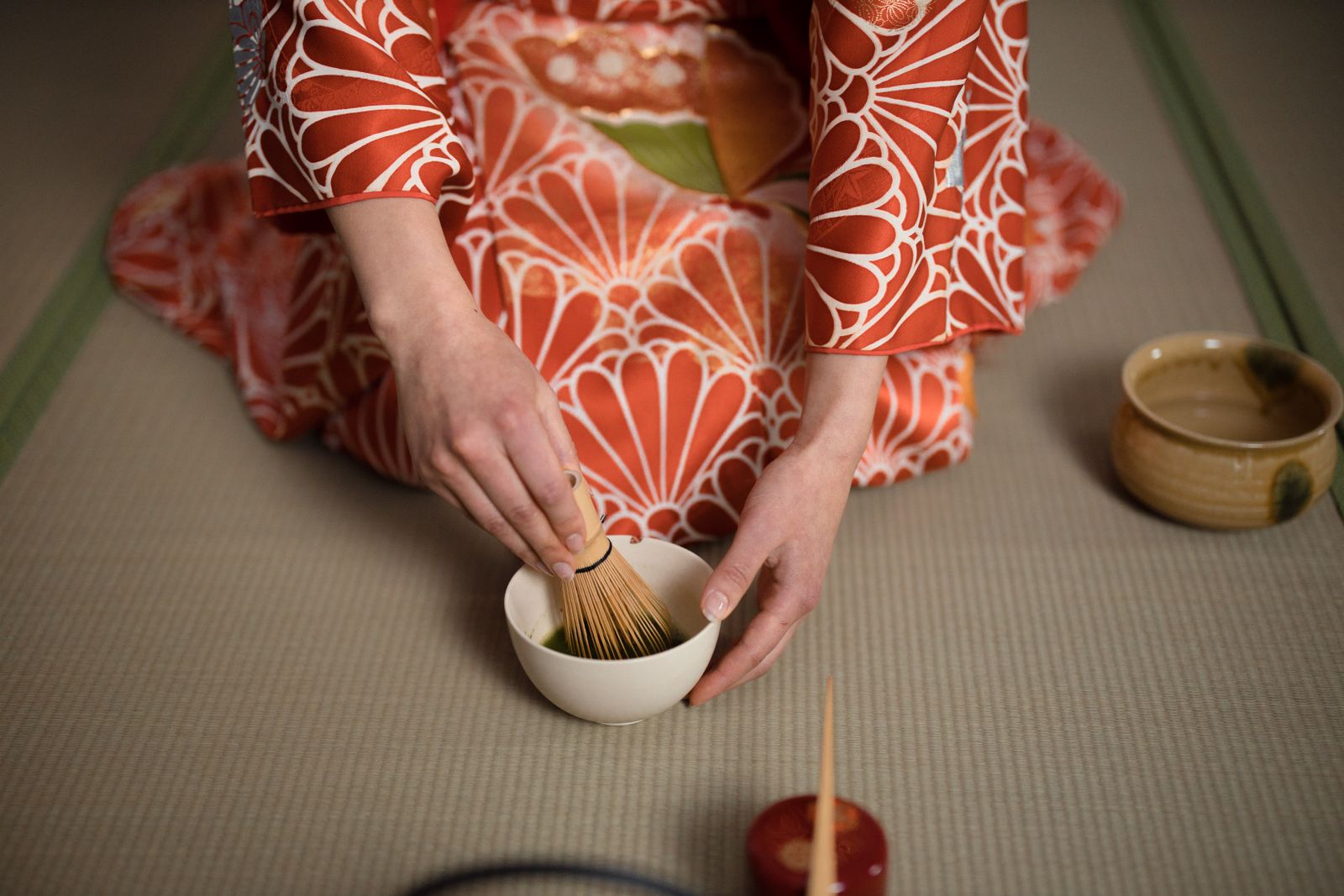
The best tea ceremony in Tokyo for most first-timers is a 45–90 minute English-language session in Asakusa, Ginza or Shibuya, at ¥3,500–¥7,000 per person. If you want history and atmosphere over convenience, book a hotel tea room such as The Okura Tokyo (¥5,000) or the Imperial Hotel (from ¥5,000), or pay ¥300 to enter Hama-rikyu Gardens and drink matcha in its island teahouse.
¥3,500
Cheapest English studio seat (Chazen)
45–90 min
Typical session length
¥800
Tokyo Grand Tea Ceremony seat, 31 Oct–1 Nov
November
Ro (sunken hearth) season begins
This guide covers 10 tea ceremony experiences in Tokyo, from hotel tea rooms to private master-led sessions. For each one we give the verified price, length, language, kimono option and official booking link. It also explains what happens step by step, the etiquette, the difference between usucha and koicha, and what is on this autumn.
What actually happens in a Japanese tea ceremony?
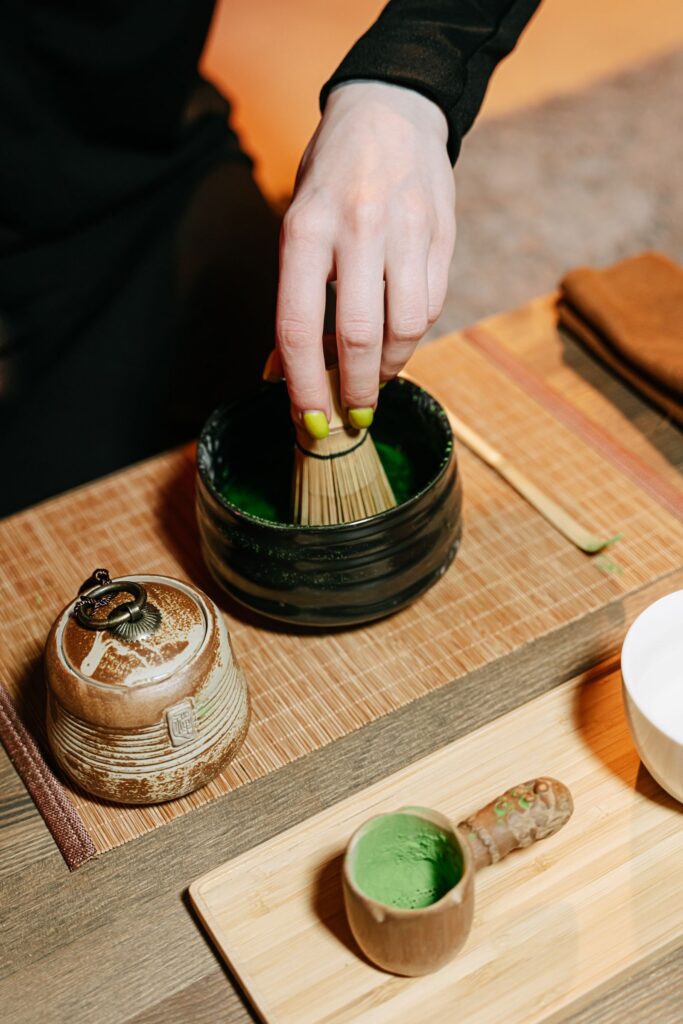
A tea ceremony (chado or sado, “the way of tea”) is a set routine in which a host prepares powdered green tea for guests. Every movement is fixed in advance. A full formal gathering (chaji) with a meal can last 3–4 hours. The visitor sessions in this guide are short versions, usually 30–90 minutes. Here is what a typical one looks like:
- 1. Arrive and take off your shoes. Garden teahouses may have a stone basin (tsukubai) where you rinse your hands first.
- 2. Look at the alcove. The host points out the hanging scroll and the flower in the tokonoma. Both are chosen for the season and the guests.
- 3. Eat the sweet first. You are served a wagashi (a Japanese sweet) on paper. Eat it before the tea, because the sugar balances the bitterness of the matcha.
- 4. Watch the temae. The host purifies the tea scoop, whisk and bowl with a silk cloth, adds matcha and hot water, and whisks it.
- 5. Receive and drink. Bow, lift the bowl, turn it so that its “front” faces away from you, and drink in a few sips.
- 6. Make your own bowl. Most visitor sessions finish with you whisking a bowl yourself, often for a travel companion.
Where is the best tea ceremony in Tokyo? 10 experiences compared
1. Chosho-an at The Okura Tokyo (Hotel Tea Room)
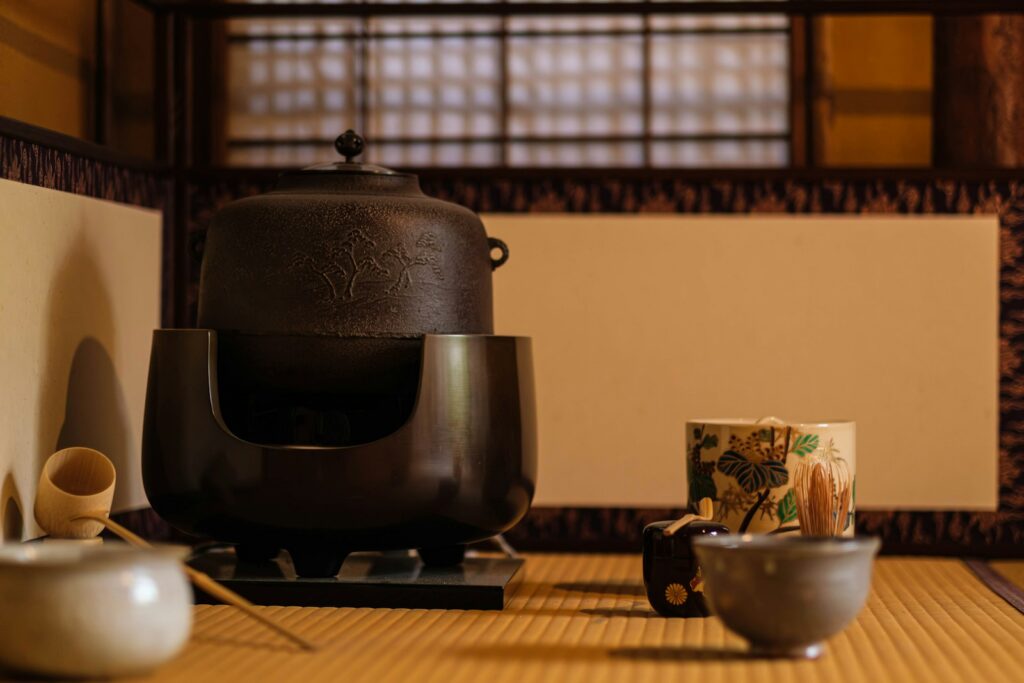
ข้อมูลเบื้องต้น: This is the hotel tea room locals respect most. Chosho-an is an Urasenke-style room inside The Okura Tokyo. The 60-minute session runs year-round on Tuesdays, Thursdays and Saturdays at 12:00, 13:30 and 15:00.
ที่ไหน: The Okura Tokyo, Toranomon (Minato).
บรรยากาศ: Quiet, formal, grown-up. Good for people who care about craft.
ราคา: ¥5,000 per person (minimum 2 people), tax and 15% service charge included. A 30-minute tea-only seat costs ¥3,000 and can only be booked by phone (Yamazato, +81-3-3505-6070).
ลิงก์ทางการ: theokuratokyo.jp – Tea Ceremony Chosho-an
💡 เคล็ดลับจากญี่ปุ่น: Reservations must be made at least 7 days ahead (online via TableCheck), so book as soon as your dates are fixed. The hotel does not say whether sessions are in English. If you need a full explanation, ask when you book.
2. Toko-an at the Imperial Hotel, Tokyo (Hotel Tea Room)
ข้อมูลเบื้องต้น: Toko-an is a sukiya-style tea room on the 4th floor of the Imperial Hotel’s main building, a short walk from Ginza. There are two plans: tea and a sweet (about 30 minutes) or tea, a sweet and whisking your own matcha (about 60 minutes).
ที่ไหน: Imperial Hotel, Tokyo, Uchisaiwaicho (Chiyoda) – Hibiya Station.
บรรยากาศ: Polished and central. It slots easily into a Ginza shopping day.
ราคา: ¥5,000 (30 min, up to 14 people) or ¥8,000 (60 min with matcha-making, up to 8 people), tax and service included. The hotel gives 5% off to “registered guests”; ask whether you qualify when you book.
ลิงก์ทางการ: imperialhotel.co.jp – Tea Ceremony Room Toko-an
💡 เคล็ดลับจากญี่ปุ่น: Toko-an is open 10:00–16:00 and closed on Sundays and national holidays. It is sometimes booked out for private functions, so do not leave it to the last day of your trip.
3. Zangetsu Teahouse at Hotel Chinzanso Tokyo (Private, Hotel Garden)
ข้อมูลเบื้องต้น: This is a private, master-led ceremony in Zangetsu, a 1919 teahouse in Chinzanso’s garden. The hotel describes it as a recreation of a tea room once owned by Sen no Rikyu. A trained tea master leads the session, which is available in English, Chinese or Japanese.
ที่ไหน: Hotel Chinzanso Tokyo, Mejiro (Bunkyo).
บรรยากาศ: Exclusive. A garden walk, a registered cultural property and a session priced for your group alone.
ราคา: ¥90,000 per group (1–3 people), ¥120,000 (4–6) or ¥180,000 (7–12), tax and service included. Kimono dressing is from ¥22,000 per person (hair styling +¥6,000).
ลิงก์ทางการ: hotel-chinzanso-tokyo.com – Tea Ceremony Experience
💡 เคล็ดลับจากญี่ปุ่น: It runs on weekdays only, 13:00–17:00, and you book by phone (+81-3-3943-1111) at least 10 days ahead. Split between three people it works out at ¥30,000 each, which is close to some “luxury” studio packages.
4. Nakajima-no-ochaya at Hama-rikyu Gardens (Garden Teahouse)
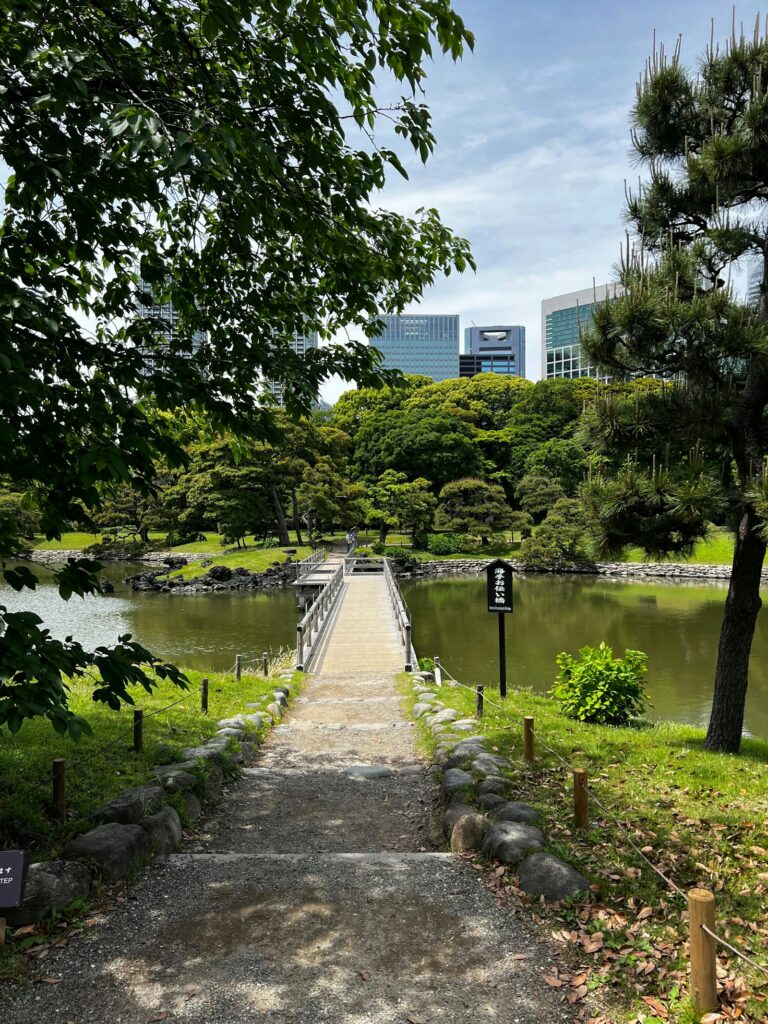
ข้อมูลเบื้องต้น: This is the cheapest good bowl of matcha in central Tokyo. The teahouse stands on an island in a tidal pond, with Shiodome’s towers behind it. It is a casual tea service, not a full ceremony: staff bring you a whisked matcha and a wagashi on the tatami.
ที่ไหน: Hama-rikyu Gardens (Chuo) – Shiodome or Shimbashi Station.
บรรยากาศ: Relaxed. You can drop in after a garden walk, and no booking is needed.
ราคา: Garden entry ¥300 (65+ ¥150). The park does not publish the teahouse menu; the matcha and wagashi set was ¥1,000 in Time Out’s March 2025 listing and in visitor reports from summer 2026. Teahouse hours are 9:00–16:45 (last order 16:30).
ลิงก์ทางการ: tokyo-park.or.jp – Hama-rikyu Gardens
💡 เคล็ดลับจากญี่ปุ่น: On 31 October and 1 November 2026 the Tokyo Grand Tea Ceremony takes over this garden. Nakajima-no-ochaya itself becomes an ¥800 tea seat, and there is an outdoor tea seat with English interpretation for ¥800. See the seasonal section below.
5. Mu-an at Happo-en (Garden Teahouse)
ข้อมูลเบื้องต้น: Happo-en is a wedding and events venue with a strolling garden in Shirokanedai. Its teahouse, Mu-an, serves casual tea (teicha) without a booking. Staff-performed ceremonies (otemae) are run on reservation for groups.
ที่ไหน: Happo-en, Shirokanedai (Minato) – Shirokanedai Station.
บรรยากาศ: A manicured garden with bonsai, koi and almost no tourist crowds.
ราคา: Teicha ¥1,815 per person, Friday–Monday, 11:00–15:00, no reservation. Group otemae plans add room and arrangement fees, so they only make sense for groups.
ลิงก์ทางการ: happo-en.com – Mu-an Tea House
6. Maikoya Asakusa (Kimono Tea Ceremony Studio)
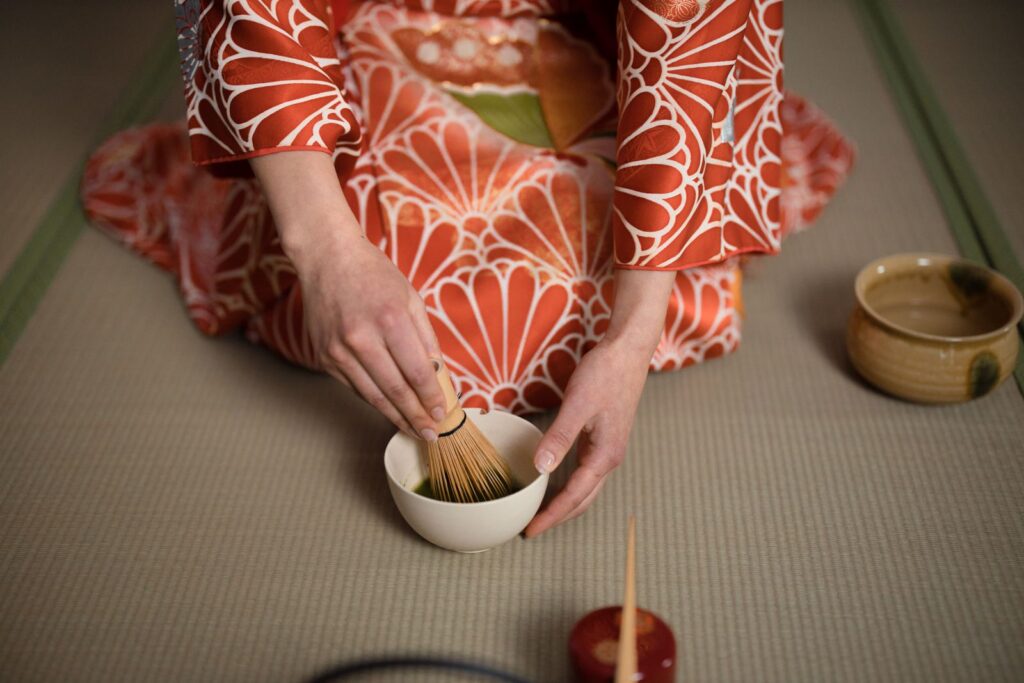
ข้อมูลเบื้องต้น: This is the most popular kimono-and-tea combination in Tokyo. The 90-minute session includes choosing a kimono, getting dressed with help, and a tea ceremony in English. You can keep the kimono on until 18:00 to walk around Senso-ji. There is also a wagashi-making version.
ที่ไหน: 1-12-2 Asakusa, Taito-ku, near Senso-ji.
บรรยากาศ: Fun, photogenic and beginner-friendly. More experience than meditation.
ราคา: From ¥6,930 per person (low-season price with an eligible coupon; it varies by date). Sweets Making & Kimono Tea Ceremony: ¥12,000, about 120 minutes, in English or Japanese.
ลิงก์ทางการ: mai-ko.com – Tea Ceremony with Kimono, Asakusa
💡 เคล็ดลับจากญี่ปุ่น: Children under 7 cannot enter, and the sweets are made in a facility that also handles nuts. Maikoya says early April and mid-November book out first. Pair it with our best things to do in Asakusa guide while you are dressed up.
7. Chazen Asakusa and Ginza (Tea Ceremony Studio)
ข้อมูลเบื้องต้น: Chazen is the best-value English tea ceremony in Tokyo. Each session is 45 minutes and taught in Japanese and English, with wagashi served before the matcha. The two branches are a few minutes from Asakusa Station and from Kabukiza in Ginza.
ที่ไหน: Asakusa: Benkyodo Bldg 5F, 1-4-7 Asakusa. Ginza: Ginza Apollo Bldg 5F, 4-12-17 Ginza.
บรรยากาศ: A small tatami room with a calm, clear lesson.
ราคา: ¥3,500 shared seat; ¥5,000 per person private (2+ people), tax included. You can add ikebana or origami.
ลิงก์ทางการ: teaceremony-tokyo.jp – Asakusa / Ginza
💡 เคล็ดลับจากญี่ปุ่น: Bookings are request-then-pay. You send a date, receive a payment link and must pay by the deadline, or the seat is released. Check your spam folder.
8. Tea Ceremony Tokyo chaan, Shibuya (Tea Ceremony Studio)
ข้อมูลเบื้องต้น: chaan is a five-minute walk from Shibuya Station. The host guides the whole session in English, with materials in Chinese, French and other languages. It is one of the few studios that publishes a children’s price.
ที่ไหน: Manji Bldg 2F, 1-15-9 Dogenzaka, Shibuya-ku.
บรรยากาศ: A quiet room above the Shibuya crowds. A good fit for families.
ราคา: Shared plan ¥3,900 adults / ¥3,000 children aged 5–11 (up to 8 guests). Private plan ¥7,800 / ¥5,380. 45–60 minutes. No kimono: you wear your own clothes.
ลิงก์ทางการ: tokyo-chaan.com
💡 เคล็ดลับจากญี่ปุ่น: Free changes and cancellation up to 24 hours before make this the safest booking if your plans might move.
9. Jugetsudo Ginza Kabukiza (Tea Shop Class)
ข้อมูลเบื้องต้น: Jugetsudo is the tea brand of Tsukiji’s Maruyama Nori, with a Kengo Kuma-designed shop on the 5th floor of Kabukiza Tower. Its tea school runs 60-minute classes. The “Tea Ceremony for Beginners” class is taught in Japanese and English, costs ¥7,850 and includes a matcha kit to take home.
ที่ไหน: Kabukiza Tower 5F, 4-12-15 Ginza – Higashi-Ginza Station.
บรรยากาศ: A modern space for people who want to understand the tea itself, not only the ritual.
ราคา: English beginners class ¥7,850 including a take-home matcha kit, 60 minutes, 1–4 people per booking. The Japanese-language “Matcha Kotohajime” class is ¥3,600.
ลิงก์ทางการ: reserva.be/jugetsudo
💡 เคล็ดลับจากญี่ปุ่น: Bookings need approval and close at 23:59 two days before the class. Cancelling costs 35% two days before, 50% the day before and 100% on the day.
10. To-Ri-An, Meguro (Private Urasenke Master)
ข้อมูลเบื้องต้น: This is the closest you will get to a real tea gathering as a visitor. Two bilingual Urasenke teachers serve both koicha (thick tea, in a black Raku bowl) and usucha (thin tea), with a seasonal wagashi and dry sweets. Most studios serve usucha only.
ที่ไหน: Kakinokizaka, Meguro – about 10 minutes’ walk from Toritsu-daigaku Station (Tokyu Toyoko Line). The exact address is given after booking.
บรรยากาศ: A private, serious session for 1–5 guests.
ราคา: From US$186 per person, 80 minutes. Kimono is optional (limited to 2 women and 2 men per group), and a chakaiseki meal can be added.
ลิงก์ทางการ: wabunka-lux.jp – Private Tea Ceremony, Koicha and Usucha
💡 เคล็ดลับจากญี่ปุ่น: Free cancellation up to 4 days before. If you can only do one “proper” tea ceremony in Japan, this is the format to choose.
Book a private tea ceremony with a local host
Skip the shared rooms. Japan Pro hosts run private tea ceremonies in English and other languages, with kimono and wagashi-making options, booked direct with the host.
Tea ceremony Tokyo comparison table
| Name | พื้นที่ | Price | Duration | English | Kimono | Book |
|---|---|---|---|---|---|---|
| Chosho-an, The Okura Tokyo | Toranomon | ¥5,000 (min 2) | 60 min | ถาม | No | Official |
| Toko-an, Imperial Hotel | Hibiya | ¥5,000 / ¥8,000 | 30 / 60 min | ถาม | No | Official |
| Zangetsu, Hotel Chinzanso | Mejiro | ¥90,000 per group (1–3) | ~60 min | Yes | From ¥22,000 | Official |
| Nakajima-no-ochaya, Hama-rikyu | Shiodome | ¥300 entry + ~¥1,000 | Drop-in | Basic | No | Official |
| Mu-an, Happo-en | Shirokanedai | ¥1,815 | Drop-in | Basic | No | Official |
| Maikoya Asakusa | อาซากุสะ | From ¥6,930 | 90 min | Yes | Included | Official |
| Chazen | Asakusa / Ginza | ¥3,500 / ¥5,000 private | 45 min | Yes | No | Official |
| chaan | ชิบุยะ | ¥3,900 (child ¥3,000) | 45–60 min | Yes | No | Official |
| Jugetsudo Kabukiza | Ginza | ¥7,850 | 60 min | Yes | No | Official |
| To-Ri-An (Urasenke) | Meguro | From US$186 | 80 min | Yes | Optional | Official |
Prices as published on each official page on 17 October 2026, tax included unless stated. “Ask” means the venue does not state English support.
What is the etiquette for a first tea ceremony?
- Wear clean socks. You will be on tatami without shoes. Some venues do not allow bare feet on the tatami.
- Take off rings and bracelets. They can scratch tea bowls that may be decades old.
- Skip perfume. Strong scents interfere with the smell of the tea and the incense.
- Seiza is not compulsory. Kneeling for 45 minutes hurts if you are not used to it. Most studios let you sit cross-legged or offer a low stool; just ask.
- Eat the sweet first, and finish everything. It is polite to finish both the wagashi and the tea.
- Turn the bowl. Rotate it clockwise twice before drinking so you do not drink from its decorated front.
- Photos: Ask before taking any. Many hosts are happy for you to take photos after the formal part.
Urasenke or Omotesenke: does the school matter?
Most tea in Japan follows one of the three Sen families, all descended from the 16th-century tea master Sen no Rikyu: Omotesenke, Urasenke and Mushakojisenke. Urasenke has the most practitioners today, and its official site has an English section. The differences you will notice as a guest are small. Urasenke whisks thin tea to a fine, full foam, while Omotesenke and Mushakojisenke whisk less, leaving a lighter foam. They also differ in steps such as how many paces it takes to cross a tatami mat. No school ranks above another, so choose by host and setting, not by school.
What is the difference between matcha, usucha and koicha?
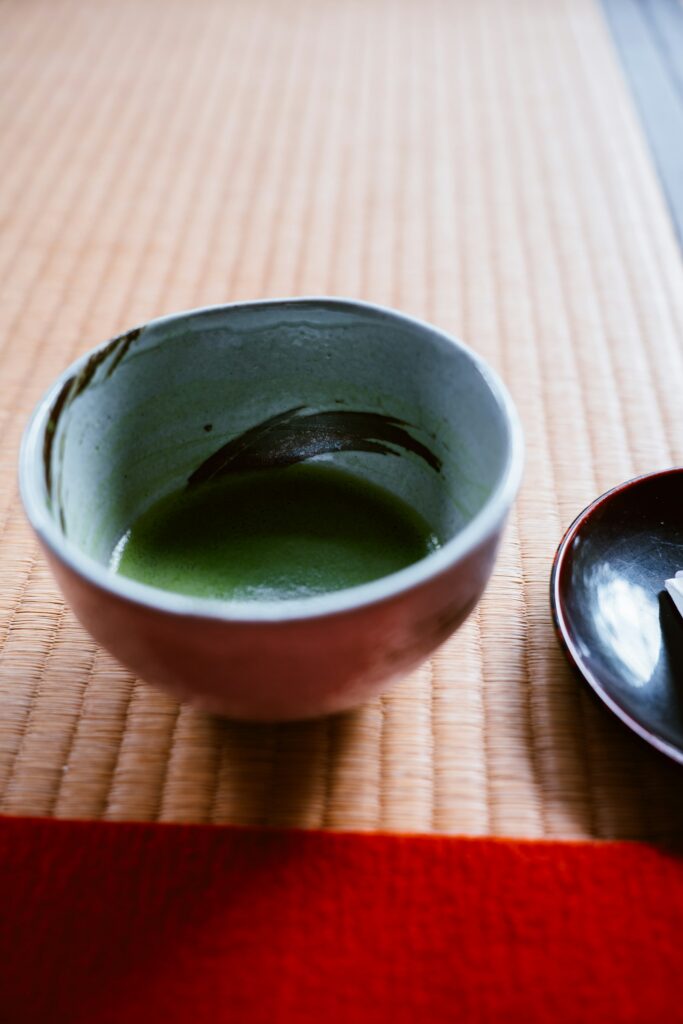
Matcha is the tea itself: shade-grown leaves, dried and stone-ground into powder. Usucha (“thin tea”) is what almost every visitor session serves. It uses a small amount of matcha and more water, and is whisked to a frothy, slightly bitter bowl. Koicha (“thick tea”) uses several times more matcha and very little water. It is kneaded rather than whisked into a glossy, almost syrupy paste, and in formal gatherings guests often share it from one bowl. Koicha is the heart of a formal chaji, which is why a session that serves it, such as To-Ri-An’s, is a step up in authenticity.
How do you choose the right tea ceremony in Tokyo?
- Under ¥2,000: Matcha at Hama-rikyu (Nakajima-no-ochaya) or Happo-en (Mu-an). No booking and no ritual, but a beautiful setting.
- ¥3,500–¥5,000 and in English: Chazen (Asakusa/Ginza) or chaan (Shibuya).
- Kimono photos: Maikoya Asakusa, which includes the kimono. Add wagashi-making for ¥12,000.
- Heritage and hotel calm: The Okura Tokyo or the Imperial Hotel, both around ¥5,000.
- Private, with a real master: To-Ri-An (from US$186) or Chinzanso’s Zangetsu (from ¥90,000 per group).
- With kids: chaan has a ¥3,000 child rate for ages 5–11. Maikoya does not admit under-7s.
New to the city? Our first time in Tokyo guide helps you fit a 90-minute experience into a busy itinerary.
What is special about tea in Tokyo this autumn?
Tokyo Grand Tea Ceremony 2026 (Confirmed). The Tokyo Metropolitan Government and Arts Council Tokyo run this big public tea gathering every autumn. This year every tea seat and outdoor nodate seat is sold on the day, first come, first served. There is no lottery or advance application. Each seat is ¥800 with tea and a sweet. Pay in cash or by transport IC card or e-money (nanaco, Rakuten Edy, QUICPay, iD); credit cards are not accepted.
- Sat 24 – Sun 25 October: พิพิธภัณฑ์สถาปัตยกรรมกลางแจ้งเอโดะ-โตเกียว, Koganei (free entry on event days). 10:30–16:00, tickets 9:30–15:10. Includes an English-interpreted tea seat (¥800) and a children’s tea seat (¥500).
- Sat 31 October – Sun 1 November: Hama-rikyu Gardens (entry ¥300). 10:00–17:30, tickets from 7:45 to 15:40. Tea seats include Nakajima-no-ochaya, plus an outdoor tea with English interpretation (¥800). Garden hours are extended to 21:00 from 30 October to 3 November.
November: the tea world’s “new year”. In November, tea rooms put away the portable summer brazier (furo) and open the sunken hearth (ro) in the floor. This is called robiraki. Traditionally it happens on the first Day of the Boar in November, alongside kuchikiri, the cutting of the seal on a jar of tea leaves picked in spring. If you book a ceremony from November to April, ask whether it uses the ro. The host sits at a different angle and the room feels warmer and closer. Combine it with peak leaves in our Tokyo autumn leaves 2026 guide.
Japan’s travel boom shows no sign of slowing. JNTO reported on 9 October 2026 that Japan was named Favourite Country for a Holiday for the second year running. Many tea rooms take only 8–14 guests per session, so book 1–2 weeks ahead in November.
Tea ceremony Tokyo FAQ
How much does a tea ceremony cost in Tokyo?
Expect ¥3,500–¥7,000 per person for a 45–90 minute English-language session in Asakusa, Ginza or Shibuya. Hotel tea rooms charge about ¥5,000–¥8,000. Private master-led sessions start at around US$186 per person. Garden teahouses such as Hama-rikyu serve matcha and a sweet for about ¥1,000 plus ¥300 garden entry.
How long is a tea ceremony experience in Tokyo?
Most visitor sessions last 45–60 minutes. Kimono packages take about 90 minutes and wagashi-making versions about 120 minutes. A full formal chaji with a meal can take 3–4 hours.
Where can I do a tea ceremony in Asakusa?
Chazen Asakusa (¥3,500, 45 minutes, English and Japanese) and Maikoya Asakusa (from ¥6,930 with kimono, about 90 minutes, English) are both a short walk from Senso-ji.
Do I need to wear a kimono to a tea ceremony?
No. Neat everyday clothes and clean socks are fine. Kimono is optional at Maikoya (included), Hotel Chinzanso (from ¥22,000) and To-Ri-An (optional).
Can children join a tea ceremony in Tokyo?
Yes, at some venues. Tea Ceremony Tokyo chaan in Shibuya charges ¥3,000 for children aged 5–11. Maikoya does not admit children under 7. The Tokyo Grand Tea Ceremony has a ¥500 children’s tea seat on 24–25 October 2026.
What is the difference between usucha and koicha?
Usucha is thin tea, whisked to a froth, and is what most visitor sessions serve. Koicha is thick tea made with several times more matcha and kneaded into a glossy paste. It is the centre of a formal tea gathering.
Book your tea ceremony in Tokyo
For a quick, cheap taste, go to Hama-rikyu. For a lesson in English, book Chazen or chaan. For heritage, book The Okura. If you want the room to yourself and a host who adapts the session to you, book a private tea ceremony with a local host on Japan Pro, ideally before November’s ro season fills the calendar.
Sources: official pages of The Okura Tokyo, Imperial Hotel Tokyo, Hotel Chinzanso Tokyo, Happo-en, Tokyo Metropolitan Park Association (Hama-rikyu), Maikoya, Chazen, Tea Ceremony Tokyo chaan, Jugetsudo (RESERVA), wabunka-lux (To-Ri-An); Tokyo Metropolitan Government press release (20 Aug 2026) for the Tokyo Grand Tea Ceremony; Imidas (robiraki/kuchikiri); All About (tea schools); Time Out Tokyo and 2026 Tabelog visitor reviews (Nakajima-no-ochaya price); JNTO. Last checked 17 October 2026.
 English
 Japanese
 Chinese (Taiwan)
 Chinese (China)
 Korean
 French
 Italian
 Thai