
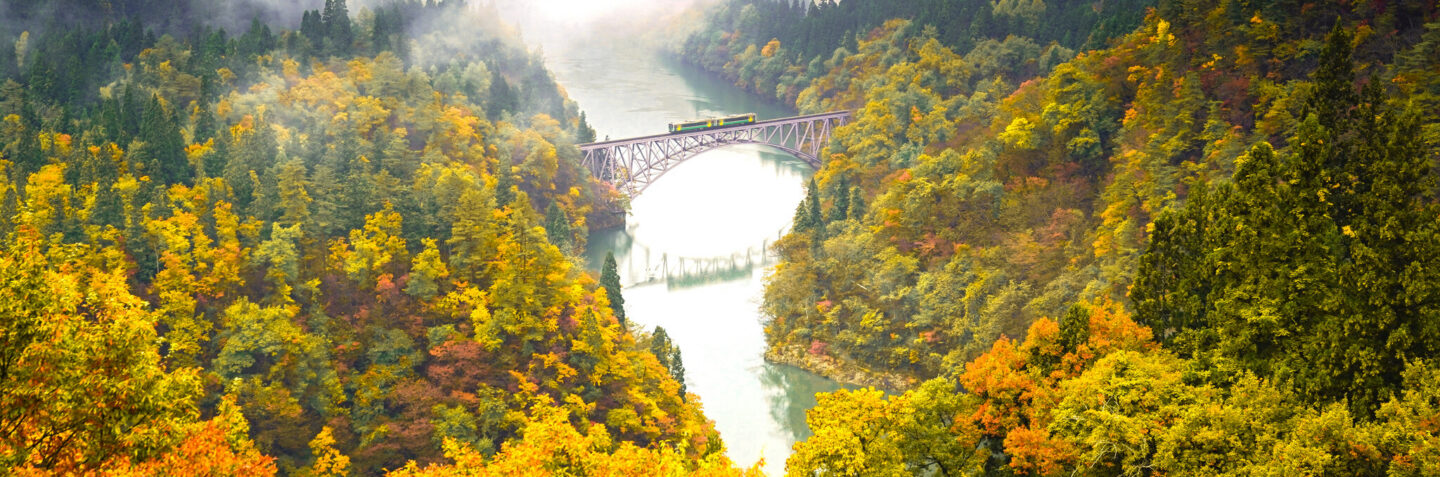

Prices and dates verified September 2026
The JR Autumn Unlimited Pass is back for 2026: ¥7,850 for three consecutive days of unlimited travel on JR local and rapid trains, anywhere in Japan. In Japanese it’s the Aki no Norihodai Pass, and it works out at about ¥2,617 a day, less than a single one-way ticket between most major cities.
It went on sale on 18 September and can only be used between 3 and 18 October. There’s no shinkansen, no limited express, and no way to spread the three days out, and those rules decide whether the Autumn Unlimited Pass is the best-value ticket in Japan or a very slow mistake.
Here’s exactly what it covers, the rules that catch people out, the Hokkaido catch almost nobody explains, three routes that work, and an honest answer on whether you should buy one.
단편 버전
- 가격: ¥7,850 for adults, ¥3,920 for children
- Travel: any three consecutive days between 3 and 18 October 2026
- Trains: JR local and rapid trains nationwide, non-reserved seats
- Buy by: 16 October, the last day you can start the Autumn Unlimited Pass
What the Autumn Unlimited Pass covers
- 가격: ¥7,850 adult, ¥3,920 child
- On sale: 18 September to 16 October 2026
- Valid for travel: 3 to 18 October 2026
- Duration: three consecutive days
- Trains: JR local and rapid services nationwide, in non-reserved ordinary cars
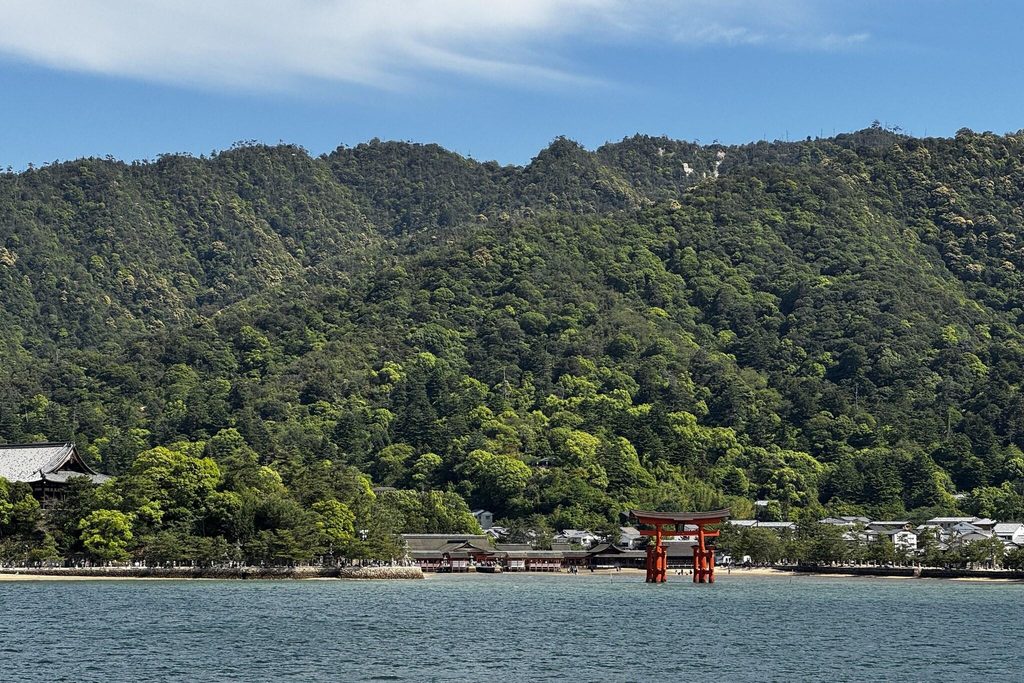
- Also included: BRT bus routes and the JR West Miyajima Ferry
The Miyajima Ferry inclusion is quietly useful. It’s the boat to Itsukushima Shrine and its floating torii, and the Autumn Unlimited Pass covers it at no extra cost. The BRT routes are the bus rapid transit lines that replaced tsunami-damaged railway on the Sanriku coast, which makes the pass a good way to see that coastline.
JR sells the Autumn Unlimited Pass every year to mark Railway Day on 14 October, and for four years running it has covered the 16 days from the first Saturday of October, always at the same ¥7,850 price.
💡 일본의 팁: The sale period and the travel period are different, and both matter. The last day you can start the Autumn Unlimited Pass is 16 October, which gives you the 16th, 17th and 18th. Buy early if your dates are fixed, because you choose the start date when you buy.
The six rules that decide everything
1. Local and rapid trains only. No shinkansen, no limited express. This is the rule people break in their heads while planning and then discover at the gate. There’s one odd exception: on the Sekisho Line in Hokkaido, between Shin-Yubari and Shintoku, you may ride a limited express in a non-reserved or vacant seat, because there’s no local service on that stretch.
2. Three consecutive days. Not three days of your choosing. Start it on a Friday and it ends on Sunday night, whether you used it or not.
3. Non-reserved ordinary cars. No Green Car and no reserved seats. On a busy October weekend that can mean standing.
4. One person, not shareable. The Autumn Unlimited Pass belongs to one traveller for its three days. Two of you means two passes.
5. JR lines only. Subways and private railways aren’t covered, so Tokyo Metro, Keikyu, Odakyu and the Tokyo Monorail all cost extra. In cities, that matters more than people expect.
6. Most third-sector railways are out. The companies that took over old JR lines, such as Aoimori Railway, are only covered on a few stretches, and only when you ride straight through between two JR connections without getting off. Plan a route that lingers on one and you’re paying separately.
The Hokkaido problem, and the ¥4,650 fix
Here’s the part most English write-ups of this pass leave out.
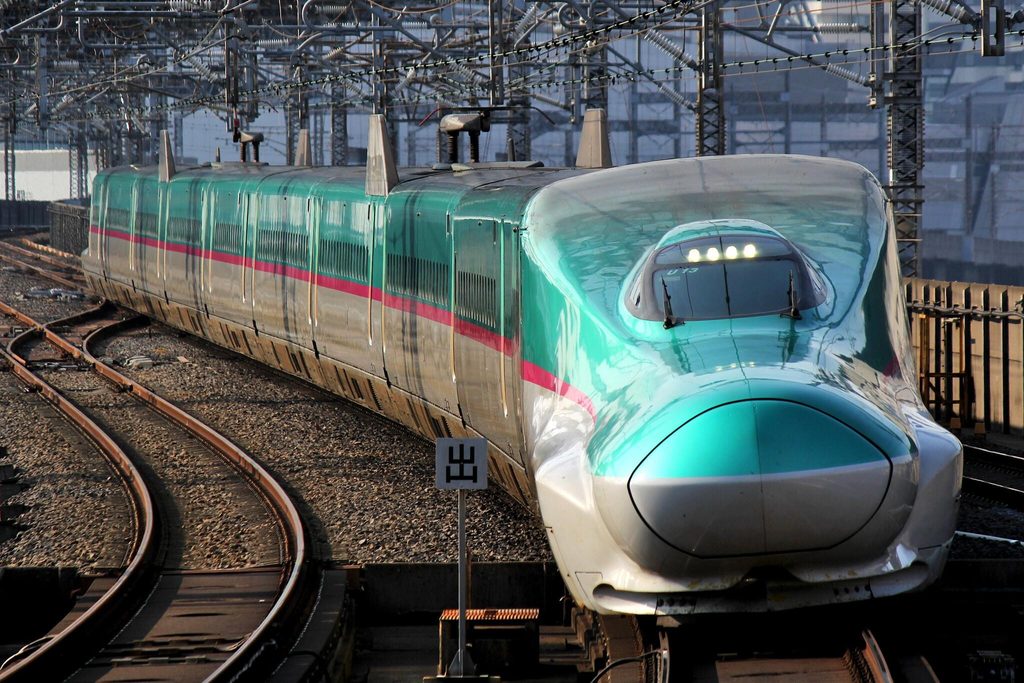
There’s no local train to Hokkaido. The Seikan Tunnel under the Tsugaru Strait carries only the Hokkaido Shinkansen, so a pass that covers local and rapid trains can’t get you there on its own.
That’s what the optional Hokkaido Shinkansen ticket is for. It costs ¥4,650 for adults and ¥2,320 for children, and covers the Hokkaido Shinkansen from Shin-Aomori to Kikonai plus the South Hokkaido Railway from Kikonai to Goryokaku, near Hakodate. It’s on sale from 18 September to 18 October, two days longer than the Autumn Unlimited Pass itself, and valid on the same travel dates.
- It’s one-way, and usable once. A round trip means buying two, ¥9,300 on top of the pass.
- It doesn’t come with a reserved seat. You take any vacant seat in an ordinary car, so on a busy train you may end up standing.
- You need the pass as well. The option ticket only works alongside a valid Autumn Unlimited Pass.
💡 일본의 팁: This reframes the whole decision. The option isn’t a bonus extra, it’s the only way in, and a round trip costs more than the pass itself. If Hokkaido is the plan, budget ¥17,150 and treat the “cheap pass” framing with suspicion. If you’re staying on Honshu, ignore the option and the Autumn Unlimited Pass is exactly as cheap as advertised.
Is the Autumn Unlimited Pass worth it?
The maths is simple: about ¥2,617 a day. Almost any single long-distance journey on ordinary tickets costs more than that. A basic ticket from Tokyo to Sendai alone is well over ¥6,000 each way, so if you’re moving between regions, the Autumn Unlimited Pass pays for itself on the first day.
The cost isn’t money, it’s hours. Tokyo to Osaka on local trains is a nine-hour day of changes. The same trip by shinkansen takes about two and a half. You’re buying a discount by spending your holiday on trains.
- It suits you if you have more time than money, you like slow travel, you want to see coastline and rice fields rather than tunnel walls, and you’re happy to plan around timetables.
- It doesn’t suit you if you have a week in Japan and a list of cities, you’re travelling with big luggage or impatient companions, or you’d rather spend the saved hours in a place than between places.
Most first-time visitors on a short trip should skip it and buy point-to-point shinkansen tickets. That’s not a popular thing to say about a bargain, but it’s true.
Autumn Unlimited Pass vs Seishun 18 Kippu vs JR Pass
| Autumn Unlimited Pass | Seishun 18 Kippu (3-day) | Seishun 18 Kippu (5-day) | Japan Rail Pass | |
|---|---|---|---|---|
| Price | ¥7,850 | ¥10,000 | ¥12,050 | Far higher |
| Per day | About ¥2,617 | About ¥3,333 | ¥2,410 | Depends on length |
| Child price | Yes, ¥3,920 | No, same price | No, same price | Yes |
| Trains | Local & rapid | Local & rapid | Local & rapid | Includes shinkansen |
| When | 3–18 October only | Spring, summer, winter | Spring, summer, winter | Any time |
| Who can buy | Anyone | Anyone | Anyone | Overseas visitors |
Against the three-day Seishun 18 Kippu, the Autumn Unlimited Pass is ¥2,150 cheaper for exactly the same class of travel. Its only disadvantage is the narrow October window. If your dates fall inside it, it’s the better ticket.
It’s also the better ticket for families. The Seishun 18 Kippu has no child price, so a child pays the full ¥10,000, while a child’s Autumn Unlimited Pass is ¥3,920.
Against the Japan Rail Pass, it isn’t really a competitor. One buys speed, the other buys time on slow trains. And unlike the JR Pass, anyone can buy this one: residents, students and long-stay visitors are all eligible.
Three routes that work
Don’t try to cross the country in three days. Pick one region and go deep.
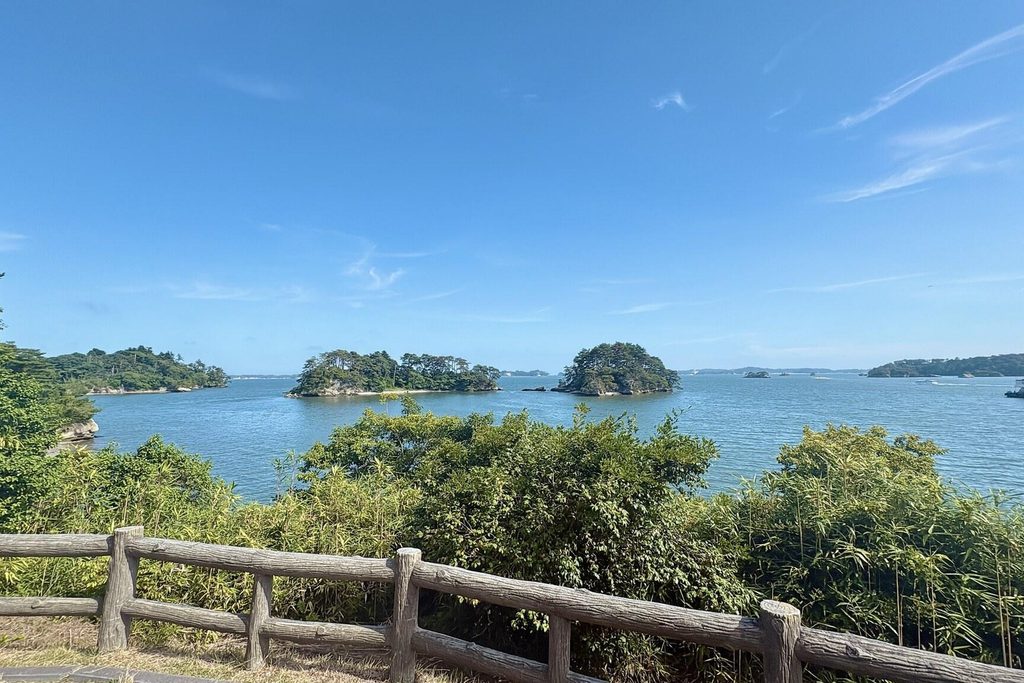
The Tohoku coast. North from Tokyo to Sendai, then out along the Sanriku coast, where the BRT sections take over from the old railway. Early October catches the first of the northern autumn colour in the hills, and Matsushima Bay makes an easy stop near Sendai.
The Sea of Japan side. Niigata down through Toyama to Kanazawa. It’s slower and emptier than the Pacific side, and the scenery through the window is the point. Kanazawa’s gardens and old districts make a good final night.
West to Hiroshima and Miyajima. A long haul from anywhere east of Osaka, but the Miyajima Ferry is included at the end of it, which is a satisfying way to finish three days on the rails.
💡 일본의 팁: If you’re heading north for foliage, check the timing. Early to mid October catches Hokkaido and the high ground, while Oirase Gorge and most of Tohoku’s famous spots don’t peak until late in the month, after the Autumn Unlimited Pass expires. Our autumn foliage forecast has this year’s dates.
A sample three days on the Tohoku coast
Here’s how the Autumn Unlimited Pass works over three real days, using the Tohoku coast route.
- Day 1: Tokyo to Sendai on local and rapid trains, changing along the way. It takes most of the day, so treat the journey as the sightseeing and have beef tongue, Sendai’s speciality, for dinner.
- Day 2: out to Matsushima Bay in the morning, then north up the coast. From Yanaizu, the BRT carries you along the old railway route to Kesennuma, a fishing port rebuilt after 2011.
- Day 3: the JR Ofunato Line inland from Kesennuma to Ichinoseki, then a short hop to Hiraizumi for Chuson-ji, a World Heritage temple complex. From there, head back south as far as the day allows.
Getting from Hiraizumi back to Tokyo on local trains takes most of another day, so many people end the pass in Sendai or Ichinoseki and pay separately for the shinkansen home. That’s still a good deal: two long legs and a coast covered for ¥7,850.
Only need two days? The Autumn Unlimited Pass can still be worth it. Two long days between regions usually cost more on ordinary tickets than the pass does, and the third day becomes a free bonus rather than the point.
How to plan long local-train days
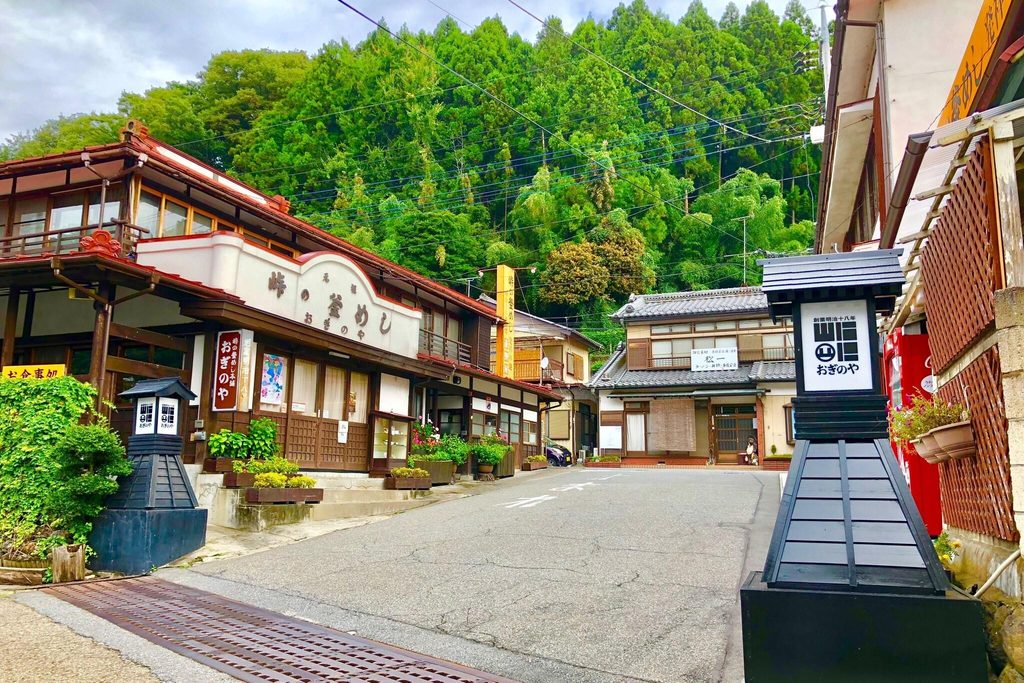
Three days on local trains goes well or badly depending on a little preparation.
- Use a route app with express trains switched off. Apps such as NAVITIME and Jorudan let you exclude shinkansen and limited express services, which is the only way to get times that match what the Autumn Unlimited Pass covers.
- Start early. Long local journeys involve connections that thin out in the evening, especially in rural areas. An early start leaves room for a missed change.
- Pack light. Local trains have little luggage space, and you’ll be changing trains several times a day. A small bag and a coin locker at your base beat a suitcase.
- Bring food. Local trains rarely have trolley service. Pick up an ekiben, a station bento, at a big station before a long stretch.
- Keep an IC card for everything else. Subways, private railways and city buses aren’t covered, so a Suica or ICOCA card saves buying separate tickets every time you step off the JR network.
- Avoid the holiday weekend if you can. Sports Day falls on Monday 12 October this year, making 10 to 12 October a three-day weekend. Non-reserved cars fill up, so a midweek start is noticeably calmer.
- Sit on the scenic side. On coastal lines, the sea view is usually on one side only. It’s worth checking a map before you board.
Airports and the Autumn Unlimited Pass
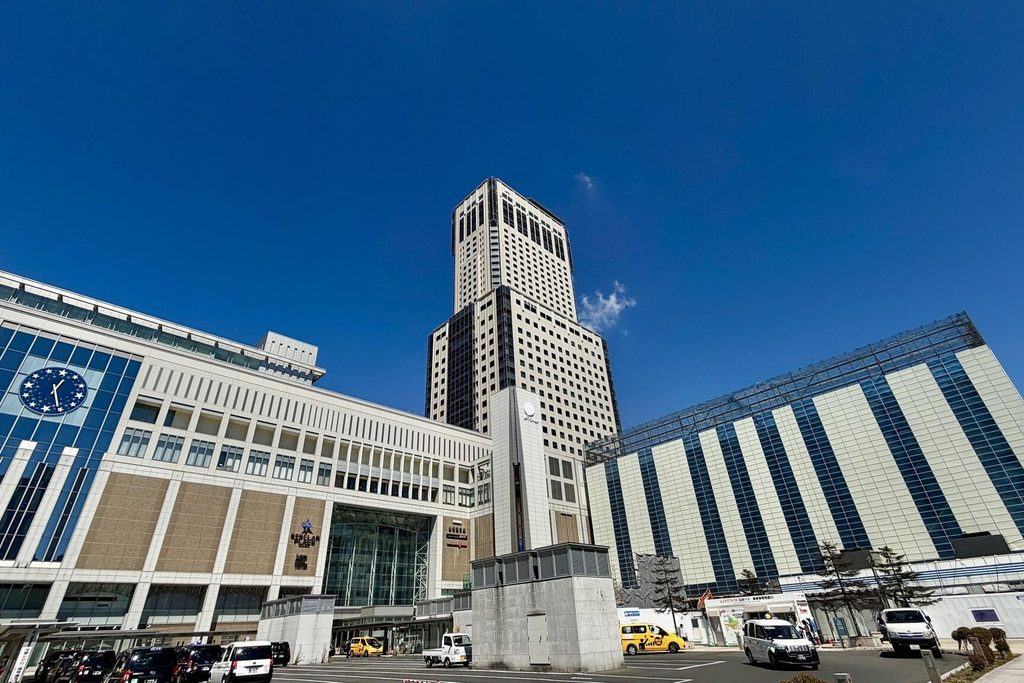
Airport trains are where the rules bite. The pass covers some airport services and not others:
- Narita: JR rapid trains to the airport are covered. The Narita Express is a limited express, so it isn’t.
- Kansai: the JR Kansai Airport Rapid is covered; the Haruka limited express isn’t. Our Kansai Airport to Kyoto guide explains the options.
- Haneda: no JR line reaches the airport, so the monorail and Keikyu are extra. If you’re passing through, see our Haneda layover guide.
- New Chitose: the JR Rapid Airport train to Sapporo is covered, in its non-reserved cars.
How and where to buy one
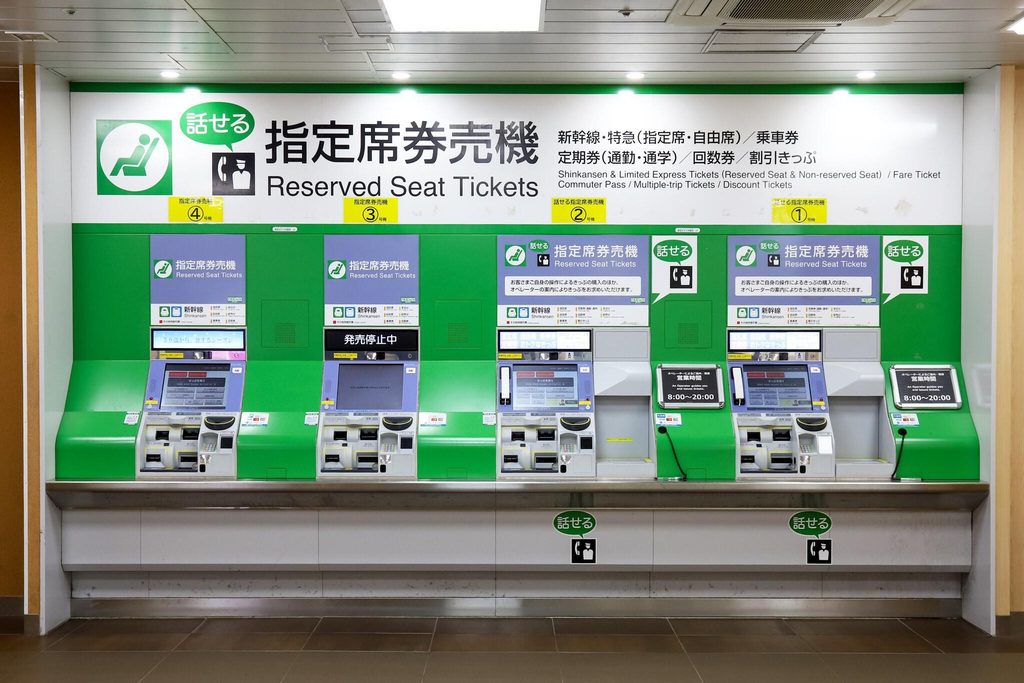
You can buy the Autumn Unlimited Pass at ticket offices at major JR stations (look for the Midori no Madoguchi sign), at JR travel centres and at major travel agencies. At many stations, the green reserved-seat ticket machines sell it too. There’s no passport or residence check.
Buy the Hokkaido Shinkansen option at the same time if you need it, and remember that it doesn’t reserve you a seat. Say the date you want to start when you buy, since the three days are fixed from that point.
We update this page
This page is maintained rather than published and forgotten. If JR changes the terms or announces next year’s Autumn Unlimited Pass, we’ll update it.
FAQ
JR 가을 무제한 패스는 무엇인가요?
A ¥7,850 ticket giving one person three consecutive days of unlimited travel on JR local and rapid trains nationwide, in non-reserved ordinary cars. Children pay ¥3,920. It also covers BRT routes and the JR West Miyajima Ferry.
2026년 가을 무제한 패스는 언제 구매하고 사용할 수 있나요?
It’s on sale from 18 September to 16 October 2026, and valid for travel between 3 and 18 October 2026. Your three days must run consecutively, and 16 October is the last day you can start.
Autumn Unlimited Pass를 신칸센에서 사용할 수 있나요?
No. It covers local and rapid trains only. The one exception is the Sekisho Line in Hokkaido between Shin-Yubari and Shintoku. To reach Hokkaido at all, you need the separate ¥4,650 Hokkaido Shinkansen option ticket.
Does the Hokkaido Shinkansen option include a reserved seat?
No. You take any vacant seat in an ordinary car, and on a busy train that can mean standing. Each option ticket is valid for one one-way trip.
Can two people share one pass?
No. It’s a single-traveller ticket for three consecutive days, so two travellers need two passes.
Is it better than the Seishun 18 Kippu?
For three days in October, yes: ¥7,850 against ¥10,000 for the three-day Seishun 18 Kippu, and children get their own price. Outside 3 to 18 October, the Seishun 18 Kippu is your option.
Can foreign tourists buy the Autumn Unlimited Pass?
Yes. Unlike the Japan Rail Pass, it has no nationality or visa restriction, and anyone can buy it at a JR ticket office.
Does it work on subways and private railways?
No. It’s JR only, so subways, private lines such as Keikyu and Odakyu, and the Tokyo Monorail are all extra.
Can I use it to get to the airport?
Sometimes. JR rapid trains to Narita, Kansai and New Chitose airports are covered, but limited expresses like the Narita Express and Haruka aren’t, and no JR line serves Haneda.
Can I start the pass on any day?
Any day from 3 to 16 October. It then runs for three consecutive days, so a pass started on 16 October ends on 18 October, the last travel day.
Does it cover the ferry to Miyajima?
Yes, the JR West Miyajima Ferry is included. The other ferry company on the same crossing isn’t JR, so check you’re boarding the JR boat.
Is it worth it for a first trip to Japan?
Usually not. On a short trip, the hours you spend on local trains cost more than the yen you save. It’s a slow-travel ticket for people with time, not a shortcut for people with a list of cities.
Buy it for the journey, not the saving
If you’re in Japan between 3 and 18 October with time to spare, ¥7,850 for three days is one of the best deals on the network. If you’re on a tight schedule, buy the shinkansen ticket and spend the difference on where you’re going instead.
If three days of slow trains sounds like too much, our day trips from Tokyo by train are a gentler way to see the country, and the best time to visit Japan covers what October has to offer.
Last verified: 22 September 2026, against JR East’s announcement (in Japanese) and Travel Watch.
 English
 Chinese (China)
 Chinese (Taiwan)
 Korean
 Thai
 French
 Spanish
 German
 Vietnamese
 Indonesian
 Italian