
Quiet Temples in Nara: 8 Places Nobody Queues For (2026)
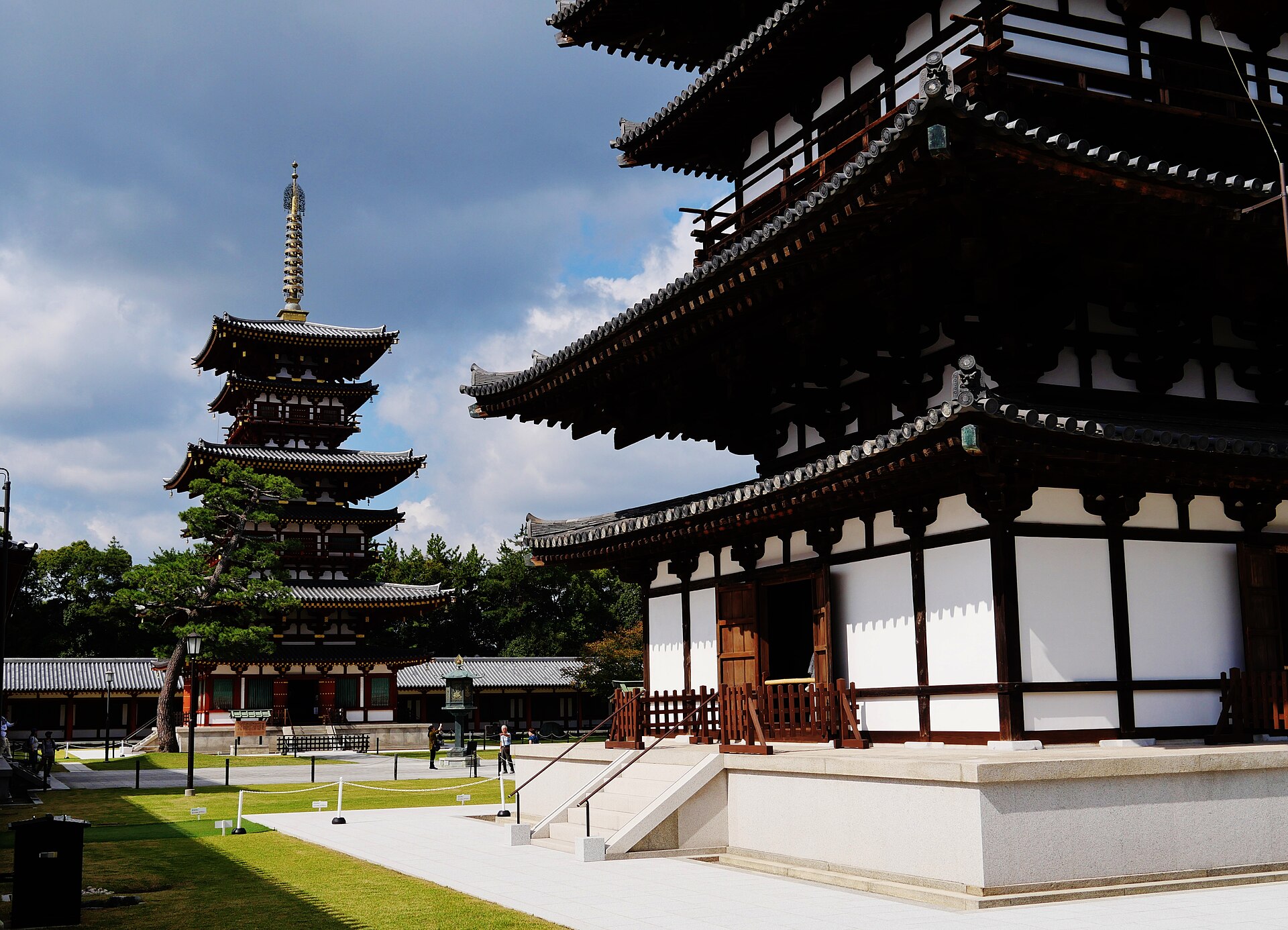
The quiet temples in Nara are a short walk or one train change from the deer. Gango-ji in Naramachi, Shin-Yakushi-ji up the hill in Takabatake and the twin Nishinokyo temples, Yakushi-ji and Toshodai-ji, are all World Heritage or National Treasure sites, yet most of the crowd never gets past Todai-ji and Kasuga Taisha.
Most visitors give Nara half a day: station, deer crackers, Great Buddha, train back to Kyoto or Osaka. That works if you only want the postcard. If you want halls you can stand in without being pushed, read on. Below are the temples worth the detour, grouped into routes that actually connect, with 2026 hours, fees and transport checked on 23 October 2026.
¥600
Shin-Yakushi-ji entry (adult)
24 Oct–9 Nov
Shosoin exhibition 2026
¥1,100
Nara Kotsu 1-Day Pass Wide
¥2,000
Horyu-ji entry (adult)
Which quiet temples in Nara are worth the detour?
Here is the shortlist. “Quiet” is relative: at weekends in November, even Toshodai-ji gets busy. But none of these sees the coach-party crush you get at the Great Buddha Hall.
| Temple | Area | Hours (2026) | Adult entry | Why go |
|---|---|---|---|---|
| Gango-ji | Naramachi | 9:00–17:00 (last entry 16:30) | ¥500* | Roof tiles from the Asuka period; World Heritage |
| Shin-Yakushi-ji | Takabatake | 9:00–17:00, no closing days | ¥600 | The Twelve Heavenly Generals around a seated Yakushi |
| Yakushi-ji | Nishinokyo | 9:00–17:00 (tickets until 16:30) | ¥1,000 | Twin pagodas, rebuilt Hakuho-style halls |
| Toshodai-ji | Nishinokyo | 8:30–17:00 (last entry 16:30) | ¥1,000 | Nara-period Kondo; founded by the monk Ganjin in 759 |
| Akishino-dera | North-west Nara | 9:30–16:30 | ¥500 | Moss garden and the Gigeiten statue |
| Horyu-ji | Ikaruga | 8:00–17:00 (16:30 from 4 Nov) | ¥2,000 | Japan’s first World Heritage site |
| Hase-dera | Sakurai | 9:00–17:00 (16:30 Dec–Feb) | ¥500 | Hillside temple with a long covered stairway |
| Muro-ji | Uda | 8:30–17:00 (9:00–16:00 Dec–Mar) | ¥600 | Mountain temple in the Uda hills |
Sources: each temple’s official site or the Nara City Tourism Association, plus the listings named in each section below. *Gango-ji: the tourism association lists ¥500 (¥600 during the autumn special exhibition), but at least one recent guide quotes ¥700, so carry a little extra.
Route 1: Naramachi and Takabatake on foot
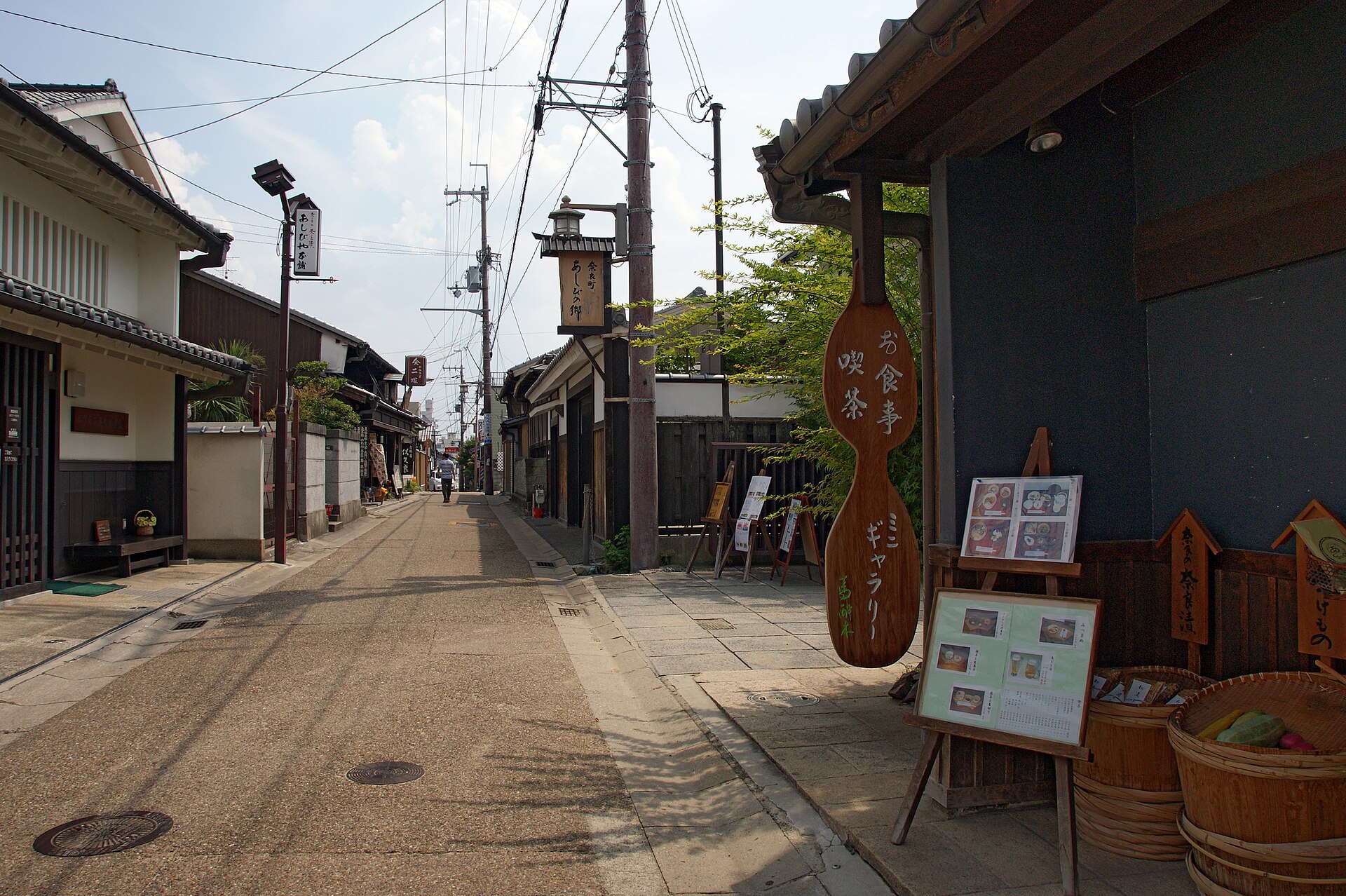
Of all the quiet temples in Nara, these are the easiest to reach: the route starts 15 minutes from Kintetsu-Nara Station. You swap the deer park for old merchant streets and two temples older than most of what you have seen in Kyoto.
Shin-Yakushi-ji: twelve generals in one hall
Shin-Yakushi-ji is a short walk south of Nara Park. In its main hall, a seated Yakushi Nyorai is ringed by the Twelve Heavenly Generals, which the temple calls the oldest and largest such set. It opens 9:00–17:00 every day; adults pay ¥600, high school and junior high students ¥350, elementary pupils ¥150.
Getting there: buses from JR Nara or Kintetsu-Nara stop at Wariishi-cho, about 10 minutes’ walk away (japan-guide.com). Better still, walk. Nara Prefecture pairs the temple with the Sasayaki no Komichi, a free forest lane through the Kasuga woods, which makes a far nicer approach than the road.
Gango-ji: a temple older than Nara itself
Gango-ji started life as Hoko-ji (Asuka-dera), which the temple describes as Japan’s first full-scale temple complex, and moved here when the capital shifted to Heijo-kyo. Its main hall and Zen room are National Treasures and part of the Nara World Heritage listing. Look up: some roof tiles date from the Asuka period, around 1,400 years ago (GOOD LUCK TRIP).
It is a 15-minute walk from Kintetsu-Nara or 20 minutes from JR Nara; the closest bus stops are Fukuchiin-cho and Tanaka-cho, each about 5 minutes away (official access page). The temple runs an autumn special exhibition from late October to early November (events page), so expect a slightly higher fee right now.
Naramachi between the two
Naramachi was once inside Gango-ji’s grounds. Today it is a grid of narrow lanes and wooden townhouses, many now cafes and shops. Step into Naramachi Koshi-no-Ie, a recreated merchant house: free, 9:00–17:00, closed Mondays (or the next day after a Monday holiday) and 26 December to 5 January. The Koshin-do, with its red cloth monkey charms hanging at the door, and Goryo-jinja are a minute or two away (Nara City Tourism Association).
Timing: start at Shin-Yakushi-ji at 9:00, walk down to Naramachi for an early lunch, and finish at Gango-ji before last entry at 16:30. You will have seen two of the quiet temples in Nara and an old town the tour groups skip, and still be back at the station by late afternoon.
Route 2: Nishinokyo and Akishino-dera
Nishinokyo is Nara’s quiet “second centre”, south-west of the city centre. Two of the city’s greatest temples sit a short walk apart here, and a third, tiny one is a bus ride north.
From Kintetsu-Nara, ride to Yamato-Saidaiji and change to the Kashihara Line for Nishinokyo. Yakushi-ji is directly in front of the station. Toshodai-ji is about 10 minutes’ walk north. Or take a Nara Kotsu bus from either Nara station: about 17 minutes to the Toshodaiji stop and 18 to Yakushiji (Nara City Tourism Association).
Yakushi-ji: twin pagodas and a short autumn window
Yakushi-ji’s regular ticket (¥1,000 adults, ¥600 junior and senior high, ¥200 elementary) covers the Kondo, Daikodo and Toindo, open 9:00–17:00 with sales ending at 16:30 (official visitor guide). The first hour after opening is the quietest time to go.
Right now is a good time to go. The 2026 autumn special opening runs 24 October to 8 November and opens the Genjo Sanzo-in compound, with Hirayama Ikuo’s Silk Road murals, plus an exhibition including the East Pagoda’s National Treasure spire ornament (suien), shown on site for the first time in seven years. It costs an extra ¥1,000 for adults. There are also night viewings on 7 and 21 November 2026, 17:30–20:30 (last entry 20:00), for ¥1,000; day tickets are not valid.
Toshodai-ji: the hall that survived
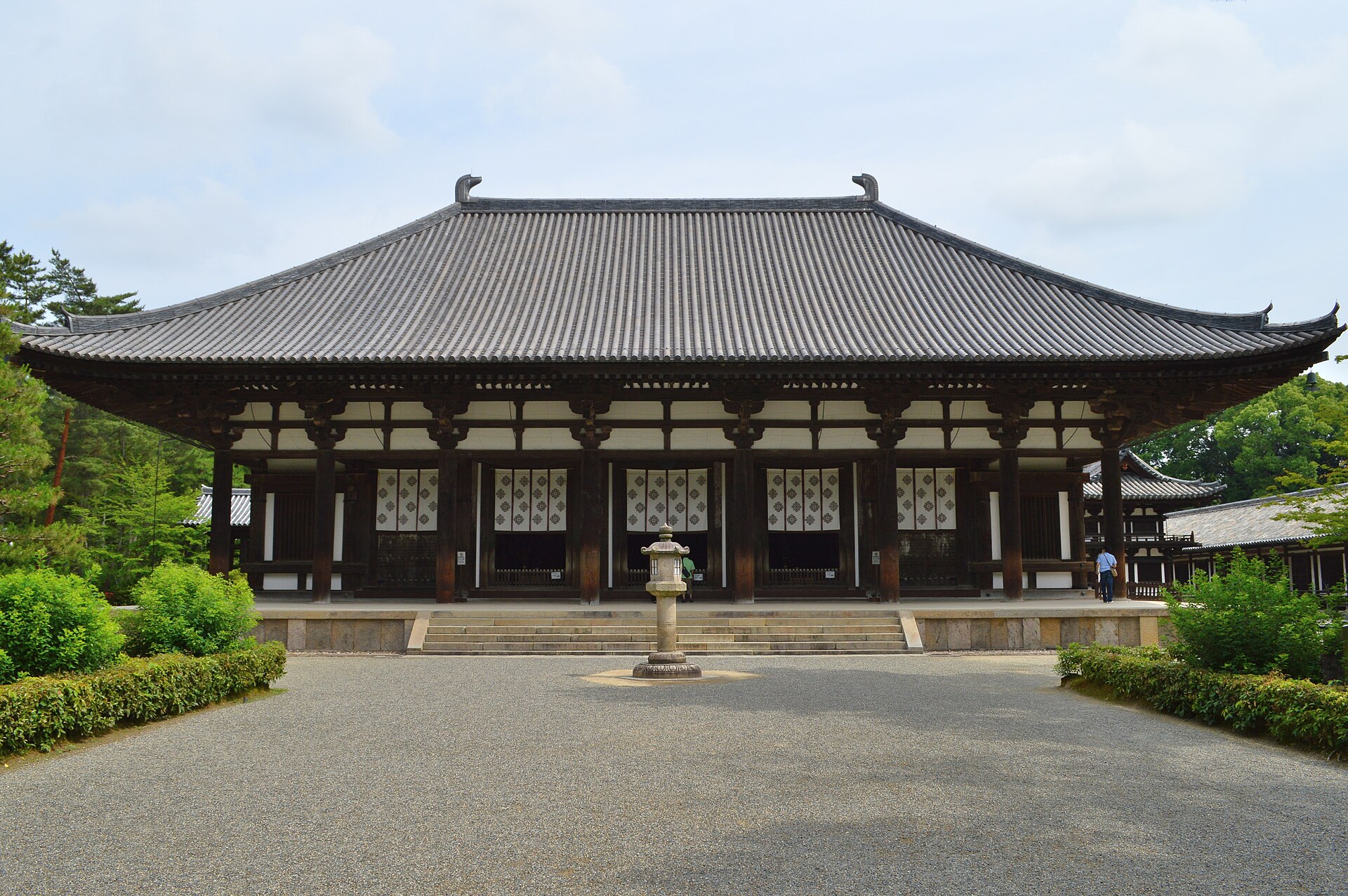
The Chinese monk Ganjin founded Toshodai-ji in 759 to teach the Buddhist precepts. Its Kondo, with its deep “Tenpyo” roof, and the lecture hall are among several Nara-period National Treasures still standing. Entry is ¥1,000 for adults, ¥400 for high school and junior high students, ¥200 for elementary pupils, 8:30–17:00 with last entry at 16:30 (official admission guide). The Shin-hozo treasure house opens in spring and autumn for an extra ¥200.
Toshodai-ji is quieter than Yakushi-ji because there is no single “sight”. You walk a gravel path under pines to a hall that has stood for more than 1,200 years. That is the point.
Akishino-dera: moss and one famous statue
Akishino-dera is small, mossy and almost always quiet. Its best-known statue is the Gigeiten, a deity of the arts whose head dates from the 700s and body from around the 13th century (JNTO). It opens 9:30–16:30 and charges ¥500 for adults (Walkerplus, October 2026). The maples around the main hall usually peak in late November.
Get there by bus from Yamato-Saidaiji to the Akishinodera stop, or walk about 20 minutes from the station. On this route, do Yakushi-ji and Toshodai-ji in the morning, ride back to Yamato-Saidaiji, and finish at Akishino-dera before 16:30.
Further out: Horyu-ji, Hase-dera and Muro-ji
These three each deserve their own day. They are further away, so they never get the volume of central Nara, and all three are dramatic in late autumn.
Horyu-ji
Horyu-ji, in Ikaruga south-west of Nara, holds some of the oldest surviving wooden buildings in the world (Japan Experience). Adults pay ¥2,000, junior high students ¥1,700 and elementary pupils ¥1,000. It opens 8:00–17:00 from 22 February to 3 November and 8:00–16:30 from 4 November to 21 February (GOOD LUCK TRIP). The neighbouring nunnery Chugu-ji has its own ¥600 ticket (japan-guide.com).
From JR Nara, take the Yamatoji Line to Horyuji Station (about 12 minutes, ¥240, JR Pass valid), then walk about 20 minutes or take Nara Kotsu bus 72 to Horyujisando. Bus 98 runs direct from central Nara in about an hour, roughly once an hour (japan-guide.com).
Hase-dera
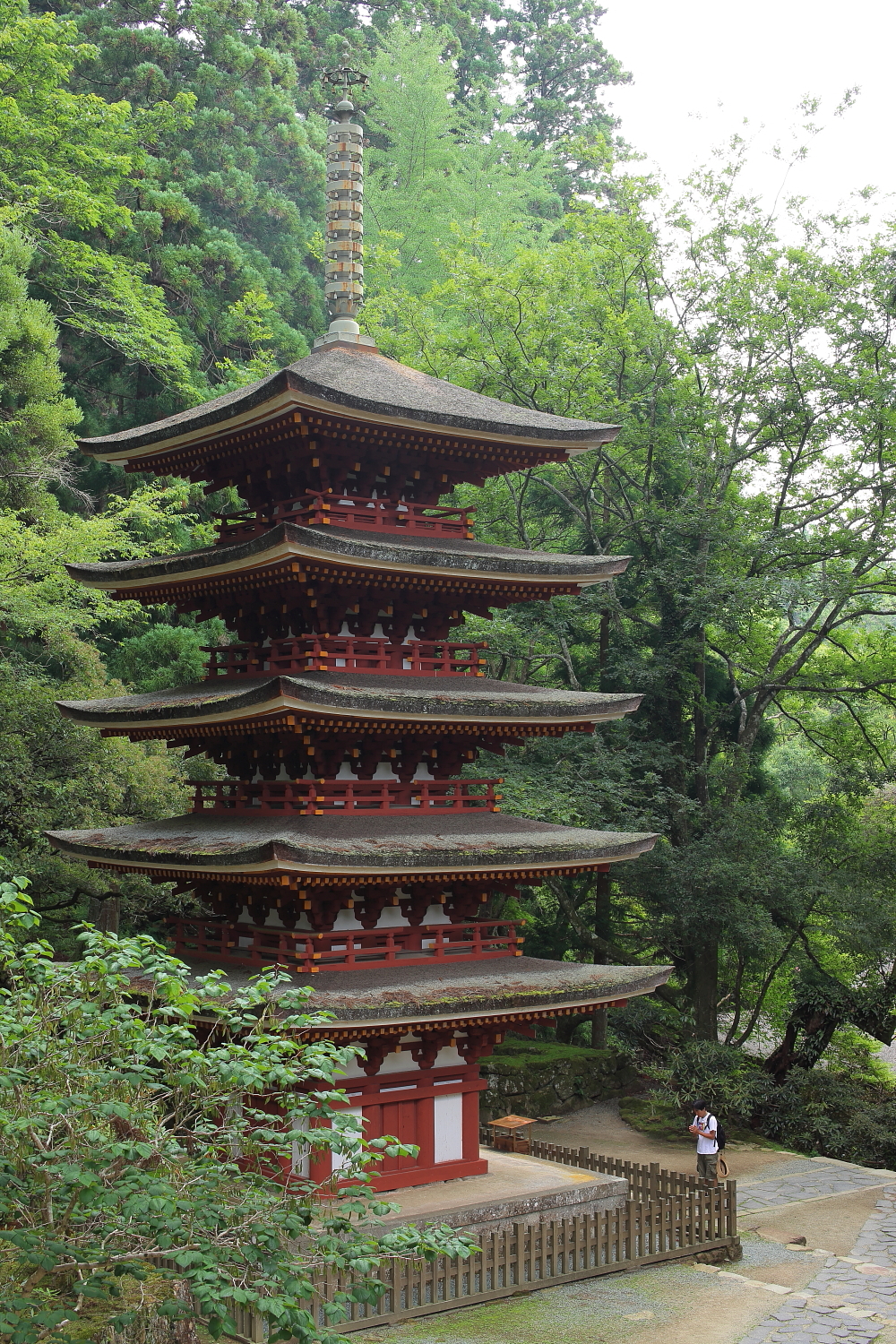
Hase-dera climbs a hillside in Sakurai, reached on the Kintetsu Osaka Line to Hasedera Station. The temple charges ¥500 for adults and junior and senior high students and ¥250 for elementary pupils, with hours of 9:00–17:00 in October, November and March and 9:00–16:30 from December to February.
Until 6 December 2026 there is a special viewing of the National Treasure main hall (¥1,000 extra, per Walkerplus), a chrysanthemum corridor and a treasure exhibition. The five-storey pagoda’s restoration completion ceremony is on 7 November; the main lecture hall stays under repair until 2028. Tripods, monopods and drones are banned, and so is photographing the Buddhist statues.
Muro-ji
Muro-ji sits in the hills of Uda, further along the same Kintetsu Osaka Line as Hase-dera. From Muroguchi-Ono Station, take the Nara Kotsu bus bound for Muro-ji (about 15 minutes) and walk about 5 minutes. Entry is ¥600 for adults and ¥400 for children; hours are 8:30–17:00, or 9:00–16:00 from 1 December to 31 March (official site).
In 2026 the Kondo has a special opening until 6 December (9:00–15:30, ¥500 extra), and the temple is lit up on weekends and holidays from 7 to 29 November, 17:00–20:00 (Rurubu). Leaves usually peak from mid-November to early December. Muro-ji and Hase-dera fit into one long day: start with Muro-ji and check the bus times from Muroguchi-Ono before you set out.
Is the Shosoin exhibition worth the queue?
Yes, if you care about Japanese art, and it is the one exception to this guide’s rule. Each autumn the Nara National Museum shows a selection of the imperial Shosoin treasures, many of them 8th-century objects. It is the busiest event in Nara’s calendar.
The 78th Shosoin Exhibition runs from 24 October to 9 November 2026, open every day, 8:00–18:00 and until 20:00 on Fridays, Saturdays, Sundays and holidays. Last entry is an hour before closing. Tickets are ¥2,000 for adults, ¥1,500 for high school and university students and ¥500 for younger children, with cheaper late-entry tickets (¥1,500 adults). Entry is generally by date- and time-specified ticket, so book before you travel (National Art Center art listings; Hokkaido Shimbun).
Pair it with Route 1. The museum is at the edge of Nara Park, and Shin-Yakushi-ji is a short walk south. Outside the exhibition, the museum closes on Mondays (or the next day after a Monday holiday).
How do you get around quiet Nara without a car?
Trains get you to the area; buses and your feet do the rest. The quiet temples in Nara are spread out, so if you are doing more than one route, a day pass beats paying per ride.
| Journey | Time | Fare | Notes |
|---|---|---|---|
| Kyoto – Kintetsu-Nara, Kintetsu express | About 45 min | ¥760 | Hourly direct; more with a change at Yamato-Saidaiji |
| Kyoto – Kintetsu-Nara, Kintetsu limited express | About 35 min | ¥1,280 incl. surcharge | Reserved seats, twice an hour |
| Kyoto – JR Nara, JR Miyakoji rapid | About 45 min | ¥720 | Covered by the JR Pass |
| JR Nara – Horyuji, JR Yamatoji Line | About 12 min | ¥240 | Then bus 72 or a 20-min walk |
| Nara city bus, single ride | Varies | ¥250 | e.g. JR Nara to Kencho-mae |
Train figures are from japan-guide.com (December 2024) and the ¥760 Kintetsu fare was re-checked on Ekitan for 2026; the city bus fare is from japan-guide.com (April 2025). IC cards such as ICOCA work on JR and Kintetsu trains; see our IC card guide. If you are weighing a rail pass, our JR Pass guide runs the numbers. From Osaka, Kintetsu trains from Osaka-Namba run straight into Kintetsu-Nara; our Namba guide covers the station.
Which Nara bus pass should you buy?
| Pass | Adult / child | Covers |
|---|---|---|
| 1-Day Pass | ¥600 / ¥300 | Nara Park, Naramachi, Heijo Palace site, Toshodai-ji, Yakushi-ji |
| 1-Day Pass Wide | ¥1,100 / ¥550 | All of the above plus Horyu-ji, Hokki-ji, Horin-ji, Jiko-in |
| 2-Day Pass | ¥1,650 / ¥830 | All of the above plus Muro-ji, Asuka and Kashihara |
Buy at the JR Nara or Kintetsu-Nara bus information centres or the Kansai Airport ticket desk (Nara Kotsu). Show the pass to the driver when you get on and off; do not drop it in the fare box. Passes are not valid on the sightseeing tour buses.
What are quiet temples in Nara like in late autumn and winter?
Late October to early December is the sweet spot. Leaves turn first in the hills (Muro-ji, Hase-dera) and last in the city, with Akishino-dera usually best in late November. For timing across Japan, see our autumn leaves calendar, and if you are basing yourself in Kyoto, our Kyoto autumn leaves 2026 guide.
From December, hours shrink. Muro-ji closes at 16:00, Hase-dera at 16:30 and Horyu-ji at 16:30, so start early. Kasuga Taisha’s grounds open 7:00–17:00 from November to February (Nara City Tourism Association).
New Year brings its own openings. For 2026, Yakushi-ji showed its Kichijoten painting from 1 to 15 January and Toshodai-ji rang its bell from 23:40 on New Year’s Eve (Nara Prefecture list). The 2027 programme was not yet announced on 23 October 2026. Gango-ji holds a Buddha’s footprint memorial on 8 December (events page).
Know before you go
Open the gate
Shin-Yakushi-ji and Yakushi-ji open at 9:00 and Toshodai-ji at 8:30. The first hour is the quietest of the day.
Watch last entry
Most of these temples stop selling tickets 30 minutes before closing. Plan to arrive by 16:00.
Match pass to route
Routes 1 and 2 fit the ¥600 1-Day Pass. Add Horyu-ji and you need the ¥1,100 Wide pass.
Mind the Monday
Naramachi Koshi-no-Ie and the Nara National Museum close on Mondays outside special exhibitions.
No tripods
Hase-dera bans tripods, monopods and drones, and photography of its statues. Many halls ban indoor photos.
Book Shosoin
The 2026 exhibition (24 Oct–9 Nov) uses timed tickets. Buy before you leave Kyoto or Osaka.
Quiet temples in Nara FAQ
What are the best quiet temples in Nara?
Gango-ji and Shin-Yakushi-ji near Naramachi, Yakushi-ji and Toshodai-ji in Nishinokyo, and Akishino-dera are the easiest. For a full day out, Horyu-ji, Hase-dera and Muro-ji all see far fewer visitors than Todai-ji.
How much do Nara temples cost in 2026?
Shin-Yakushi-ji is ¥600, Yakushi-ji and Toshodai-ji ¥1,000 each, Akishino-dera and Hase-dera ¥500, Muro-ji ¥600 and Horyu-ji ¥2,000 for adults. Special openings cost extra.
How do I get to Yakushi-ji and Toshodai-ji?
Take the Kintetsu line to Yamato-Saidaiji and change for Nishinokyo. Yakushi-ji is in front of the station and Toshodai-ji about 10 minutes’ walk north. Buses from the Nara stations take about 17–18 minutes.
When is the Shosoin exhibition in 2026?
The 78th Shosoin Exhibition runs 24 October to 9 November 2026 at the Nara National Museum, 8:00–18:00 and until 20:00 on Fridays, weekends and holidays. Adult tickets cost ¥2,000.
Is there a bus pass for Nara temples?
Yes. Nara Kotsu sells a 1-Day Pass (¥600), a 1-Day Pass Wide including Horyu-ji (¥1,100) and a 2-Day Pass including Muro-ji (¥1,650).
Can I visit Horyu-ji on a JR Pass?
The JR Yamatoji Line from JR Nara to Horyuji Station is covered by the JR Pass. From the station, walk about 20 minutes or take bus 72, which is not covered.
When do the leaves change at Nara temples?
Usually mid-November to early December. Muro-ji and Hase-dera in the hills tend to colour first; Akishino-dera usually peaks in late November.
Sources and how we checked
All hours, fees, dates and access details on this page were checked on 23 October 2026 against the linked temple websites, the Nara City Tourism Association, Nara Kotsu and Nara Prefecture, with a few figures from listings sites where the temple publishes none online; these are named next to each fact. Temples can change special-opening dates at short notice, so check the official page the week you go. For general travel information, see JNTO.
Make a day of quiet Nara
Want a guide, a tea ceremony or a ryokan near Naramachi? Japan Pro can plan and book your Nara day trip.
 English
 Japanese
 Chinese (Taiwan)
 Chinese (China)
 Korean
 French
 Italian
 Thai