
Things to Do in Ginza 2026: What to Eat, See and Buy From 7am to 11pm
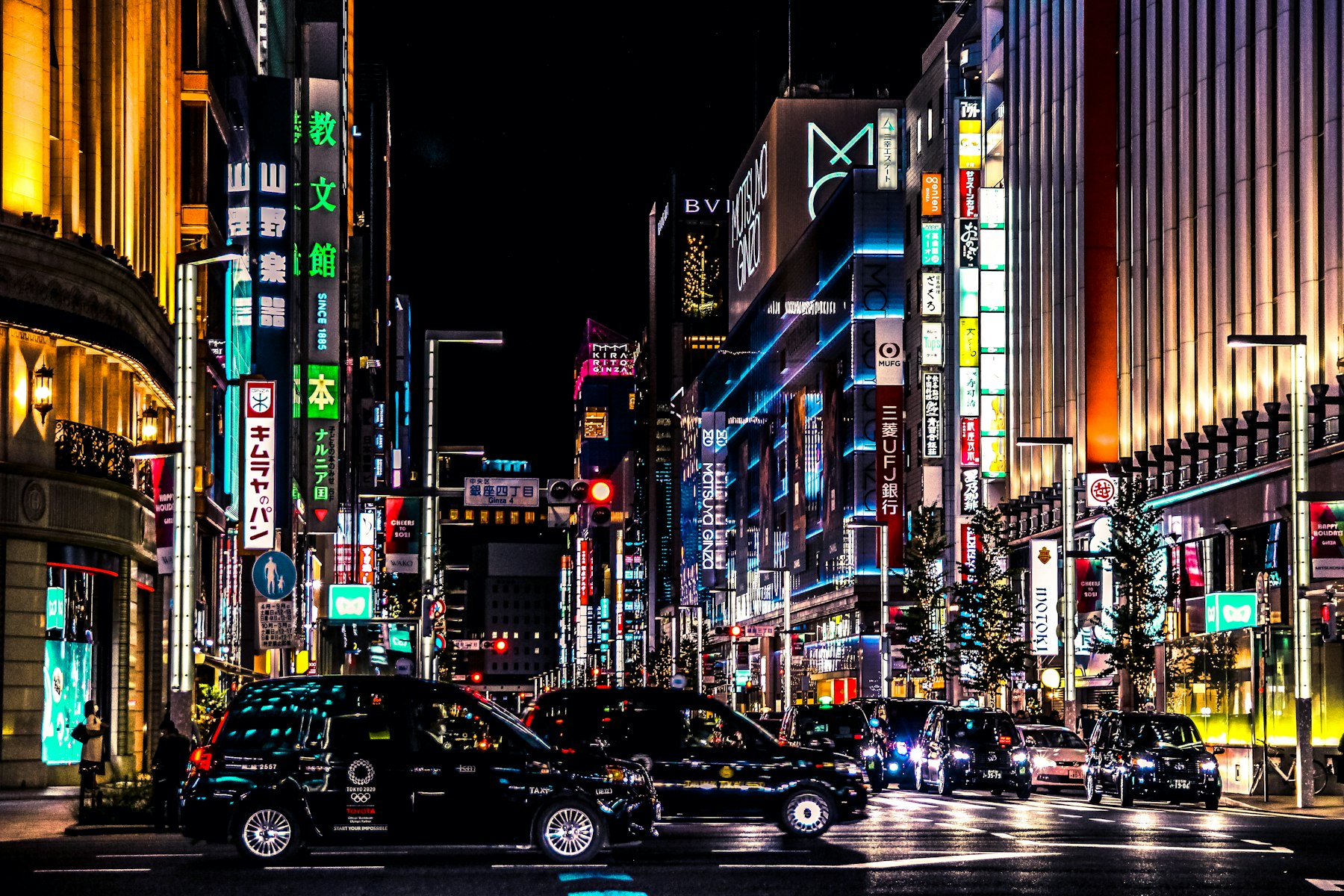
The best things to do in Ginza are free or cheap: walk Chuo-dori when it closes to cars at weekends, eat anpan where it was invented, browse a stationery shop stacked over many floors and watch one act of kabuki without buying a full ticket. Ginza Station (Ginza, Marunouchi and Hibiya lines) drops you at the 4-chome crossing, and almost everything below is within a 10-minute walk.
Ginza changes by the hour. Shops open late, gardens open early, and the main street only becomes a pedestrian zone at midday on weekends. So this guide runs from 7am to 11pm, telling you what is open, what is worth your time and what it costs at each point of the day. Hours and prices were checked between 19 and 21 October 2026.
12:00–17:00
Chuo-dori car-free, Sat, Sun and holidays (Oct–Mar)
7:00
GINZA SIX rooftop garden opens
¥300
Hama-rikyu Gardens entry
1 Nov 2026
Tax-free switches to a refund system
What are the best things to do in Ginza, hour by hour?
Here is the short version. Use it to plan the day, then read the section for the time slot you care about.
| Time | What to do | Cost |
|---|---|---|
| 7:00–9:00 | Coffee on the GINZA SIX rooftop garden; walk the empty main street | Free |
| 9:00–10:30 | Hama-rikyu Gardens, or the Tsukiji Outer Market | ¥300 / pay as you eat |
| 10:00–12:00 | Kimuraya anpan, then Itoya and the department stores | From ¥160 |
| 12:00–14:00 | Lunch at Rengatei or a depachika | ¥1,500–¥3,000 |
| 12:00–17:00 (weekends) | Chuo-dori pedestrian zone | Free |
| 16:30 | Kabuki-za evening show, or a single act | From ¥5,000 (3rd floor B) |
| 18:00–23:00 | Beer Hall Lion, Yurakucho yakitori, rooftop at night | ¥3,000–¥6,000 |
If you only have three hours, come on a Saturday or Sunday at noon. Walk Chuo-dori while it is car-free, eat at a depachika, and finish with a drink at Beer Hall Lion.
How do you get to Ginza, and which station should you use?
Ginza Station is one of the busiest on the Tokyo Metro network: an average of 233,901 people used it per day in fiscal 2025, fourth of 130 stations, according to Tokyo Metro. Three lines stop here, and three other stations sit within a few minutes’ walk.
| Station | Lines | Il migliore per |
|---|---|---|
| Ginza (G09, M16, H09) | Ginza, Marunouchi, Hibiya | The 4-chome crossing, Mitsukoshi, Wako, GINZA SIX |
| Ginza-itchome | Yurakucho | Itoya and the north end of Chuo-dori |
| Higashi-Ginza | Hibiya, Toei Asakusa | Kabuki-za, the Tsukiji side |
| Yurakucho | JR Yamanote, Keihin-Tohoku | Bars under the tracks; walking from Tokyo Station |
From Shibuya, the Ginza Line runs straight to Ginza with no change. From Tokyo Station it is one stop on the Marunouchi Line, or a 15-minute walk. Ginza-itchome is listed by Tokyo Metro as a transfer for the Yurakucho Line.
Need to drop bags? The Tourist Service Center on the first floor of GINZA SIX has a Sagawa Express luggage and delivery counter from 10:30 to 20:30, plus a 24-hour Lawson, per GINZA SIX.
Morning (7:00–10:30): what can you do in Ginza before the shops open?
Most of Ginza is shut until 10:00 or later. That is the point: you get the streets, the architecture and the gardens almost to yourself.
GINZA SIX rooftop garden (from 7:00)
The rooftop of GINZA SIX opens at 7:00 and stays open until 23:00, according to the official hours page. It is about 4,000 m², the largest rooftop garden in Ginza, and it is free. It can close without notice in bad weather or for private events.
Ginza Passage, the indoor walkway through the building between Chuo-dori and Miharadori, also opens at 7:00. It is a useful dry shortcut on a wet morning.
Hama-rikyu Gardens (from 9:00)
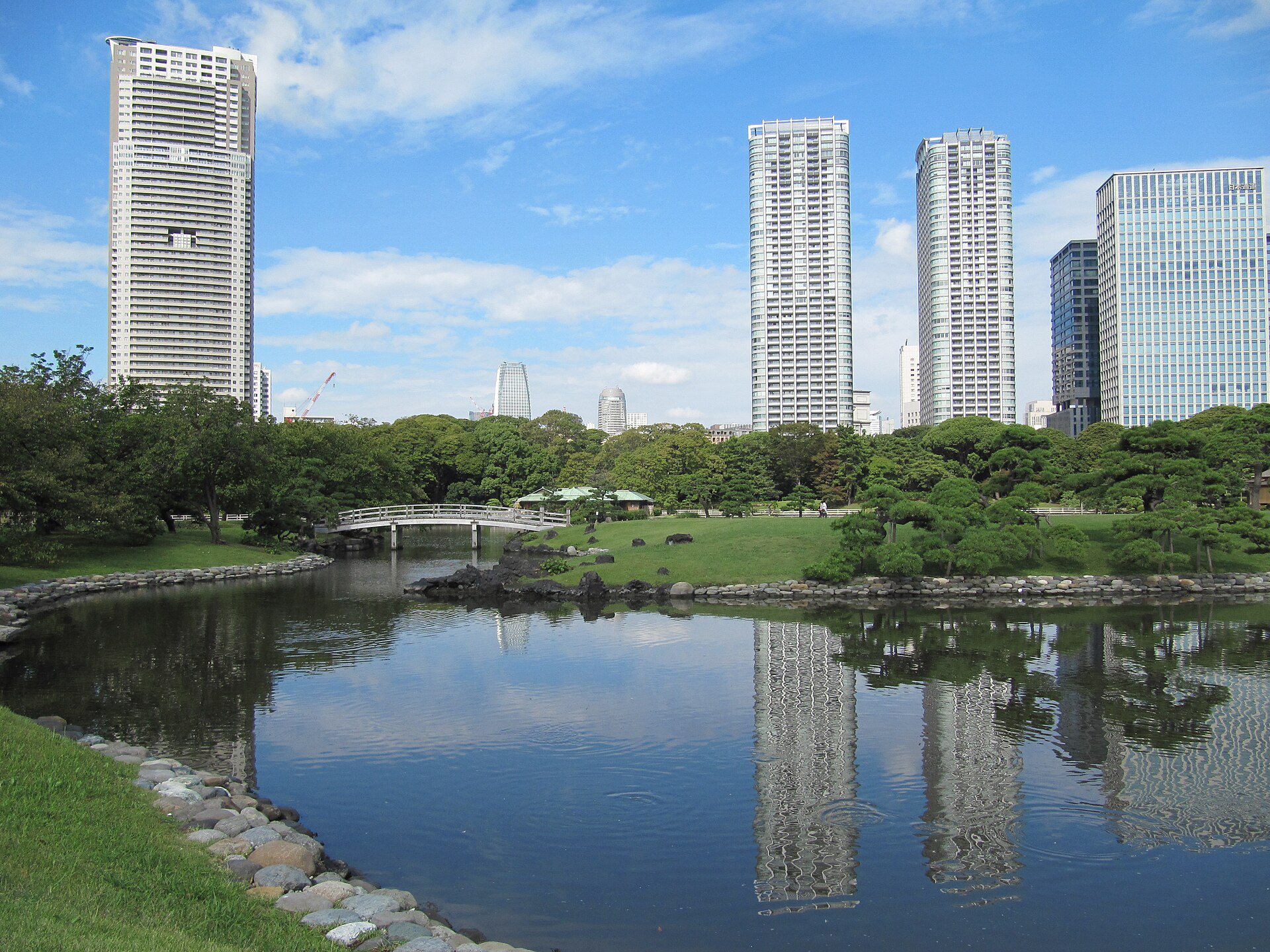
This former shogun’s garden sits between Ginza and Tokyo Bay, with a tidal seawater pond and skyscrapers behind it. Entry is ¥300 (¥150 for 65+), open 9:00–17:00 with last entry at 16:30, and closed 29 December to 1 January, per the Tokyo Metropolitan Park Association.
It is about 10 minutes on foot from Shimbashi, or seven from Shiodome. From the 4-chome crossing, allow 15–20 minutes. The Suijo Bus water bus links the garden to Asakusa.
Tsukiji Outer Market
The wholesale fish market moved to Toyosu in 2018, but the outer market of shops and stalls stayed. It is a short walk east past Kabuki-za and is at its best in the morning. Opening days vary by shop, so check the market’s official calendar first.
Late morning (10:00–12:00): where should you shop first in Ginza?
Doors open at 10:00 for Mitsukoshi, Kimuraya and Itoya, and at 10:30 for GINZA SIX. Start at the 4-chome crossing and work outwards.
Ginza Kimuraya: anpan where it began
Kimuraya was founded in 1869 and is the bakery credited with inventing anpan, the sweet bean-paste bun. The shop at 4-5-7 Ginza is open 10:00–20:00, with a café on the second floor and a yoshoku grill on the third, per Ginza Kimuraya. Buns start at about ¥160. Buy two, eat one on the spot.
Department stores and depachika
Ginza Mitsukoshi (4-6-16 Ginza) opens 10:00–20:00 and has a tourist information desk with English-speaking staff and a tax-free counter, per Mitsukoshi. Its 8th floor is the Art Aquarium Museum GINZA, the goldfish installation, open 10:00–19:00 (last entry 18:00).
Matsuya Ginza (3-6-1 Ginza) has a currency exchange machine and ATM in the basement and a foreign customer counter on the 3rd floor for tax-free procedures, per the Ginza official site.
Itoya: Ginza’s stationery tower
G.Itoya at 2-7-15 Ginza is open 10:00–20:00 on weekdays and 10:00–19:00 on Sundays and holidays, per Itoya. Each floor has its own theme, from cards and stickers to pens and paper workshops, and the CAFE Stylo restaurant on the 12th floor is open 11:30–21:00.
GINZA SIX
GINZA SIX opened in 2017 with more than 200 shops and restaurants. Shops and cafés are open 10:30–20:30 and restaurants 11:00–23:00. It also has the Kanze Noh Theatre on the third basement floor, home of the Kanze school of Noh.
Tax-free shopping changes on 1 November 2026
From 1 November 2026, Japan switches to a refund system. You pay the full price including tax in the shop, then confirm your purchases at a customs kiosk at the airport before check-in, within 90 days, and receive the refund afterwards. The ¥5,000 minimum per shop per day stays. Pay by card if you can: refunds go back to it more easily. Japan’s tourism agency explains the rules on its tax-free page, and our Japan tax refund guide covers the airport steps.
Lunch (11:30–14:00): where do you eat in Ginza without paying Ginza prices?
Ginza has dozens of Michelin-starred counters, but lunch is where you eat well for less. These three have been here for generations.
- Rengatei (3-5-16 Ginza, founded 1895): the yoshoku restaurant credited with the original pork cutlet, fried in blended oil rather than pan-fried in butter, and served with shredded cabbage. Lunch 11:15–15:00 (last order 14:00), dinner 17:30–21:00; closed Sundays, per Time Out Tokyo. Expect a queue at 12:00.
- Grill Kimuraya: the yoshoku floor above the bakery, if you want to sit down without crossing the road.
- Depachika: the basement food halls at Mitsukoshi, Matsuya and GINZA SIX sell bento, sushi and sweets. Eat on the GINZA SIX rooftop garden or in Mitsukoshi’s basement eat-in areas.
For a full kaiseki or sushi meal, book ahead. Our guide to booking restaurants in Japan explains which platforms take foreign cards, and kaiseki in Tokyo covers the top-end options.
Afternoon (12:00–17:00): when is Ginza’s main street car-free?
Chuo-dori, the main street, is closed to cars from 1-chome to 8-chome every Saturday, Sunday and national holiday. The hours are 12:00–17:00 from October to March and 12:00–18:00 from April to September, per the Ginza official site.
This is the single best free thing to do in Ginza. You walk down the middle of the road between the flagship stores, with the Wako clock tower at the centre. The current Wako building dates from 1932.
- No street performing, selling or gathering crowds. The zone is for walking.
- No cycling. Push your bike.
- Tsukiji Police decide on cancellations for bad weather and the New Year period.
- Smoking while walking is banned throughout Chuo City. Use the designated smoking areas shown on the Ginza smoking map.
Ginza Sony Park
Ginza Sony Park opened on 26 January 2025 at 5-3-1 Ginza, on the site of the old Sony Building. It runs from the 5th floor down to the 3rd basement, with no doors at street level and a link to the subway concourse on the second basement floor, per GO TOKYO. It is not a shop: it hosts rotating art, music and tech programmes, so check what is on before you go.
Late afternoon (16:00–18:00): can you see kabuki in Ginza?
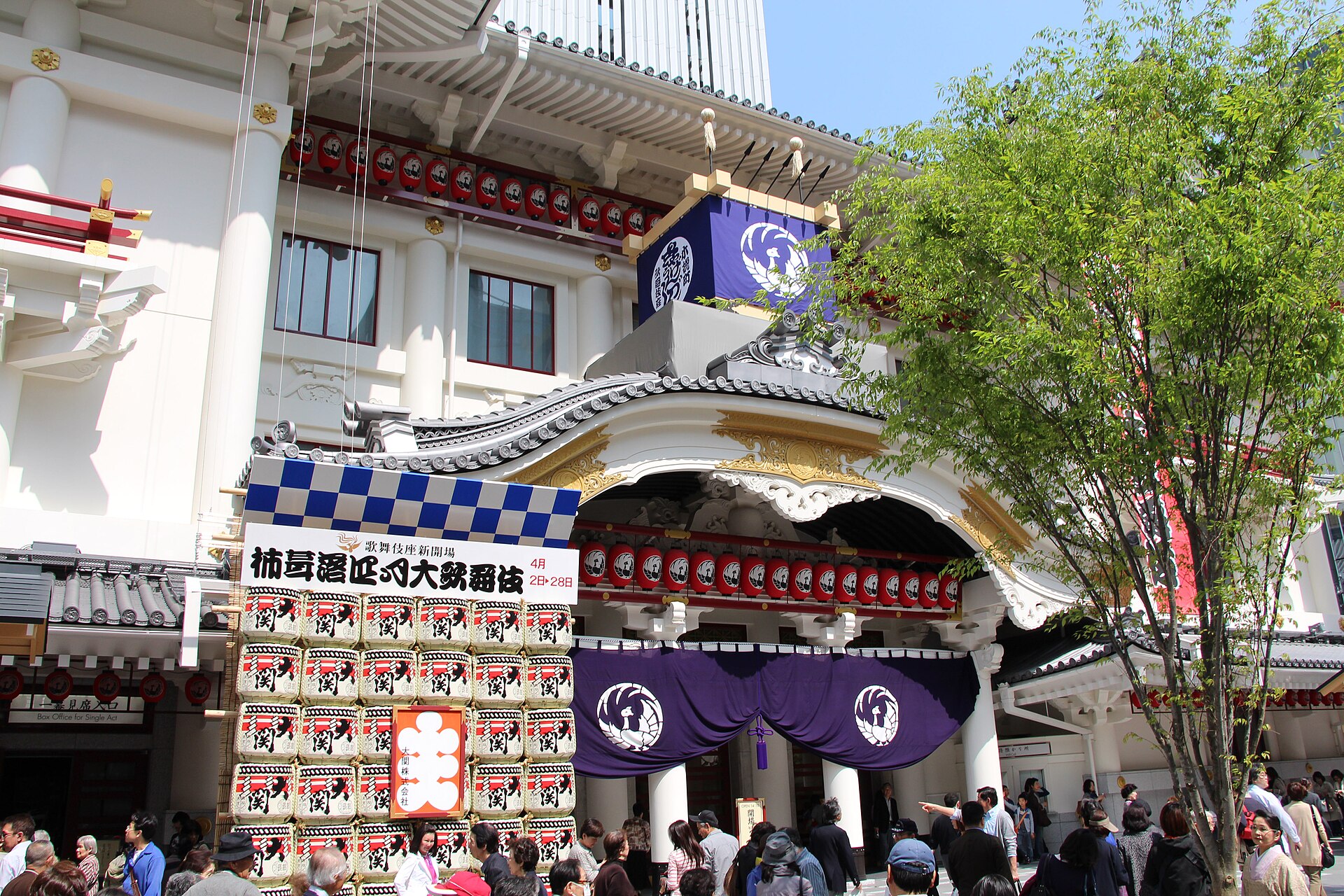
Yes, and you do not need a full ticket. Kabuki-za is above Higashi-Ginza Station, a few minutes east of the 4-chome crossing.
November 2026 is the Kichirei Kaomise programme, running 1–25 November with no shows on 9 and 17 November, per Shochiku’s Kabuki Bito. Matinees start at 11:00 and evening shows at 16:30.
| Seat | Price (Nov 2026) |
|---|---|
| Special seat | ¥20,000 |
| 1st class | ¥18,000 |
| 2nd class A / B / C | ¥15,000 / ¥14,000 / ¥9,000 |
| 3rd floor A / B | ¥6,500 / ¥5,000 |
| Box seat (1st floor) | ¥20,000 |
Two cheaper ways in. First, if you are 30 or under, any seat left on the day is half price. Second, the single-act seats (hitomakumi) on the 4th floor let you watch just one act. They are sold through the official Kabuki-za single-act ticket site, and prices vary by act.
Evening (18:00–23:00): where do you eat and drink in Ginza at night?
Ginza after dark splits in two. The streets around 7- and 8-chome are hostess clubs and expensive bars. But there are good, fair-priced options if you know where to go.
Beer Hall Lion Ginza 7-chome
Built in 1934, it calls itself the oldest surviving beer hall in Japan, with a tiled mosaic mural and a high vaulted ceiling. It opens 11:30–22:00 Sunday to Thursday and until 22:30 on Fridays, Saturdays and the night before a holiday, per Ginza Lion. A 10% surcharge applies from 31 December to 3 January.
Under the tracks at Yurakucho
Walk west from Ginza to the JR tracks between Yurakucho and Shimbashi. The arches below are full of small yakitori and izakaya counters with outdoor stools. This is the cheapest evening drinking near Ginza.
Late dinner and a rooftop at night
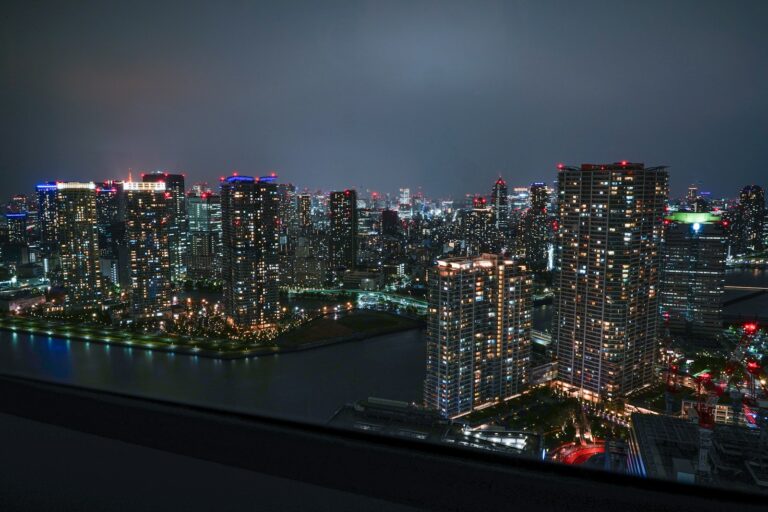
Restaurants in GINZA SIX are open until 23:00, and the rooftop garden stays open until 23:00 too. It is a free night view over Ginza. For a dedicated cocktail bar, see our best bars in Tokyo.
From mid-November, the streets light up for the winter season. Dates for Marunouchi, Hibiya and the rest are in our Tokyo illuminations 2026 guide.
How much do things to do in Ginza cost?
Ginza looks expensive, but most of the best things to do in Ginza cost nothing. Here is a realistic day for one person, using prices checked in October 2026.
| Item | Typical cost |
|---|---|
| GINZA SIX rooftop, pedestrian zone, window-shopping | Free |
| Hama-rikyu Gardens | ¥300 |
| Kimuraya anpan | From ¥160 |
| Lunch at a yoshoku restaurant | ¥1,500–¥3,000 |
| Kabuki-za, 3rd floor B seat | ¥5,000 |
| Dinner and drinks at Beer Hall Lion or Yurakucho | ¥3,000–¥6,000 |
| Total | About ¥10,000–¥15,000 |
Skip the kabuki and you can do Ginza well for under ¥6,000. Kabuki is the one big cost, so decide on it first.
What are the best things to do in Ginza on a rainy day?
Rain barely matters here. Most indoor things to do in Ginza connect underground or sit a short dash apart, and Ginza Sony Park connects straight to the subway concourse on its second basement floor.
- Ginza Passage through GINZA SIX, open 7:00–23:30, gets you between Chuo-dori and Miharadori without an umbrella.
- Art Aquarium Museum GINZA on the 8th floor of Mitsukoshi fills an hour, with last entry at 18:00.
- Itoya is easily a two-hour browse, with lunch or coffee at CAFE Stylo on the 12th floor.
- Kabuki-za matinees start at 11:00, and a single-act seat is a much shorter commitment than a full programme.
For more indoor ideas across the city, see our rainy day Tokyo guide. Families with small children will find the same list works: the rooftop garden for running about when it is dry, the aquarium when it is not.
Which things to do in Ginza can you skip?
Not every famous name is worth your limited time. If you are short on hours, skip queuing for luxury flagships you can visit at home, and skip the hostess-club side streets of 7- and 8-chome at night, which are aimed at expense accounts. Spend that time on the pedestrian zone, a depachika and one act of kabuki instead.
What do first-timers get wrong about Ginza?
- Arriving at 9:00 for shopping. Department stores open at 10:00 and GINZA SIX at 10:30. Use the early hours for the garden or the rooftop.
- Coming on a weekday for the pedestrian zone. Chuo-dori is only car-free on Saturdays, Sundays and holidays.
- Expecting a 6pm pedestrian zone in autumn. From October to March it ends at 17:00.
- Smoking on the street. It is banned while walking in Chuo City, including heated tobacco.
- Missing Rengatei on Sunday. It is closed. Go on Saturday instead.
Know before you go
Go at noon on a weekend
Chuo-dori is car-free from 12:00. In October to March it ends at 17:00.
Use the tourist desks
G Info at 5-2-1 Ginza is open 10:30 to 17:30 with free maps in several languages.
Pay by card from November
Tax-free refunds after 1 November 2026 are simplest when you pay by credit card.
Under 30?
Kabuki-za sells any seat left on the day at half price to people aged 30 and under.
Bags
GINZA SIX has a luggage and delivery counter from 10:30 to 20:30.
Rainy day
Ginza Passage and the department stores keep you dry from 7:00.
Things to do in Ginza: FAQ
What are the best free things to do in Ginza?
Walk Chuo-dori during the weekend pedestrian zone, visit the GINZA SIX rooftop garden (7:00 to 23:00), browse Itoya and the depachika, and look in at Ginza Sony Park.
When is Ginza a pedestrian zone?
Every Saturday, Sunday and public holiday. From October to March it runs 12:00 to 17:00, and from April to September 12:00 to 18:00.
What time do shops open in Ginza?
Most department stores open at 10:00. GINZA SIX shops open at 10:30. Itoya opens at 10:00 and closes at 19:00 on Sundays and holidays.
Is Ginza worth visiting if you do not want luxury shopping?
Yes. Kabuki-za, Kimuraya, Rengatei, Beer Hall Lion, Hama-rikyu Gardens and the weekend pedestrian zone are all worth a visit and cost little or nothing.
How do I watch kabuki in Ginza without a full ticket?
Buy a single-act seat on the 4th floor of Kabuki-za through the official single-act ticket site. Prices vary by act.
Can I still shop tax-free in Ginza after November 2026?
Yes. From 1 November 2026 you pay tax in the shop and get a refund after customs checks your goods at the airport. The minimum is still 5,000 yen per shop per day.
Which station is closest to Kabuki-za?
Higashi-Ginza, on the Hibiya and Toei Asakusa lines. From Ginza Station it is a few minutes on foot.
Sources and how we checked
We checked every opening time, price and date in this Ginza guide on 21 October 2026 against the linked official sources: the Ginza official site, GINZA SIX, Tokyo Metro, Shochiku, Ginza Mitsukoshi, Itoya, Ginza Kimuraya, Ginza Lion, the Tokyo Metropolitan Park Association and the Japan Tourism Agency. Shop and theatre hours change, so confirm on the day.
Plan your Tokyo days with Japan Pro
Tell Japan Pro what you want to see and we will help you book kabuki seats, restaurants and experiences in Ginza and across Tokyo.
 English
 Japanese
 Chinese (Taiwan)
 Chinese (China)
 Korean
 French
 Italian
 Thai