
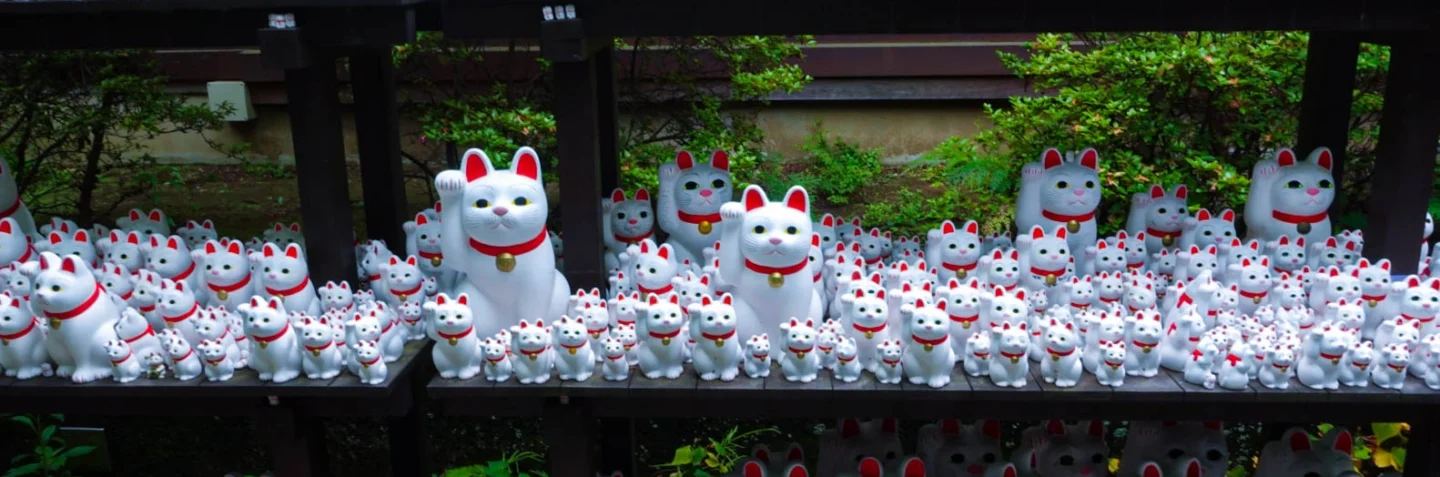

Step away from the dense crowds and commercial centers of Shibuya, and you will discover the quiet residential streets of Tokyo’s Setagaya Ward. This area offers a noticeably slower pace, defined by charming two-car tram lines, independent storefronts, and the world-renowned Gotokuji lucky cat temple. If you are planning to explore this peaceful neighborhood and see the thousands of Maneki-neko (beckoning cat) statues for yourself, this guide provides the perfect outline for a half-day itinerary.
Exploring the Maneki-Neko Neighborhood
The area surrounding Gotokuji Temple operates at a relaxed rhythm, catering primarily to residents rather than mass tourism. Visitors arriving via the Setagaya Line navigate narrow, pedestrian-friendly roads to access a concentrated mix of historic architecture, family-run restaurants, and modern cafes built seamlessly into the traditional neighborhood framework.
How to Visit Gotokuji Temple in Setagaya
Keio Inokashira Line to Tokyu-Setagaya Line: From Shibuya (~20 minutes)
Odakyu Line to Tokyu-Setagaya Line: From Shinjuku (~25 minutes)
How to Get to Gotokuji Temple: The Cat Tram & Miyanosaka Station
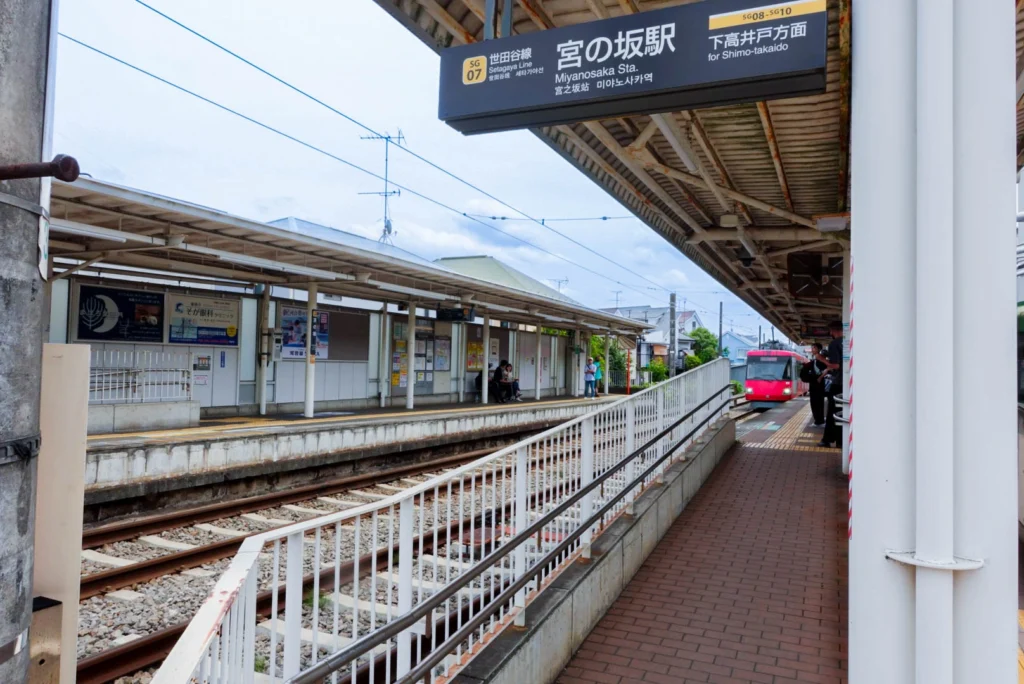
Miyanosaka Station on the Tokyu-Setagaya Line provides the most direct and scenic entry point to the Gotokuji neighborhood. Choosing this station gives you access to the tram experience, a nostalgic two-car train system that navigates through the quiet residential heart of Tokyo’s Setagaya Ward.
Tips Pro Jepang: Skip the standard train lines and take the vintage tram (often called the Gotokuji cat train) to Miyanosaka Station. From the platform, the approach to Gotokuji Temple is a short, highly scenic walk that takes you past quiet neighborhood shrines and charming, narrow residential alleys that most tourists completely miss.
The Main Attraction: Gotokuji Temple
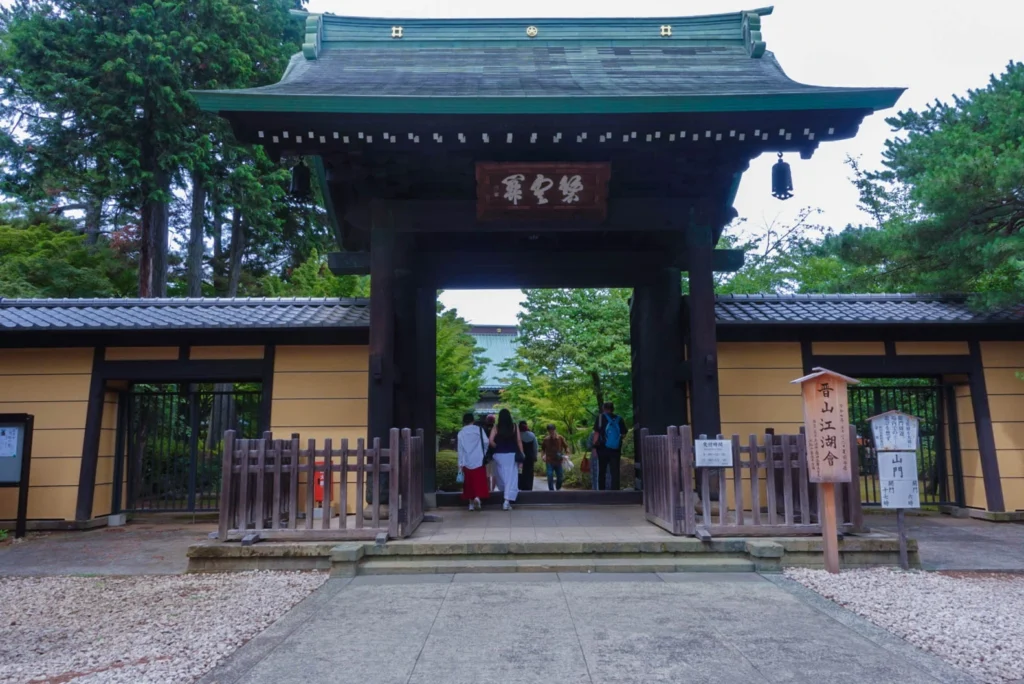
Gotokuji Temple is a historic Buddhist site famous for the legend of the Maneki-Neko, a cat that reportedly saved a feudal lord from a severe thunderstorm by beckoning him inside the shelter. Visitors explore a designated shrine area packed with thousands of Maneki-neko statues, alongside a traditional wooden pagoda and seasonal foliage featuring cherry blossoms in spring and maples in autumn.
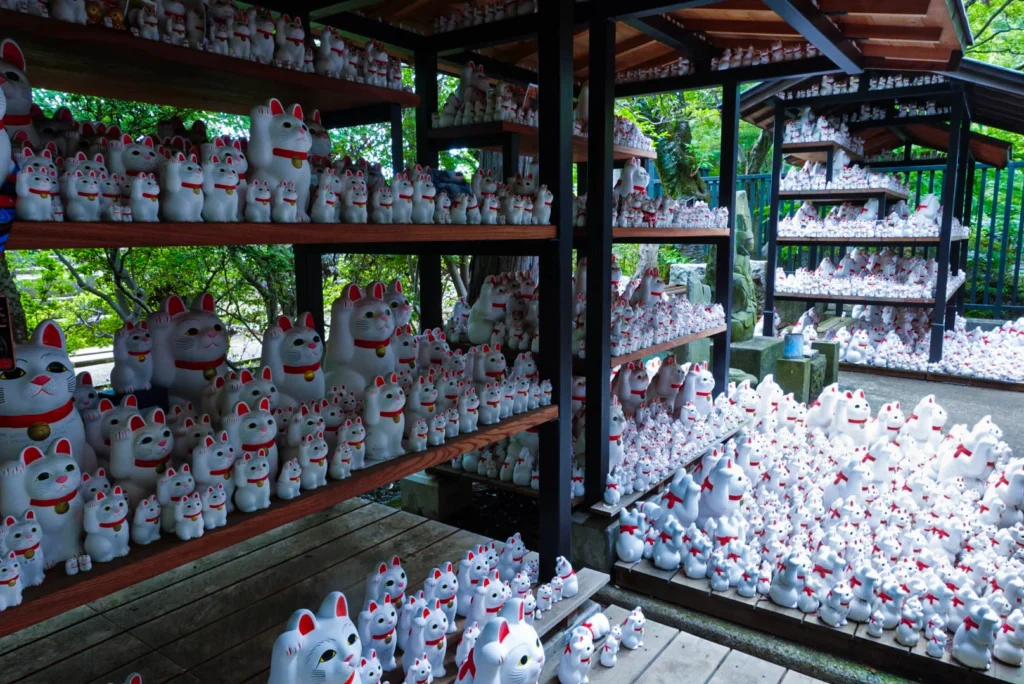
Tips Pro Jepang: You can purchase your own cat statue directly at the temple administration building to either leave behind at the shrine for good fortune or take home as an authentic souvenir.
Where to Find Maneki-Neko Sweet Treats in Gotokuji
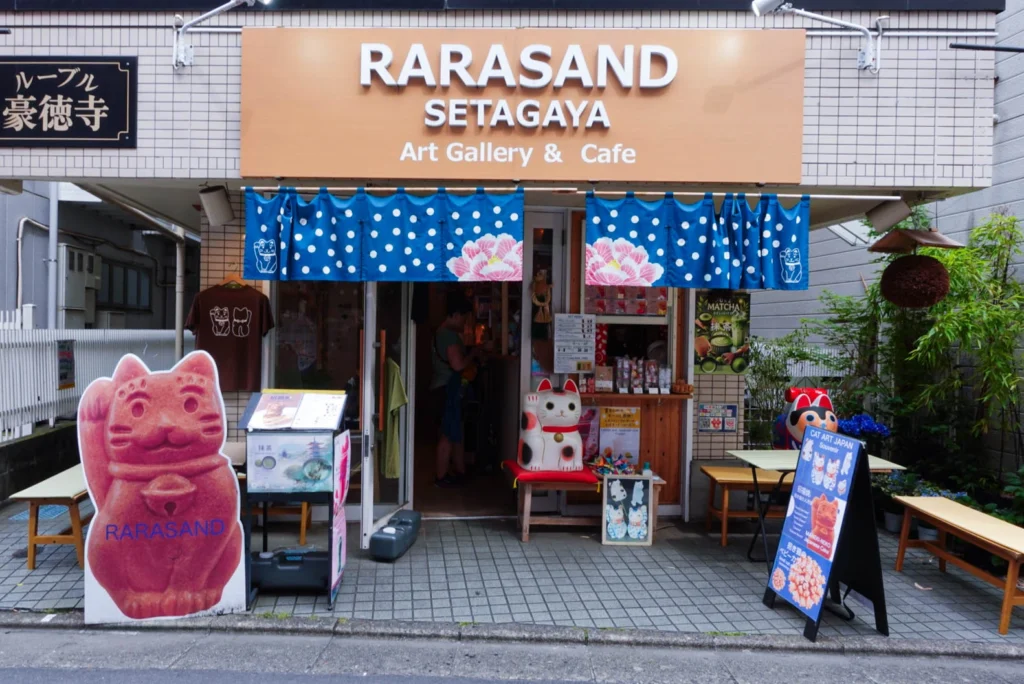
Located right by the train tracks, Mahorodou Sougetsu offers seasonal wagashi and the famous “Lucky Cat Dorayaki,” which are traditional pancakes filled with sweet red bean paste and branded with a Maneki-neko. Just a short distance away, Rarasand serves Maneki-neko baby castella, providing the perfect walking snack that is warm, fluffy, and bite-sized.
Tips Pro Jepang: To efficiently collect these photogenic, highly Instagrammable local treats, go to Mahorodou Sougetsu first for the dorayaki, and then walk to Rarasand to pick up a bag of baby castella to eat while exploring the rest of the neighborhood.
A Hearty Local Lunch in Gotokuji: Rakuen
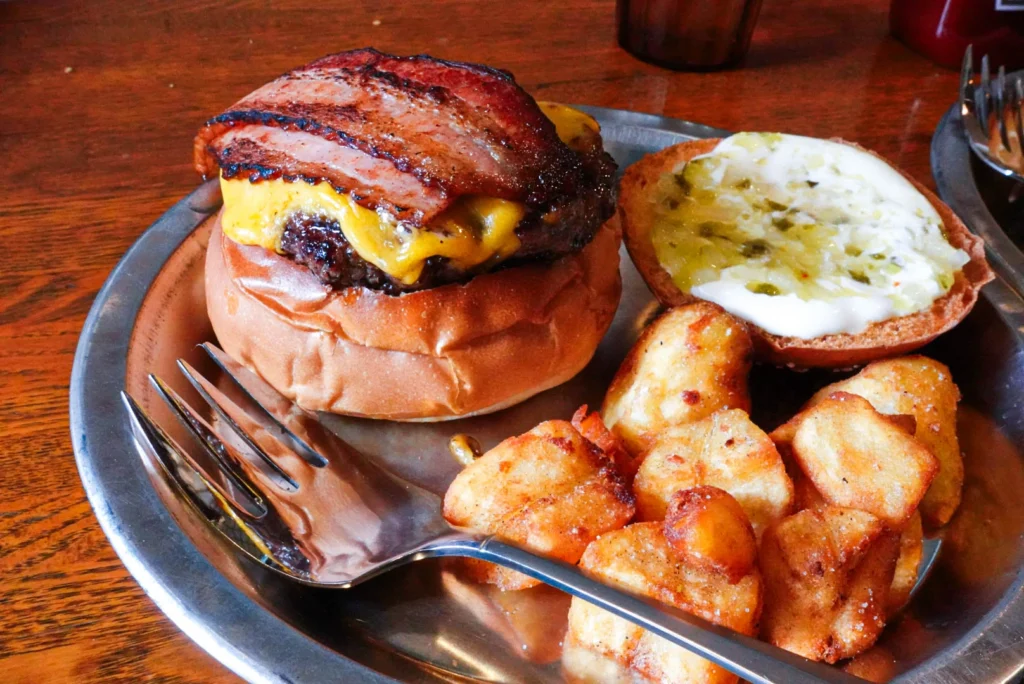
Rakuen, operated by the sole store owner, fosters a cozy and delicious experience that adds directly to the calm community feel of Gotokuji. The menu focuses on artisanal, carefully crafted burgers, offering a great savory break from the sweet Japanese treats found near the temple. Transitioning from traditional treats to a unique, modern neighborhood staple like Rakuen provides a necessary savory balance to your walking itinerary before continuing your exploration of Setagaya.
Tips Pro Jepang: Make sure to have cash when visiting Rakuen, as there is no cashless payment.
Fika Fabriken: A Cozy Cafe Near Gotokuji Station
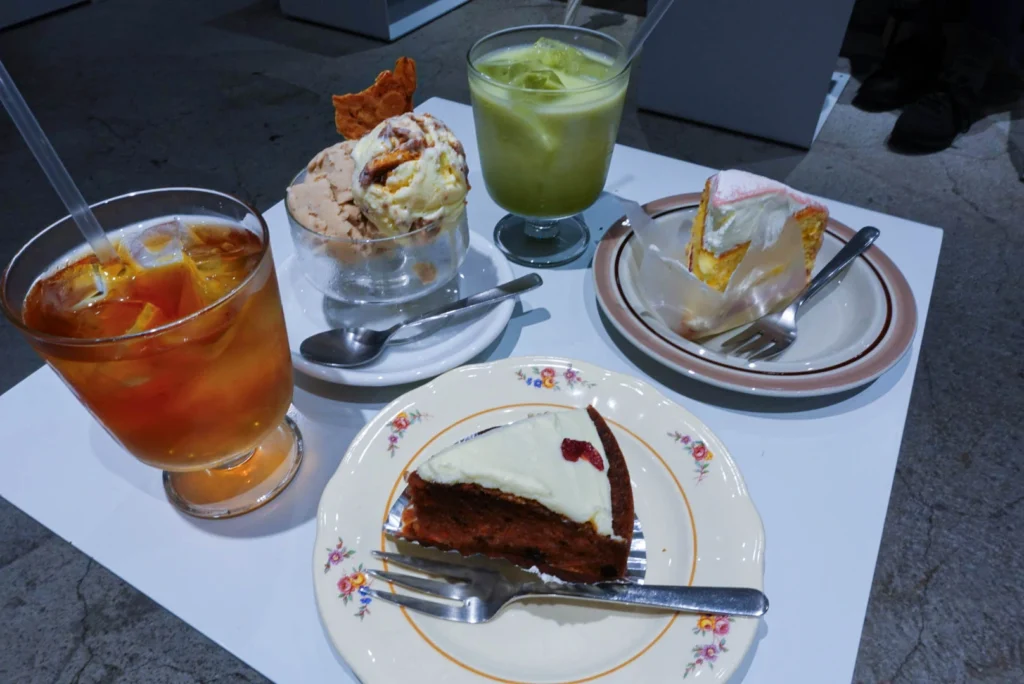
Setagaya isn’t just traditional Japan; it’s a hub for trendy expats and young creatives embracing the Swedish concept of “Fika,” which focuses on taking a break with coffee and baked goods. Inside the warm, minimalist Scandinavian interior, we recommend trying their signature cinnamon buns and cookies.
Tips Pro Jepang: Fika Fabriken is the ideal stop for wrapping up the day by showcasing the diverse, international cafe culture of the area before you head back to the train station.
From Gotokuji to Shimokitazawa: Continuing Your Tokyo Itinerary
Exploring Gotokuji provides an efficient route for combining historic temple architecture, quirky photo ops, and high-quality local dining. This Maneki-neko Town operates as a relaxing getaway that perfectly balances traditional sights with modern neighborhood cafes. Since you are already in the Setagaya area, continue your trip to nearby Shimokitazawa to explore its dense concentration of vintage clothing shops and independent record stores. Read our complete Shimokitazawa neighborhood guide to map out the next stop on your itinerary.
Siap Mengalami Jepang?
Temukan penginapan pilihan, pengalaman lokal, dan perjalanan terpandu yang dikurasi oleh para ahli Jepang.
Jelajahi Jepang English
  Chinese (China)
  Chinese (Taiwan)
  Korean
  Thai
Thai  French
  Spanish
  German
  Vietnamese
  Indonesian
  Italian