
Things to Do in Kyoto 2026–27: 25 Best Sights by District
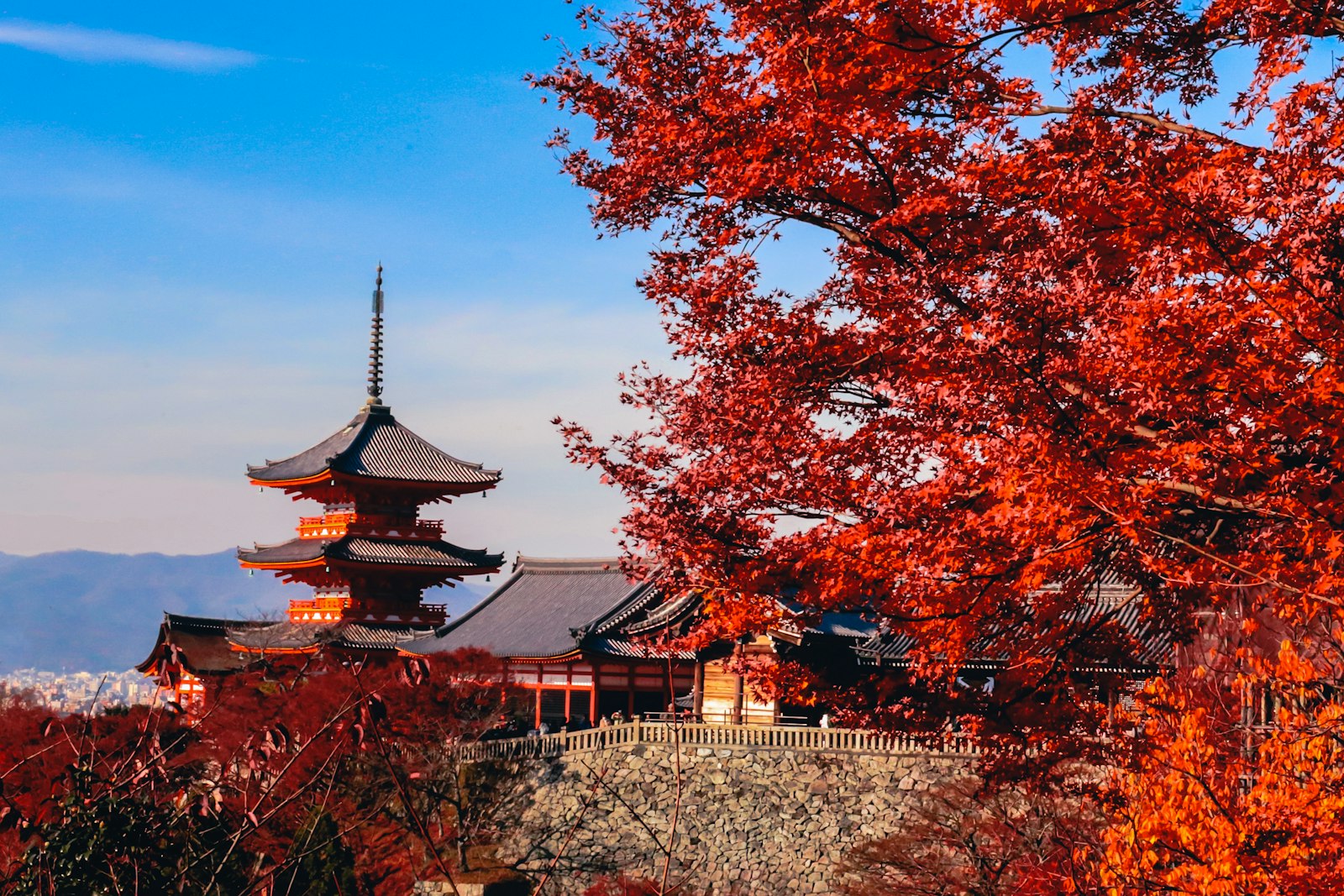
Short answer: The best things to do in Kyoto are the Fushimi Inari torii trail (free, open 24 hours), Kiyomizu-dera (opens 6:00), Kinkaku-ji (¥500), the Arashiyama Bamboo Grove (free) and an evening walk in Gion. Plan by district, arrive in the first opening hour or after 16:00, and use the subway on autumn weekends, when city buses are packed.
25
Sights and experiences
7
Districts incl. Uji
¥0–¥1,500
Typical temple fee
6:00
Kiyomizu-dera opens
Most lists of things to do in Kyoto are flat: dozens of temples, no prices, no sense of what sits next to what. This guide groups 25 sights, food stops and experiences by district (Higashiyama, Gion, Arashiyama, Fushimi, Nishijin and the north, Kyoto Station, plus Uji as a half-day), so you can do one area properly instead of zig-zagging across the city on a crowded bus.
You also get a 3-hour plan per district with station and exit, a 2026–27 admission price table checked against official sites, crowd-beating times and the experiences worth booking.
Last checked: 27 October 2026
What are the top things to do in Kyoto in 2026–27?
If you only have one day, pick three: Fushimi Inari at dawn, Kiyomizu-dera and the Higashiyama lanes before 9:00, and Gion after dark. With two days, add Arashiyama (bamboo grove plus Tenryu-ji) and Kinkaku-ji. With three or four, add Nijo Castle, Nishiki Market, a tea ceremony and a half-day in Uji. Heading to Nara next? Try its quiet temples as an antidote to Kyoto’s crowds.
Three things changed this season. Several fees went up (table below). Kyoto’s hotel tax rose on 1 March 2026 to between ¥200 and ¥10,000 per person per night, depending on the room rate (Kyoto City Tourism Association). And the city runs autumn bus crowd measures from 31 October.
How much do Kyoto attractions cost? 2026–27 admission prices
Adult prices, checked on each official site on 27 October 2026. Where a temple doesn’t publish its fee online, we say so.
| Sight | Adult price | Hours | Beat the crowds |
|---|---|---|---|
| Fushimi Inari Taisha | Free | Grounds always open | Before 8:00 or after dusk |
| Kiyomizu-dera | ¥500 (not listed on the temple site; figure via Kyoto City Tourism Association) | 6:00–18:00 (to 21:30 on 21–30 Nov) | 6:00–7:30 |
| Kinkaku-ji | ¥500 | 9:00–17:00 | 9:00 opening or after 16:00 |
| Ginkaku-ji | ¥1,000 | 8:30–17:00 (Dec–Feb 9:00–16:30) | 8:30 opening |
| Kodai-ji | ¥800 (¥1,200 with Entoku-in) | 9:00–17:30; night viewing to 22:00 (23 Oct–13 Dec) | After 19:00 on illumination nights |
| Kennin-ji | ¥800, rising to ¥1,000 from 1 Jan 2027 | 10:00–17:00, last entry 16:30 | First hour |
| Nanzen-ji Hojo garden / Sanmon gate | ¥600 each | 8:40–17:00 (Dec–Feb to 16:30) | 8:40 opening |
| MoMAK collection gallery | ¥1,000 (was ¥430 until 23 Oct 2026) | 10:00–18:00 (Fri to 20:00 during special exhibitions); closed Mon and 18 Jan–31 Mar 2027 | Friday after 18:00 (¥800) |
| Tenryu-ji garden | ¥500 (+¥300 for halls) | 8:30–17:00; 7:30 opening 14–30 Nov | Opening time |
| Sagano Romantic Train | ¥880 one way (child ¥440) | Check the official calendar | Book online; morning trains |
| Tofuku-ji Tsutenkyo bridge | ¥600; ¥1,000 from 14 Nov–6 Dec | 9:00–16:00 (Dec–Mar to 15:30); 8:30 on 14 Nov–6 Dec | 8:30 in autumn, weekdays |
| Tofuku-ji Hojo garden | ¥600 from 1 Nov 2026 (was ¥500) | 9:00–16:00 | Opening time |
| Ryoan-ji | ¥600 (via Hankyu Railway guide; official site unreachable) | 8:00–17:00 (Dec–Feb 8:30–16:30) | 8:00 opening |
| Nijo Castle + Ninomaru Palace | ¥1,300 | 8:45–17:00, last entry 16:00 | 8:45 opening |
| Kitano Tenmangu Momiji-en | ¥1,500 (31 Oct–6 Dec) | 9:00–16:00; lit to 20:00 from 13 Nov | Weekday mornings |
| Sanjusangen-do | ¥600 | 8:30–17:00 (9:00–16:00 from 16 Nov) | Opening time |
| To-ji Kondo and Kodo | ¥800; 31 Oct–13 Dec a single ¥1,200 ticket (halls plus pagoda ground floor) | 8:00–17:00 | 8:00 opening |
| teamLab Biovortex Kyoto | From ¥3,800 (dynamic) | 9:00–21:00, last entry 19:30 | Weekday morning slots |
| Byodo-in (Uji) | ¥700 (+¥300 Phoenix Hall interior) | 8:45–17:30 | 8:45; queue for first interior slot |
Which Kyoto fees and rules change in 2026–27?
- MoMAK (Confirmed): collection gallery ¥430 to ¥1,000 from 24 October 2026, part of a national-museum fee rise (Tokyo Art Beat; MoMAK).
- Tofuku-ji (Confirmed): Hojo garden ¥600 from 1 November 2026; Tsutenkyo ¥1,000 from 14 November–6 December (Tofuku-ji).
- Kennin-ji (Confirmed): ¥800 to ¥1,000 from 1 January 2027; students stay at ¥500 (Kennin-ji).
- Byodo-in (Confirmed): Phoenix Hall interior slots cut from 50 to 35 people from 16 October 2026 (Byodo-in).
- Nanzen-in (Confirmed): closed for garden works until spring 2027, except a special opening on 1–30 November 2026 (¥500 adults) (Nanzen-ji).
- Sagano Romantic Train (Confirmed): current carriages retire after 29 December 2026; new trains start on 1 March 2027 (Impress Watch). New-train fares: ¥880 plus a ¥620 reserved-seat fee (child ¥440 plus ¥310); tickets for 1 March go on sale on 1 February 2027.
How do you get around Kyoto in autumn 2026?
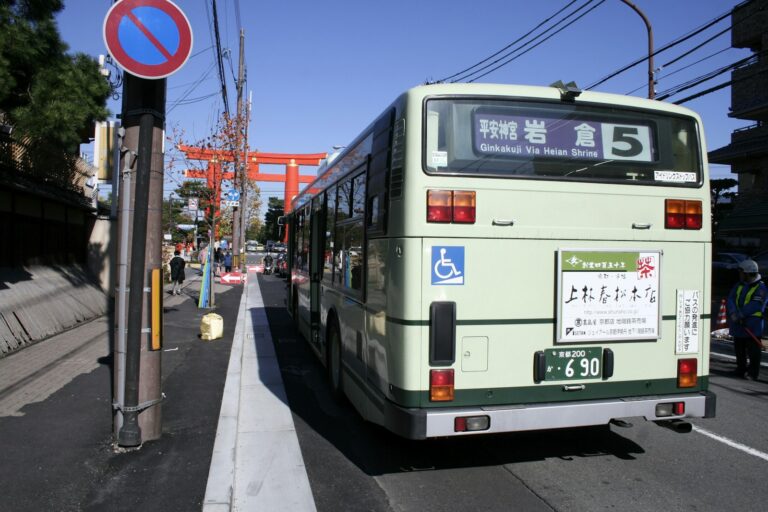
On Saturdays, Sundays and holidays from 31 October to 29 November 2026, Kyoto City Bus adds services on the Higashiyama and Kinkaku-ji routes, runs the EX100/EX101 tourist express buses (¥500 adult, ¥250 child), and offers free bus-to-subway transfers at Higashiyama-Sanjo (15:45–19:20) and Kitaoji (15:00–17:30). The peak days are 21–23 and 28–29 November (Kyoto City Transportation Bureau). The city advises taking the subway to Kitaoji for Kinkaku-ji and Imadegawa for Ginkaku-ji. Full details, including stop changes, are in our Kyoto bus autumn 2026 guide. For peak-colour timings, see Kyoto autumn leaves 2026.
What to do in Higashiyama
Do it in 3 hours: Keihan Kiyomizu-Gojo Station, Exit 4. Walk east along Gojo-dori and up Gojozaka (about 25 minutes) to Kiyomizu-dera by 7:00. Drop down Sannenzaka and Ninenzaka before the shops open, reach Kodai-ji at its 9:00 opening, then walk north through Maruyama Park to Yasaka Shrine. Full route: our Higashiyama guide.
1. Kiyomizu-dera (Temple)
The Lowdown: Kyoto’s most famous temple, with a wooden stage jutting out over the hillside. It opens at 6:00 daily. Autumn night viewing runs 21–30 November 2026, until 21:30 (last entry 21:00).
- Where: Top of Gojozaka, about 25 minutes on foot from Keihan Kiyomizu-Gojo (Exit 4), or 10 minutes from the Gojozaka bus stop (from 31 October to 29 November 2026 the southbound Gojozaka stop is closed, so for the return trip use Kiyomizu-michi or Umamachi)
- The Vibe: Grand, steep, packed from 10:00
- Prix : ¥500 adult, ¥200 elementary and junior high (as listed by Kyoto City Tourism Association; the temple does not list its fee online)
- Official Link: kiyomizudera.or.jp
💡 Astuce du Japon : Arrive at 6:00 for a near-empty stage. On autumn weekends, walking from Exit 4 usually beats the Gojozaka bus queue.
2. Sannenzaka and Ninenzaka (Historic Streets)
The Lowdown: Two stone-stepped lanes of wooden shops and teahouses below Kiyomizu-dera. Free, and best before the shops open.
- Where: Between Kiyomizu-dera and Kodai-ji
- The Vibe: Postcard Kyoto, souvenir shops, kimono rental crowds
- Prix : Free
- Official Link: kyoto.travel
💡 Astuce du Japon : Walk it downhill from Kiyomizu-dera at 7:30, and shoot looking down the steps to keep crowds out of frame.
3. Kodai-ji (Temple and Garden)
The Lowdown: Zen temple built by the widow of Toyotomi Hideyoshi, with a bamboo grove and a raked-gravel garden. It’s at its best at night: the autumn special viewing runs 23 October–13 December 2026, with entry until 21:30.
- Where: Nene-no-michi, between Ninenzaka and Maruyama Park
- The Vibe: Calm by day, theatrical after dark
- Prix : ¥800 adult, ¥400 junior and senior high; ¥1,200 combined with Entoku-in
- Official Link: kodaiji.com
💡 Astuce du Japon : Do Kiyomizu-dera at dawn and Kodai-ji at night on the same day. The light-up crowd thins out after 20:00.
4. Ginkaku-ji and the Philosopher’s Path (Temple and Walk)
The Lowdown: The Silver Pavilion was never silver, but the moss garden and sand cone justify the ticket. From the gate, the canal-side Philosopher’s Path runs south for about 2 km towards Nanzen-ji. Note the fee: the temple’s own site now lists ¥1,000 for adults, so many older guides are out of date.
- Where: Northern Higashiyama; buses to Ginkakuji-michi, or subway to Imadegawa plus a bus
- The Vibe: Quiet garden, then a leafy canal walk
- Prix : ¥1,000 adult, ¥500 elementary and junior high; the path is free
- Official Link: shokoku-ji.jp/ginkakuji
💡 Astuce du Japon : Arrive at the 8:30 opening (March–November), then walk the path south to Nanzen-ji.
5. Nanzen-ji (Zen Temple)
The Lowdown: A huge Zen complex with a climbable Sanmon gate, a dry-landscape Hojo garden and a free-to-see brick Meiji-era aqueduct. The Nanzen-in sub-temple opens specially on 1–30 November 2026 (¥500); otherwise it is closed for garden works until spring 2027.
- Where: Below the eastern hills, south end of the Philosopher’s Path
- The Vibe: Big, airy, less frantic than Kiyomizu
- Prix : Hojo garden ¥600; Sanmon gate ¥600 (adults)
- Official Link: nanzenji.or.jp
💡 Astuce du Japon : Climb the Sanmon late afternoon for city views, then walk to Okazaki.
6. MoMAK and Heian Shrine, Okazaki (Museum and Shrine)
The Lowdown: Okazaki is Kyoto’s museum quarter, laid out around Heian Shrine’s giant vermilion torii. The National Museum of Modern Art (MoMAK) is strong on Kyoto crafts and ceramics. Its collection gallery price rose to ¥1,000 on 24 October 2026.
- Where: Subway Higashiyama Station, Exit 1, then about 10 minutes north
- The Vibe: Wide boulevards, rainy-day culture
- Prix : MoMAK ¥1,000 adult (¥800 Fridays after 18:00), under-18s free; Heian Shrine grounds free; shrine garden (Shin-en) ¥600 adult, 8:30–17:00 in November, last entry 16:30
- Official Link: momak.go.jp / heianjingu.or.jp
💡 Astuce du Japon : Closed Mondays, and the whole museum closes from 18 January to the end of March 2027. Friday evenings during special exhibitions are cheapest (¥800) and quietest.
What to do in Gion
Do it in 3 hours (late afternoon): Keihan Gion-Shijo Station, Exit 6. Start at Kennin-ji (open 10:00–17:00, last entry 16:30), walk up Hanamikoji to Shijo-dori, east to Yasaka Shrine (about 5 minutes from Exit 7), then back via Shirakawa at dusk. Finish in Pontocho for dinner (Exit 4, about 1 minute). Exit-by-exit detail: Gion-Shijo Station guide.
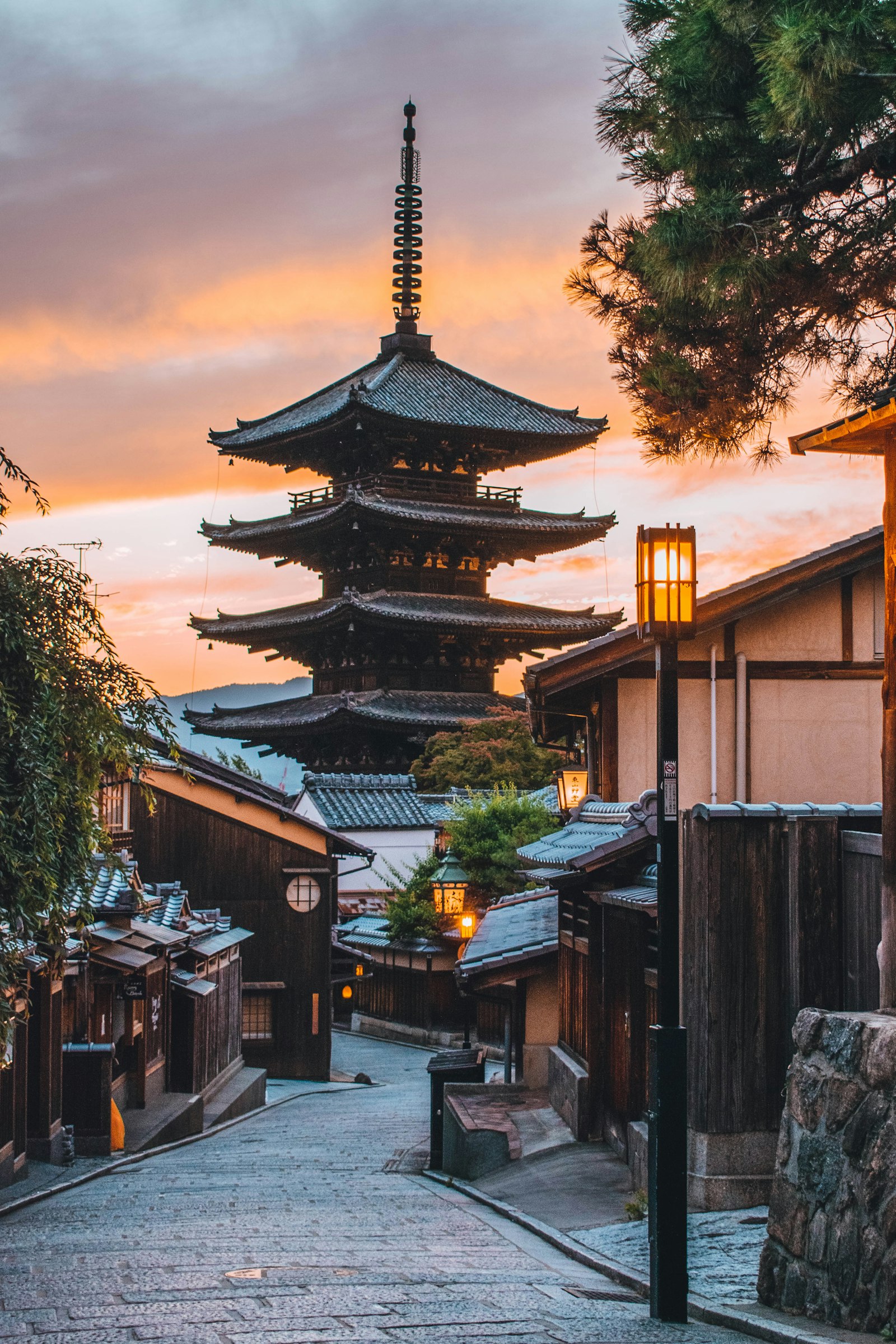
7. Yasaka Shrine (Shrine)
The Lowdown: The orange gate at the east end of Shijo-dori and the home shrine of the Gion Matsuri. Free, and the lantern-hung dance stage glows after sunset.
- Where: East end of Shijo-dori, about 5 minutes from Gion-Shijo Exit 7
- The Vibe: Busy, festive, lantern-lit
- Prix : Free (shrine office 9:00–17:00)
- Official Link: yasaka-jinja.or.jp
💡 Astuce du Japon : Exit the back of the shrine into Maruyama Park to join the Higashiyama route.
8. Hanamikoji and Shirakawa (Geisha District)
The Lowdown: Gion’s two famous streetscapes: Hanamikoji’s latticed teahouses south of Shijo-dori and the willow-lined Shirakawa canal to the north. Local residents put up keep-out signs on Gion’s private lanes in 2024 after years of tourists chasing geiko for photos (AP). Stick to the public streets.
- Where: Gion-Shijo Exit 6 (Hanamikoji) or Exit 7 (Shirakawa)
- The Vibe: Atmospheric at dusk, rule-heavy
- Prix : Free
- Official Link: kyoto.travel
💡 Astuce du Japon : A guided evening walk explains what you’re seeing and keeps you within the rules. Routes and etiquette: our Gion walking tour guide.
9. Kennin-ji (Zen Temple)
The Lowdown: Kyoto’s oldest Zen temple sits at the bottom of Hanamikoji. Inside are the Twin Dragons ceiling painting in the Hatto and a reproduction of Sotatsu’s Wind God and Thunder God screens. The adult fee rises from ¥800 to ¥1,000 on 1 January 2027.
- Where: South end of Hanamikoji, about 7 minutes from Gion-Shijo Exit 6
- The Vibe: Spacious, uncrowded, very photogenic
- Prix : ¥800 adult until 31 Dec 2026, then ¥1,000; students ¥500
- Official Link: kenninji.jp
💡 Astuce du Japon : Best rainy-day temple in central Kyoto: most of the visit is indoors on tatami.
10. Nishiki Market (Food Market)
The Lowdown: A 390 m covered street of pickle, fish, tofu and sweets stalls, one block north of Shijo-dori. The market association asks you not to eat while walking: eat at or inside the shop where you buy.
- Where: About 3 minutes from subway Shijo or Hankyu Karasuma; about 10 minutes from Gion-Shijo Exit 4
- The Vibe: Narrow, grazing, busiest at lunchtime
- Prix : Free to enter; snacks priced per stall
- Official Link: kyoto-nishiki.or.jp
💡 Astuce du Japon : Come around 10:00 with cash. Many stalls close by late afternoon, so it’s not a dinner stop.
What to do in Arashiyama
Do it in 3 hours: JR Saga-Arashiyama Station, on the Torokko Saga side (about 15 minutes on foot to the bamboo grove). Be in the grove by 7:30, enter Tenryu-ji by its north gate at its 8:30 opening, walk the garden (from 14–30 November 2026 the main garden entrance opens at 7:30, but the north gate still opens at 8:30), then cross Togetsukyo Bridge before the main street fills at 10:00. Got longer? Book a morning Romantic Train from Torokko Saga, next to the JR station. Full plan: our Arashiyama guide.
11. Arashiyama Bamboo Grove (Nature Walk)
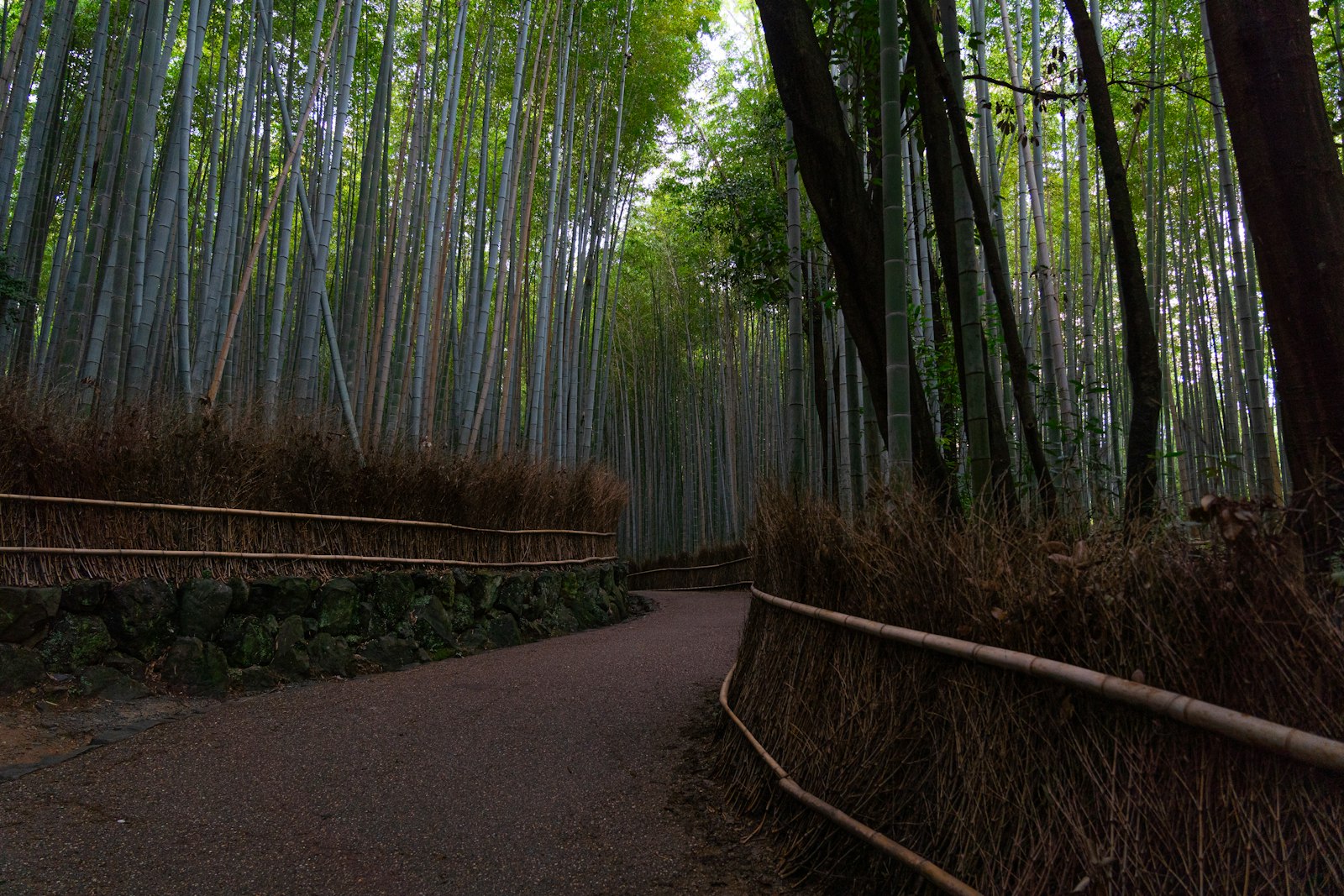
The Lowdown: The towering bamboo path everyone has seen on Instagram. It’s short, free and always open. Between 10:00 and 15:00 it’s a slow-moving queue.
- Where: Behind Tenryu-ji, about 15 minutes from JR Saga-Arashiyama
- The Vibe: Magical at 7:00, theme park at noon
- Prix : Free
- Official Link: kyoto.travel
💡 Astuce du Japon : Head for the quieter top (Okochi Sanso) end first.
12. Tenryu-ji (Zen Temple and Garden)
The Lowdown: A UNESCO-listed Zen temple whose Sogenchi pond garden borrows the Arashiyama hills as a backdrop. Its north gate opens straight onto the bamboo grove. On weekends and holidays the Hatto opens to show its Cloud Dragon ceiling (separate ¥500 ticket).
- Where: Arashiyama main street; Randen Arashiyama Station is closest
- The Vibe: Classic Kyoto garden, best at opening
- Prix : Garden ¥500 (high school age and up; ¥300 elementary and junior high), +¥300 for halls; Cloud Dragon ¥500
- Official Link: tenryuji.com
💡 Astuce du Japon : From 14–30 November 2026 the garden opens at 7:30 (garden reception only). That’s the single best autumn-leaves slot in Arashiyama.
13. Okochi Sanso (Villa Garden)
The Lowdown: The hillside villa garden of silent-film star Okochi Denjiro, at the top of the bamboo grove, with views to Mount Hiei and the city.
- Where: Top (west) end of the bamboo grove
- The Vibe: Quiet, mossy, panoramic
- Prix : ¥1,000 adult, ¥500 elementary and junior high; 9:00–17:00, last entry 16:30 (via Rurubu; the official site was unreachable on 27 October 2026)
- Official Link: okochi-sanso.jp
💡 Astuce du Japon : Go straight here from the bamboo grove for the calmest hour in Arashiyama.
14. Sagano Romantic Train (Scenic Railway)
The Lowdown: A slow, open-sided sightseeing train along the Hozu gorge from Saga to Kameoka. The fare is a flat ¥880 one way for any distance. This is the last season for the current carriages, which run until 29 December 2026. New trains start on 1 March 2027, and a ¥620 reserved-seat fee then goes on top of the ¥880 fare (¥1,500 one way for adults).
- Where: Torokko Saga, next to JR Saga-Arashiyama
- The Vibe: Nostalgic, river views, autumn favourite
- Prix : ¥880 adult, ¥440 child, one way
- Official Link: sagano-kanko.co.jp
💡 Astuce du Japon : Book online, since autumn trains sell out. If you missed out, same-day seats go on sale at Saga station from around 8:35. Trains don’t run every day, so check the operating calendar.
What to do in Fushimi and Inari
Do it in 3 hours: JR Inari Station (Nara Line, two stops and about 5 minutes from Kyoto; take a local train). The shrine gate is right across the road. Start at 7:00 and climb to the Yotsutsuji viewpoint (30–45 minutes up), come down by 9:00, then take the train one stop back to Tofukuji for the 9:00 opening (8:30 in autumn). The sake district is a separate half-day. More detail: our Fushimi Inari guide.
15. Fushimi Inari Taisha (Shrine and Hike)
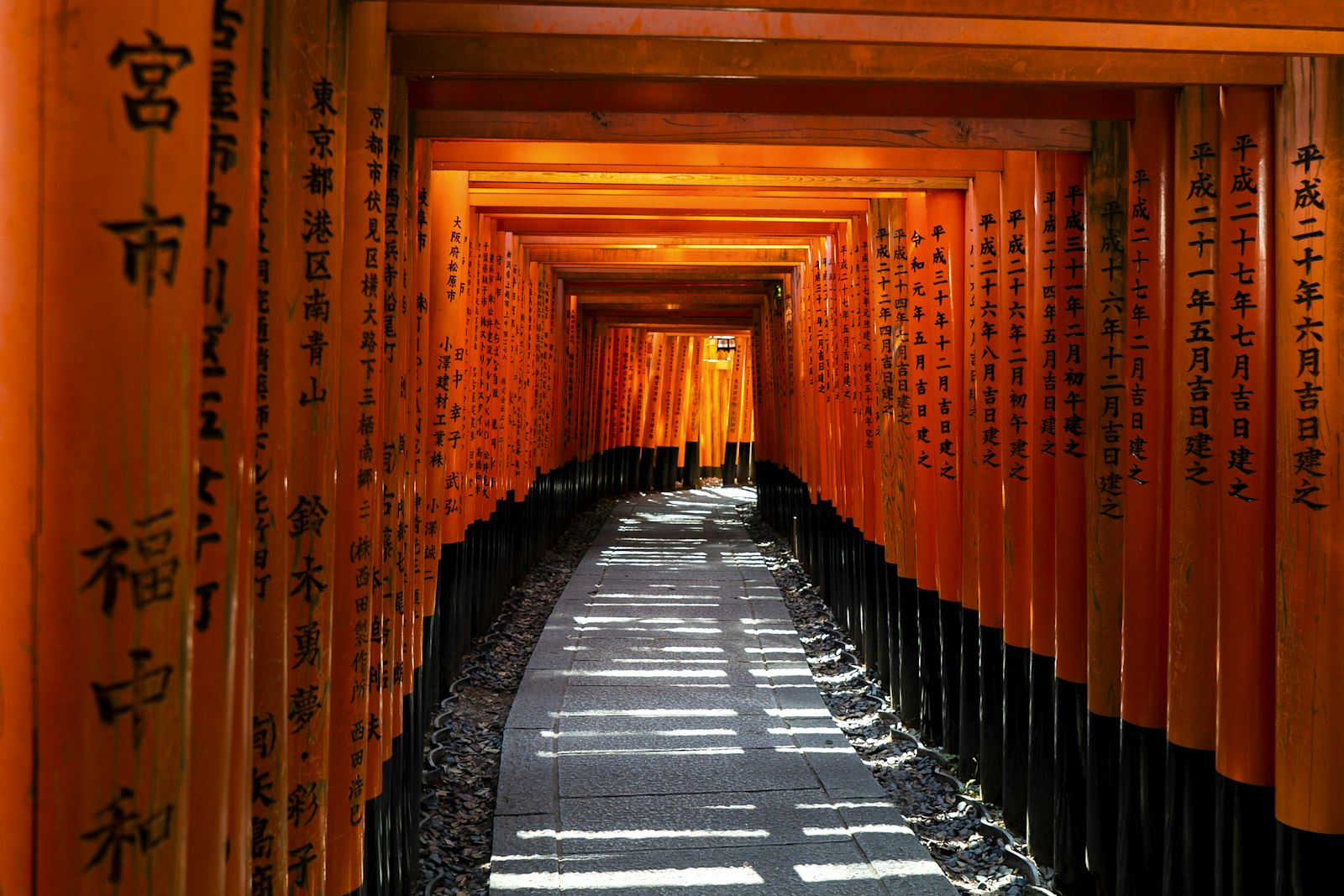
The Lowdown: Thousands of vermilion torii climbing 233 m Inariyama. No gate, no ticket, any hour. Crowds thin sharply above the halfway point.
- Where: Opposite JR Inari Station; about 5 minutes from Keihan Fushimi-Inari
- The Vibe: Iconic, sweaty, spiritual near the top
- Prix : Free
- Official Link: inari.jp
💡 Astuce du Japon : Before 8:00 is the quietest daylight window. After dark is quiet too, but the upper paths are only partly lit, so bring a torch.
16. Tofuku-ji (Temple and Autumn Leaves)
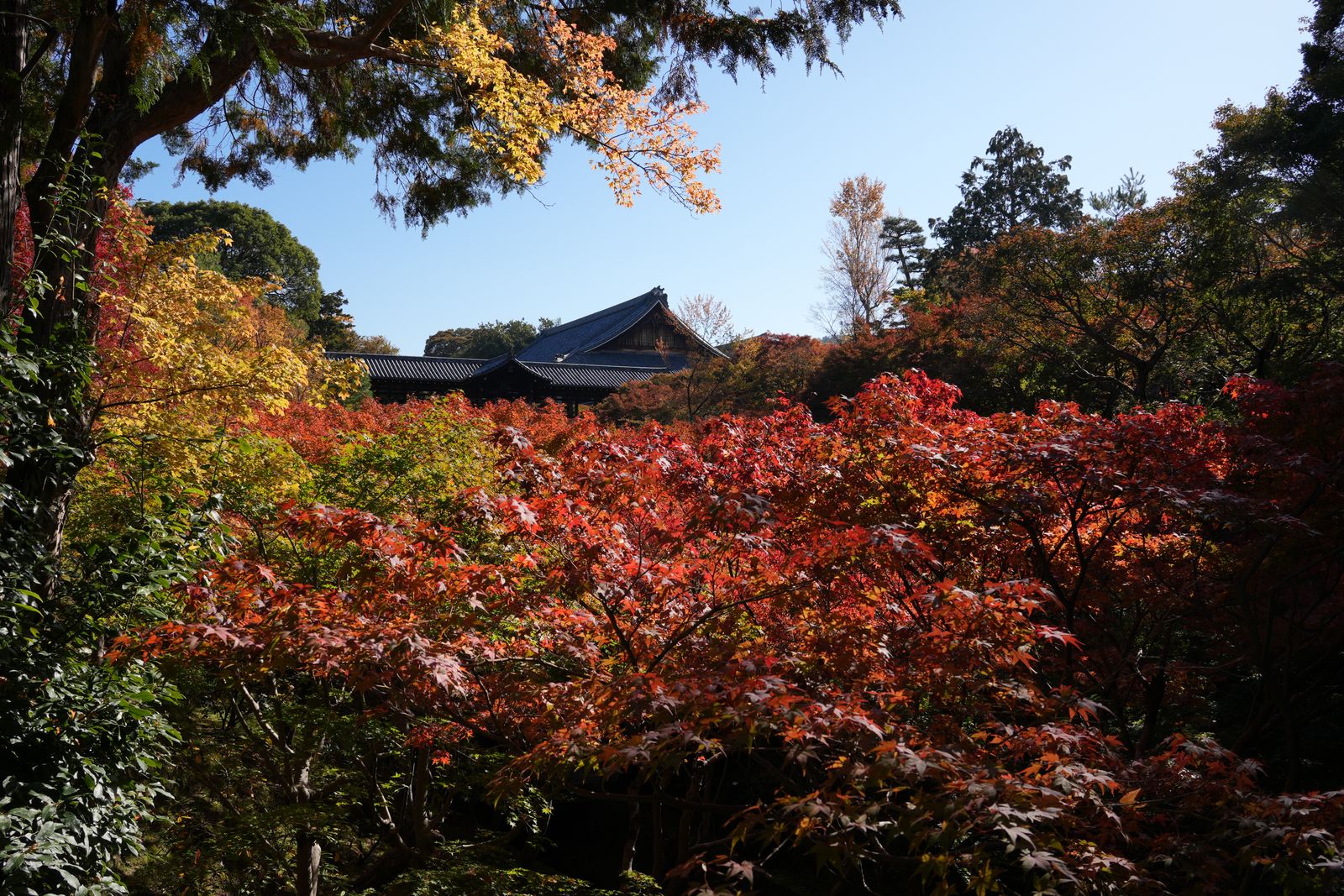
The Lowdown: The Tsutenkyo bridge looks down on a valley of maples. It’s Kyoto’s most famous autumn-leaves view and its busiest. During peak season (14 November–6 December 2026) the bridge costs ¥1,000, opens at 8:30, has no combined ticket and allows no re-entry.
- Where: About 10 minutes from JR/Keihan Tofukuji Station
- The Vibe: Quiet Zen most of the year, wall-to-wall in late November
- Prix : Tsutenkyo ¥600 (¥1,000 in peak autumn); Hojo garden ¥600 from 1 Nov 2026; combined ¥1,000 outside autumn
- Official Link: tofukuji.jp
💡 Astuce du Japon : Don’t skip the Hojo’s checkerboard moss garden, the underrated half.
17. Fushimi Sake District and Gekkeikan Okura Sake Museum (Sake and Food)
The Lowdown: Spring water made Fushimi a great brewing town; canal-side storehouses remain. Gekkeikan’s museum ends with a tasting of three sakes for visitors aged 20 and over. It has been fully cashless since 1 July 2026.
- Where: About 5 minutes on foot from Keihan Chushojima Station
- The Vibe: Low-key, canals, sake shops
- Prix : ¥600 aged 20 and over (includes tasting), ¥100 aged 13–19, under-13s free; 9:30–16:30, last entry 16:00 (short days in November 2026: 13:00–16:30 on the 7th, 9:30–14:00 on the 10th and 20th); cashless only (cards, e-money or QR codes)
- Official Link: gekkeikan.co.jp
💡 Astuce du Japon : Chushojima is on the Keihan route to Uji: pair it with Byodo-in.
What to do in Nishijin and northern Kyoto
Do it in 3 hours: Subway Karasuma Line to Kitaoji, then a bus from Kitaoji Bus Terminal to Kinkakuji-michi (the city’s recommended route in autumn). Be at Kinkaku-ji at 9:00, walk the Kinukake-no-michi road to Ryoan-ji (about 20 minutes), then take the Randen tram or a bus to Kitano Tenmangu and the Nishijin weaving streets. Nijo Castle (Tozai Line, Nijojo-mae, 2 minutes to the East Gate) works better as a separate morning. Neighbourhood detail: our Nishijin guide.
18. Kinkaku-ji (Temple)
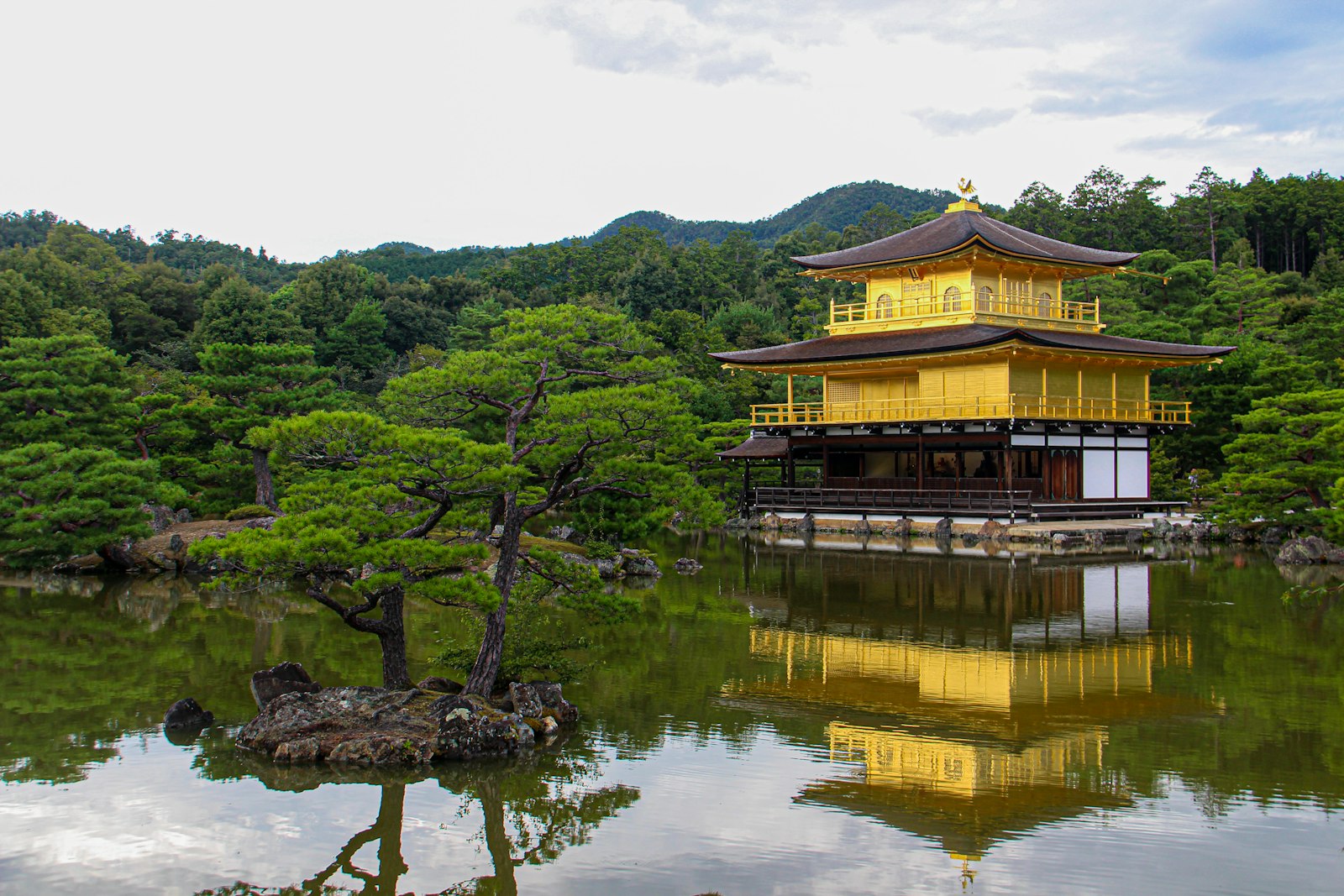
The Lowdown: The gold-leaf pavilion reflected in Kyokochi pond. It’s a one-way walking circuit, and it’s busy all day, every day. Open 9:00–17:00, 365 days a year.
- Where: Kinkakuji-michi bus stop (buses 12, 59, 205, M1; 204 from Ginkaku-ji)
- The Vibe: Dazzling, crowded, quick
- Prix : ¥500 adult (high school and up), ¥300 elementary and junior high
- Official Link: shokoku-ji.jp/kinkakuji
💡 Astuce du Japon : Be at the gate for the 9:00 opening to beat the school groups, or come after 16:00 when the tour buses have left.
19. Ryoan-ji (Zen Rock Garden)
The Lowdown: Japan’s most famous rock garden: 15 stones on raked gravel, arranged so you can never see all of them at once from the veranda. Behind it is a large pond garden that most people skip.
- Where: Kinukake-no-michi, about 20 minutes’ walk from Kinkaku-ji
- The Vibe: Contemplative if you get the veranda early
- Prix : ¥600 adult; 8:00–17:00 (Dec–Feb 8:30–16:30) (via Hankyu Railway; confirm at the gate)
- Official Link: ryoanji.jp
💡 Astuce du Japon : It opens at 8:00, an hour before Kinkaku-ji. Do Ryoan-ji first and walk to Kinkaku-ji for 9:00.
20. Nijo Castle (Castle and Palace)
The Lowdown: The Tokugawa shoguns’ Kyoto base and a UNESCO site. Ninomaru Palace has painted screens and “nightingale floors” that squeak to warn of intruders. Honmaru Palace needs a separate online reservation.
- Where: Subway Tozai Line, Nijojo-mae, about 2 minutes to the East Gate
- The Vibe: Samurai history, big gardens
- Prix : ¥1,300 with Ninomaru Palace (grounds only ¥800); Honmaru Palace ¥1,000 extra
- Official Link: nijo-jocastle.city.kyoto.lg.jp
💡 Astuce du Japon : Ninomaru Palace is closed on Tuesdays in December, January, July and August, so check before going.
21. Kitano Tenmangu and Nishijin (Shrine and Craft)
The Lowdown: The shrine of the god of learning, beside Kamishichiken geisha district and the Nishijin weaving quarter. In autumn the Momiji-en maple garden on the old city earthworks opens 31 October–6 December 2026, with illumination from 13 November.
- Where: About 5 minutes from Randen Kitano-Hakubaicho
- The Vibe: Local, crafty, far fewer tourists
- Prix : Grounds free (7:00–17:00); Momiji-en ¥1,500 adult, ¥700 child
- Official Link: kitanotenmangu.or.jp
💡 Astuce du Japon : Momiji-en lights run to 20:00 (last entry 19:40): a calmer night-leaves option than Higashiyama.
Bonus: Kyoto Imperial Palace (Former palace)
The Lowdown: The emperors’ home until 1869. You walk past the throne hall and palace gardens on a set route, and entry is free. It’s an easy add-on to a Nijo Castle morning.
Where: Kyoto Gyoen, a short walk from subway Imadegawa Station. Enter by the Seishomon Gate.
The Vibe: Spacious, orderly, rarely crowded
Price: Free. Closed Mondays (Tuesday if Monday is a holiday) and 28 December–4 January.
Official Link: kyoto-gosho.kunaicho.go.jp
💡 Japan Pro Tip: Free English guided tours start at 10:00 and 14:00 and last about 50 minutes. Individuals don’t need to book.
What to do near Kyoto Station
Do it in 3 hours (arrival day or evening): Take Kintetsu one stop to Toji Station for To-ji (Kondo opens 8:00), then a city bus or Keihan Shichijo to Sanjusangen-do. In the evening, use Kyoto Station’s Hachijo East Gate for the 7-minute walk to teamLab Biovortex (last entry 19:30).
22. Sanjusangen-do (Temple)
The Lowdown: A 120 m wooden hall holding 1,001 standing statues of the goddess Kannon, rank after rank. No photos inside.
- Where: About 7 minutes from Keihan Shichijo (Exit 2); city bus 100, 206 or 208 from Kyoto Station to Hakubutsukan Sanjusangendo-mae
- The Vibe: Hushed, overwhelming, indoors
- Prix : ¥600 adult, ¥400 junior and senior high, ¥300 elementary
- Official Link: sanjusangendo.jp
💡 Astuce du Japon : From 16 November hours shorten to 9:00–16:00 (last entry 15:30), so it’s no longer a late-afternoon option.
23. To-ji (Temple and Pagoda)
The Lowdown: Its five-storey pagoda is the tallest wooden pagoda in Japan and the first landmark you see from the Shinkansen. The pagoda’s ground floor opens for a special viewing from 31 October to 13 December 2026, alongside an autumn night illumination.
- Where: Kintetsu Toji Station, one stop from Kyoto
- The Vibe: Monumental, Buddhist statuary, a big monthly flea market
- Prix : Kondo/Kodo ¥800 normally; from 31 Oct to 13 Dec a single ¥1,200 day ticket covers the halls and the pagoda’s ground floor; night viewing ¥1,000 (18:00–21:30, last entry 21:00)
- Official Link: toji.or.jp
💡 Astuce du Japon : Gates open at 5:00 and the grounds are free: catch the pagoda reflection in the pond before 8:00.
24. teamLab Biovortex Kyoto (Digital Art)
The Lowdown: teamLab’s biggest museum in Japan, with 50+ immersive works across about 10,000 m², opened in October 2025 a short walk from Kyoto Station.
- Where: About 7 minutes from Kyoto Station Hachijo East Gate
- The Vibe: Immersive, family-friendly, open late
- Prix : Adult from ¥3,800 (date-based pricing); 13–17 ¥2,800; 4–12 ¥1,800
- Official Link: teamlab.art
💡 Astuce du Japon : It’s closed on 17 and 19 November and 15 December 2026. Tickets, the new teahouse and closure days: our teamLab Biovortex Kyoto guide.
Is Uji worth a half-day from Kyoto?
Yes, if you like matcha. Do it in 3 hours: JR Nara Line from Kyoto to Uji (about 17 minutes by Miyakoji Rapid), then walk about 10 minutes to Byodo-in. Grab an early Phoenix Hall interior slot, browse the tea shops, then cross Uji Bridge to Keihan Uji to return via Chushojima. Tea experiences and routes: our things to do in Uji guide.
25. Byodo-in, Uji (Temple)
The Lowdown: The Phoenix Hall from the ¥10 coin, sitting on a reflecting pond. Admission covers the garden and the excellent Hoshokan museum. The hall’s interior is a separate timed tour, now capped at 35 people per slot.
- Where: About 10 minutes from JR Uji or Keihan Uji
- The Vibe: Elegant, compact, matcha everywhere
- Prix : ¥700 adult, ¥400 junior and senior high, ¥300 elementary; interior +¥300
- Official Link: byodoin.or.jp
💡 Astuce du Japon : Interior tickets are sold at the reception in the garden, in 20-minute slots from 9:30 to 16:10. Go there first, then see the museum while you wait.
Which Kyoto experiences can you book?
Four experiences worth booking ahead. From November 2026 you can book all four on Japan Pro, with prices shown before you pay.
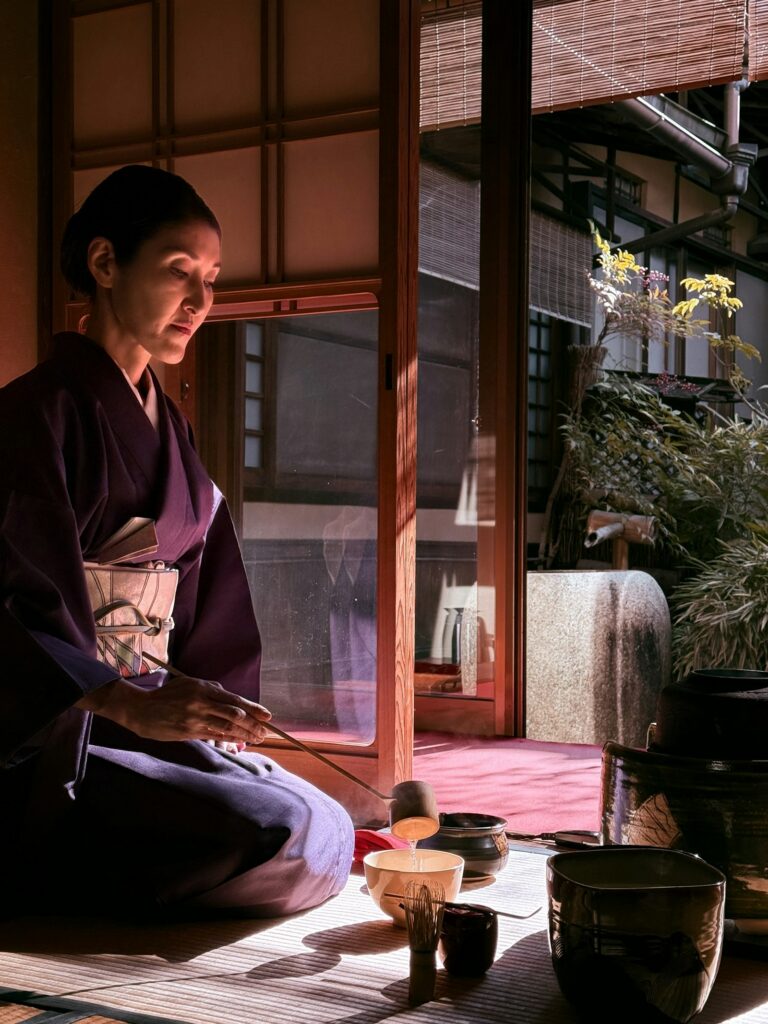
- Tea ceremony: typically under an hour in a tatami room, learning how to receive and drink matcha. Book a morning slot and pair it with Higashiyama or Uji.
- Kimono rental: Dressing takes time, so book the first slot of the day and walk Sannenzaka before the crowds. In Nishijin, weaving centres also offer kimono plans (see our Nishijin guide).
- Gion evening walk: A licensed guide explains the geiko world and keeps you off the private lanes. Go at dusk, then have dinner in Pontocho.
- Kaiseki dinner: Kyoto’s multi-course seasonal cuisine. Some top restaurants only take reservations through a hotel or agent, and autumn tables go fast.
Staying over? A ryokan with kaiseki included covers dinner and a bed: see our ryokan guide.
Compare tea ceremonies before you book. Our tea ceremony in Kyoto and Osaka guide sets 10 English-friendly options in Kyoto, Uji and Osaka side by side, with price, session length, group size and nearest station. It also covers basic etiquette and how far ahead to book in autumn and cherry blossom season.
Things to Do in Kyoto: FAQ
What is the number one thing to do in Kyoto?
Fushimi Inari Taisha. It’s free, open around the clock and unlike anything else in Japan. Go before 8:00 and climb past the first tunnels to lose the crowds.
How do you avoid crowds in Kyoto?
Be at each sight in its first opening hour (Kiyomizu-dera at 6:00, Ryoan-ji at 8:00, Tenryu-ji at 7:30 in late November) or after 16:00, and visit on weekdays. Stay in one district per half-day instead of crossing the city by bus.
How much are temple entrance fees in Kyoto?
Most major temples charge ¥500–¥1,000 for adults; Fushimi Inari, Yasaka Shrine and the Bamboo Grove are free. Several fees rose in 2026–27, including MoMAK (¥1,000 from 24 October 2026) and Kennin-ji (¥1,000 from 1 January 2027).
Can I do Kyoto as a day trip?
Yes, but pick one or two districts: Fushimi Inari plus Higashiyama and Gion is the classic day. To add Nara, see our Kyoto and Nara day tour guide.
How much is Kyoto’s hotel tax in 2026?
Since 1 March 2026 it’s ¥200–¥10,000 per person per night, depending on the room rate: ¥400 for rooms of ¥6,000–¥19,999 and ¥1,000 for ¥20,000–¥49,999 (Kyoto City Tourism Association).
Where can you see maiko or geiko perform in Kyoto?
Gion Corner runs about an hour of traditional arts, including maiko dance, at 18:00 and 19:00 in the Gion Kobu Kaburenjo small theatre. Tickets are ¥5,500 for adults, and from 1 December to 11 March shows run Tuesday to Friday only. From 1 to 10 November 2026, Gion Higashi’s Gion Odori plays at Gion Kaikan at 13:30 and 16:00, for ¥6,000, or ¥7,000 with tea. Spotting geiko on the street is never guaranteed, and photographing them in Gion’s private lanes is banned.
How much does a day of sightseeing in Kyoto cost?
A classic day of Kiyomizu-dera (¥500), Kinkaku-ji (¥500), Ryoan-ji (¥600) and the Tenryu-ji garden (¥500) costs ¥2,100 in entry fees. Add ¥1,100 for a Subway & Bus 1-Day Pass. Fushimi Inari, Yasaka Shrine, the Bamboo Grove and the Imperial Palace are free.
Does the Sagano Romantic Train run in winter 2026–27?
No. The current carriages make their last runs on 29 December 2026, and the new trains start on 1 March 2027. From then on, an adult one-way trip costs ¥1,500 (¥880 fare plus a ¥620 reserved seat). Tickets for 1 March go on sale on 1 February 2027. For other dates, tickets go on sale online at midnight 30 days ahead.
Plan your Kyoto trip
Pick your districts, set the alarm for the first opening hour and keep the subway in your back pocket. From November 2026 you can book Kyoto tea ceremonies, kimono rental, Gion walks and kaiseki dinners on Japan Pro, so lock in the experiences before autumn tables sell out.
Sources: Kiyomizu-dera, Kinkaku-ji, Ginkaku-ji, Kodai-ji, Kennin-ji, Nanzen-ji, MoMAK, Tenryu-ji, Sagano Scenic Railway, Fushimi Inari Taisha, Tofuku-ji, Gekkeikan, Nijo Castle, Kitano Tenmangu, To-ji, teamLab, Byodo-in, Kyoto City Transportation Bureau, Kyoto City Tourism Association, Nishiki Market.
Last checked: 27 October 2026
Book Kyoto experiences with Japan Pro
Japan Pro's booking platform opens in November 2026: tours, experiences and restaurant reservations across Japan.
 English
 Japanese
 Chinese (Taiwan)
 Chinese (China)
 Korean
 French
 Italian
 Thai