
Nishijin Kyoto Guide 2026: Textile Center, Kimono, the 25th Market and Kamishichiken
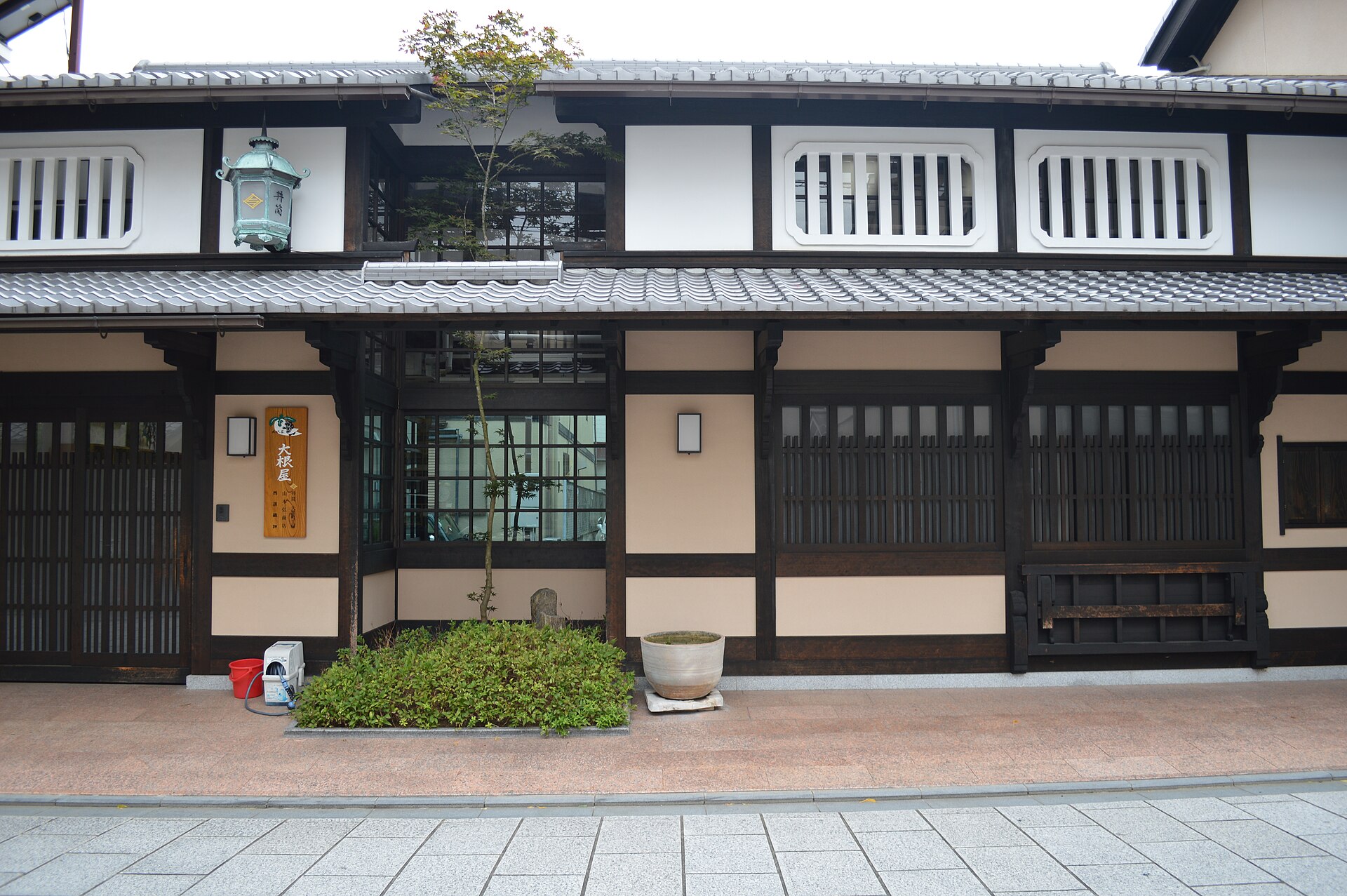
Nishijin is Kyoto’s silk-weaving district, a grid of wooden townhouses west of Imadegawa subway station, and most of it is free to explore. In Nishijin Kyoto you can weave at the Nishijin Textile Center (¥2,750), wear a kimono from ¥8,800, browse the Tenjin-san market at Kitano Tenmangu on the 25th of every month, and walk through Kamishichiken, the geisha district that calls itself the city’s oldest.
The area rewards picking the right day more than any other part of Kyoto. Museums close on Mondays, the shrine market only runs on the 25th, and the maple garden and Daitoku-ji’s special openings have fixed autumn windows. So this guide starts with the calendar, then goes place by place.
Free
Nishijin Textile Center entry
25th
Kitano Tenmangu market, every month
31 Oct–6 Dec
Kitano maple garden, 2026
10 min
Walk from Imadegawa Station
Which day should you visit Nishijin Kyoto?
Aim for the 25th if it is not a Monday. That gives you the market, the shrine and the textile center on one trip. Here is what is fixed for late 2026 and early 2027.
| Date | What happens | Watch out for |
|---|---|---|
| Sun 25 Oct 2026 | Tenjin-san market at Kitano Tenmangu, from 6:00 to sunset | Last day of the Hideyoshi gold exhibition at the Textile Center |
| 31 Oct–6 Dec 2026 | Kitano Tenmangu maple garden (Momiji-en) open, 9:00–16:00 | Light-up only from 13 Nov |
| From 3 Nov 2026 | New Textile Center exhibition on the Kan’ei imperial procession (to 28 Mar 2027) | Closed Mondays |
| Wed 25 Nov 2026 | Monthly market | Weekday, so slightly quieter |
| Tue 1 Dec 2026 | Kencha-sai tea offering at Kitano Tenmangu | |
| Fri 25 Dec 2026 | Shimai-Tenjin, the year’s last and very busy market | Expect crowds all day |
| Mon 25 Jan 2027 | Hatsu-Tenjin, the busiest market, about 1,000 stalls | A Monday: the Textile Center is closed |
| Thu 25 Feb 2027 | Baikasai plum festival with an outdoor tea ceremony served by Kamishichiken geiko and maiko | Plum garden opens early Feb to late Mar |
Dates are from Kitano Tenmangu’s event calendar and the Nishijin Textile Center. The shrine says its recurring dates can shift, so check its news page before a big day. For festivals across Japan, see our Japanese festival calendar.
- Mondays: the Nishijin Textile Center is closed (Tuesday if Monday is a holiday), as is the Souzen sweet shop.
- Wednesdays: Sarasa Nishijin café is closed.
- New Year: the Textile Center closes 29 December to 3 January.
How do you get to Nishijin?
There is no station in the middle of Nishijin, so you arrive by bus or walk in from the subway. Imadegawa on the Karasuma Line is the nearest station, about 10 minutes’ walk east of the Textile Center.
| To | From | How | Time |
|---|---|---|---|
| Nishijin Textile Center (Horikawa Imadegawa stop) | Kyoto Station | City bus 9 | About 30 min |
| Shijo-Kawaramachi or Shijo-Karasuma | Bus 12 | About 20 min | |
| Demachiyanagi | Bus 201 or 203 | About 15 min | |
| Imadegawa subway station | Walk west along Imadegawa-dori | About 10 min | |
| Kitano Tenmangu (Kitano Tenmangu-mae stop) | Kyoto Station | Bus 50 | About 35 min |
| Imadegawa subway station | Bus 51 or 203 | About 15 min | |
| Randen Kitano-Hakubaicho | Walk | About 5 min | |
| Daitoku-ji (Daitokuji-mae stop) | Kyoto Station | Bus 205 or 206 | About 45 min |
Routes are from the Textile Center, Kitano Tenmangu and japan-guide.com (updated January 2026). The Randen tram from Kitano-Hakubaicho runs to Arashiyama, so you can join this area to our Arashiyama guide.
City buses charge a flat ¥230 a ride today, and the Subway & Bus 1-Day Pass costs ¥1,100; it is valid on the calendar day you first use it, not for 24 hours (Kyoto City Transportation Bureau). Kyoto plans a resident-priority fare within fiscal 2027, with visitors paying roughly ¥350–400; the start date is not yet fixed (Travel Voice, 8 Sept 2026). Our Gion-Shijo guide has more on Kyoto buses.
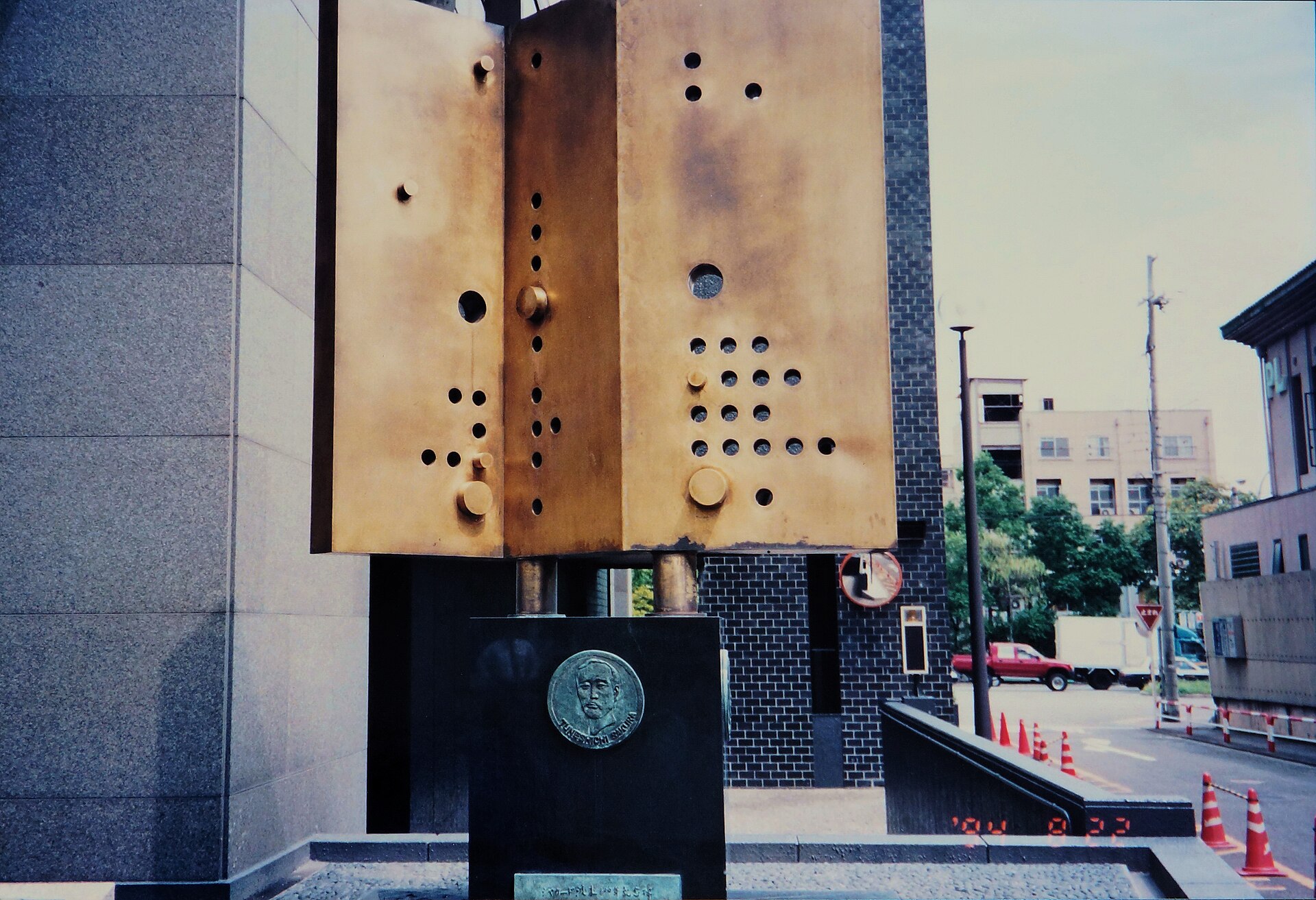
What can you do at the Nishijin Textile Center?
The center on Horikawa-dori, just south of Imadegawa, is the showroom of the weavers’ cooperative. Entry is free. It is open 10:00–16:00 from October to March and 10:00–17:00 from April to September, closed Mondays and 29 December–3 January (official).
No kimono shows right now. Many guides, including JNTO’s listing, still mention daily kimono fashion shows. The center’s own page says none are scheduled, and points to recordings on its YouTube channel instead (official).
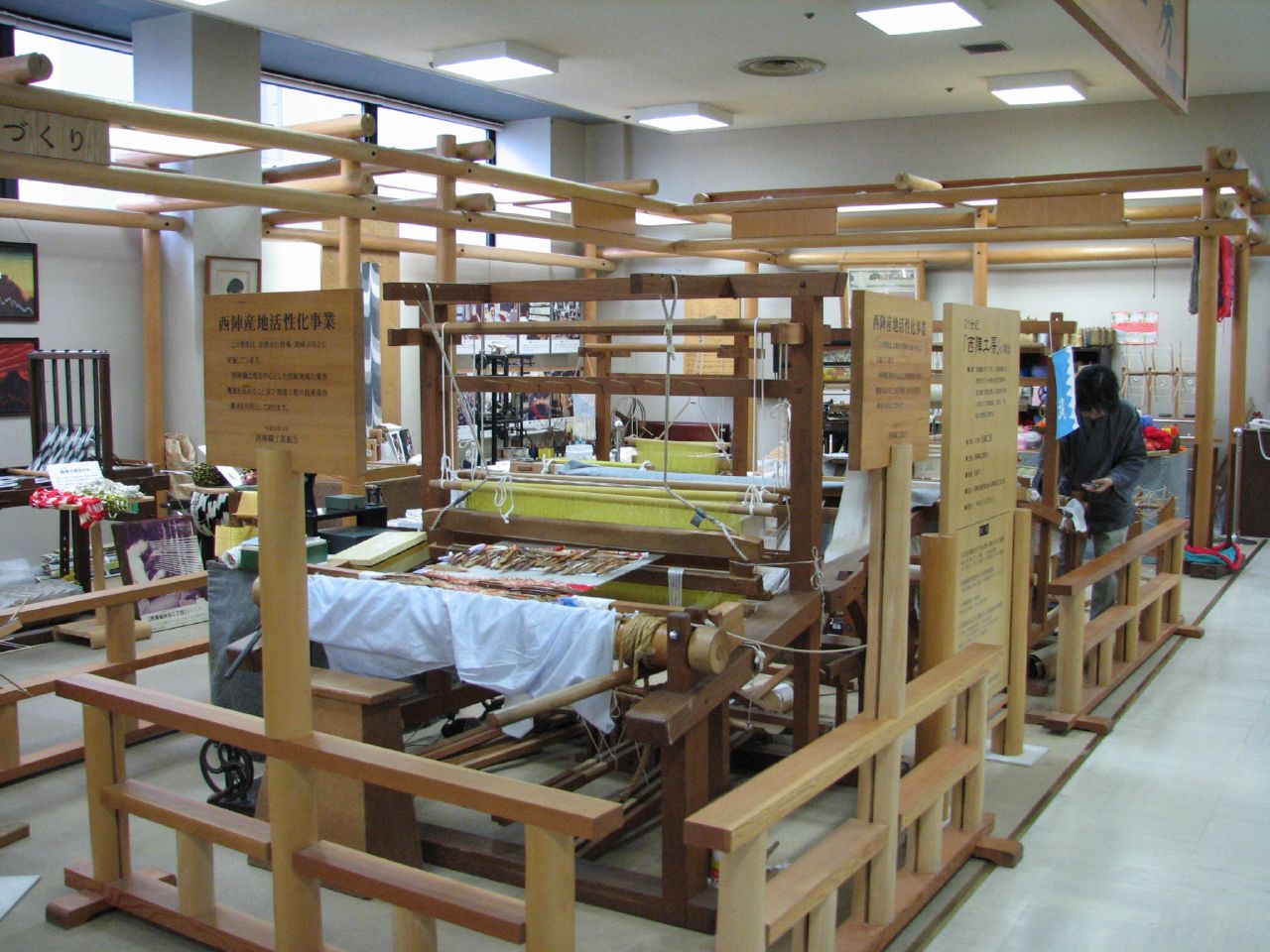
Hands-on experiences
| Expérience | Price | Length | Notes |
|---|---|---|---|
| Hand-weaving a table centre (about 20 × 30 cm) on a mini loom | ¥2,750; students ¥2,530 | About 40 min | Booking required; age 10+ (fifth grade); you keep the piece |
| Kaleidoscope made with Nishijin fabric scraps | ¥1,980 | About 30 min | Sessions 10:30, 13:30, 14:30; max 4 people |
Group rates apply from 15 people. Prices include tax and come from the experience page.
Kimono and costume experiences
| Plan | Price | Time | What to know |
|---|---|---|---|
| Komon kimono, wear it out in the city | ¥8,800 | About 20 min to dress | Return 30 min before closing; no hair or make-up |
| Komon kimono, inside the building only | ¥5,500 | About 20 min | For photos |
| Yukata (summer only) | ¥4,950 | About 20 min | Return by next morning |
| Children’s kimono | ¥11,000 | About 20 min | Indoors only; 110–128 cm tall |
| Maiko or geiko look (women) | ¥33,000 | About 80 min | Hair, make-up and a printed photo included |
| Junihitoe or sokutai court dress | ¥48,400 | About 80 min | Min. height 145 cm; photo included |
| Shiromuku or iro-uchikake bridal kimono (women) | ¥55,000 | About 120 min | Starts 10:00 or 13:00 |
All plans need booking (official kimono page). The ¥8,800 walk-out plan is the useful one: dress here, walk west through the weaving streets to Kamishichiken and Kitano Tenmangu, and be back 30 minutes before closing, which means 15:30 in winter.
Exhibitions and the shop floor
The third-floor archive is free and includes a Kyoto City-designated wooden Jacquard loom, the first made in Japan. “The Radiance of Nishijin-ori: Hideyoshi’s World of Gold” ends on 25 October 2026; “Reflecting on the Kan’ei Imperial Procession” runs from 3 November 2026 to 28 March 2027.
On the second floor, Aoyama Square Kyoto Nishijin is a craft gallery and shop that opened in September 2025. For where else to buy Nishijin silk, kimono and Kyoto pottery, see our guide to buying Japanese crafts.
Orinasu-kan and the weavers’ streets
The name Nishijin means “western camp”. After the Onin War (1467–1477), weavers returned to Kyoto and set up where the Western army had camped, according to the weavers’ cooperative. Many of the long, narrow houses still have workshops at the back.
Orinasu-kan
A textile museum in a converted weaver’s townhouse on Jofukuji-dori, about five minutes’ walk north of the Imadegawa Jofukuji bus stop (JNTO). It shows about 400 kimono and obi from the late Edo period to the late 20th century, plus reproductions of antique Noh costumes.
Artisans hand-weave silk on the second floor, and you can try weaving if you book ahead (Japan Tourism Agency). We could not confirm 2026 hours or prices from the museum’s own site, so call or check before you go.
Machiya cafés and sweets
- Kyo Nishijin Kashou Souzen (Teranouchi-dori, at Jofukuji): an arare rice-cracker maker in a weaver-style townhouse about 130 years old (Waraku). Shop 10:30–18:00; café 11:30–18:00 (last order 17:30); closed Mondays and Tuesdays except holidays. The café and arare-baking experience run on weekends and holidays (Walkerplus, March 2026).
- Sarasa Nishijin (Kuramaguchi-dori): a café in an old public bathhouse, with a curved gable roof, coffered ceiling and Majolica-style tiles left in place. Open 11:30–21:00 (to 22:00 Fridays and Saturdays); closed Wednesdays; about 15 minutes’ walk from Kuramaguchi Station (Rurubu). It is on the way to Daitoku-ji.
Nishijin’s café scene changes fast, and many machiya cafés keep short hours. Go for lunch rather than late afternoon.
Kamishichiken: the geisha district by Kitano Tenmangu
Kamishichiken is the small geisha quarter just east of Kitano Tenmangu, and the Kamishichiken Kabukai describes it as Kyoto’s oldest. It is a lived-in street of teahouses, not a set. Walk it in daylight, keep to the side, and do not stop geiko or maiko for photos.
- Kitano Odori: the district’s spring dance, listed for March–April on the official Kamishichiken site. Dates for 2027 are not yet announced. For reference, the 2025 run was 20 March–2 April, with tickets at ¥6,000 or ¥7,000 with tea (2025 release).
- Summer beer garden: listed on the official calendar for July and August, running until early September.
- Baikasai, 25 February: Kamishichiken geiko and maiko serve tea in the plum garden at Kitano Tenmangu (shrine).
- Kamishichiken Kaburenjo (the district’s theatre) information line: 075-461-0148, weekdays 10:00–17:00.
Kitano Tenmangu: market day and the maple garden
The shrine to Sugawara no Michizane, the patron of scholars, is the western anchor of Nishijin Kyoto. The grounds are open 7:00–17:00 and free (official).
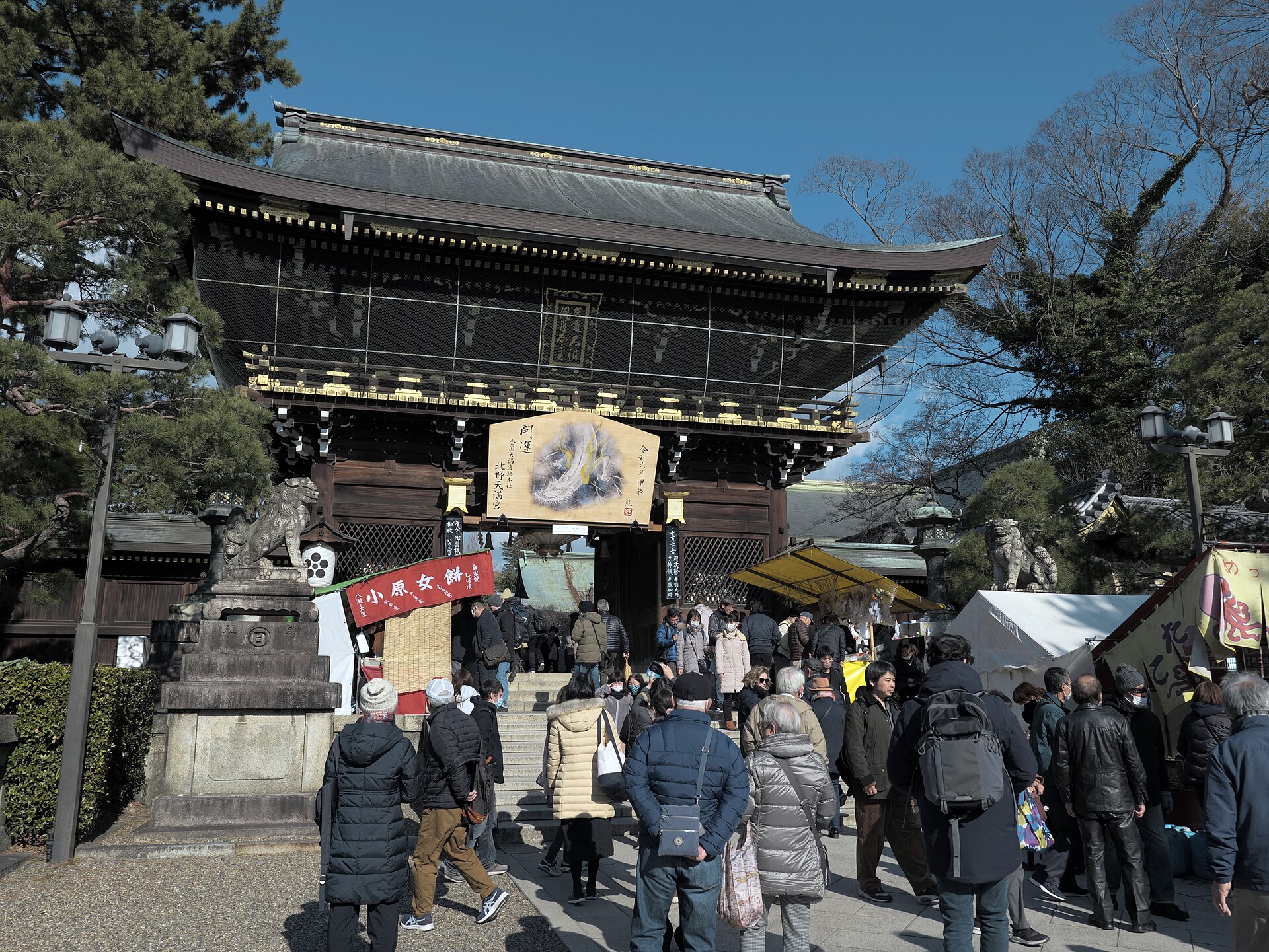
Tenjin-san market (25th of every month)
Stalls fill the grounds and the streets outside from 6:00 until sunset, selling food, second-hand kimono, old tools and sundries. Arrive before 9:00 for the best second-hand textiles, and bring cash. January’s Hatsu-Tenjin is the largest, at about 1,000 stalls.
Momiji-en maple garden, autumn 2026
| 2026 detail | |
|---|---|
| Dates | 31 October – 6 December |
| Day hours | 9:00–16:00 (last entry 15:40) |
| Light-up | 13 November – 6 December, sunset to 20:00 (last entry 19:40) |
| Admission | ¥1,500 adults; ¥700 elementary; under-6s free; includes a sweet |
| Rule | No tripods |
The garden runs along a section of the Odoi, Toyotomi Hideyoshi’s earthen city wall, with about 350 maples (official). For the rest of the city’s colour, see our Kyoto autumn leaves 2026 guide.
The Treasure Hall charges ¥1,000 for adults. On 13 December the shrine starts handing out Ofuku-ume, its lucky pickled plums for the New Year.
Daitoku-ji: the Zen sub-temples north of Nishijin
Daitoku-ji is a walled complex of Zen sub-temples a short bus ride north of Nishijin, at the Daitokuji-mae stop on buses 205 and 206. Only a handful of sub-temples let visitors in; these are the ones open now.
| Sub-temple | Open | Hours | Admission |
|---|---|---|---|
| Daisen-in | All year | 9:00–16:30 | ¥500 |
| Zuiho-in | All year | 9:00–17:00 | ¥400 |
| Ryogen-in | All year, a few irregular closures | 9:00–16:30 (last entry 16:20) | ¥350 |
| Koto-in | Closed indefinitely | — | — |
| Obai-in (autumn 2026) | 9 Oct–6 Dec, closed 28 Oct | 10:00–15:45 (last entry) | ¥1,000 |
| Koringin (autumn 2026) | 3 Oct–15 Dec | 10:00–16:30 (16:00 from 1 Dec) | ¥800 |
| Soken-in (autumn 2026) | 10 Oct–30 Nov, closed 21–22 Nov | 10:00–16:00 | ¥800 |
| Jukoin (autumn 2026) | 18 Sep–6 Dec, many closed days incl. 27–29 Nov | 9:30–15:30 | ¥1,000; no preschool children |
Year-round temples are from japan-guide.com (January 2026); the autumn special openings marking the head temple’s 700th anniversary are from the organiser Kyoto Shunju’s May 2026 release. Temple closures can be added at short notice.
A half-day walk through Nishijin Kyoto
Nishijin Kyoto is best walked east to west, from the subway to the shrine, so you finish where the buses and the Randen tram are. This order works on any day except Monday.
| Time | Stop | Why then |
|---|---|---|
| 10:00 | Imadegawa Station, walk west to the Nishijin Textile Center | The center opens at 10:00 |
| 10:30 | Hand-weaving session (booked) or kimono dressing | Weaving takes about 40 minutes |
| 11:30 | Souzen on Teranouchi-dori (weekends and holidays for the café) | Café opens 11:30 |
| 12:30 | Orinasu-kan and the side streets around Jofukuji-dori | Easiest to explore in daylight |
| 14:00 | Kamishichiken | Calm in the early afternoon |
| 14:30 | Kitano Tenmangu and the Momiji-en (31 Oct–6 Dec) | Last daytime entry 15:40 |
| 16:00 | Bus from Kitano Tenmangu-mae, or Randen from Kitano-Hakubaicho | Grounds close at 17:00 |
Prefer temples? Start at Daitoku-ji instead: Daisen-in opens at 9:00, so you can see two sub-temples and still reach the Textile Center by early afternoon. On the 25th, flip the order and start at the market.
Informez-vous avant de partir
Avoid Mondays
The Textile Center and Souzen close; on 25 January 2027 the market falls on a Monday.
Book the loom
Hand-weaving needs a reservation; walk-ins are not guaranteed.
Dress early
The walk-out kimono must be back 30 minutes before closing: 15:30 from October to March.
Cash for the 25th
Market stalls and temple gates are mostly cash.
Mind the bus
Buses from Kyoto Station take 30–45 minutes; the subway to Imadegawa is quicker if you can walk.
Be discreet
Kamishichiken is a working geisha district; no chasing maiko for photos.
Nishijin Kyoto FAQ
Is the Nishijin Textile Center free?
Yes, entry is free. You pay only for experiences: hand-weaving is ¥2,750 and kimono plans start at ¥5,500.
Does the Nishijin Textile Center still have kimono shows?
Not at the moment. The center says no kimono shows are scheduled and offers recordings on YouTube instead.
When is the Kitano Tenmangu market?
On the 25th of every month, from about 6:00 until sunset. The December (Shimai-Tenjin) and January (Hatsu-Tenjin) markets are the busiest.
What is the nearest station to Nishijin?
Imadegawa on the Karasuma subway line, about a 10-minute walk from the Nishijin Textile Center. Bus 9 from Kyoto Station stops right outside at Horikawa Imadegawa.
When is the Kitano Odori 2027?
Not yet announced. Kamishichiken lists the dance for March–April; the 2025 run was 20 March to 2 April.
Can I rent a kimono in Nishijin?
Yes. The Nishijin Textile Center rents komon kimono for ¥8,800 to wear around the city, returned 30 minutes before closing. Booking is required.
Which Daitoku-ji sub-temples are open?
Daisen-in, Zuiho-in and Ryogen-in open all year. Koto-in is closed indefinitely. In autumn 2026 Obai-in, Koringin, Soken-in and Jukoin also have special openings.
How long do you need in Nishijin Kyoto?
Half a day for the Textile Center, the weaving streets and Kitano Tenmangu; a full day if you add Daitoku-ji or the 25th market.
Sources and how we checked
We checked the facts in this Nishijin guide on 23 October 2026 against the Nishijin Textile Center and weavers’ cooperative, Kitano Tenmangu, the official Kamishichiken site, Kyoto City Transportation Bureau, JNTO and the Japan Tourism Agency. Daitoku-ji opening times come from japan-guide.com and the organiser’s release, and café hours from Walkerplus and Rurubu; check the linked pages before you go.
Explore Nishijin with Japan Pro
Japan Pro can book a kimono or weaving experience and a local guide for Nishijin, Kitano Tenmangu and Daitoku-ji in one day.
Read next
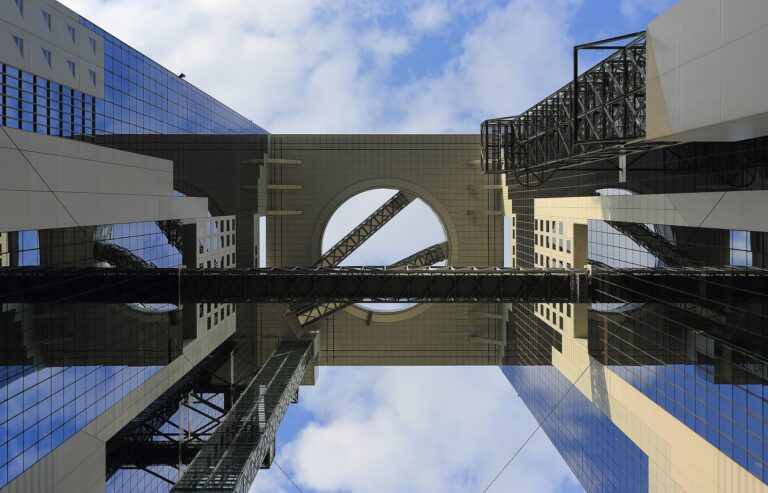
Umeda Osaka Guide 2026: Sky Building, Grand Green Osaka and the Underground, Level by Level
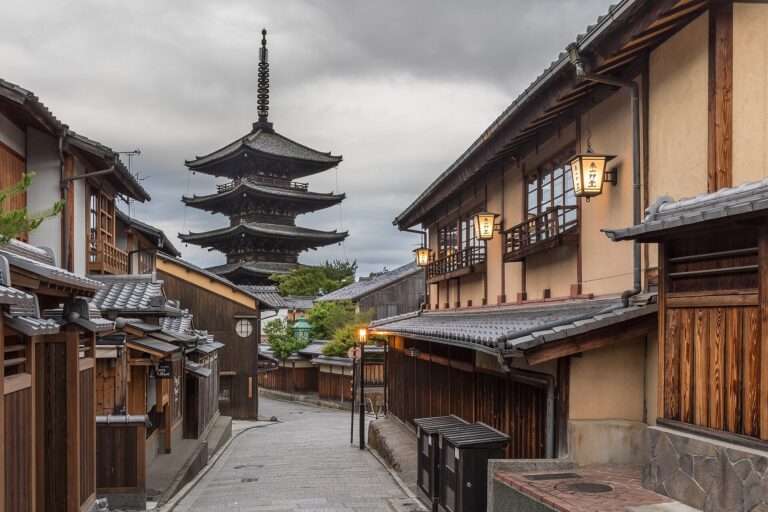
Higashiyama Kyoto Guide 2026: Kiyomizu-dera to Yasaka in 6 Stops, Without the Crowds
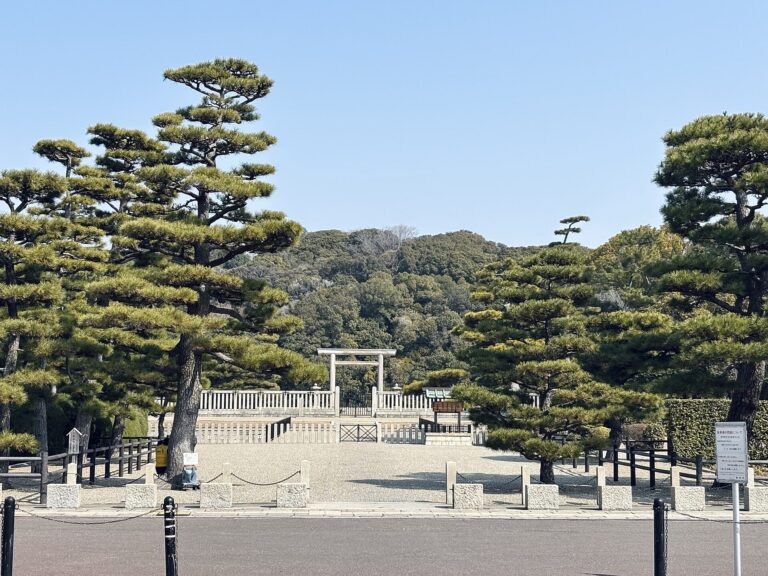
Sakai Osaka Guide 2026: Nintoku Tomb, Knife Workshops and Sen no Rikyu Tea in One Day
 English
 Japanese
 Chinese (Taiwan)
 Chinese (China)
 Korean
 French
 Italian
 Thai