
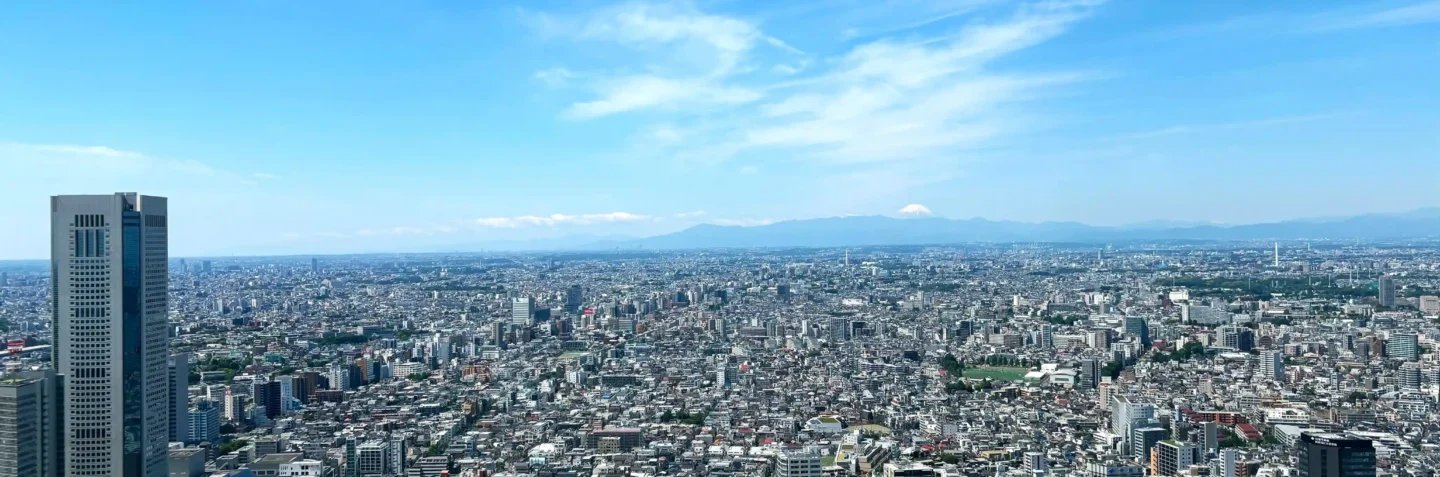

Tokyo is a sprawling metropolis combining preserved Edo-period historical sites with modern urban infrastructure. This guide categorizes key neighborhoods by geographic zones and cultural atmosphere to offer the most optimized routing, alongside the best practical tips and essential things to know for your First Time in Tokyo.
Historic East: Tokyo’s Origins and Traditions
Asakusa: Sensō-ji and Nakamise-dori
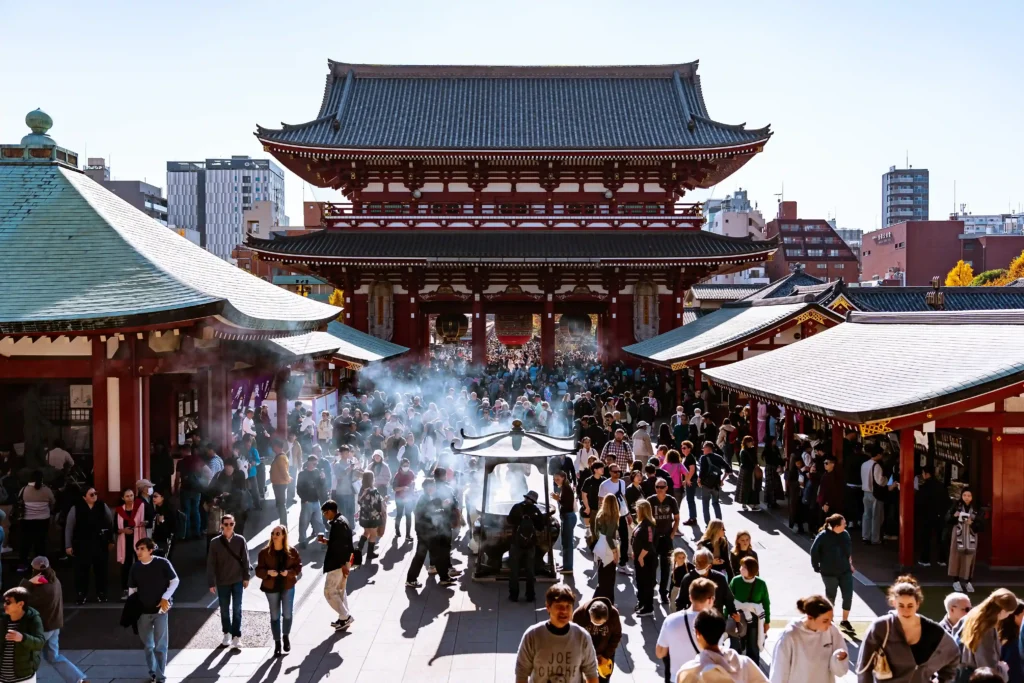
Asakusa centers around Sensō-ji, the city’s oldest Buddhist temple, and the historic Nakamise-dori shopping street. Visitors explore this district to experience traditional Tokyo attractions and observe the stark architectural contrast with the nearby Tokyo Skytree. If you want to explore this area further, read our comprehensive guide on the Best Things to Do in Asakusa.
Ueno: Park and Ameyoko Market
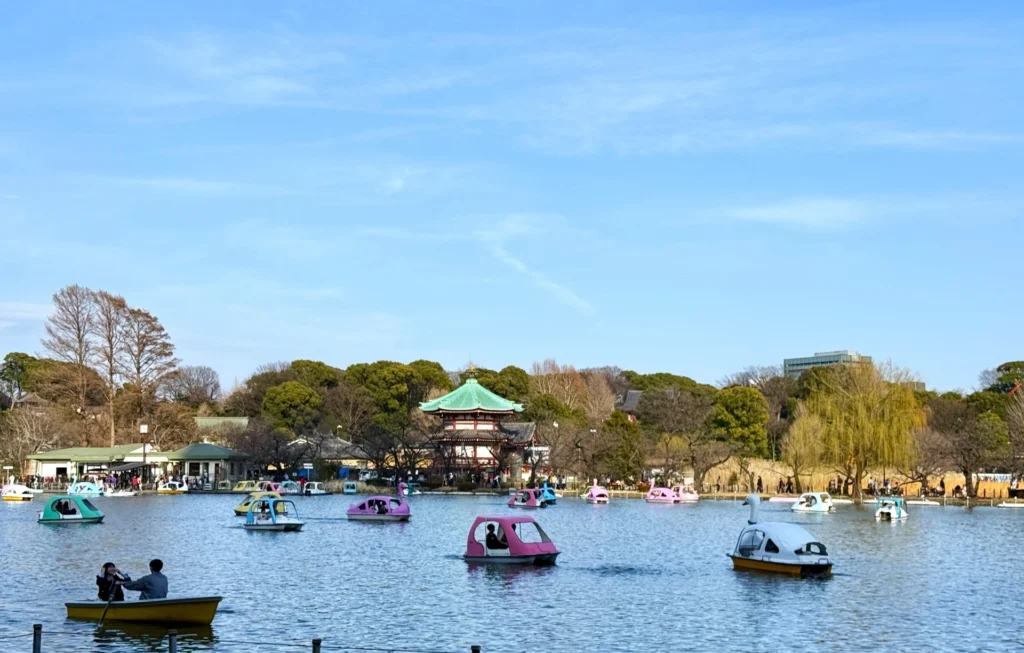
Ueno functions as Tokyo’s primary cultural hub, featuring an expansive public park that houses the city’s oldest zoo and premier national museums. Visitors explore these formal exhibits before transitioning to the adjacent Ameyoko market, a dense open-air shopping street originating as a post-war black market that currently specializes in discount goods, apparel, and street food.
Electric West: Pop Culture, Fashion, and Neon Lights
Meiji Jingu Shrine and Harajuku
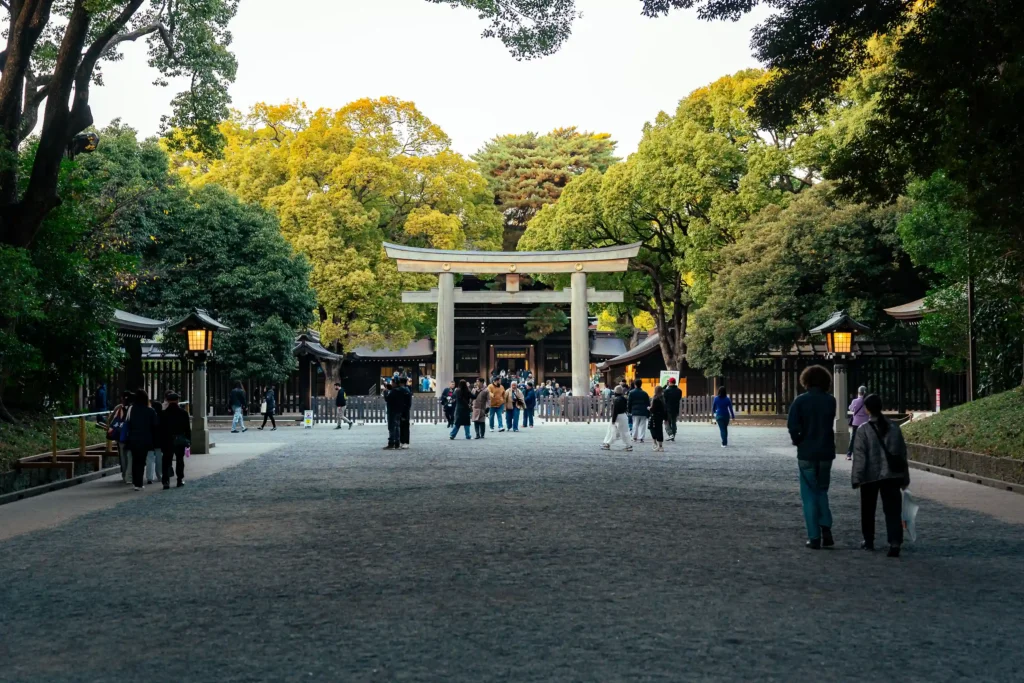
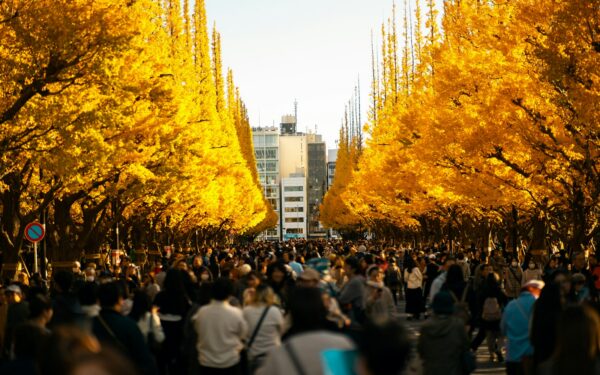
Meiji Jingu is a forested Shinto shrine located adjacent to the youth fashion epicenter of Harajuku’s Takeshita Street. Visitors go here to experience the immediate transition from a quiet historical site to modern pop and fashion culture.
Japan Pro Tip: Start your morning at Meiji Jingu to avoid crowds, then exit toward the Harajuku gate just as the shops and cafes on Takeshita Street open around 10:00 AM.
Shibuya Scramble Crossing & Shibuya Sky: Top Tokyo Attractions
Shibuya is Tokyo’s commercial and urban center, anchored by the massive pedestrian Scramble Crossing. Visitors come to witness the intense urban energy at street level and view the sprawling skyline from the Shibuya Sky observation deck. To bypass the tourist traps, uncover hidden backstreets, and get step-by-step walking routes, grab our dedicated resource: The Ultimate Shibuya Guide Map.
Japan Pro Tip: Book your Shibuya Sky tickets online several weeks in advance to secure a sunset time slot, then experience the Scramble Crossing below once the neon building signs illuminate the intersection.
Shinjuku: A Neon Microcosm of Skyscrapers and Nightlife
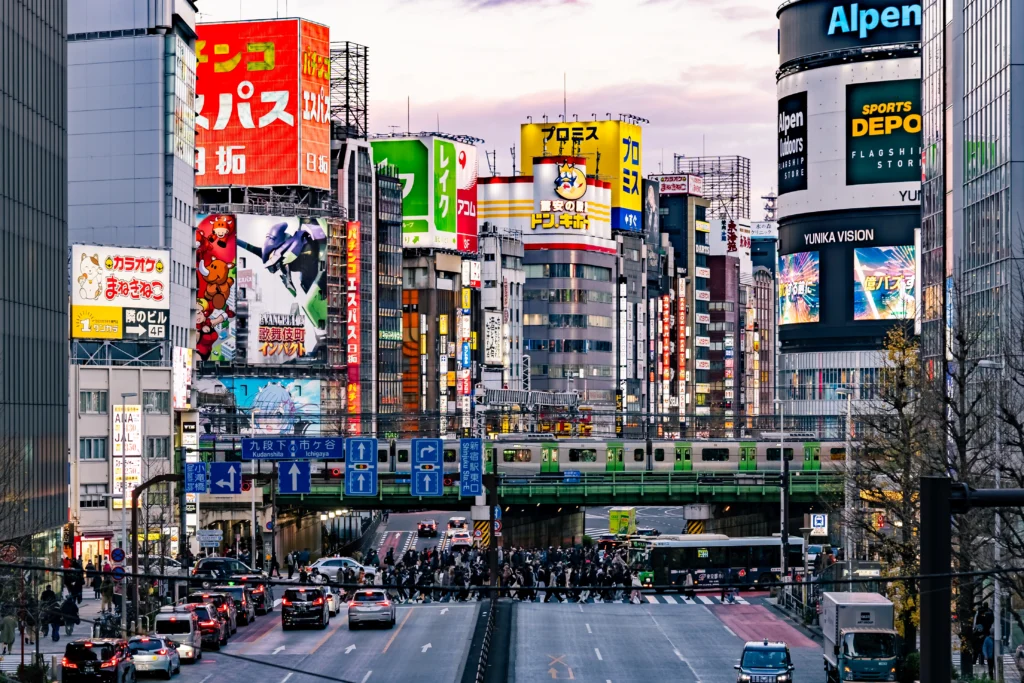
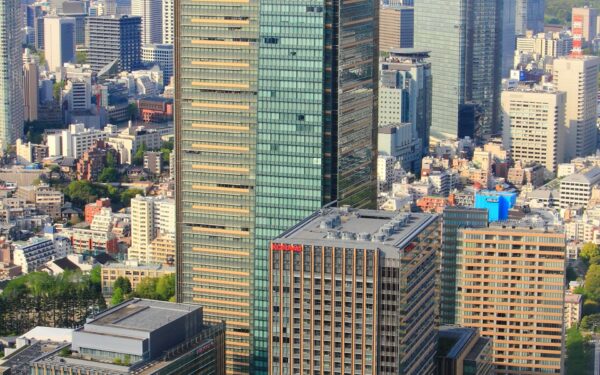
Shinjuku is a massive commercial and transport center functioning as a microcosm of Tokyo, contrasting modern western skyscrapers with historic, neon-lit alleyways. Visitors explore this district to access the free observation decks at the Tokyo Metropolitan Government Building by day, and experience the city’s largest concentration of nightlife within Kabukicho, Golden Gai, and Omoide Yokocho after dark.
Alternative Tokyo: Subculture Hubs and Local Life
Why Visit Nakano Broadway Instead of Akihabara?
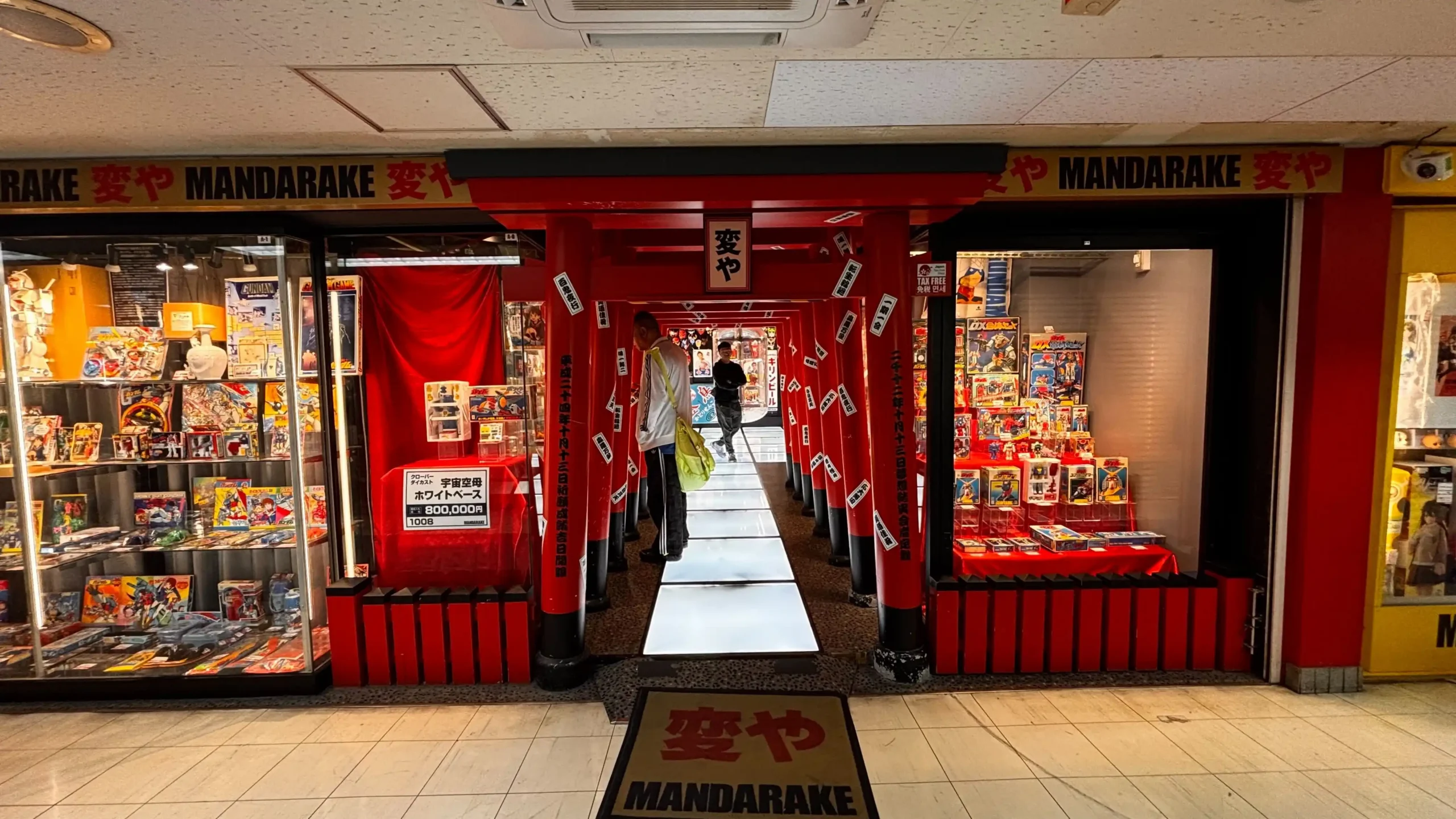
Nakano is a residential district offering a retro, authentic alternative to the commercialized otaku culture of Akihabara. Visitors explore the multi-level Nakano Broadway complex for rare vintage collectibles and second-hand goods, then transition to the immediately adjacent network of narrow alleyways densely packed with local izakayas and tiny, independent bars for evening dining.
Koenji: Tokyo’s Underground Hub for Punk and Vintage
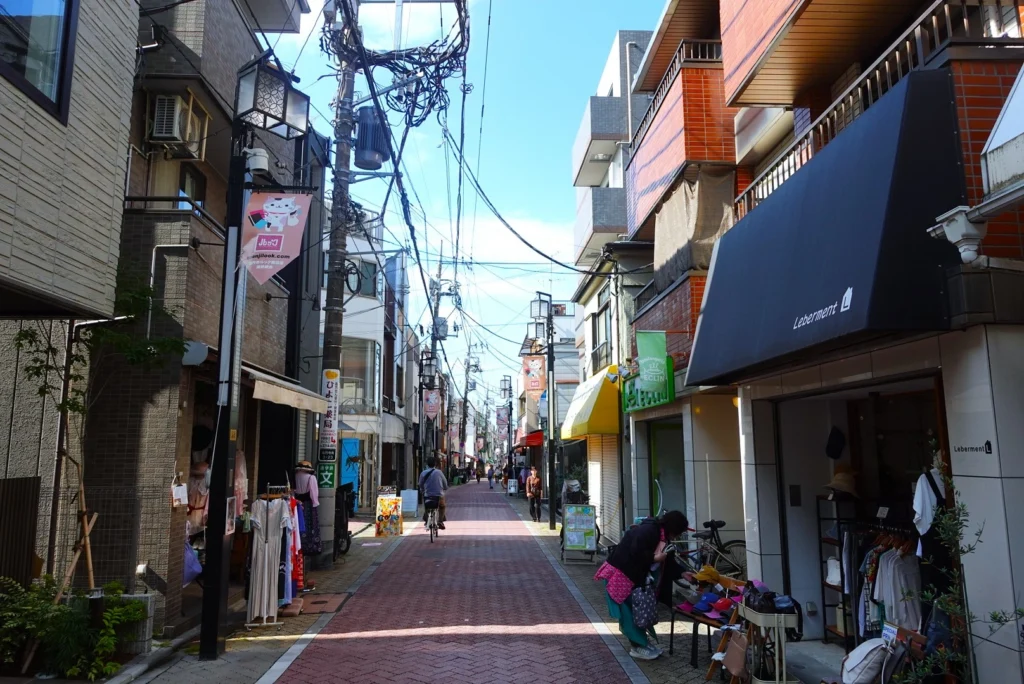
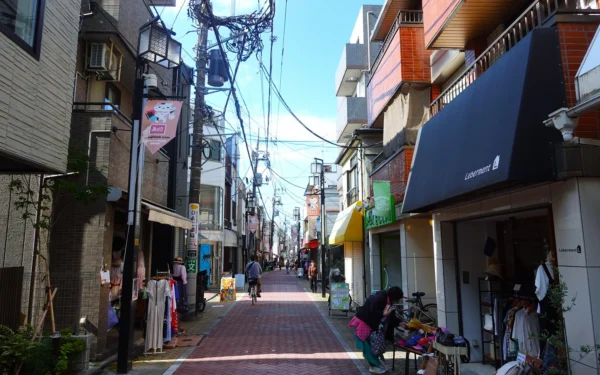
Koenji is a residential neighborhood that bypassed major redevelopment, preserving its pre-boom architecture and retro character. Visitors explore the covered Pal Shotengai arcade for an extensive selection of second-hand (furugi) clothing stores, then transition to the surrounding streets filled with Showa-era kissaten (traditional coffee houses), independent vinyl shops, and underground “Live Houses” that have anchored Tokyo’s punk and indie music scenes since the 1970s. For a complete walking route covering the best vintage spots and music venues, read our dedicated guide on the Best Things to Do in Koenji.
Why is Shimokitazawa Tokyo’s Trendiest Neighborhood?
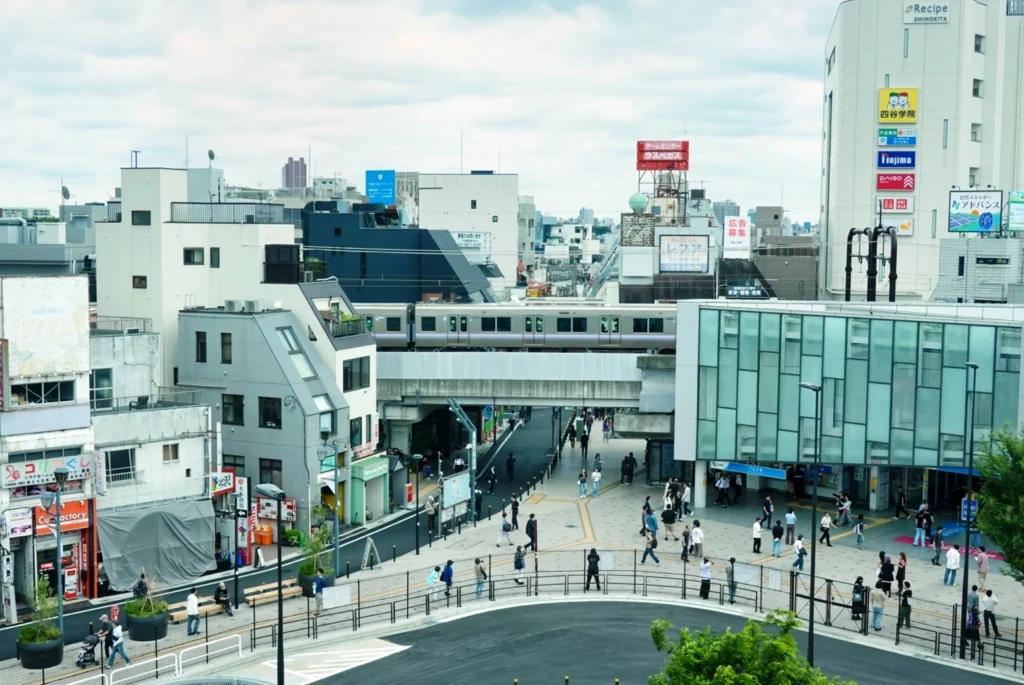
Shimokitazawa is a pedestrian-friendly district serving as Tokyo’s epicenter for vintage fashion, indie cafes, and underground live music. Following recent urban restorations that converted former train tracks into modern pedestrian pathways like Shimokita Senrogai, the neighborhood has become an increasingly popular, fashionable hub for local youth culture. To navigate the best thrift stores, coffee houses, and music venues, read our dedicated resource: A Local’s Guide to Shimokitazawa.
Prêt à découvrir le Japon ?
Découvrez des séjours triés sur le volet, des expériences locales et des voyages guidés par des experts du Japon.
Explorer le Japon
 English
  Japanese
  Chinese (Taiwan)
  Chinese (China)
  Korean
  French
  Italian
  Thai
Thai