
How to Book Restaurants in Japan That Don’t Take Foreign Bookings (2026)
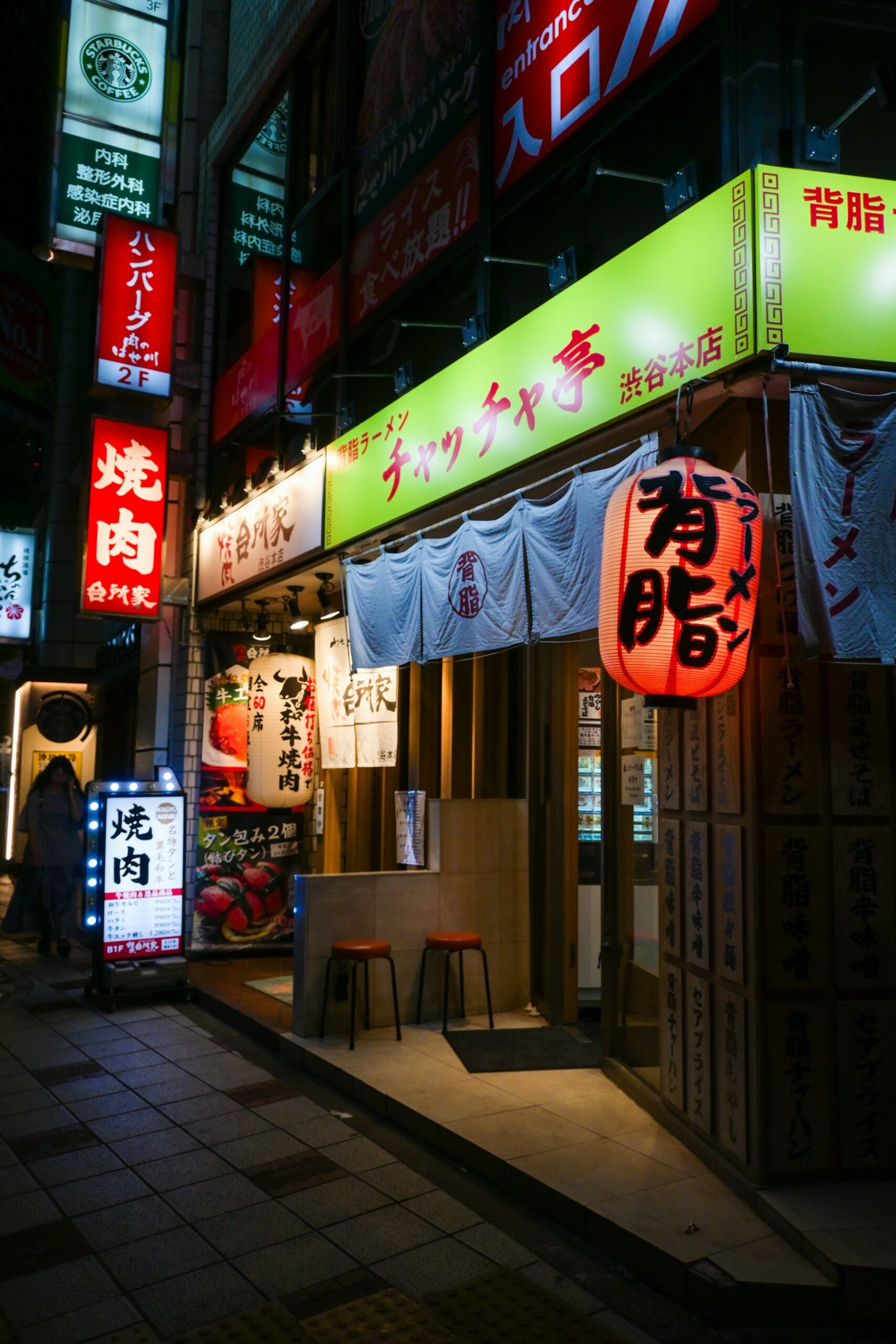
How to book restaurants in Japan that turn down foreign or online bookings: use an English platform the restaurant already trusts (OMAKASE, TableCheck, Tabelog, Pocket Concierge, byFood), or get a Japanese speaker to phone for you, such as a hotel concierge or a paid booking service. Either way, expect to register a credit card and accept a cancellation fee.
This guide explains why some restaurants refuse tourists, compares every real booking route with fees checked on 18 October 2026, gives you a Japanese phone script, and covers walk-in tactics for when every door is shut.
¥440
Tabelog fee per person, per online booking
100%
Typical same-day fee on course menus
4–6 weeks
Lead time for popular counters
15 min
Late before a booking can be cancelled
Why do some restaurants in Japan refuse foreign bookings?
It is rarely about nationality. It is about no-shows. A ten-seat sushi counter that buys fish for exactly ten guests loses the whole night when two people fail to turn up, and it has no way to chase a tourist who has flown home.
Phone-only booking is the second filter. Many small restaurants run on a landline and a paper diary, with no staff who speak English and no time to take long calls during service.
Some places also only take regulars or introductions (ichigen-san okotowari). As Inside Kyoto notes, a refusal at these places is normal and not personal. The fix is to book through a channel that gives the restaurant what it needs: a guaranteed card, a confirmed phone number and someone who can explain the rules in Japanese.
How to book restaurants in Japan: every option compared
| Option | Best for | English? | Fees to you (Oct 2026) |
|---|---|---|---|
| OMAKASE | Top sushi, kaiseki and fine dining | Yes | Reservation fee shown at booking; card held for the cancellation fee |
| TableCheck | Hotel restaurants, mid to high-end | Yes | Card required; some venues charge a small hold or full prepayment |
| Tabelog (English) | Huge range, mid-price to top | Yes | ¥440 per person per booking, non-refundable |
| Pocket Concierge | High-end, Michelin-level | Yes | Varies by restaurant; waiting list alerts |
| byFood | Restaurants that need manual approval | Yes | Service fee on some restaurants, from about ¥2,000, refunded if declined |
| Concierge booking services | Phone-only places | Yes | About ¥1,000–¥3,000 per reservation (Jasumo) |
| Hotel concierge | Guests of luxury hotels | Yes | Usually free for guests |
| Google Maps “Reserve” | Casual and mid-range | Partly | Depends on the partner site |
| Phone it yourself | Anywhere | No | Free |
Fees for OMAKASE, Tabelog and TableCheck come from their own sites and terms; byFood and TableCheck hold amounts are as reported by Tokyo Cheapo. Restaurants set their own cancellation fees on every platform.
OMAKASE: the route into Japan’s hardest counters
OMAKASE describes itself as a reservation service exclusive to Japan’s top fine-dining restaurants, and many famous sushi counters take online bookings nowhere else. You must register a credit card when you sign up.
Under its terms of use, OMAKASE can hold part of your card limit equal to the possible cancellation fee, or take a deposit, and refunds it if no fee applies. You can only cancel before the restaurant’s deadline, and a no-show without the required ID counts as a same-day cancellation.
There is also a paid Premium Program, and repeated cancellations or no-shows can get you removed from it. Treat every OMAKASE booking as a contract.
TableCheck: easiest for hotel and mid-range restaurants
TableCheck is the booking system behind many hotel restaurants and well-known independents in Tokyo, Osaka and Kyoto. It works in English, takes international cards and offers TableCheck Pay, so you can leave without waiting for the bill.
Tokyo Cheapo reports that TableCheck needs a registered card, often places a hold from about ¥200, and that course menus usually need full prepayment. Cancellation terms vary by venue, for example 50% within 72 hours, and a booking can be cancelled automatically if you are more than 15 minutes late and cannot be reached.
Tabelog: the biggest choice, with a fee
Tabelog is Japan’s main restaurant review site, and its English, Chinese, Korean and Thai versions let you book many restaurants online. Pick a date, time and party size, then confirm with a card.
According to Tabelog’s help page, a system usage fee of ¥440 per person is charged the moment the booking is confirmed. It is not refunded if you cancel, and you pay it again if you rebook; restaurant cancellation fees are charged to your card on top.
Pocket Concierge: high-end, with waiting lists
Pocket Concierge is an online reservation service for high-end restaurants in Tokyo, Kyoto, Osaka and other cities. Its standout feature is waiting-list notifications, which alert you when a seat at a sold-out restaurant frees up.
Payment and cancellation terms are set per restaurant and shown before you confirm. Read them before you tap the button.
byFood: when a restaurant needs a human yes
byFood takes requests for restaurants that will not accept instant online bookings, then confirms with the restaurant. Tokyo Cheapo reports a reservation service fee from about ¥2,000 on some restaurants, which is not a deposit and is refunded if the restaurant declines or cancels.
Higher-end places need manual approval, which can take a few hours to a day or two. Do not leave it until the morning of the meal.
Japan restaurant booking services
Concierge-style booking services phone the restaurant in Japanese for you, which is the only way into many landline-only places. Jasumo, for example, lists ¥1,000–¥3,000 per reservation.
Before you pay, check whether the fee is refunded if the restaurant says no. Also check who is liable for the cancellation fee if your plans change: it will be you.
Google Maps reservations
Many restaurant listings on Google Maps show a “Reserve a table” button. It hands you to a partner booking site, so the fees and rules are that partner’s.
Tokyo Cheapo warns these links are not always reliable. If the confirmation does not arrive by email, assume you have no booking.
Klook, Gurunavi and Rakuten Travel Experiences
A few other sites handle Japan restaurant reservations in English. Klook bundles the meal and booking fee into one card payment; some listings cancel free, others are non-refundable once paid.
Gurunavi lets you filter for English-speaking staff and English menus. Rakuten Travel Experiences lists a small number of high-end sushi, shabu-shabu and okonomiyaki restaurants in Tokyo, usually prepaid, all per Tokyo Cheapo.
Which booking route should I use?
The right way to book restaurants in Japan depends on the restaurant, not on you. Match the situation to the route.
| Your situation | Best route | Back-up |
|---|---|---|
| Famous sushi or kaiseki counter | OMAKASE on release day | Pocket Concierge waiting list, or a hotel concierge |
| Hotel restaurant or well-known independent | TableCheck | Tabelog English |
| Mid-price restaurant with an online calendar | Tabelog English | Google Maps “Reserve” link |
| Landline only, no English | Hotel concierge or a paid booking service | Call yourself with the script below |
| Small bar or izakaya | Walk in or send an Instagram/LINE message | Ask in person the day before |
| Set-price food experience | Japan Pro or byFood | Restaurant’s own site |
How to book restaurants in Japan from abroad, step by step
- Shortlist on Tabelog or Google Maps. Note whether each place shows online booking, a phone number only, or no reservations at all.
- Check where the restaurant itself takes bookings. If its official site links to OMAKASE or TableCheck, use that link rather than a reseller.
- Create accounts early. Register your card and phone number before seats are released, not on the day.
- Read the cancellation policy before confirming. Screenshot it with the booking confirmation.
- Add allergies and party size at booking. Changes later may not be accepted.
- Reconfirm two or three days before. Open the confirmation email and check the time, the address and the name on the booking.
Can a hotel concierge book a restaurant in Japan for me?
Yes, and for phone-only restaurants it is often the best route. A concierge can explain allergies and dietary rules in Japanese and vouch for you, which matters at places that do not take strangers.
There are limits. Inside Kyoto points out that only luxury and some mid-range hotels have true concierges, not just front-desk staff, and some will not book months ahead because guests cancel their room after securing the table.
Card concierge services, such as the one included with American Express Platinum, can also phone for you. Their restaurant contacts are usually thinner than a top hotel’s.
Can I book restaurants in Japan through Japan Pro?
Yes, for the restaurants and dining experiences listed on Japan Pro. Browse the Restaurants category, choose a date and party size, and send a booking request; the host confirms it.
It is a simple fix for set-price food experiences with English support. For a specific famous counter that is not listed, use OMAKASE, a concierge or the phone script below.
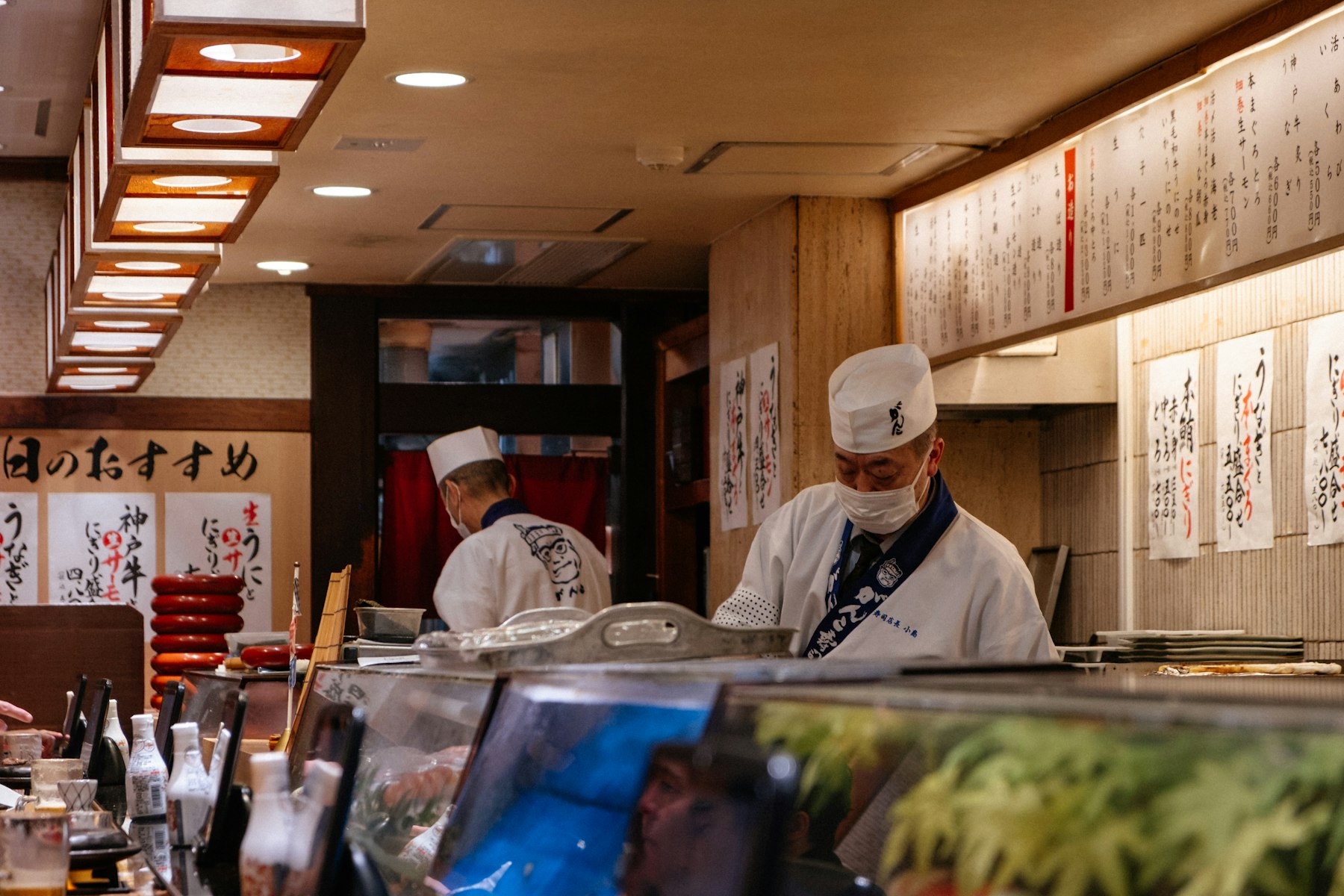
How do I book a restaurant in Japan by phone? A Japanese script
If you, a friend or your hotel can call, keep it short. Have the date, time, party size, your name and a Japanese or roaming phone number ready.
| Japanese | Romaji | English |
|---|---|---|
| もしもし、予約をお願いしたいのですが。 | Moshi moshi, yoyaku o onegai shitai no desu ga. | Hello, I would like to make a reservation. |
| 11月20日の19時に、2名でお願いできますか。 | Jūichi-gatsu hatsuka no jūku-ji ni, ni-mei de onegai dekimasu ka? | Could I book for two at 7pm on 20 November? |
| カウンター席は空いていますか。 | Kauntā-seki wa aite imasu ka? | Are counter seats available? |
| 甲殻類のアレルギーがあります。 | Kōkakurui no arerugī ga arimasu. | I have a shellfish allergy. |
| 名前はスミスです。電話番号は090-…です。 | Namae wa Sumisu desu. Denwa bangō wa zero-kyū-zero … desu. | My name is Smith. My number is 090-… |
| キャンセル料はいつからかかりますか。 | Kyanseru-ryō wa itsu kara kakarimasu ka? | From when do cancellation fees apply? |
| ありがとうございます。よろしくお願いします。 | Arigatō gozaimasu. Yoroshiku onegai shimasu. | Thank you very much. |
Listen for 満席です (manseki desu), “we are full”, and 予約は受け付けていません (yoyaku wa uketsukete imasen), “we do not take reservations”. If English helps, ask 英語を話せる方はいますか (Eigo o hanaseru kata wa imasu ka?), “Is there anyone who speaks English?”.
Small restaurants also answer Instagram, Facebook or LINE messages, according to Peatix. A short message in Japanese, written with a translation app, often works better than a call in the middle of service.
Credit-card guarantees and cancellation fees
Whichever way you book restaurants in Japan, a card guarantee is the price of entry at most sought-after places. Expect a hold or deposit at booking and a fee if you cancel late, change numbers or do not show.
| When you cancel | Typical course-menu fee | Example source |
|---|---|---|
| Two days before | 30% | Gurunavi standard terms |
| One day before | 50% | Gurunavi standard terms |
| Same day or no-show | 100% | Gurunavi standard terms |
| Within 72 hours | 50% at some venues | TableCheck example |
These are examples reported by Tokyo Cheapo; every restaurant sets its own rules. Some table-only bookings charge a flat fee instead, such as ¥4,000 per person on the day and ¥2,000 the day before.
Restaurant booking etiquette in Japan
- Arrive on time. Ten to fifteen minutes late can cost you the seat, and counter courses often start for everyone at once.
- Book the exact party size. Turning up with one person fewer usually means paying for the missing seat.
- Declare allergies when you book. Chefs buy and prepare for each guest, and some cannot adapt on the night.
- Cancel early. Give at least 24–48 hours’ notice, and reconfirm if the restaurant asks the day before.
- Skip strong perfume at sushi counters. It interferes with the food for everyone at a small counter.
- No tipping. Some upscale places add a 10–15% service charge instead; see what meals really cost in our Japan travel cost guide.
How far ahead should I book famous sushi restaurants in Japan?
For popular counter restaurants, book four to six weeks ahead, and earlier for cherry blossom and autumn-leaf season, per Peatix. For the most famous omakase and kaiseki counters, book as soon as seats are released.
Many top counters release seats on a fixed schedule on OMAKASE or their own site. Note the release date and time in Japan time, and be logged in with your card saved before it opens.
Lunch is your best back-up. It is easier to get, usually cheaper, and often the same chef. If you just want a fun sushi meal with guaranteed booking, the Tokyo Sushi Bus sells seats online, though its tickets cannot be cancelled.
Walk-in strategies when you cannot get a booking
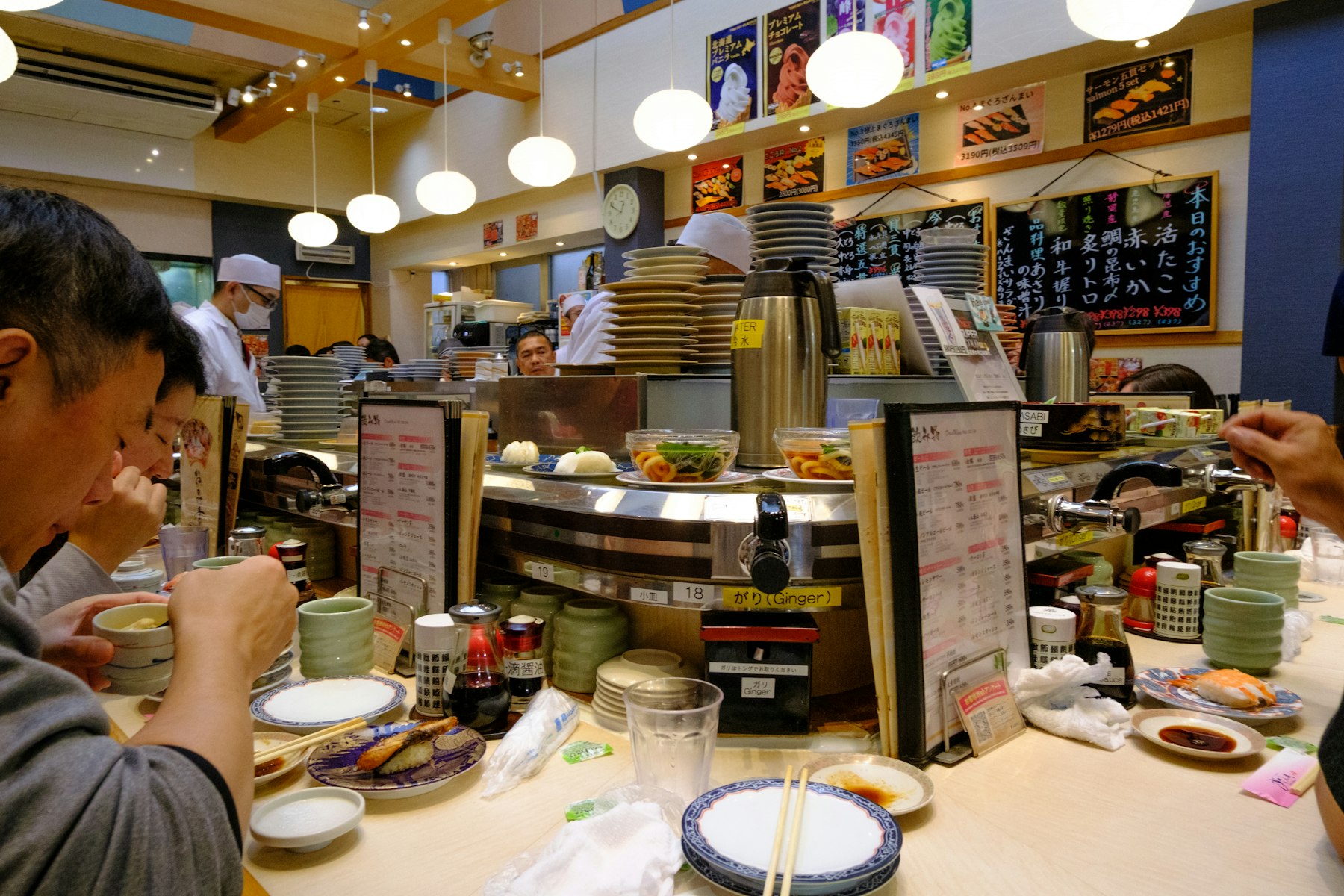
- Turn up before opening. Popular ramen, tonkatsu and kaiten-zushi shops queue rather than book, so arrive 15–30 minutes early.
- Go solo or as two. Single counter seats free up far more often than tables for four.
- Eat early or late. A 17:00 or post-20:30 arrival dodges the main rush at many izakaya.
- Ask in person a day ahead. Inside Kyoto suggests calling in at a quiet time to book for the next day.
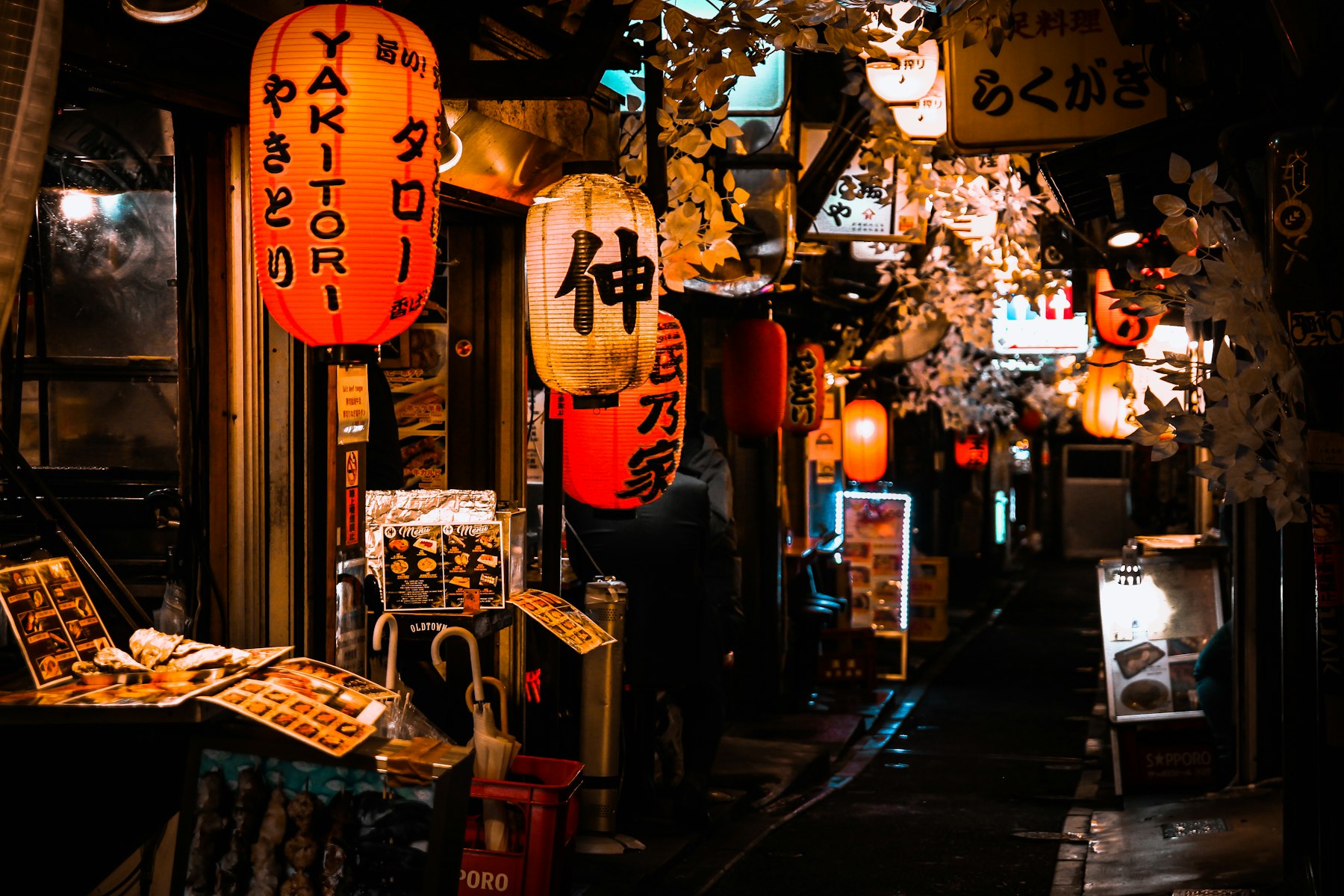
- Head for yokocho alleys. Tiny bars and grills in places like Shinjuku’s Omoide Yokocho run on walk-ins; see our best bars in Tokyo and Shinjuku guides.
- Try department store restaurant floors. They take walk-ins, show prices outside and rarely need Japanese. More first-trip basics are in our first time in Tokyo guide.
Related guides: Tsukiji food tour and DIY stall route
Know before you go
Save your card first
OMAKASE, Tabelog and TableCheck all need a registered card before you can book.
Read the cancel line
Fees are set by each restaurant and charged to your card, even through a platform.
Bring your ID
OMAKASE can treat arriving without the required ID as a no-show.
Use a reachable number
Restaurants may cancel if they cannot reach you when you are late.
Fees are per person
Tabelog’s ¥440 is charged per person, so a party of four pays ¥1,760.
How to book restaurants in Japan: FAQ
Why won’t some Japanese restaurants take my booking?
Usually because of no-shows, phone-only systems or a regulars-only policy. Book through OMAKASE, Pocket Concierge, a hotel concierge or a booking service that gives the restaurant a card guarantee and a Japanese-speaking contact.
Is there a fee to book restaurants in Japan online?
Often. Tabelog charges ¥440 per person per online booking, OMAKASE shows a reservation fee at checkout, and byFood charges a service fee from about ¥2,000 on some restaurants.
Can I book a restaurant in Japan without a Japanese phone number?
On most English platforms, yes, with an email and a card. Some restaurants still prefer a number they can call, so add your roaming number or your hotel’s.
How much are restaurant cancellation fees in Japan?
For course menus, commonly 30% two days before, 50% the day before and 100% on the day or for a no-show, but each restaurant sets its own rules.
How far in advance should I book sushi in Tokyo?
Four to six weeks for popular counters, and as soon as seats are released for the most famous ones. Lunch is easier to get.
Can my hotel book a restaurant for me?
Concierges at luxury and some mid-range hotels will phone restaurants for guests. Front-desk staff at budget hotels usually cannot.
Do I need to tip at Japanese restaurants?
No. Some upscale restaurants add a 10–15% service charge to the bill instead.
Sources and how we checked
We checked every fee and policy in this guide on 18 October 2026 against the linked official pages for OMAKASE, Tabelog, TableCheck, Pocket Concierge and Japan Pro. Where an official page did not show a figure, we name the independent source that reported it. Restaurants set their own cancellation rules, so always read the terms on your booking.
Book dining in Japan with Japan Pro
Find bookable restaurants and food experiences across Japan and send a request in English through Japan Pro.
Read next
Best Coffee in Tokyo, Kyoto and Osaka: 32 Cafés and Kissaten by Station (2026)
Izakaya Tokyo Guide 2026: Cover Charges, Smoking Rules and 10 Bar Alleys by Station
Tsukiji Food Tour 2026: Prices, What You Eat and a DIY Stall Route
 English
 Japanese
 Chinese (Taiwan)
 Chinese (China)
 Korean
 French
 Italian
 Thai