
Kiyosumi-shirakawa Guide 2026: Coffee, Art & an Edo Garden
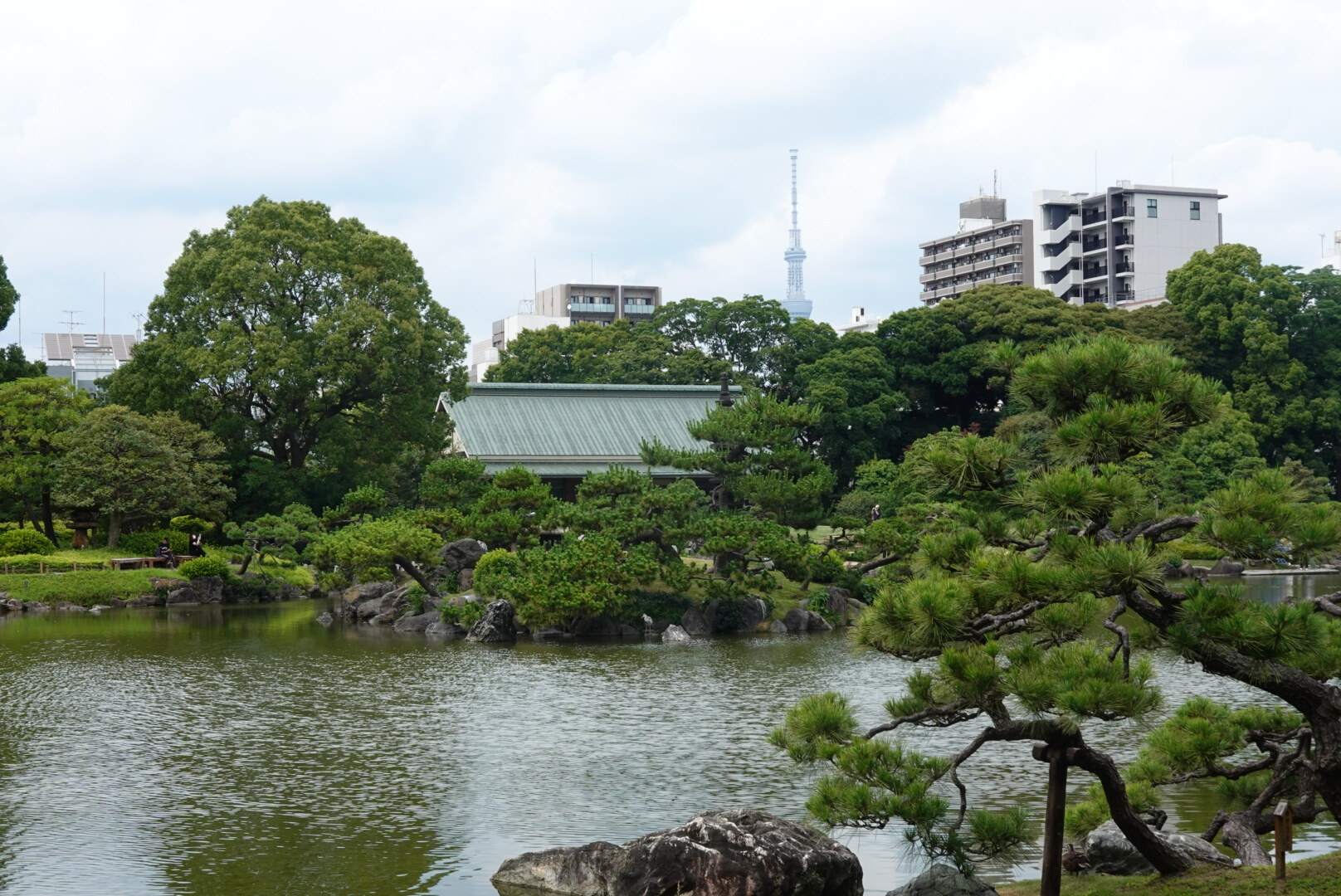
Kiyosumi-shirakawa is the east Tokyo neighbourhood where you can drink some of the city’s best specialty coffee, see a major contemporary art show at MOT and walk an Edo-style stroll garden for ¥150, all on foot in one day. It is about 15 minutes from Tokyo Station and 25 minutes from Shibuya on the Hanzomon Line, and it is far calmer than Shibuya or Asakusa.
This guide was rebuilt and re-checked on 18 October 2026. It covers the three MOT exhibitions running this autumn (with dates and prices), Kiyosumi Gardens, which coffee roasters are still open (one big name closed in August 2026), the Fukagawa Edo Museum, the local clam rice and a timed walking route.
¥150
Kiyosumi Gardens entry
¥500
MOT Collection ticket
25 min
Direct from Shibuya
¥400
Fukagawa Edo Museum

Where is Kiyosumi-shirakawa and how do you get there?
Kiyosumi-shirakawa sits in Koto City, on the east bank of the Sumida River, in the old Fukagawa district. The station is shared by the Tokyo Metro Hanzomon Line and the Toei Oedo Line. Exit A3 is closest to Kiyosumi Gardens and the Fukagawa Edo Museum; exit B2 is closest to the Fukagawa-meshi restaurants.
| From | Route | Time | Fare (ticket / IC) |
|---|---|---|---|
| Tokyo Station | Marunouchi Line to Otemachi, then Hanzomon Line | 13–15 min | ¥180 / ¥178 |
| Shibuya | Hanzomon Line, direct | 24–25 min | ¥210 / ¥209 |
Times and fares above are from a NAVITIME route search for a weekday morning in October 2026. The Hanzomon Line runs through from Shibuya without a change, so it is the easiest way in from the west side of Tokyo. From Shinjuku, the Toei Oedo Line also runs direct, the long way round the loop.
Is Kiyosumi-shirakawa still Tokyo’s coffee town in 2026?
Yes, but the line-up has changed. Blue Bottle opened its first café outside the US here in 2015, in a converted warehouse, and the cheap, high-ceilinged buildings pulled in other roasters. The big 2026 change: Allpress Espresso closed its Tokyo Roastery & Cafe in Kiyosumi-shirakawa on 30 August 2026 and moved roasting to the MMoP complex in Miyota, Nagano. Several English-language guides still list it, so do not walk there.
| Café | Why go | Hours (2026) | Walk from station |
|---|---|---|---|
| Blue Bottle Coffee Kiyosumi-Shirakawa Flagship Cafe | The original Japan flagship, 47 seats, single-origin focus | Daily 8:00–19:00 | About 10 min |
| ARiSE Coffee Roasters | Tiny hand-pour bar, single origins, no espresso | 10:00–17:00, closed Mon | About 7 min |
| TOKAKU Coffee | ARiSE’s sister café near Kiyosumi Gardens | 10:00–18:00, closed Tue | About 6 min |
| iki ESPRESSO | New Zealand-style flat whites and brunch | Weekdays 8:00–18:00, weekends 8:00–17:00 | About 6 min |
| The Cream of the Crop Coffee | Pour-over in a warehouse, five or six roasts | 10:00–18:00, closed Mon | Closer to Kikukawa Station |
| fukadaso cafe | Café in a renovated 1960s apartment block | Afternoons; closed Tue and Wed | About 5 min |
Hours are from the café’s own page for Blue Bottle and from a Coffee Labo guide updated 8 October 2026 for the others. Small cafés change hours often, so check their Instagram the night before. Blue Bottle’s hours are on its official store page.

KOFFEE MAMEYA Kakeru: book it or skip it
Kakeru, at 2-16-14 Hirano, is the area’s high-end coffee counter, run by the team behind KOFFEE MAMEYA in Omotesando. All seats are at the counter, groups are capped at four and a booking holds your seat for 1 hour 45 minutes. Reservations open up to two months ahead on TableCheck.
Read the small print before you book. Cancelling within 24 hours costs ¥8,500 per person, and same-day requests may not be accepted. Coffee Labo lists it as open 11:00–18:00 and closed on Tuesdays.

How many cafés should you do?
Two, maybe three. Have a filter coffee at ARiSE or TOKAKU in the morning and a milk drink at Blue Bottle or iki in the afternoon. A full café crawl just means jitters by lunch.

What’s on at MOT (Museum of Contemporary Art Tokyo) in autumn 2026?
The Museum of Contemporary Art Tokyo (MOT) is the reason many people come to Kiyosumi-shirakawa. It has been on this site since 1995 and holds a collection of more than 6,000 works. Three exhibitions overlap this autumn, and each has its own ticket.
| Exhibition | Dates | Adult | Uni / 65+ | HS / JHS |
|---|---|---|---|---|
| Synchronic Constellation: Cross-boundary Perspectives in Art (modern Taiwan and Japan) | 5 Sep – 13 Dec 2026 | ¥2,000 | ¥1,400 | ¥800 |
| Tada Minami: Still, shimmering light | 29 Aug – 6 Dec 2026 | ¥1,600 | ¥1,100 | ¥640 |
| MOT Collection: Past Light, Present Sight | 19 Sep 2026 – 6 Jan 2027 | ¥500 | ¥400 (uni) / ¥250 (65+, HS) | JHS and under free |
Prices come from MOT’s MOT Collection press release and the exhibition listings on Tokyo Art Beat and Internet Museum, checked 18 October 2026. Elementary-school children and younger go free to all three shows.
MOT opening hours and closed days
- Open 10:00–18:00; ticket sales stop 30 minutes before closing.
- Open until 20:00 on Fridays in November 2026.
- Closed Mondays, except 12 October and 23 November 2026 (both open).
- Also closed 13 October, 24 November and 28 December 2026 – 1 January 2027.
Give the big temporary show at least two hours, plus 45 minutes for the collection. The museum has a shop and a restaurant, 100 Spoons, so you can eat without leaving.

Kiyosumi Gardens: fee, hours and what to see
Kiyosumi Gardens is a stroll garden built around a large pond on the site of an Edo-period lord’s residence, about three minutes from exit A3. Iwasaki Yataro, the founder of Mitsubishi, reworked the estate, and the land was given to Tokyo after the 1923 Great Kanto Earthquake. A slow loop takes 45–60 minutes.
| Item | Detail (Oct 2026) |
|---|---|
| Entry | ¥150 (general) |
| Hours | 9:00–17:00, last entry 16:30 |
| Closed | New Year holidays |
| Payment | Cash, major cards, UnionPay and Alipay |
| Address | 3-3-9 Kiyosumi, Koto City |
Hours, fee and payments are from GO TOKYO, the city’s official tourism site. The free Kiyosumi Park next door has benches and lawn for a picnic.

What to look for
- Iso-watari stepping stones: a line of flat stones across the edge of the pond. Walk them slowly; the koi and turtles come right up.
- The pavilion over the water: best from the far bank in the morning, when the pond is still.
- Hydrangeas: the pond edge turns blue in early summer.


For autumn colour timing across the city, see our Tokyo autumn leaves 2026 guide.
Is the Fukagawa Edo Museum closed for renovation in 2026?
No. The Fukagawa Edo Museum is open in 2026. People mix it up with the much bigger Edo-Tokyo Museum in Ryogoku, which was closed for renovation from April 2022 and reopened on 31 March 2026.
The Fukagawa museum is a full-size reconstruction of a late-Edo Fukagawa street, inside a sunken hall: row houses, a rice shop, a canal with a boat and a fire-watch tower. You can step into the houses and handle the objects. Volunteer guides, including English speakers, are often on hand.
| Item | Detail (Oct 2026) |
|---|---|
| Entry | ¥400 adults; ¥50 elementary to high school |
| Hours | 9:30–17:00, last entry 16:30 |
| Closed | 2nd and 4th Mondays (open if a public holiday), New Year, irregular days |
| Known 2026 closure | Permanent exhibition room closed on Mon 21 Dec 2026 for a display change |
| Walk | About 3 min from exit A3; 5 min from Kiyosumi Gardens |
Fees and hours are from Koto City; the 21 December closure is posted by the Koto City Culture Foundation. A joint ticket also covers the Basho Memorial Museum and another local history museum; ask at the counter.
Where to eat Fukagawa-meshi near Kiyosumi-shirakawa
Fukagawa-meshi is the local fishermen’s dish: clams in a miso or soy broth, either poured over rice or cooked into it as kamameshi. It is the one meal that really belongs to this neighbourhood, and lunch sets are cheap.
Fukagawa Kamasho (2-1-13 Shirakawa) is two minutes from exit B2. It opens 11:00–22:00 (last order 21:00), but only 11:00–15:00 on Tuesdays and Thursdays, and it is closed on Mondays. Gurunavi lists an average spend of about ¥1,050 at lunch, and there is an English menu.


What else is near Kiyosumi-shirakawa?
- Basho Memorial Museum: on the site of poet Matsuo Basho’s hut (from 1680), by the Sumida River. A special exhibition runs 29 August – 13 December 2026.
- Matsudaira Sadanobu’s grave: the Shirakawa lord who gave the area half its name; a National Historic Site three minutes from the station.
- Monzen-nakacho: one stop south on the Oedo Line. Naritasan Fukagawa Fudo-do holds fire rituals several times a day, and Tomioka Hachimangu has a monument to every yokozuna.
- Small galleries: several contemporary galleries sit in warehouse buildings around Kiyosumi and Hirano; check each one’s opening days.
- Sumida River promenade: a flat riverside path, best at dusk, with Tokyo Skytree in view to the north.

A Kiyosumi-shirakawa walking route: one full day
This route works Tuesday to Sunday. Mondays are a poor choice, because MOT, ARiSE and Fukagawa Kamasho are all closed. Total walking is roughly 4–5 km on flat streets.
| Time | Stop | Notes |
|---|---|---|
| 9:00 | Kiyosumi Gardens (exit A3) | Arrive at opening for a quiet pond. ¥150. |
| 10:00 | TOKAKU Coffee or ARiSE | Filter coffee; ARiSE is closed Mon, TOKAKU Tue. |
| 10:45 | Fukagawa Edo Museum | Allow an hour. ¥400. |
| 12:00 | Fukagawa Kamasho | Clam rice lunch. Tue and Thu lunch only. |
| 13:15 | Blue Bottle flagship | Ten minutes’ walk east, toward MOT. |
| 14:00 | MOT | One big show plus the collection: 2.5–3 hours. |
| 17:00 | Sumida River promenade | Sunset is about 17:05 in mid-October and about 16:30 by late November. |
Short on time? The half-day version
Garden, one coffee and the Fukagawa Edo Museum fit into three hours, all within five minutes of exit A3. Add MOT only if a show on the list above really interests you.
How much does a day in Kiyosumi-shirakawa cost?
Less than most Tokyo days out. The sights are cheap, and the biggest single cost is a temporary exhibition at MOT. Here is a realistic budget for one adult, using October 2026 prices.
| Item | Cost |
|---|---|
| Return metro from Shibuya | ¥418 (IC) / ¥420 (ticket) |
| Kiyosumi Gardens | ¥150 |
| Fukagawa Edo Museum | ¥400 |
| MOT: collection only / big show | ¥500 / ¥2,000 |
| Fukagawa-meshi lunch (average) | About ¥1,050 |
| Two coffees | Budget extra; specialty cups cost more than chain coffee |
With just the MOT Collection, the fixed costs come to around ¥2,500 including lunch and transport from Shibuya. With Synchronic Constellation and the collection, expect roughly ¥4,500 before coffee.
What to do in Kiyosumi-shirakawa when it rains
This is one of the better rain plans in Tokyo, because the two main sights are indoors. Spend the morning in the Fukagawa Edo Museum, where the reconstructed street is under a roof, then take the long route through MOT in the afternoon.
Save the garden for a dry spell: the stepping stones get slippery in the wet. Blue Bottle, with 47 seats, is the café most likely to have space when the weather sends everyone indoors.
When is the best time to go?
Weekday mornings. The garden is quietest at 9:00 opening, and cafés fill up from late morning at weekends. In November, a Friday lets you finish at MOT, which stays open until 20:00 that month.
Know before you go
Avoid Mondays
MOT, ARiSE and Fukagawa Kamasho are all closed on Mondays; the Edo museum shuts on the 2nd and 4th.
Allpress has gone
The Kiyosumi roastery café closed on 30 August 2026. Older guides still list it.
Book Kakeru early
KOFFEE MAMEYA Kakeru opens bookings two months out; late cancellations cost ¥8,500.
Late art in November
MOT stays open until 20:00 on Fridays in November 2026.
Pay by card
Kiyosumi Gardens takes cards and Alipay, but carry some cash for small cafés.
Pair it with Asakusa
Kiyosumi-shirakawa is a short ride from Asakusa and Ryogoku, so it fits a 'quiet east Tokyo' day.
Kiyosumi-shirakawa FAQ
Is Kiyosumi-shirakawa worth visiting?
Yes, if you like coffee, contemporary art or Japanese gardens. It is quiet, walkable and cheap: Kiyosumi Gardens costs ¥150 and the MOT Collection ¥500.
How long do you need in Kiyosumi-shirakawa?
Three hours covers the garden, a coffee and the Fukagawa Edo Museum. Add three hours if you want a full MOT exhibition.
How much is Kiyosumi Gardens?
General entry is ¥150. The garden is open 9:00–17:00, last entry 16:30, and closes only over the New Year holidays.
Is the Fukagawa Edo Museum closed for renovation?
No. It is open in 2026 (¥400, 9:30–17:00). It closes on the 2nd and 4th Mondays, and its permanent exhibition room is closed on 21 December 2026. The Edo-Tokyo Museum in Ryogoku is the one that was renovated; it reopened on 31 March 2026.
What exhibitions are at MOT in autumn 2026?
Synchronic Constellation (to 13 December 2026, ¥2,000), Tada Minami: Still, shimmering light (to 6 December 2026, ¥1,600) and the MOT Collection: Past Light, Present Sight (to 6 January 2027, ¥500).
Is Allpress Espresso in Kiyosumi-shirakawa still open?
No. The Tokyo Roastery & Cafe closed on 30 August 2026, and roasting moved to Miyota in Nagano.
What is Kiyosumi-shirakawa known for?
Specialty coffee roasters in old warehouses, the Museum of Contemporary Art Tokyo, Kiyosumi Gardens and Fukagawa-meshi clam rice.
Planning more of east Tokyo? Read our best things to do in Asakusa, the ultimate Tokyo museum guide, our pick of Tokyo hidden gems and a slower old-town walk in Yanaka Ginza.
Sources and how we checked
Every price, opening hour and date in this Kiyosumi-shirakawa guide was checked on 18 October 2026 against the linked official sources: MOT’s own press material, GO TOKYO, Koto City and the Koto City Culture Foundation, Blue Bottle’s store page and TableCheck. Café hours not published by the cafés themselves come from a Coffee Labo guide dated 8 October 2026, and the Allpress closure from a FASHIONSNAP report of July 2026. Exhibitions and small-café hours change, so check before you set out.
Want a local to plan your east Tokyo day?
Japan Pro can build a Kiyosumi-shirakawa and Asakusa day with tours and tickets booked for you.
 English
  Japanese
  Chinese (Taiwan)
  Chinese (China)
  Korean
  French
  Italian
  Thai
Thai